.png?width=1200&quality=80)
Terraforte
Contemporary · Castellina Marittima
Restaurant in Castellina Marittima, Italy
 Book with Pearl
The Read
Zero-Mile Estate Dining
Dress
Smart Casual
Why go
Terraforte holds a Michelin Plate (2025) and sits inside a former joinery on the 1,500-hectare Il Terriccio estate, where every ingredient, including beef, game, vegetables, and Lupicaia wine, comes from the surrounding land. Two menu formats (three or seven courses) make it a flexible choice, and booking is easy relative to its €€€€ price tier. The outdoor terrace and on-site villa make it a natural overnight destination in summer.
About Terraforte
Verdict: A Michelin-Recognised Estate Table That Earns Its €€€€ Price
Terraforte holds a Michelin Plate for 2025, which tells you the kitchen is cooking at a level worth a deliberate detour. Situated inside a converted hay barn on the Il Terriccio estate in Castellina Marittima, this is a restaurant built around a single, rigorous idea: every ingredient on the plate comes from the 1,500 hectares surrounding you. That kind of estate-to-table commitment either produces deeply coherent cooking or becomes a self-imposed limitation. If you are planning a wine and food trip through coastal Tuscany, Terraforte belongs on the shortlist.
The Estate as Kitchen Garden
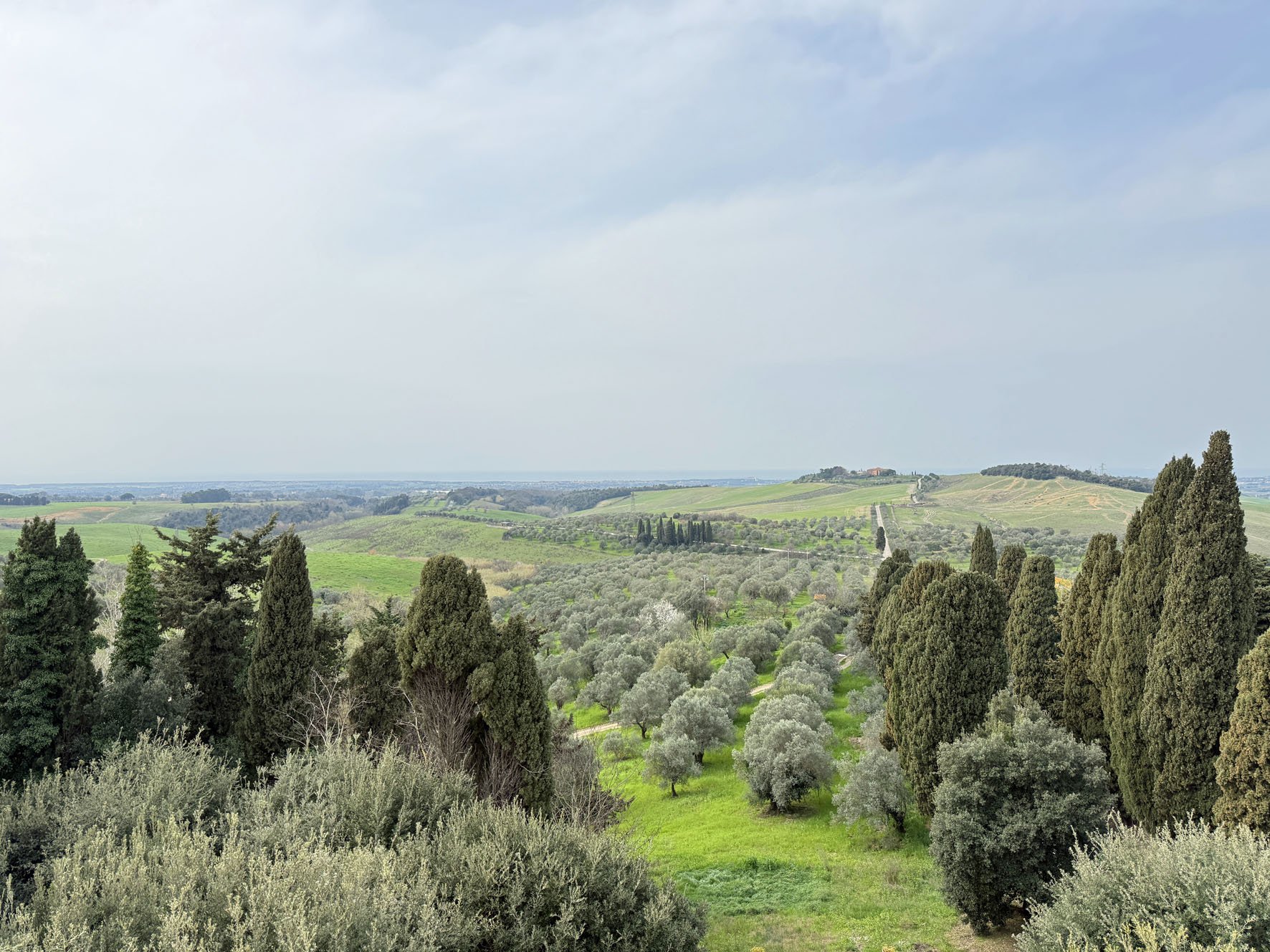
The Il Terriccio estate is already known internationally for its Lupicaia wines, and Terraforte functions as the dining expression of that same land. Beef, game, chicken, vegetables, aromatic herbs, and the estate's own wine all feed directly into the kitchen without passing through a supplier. For the food-and-wine explorer who travels specifically for this kind of provenance depth, the setting is the point: you are eating and drinking the place, not a curated version of Tuscany assembled from a regional produce list.
The menu comes in two formats: three courses or seven courses. Both are described as showcasing imaginative, well-balanced dishes that keep the clean, decisive character of their raw ingredients intact. For visitors making a special trip, the seven-course format is the stronger argument, giving the kitchen enough range to demonstrate the breadth of what the estate produces across seasons. In the current season, when Tuscan summer produce is at its most expressive, the seven-course menu is the format most likely to justify the drive. The three-course option works better if you are combining Terraforte with lunch elsewhere on a longer itinerary.
Setting and Outdoor Dining
Hay barn conversion frames the dining room in a way that makes the agricultural context legible without being rustic in a forced way. When the weather holds, the outdoor space adds a further dimension: eating among the olive trees and vineyards of a working estate changes the rhythm of a meal in ways that a standard restaurant room cannot replicate. If you are visiting during the warmer months, booking for an outdoor table is worth requesting at the time of reservation. The estate also offers accommodation at the La Marrana villa, which makes Terraforte a credible anchor for a short stay rather than just a single-meal destination. Pairing dinner with a night at La Marrana turns the experience into something considerably more complete, and for guests travelling from outside Tuscany, the overnight option removes the car logistics that would otherwise limit wine consumption.
Wine and the Lupicaia Connection
Presence of Lupicaia wines on the list is not incidental. Lupicaia is one of the more respected labels in the Bolgheri and coastal Tuscan orbit, and drinking it on the estate where the grapes are grown is a different proposition from ordering it in a Florence restaurant. For the wine-focused traveller, this alone is a reason to visit. The zero-mile approach extends to wine just as it does to food, which means the pairing logic here is tighter than at most contemporary Italian restaurants at this price tier. Come with an appetite for the estate's own bottles rather than arriving with a specific wine agenda.
How to Book and What to Expect
Booking Terraforte is rated as easy relative to the broader €€€€ restaurant category in Italy, which is a meaningful practical advantage. This is not a restaurant requiring months of advance planning or a waitlist strategy. That said, the outdoor terrace fills in summer, and if the setting matters to you, booking two to three weeks ahead during peak season is the sensible approach. No dress code is confirmed in available data, but the country-house barn setting and the €€€€ price point suggest smart-casual is the floor rather than a ceiling. A linen shirt will be fine; a suit is unnecessary.
Castellina Marittima is not a large town with multiple dining options of equivalent seriousness, so Terraforte operates somewhat in its own category locally. For further dining, wine, and travel planning in the area, see our full Castellina Marittima restaurants guide, our full Castellina Marittima hotels guide, our full Castellina Marittima bars guide, our full Castellina Marittima wineries guide, and our full Castellina Marittima experiences guide.
Pearl Picks Nearby
- Enoteca Pinchiorri in Florence — Two Michelin stars, one of Italy's most serious wine cellars; the natural escalation if you want more formal service and a deeper bottle list.
- Osteria Francescana in Modena — Three Michelin stars; relevant for the explorer who is benchmarking the leading contemporary Italian cooking.
- Piazza Duomo in Alba, For the northern Tuscan and Piedmont crossover trip, strong estate-focused cooking in a different regional register.
- Uliassi in Senigallia, Three Michelin stars on the Adriatic coast; a peer destination for the serious Italian food itinerary.
- Quattro Passi in Marina del Cantone, Two Michelin stars; a coastal Italian alternative if the broader coastal Tuscany and southern Italian comparison interests you.
- Reale in Castel di Sangro, Niko Romito's three-star kitchen; for the explorer who wants to understand how zero-waste and hyper-local Italian cooking performs at its most rigorous.
- Dal Pescatore in Runate, Casa Perbellini 12 Apostoli in Verona, and Atelier Moessmer Norbert Niederkofler in Brunico round out the Italian fine dining context for a longer touring itinerary.
- For international contemporary reference points: Jungsik in Seoul and César in New York City.
What should I wear to Terraforte?
Smart-casual is the appropriate register. The converted hay barn setting on a working estate signals that Terraforte is not a white-tablecloth formality situation, but the €€€€ price point and Michelin Plate recognition mean that trainers and shorts would feel out of place. Linen or a light summer dress is appropriate for warm-weather visits; a jacket is not required.
How far ahead should I book Terraforte?
Terraforte is rated easy to book relative to its price tier, so you do not need to plan months ahead. That said, if you want outdoor seating in summer, or a specific date around a weekend, two to three weeks in advance is a reasonable buffer. For a weekday lunch in shoulder season, a week ahead is likely sufficient.
Is Terraforte good for a special occasion?
Yes, particularly for food and wine occasions rather than pure celebration dining. The Il Terriccio estate setting, the seven-course menu, and the Lupicaia wine pairing create a genuinely memorable frame for an anniversary, a significant birthday, or a milestone trip. The outdoor terrace in summer adds to that. For a more formal celebration with white-glove service, Enoteca Pinchiorri in Florence is the higher-polish alternative at the same price tier.
Is Terraforte good for solo dining?
It depends on format preference. The estate restaurant setting is not a counter-style venue with natural single-seat energy, but solo dining at a serious estate table is entirely plausible here, particularly if you are combining a meal with a night at La Marrana villa. The three-course menu is the more practical solo choice on price grounds. If a lively solo counter experience is what you want, Terraforte's setting is not optimised for that.
Is Terraforte worth the price?
At €€€€, Terraforte is worth it if the estate-to-table concept and the Lupicaia wine connection are the draw. Where it may feel less justified is if you are comparing it to two-star Italian restaurants elsewhere at similar spend: you are paying for the setting and the provenance story as much as pure technical ambition. For cooking-first travellers, Enoteca Pinchiorri or Le Calandre in Rubano deliver more awarded culinary rigour at the same price tier.
What are alternatives to Terraforte in Castellina Marittima?
Castellina Marittima does not have a dense cluster of comparable fine dining options, so the realistic alternatives are regional. In coastal Tuscany and the broader Tuscan circuit, Enoteca Pinchiorri in Florence is the most directly comparable €€€€ Italian option with stronger awards credentials. For estate-anchored wine and food experiences in a similar spirit, exploring Castellina Marittima's wineries alongside a regional trattoria is a lower-cost alternative that keeps the provenance logic intact.
Is the tasting menu worth it at Terraforte?
The seven-course menu is the stronger argument for a dedicated visit. It gives the kitchen the space to show range across the estate's seasonal output, and it pairs more naturally with the Lupicaia wine flight if that is available. The three-course menu is a reasonable choice if you are combining Terraforte with other meals on the same day or travelling with guests who prefer a lighter format. For the food-focused traveller making a specific trip to Castellina Marittima, the seven-course is the version to book.
Planning details
- Location
- Via Bagnoli, 16, 56040 Castellina Marittima PI, Italy
- Website
- ristoranteterraforte.it
- Phone
- +39 345 876 6179
The take
The Take
The Vibe
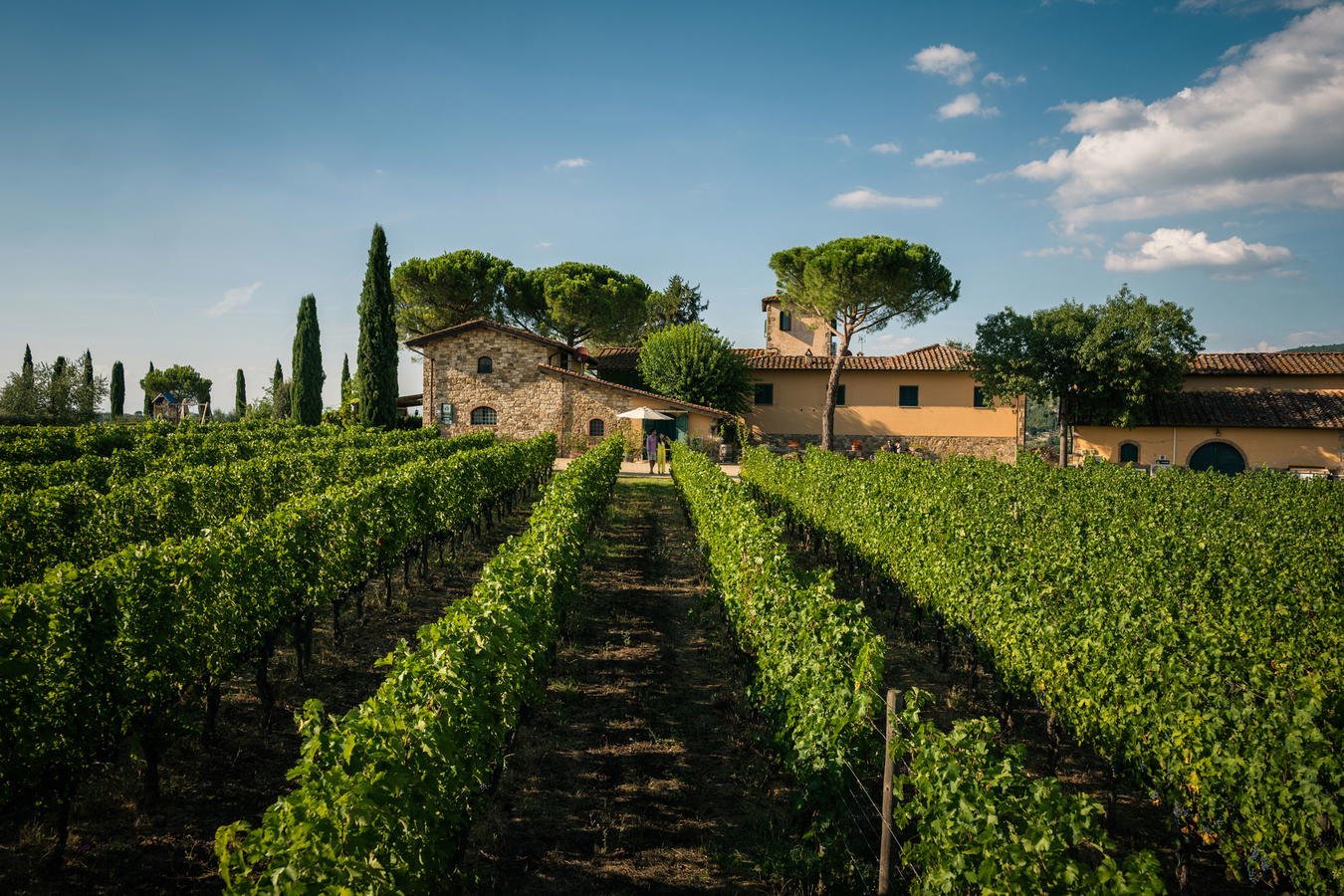
Terraforte feels like a working barn that quietly became a restaurant — the setting is integral to the identity. The approach across olive groves, horse paddocks and vineyards immediately frames the meal as part of the land rather than a separate occasion. Everything reads as purposely provincial and deliberate: a single estate supplying the kitchen, old agricultural structures repurposed for dining, and a remoteness that the team treats as an asset. The result is rustic and scenic but also restrained and focused, an intimate, cozy place where the landscape is part of the menu and the experience.
Best For
This is a destination for evenings when the location is part of the attraction. The single-estate sourcing model lends itself to special-occasion dinners and date nights, particularly for diners who value provenance and terroir. With robust, meat-forward signatures like Bistecca Toscana and Venison with Juniper Extract alongside estate wines, the restaurant suits celebrations that favor serious Tuscan flavors and a quietly elevated setting. Because Terraforte sits outside mainstream circuits, visits read as part meal, part mini-escape — a deliberate outing rather than a casual stop.
Ordering Tips
Lean into what the estate does best: choose dishes that showcase the property’s proteins and the wines that come from its vineyards. The menu emphasizes zero-mile sourcing — beef, game and chicken all originate on Il Terriccio — so order the signature meat courses (Bistecca Toscana, Venison with Juniper Extract) and pasta that pairs with hearty, locally produced sauces such as the Pappardella. Expect focused, ingredient-led preparations; prioritize items that directly reference the estate to experience the restaurant’s closed supply-chain philosophy.
Venue details
Ambiance
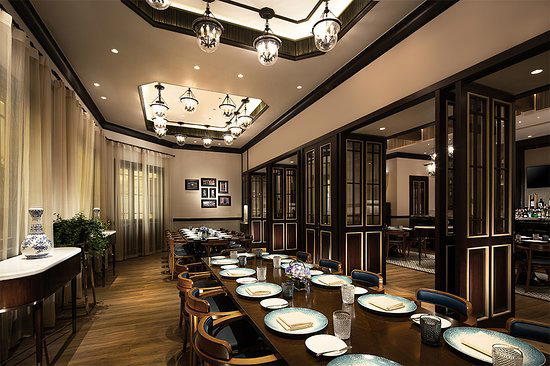
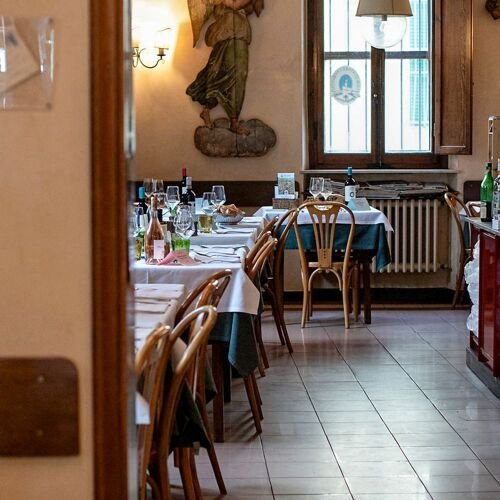
Warm, soft lighting in a rustic converted hay barn with exposed beams, reclaimed wood, rough stone walls, and tables spaced for private conversation, creating a calm, unpretentious atmosphere focused on food and wine.
Tags
Vibe
Best For
Experience
Sourcing
View
At the Table
- Dress Code
- Smart Casual
- Noise Level
- Quiet
- Service Style
- Upscale Casual
- Meal Pacing
- Leisurely
- Capacity
- Small
- Kitchen
- Modern
- Menu Format
- Tasting menu, A la carte
- Wine Program
- Exceptional
- Drinks Focus
- Estate wines
- Dietary
- Vegetarian friendly
- Outdoor Seating
- Yes
Signature Dishes
- Pappardella
- Bistecca Toscana
- Venison with Juniper Extract
- Dual Fried Course
Know before you go
Know Before You Go
- Getting there
- Via Bagnoli, 16, 56040 Castellina Marittima PI, Italy
Planning details
Location
Via Bagnoli, 16, 56040 Castellina Marittima PI, Italy · Directions
Recognition and awards
Also consider
Also Consider
- Atelier Moessmer Norbert Niederkofler, Italian, Creative, €€€€
- Dal Pescatore, Italian, Italian Contemporary, €€€€
- Enoteca Pinchiorri, Italian - French, Italian Contemporary, €€€€
- Enrico Bartolini, Creative, €€€€
- Le Calandre, Progressive Italian, Creative, €€€€
Restaurant context
At €€€€, Terraforte is operating in the same price bracket as some of Italy's most decorated kitchens, but it is competing on different terms. Enoteca Pinchiorri in Florence (Italian-French, €€€€) carries two Michelin stars and one of Italy's deepest wine cellars, making it the stronger choice if cooking precision and formal service are your primary criteria. Le Calandre in Rubano (Progressive Italian, Creative, €€€€) holds three Michelin stars and represents the peak of progressive Italian technique at this price tier. If awards-per-euro is how you are measuring value, both outrank Terraforte on paper.
Where Terraforte wins is on setting and concept coherence. Dal Pescatore in Runate (Italian Contemporary, €€€€) is a family-run institution with two Michelin stars and strong provenance credentials, but it sits in the Po Valley rather than a wine estate. Atelier Moessmer Norbert Niederkofler in Brunico (Creative, €€€€) applies a similar hyper-local philosophy in the Alto Adige mountains and carries two Michelin stars; it is the closer philosophical peer to Terraforte, and if you are specifically drawn to zero-mile estate dining, comparing those two itineraries is a worthwhile exercise. Enrico Bartolini in Milan (Creative, €€€€) offers urban fine dining with three Michelin stars, but is a fundamentally different proposition.
The practical read: book Terraforte if you are already in coastal Tuscany and want a single destination that combines serious wine, a strong kitchen, and a memorable rural setting without the booking competition of a starred city restaurant. If you are building an Italy trip around maximising Michelin credentials at this price point, your spend goes further at Le Calandre or Enoteca Pinchiorri. Terraforte's advantage is availability and atmosphere, not awards density.
Explore Castellina Marittima
Around this place
Discover more on Pearl
Unlock the full Terraforte guide in Pearl, including awards, comparisons, FAQs, planning details, and nearby places.
Compare Terraforte
| Venue | Awards | Price |
|---|---|---|
| Terraforte | 2026 Michelin Plate2025 Michelin Plate | €€€€ |
| Atelier Moessmer Norbert Niederkofler | 2026 OAD Top Restaurants in Europe Ranked · #92026 Falstaff Restaurant Guide2026 Les Grandes Tables du Monde Members2026 Michelin 3 Stars2026 La Liste Top Restaurants2025 World's 50 Best Restaurants · #202025 OAD Top Restaurants in Europe Ranked · #362025 The Best Chef Three Knives2025 Michelin 3 Stars | €€€€ |
| Dal Pescatore | 2026 OAD Classical in Europe Ranked · #172026 Relais Chateaux Restaurants2026 Les Grandes Tables du Monde Members2026 La Liste Top Restaurants2026 Michelin 3 Stars2026 Falstaff Restaurant Guide2025 OAD Classical in Europe Ranked · #162025 Michelin 3 Stars2025 Relais Chateaux Award | €€€€ |
| Enoteca Pinchiorri | 2026 OAD Classical in Europe Ranked · #73Star Wine Lists 20262026 Wine Spectator Grand Award2026 Les Grandes Tables du Monde Members2026 La Liste Top Restaurants2026 Michelin 3 Stars2025 OAD Classical in Europe Ranked · #942025 Wine Spectator Grand Award2025 La Liste Top Restaurants | €€€€ |
| Enrico Bartolini | 2026 OAD Top Restaurants in Europe Ranked · #762026 Michelin 3 Stars2026 Les Grandes Tables du Monde Members2026 La Liste Top Restaurants2026 Falstaff Restaurant Guide2025 OAD Top Restaurants in Europe Ranked · #722025 Michelin 3 Stars2025 Michelin 1 Star2025 La Liste Top Restaurants | €€€€ |
| Le Calandre | 2026 OAD Top Restaurants in Europe Ranked · #38Star Wine Lists 20262026 Relais Chateaux Restaurants2026 Les Grandes Tables du Monde Members2026 Michelin 3 Stars2026 La Liste Top Restaurants2025 OAD Top Restaurants in Europe Ranked · #292025 World's 50 Best Restaurants · #31We're Smart World Top Restaurants 2025 | €€€€ |













Comparing your options in Castellina Marittima for this tier.
FAQ
Frequently Asked Questions
What should I wear to Terraforte?
The setting is a converted hay barn on a working estate, which signals refined but not formal. Dress as you would for a serious country-house dinner: neat, considered, without black-tie expectation. The outdoor terrace in fine weather tilts things slightly more relaxed, but at €€€€ pricing, avoid anything too casual.
How far ahead should I book Terraforte?
Terraforte is rated easy to book relative to other €€€€ restaurants in Italy, which is a genuine advantage. That said, the restaurant sits on a destination estate with limited covers, so booking a few weeks ahead is sensible, particularly for weekends or if you want the outdoor terrace. Last-minute is more realistic here than at most comparable Michelin-recognised venues.
Is Terraforte good for a special occasion?
Yes, and it makes a stronger case than a city restaurant at the same price point. The Il Terriccio estate provides a whole-evening context: Lupicaia wines at the table, the option to stay overnight at La Marrana villa, and outdoor dining when the weather holds. For a milestone dinner where setting matters as much as the food, it delivers more than a standalone restaurant.
Is Terraforte good for solo dining?
Possible but not the natural fit. The seven-course menu and estate setting are oriented toward occasions with company, and a solo diner carries the full €€€€ cost without the shared-plates dynamic that makes long tasting menus feel proportionate. For solo dining in Tuscany at this tier, a counter-service omakase-style format in Florence would give you more interaction for the spend.
Is Terraforte worth the price?
At €€€€, Terraforte earns its price if you're treating it as a full estate experience rather than just a meal. The zero-mile sourcing from 1,500 hectares of Il Terriccio land, combined with a 2025 Michelin Plate, means the kitchen is delivering at a level that justifies the cost. If you want the same spend applied purely to cooking precision in a city context, Enoteca Pinchiorri in Florence is the better comparison.
What are alternatives to Terraforte in Castellina Marittima?
Terraforte is the primary fine-dining destination on the Il Terriccio estate, and there is no direct like-for-like alternative in Castellina Marittima itself. For comparable estate-anchored Tuscan dining, you need to travel: Enoteca Pinchiorri (Florence) operates at a higher Michelin tier, while Dal Pescatore in Lombardy offers a similar long-established country-house format if you're touring northern Italy.
Is the tasting menu worth it at Terraforte?
The seven-course menu is the stronger choice if you're travelling specifically for the estate experience. The three-course format works if you're combining lunch with a vineyard visit or staying short. Per the Michelin assessment, both menus deliver well-balanced dishes that hold onto the clean flavours of the estate ingredients, so the seven-course is a matter of appetite and budget rather than a quality step-up.