.png?width=1200&quality=80)
Badessa
Emilian · San Donnino di Liguria, Casalgrande
Restaurant in Casalgrande, Italy
 Book with Pearl
The Read
Heritage-Source Emilian
Price
$50–100per person
Dress
Casual
Why go
Badessa earns its Michelin Plate recognition with house-made pasta and locally sourced Emilian cooking at an accessible €€ price point. Set in a 19th-century Parmigiano factory in Casalgrande, it delivers technically grounded regional food with a natural wine list to match. A practical, value-driven booking for anyone serious about the Emilian tradition without the €€€€ price tag.
About Badessa
Badessa, Casalgrande: Worth Booking for Traditional Emilian Cooking Done With Real Conviction
At the €€ price point, Badessa is one of the more direct value cases in the Emilia-Romagna dining scene. You are paying for fresh pasta made in-house, sourced local ingredients, and a kitchen that treats the Emilian tradition as a serious discipline rather than a backdrop. For first-timers arriving from Modena or Reggio Emilia looking for an honest, technically grounded meal without a three-figure bill, this is a very sensible booking. The Michelin Plate recognition in both 2024 and 2025 confirms this is a kitchen working above the regional average, even if it is not chasing stars.
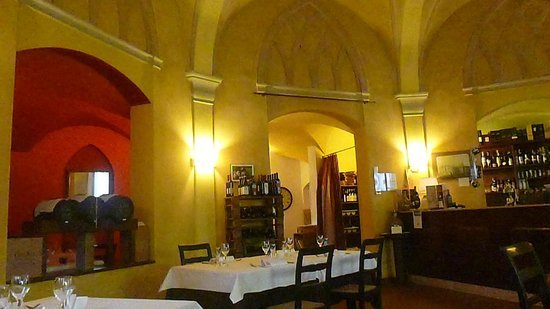
The setting itself is part of what makes Badessa worth understanding before you arrive. The building is a 19th-century cheese factory that once produced Parmigiano-Reggiano, and the transition from dairy production to dining room has not erased the building's identity. The connection to the region is not decorative — it shapes the kitchen's sourcing philosophy. The chef actively seeks out old Emilian recipes and local producers, and the pasta and other core preparations are made on site. This is the kind of cooking where the discipline shows in the details: texture in the pasta, accuracy in the seasoning, restraint in letting ingredients carry the work. For a first visit, that house-made pasta is the clearest signal of what this kitchen can do, and it is where you should pay attention.
The wine list leans into natural labels, which reflects a considered point of view rather than a generic wine programme. If you have preferences around natural wine or want to explore producers from the area, the list will reward some attention. If natural wine is not your format, the list is still focused and purposeful rather than simply broad.
Practically, Badessa sits in San Donnino di Liguria, a frazione of Casalgrande in the province of Reggio Emilia. This is not a city-centre location, so you will need a car or a arranged transfer — it is not walkable from any major transport hub. That said, the address on Via Case Secchia places it within reach of the A1 motorway corridor, making it accessible as a standalone destination or as part of a wider Emilia-Romagna itinerary. Pairing it with a visit to a nearby Parmigiano-Reggiano producer or a stop in Casalgrande itself adds context to what you are eating.
If you are visiting the Emilia-Romagna region for the first time and want a grounding meal in the local cuisine before moving on to more formal or expensive options, Badessa is a practical first stop. Book ahead to be safe, particularly on weekends, but this is not a months-in-advance situation.
For context on how Emilian cuisine works at this level: the tradition is built on slow-cooked ragù, hand-rolled pasta like tagliatelle and tortellini, aged vinegars, and local pork products. Kitchens that do this well know their raw materials and do not cut corners on process. Badessa's combination of in-house production and recipe research suggests a kitchen that has thought carefully about where it sits in that tradition, rather than simply reproducing what sells. The modern twist the kitchen applies to old recipes is worth noting: this is not a museum-piece approach to Emilian food, but it is also not a kitchen trying to deconstruct the tradition for its own sake. The balance between respect for the source material and a current sensibility is where the kitchen's technical argument lives.
If you are building a broader Emilia-Romagna itinerary, Badessa pairs well with a visit to Arnaldo - Clinica Gastronomica in Rubiera or Osteria del Viandante in Rubiera, both of which sit in the same Emilian tradition and are close enough geographically to make a two-meal day viable. For the wider regional picture, our full Casalgrande restaurants guide covers the area in more depth, and our Casalgrande hotels guide will help you plan where to stay. You can also browse bars, wineries, and experiences in Casalgrande to round out your visit.
Ratings
- Michelin: Plate 2025, Plate 2024
Practical Details
Badessa is at Via Case Secchia, 2/a, San Donnino di Liguria, 42013, Casalgrande, Reggio Emilia. A car is necessary, there is no practical public transport option to this address. Price range is €€, making it accessible for most budgets. No phone number or website is currently listed in our database; search locally or check current booking platforms for contact details.
How It Compares
Pearl Picks, More Emilian and Italian Dining Worth Considering
- Arnaldo - Clinica Gastronomica, Rubiera, a nearby Emilian institution worth pairing with a Badessa visit
- Osteria del Viandante, Rubiera, another grounded Emilian option close to Casalgrande
- Osteria Francescana, Modena, if you want to see what the Emilian tradition looks like at the absolute best of the format
- Dal Pescatore, Runate, for a more formal, occasion-grade Italian meal in the region
- Le Calandre, Rubano, progressive Italian cooking in the Veneto for a northern Italy comparison
- Uliassi, Senigallia, for a coastal Italian contrast to Emilia-Romagna's landlocked larder
- Enoteca Pinchiorri, Florence, if a grand wine-driven Italian meal is the goal
- Piazza Duomo, Alba, northern Italian fine dining anchored in the Piedmont tradition
- Enrico Bartolini, Milan, city-based Italian fine dining if your itinerary includes Milan
- Casa Perbellini 12 Apostoli, Verona, for northern Italian cooking with strong regional identity
Planning details
- Location
- Via Case Secchia, 2/a, 42013 San Donnino di Liguria RE, Italy
- Reservations
- Book on the venue's website
- Website
- ristorantebadessa.it
- Phone
- +39 0522 989138
The take
The Take
The Vibe
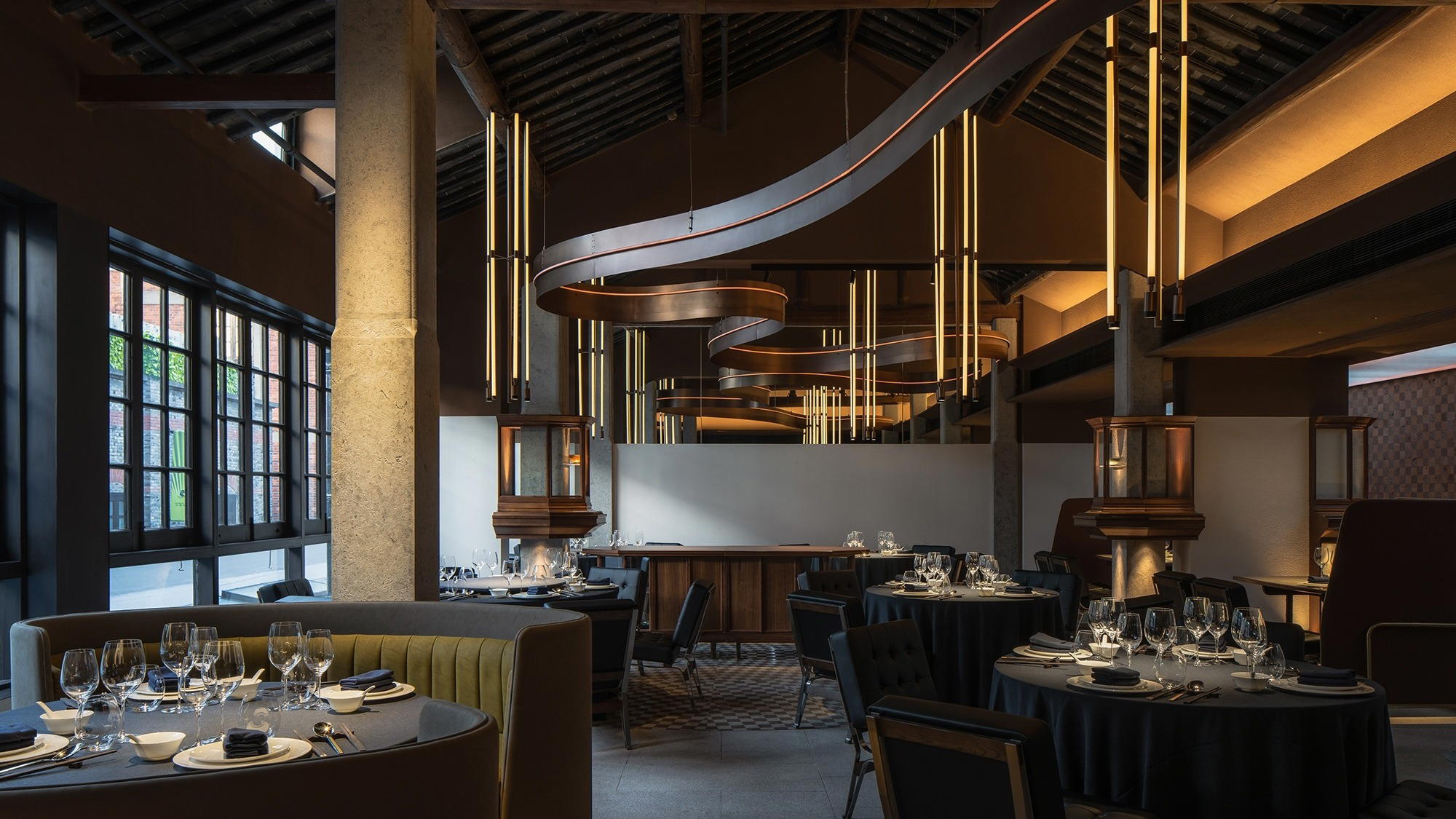
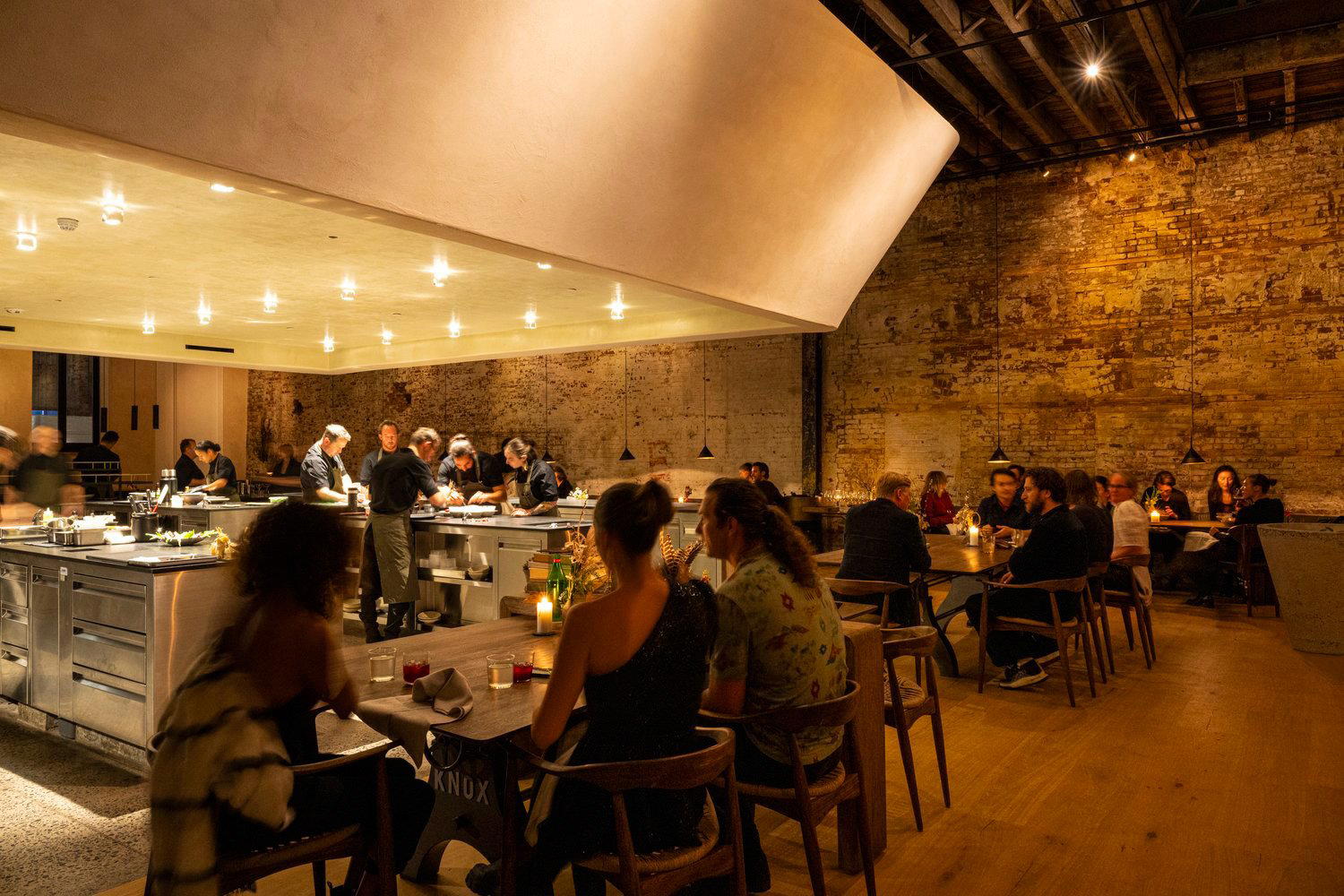
Badessa inhabits a 19th-century cheese factory and keeps that industrial history front and center. Thick walls and functional proportions give the dining room a workmanlike, honest quality: the space feels engineered for production rather than display. The kitchen’s focus on recovering old recipes and pairing them with contemporary technique adds a rustic, craft-driven edge to the experience. Overall the restaurant reads as both historic and industrial, with a quiet seriousness that foregrounds ingredient provenance and culinary workmanship over stylized décor.
Best For
This is a place for diners who come for food first: those curious about Emilia-Romagna’s agricultural heritage, local producers and in-house craft. Travelers interested in regional ingredients and cooks who appreciate technical respect for classics will find it especially rewarding. The restaurant’s pedigree and focus on made-in-house pasta make it well suited to focused dinner visits and special-occasion meals where the provenance of every element matters. It’s less about spectacle and more about a deliberate, ingredient-driven dining experience.
Ordering Tips
Look for preparations that emphasize the region’s staples and the kitchen’s in-house production. The profile specifically notes that a significant share of primary ingredients and fresh egg pasta are produced on-site, so choosing house-made pasta or dishes that highlight local products is the clearest way to sample the restaurant’s strengths. Given the emphasis on old recipes and careful sourcing, ask staff about producers and preparations when ordering to get the fullest sense of Badessa’s approach.
Venue details
Ambiance
A countryside restaurant with a historic agricultural setting, centered on traditional Emilian cooking and natural wines; the overall feel is rustic, local, and food-focused.
Tags
Vibe
Best For
Experience
Sourcing
View
At the Table
- Dress Code
- Casual
- Noise Level
- Conversational
- Service Style
- Upscale Casual
- Meal Pacing
- Standard
- Capacity
- Small
- Kitchen
- Traditional
- Menu Format
- A la carte
- Wine Program
- Exceptional
- Drinks Focus
- Wine
- Private Dining
- Available
- Outdoor Seating
- Yes
- Opened
- 2011
Signature Dishes
- Caramelle della Badessa
- Tortelli di Porro della Nilde
- Cappelletto reggiano in brodo di cappone
- Fillet Badessa
Know before you go
Know Before You Go
- Getting there
- Via Case Secchia, 2/a, 42013 San Donnino di Liguria RE, Italy
Planning details
Location
Via Case Secchia, 2/a, 42013 San Donnino di Liguria RE, Italy · Directions
Recognition and awards
Also consider
Also Consider
- Atelier Moessmer Norbert Niederkofler, Italian, Creative, €€€€
- Dal Pescatore, Italian, Italian Contemporary, €€€€
- Osteria Francescana, Progressive Italian, Creative, €€€€
- Quattro Passi, Italian, Mediterranean Cuisine, €€€€
- Reale, Progressive Italian, Modern Cuisine, €€€€
Restaurant context
Badessa sits in a different bracket from most of the Michelin-decorated Italian restaurants Pearl tracks in this region, and that gap is precisely what makes the comparison useful. Osteria Francescana in Modena, Dal Pescatore in Runate, and Reale in Castel di Sangro are all €€€€ operations with tasting menus, advance booking requirements measured in months, and a level of formal ambition that puts them in a distinct category. Badessa at €€ with easy booking availability is not trying to compete on those terms. If your goal is a technically grounded Emilian meal without a high-ceremony experience, Badessa is the more accessible and, at its price point, stronger value option.
For diners specifically interested in creative Italian cooking at the top of the format, Atelier Moessmer Norbert Niederkofler and Quattro Passi in Marina del Cantone offer €€€€ experiences with clear conceptual ambition, strong wine programmes, and the kind of occasion-grade service that justifies the premium. Neither is an Emilian kitchen, so the cuisine comparison is not direct, but if you are choosing between a high-end destination meal and what Badessa offers, the decision comes down to what you are after: technical cooking in a tradition you want to understand deeply, or a larger-format dining event. Badessa wins on access, price, and regional specificity; the €€€€ field wins on occasion scale and ambition.
The closest comparisons to Badessa in spirit and geography are Arnaldo - Clinica Gastronomica in Rubiera and Osteria del Viandante in Rubiera, both Emilian kitchens operating in the same regional tradition at comparable price tiers. If you are spending multiple days in Emilia-Romagna and want to build a picture of the cuisine across different kitchens, these three make a coherent itinerary. Badessa is the one with the most distinctive setting and the clearest commitment to recipe research and in-house production, which gives it an edge on character if not necessarily on formal kitchen credentials.
Explore Casalgrande
Around this place
Discover more on Pearl
Unlock the full Badessa guide in Pearl, including awards, comparisons, FAQs, planning details, and nearby places.
Compare Badessa
| Venue | Cuisine | Awards | Booking Difficulty |
|---|---|---|---|
| Badessa | Emilian | 2026 Michelin Plate2025 Michelin Plate2024 Michelin Plate | Easy |
| Atelier Moessmer Norbert Niederkofler | Italian, Creative | 2026 OAD Top Restaurants in Europe Ranked · #92026 Falstaff Restaurant Guide2026 Les Grandes Tables du Monde Members2026 Michelin 3 Stars2026 La Liste Top Restaurants2025 World's 50 Best Restaurants · #202025 OAD Top Restaurants in Europe Ranked · #362025 The Best Chef Three Knives2025 Michelin 3 Stars | Unknown |
| Dal Pescatore | Italian, Italian Contemporary | 2026 OAD Classical in Europe Ranked · #172026 Relais Chateaux Restaurants2026 Les Grandes Tables du Monde Members2026 La Liste Top Restaurants2026 Michelin 3 Stars2026 Falstaff Restaurant Guide2025 OAD Classical in Europe Ranked · #162025 Michelin 3 Stars2025 Relais Chateaux Award | Unknown |
| Osteria Francescana | Progressive Italian, Creative | 2026 OAD Top Restaurants in Europe Ranked · #212026 La Liste Top Restaurants2026 Les Grandes Tables du Monde Members2026 Michelin 3 Stars2026 Falstaff Restaurant Guide2025 OAD Top Restaurants in Europe Ranked · #27Chef's Table Featured Restaurants · 20252025 Michelin 3 Stars2025 The Best Chef Three Knives | Unknown |
| Quattro Passi | Italian, Mediterranean Cuisine | 2026 OAD Top Restaurants in Europe Ranked · #972026 Les Grandes Tables du Monde Members2026 La Liste Top Restaurants2026 Michelin 3 Stars2026 Falstaff Restaurant Guide2025 OAD Classical in Europe Ranked · #522025 La Liste Top Restaurants2025 Michelin 3 Stars2024 OAD Classical in Europe Ranked · #116 | Unknown |
| Reale | Progressive Italian, Modern Cuisine | 2026 OAD Top Restaurants in Europe Ranked · #222026 Les Grandes Tables du Monde Members2026 La Liste Top Restaurants2026 Michelin 3 Stars2026 Falstaff Restaurant Guide2025 World's 50 Best Restaurants · #182025 OAD Top Restaurants in Europe Ranked · #25We're Smart World Top 100 2025We're Smart World Top Restaurants 2025 | Unknown |











Key differences to consider before you reserve.
FAQ
Frequently Asked Questions
Is Badessa worth the price?
At €€, yes — this is one of the cleaner value cases in the Emilia-Romagna region. You are paying for house-made fresh pasta, locally sourced ingredients, and a kitchen that works from old Emilian recipes rather than a modernised menu built for tourists. Two consecutive Michelin Plates (2024 and 2025) confirm the cooking is consistent. For this price bracket, it outperforms most comparable regional trattorias in terms of ingredient sourcing and culinary focus.
Does Badessa handle dietary restrictions?
No specific dietary accommodation policies are confirmed in the available data. The menu is rooted in traditional Emilian cooking — which means fresh pasta, regional meats, and dairy feature prominently. Guests with gluten, dairy, or meat restrictions should call ahead, as the kitchen's identity is built around these ingredients and substitutions may be limited.
How far ahead should I book Badessa?
Booking one to two weeks ahead is a reasonable baseline for a weeknight visit; weekends and public holidays in a Michelin-recognised venue at €€ pricing in a region with serious food tourism will fill faster. The location in San Donnino di Liguria means walk-in attempts are a poor bet — a car trip out here without a confirmed table is not worth the risk.
Is Badessa good for a special occasion?
It works well for a low-key, food-focused occasion where the cooking is the centrepiece rather than the setting or service spectacle. The 19th-century cheese factory space gives it character without pretension, and the €€ price point means you are not paying a ceremony premium. If you want a grander dining room or a longer tasting format for a milestone celebration, Osteria Francescana in Modena is the regional reference point — but Badessa suits someone who wants a genuinely personal, ingredient-driven meal over theatre.
Is the tasting menu worth it at Badessa?
No tasting menu format is confirmed in the venue data, so this cannot be. What is documented is a kitchen that makes its own fresh pasta, sources local ingredients with deliberate care, and draws on traditional Emilian recipes with occasional modern adjustments. If a tasting option exists, the €€ price range suggests it would represent strong value by regional standards — but confirm directly with the restaurant before building an itinerary around it.