
Yongkangzzie
Noodles · Millak-dong, Busan
Restaurant in Busan, South Korea
 Book with Pearl
The Read
Suyeong Noodle Precision
Price
$10–20per person
Dress
Casual
Why go
Yongkangzzie is a ₩-tier Taiwanese noodle specialist in Busan's Suyeong-gu district, holding back-to-back Michelin Plate recognition in 2024 and 2025. It is the right call for solo diners or pairs who want serious noodle craft at an accessible price, without the formality or cost of a multi-course venue. Easy to book, but worth timing your visit to avoid peak lunch queues.
About Yongkangzzie
Who Should Book Yongkangzzie — and When
If you are in Busan specifically to eat noodles seriously, Yongkangzzie in Suyeong-gu is the right address. Two consecutive Michelin Plate recognitions (2024 and 2025) confirm it is performing at a level that rewards attention. It is a low-price-tier venue — ₩ on the wallet scale, which makes it one of the more accessible Michelin-recognised spots in South Korea. Come here for a focused, no-frills noodle experience, not for a multi-course evening or a design-forward dining room. Solo travellers, pairs, and anyone with a genuine interest in Korean noodle craft will get the most from it.
A Venue in Focus: What the Michelin Plate Tells You
The Michelin Plate is not a star, but it is not nothing either. In the Michelin framework, a Plate signals a kitchen producing food that inspectors consider worth seeking out, solid technique, quality ingredients, a clear point of view. For a ₩-tier noodle specialist in Busan, holding that recognition in back-to-back years (2024 and 2025) is a meaningful signal of consistency. The category itself, Korean noodles, is one where the gap between ordinary and genuinely good is wide, and where sourcing decisions tend to define the outcome. Broth depth, noodle texture, and the provenance of base ingredients are the variables that separate a memorable bowl from a forgettable one. The fact that Yongkangzzie has drawn inspector attention twice in a row suggests those variables are being managed deliberately.
The venue is located at 10 Gwanganhaebyeon-ro 277 beon-gil, Suyeong-gu, a district better known for its coastal stretch along Gwangalli Beach than for concentrated fine dining. That positioning matters: this is not a venue in Busan's central restaurant cluster, so it requires a specific trip rather than a convenient stop during a broader dinner crawl. For the explorer-minded diner, that is part of the appeal. Suyeong-gu has its own local character, and arriving at a Michelin-recognised noodle spot in a residential coastal neighbourhood rather than a tourist corridor tends to produce a more grounded experience.
Ingredient Sourcing and the Noodle Category
Korean noodle cooking, whether kalguksu (knife-cut noodles), janchi-guksu (banquet noodles), or regional broth styles, lives or dies on the quality of its stock base and the texture of its noodles. Sourcing discipline shows up directly in the bowl: a broth built from well-sourced anchovies, dried kelp, or long-simmered bone stock has a depth that is difficult to replicate with shortcuts. Yongkangzzie's Michelin Plate status, maintained across two guide cycles, implies that the kitchen's ingredient choices are holding up under scrutiny. While the specific menu items and sourcing details are not in the public record available here, the noodle category itself is one where quality inputs are non-negotiable, and two Plate recognitions at a ₩ price point suggest the kitchen is achieving real depth without passing premium sourcing costs heavily onto the diner.
For context, Korean noodle specialists drawing Michelin attention sit in a small peer group nationally. Venues like 1969 Buwondong Kalguksu in Busan represent the kind of dedicated craft that the guide recognises in this category. Yongkangzzie's consecutive Plate recognition puts it in comparable territory, and for anyone building a Busan noodle itinerary, it belongs on the shortlist alongside 100.1.Pyeongnaeng, which operates at the same price tier but in the naengmyeon (cold noodle) sub-category.
Booking and Practical Details
Yongkangzzie is rated Easy for booking difficulty. At ₩ pricing with Michelin Plate recognition, expect queues at peak meal times, Korean noodle spots at this price tier and quality level tend to fill quickly at lunch and dinner openings, but same-day visits or short-notice bookings are generally achievable. Hours and reservation policy are not confirmed in available data, so check directly before visiting. The address at Suyeong-gu is accessible via Busan Metro (Gwangalli or Suyeong station area), and the coastal neighbourhood makes it a reasonable stop if you are already planning time near Gwangalli Beach. For visitors staying in central Busan, build in transit time rather than assuming it is a quick detour.
If you are planning a broader Busan food trip, Pearl's full Busan restaurants guide covers the city's range across price tiers and cuisine types. You can also explore hotels in Busan, bars in Busan, wineries near Busan, and experiences in Busan through Pearl's city guides.
How It Compares
For Michelin-tracked noodle dining in South Korea more broadly, the comparison set is instructive. Mingles in Seoul operates at the top of the Korean fine dining register, different category, different price tier, different decision. Closer to Yongkangzzie's format are regional specialists like Baegyangsa Temple in Jangseong-gun, which also draws guide attention for focused, ingredient-led cooking. International noodle comparisons worth noting for the explorer diner: A Niang Mian Guan in Shanghai and A Xin Xian Lao in Fuzhou both represent the Asian noodle specialist model operating at ₩-equivalent price points with serious craft credentials, useful benchmarks for calibrating what Yongkangzzie is doing within a wider category context.
Within South Korea, the range of Michelin-recognised dining runs from the tasting-menu formality of Kwon Sook Soo in Gangnam-gu to regional specialists operating at accessible price points. Yongkangzzie sits firmly in the latter camp, which is precisely where it should sit, and where its value proposition is strongest.
Pearl Picks: Also Consider
- Palate, Contemporary dining in Busan at ₩₩, if you want a step up in format
- Mori, Japanese cuisine at ₩₩₩, for a higher-spend evening meal
- Born and Bred, Steakhouse at ₩₩₩₩, for a group splurge
- 100.1.Pyeongnaeng, Naengmyeon specialist at ₩, same price tier, different noodle style
- Double T Dining in Gangneung, Worth noting for the broader Korean regional dining explorer
- Market Café in Incheon, For travellers moving through Incheon before or after Busan
- The Flying Hog in Seogwipo, Jeju option for those extending a South Korea trip
Planning details
- Location
- 10 Gwanganhaebyeon-ro 277 beon-gil, Suyeong-gu, Busan, 48287, South Korea
- Phone
- +82 51-758-6011
The take
The Take
The Vibe
Yongkangzzie reads like a focused neighbourhood institution rather than a destination tasting room. The restaurant earns Michelin Plate recognition for doing one thing consistently well — noodles — and the write-up highlights a disciplined kitchen that relies on repetition and affordable pricing rather than culinary invention. Set on Gwanganhaebyeon-ro in Suyeong-gu, it sits within Busan’s deep broth-and-bowl tradition, aligning with other humble, long-standing bowl shops. The tone is earnest and unflashy: visitors encounter concentrated technique and steady execution, an approachable expression of local comfort food that draws local regulars and curious travellers alike.
Best For
This place suits diners after straightforward, well-made bowls rather than a multi-course evening: solo diners and friends looking for an honest, affordable meal are the primary audience. Because Yongkangzzie operates at the city’s most accessible price point and focuses narrowly on noodles, it appeals to value-conscious visitors and locals who want a quick, satisfying bowl. It’s a practical stop for lunchtime or an unfussy dinner; visitors seeking Michelin-recognized cooking without the ceremony of tasting menus will find it especially rewarding.
Ordering Tips
Stick to the house specialty: the beef noodle soup is the signature and a reliable way to gauge the kitchen’s disciplined cooking. Expect a tight, single-dish or narrowly focused menu and modest prices — the Michelin Plate here signals consistent quality rather than elaborate presentation. Given the format, order what’s popular and eat without a long layover; the place rewards repeat visits more than one-off spectacle. Reservations or private-event options are not mentioned, so plan for a straightforward, walk-in noodle experience.
Venue details
Ambiance
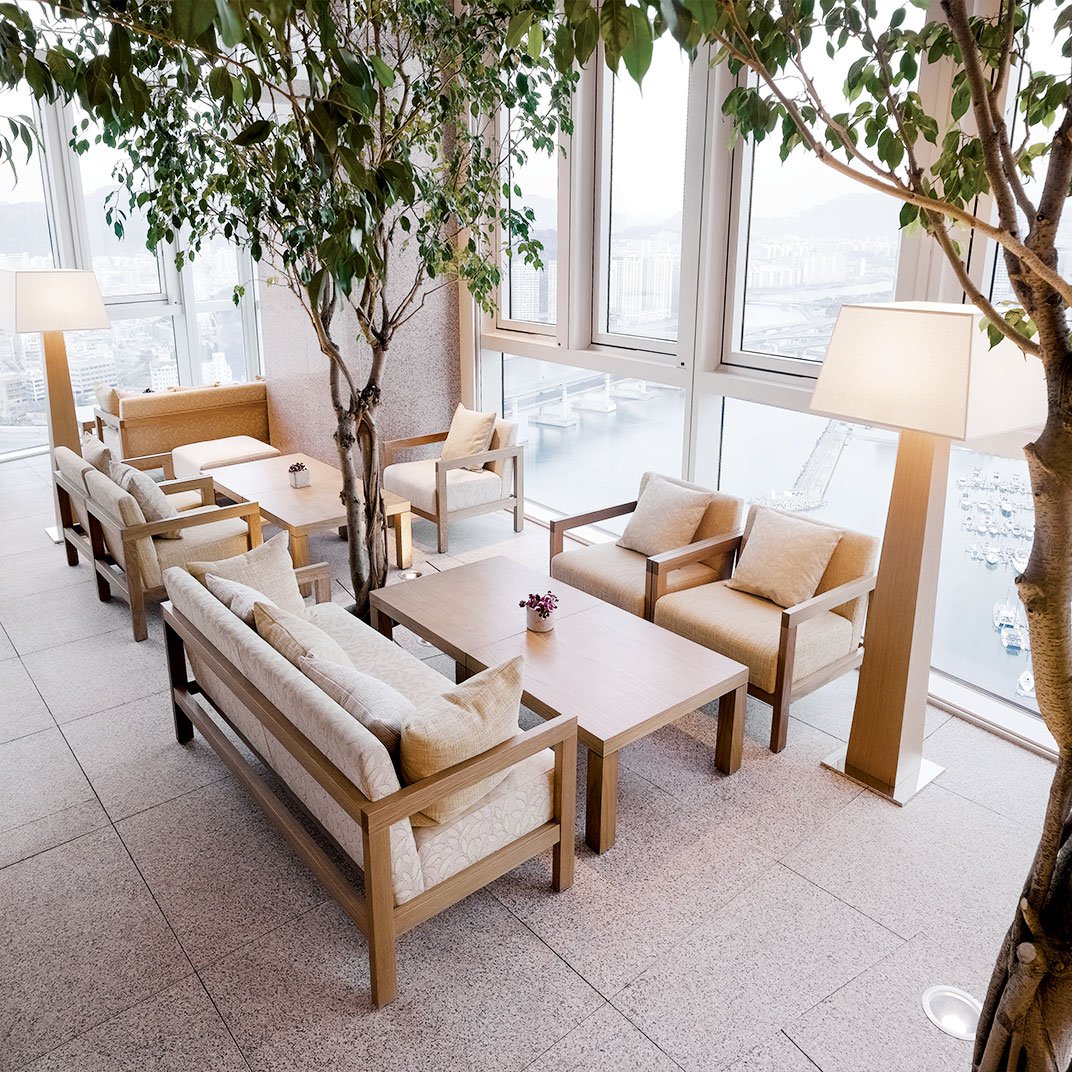
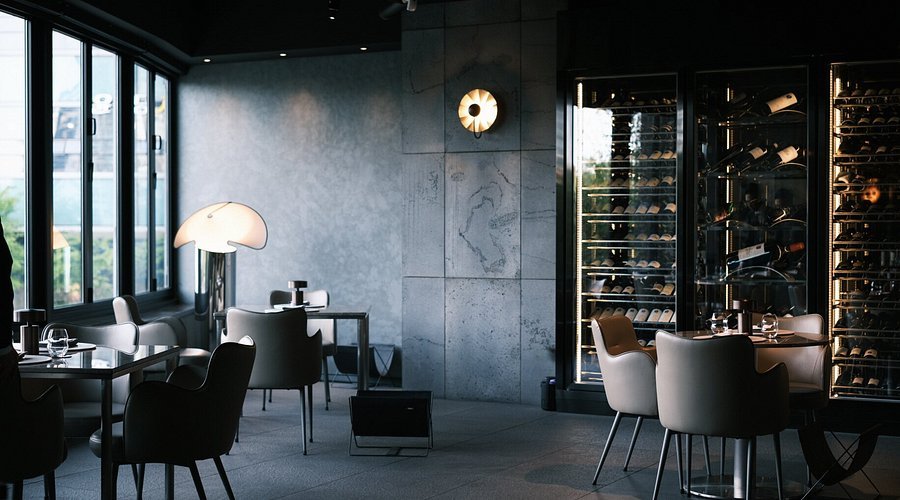
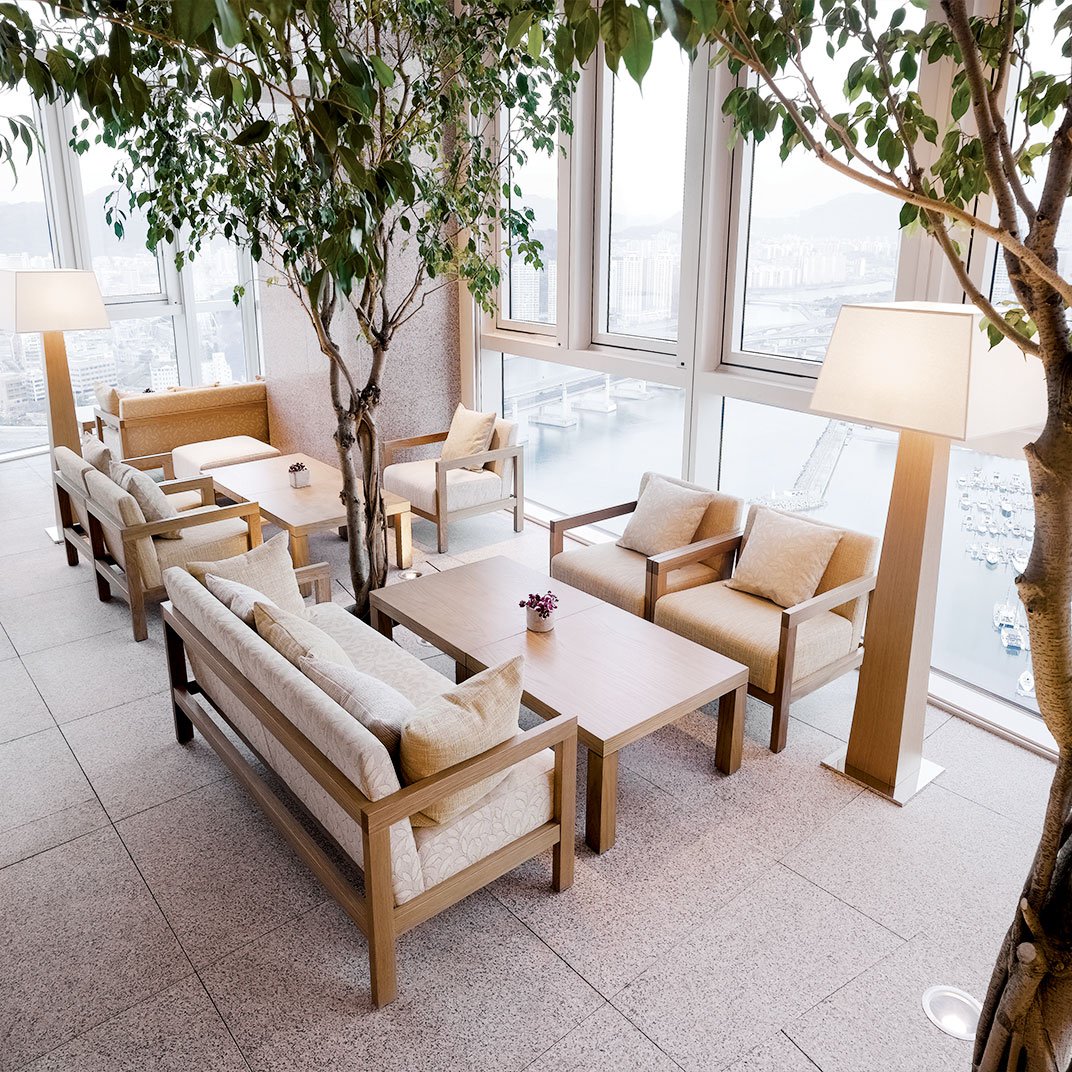
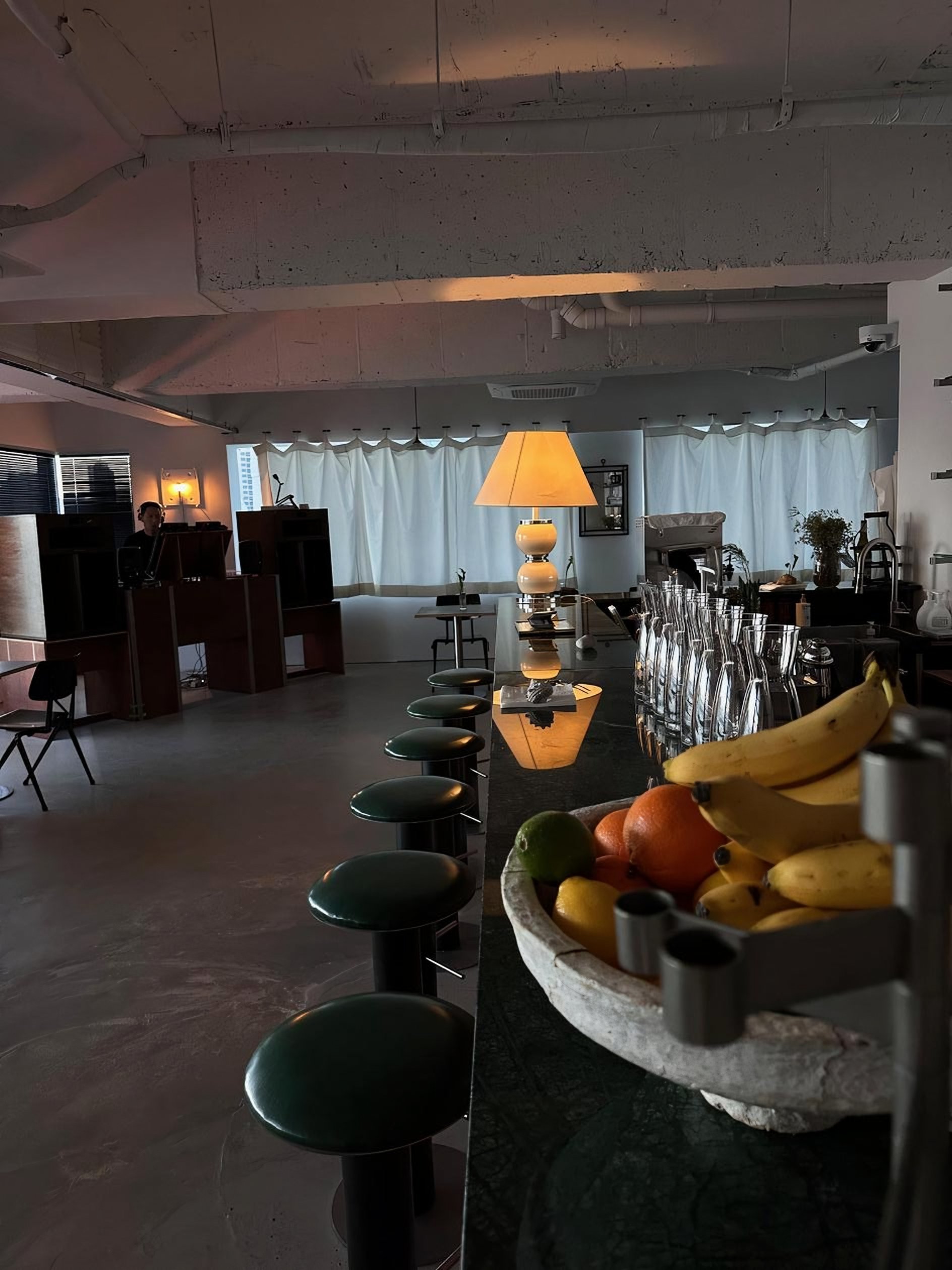
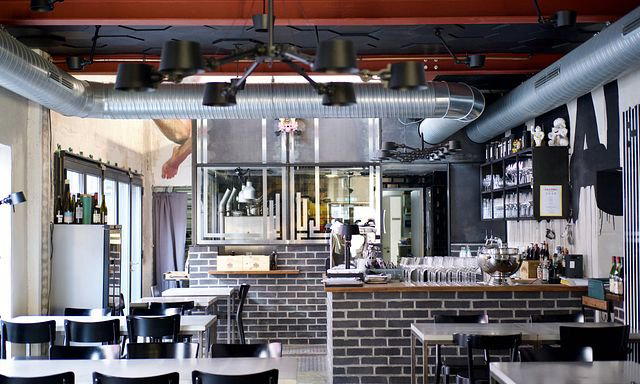
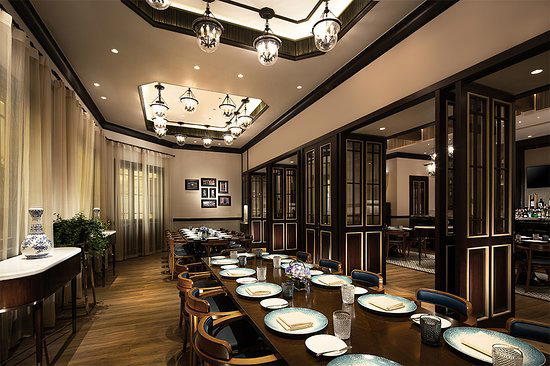
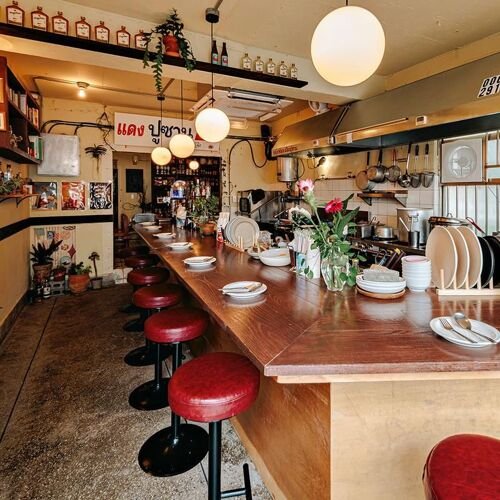
Casual and exotic Taiwanese-inspired atmosphere with cohesive design, detailed decor, and a vibe that evokes Taiwan.
Tags
Vibe
Best For
Experience
View
At the Table
- Dress Code
- Casual
- Noise Level
- Conversational
- Service Style
- Casual
- Meal Pacing
- Standard
- Capacity
- Small
- Kitchen
- Traditional
- Menu Format
- A la carte
Signature Dishes
beef noodle soup
Know before you go
Know Before You Go
- Getting there
- 10 Gwanganhaebyeon-ro 277 beon-gil, Suyeong-gu, Busan, 48287, South Korea
Planning details
Location
10 Gwanganhaebyeon-ro 277 beon-gil, Suyeong-gu, Busan, 48287, South Korea · Directions
Recognition and awards
Also consider
Also Consider
- Palate, Contemporary, ₩₩
- Mori, Japanese, ₩₩₩
- Born and Bred, Steakhouse, ₩₩₩₩
- 100.1.Pyeongnaeng, Naengmyeon, ₩
- Anmok, Dwaeji-gukbap, ₩
Restaurant context
Against Busan's broader dining options, Yongkangzzie sits in a distinct position: Michelin-recognised, ₩-priced, and category-specific. If you are deciding between it and Palate (₩₩, Contemporary), the choice depends on what kind of meal you want. Palate offers more format ambition and is the better pick for a proper sit-down dinner with more range on the plate. Yongkangzzie is for when the noodle bowl itself is the point, and you want Michelin-level execution without a Michelin-level bill.
At the top of the Busan price scale, Mori (₩₩₩, Japanese) and Born and Bred (₩₩₩₩, Steakhouse) serve entirely different diner needs, destination meals with higher investment in setting, service, and multi-course progression. Neither competes directly with Yongkangzzie's value proposition. If budget is the primary variable, Yongkangzzie is the stronger choice over both for a daytime or casual meal.
The most direct peer comparison is with 100.1.Pyeongnaeng (₩, Naengmyeon) and Anmok (₩, Dwaeji-gukbap): all three operate at the same price tier and represent focused Korean food specialists. For a Busan noodle itinerary, Yongkangzzie and 100.1.Pyeongnaeng cover different noodle sub-categories and are worth visiting on the same trip. Anmok is the pick if pork bone soup is your priority. Yongkangzzie is the pick if you want the Michelin signal as a quality anchor at the ₩ level.
Explore Busan
Around this place
Discover more on Pearl
Unlock the full Yongkangzzie guide in Pearl, including awards, comparisons, FAQs, planning details, and nearby places.
Compare Yongkangzzie
| Venue | Price | Awards |
|---|---|---|
| Yongkangzzie | ₩ | Michelin Guide Seoul & Busan 20262025 Michelin Plate2024 Michelin Plate |
| Palate | ₩₩ | Michelin Guide Seoul & Busan 20262026 Wine Spectator Best of Award of Excellence2026 La Liste Top Restaurants2025 La Liste Top Restaurants2025 Michelin 1 Star2024 Michelin 1 Star |
| Mori | ₩₩₩ | Michelin Guide Seoul & Busan 20262025 Michelin 1 Star2024 Michelin 1 Star |
| Born and Bred | ₩₩₩₩ | 2026 La Liste Top Restaurants2025 OAD Top Restaurants in Asia Ranked · #122025 World's Best Steaks 101 Best Steak Restaurants · #152025 Asia's 50 Best Restaurants · #512025 Michelin Plate2024 OAD Top Restaurants in Asia Ranked · #92024 Michelin Plate2023 OAD Top Restaurants in Asia Ranked · #16 |
| 100.1.Pyeongnaeng | ₩ | Michelin Guide Seoul & Busan 20262025 Michelin Bib Gourmand2024 Michelin Bib Gourmand |
| Anmok | ₩ | Michelin Guide Seoul & Busan 20262025 Michelin Bib Gourmand2024 Michelin Bib Gourmand |
.png?width=1200&quality=80)







How Yongkangzzie stacks up against the competition.
FAQ
Frequently Asked Questions
Is the tasting menu worth it at Yongkangzzie?
Yongkangzzie does not appear to operate a tasting menu format — this is a noodle specialist, and the experience is built around that single category. At ₩ pricing with two consecutive Michelin Plates (2024 and 2025), the value case is strong for what it is. Come for focused noodle cooking, not a multi-course progression.
Is Yongkangzzie good for solo dining?
Yes. Korean noodle spots are generally well-suited to solo visits — counter or small-table seating is the norm, and there is no format pressure around group orders. Yongkangzzie's ₩ price point keeps a solo meal low-stakes, and Michelin Plate recognition means the quality floor is established regardless of group size.
Is Yongkangzzie worth the price?
At ₩ pricing, Yongkangzzie is one of the lower-cost ways to eat at a Michelin-tracked venue anywhere in South Korea. Two consecutive Michelin Plates signal consistent kitchen quality, not a one-off result. For the price-to-recognition ratio, it is hard to argue against it if noodles are what you are after.
What are alternatives to Yongkangzzie in Busan?
Within Busan, Palate and Born and Bred operate in different cuisine categories but are tracked Pearl comparisons worth considering depending on what you want from a meal. For noodle-specific alternatives across South Korea, 100.1.Pyeongnaeng offers a different regional style. Yongkangzzie is the clearest Michelin-backed noodle option currently documented in Busan.
What should I order at Yongkangzzie?
Specific menu items are not documented in available venue data, so naming dishes here would be guesswork. The cuisine type is Noodles, and Korean noodle restaurants in this category typically anchor the menu around one or two signature broths or preparations. Ask staff which dish the kitchen is known for — that is the move at a focused specialist like this.
How far ahead should I book Yongkangzzie?
Booking difficulty is rated Easy, but Michelin Plate recognition at ₩ pricing means this place draws a crowd at peak meal times. Walk-in is likely feasible outside of lunch and dinner peaks, but arriving early or off-peak is the practical hedge. No phone or online booking details are currently documented, so checking on arrival or via local search is the best approach.