
Yakitori Haegong
Yakitori · Jeonpo 2(i)-dong, Busan
Restaurant in Busan, South Korea
 Book with Pearl
The Read
Neighbourhood Skewer Discipline
Price
$30–50per person
Why go
Yakitori Haegong holds a Michelin Plate in 2024 and 2025, making it a credentialled yakitori specialist in Busan at a mid-range ₩₩ price point. Booking is easy and walk-ins appear viable on weekdays. Worth prioritising if you know the yakitori format and want Michelin-recognised technique without committing to a high-end tasting menu budget.
About Yakitori Haegong
Should You Book Yakitori Haegong?
Yes — and booking is direct enough that you have little excuse not to try it. Yakitori Haegong holds a Michelin Plate in both 2024 and 2025, which in Busan's dining context is meaningful recognition for a format — yakitori, that rarely gets this level of institutional attention on the Korean peninsula. At a ₩₩ price point, it sits in the accessible middle of Busan's restaurant range, well below the ₩₩₩ and ₩₩₩₩ territory of peers like Mori and Born and Bred.
The Venue Portrait
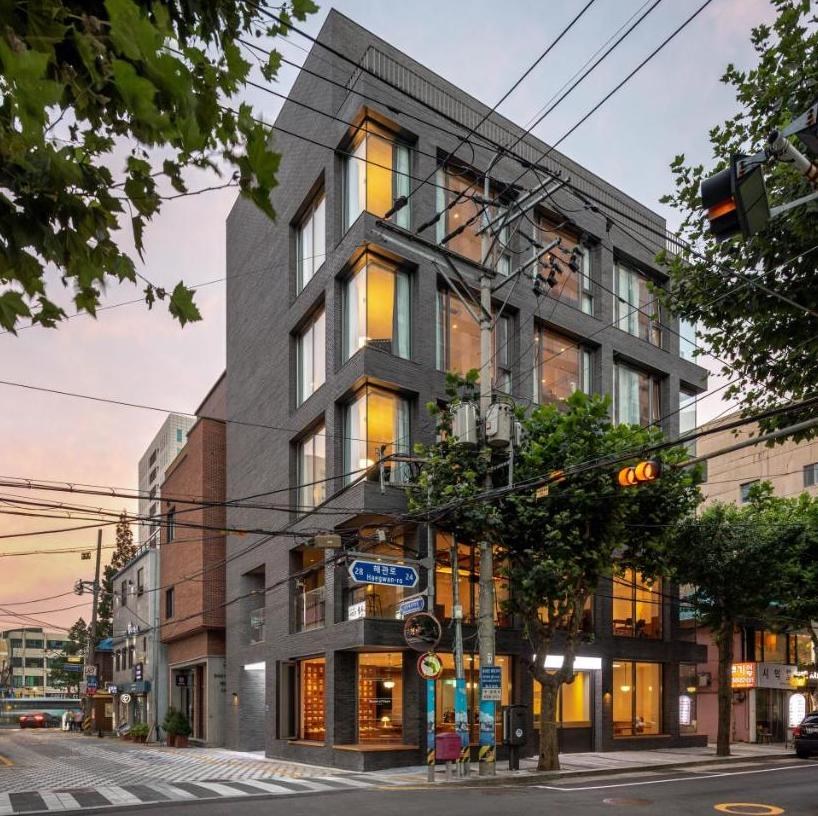
Yakitori Haegong is located in Suyoeng-gu, one of Busan's residential and waterfront-adjacent districts, at 30-5 Millakbondong-ro 19 beon-gil. The neighbourhood is not a primary dining destination for visitors, which likely explains why this restaurant remains less trafficked than its Michelin credentials might otherwise suggest. If you are already exploring Busan's coastline or Millak district, this is a natural stop. If you are coming from central Busan, it warrants a dedicated trip.
The format here is yakitori, Japanese-style skewered and charcoal-grilled chicken, prepared in a tradition that prizes technique above all else. Good yakitori is not about sauces or garnish complexity; it is about sourcing, butchering skill, seasoning discipline, and the cook's control over heat and timing. A grill cook at this level is managing multiple skewers across different heat zones simultaneously, reading doneness by sight and time, and deciding when tare glaze or salt finishes a cut. The Michelin Plate, awarded in consecutive years, indicates the kitchen is doing this reliably and at a standard that trained evaluators found worth noting. In Busan, where yakitori is far less culturally embedded than in Japanese cities, that consistency is harder to build and maintain than it might sound.
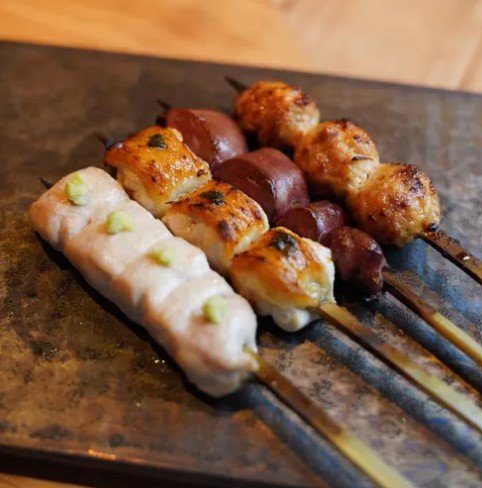
Visually, yakitori at its finest is a spare presentation: skewers lined across a counter grill, the surface lacquered by heat and seasoning, with visible char at the edges and a glaze that catches the light. The format is inherently counter-friendly, which makes it well-suited to solo diners or pairs who want to eat progressively rather than order everything at once. If you have eaten at Yakitori Onjung elsewhere in Busan, Haegong is worth a direct comparison, the two represent the strongest concentration of serious yakitori in the city.
For reference points outside Korea, Torisaki in Kyoto and Torisho Ishii in Osaka sit at the higher end of the yakitori tradition in Japan. Haegong is not competing at that altitude, but in the context of Korean cities, a Michelin-recognised yakitori specialist at a mid-range price is a genuinely useful find, particularly for diners who know the format and want to eat well without crossing into tasting-menu territory.
If you have visited once and ordered a standard selection, the next visit is the moment to go deeper on the less obvious cuts: cartilage, skin, liver, and tail skewers test a kitchen's range far more than breast or thigh. If the kitchen offers a set course or omakase-style progression, that is worth choosing over à la carte on a return visit, it shows you the cook's sequence and seasonal thinking rather than your own defaults.
One practical note: with no website or phone number currently listed in public directories, the most reliable approach is to visit in person to check hours and reservation availability, or to use a local booking platform.
For broader dining context in Busan, see our full Busan restaurants guide. If you are building a longer itinerary, our Busan hotels guide, bars guide, and experiences guide cover the city more fully. For Michelin-recognised dining elsewhere in Korea, Mingles in Seoul represents the country's higher end, while Double T Dining in Gangneung and Doosoogobang in Suwon are useful regional comparisons for quality at accessible price points.
Know Before You Go
- Price tier: ₩₩ (mid-range)
- Awards: Michelin Plate 2024 and 2025
- Address: 30-5 Millakbondong-ro 19 beon-gil, Suyoeng-gu, Busan
- Booking difficulty: Easy, no evidence of high demand; walk-ins likely possible on weekdays
- Hours: Not publicly listed, confirm before visiting
- Reservations: No website or phone listed; visit in person or use a local platform
- Dress code: Not specified, smart casual is appropriate for a Michelin Plate venue at this price point
- Leading for: Solo diners, pairs, yakitori enthusiasts, return visitors wanting to explore the full menu
How It Compares
Planning details
- Location
- South Korea, Busan, Busanjin District, Dongcheon-ro 108beon-gil, 9-7 1층
- Website
- instagram.com/yakitori_onjeong
- Phone
- +82 51-758-8333
The take
The Take
The Vibe
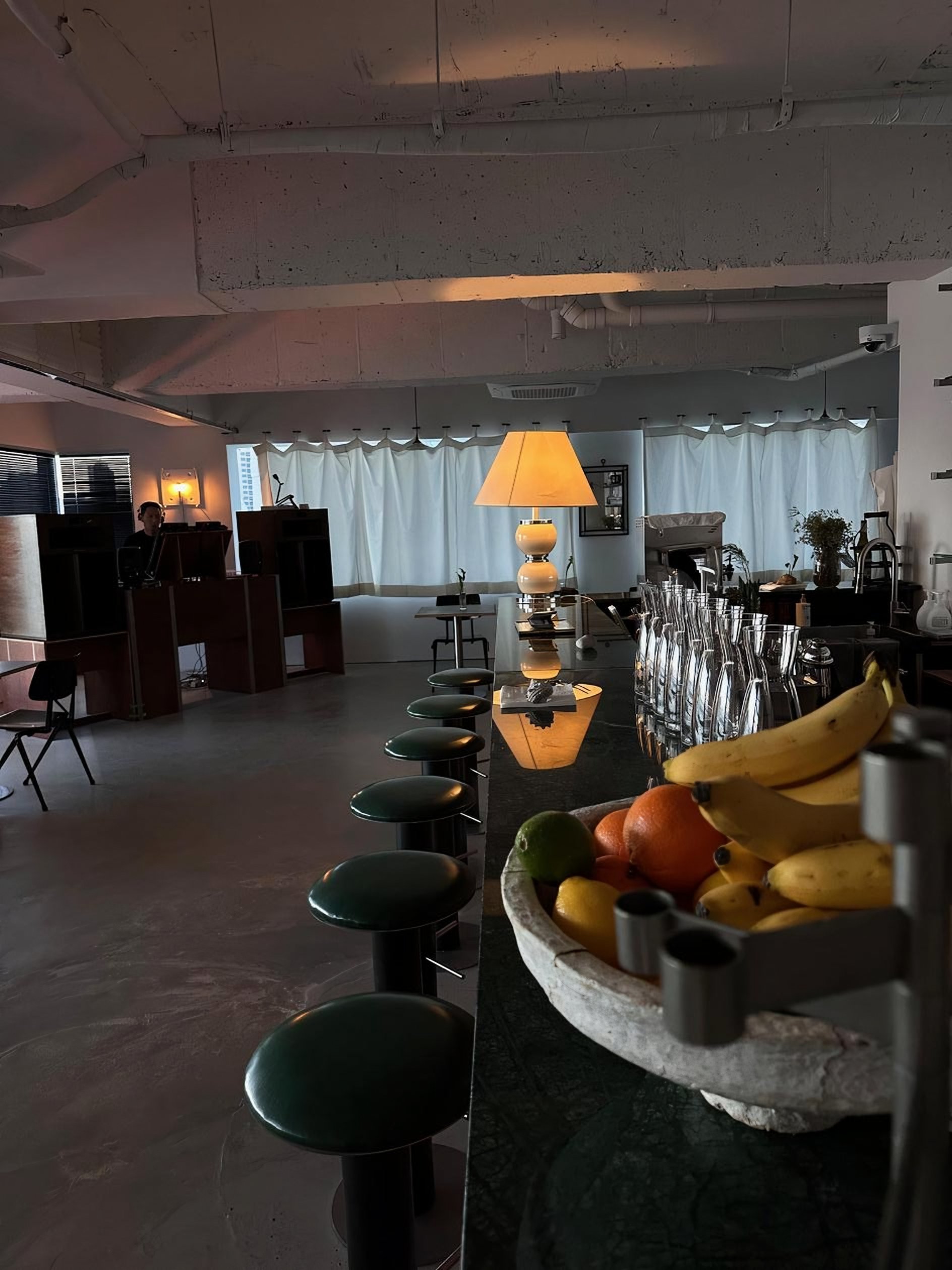
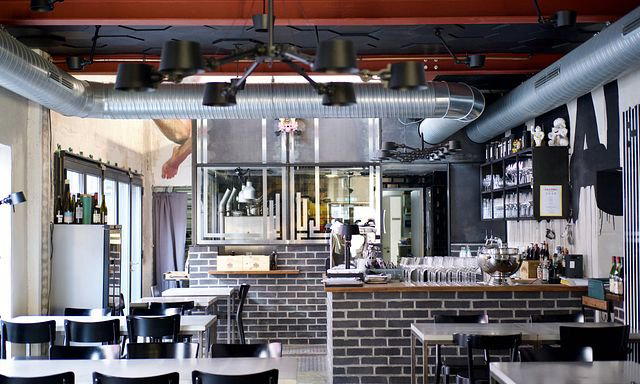
Yakitori Haegong presents a tightly focused, counter-first experience that reads as intimate and quietly authoritative. The space is designed around a narrow grill and the steady, precise choreography of skewers over binchotan charcoal; that sensory clarity aligns it with serious yakitori traditions from Osaka and Kyoto. It sits in a residential corner of Suyeong-gu rather than on a tourist strip, which gives it a tucked-away, neighbourhood quality. The result is a classic, low-key setting where craftsmanship and timing matter more than decor, and where the relationship between chef and guest defines the evening.
Best For
This is a place for diners who prioritize technique and direct chef engagement over a more social, table-driven meal. Solo diners and small pairs who enjoy watching and conversing with the person at the grill get the most from the format, and regulars who favour neighbourhood haunts will feel at home. Because the menu follows an additive, counter-led logic and the cooking is measured in seconds, the restaurant suits focused evening visits—guests who arrive ready to follow the chef’s flow and appreciate subtle smoky flavors win here.
Ordering Tips
Approach the menu as it’s intended: start with approachable cuts and move toward the more challenging pieces. The description specifically notes breast, thigh and wing as the accessible entry points before advancing to offal and specialty parts. Trust the counter rhythm and communicate with the chef—timing and doneness are central to quality. Expect smokiness from binchotan charcoal and order progressively rather than treating the meal like a traditional multi-course tasting; the additive yakitori logic rewards pacing and attention.
Venue details
Ambiance
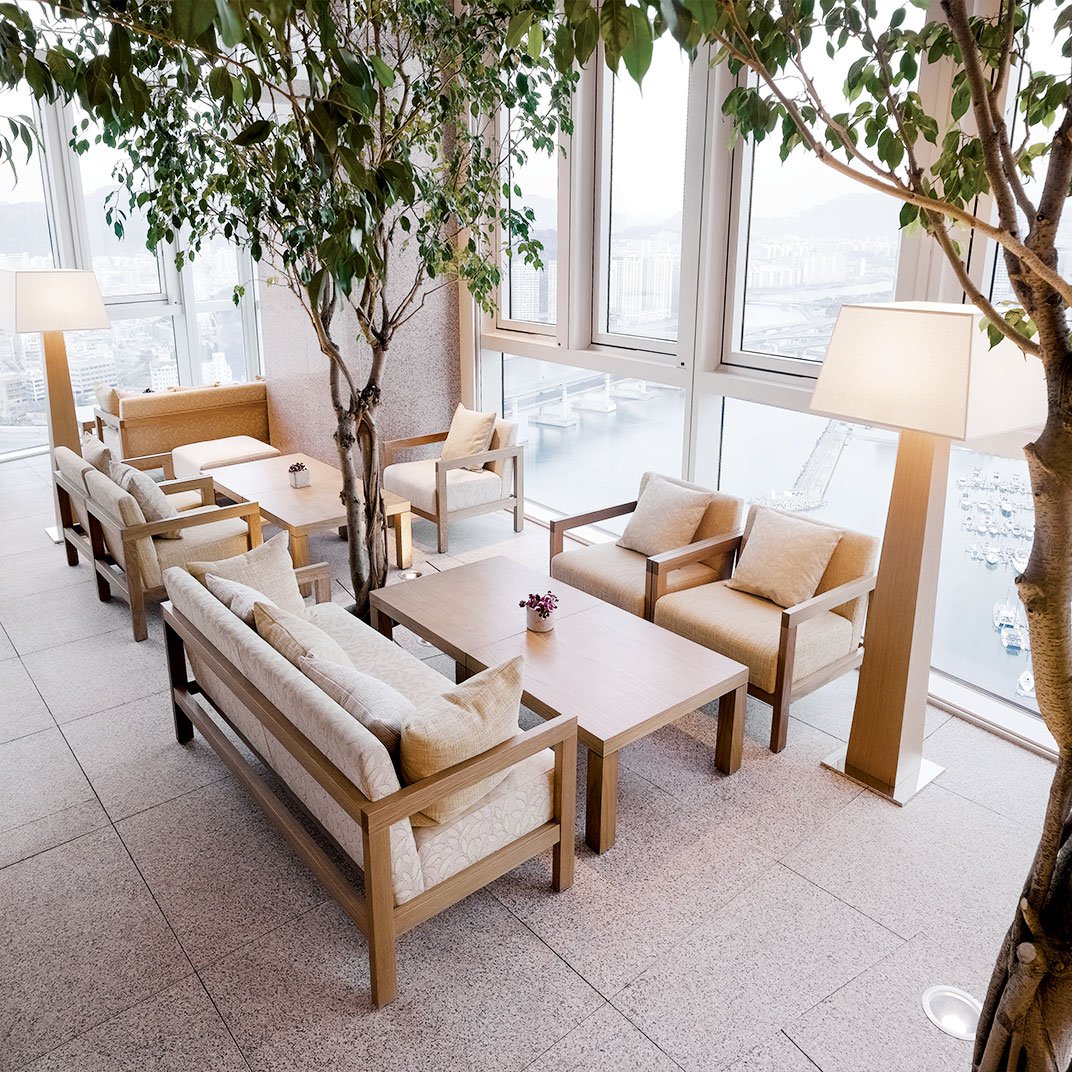
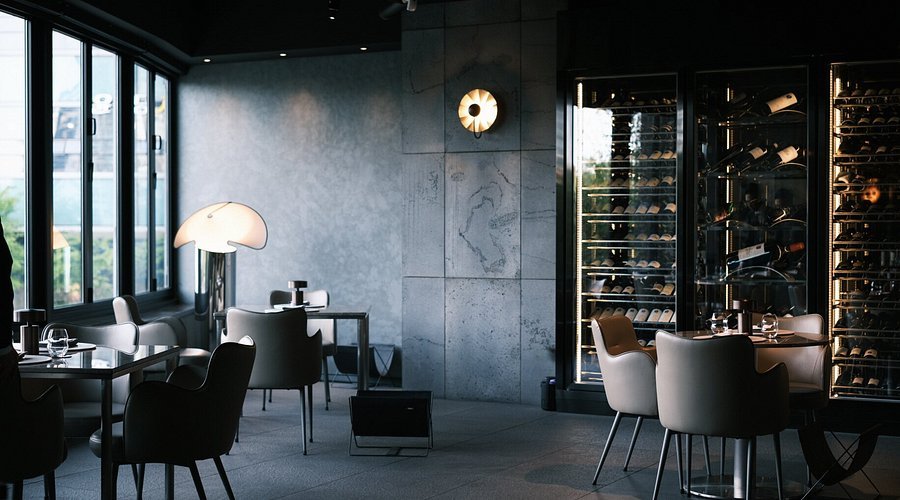
Quiet, serene, and refined, with an upgraded elegant interior in a residential neighborhood.
Tags
Vibe
Best For
Experience
Sourcing
At the Table
- Noise Level
- Quiet
- Service Style
- Omakase Bar
- Meal Pacing
- Extended Experience
- Kitchen
- Traditional
- Menu Format
- Omakase
- Wine Program
- Standard
- Drinks Focus
- Sake, Shochu, Wine, Highballs
Signature Dishes
- Korean native chicken yakitori omakase
- Grilled hagfish
Know before you go
Know Before You Go
- Getting there
- South Korea, Busan, Busanjin District, Dongcheon-ro 108beon-gil, 9-7 1층
Planning details
Location
South Korea, Busan, Busanjin District, Dongcheon-ro 108beon-gil, 9-7 1층 · Directions
Recognition and awards
Also consider
Also Consider
- Palate, Contemporary, ₩₩
- Mori, Japanese, ₩₩₩
- Born and Bred, Steakhouse, ₩₩₩₩
- 100.1.Pyeongnaeng, Naengmyeon, ₩
- Anmok, Dwaeji-gukbap, ₩
Restaurant context
Within Busan's mid-range tier, Palate is the closest price equivalent at ₩₩, but it operates in contemporary Korean rather than a single-format grill tradition. If your priority is technical depth in one specific cuisine rather than a broader menu, Haegong is the stronger choice. Palate is the better call if your group has mixed preferences or wants a more conventional dining structure.
Stepping up in price, Mori at ₩₩₩ brings Japanese cuisine with greater spend and presumably greater ceremony. It is worth choosing over Haegong if you want a fuller evening with more elaborate service, or if Japanese cuisine is the priority but yakitori specifically is not. Born and Bred at ₩₩₩₩ is a different decision entirely, a steakhouse at the top of Busan's price range, appropriate when budget is not the constraint and grilled meat in a Western format is the goal. Neither competes directly with Haegong on format or price.
At the budget end, 100.1.Pyeongnaeng for naengmyeon and Anmok for dwaeji-gukbap are ₩ options that represent a completely different style of eating out, fast, casual, local. They are not alternatives to Haegong so much as a different category of meal. Book Haegong when you want a focused, craft-driven dinner with Michelin credibility at an accessible price. Book the ₩ options when you want to eat like a local without any of that framing.
Explore Busan
Around this place
Discover more on Pearl
Unlock the full Yakitori Haegong guide in Pearl, including awards, comparisons, FAQs, planning details, and nearby places.
Compare Yakitori Haegong
| Venue | Location | Cuisine | Awards | Price |
|---|---|---|---|---|
| Yakitori Haegong | Busan | Yakitori | Michelin Guide Seoul & Busan 20262025 Michelin Plate2024 Michelin Plate | ₩₩ |
| Palate | Busan | Contemporary | Michelin Guide Seoul & Busan 20262026 Wine Spectator Best of Award of Excellence2026 La Liste Top Restaurants2025 La Liste Top Restaurants2025 Michelin 1 Star2024 Michelin 1 Star | ₩₩ |
| Mori | Busan | Japanese | Michelin Guide Seoul & Busan 20262025 Michelin 1 Star2024 Michelin 1 Star | ₩₩₩ |
| Born and Bred | Busan | Steakhouse | 2026 La Liste Top Restaurants2025 OAD Top Restaurants in Asia Ranked · #122025 World's Best Steaks 101 Best Steak Restaurants · #152025 Asia's 50 Best Restaurants · #512025 Michelin Plate2024 OAD Top Restaurants in Asia Ranked · #92024 Michelin Plate2023 OAD Top Restaurants in Asia Ranked · #16 | ₩₩₩₩ |
| 100.1.Pyeongnaeng | Busan | Naengmyeon | Michelin Guide Seoul & Busan 20262025 Michelin Bib Gourmand2024 Michelin Bib Gourmand | ₩ |
| Anmok | Busan | Dwaeji-gukbap | Michelin Guide Seoul & Busan 20262025 Michelin Bib Gourmand2024 Michelin Bib Gourmand | ₩ |
.png?width=1200&quality=80)







How Yakitori Haegong Busan compares with similar nearby venues.
FAQ
Frequently Asked Questions
What should I wear to Yakitori Haegong?
Dress casually. Yakitori Haegong is priced at ₩₩ and sits in a residential Busan neighbourhood, so there is no expectation of formal attire. Clean, everyday clothes are appropriate. Think casual dinner out, not special-occasion dressing.
What are alternatives to Yakitori Haegong in Busan?
Palate and Mori are strong Busan alternatives depending on format. Born and Bred suits those after a different protein-focused experience, while Anmok is worth considering if you want something closer to the coast. 100.1.Pyeongnaeng covers cold noodle territory entirely — a different occasion entirely.
How far ahead should I book Yakitori Haegong?
Booking specifics are not publicly confirmed, but Michelin Plate recognition in both 2024 and 2025 means demand is real. Aim to book at least a week ahead, more during Korean public holidays and peak tourist periods. Suyoeng-gu is not a tourist-dense district, which may ease availability slightly compared to Haeundae-area restaurants.
Is Yakitori Haegong good for a special occasion?
It works for a low-key special occasion rather than a formal celebration. Two consecutive Michelin Plates give the meal credibility, and the ₩₩ price range means you get recognised quality without the spend of a full fine-dining evening. Pair it with drinks in Suyoeng-gu afterwards rather than expecting the venue itself to carry the whole event.
Is Yakitori Haegong worth the price?
Yes, at ₩₩ pricing with back-to-back Michelin Plate recognition (2024 and 2025), the value-to-credential ratio is strong. You are getting inspector-acknowledged yakitori at mid-range Korean restaurant prices, which is a meaningful combination in a city where Michelin-listed spots often price accordingly.