.png?width=1200&quality=80)
Osteria Aboo
Italian · Jeonpo 1(il)-dong, Busan
Restaurant in Busan, South Korea
 Book with Pearl
The Read
Seafood-Forward Southern Italian
Price
$50–100per person
Dress
Smart Casual
Why go
Osteria Aboo is Busan's 2024–2025 Michelin Plate-recognised Southern Italian seafood restaurant — serious cooking at a ₩₩ price point, with the Mare course offering the strongest argument for a booking. The bisque pasta anchored around red-banded lobster is the kitchen's centrepiece. Book midweek, pair with the chef's wine recommendation, and visit between May and September for the best seasonal alignment.
About Osteria Aboo
The Italian restaurant in Busan that isn't trying to be a fine dining destination — and that's exactly why it works
The common assumption about Southern Italian food in South Korea is that it gets diluted: simplified into crowd-pleasing pasta dishes, stripped of regional character, softened for an unfamiliar market. Osteria Aboo, operating in Jeonpo-dong since 2017, corrects that assumption. Its self-labelling as a "Western gastropub" is genuinely odd and probably the single biggest source of confusion for first-time visitors, but don't let it mislead you. What this Busanjin-gu spot actually delivers is committed Southern Italian cooking with a strong emphasis on seafood — built around the same coastal-larder logic that drives the food of Campania, Calabria, and Sicily.
The Michelin Guide awarded Osteria Aboo a Michelin Plate in 2025, which means the inspectors found cooking worth your attention, even if it didn't reach star level. At the ₩₩ price point, that's a meaningful signal: you are getting food that meets an international quality benchmark without the pricing pressure of a starred room. For context on how that fits the broader Korean Italian scene, it sits well below the spend required at 8 1/2 Otto e Mezzo Bombana in Hong Kong or cenci in Kyoto, both of which represent the regional high-water mark for Italian in East Asia. Aboo is the accessible, serious alternative.
The space and what to expect when you arrive
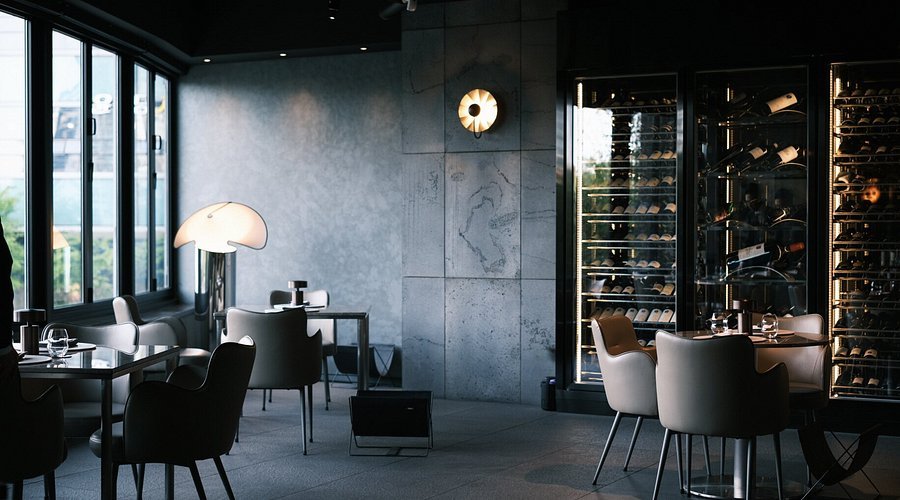
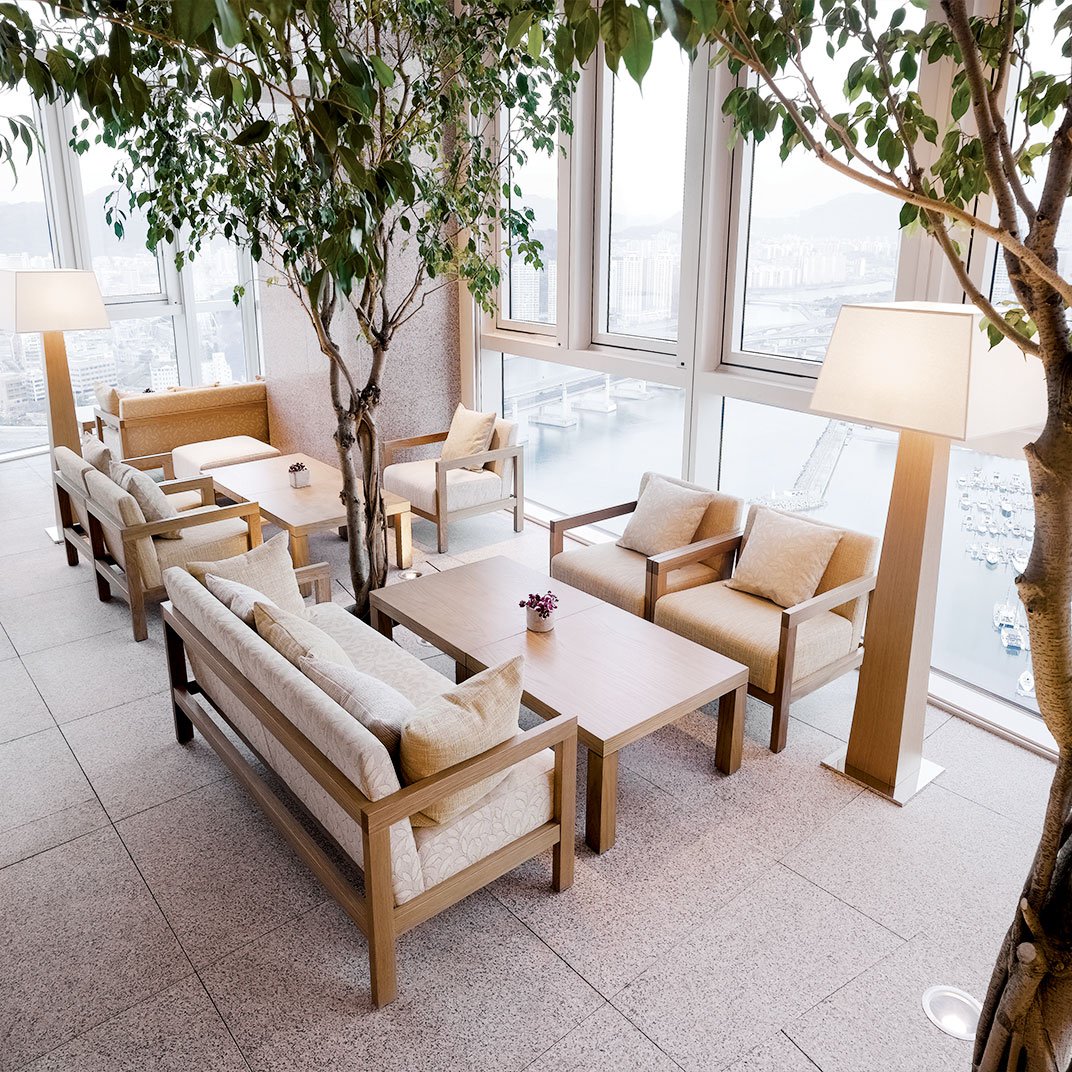
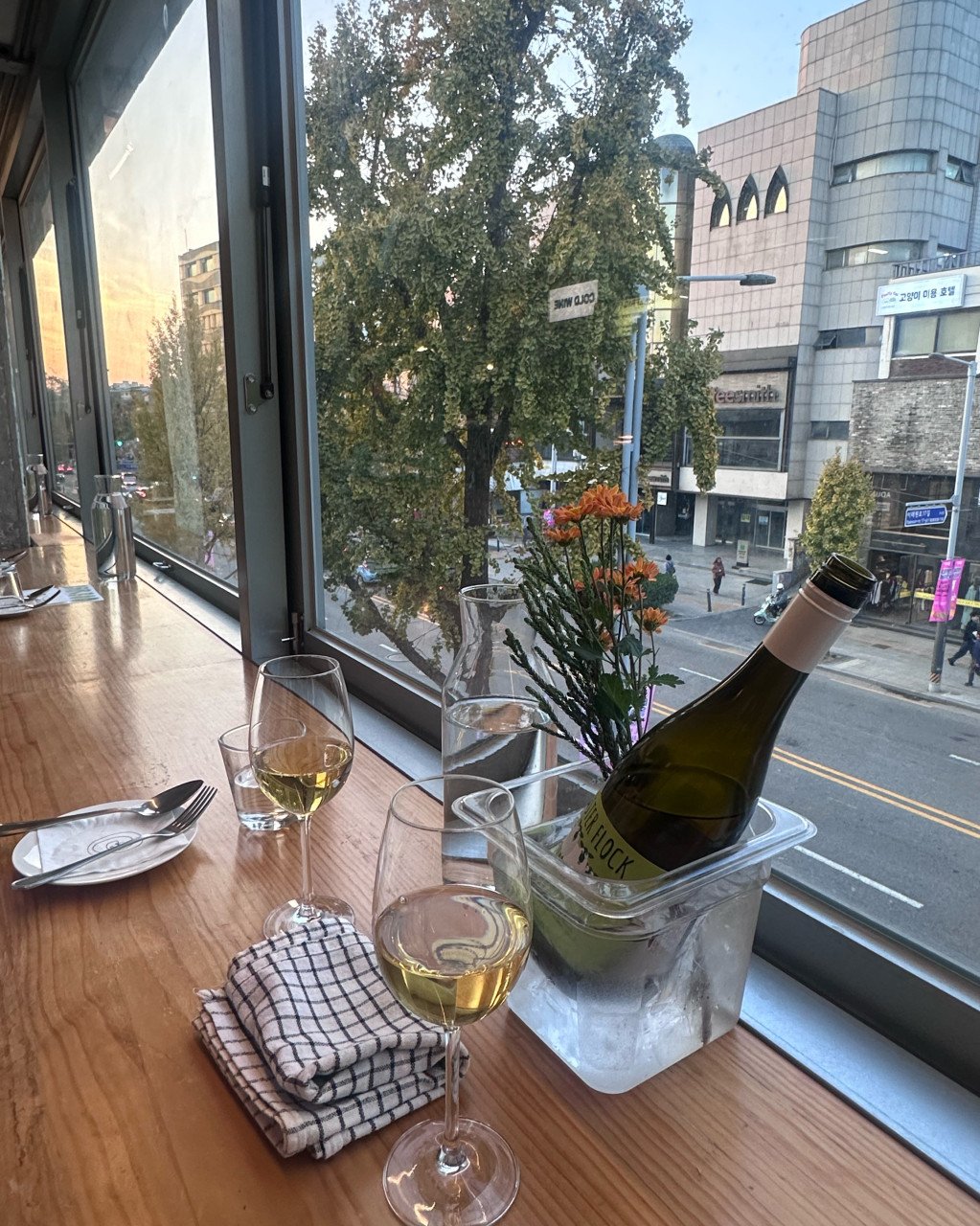
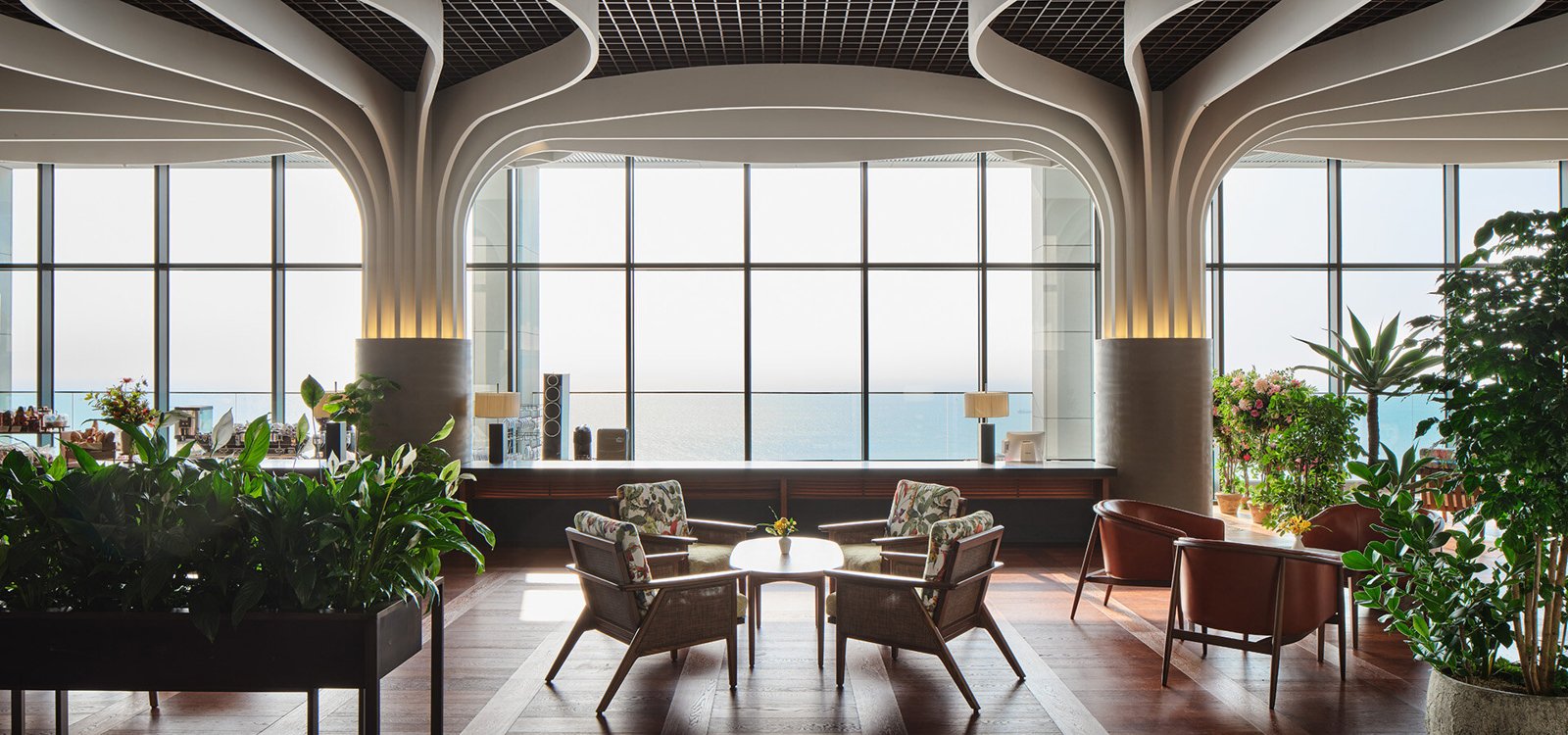
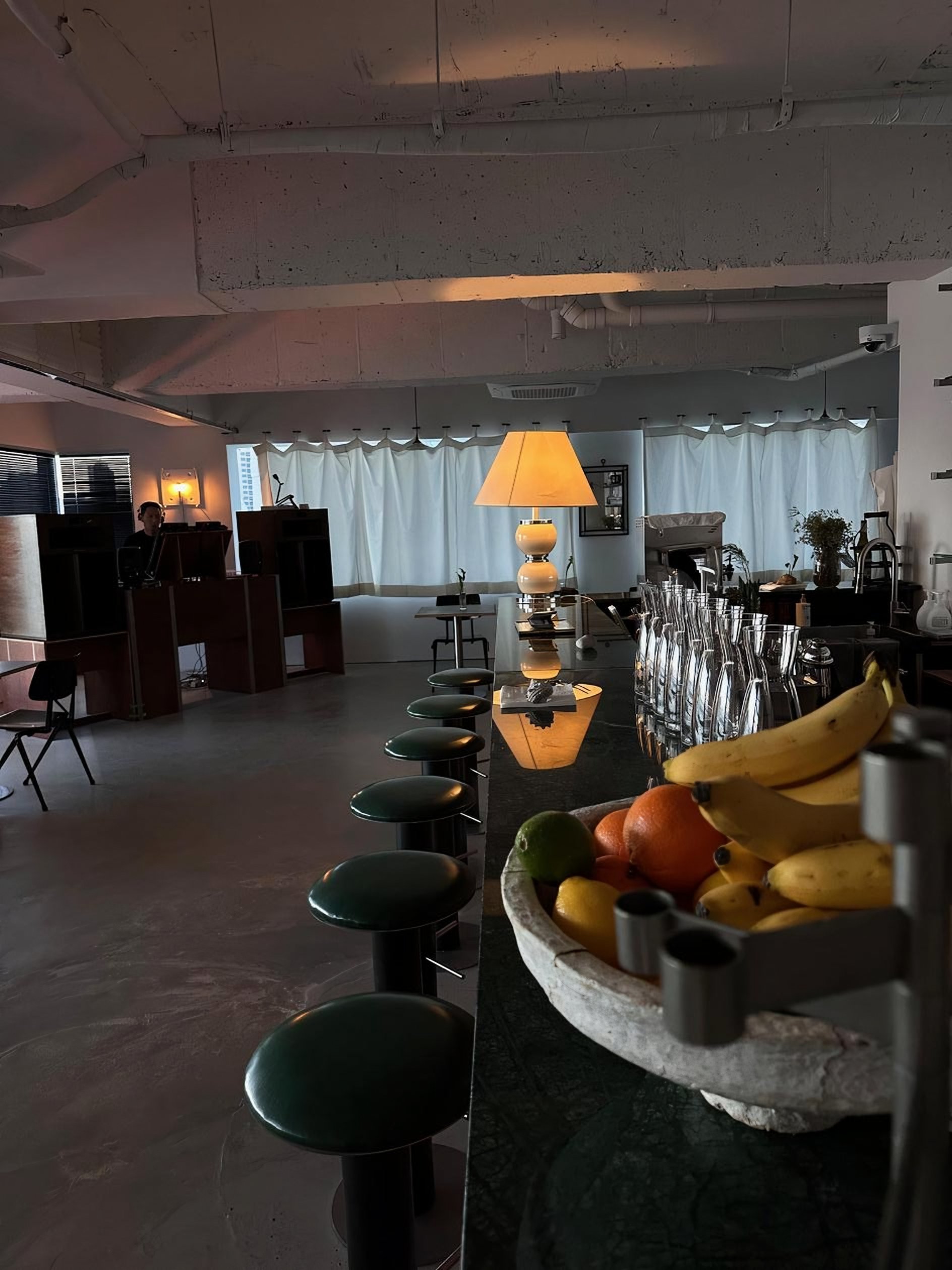
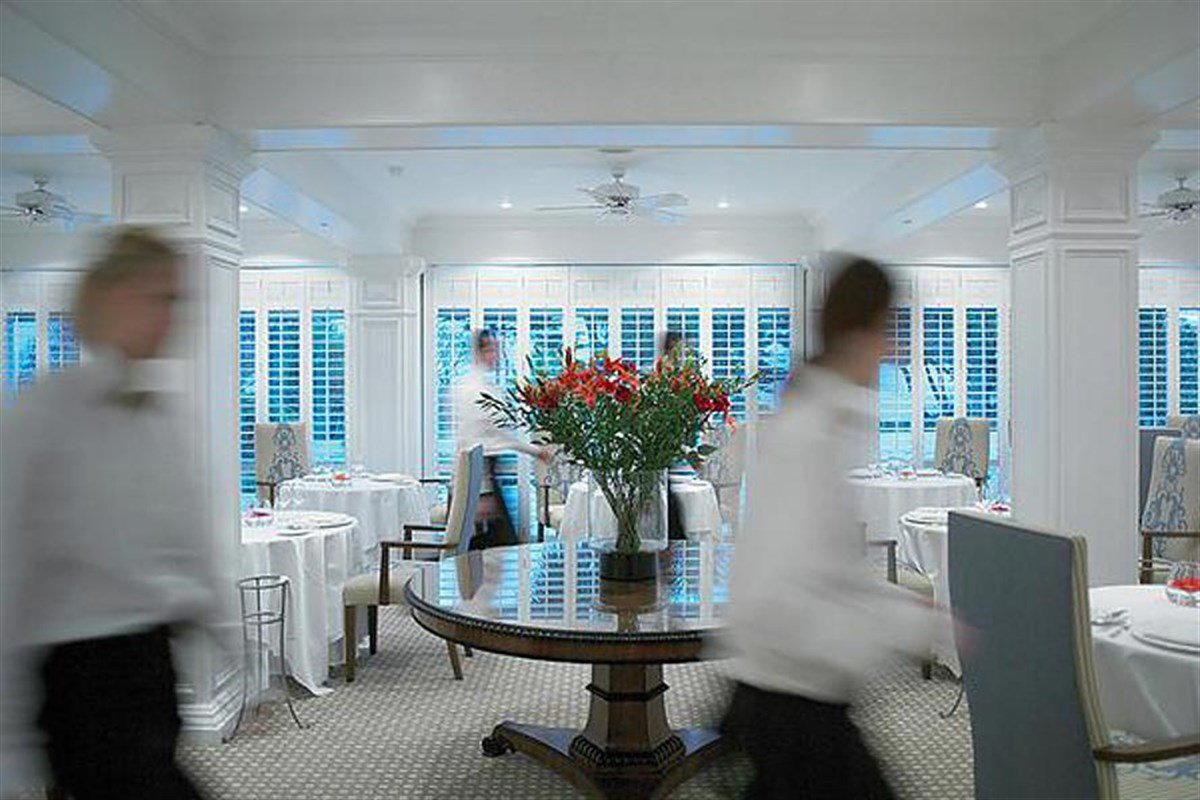
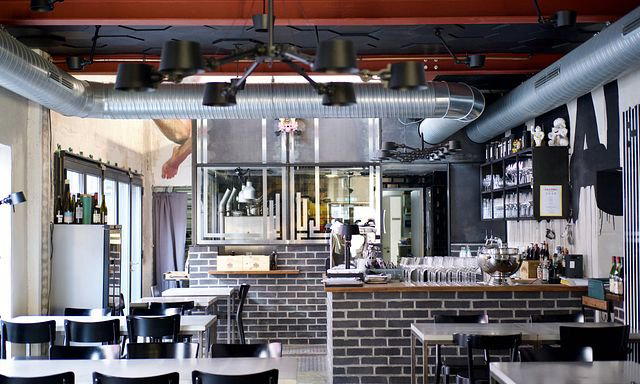
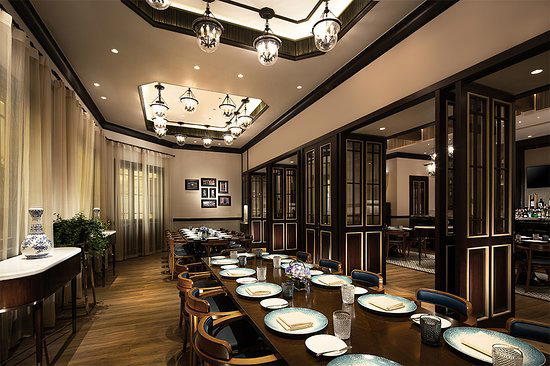
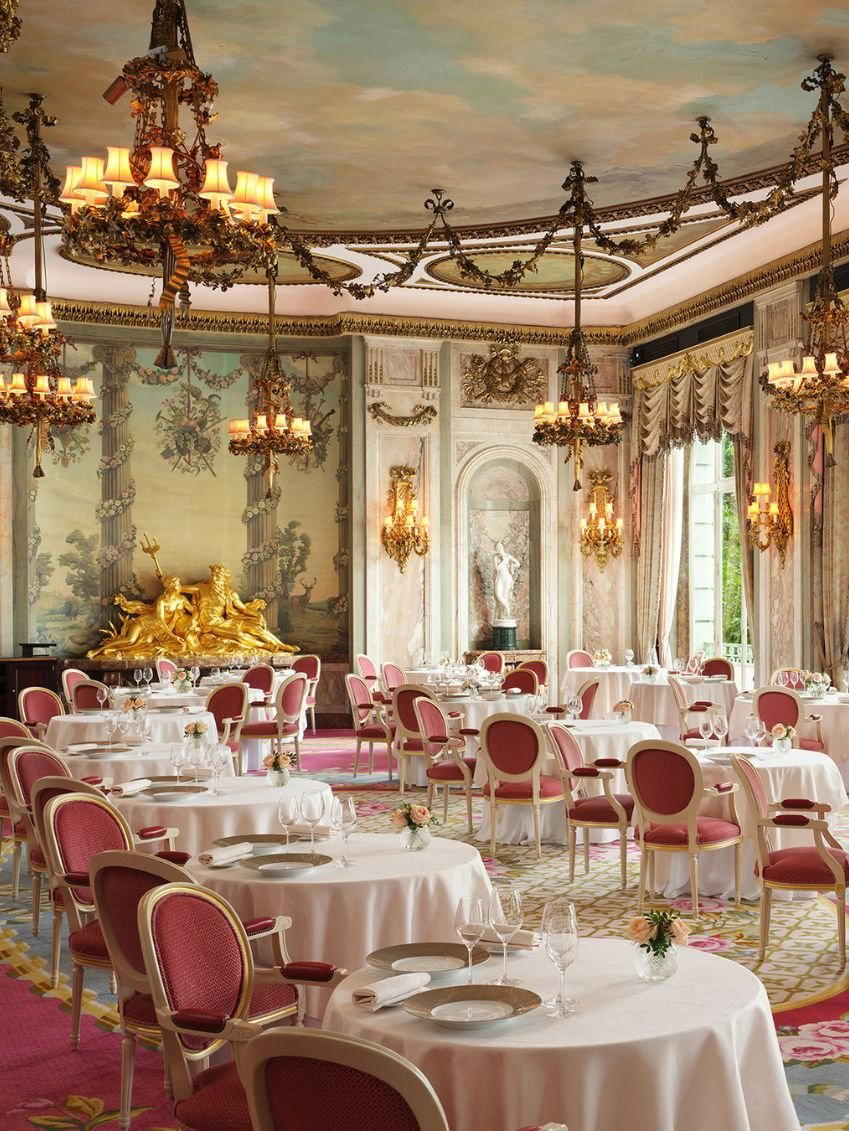
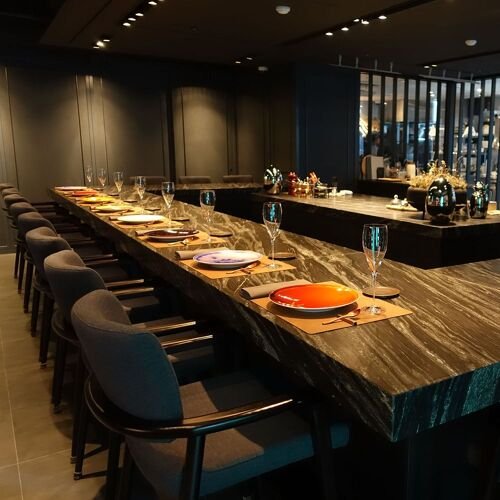
Osteria Aboo occupies a room that reads as low-key rather than designed. The gastropub label isn't just marketing confusion, the physical setup reflects it. This is not a hushed, white-tablecloth room. Expect a space that feels like a working trattoria: seating arranged for dining rather than spectacle, without the formality of a tasting-menu institution. That has consequences for how you should approach the booking. If you are coming for a quiet, ceremonial dinner for two, the intimacy is there, but it comes from the cooking and the wine, not from ambient grandeur. If you want architectural drama, look elsewhere. If you want to focus on what's on the plate, the room serves you well.
The seating format also makes it workable for small groups. The casual-but-serious energy suits a table of four who want to order widely and drink well without the choreography of a full omakase-style service. For larger groups, details on private dining are not confirmed in available data, so contact the venue directly before assuming flexibility.
The tasting architecture: how the Mare course changes the calculus
The structure of a meal at Osteria Aboo is where the logic becomes relevant. Southern Italian cooking isn't conventionally about progression in the tasting-menu sense, it's about abundance, repetition of a core ingredient logic (olive oil, seafood, acidity), and the accumulation of a flavour argument rather than a narrative arc. Aboo leans into this. The bisque pasta, al dente noodles built around red-banded lobster, is the anchor dish, a plate that functions as both the technical centrepiece and the leading single-dish expression of what the kitchen does. The broth work in a bisque requires patience and precision; getting it right in a mid-price room is not a given.
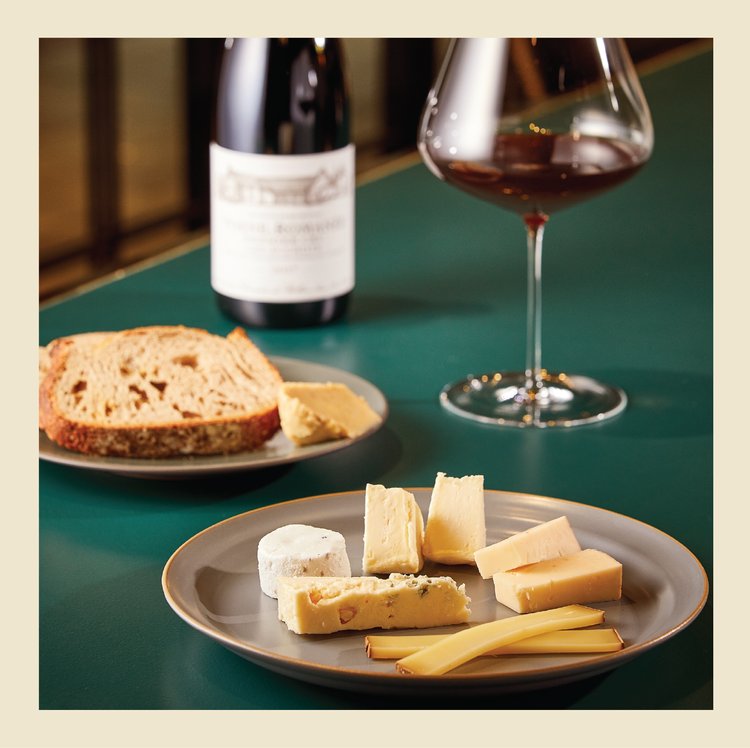
Mare course, added more recently, extends the seafood argument into a multi-course format. This is the progression play: if you want to understand how the kitchen thinks rather than just order from it, the Mare course is the version to book. It maps a tasting arc through Aboo's coastal Italian sensibility, the kind of sequencing where each course reinforces the one before it rather than pivoting stylistically. Paired with chef-recommended wine, the combination of briny seafood preparation and Italian varietals (the wine list's specifics aren't published, but the recommendation implies a curated Italian selection) gives you the full read on what this kitchen can do. This is the ordering strategy for anyone coming with serious food intent.
For reference within Busan's Italian options, Cor Pasta Bar and Vigneto represent alternative approaches to Italian in the city. Aboo differentiates on the Southern Italian seafood specificity and on the Michelin recognition, neither of which the wider Busan Italian market offers consistently.
When to go
The leading timing for Osteria Aboo plays to Busan's calendar in a specific way. The city's summers are hot and humid; Busan's proximity to the sea means seafood is at its freshest and most varied in late spring through early autumn. For a restaurant built around a coastal Southern Italian seafood logic, visiting between May and September gives you the leading alignment between what's in season locally and what the kitchen's approach demands. Midweek evenings tend to offer a quieter room than weekends in Jeonpo-dong, where the neighbourhood draws a lively dining crowd. If you want the full Mare course experience without a rushed service, a Tuesday or Wednesday booking is the practical choice.
Booking difficulty at Osteria Aboo is rated easy. You can likely book a week out without issue, though for a specific date on a weekend, a fortnight's notice is sensible.
For anyone building a wider Busan dining or travel itinerary, the full context is in our Busan restaurants guide, our Busan hotels guide, and our Busan bars guide. If you are travelling elsewhere in Korea, Mingles in Seoul and Double T Dining in Gangneung are worth adding to the list. You can also explore our Busan wineries guide and our Busan experiences guide for broader context on what the city offers.
The bottom line
Book Osteria Aboo if you want Michelin-recognised Southern Italian seafood cooking at a ₩₩ price point in Busan. Order the Mare course, follow the wine pairing, and come midweek if you want the room at its finest. If your priority is a splurge-tier tasting menu with full service ceremony, look at Mori or Born and Bred instead. But for the specific combination of Italian seafood craft, accessible pricing, and external validation, Aboo is the clear answer in this city.
Planning details
- Location
- 58 Dongcheon-ro, Busanjin-gu, Busan, 47297, South Korea
- Phone
- +82 51-802-8858
The take
The Take
The Vibe
Osteria Aboo lives like a neighbourhood trattoria tucked down a side street in Jeonpo-dong. It favors a quiet, unshowy approach to Italian cooking — pared-back Southern Italian dishes that put fresh seafood and simple technique front and center. The place reads as approachable rather than formal: modest signage calling it a "Western gastropub," a small-scale footprint, and years on Dongcheon-ro give it the feel of a local stalwart. The result is a relaxed, rustic charm that feels designed for repeat visits and low-key dinners rather than theatrical fine-dining evenings.
Best For
This is a destination for people who want focused, seafood-forward Southern Italian food without fuss. Locals and visitors who appreciate ingredient-led cooking will find it well suited to everyday dinners and informal outings. Because the menu leans on coastal ingredients and lighter Southern preparations, seafood lovers in particular get the most out of the kitchen. The neighbourhood setting also makes it a sensible choice for after-work meals and casual hangouts when you want quality Italian cooking in a modest, welcoming environment.
Ordering Tips
Lean into the restaurant’s seafood focus and Southern-Italian repertoire. The bisque pasta and grilled scallops are listed among the signature dishes and exemplify the kitchen’s preference for fresh seafood and direct flavors; the Paccheri al Pomodoro is a good marker of the menu’s simpler, ingredient-forward dishes. Save room for tiramisu to finish with a classic, familiar note. Portion sizes and pacing aren’t detailed, but the trattoria-style framing suggests sharing plates and pastas among the table works well for sampling across the menu.
Venue details
Ambiance
Cozy and relaxing with warm lighting, polished wood, and subtle 1930s-inspired background music.
Tags
Vibe
Best For
Experience
Sourcing
At the Table
- Dress Code
- Smart Casual
- Noise Level
- Quiet
- Service Style
- Upscale Casual
- Meal Pacing
- Leisurely
- Capacity
- Intimate
- Kitchen
- Traditional
- Menu Format
- A la carte, Tasting menu
- Wine Program
- Curated
- Drinks Focus
- Wine
Signature Dishes
- bisque pasta
- Paccheri al Pomodoro
- tiramisu
- grilled scallops
Know before you go
Know Before You Go
- Getting there
- 58 Dongcheon-ro, Busanjin-gu, Busan, 47297, South Korea
Planning details
Location
58 Dongcheon-ro, Busanjin-gu, Busan, 47297, South Korea · Directions
Recognition and awards
Also consider
Also Consider
- Palate, Contemporary, ₩₩
- Mori, Japanese, ₩₩₩
- Born and Bred, Steakhouse, ₩₩₩₩
- 100.1.Pyeongnaeng, Naengmyeon, ₩
- Anmok, Dwaeji-gukbap, ₩
Restaurant context
How Osteria Aboo Compares in Busan
Within the ₩₩ tier, Osteria Aboo's closest peer is Palate, which takes a contemporary approach to a similar price point. The key difference is specificity: Aboo has a clear regional identity (Southern Italian, seafood-forward) backed by Michelin Plate recognition, while Palate operates in a broader contemporary register. If you want a defined culinary argument rather than a flexible tasting format, Aboo is the sharper choice at this price level. For Italian alternatives in the city, Cor Pasta Bar and Vigneto exist, but neither carries comparable external recognition.
If you are weighing a step up in spend, Mori at ₩₩₩ delivers Japanese precision at a higher price with a different cuisine logic entirely, and Born and Bred at ₩₩₩₩ is the splurge-tier steakhouse option for meat-focused diners. Neither competes directly with Aboo on the seafood-Italian axis. For budget meals in Busan, 100.1.Pyeongnaeng at ₩ for naengmyeon and Anmok at ₩ for dwaeji-gukbap are in a completely different category, local specialists worth eating at, but not substitutes for what Aboo offers.
The practical recommendation by diner type: book Aboo if you want Michelin-tracked Italian seafood without the ₩₩₩₩ commitment. Book Mori if you want the higher-spend tasting experience and prefer Japanese over Italian. Book Palate if you want the same price band with more menu flexibility. Aboo has the easiest booking of the Michelin-recognised options in Busan, which itself is a meaningful argument for choosing it when you are planning a trip rather than booking weeks in advance.
Explore Busan
Around this place
Discover more on Pearl
Unlock the full Osteria Aboo guide in Pearl, including awards, comparisons, FAQs, planning details, and nearby places.
Compare Osteria Aboo
| Venue | Location | Cuisine | Awards | Price |
|---|---|---|---|---|
| Osteria Aboo | Busan | Italian | 2025 Michelin Plate2024 Michelin Plate | ₩₩ |
| Palate | Busan | Contemporary | Michelin Guide Seoul & Busan 20262026 Wine Spectator Best of Award of Excellence2026 La Liste Top Restaurants2025 La Liste Top Restaurants2025 Michelin 1 Star2024 Michelin 1 Star | ₩₩ |
| Mori | Busan | Japanese | Michelin Guide Seoul & Busan 20262025 Michelin 1 Star2024 Michelin 1 Star | ₩₩₩ |
| Born and Bred | Busan | Steakhouse | 2026 La Liste Top Restaurants2025 OAD Top Restaurants in Asia Ranked · #122025 World's Best Steaks 101 Best Steak Restaurants · #152025 Asia's 50 Best Restaurants · #512025 Michelin Plate2024 OAD Top Restaurants in Asia Ranked · #92024 Michelin Plate2023 OAD Top Restaurants in Asia Ranked · #16 | ₩₩₩₩ |
| 100.1.Pyeongnaeng | Busan | Naengmyeon | Michelin Guide Seoul & Busan 20262025 Michelin Bib Gourmand2024 Michelin Bib Gourmand | ₩ |
| Anmok | Busan | Dwaeji-gukbap | Michelin Guide Seoul & Busan 20262025 Michelin Bib Gourmand2024 Michelin Bib Gourmand | ₩ |








How Osteria Aboo Busan compares with similar nearby venues.
FAQ
Frequently Asked Questions
Is Osteria Aboo good for a special occasion?
Yes, with caveats. The Michelin Plate recognition and the structured Mare course give it enough occasion weight, and the ₩₩ price point means you are not paying fine-dining premiums for the privilege. It works better for a low-key celebration between two people than a formal milestone dinner — the gastropub format keeps the atmosphere relaxed rather than ceremonial.
What should I wear to Osteria Aboo?
No dress code is documented for Osteria Aboo, and the self-described gastropub format points toward a relaxed environment. Neat casual is a safe read — the kind of thing you would wear to a neighbourhood Italian restaurant you take seriously but do not dress up for.
Can Osteria Aboo accommodate groups?
Group suitability is not detailed in available information for Osteria Aboo. Given its gastropub scale and neighbourhood positioning in Jeonpo-dong, large groups should check capacity in advance. For parties of more than four, booking ahead and confirming layout is worth the call.
What are alternatives to Osteria Aboo in Busan?
If you want a different culinary direction at a comparable Busan dining tier, Palate and Mori are the closest alternatives worth comparing. Born and Bred suits those after a Korean-forward approach, while Anmok and 100.1.Pyeongnaeng serve different niches entirely. None of the alternatives replicate Osteria Aboo's Southern Italian seafood focus at ₩₩ pricing with Michelin recognition.
Is the tasting menu worth it at Osteria Aboo?
The Mare course is the clearest reason to visit — it structures the meal around Southern Italian seafood in a way that single dishes do not. At a ₩₩ price point with a Michelin Plate behind it, the format delivers genuine value. Pair it with a chef-recommended wine as the venue suggests and you get a more complete read on what Osteria Aboo is actually doing.
Is Osteria Aboo worth the price?
At ₩₩, Osteria Aboo is one of the more straightforward value cases in Busan dining — Michelin Plate recognition at a mid-range price is not a common combination. Southern Italian seafood cooking of this consistency, operating since 2017, is hard to find in the city at this cost. If the format fits — seafood-forward, relaxed, course-friendly — the answer is yes.