
Nagahama Mangetsu
Ramen · U 1(il)-dong, Busan
Restaurant in Busan, South Korea
 Book with Pearl
The Read
Pale-Broth Tonkotsu Precision
Price
$10–20per person
Dress
Casual
Why go
Nagahama Mangetsu holds back-to-back Michelin Bib Gourmand recognition (2024 and 2025) for tonkotsu-style ramen in Haeundae, Busan. At single-₩ pricing, it is among the strongest value-for-money bowls in the city. Booking is easy, but arrive early on weekends to avoid peak queues near the Haeundae beach corridor.
About Nagahama Mangetsu
Who Should Book Nagahama Mangetsu
If you are in Haeundae and want a serious bowl of ramen at a price that will not register on your credit card statement, Nagahama Mangetsu is the right call. It earns consistent Michelin Bib Gourmand recognition, back-to-back in 2024 and 2025, which in practical terms means Michelin's inspectors consider it among the leading value-for-money options in Busan. For a date night where the goal is good food without ceremony, or a solo lunch after a morning at the beach, this is a well-calibrated choice. If you need a full-service special-occasion setting with wine lists and tableside theatre, look elsewhere, Mori or Born and Bred serve those needs better.
The Venue
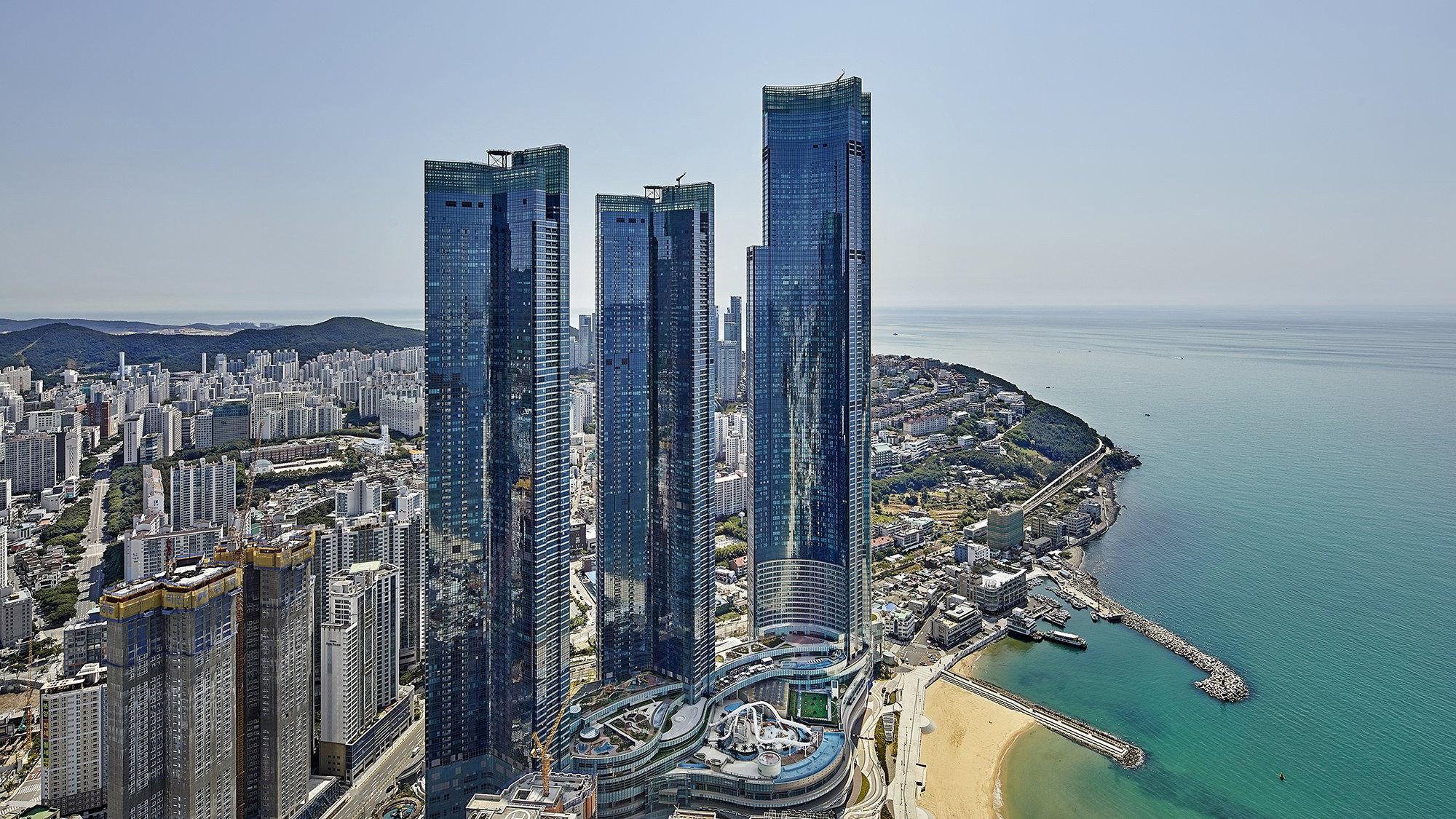
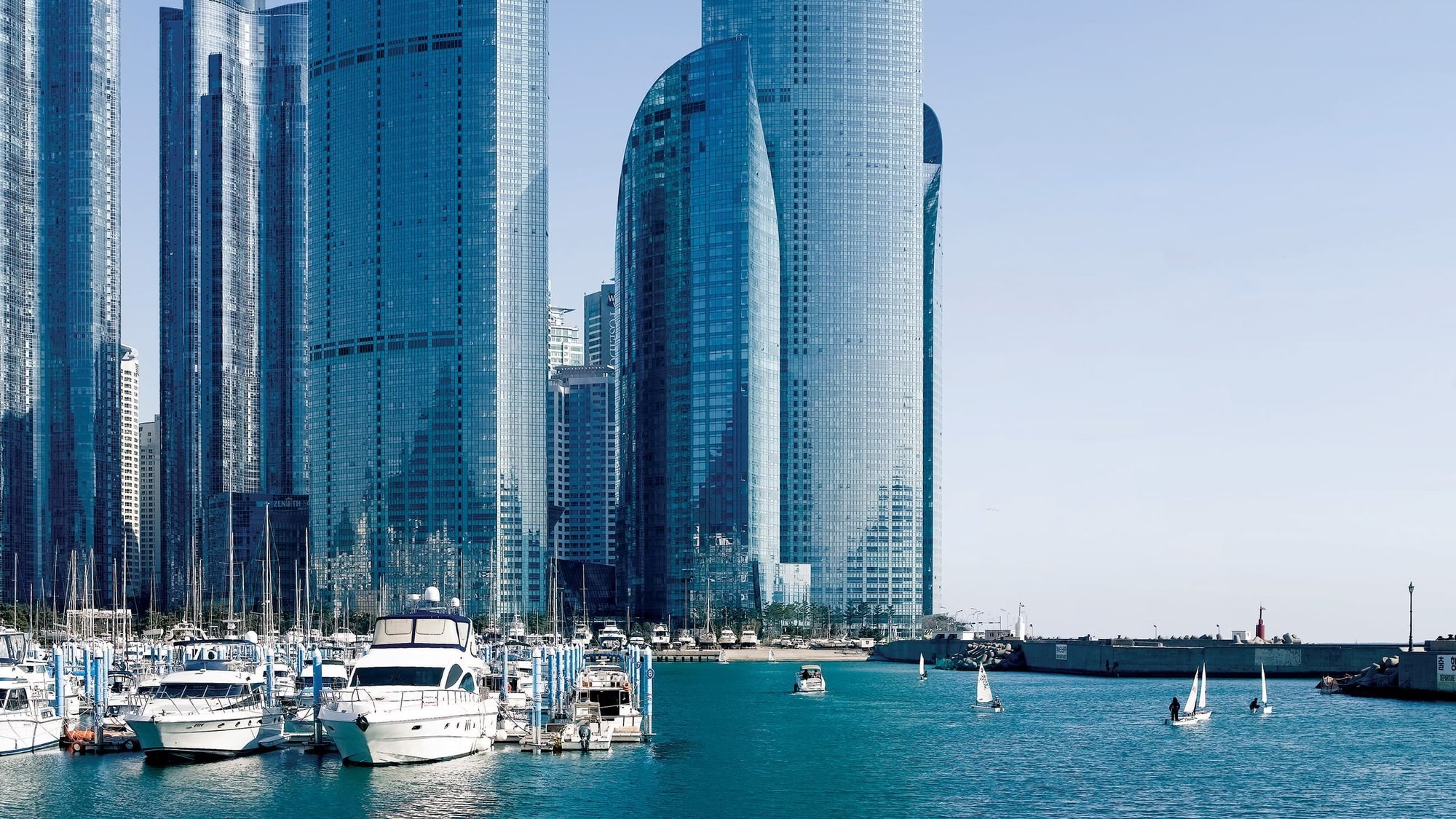
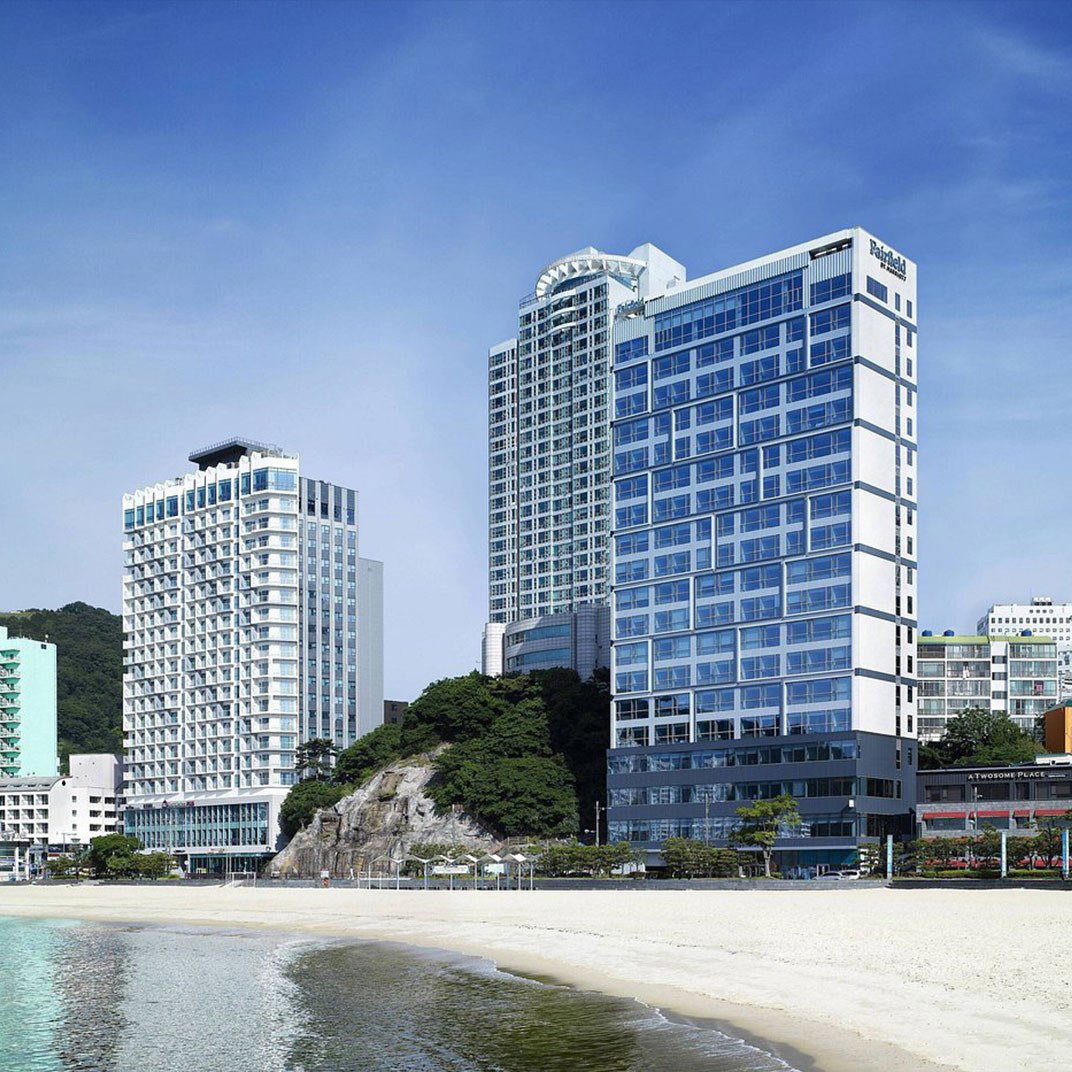
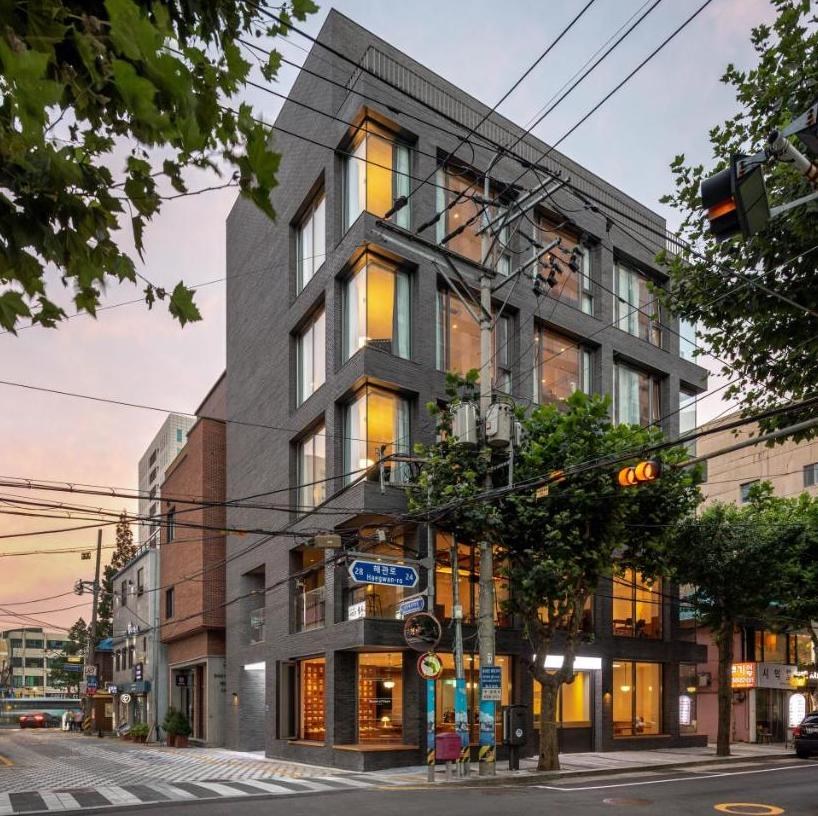
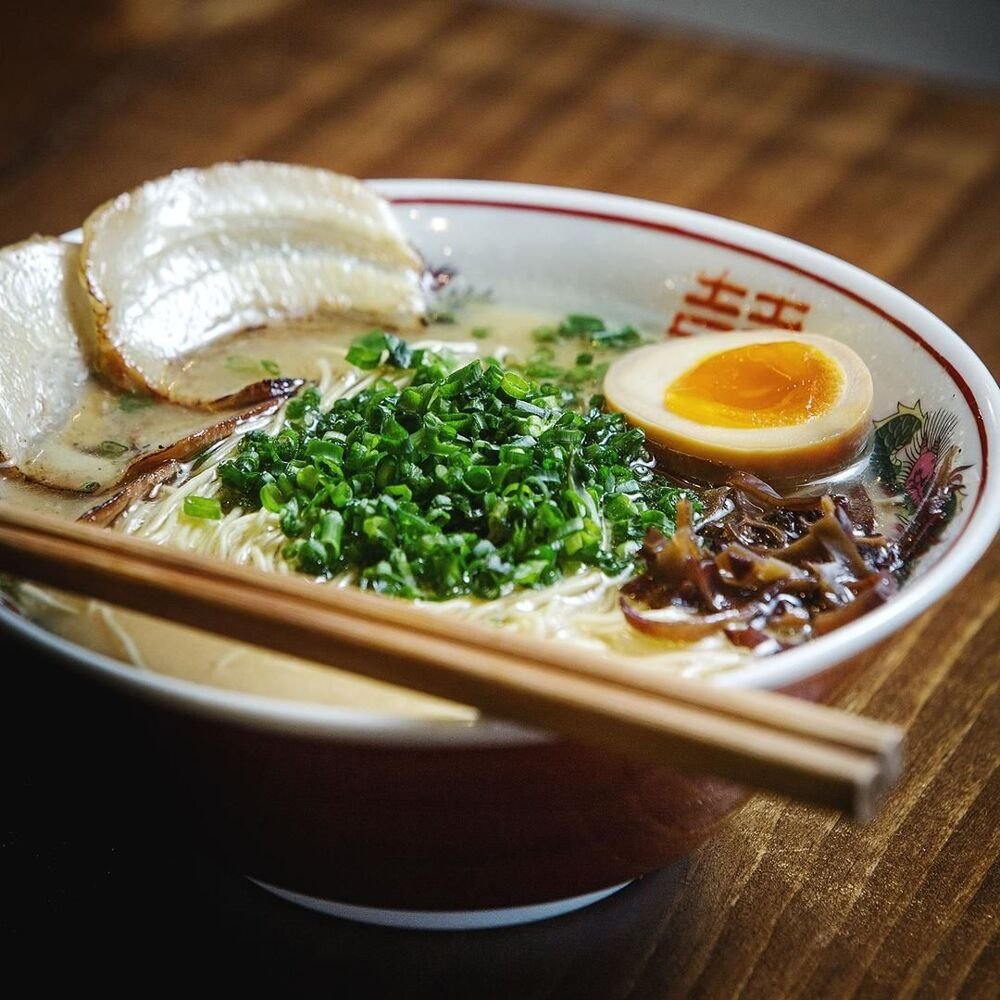
Nagahama Mangetsu sits at 57 Udong 1-ro in Haeundae-gu, one of Busan's most visited districts. The address puts it within reach of the Haeundae beach corridor, making it a practical stop before or after time on the waterfront. The ramen format here draws on Nagahama-style tonkotsu traditions, a northern Kyushu style known for its thin noodles and intensely milky, pork-bone-based broth. Chef Yap Hock Kee leads the kitchen, and the Bib Gourmand nods confirm the execution is consistent enough to satisfy Michelin's threshold for exceptional cooking at moderate prices two years running.
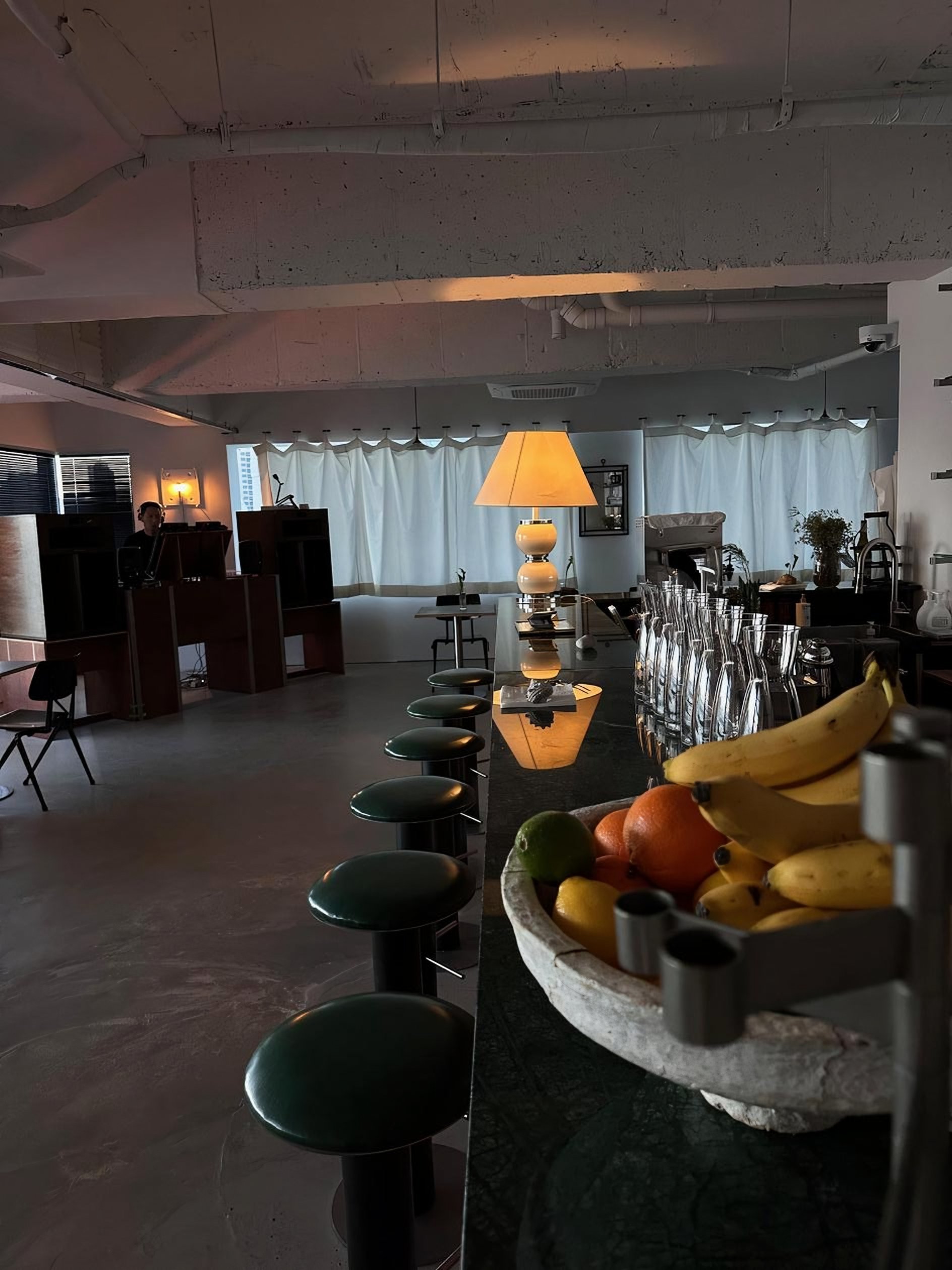
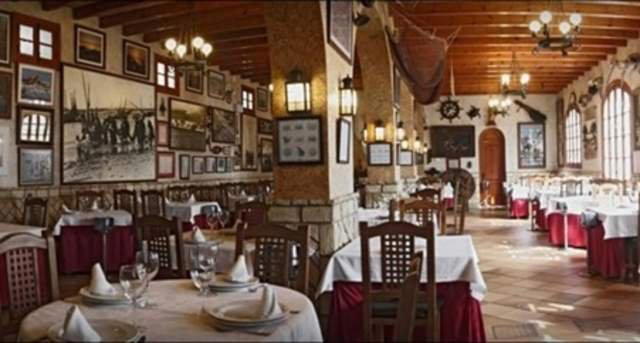
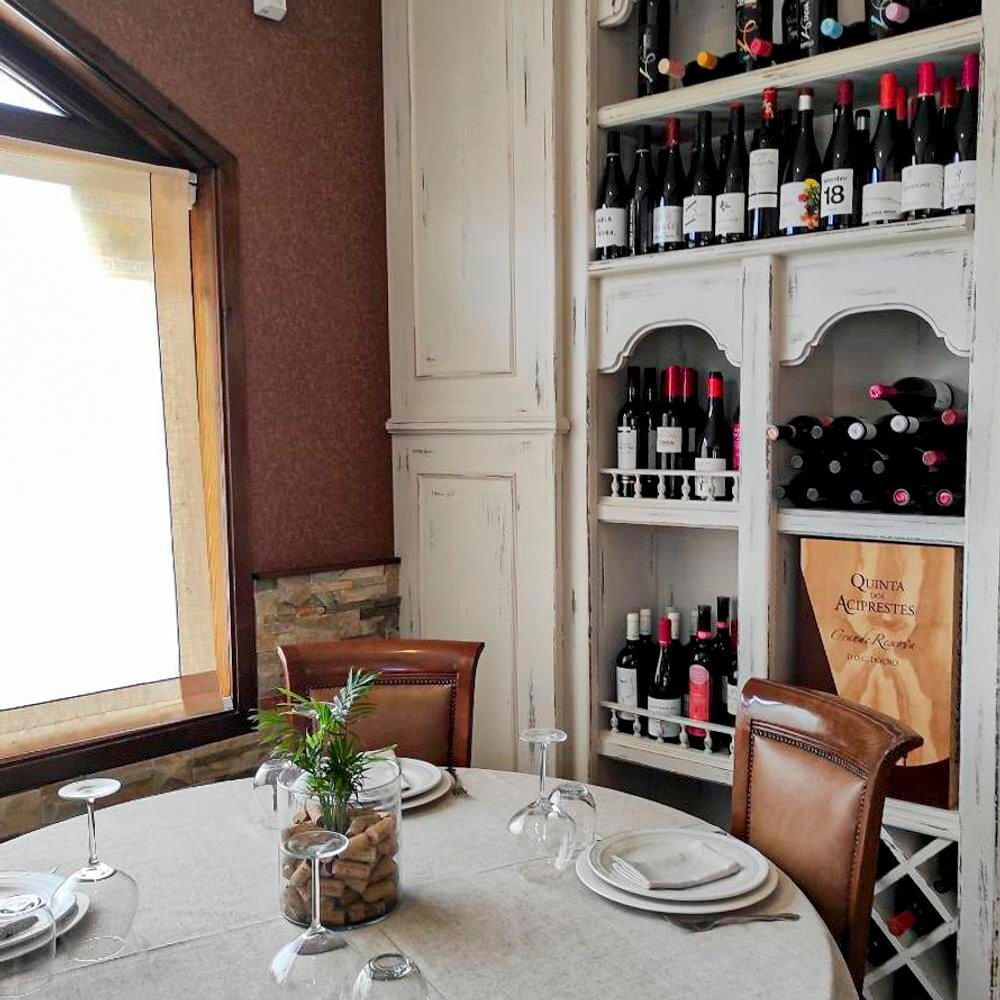
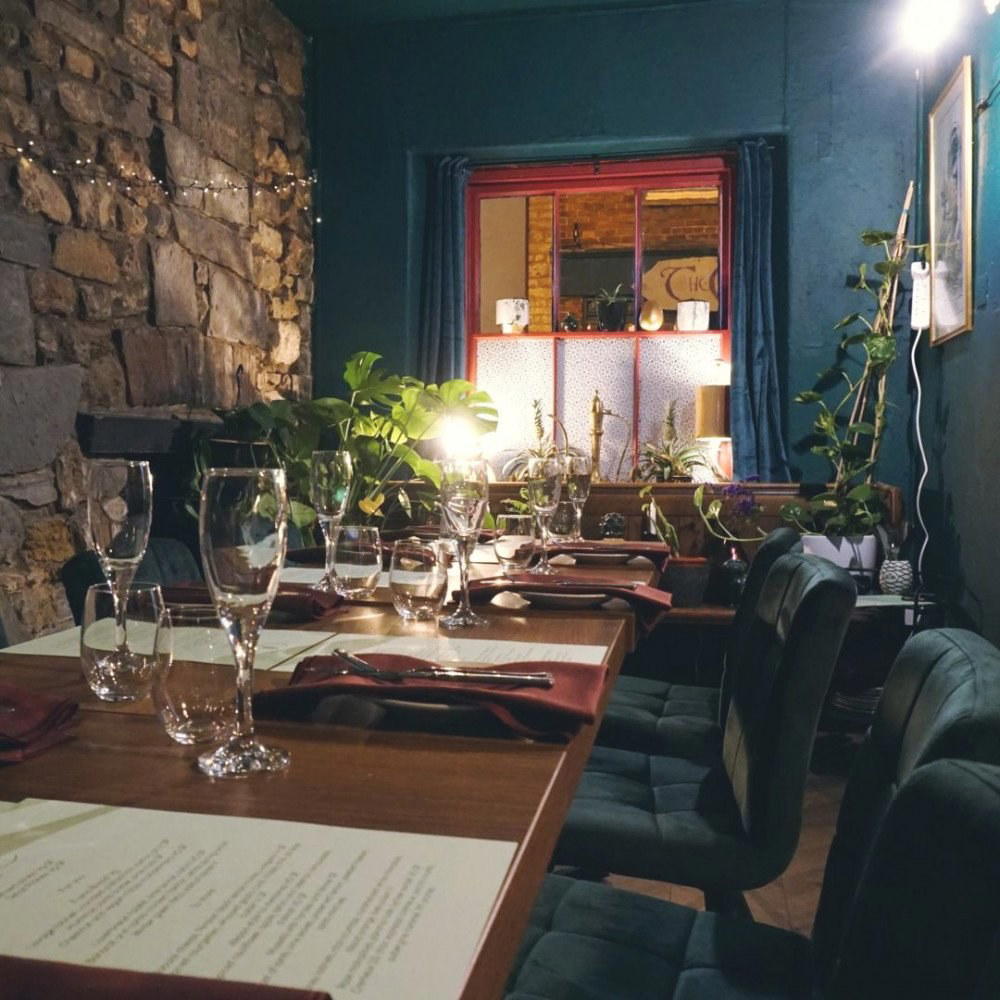
The room itself fits the ramen shop format: the visual experience is defined by the counter and the bowls rather than an elaborate interior. That is the genre's logic. You come for what is in the bowl. The broth should be the visual and aromatic centrepiece, and at Nagahama-style shops the colour of a properly rendered tonkotsu, opaque, pale, and dense, signals that the kitchen has done its work.
On Takeout and Delivery
Ramen is one of the formats where the off-premise question matters most, and the honest answer here is that tonkotsu ramen does not travel as well as most diners hope. The noodles continue to absorb broth from the moment they are submerged, which means a 20-minute delivery window will change the texture meaningfully. The broth itself holds better, tonkotsu is stable and reheats without significant degradation, but the full bowl as the kitchen intends it exists for about a five-minute window after it is served. If you can eat at the counter, do. If takeout is your only option, ask for noodles and broth packed separately and combine them yourself at home; this is the one approach that preserves something close to the original structure. There is no confirmed delivery platform partnership in our data, so check current availability on Korean delivery apps directly before planning around it.
Booking and Timing
Booking difficulty here is rated Easy. For a Bib Gourmand venue in a high-footfall tourist district, that is a reasonable baseline, but Haeundae's visitor density means peak times, weekend lunches, summer months, public holidays, will test that. The practical advice is to arrive early in a service, before the midday or evening rush builds. Because no advance reservation system is confirmed in our data, this may operate as a walk-in venue, which puts more weight on timing your arrival well. Early doors on a weekday gives you the smoothest experience. If you are visiting Busan in peak summer season, treat the queue as a real variable and build buffer time accordingly. For planning the rest of your Busan trip, our full Busan restaurants guide covers the wider dining picture, and our Busan hotels guide can help with where to stay in the area.
Value and Price
The single-₩ price positioning means individual bowls will sit at the lower end of what you will spend on any meaningful meal in Busan. For context, Bib Gourmand recognition is specifically awarded to venues where you can eat well for under a defined price threshold, in South Korea that sits around ₩35,000 per person or less for two courses. At that level, Nagahama Mangetsu competes directly with 100.1.Pyeongnaeng for the best-value bowl in Busan, though the two represent different formats: tonkotsu ramen versus cold naengmyeon noodles. Which you choose depends on what you want to eat, not on budget. For a broader look at Korean noodle traditions in a comparable price tier, 1969 Buwondong Kalguksu is another reference point worth knowing.
Special Occasions at Nagahama Mangetsu
A Michelin-recognised ramen counter works for a specific kind of special occasion: the low-key celebratory meal where what you are eating matters more than the setting around it. A birthday dinner for someone who takes ramen seriously, a first date where food knowledge signals more than formality, or a deliberate treat-yourself lunch during a solo trip, these all fit. A wedding anniversary dinner or a business meal with clients does not. The atmosphere will not provide the ambient support those occasions require. For celebration dining with full-service presentation in Busan, Palate at ₩₩ or Mori at ₩₩₩ are better-matched choices. If you are exploring what Michelin-recognised cooking looks like across South Korea more broadly, Mingles in Seoul and Kwon Sook Soo in Gangnam-gu offer a useful frame of reference for how the recognition tier scales up.
How It Compares
Against Busan's full restaurant range, Nagahama Mangetsu sits in a distinct lane: Michelin-validated, budget-priced, genre-specific. The comparison that matters most is within the ₩ tier. 100.1.Pyeongnaeng is the closest peer in terms of price and recognition, but serves naengmyeon rather than ramen, a cold noodle dish with a completely different flavour profile. If your goal is the leading single-₩ bowl in Busan with external validation behind it, these two are your shortlist. Anmok, serving dwaeji-gukbap (rice with pork soup), sits in the same price bracket and represents Busan's more local culinary identity, but the experience gap between a tourist-district ramen shop and a neighbourhood pork-soup counter is as much about context as quality.
If budget is not the constraint and you want to spend more for a fuller evening, Palate at ₩₩ gives you a contemporary dining room with more occasion weight. Mori at ₩₩₩ steps up to serious Japanese dining with corresponding service polish. Born and Bred at ₩₩₩₩ is for when steak and a long table are the point. None of those compete with Nagahama Mangetsu on value-per-bowl, they are solving different problems.
FAQ
What should a first-timer know about Nagahama Mangetsu?
- It is a ramen specialist, not a broad Japanese menu. Come expecting tonkotsu-style bowls, not a varied menu.
- The Bib Gourmand award (2024, 2025) confirms quality at price, this is not a tourist-trap bowl at a premium address.
- Arrive early in service to avoid peak queues, particularly on weekends and during Haeundae's busy summer season.
- Budget around ₩35,000 or less per person, consistent with Michelin's Bib Gourmand threshold in South Korea.
Is Nagahama Mangetsu worth the price?
- At ₩ pricing with back-to-back Bib Gourmand recognition, the value case is direct: yes.
- Michelin's Bib Gourmand standard specifically identifies restaurants where you eat well for a moderate spend. That is exactly what this delivers.
- The only scenario where it is not worth it is if you arrive expecting full-service dining, the format is counter-focused and informal.
What should I order at Nagahama Mangetsu?
- The menu is not confirmed in our data, but Nagahama-style venues are built around tonkotsu ramen: thin noodles, rich pork-bone broth.
- The Bib Gourmand recognition implies the core ramen offering is the reason to visit, order that, not periphery items.
- Ask staff about available toppings or broth richness options if the format allows customisation.
Is the tasting menu worth it at Nagahama Mangetsu?
- A multi-course tasting menu is not a confirmed feature of this venue. Nagahama-style ramen shops typically operate as single-bowl destinations.
- If a set menu is available, the Bib Gourmand framing suggests it will be priced accessibly, but verify on arrival.
Does Nagahama Mangetsu handle dietary restrictions?
- Tonkotsu broth is pork-based by definition, which rules it out for anyone avoiding pork or keeping halal or kosher.
- Vegetarian and vegan options are not standard in Nagahama-style ramen. If this is a concern, contact the venue directly before visiting, phone and website details are not confirmed in our current data.
What are alternatives to Nagahama Mangetsu in Busan?
- 100.1.Pyeongnaeng, ₩, Naengmyeon. The closest peer in price and recognition for a different noodle format.
- Palate, ₩₩, Contemporary. Better for a date night where the room matters as much as the food.
- Mori, ₩₩₩, Japanese. Spend more and get a full Japanese dining experience with service depth.
- For ramen comparisons beyond Busan, Afuri in Tokyo and Afuri Ramen in Portland give useful benchmarks for how the format travels internationally.
Is Nagahama Mangetsu good for a special occasion?
- Yes, for the right kind of special occasion: a food-focused treat, a low-key birthday bowl, or a deliberate splurge on quality within a budget format.
- No, if you need ambient occasion support, private rooms, tableside service, or a wine list. For those needs, book Mori or Born and Bred instead.
Explore More in Busan
Find more options across our full Busan guides: restaurants, hotels, bars, wineries, and experiences.
Planning details
- Location
- 57 Udong 1-ro, Haeundae-gu, Busan, South Korea
- Website
- instagram.com/mangetsu_kor
- Phone
- +82 51-731-0886
The take
The Take
The Vibe
Nagahama Mangetsu reads like a focused, tradition-first ramen counter. The Nagahama/Hakata lineage shapes everything here: rich tonkotsu broth, thin straight noodles and a single-bowl approach that prioritizes repeatable excellence over showmanship. Seating is tight and counter-centric, which creates a cozy, almost ritualistic dining rhythm where regulars and newcomers mix. Evenings bring a steady queue, and the place hums with the energy of communal late-night dining rather than formal deliberation. The result is a classic ramen experience translated cleanly into Busan: unpretentious, warm, and built on steady craft rather than spectacle.
Best For
This is a go-to for solo diners and small groups looking for a reliable, late-evening bowl rather than a multi-course occasion. The single-bowl format and counter seating make it ideal for quick dinners, late-night stops, or casual hangouts after drinks. Consecutive Michelin Bib Gourmand nods in 2024 and 2025 underline the kitchen’s consistency and value, so it’s a smart pick when you want technically confident ramen without fuss. Expect a lively, conversational atmosphere rather than a quiet, formal meal.
Ordering Tips
Expect a queue most evenings and counter seating that favors single-bowl ordering: the menu’s format intentionally simplifies decisions. Lean into the house specialty: the Signature Tonkotsu Ramen, which exemplifies the Nagahama style praised in the text; the Crispy Gyoza is the named accompaniment if you want a shared bite. Because the counter setup encourages quick service and steady turnover, come prepared to eat at the bar, and consider arriving earlier in the evening to avoid the longest waits.
Venue details
Ambiance
Minimalist decor with Japanese vibe, bar seating, and efficient brisk service amid a vibrant, developing hip neighborhood atmosphere.
Tags
Vibe
Best For
At the Table
- Dress Code
- Casual
- Noise Level
- Conversational
- Service Style
- Casual
- Meal Pacing
- Quick Bite
- Capacity
- Intimate
- Kitchen
- Traditional
- Menu Format
- A la carte
Signature Dishes
- Signature Tonkotsu Ramen
- Crispy Gyoza
Know before you go
Know Before You Go
- Getting there
- 57 Udong 1-ro, Haeundae-gu, Busan, South Korea
Planning details
Location
57 Udong 1-ro, Haeundae-gu, Busan, South Korea · Directions
Recognition and awards
Also consider
Also Consider
- Palate: Contemporary, ₩₩
- Mori: Japanese, ₩₩₩
- Born and Bred: Steakhouse, ₩₩₩₩
- 100.1.Pyeongnaeng: Naengmyeon, ₩
- Anmok: Dwaeji-gukbap, ₩
Restaurant context
Within Busan's ₩ tier, Nagahama Mangetsu and 100.1.Pyeongnaeng are the two most externally validated budget bowls in the city. Both carry Michelin recognition and sit at similar price points. The choice is purely about format: tonkotsu ramen versus cold naengmyeon noodles. If you want a hot, rich pork-bone broth, Nagahama Mangetsu wins the decision. If you want a cold, clean buckwheat noodle dish, Pyeongnaeng is the call. Neither is better in absolute terms: they are answering different cravings.
Step up a price tier and the comparison changes. Palate at ₩₩ gives you a contemporary dining room with more occasion weight and a broader menu: the right call when the setting needs to carry part of the evening. Mori at ₩₩₩ offers serious Japanese dining with corresponding service depth, making it the better choice for a formal date or a meal where you want full tableside attention. Neither competes with Nagahama Mangetsu on value per bowl: they are solving a different problem entirely.
At the top of the Busan range, Born and Bred at ₩₩₩₩ is the option for a long steak dinner with an occasion framing that Nagahama Mangetsu cannot provide. The practical decision tree is simple: if budget and bowl quality are your priorities, book Nagahama Mangetsu. If you need a room and a service experience that matches a significant occasion, move to Palate, Mori, or Born and Bred depending on how much you want to spend.
Explore Busan
Around this place
Discover more on Pearl
Unlock the full Nagahama Mangetsu guide in Pearl, including awards, comparisons, FAQs, planning details, and nearby places.
Compare Nagahama Mangetsu
| Venue | Cuisine | Price | Booking Difficulty | Awards |
|---|---|---|---|---|
| Nagahama Mangetsu | Ramen | ₩ | Easy | Michelin Guide Seoul & Busan 20262025 Michelin Bib Gourmand2024 Michelin Bib Gourmand |
| Palate | Contemporary | ₩₩ | Unknown | Michelin Guide Seoul & Busan 20262026 Wine Spectator Best of Award of Excellence2026 La Liste Top Restaurants2025 La Liste Top Restaurants2025 Michelin 1 Star2024 Michelin 1 Star |
| Mori | Japanese | ₩₩₩ | Unknown | Michelin Guide Seoul & Busan 20262025 Michelin 1 Star2024 Michelin 1 Star |
| Born and Bred | Steakhouse | ₩₩₩₩ | Unknown | 2026 La Liste Top Restaurants2025 OAD Top Restaurants in Asia Ranked · #122025 World's Best Steaks 101 Best Steak Restaurants · #152025 Asia's 50 Best Restaurants · #512025 Michelin Plate2024 OAD Top Restaurants in Asia Ranked · #92024 Michelin Plate2023 OAD Top Restaurants in Asia Ranked · #16 |
| 100.1.Pyeongnaeng | Naengmyeon | ₩ | Unknown | Michelin Guide Seoul & Busan 20262025 Michelin Bib Gourmand2024 Michelin Bib Gourmand |
| Anmok | Dwaeji-gukbap | ₩ | Unknown | Michelin Guide Seoul & Busan 20262025 Michelin Bib Gourmand2024 Michelin Bib Gourmand |







.png?width=1200&quality=80)
Comparing your options in Busan for this tier.
FAQ
Frequently Asked Questions
Is the tasting menu worth it at Nagahama Mangetsu?
Nagahama Mangetsu is a ramen counter, not a tasting menu venue. There is no multi-course format here. If a structured progression of dishes is what you want, this is the wrong booking: look elsewhere in Busan for that format. What Nagahama delivers is a tightly focused bowl-led experience at a price point that reflects the genre, not the Michelin branding.
What should a first-timer know about Nagahama Mangetsu?
Go in with clear expectations: this is a genre-specific ramen counter, not a multi-course destination. It holds back-to-back Michelin Bib Gourmands (2024 and 2025), which means the quality is validated, but the format is casual and the menu is focused. It sits at 57 Udong 1-ro in Haeundae-gu, so it is easily combined with a visit to the beach area. Arrive with a short wait tolerance: Bib Gourmand recognition in a tourist-heavy district draws queues.
Is Nagahama Mangetsu worth the price?
Yes, without qualification. Single-₩ pricing for a two-time Michelin Bib Gourmand makes this one of the strongest value propositions in Busan dining. You are not paying a premium for the room or a tasting format: you are paying for a well-executed bowl of ramen at the price of a casual lunch. For the Haeundae neighbourhood, where tourist-facing pricing can push costs up, Nagahama Mangetsu sits well below that curve.
What are alternatives to Nagahama Mangetsu in Busan?
If you want to stay in the Michelin-recognised, budget-friendly lane, look at other Bib Gourmand holders in Busan. For Korean cold noodles rather than ramen, 100.1.Pyeongnaeng is the comparison to make. If you want to step up in format and price, Born and Bred or Palate offer more structured dining. Mori and Anmok serve different occasions entirely. Nagahama is the right pick when you want Michelin credibility without the spend.
Is Nagahama Mangetsu good for a special occasion?
It works for a specific kind of occasion: a low-key celebratory meal where the food quality matters and the bill does not. Two consecutive Bib Gourmand awards give it enough credibility to anchor a deliberate choice rather than a default one. It is not the right venue for a milestone dinner requiring a private room or a long wine list, but for a meaningful casual meal in Haeundae, it carries more intent than most options at this price.