
Iwa
Japanese · U 1(il)-dong, Busan
Restaurant in Busan, South Korea
 Book with Pearl
The Read
Patent-Method Fish Aging
Dress
Smart Casual
Why go
Iwa is a Japanese omakase counter in Haeundae, Busan, where the chef holds a patent for aging fish: a genuine differentiator at the ₩₩ price tier. Every fish is aged a minimum of four days, producing deeper, more concentrated flavors than same-day alternatives. At this price point, with this level of sourcing methodology, it is the strongest case for omakase dining in Busan without stepping up to ₩₩₩.
About Iwa
Is Iwa Worth Booking for Omakase in Busan?
Yes: and it is one of the more considered cases for omakase dining in Busan right now. Iwa sits at the ₩₩ price tier, which positions it well below the spending required at Mori (₩₩₩) while delivering a format that justifies the price on its own terms. The distinguishing factor here is not just the fish: it is the aging process. The chef holds a patent for aging fish, and every piece of fish served has been aged for a minimum of four days. That credential is verifiable, specific, and rare enough to anchor a decision to book.
The Space and What to Expect on Arrival
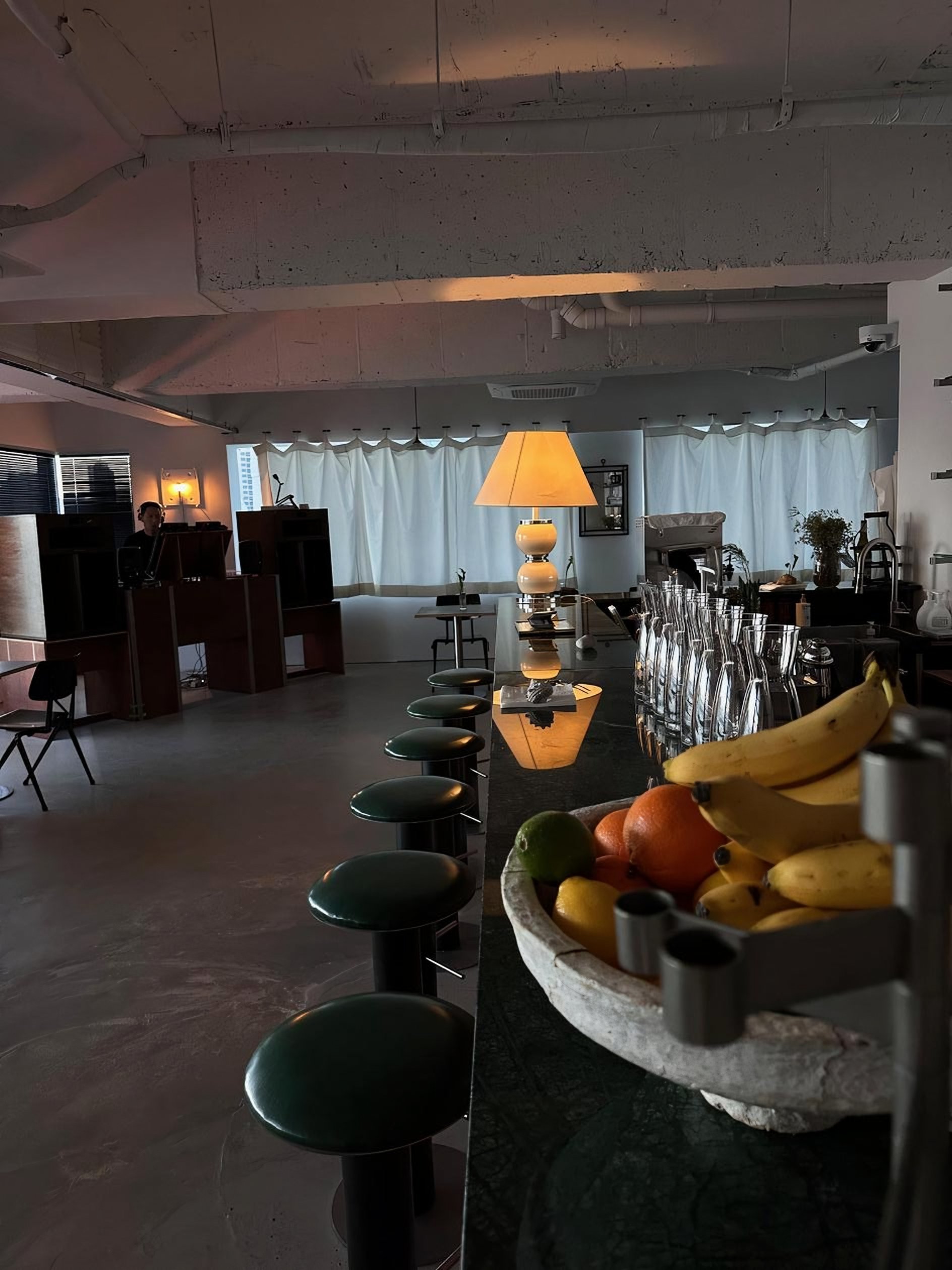
Iwa is at 13 Haeundaehaebyeon-ro 209beon-gil in Haeundae, the beachfront district of Busan that combines high-density residential living with a serious restaurant scene. First-timers should expect an intimate counter setting consistent with omakase format: close proximity to the chef, a pace dictated by preparation, and no real option for side conversations that do not involve what is in front of you. The room is designed for attention, the spatial logic of omakase means the counter is the room. If you prefer a table-based dining experience where you control the pace, consider Palate instead, which offers contemporary Korean dining at the same price tier with more conventional seating.
For a first visit, knowing this spatial dynamic in advance matters. You are not here to browse a menu or negotiate courses. The chef's selections drive the meal, and the proportion of sushi, sashimi, and other Japanese dishes shifts depending on what is available and how the chef reads the day's ingredients. That variability is a feature, not a flaw, but first-timers who expect a fixed format may find it worth confirming the structure before arrival.
The Aging Program: What Makes It Different
The chef's patent on fish aging is the single most credible differentiator in Iwa's profile. Aging fish is a technique with roots in Japanese culinary practice, the principle is that a controlled resting period allows enzymatic activity to develop umami depth that fresh-only fish cannot achieve. Four days is the stated floor, but the chef calibrates the aging period per fish based on species, condition, and characteristics. This is not a uniform process applied indiscriminately, it is a considered system with a documented methodology behind it.
For anyone comparing Iwa against other Japanese omakase options in South Korea, the aging credential places it in a narrower peer set than price alone might suggest. Tokyo benchmarks for aged-fish omakase, such as Myojaku or Azabu Kadowaki, operate at considerably higher price points. Iwa's ₩₩ positioning with a patented aging program is where the value proposition becomes compelling.
On Drinks and Pairing
What the format implies, however, is worth noting for planning purposes. Omakase dining with aged fish leans toward sake as the natural pairing medium, the fermentation profile of sake complements umami-forward fish in ways that wine often does not match as cleanly. First-timers should contact the venue ahead of arrival to clarify pairing options, particularly if drinks are a meaningful part of the experience for them. If wine pairing depth is a priority, Zero Base or Palate may warrant comparison for that specific requirement.
When to Go
Haeundae in summer (July and August) draws significant domestic and international tourist volume, which affects the entire restaurant scene in the area. Booking Iwa during peak beach season means competing with higher demand across Haeundae's dining options generally. For a more considered visit, the shoulder seasons, late spring (April to May) or autumn (September to October), offer Busan at its most functional: mild weather, active fish markets supplying the kitchen, and lower pressure on reservations. Midweek evenings tend to offer the most focused counter experience at omakase venues of this format across Korea's dining scene.
Booking and Logistics
Booking difficulty is rated Easy. Use a restaurant reservation platform that covers Busan or make contact through the venue's physical address in Haeundae. Arriving without a reservation at an omakase counter is generally inadvisable, the format requires preparation per guest count, and walk-ins disrupt that. Book ahead even if the difficulty rating suggests availability is not constrained.
For broader context on where Iwa sits within Busan's dining scene, our full Busan restaurants guide covers the city's range from local specialists like Haemok and Eutteum Iroribata to the upper end of the market. If you are planning a wider trip, our Busan hotels guide, bars guide, and experiences guide are useful companions. For Japanese omakase context across South Korea more broadly, Mingles in Seoul and Kwon Sook Soo in Gangnam-gu offer reference points at the higher end of the market if budget is not a constraint.
Practical Details
| Venue | Cuisine | Price Tier | Booking Difficulty | Format |
|---|---|---|---|---|
| Iwa | Japanese Omakase | ₩₩ | Easy | Omakase counter |
| Mori | Japanese | ₩₩₩ | Japanese | |
| Palate | Contemporary | ₩₩ | Contemporary Korean | |
| Haemok | Korean | Korean |
FAQ
What should a first-timer know about Iwa?
- The format is omakase, the chef sets the menu, and the course composition shifts based on available ingredients. There is no à la carte option.
- All fish are aged a minimum of four days. Expect concentrated, full-bodied flavors rather than the clean brightness of same-day-caught fish.
- Arrive on time. Counter dining operates on a shared pace and late arrivals compress your own experience.
Is the tasting menu worth it at Iwa?
- At ₩₩ pricing with a patented aging program and omakase format, the value case is strong. You are getting a technically differentiated experience at a price tier that does not typically include this level of sourcing methodology.
- If you want the same format at a higher price point, Mori at ₩₩₩ is the natural comparison. Iwa is the better starting point if budget discipline matters.
What should I order at Iwa?
- The format removes this question, the chef selects. The mix of sushi, sashimi, and other Japanese dishes varies by session. Trust the sequence rather than trying to direct it.
- If there are ingredients you cannot eat, communicate them at booking, not at the counter.
What should I wear to Iwa?
- For a counter omakase in this price tier, smart casual is the practical default across Korea's Japanese dining venues. Avoid strong fragrances, the counter format means proximity to other diners and the chef.
Is Iwa good for solo dining?
- Yes. Counter omakase is structurally well-suited to solo diners, the counter seating is designed for individual engagement with the chef and the sequence of courses. Solo dining here is not a compromise; it is arguably the format's intended mode.
Can Iwa accommodate groups?
- If a group dinner with more flexibility is the goal, Palate at the same price tier offers a more adaptable setting.
Does Iwa handle dietary restrictions?
- Japanese omakase built around aged fish has limited structural flexibility for pescatarians or those with shellfish restrictions, the format is fish-forward. Communicate any restrictions at the time of booking, not on arrival.
What are alternatives to Iwa in Busan?
- For Japanese at a higher price tier: Mori (₩₩₩).
- For contemporary Korean at the same price tier: Palate (₩₩).
- For a local Busan dining experience at lower cost: Eutteum Iroribata or Haemok.
- For an extended look at the full Busan dining range, our Busan restaurants guide is the practical starting point.
Planning details
- Hours
- Monday: 11:30 AM–10 PM · Tuesday: 11:30 AM–10 PM
- Location
- 13 Haeundaehaebyeon-ro 209beon-gil, U-dong, Haeundae-gu, Busan, South Korea
- Phone
- +82 10-8543-3356
The take
The Take
The Vibe
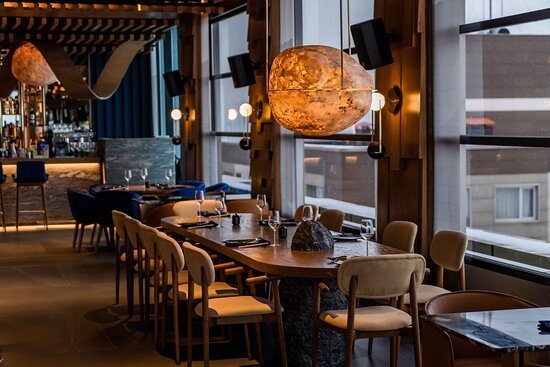
Iwa presents a restrained, counter-focused atmosphere tucked into the residential streets behind Haeundae's beachfront. The room centers on an omakase counter where the kitchen's technical rigor is the dominant presence: aging is the operating principle and it governs the rhythm of service. The setting reads as quiet and intimate rather than theatrical, with an emphasis on precision over flourish. Rather than leaning on lineage or awards, the restaurant signals its distinction through a patented fish-aging methodology, giving the dining experience a quietly modern, highly engineered character that rewards attentive, unhurried diners.
Best For
Iwa suits diners who seek a focused seafood-forward omakase in a quieter part of Haeundae. It is particularly well matched to solo diners who enjoy counter service, couples on date night, and small groups marking a special occasion. The evening service follows ingredient readiness, so guests who appreciate technical details, like systematic fish aging and subtle shifts in course composition, get the most from the meal. The experience favors those who want to surrender sequencing to the chef and savor how aging shapes texture and flavor across each bite.
Ordering Tips
Treat the meal as an omakase and allow the kitchen to determine sequencing: the restaurant explicitly hands authority to the chef and shapes the progression according to a readiness-driven aging calendar. Because all fish are aged a minimum of four days and the chef selects optimal windows for each species, the ratio of sushi to sashimi and other preparations varies nightly. Expect variability in the evening’s arc and resist requests for a fixed script: your best approach is to accept the chef’s choices and focus on tasting how the patented aging technique expresses each ingredient.
Venue details
Ambiance
Calm and intentional serenity with a burnished hinoki counter, focused on purity of ingredient and precise technique.
Tags
Vibe
Best For
Experience
At the Table
- Dress Code
- Smart Casual
- Noise Level
- Quiet
- Service Style
- Upscale Casual
- Meal Pacing
- Leisurely
- Capacity
- Intimate
- Kitchen
- Modern
- Menu Format
- Omakase
Know before you go
Know Before You Go
- Getting there
- 13 Haeundaehaebyeon-ro 209beon-gil, U-dong, Haeundae-gu, Busan, South Korea
Planning details
Hours
- Monday
- 11:30 AM–10 PM
- Tuesday
- 11:30 AM–10 PM
- Wednesday
- 11:30 AM–10 PM
- Thursday
- 11:30 AM–10 PM
- Friday
- 11:30 AM–10 PM
- Saturday
- 11:30 AM–10 PM
- Sunday
- 11:30 AM–10 PM
Location
13 Haeundaehaebyeon-ro 209beon-gil, U-dong, Haeundae-gu, Busan, South Korea · Directions
Recognition and awards
Also consider
Also Consider
- Palate: Contemporary, ₩₩
- Mori: Japanese, ₩₩₩
- Born and Bred: Steakhouse, ₩₩₩₩
- 100.1.Pyeongnaeng: Naengmyeon, ₩
- Anmok: Dwaeji-gukbap, ₩
Restaurant context
Within Busan's Japanese dining options, Iwa sits at ₩₩ and competes most directly with Mori, which operates at ₩₩₩. The price gap is meaningful: Iwa gives you a patented aging program and a considered omakase format at a lower spend. Mori is the choice if you want to spend more and expect a correspondingly higher level of service polish or ingredient sourcing. If budget is a factor and you want Japanese omakase specifically, Iwa is the more practical entry point.
Palate shares the ₩₩ tier but operates in contemporary Korean rather than Japanese: a different meal entirely. If you are undecided between formats, Palate is the better option for table-based dining with more control over pacing. For a significant splurge, Born and Bred at ₩₩₩₩ is Busan's steakhouse benchmark, but it occupies a completely different category. At the other end of the range, 100.1.Pyeongnaeng and Anmok at ₩ each offer local Busan eating at minimal cost, naengmyeon and dwaeji-gukbap respectively, but serve no comparison function if omakase is the goal.
The decision is relatively clean: for Japanese omakase in Busan, Iwa at ₩₩ with a patented aging methodology is the value-justified choice. Step up to Mori only if you want a higher-tier price experience and have reason to expect the extra spend translates to a meaningfully different meal.
Explore Busan
Around this place
Discover more on Pearl
Unlock the full Iwa guide in Pearl, including awards, comparisons, FAQs, planning details, and nearby places.
Compare Iwa
| Venue | Cuisine | Price | Booking Difficulty | Awards |
|---|---|---|---|---|
| Iwa | Japanese | ₩₩ | Easy | Michelin Guide Seoul & Busan 20262025 Michelin Plate2024 Michelin Plate |
| Palate | Contemporary | ₩₩ | Unknown | Michelin Guide Seoul & Busan 20262026 Wine Spectator Best of Award of Excellence2026 La Liste Top Restaurants2025 La Liste Top Restaurants2025 Michelin 1 Star2024 Michelin 1 Star |
| Mori | Japanese | ₩₩₩ | Unknown | Michelin Guide Seoul & Busan 20262025 Michelin 1 Star2024 Michelin 1 Star |
| Born and Bred | Steakhouse | ₩₩₩₩ | Unknown | 2026 La Liste Top Restaurants2025 OAD Top Restaurants in Asia Ranked · #122025 World's Best Steaks 101 Best Steak Restaurants · #152025 Asia's 50 Best Restaurants · #512025 Michelin Plate2024 OAD Top Restaurants in Asia Ranked · #92024 Michelin Plate2023 OAD Top Restaurants in Asia Ranked · #16 |
| 100.1.Pyeongnaeng | Naengmyeon | ₩ | Unknown | Michelin Guide Seoul & Busan 20262025 Michelin Bib Gourmand2024 Michelin Bib Gourmand |
| Anmok | Dwaeji-gukbap | ₩ | Unknown | Michelin Guide Seoul & Busan 20262025 Michelin Bib Gourmand2024 Michelin Bib Gourmand |
.png?width=1200&quality=80)







What to weigh when choosing between Iwa and alternatives.
FAQ
Frequently Asked Questions
What should I wear to Iwa?
Given the Haeundae location and ₩₩ price tier, clean and presentable is a practical baseline: this is a considered dining format, not a casual neighbourhood spot. Avoid beach or resort wear even in summer, when Haeundae draws heavy tourist volume.
What are alternatives to Iwa in Busan?
For omakase at a similar or adjacent price tier in Busan, Palate and Mori are the most direct comparisons. Born and Bred is a stronger option if you want Korean-focused tasting menus rather than Japanese format. Anmok and 100.1.Pyeongnaeng serve different purposes, the former is a cafe-anchored destination, the latter a naengmyeon specialist, so they are not direct alternatives for an omakase occasion.
What should I order at Iwa?
Iwa runs a chef-driven omakase, so ordering is not part of the format: the menu is set by the chef and adjusted based on available ingredients. What differentiates the experience is the aged fish program: every fish is held at minimum four days before service, with each species aged to an individually assessed peak. Arrive with no specific dish expectations and the format works in your favour.
Is the tasting menu worth it at Iwa?
Yes, for most guests who want omakase in Busan. The ₩₩ price point is notably accessible for a format anchored by a chef with a patent on fish aging: that credential is verifiable and rare. The trade-off is variability: the ratio of sushi, sashimi, and other Japanese dishes changes by sitting, so guests who want a fixed format may find that frustrating. If you want a more predictable structure, compare against other Busan omakase operators before booking.
Is Iwa good for solo dining?
Omakase as a format is well-suited to solo diners: counter seating is standard, the chef-driven pace removes the pressure of shared ordering, and the aged fish program gives a solo guest full access to the range of preparations. At ₩₩, the solo spend is reasonable by Busan omakase standards. Booking ahead is advisable regardless of party size.