
Uni Omakase
Japanese · Palermo, Buenos Aires
Restaurant in Buenos Aires, Argentina
 Book with Pearl
The Read
Palermo Omakase Counter
Price
$100–150per person
Dress
Smart Casual
Why go
Uni Omakase is one of Buenos Aires's most credentialed omakase counters, holding Michelin Plate recognition in both 2024 and 2025 and. At $$$$ pricing in Palermo, it is a hard booking suited to special occasions and serious food itineraries. Reserve three to four weeks out minimum.
About Uni Omakase
A omakase in Buenos Aires — and one of the hardest tables to book in Palermo
It is a genuinely credentialed omakase counter on Guatemala Street in Palermo, and it competes on quality terms that go well beyond its local category. If you are deciding whether to commit at the $$$$ price point, the Michelin acknowledgment and the rating volume together give you reasonable confidence the kitchen delivers consistency, not just a few great nights.
Buenos Aires has a small but growing cohort of serious Japanese dining rooms. Uni Omakase sits at the top of that group alongside Buri Omakase, and the two are the venues worth comparing directly if omakase is your format. Uni's Michelin Plate credentials give it an edge in verifiable recognition, but both counters demand advance planning and a willingness to spend at the upper end of Buenos Aires dining. For broader city context, see our full Buenos Aires restaurants guide.
What the experience is built around
Omakase as a format means the kitchen sets the pace, the sequence, and the portion count. You are not ordering; you are committing to a chef-driven progression of courses, typically anchored in Japanese technique with fish and seafood at its center. At $$$$ pricing in Buenos Aires, that commitment is significant in local terms — this is among the most expensive meals you can book in the city. The question of whether to book lunch or dinner matters here, and it is worth thinking through before you reserve.
Lunch vs. dinner: where the value calculus lands
At most serious omakase counters globally, the lunch sitting offers the same kitchen and the same fish sourcing at a lower total cost, with a shorter course count or a compressed format. If Uni Omakase follows the pattern common to Michelin-recognized Japanese restaurants, the lunch experience is the stronger value argument: you access the same technical quality at reduced spend, in a room that tends to be quieter and less performative than the evening sitting. For a first visit, especially if you are calibrating whether the format suits you, lunch is usually the better entry point.
The dinner sitting at a venue like this carries a different set of expectations. The room's energy shifts, the occasion weight increases, and the full course sequence tends to run longer. If you are booking for a celebration, an anniversary, or a business dinner where the setting needs to signal effort and seriousness, the evening sitting earns its premium. Special occasions are where the $$$$ price point at dinner feels proportionate: you are paying for a controlled environment, precise sequencing, and a meal that takes the decision-making entirely off the table for two to three hours.
Both sittings benefit from the same caveat: this is a hard booking. With Michelin Plate recognition in consecutive years and a rating that puts it among the most-reviewed high-end venues in Buenos Aires, demand at Uni Omakase reliably outpaces availability. Plan for at least three to four weeks of lead time, and consider that the dinner sittings on weekends will be the first to fill.
Atmosphere and setting
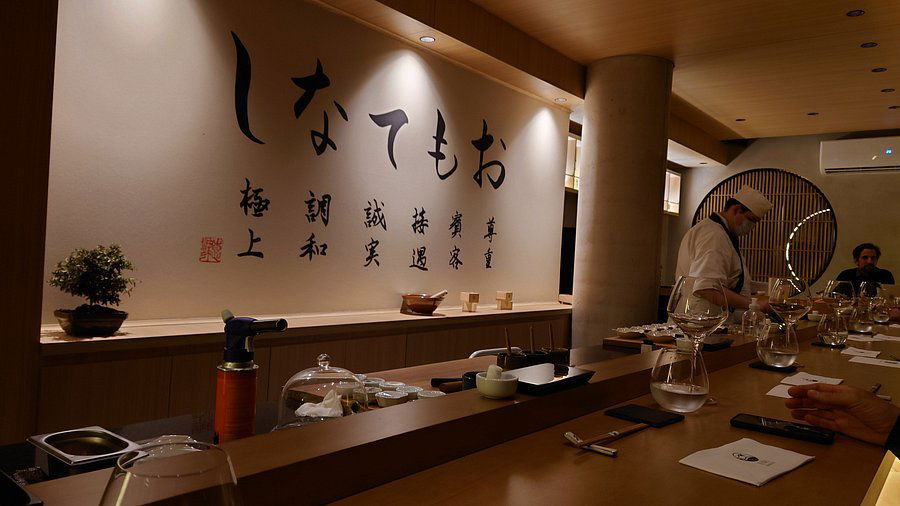
Omakase counters are inherently intimate formats. The Guatemala Street address places Uni in the heart of Palermo's restaurant corridor, a neighborhood that runs loud and social on weekend evenings. Inside an omakase room, the dynamic is different: counter seating, a focused interaction with the kitchen, and a noise level that by design stays lower than the open dining rooms nearby. This is not a venue for a large group looking for an animated table. It is a venue for two to four people who want the meal itself to be the event.
For solo diners, the counter format is genuinely suited to the experience. A single seat at an omakase counter is never awkward in the way a table for one can be, you are facing the kitchen, engaged with the progression, and the format treats individual diners as the intended audience rather than an afterthought. Solo dining here is a reasonable choice, not a compromise.
How it fits into a broader Buenos Aires itinerary
If you are spending significant time in Buenos Aires and want to cover the full range of the city's serious dining, Uni Omakase anchors the Japanese end of the spectrum while venues like Aramburu and Trescha cover modern Argentinian tasting menus at comparable price points. Crizia is the contemporary alternative for a lighter seafood-focused evening without the omakase commitment. And Don Julio remains the reference point for what Buenos Aires does leading: wood-fired beef at the highest local standard.
Beyond the city, Argentina's serious dining extends well beyond Buenos Aires. Azafrán in Mendoza is the strongest restaurant argument for pairing a wine region trip with destination dining. Cavas Wine Lodge in Alto Agrelo covers the wine country accommodation and dining combination. For Patagonia, EOLO in El Calafate and Awasi Iguazu are the top-tier lodge dining options at opposite ends of the country. For a gaucho estancia experience, La Bamba de Areco in San Antonio de Areco is the reference. For more context on where to stay and what to drink, see our Buenos Aires hotels guide, our Buenos Aires bars guide, and our Buenos Aires wineries guide.
If you want to benchmark Uni Omakase against the global omakase standard, Myojaku in Tokyo and Azabu Kadowaki in Tokyo represent the format at its most refined. Uni is not competing directly with Tokyo's leading, nor does it need to, it is the most credentialed omakase option in its city and price tier, and on those terms the booking is justified.
Know Before You Go
- Address: Guatemala 5820, Palermo, Buenos Aires
- Price: $$$$
- Awards: Michelin Plate 2024, Michelin Plate 2025
- Booking difficulty: Hard, reserve 3–4 weeks in advance minimum
- Leading for: Special occasions, date nights, solo counter dining, serious food itineraries
- Format: Omakase (chef-set menu, no à la carte)
- Neighborhood: Palermo, Buenos Aires
- Lunch vs. dinner: Lunch offers better value access to the same kitchen; dinner suits celebration occasions
- More Buenos Aires: Experiences guide
Planning details
- Location
- Guatemala 5820, C1425 Cdad. Autónoma de Buenos Aires, Argentina
- Website
- instagram.com/uni.omakase/?hl=es
- Phone
- +54 11 7615-9486
The take
The Take
The Vibe
Uni Omakase presents as a focused, small-scale counter restaurant that asks diners to slow down and engage. It positions itself within Palermo Soho’s busy dining corridor but operates with the discipline of a Tokyo omakase, favoring sequence, technique and quietly exacting service. The experience leans contemporary rather than folkloric: the food and format are the architecture of the room, and the counter is the stage where the kitchen’s intent is most visible. Expect restrained service, close interaction with chefs and a clear emphasis on culinary precision.
Best For
This is a late-evening destination best suited to dinner, particularly for diners who want an attentive, immersive meal. The omakase format rewards solo diners, couples on date night and small groups marking a special occasion; the copy highlights a dining public willing to surrender pace and sequence to the kitchen. Because reservations are part of the scene on this Palermo stretch, the venue favors planned visits rather than walk-in spontaneity, and it caters to guests who value a curated, chef-led tasting rather than à la carte exploration.
Ordering Tips
Uni Omakase runs on the omakase grammar: guests hand over menu control to the kitchen and follow the sequence the chefs set. The write-up recommends embracing that format—arrive prepared to be guided through nigiri, sashimi and short composed courses—and to reserve in advance given the area’s busy dining scene. If you have dietary restrictions, make them known ahead of time so the kitchen can adapt the sequence; otherwise, trust the progression and save room for the finishing touches the chef proposes.
Venue details
Ambiance
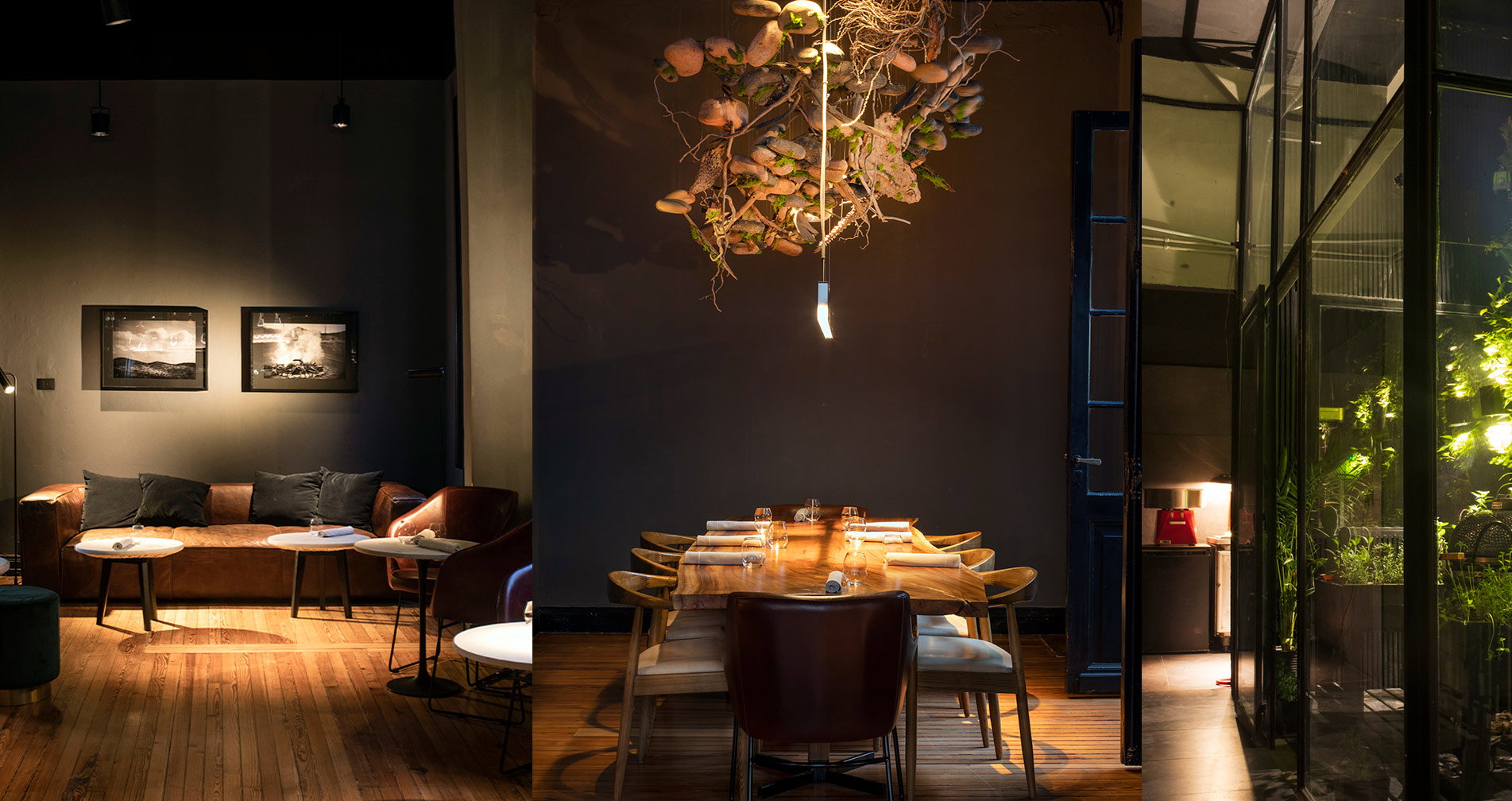
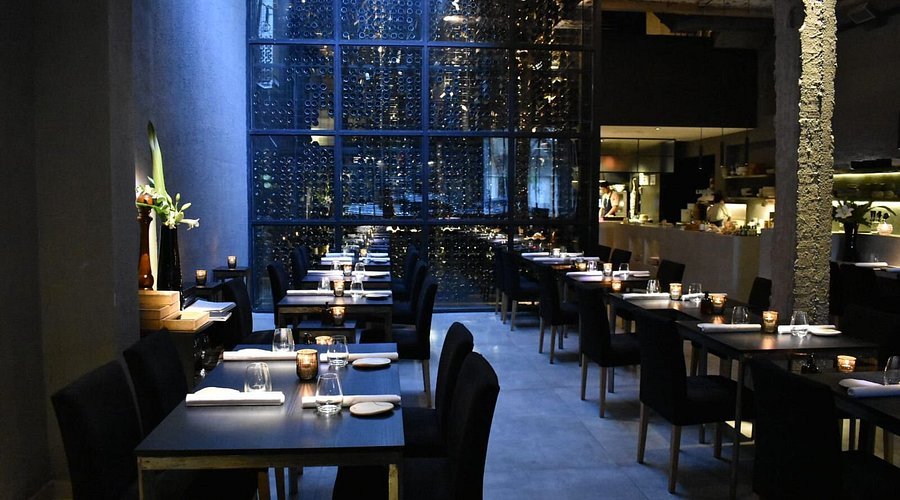
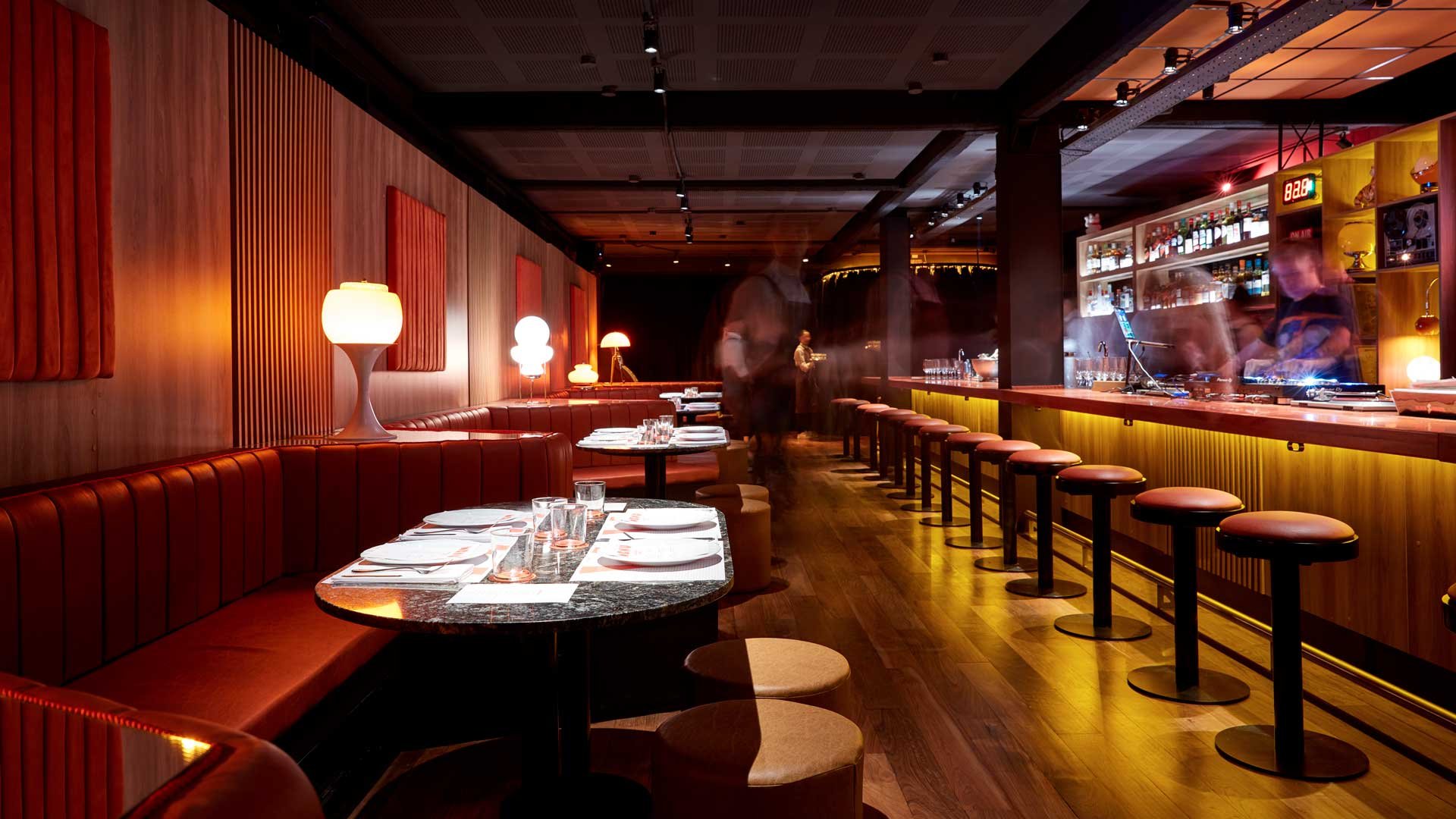
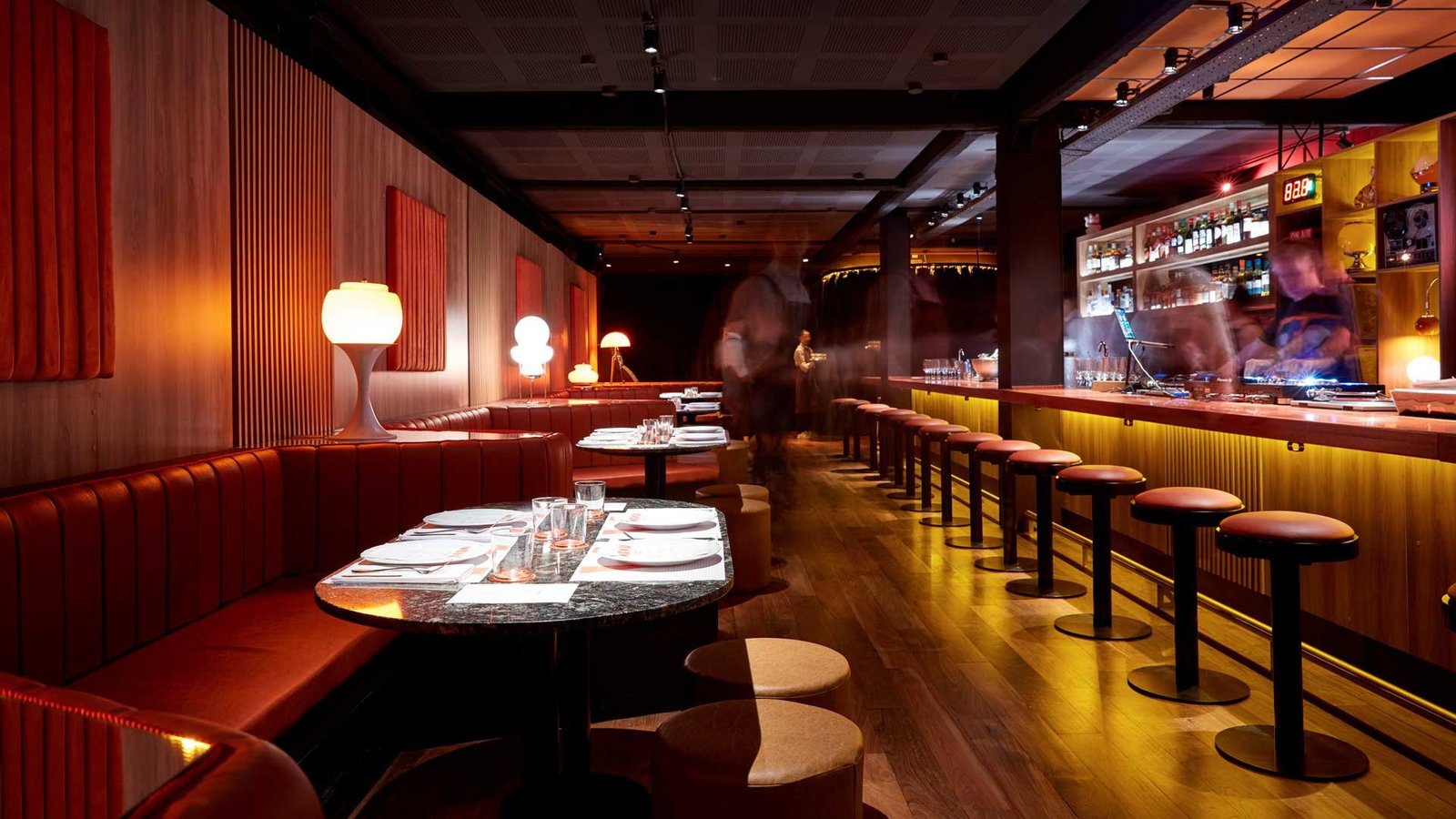
Cozy and inviting with refined, authentic Japanese atmosphere; diners sit at a bar counter watching three chefs prepare dishes with meticulous attention; elegant and romantic ambiance with soft lighting.
Tags
Vibe
Best For
Experience
Sourcing
Accessibility
At the Table
- Dress Code
- Smart Casual
- Noise Level
- Quiet
- Service Style
- Omakase Bar
- Meal Pacing
- Extended Experience
- Capacity
- Intimate
- Kitchen
- Traditional
- Menu Format
- Omakase, Counter dining, Tasting menu
- Wine Program
- Curated
- Drinks Focus
- Sake, Wine
- Dietary
- Pescatarian friendly, Allergy accommodating
Signature Dishes
8 itemsKnow before you go
Know Before You Go
- Getting there
- Guatemala 5820, C1425 Cdad. Autónoma de Buenos Aires, Argentina
Planning details
Location
Guatemala 5820, C1425 Cdad. Autónoma de Buenos Aires, Argentina · Directions
Recognition and awards
Also consider
Also Consider
- Don Julio, Argentinian Steakhouse, $$$$
- Aramburu, Modern Argentinian, Creative, $$$$
- El Preferido de Palermo, Argentinian, Traditional Cuisine, $$
- Elena, South American, Steakhouse, $$$
- La Carniceria, Argentinian Steakhouse, Meats and Grills, $$
Restaurant context
At $$$$ pricing, Uni Omakase sits in the same spend tier as Don Julio and Aramburu, but the format is entirely different. Don Julio is the right choice if you want Buenos Aires at its most characteristically itself, wood-fired beef, a wine list built for Malbec, and a room full of locals and visitors sharing the same enthusiasm. Aramburu is the tasting menu alternative for modern Argentinian cuisine with creative ambition. Uni Omakase is the choice when you want to step outside the city's culinary identity entirely and eat Japanese at a level that holds Michelin recognition. These are not competing for the same diner on the same night; they serve different intentions.
Elena at $$$ offers a more accessible steakhouse experience with South American range and a hotel setting that suits business meals. El Preferido de Palermo and La Carniceria, both at $$, are the right answer when value matters more than occasion weight, strong food, lower stakes, and much easier to book. Neither competes with Uni on credential or format.
For booking difficulty, Uni Omakase and Don Julio are both hard, Don Julio arguably harder by volume of demand. Aramburu requires advance planning but is more achievable than either on shorter notice. If your priority is booking confidence on a tight timeline, Elena is the most reliably accessible $$$-tier option in the city. If your priority is the most technically specific and credentialed meal you can book in Buenos Aires, Uni Omakase is the answer, plan ahead and commit to the format.
Around this place
Discover more on Pearl
Unlock the full Uni Omakase guide in Pearl, including awards, comparisons, FAQs, planning details, and nearby places.
Compare Uni Omakase
| Venue | Location | Cuisine | Awards | Price |
|---|---|---|---|---|
| Uni Omakase | Buenos Aires | Japanese | Michelin Guide Buenos Aires & Mendoza 20262025 Michelin Plate2024 Michelin Plate | $$$$ |
| Don Julio | Buenos Aires | Argentinian Steakhouse | 2026 OAD Top Restaurants in South America Ranked · #8Star Wine Lists 2026Michelin Guide Buenos Aires & Mendoza 20262026 La Liste Top Restaurants2025 World's Best Steaks 101 Best Steak Restaurants · #12025 Latin America's 50 Best Restaurants · #32025 OAD Top Restaurants in South America Ranked · #42025 World's 50 Best Restaurants · #102025 Michelin 1 Star | $$$$ |
| Aramburu | Buenos Aires | Modern Argentinian, Creative | 2026 OAD Top Restaurants in South America Ranked · #22Michelin Guide Buenos Aires & Mendoza 2026Star Wine Lists 20262026 Relais Chateaux Restaurants2026 Les Grandes Tables du Monde Members2026 La Liste Top Restaurants2025 OAD Top Restaurants in South America Ranked · #182025 Latin America's 50 Best Restaurants · #352025 The Best Chef Three Knives | $$$$ |
| El Preferido de Palermo | Buenos Aires | Argentinian, Traditional Cuisine | 2026 OAD Top Restaurants in South America Ranked · #26Star Wine Lists 2026Michelin Guide Buenos Aires & Mendoza 20262025 Latin America's 50 Best Restaurants · #242025 OAD Top Restaurants in South America Ranked · #252025 Michelin Plate2024 Michelin Plate2023 OAD Top Restaurants in South America Ranked · #29 | $$ |
| Elena | Buenos Aires | South American, Steakhouse | 2026 OAD Top Restaurants in South America Ranked · #472026 World's Best Steaks 101 Best Steak Restaurants · #54Star Wine Lists 2026Michelin Guide Buenos Aires & Mendoza 20262026 Wine Spectator Award of Excellence2025 OAD Top Restaurants in South America Ranked · #402025 World's Best Steaks 101 Best Steak Restaurants · #562025 Michelin Plate2024 OAD Top Restaurants in South America Ranked · #49 | $$$ |
| La Carniceria | Buenos Aires | Argentinian Steakhouse, Meats and Grills | 2026 OAD Top Restaurants in South America Ranked · #402025 OAD Top Restaurants in South America Ranked · #312024 OAD Top Restaurants in South America Ranked · #222024 Michelin Plate2023 OAD Top Restaurants in South America Ranked · #32 | $$ |
.png?width=1200&quality=80)










How Uni Omakase Buenos Aires compares with similar nearby venues.
FAQ
Frequently Asked Questions
What should a first-timer know about Uni Omakase?
Commit to the format before you book. Omakase means no menu choices — the kitchen sets the sequence, the pace, and the portion count, and at $$$$ pricing you are paying for that expertise, not flexibility. Uni holds back-to-back Michelin Plate recognition (2024 and 2025), which signals consistent kitchen standards rather than a one-off performance. If you want to order à la carte Japanese in Buenos Aires, this is the wrong room.
Is Uni Omakase good for solo dining?
Yes — counter-format omakase is arguably better suited to solo dining than most $$$$ restaurants in Buenos Aires. You face the kitchen, the pacing is set for you, and there is no awkward table dynamic to manage. At $$$$ per head, the solo cost is what it is, but you are getting the full experience without compromise. Compared to a place like Don Julio, where solo dining at a table can feel underserved, Uni's counter format works in your favour.
How far ahead should I book Uni Omakase?
Three to four weeks minimum, and longer for weekend dinner sittings. Consecutive Michelin Plate recognition in 2024 and 2025 has expanded Uni's international profile, which tightens availability beyond the local Buenos Aires crowd. If your travel dates are fixed, book as soon as they are confirmed rather than waiting until you arrive in Palermo.
What should I wear to Uni Omakase?
No dress code is listed in the venue data, but $$$$ pricing and a Michelin Plate counter format set a clear register. Treat it as you would any serious tasting-menu restaurant: put-together, not casual. There is no evidence of a jacket requirement, so smart casual is a reasonable floor — just avoid anything you would wear to a neighbourhood bistro.
Can I eat at the bar at Uni Omakase?
Omakase by definition is counter dining — sitting at the pass facing the kitchen is the format, not a bar option alongside it. Whether Uni offers any walk-in counter seats or drop-in availability is not confirmed in the venue data, but given the booking lead times required, treating this as a reservation-only experience is the practical approach.
Does Uni Omakase handle dietary restrictions?
No specific policy is confirmed in the available data, and the omakase format itself makes this structurally difficult — the kitchen designs a fixed sequence, and substitutions can disrupt the whole progression. If you have serious dietary restrictions, contact Uni directly before booking rather than assuming accommodation is possible. At $$$$ pricing with a Michelin Plate, most counters at this level will make an effort, but confirmation in advance is the only way to know.