

Ness
Núñez, Buenos Aires
Restaurant in Buenos Aires, Argentina
 Book with Pearl
The Read
Asado Meets Asia
Dress
Smart Casual
Why go
Ness brings fire-based cooking to Buenos Aires' Núñez neighbourhood with a contemporary menu that spans fish, meat, and chicken alongside Asian influences. It is a practical choice for diners who have covered the traditional parrilla circuit and want to see what local, seasonal ingredients look like through a different technical lens. Booking is easy, and the residential setting keeps the experience grounded.
About Ness
Should You Book Ness?
If you are looking for fire-based cooking in Buenos Aires that goes beyond the traditional parrilla format, Ness in Núñez is worth your attention. The kitchen works with local, seasonal products and applies live-fire technique to a menu that also pulls in Asian influences — a combination that is less common in Buenos Aires than it should be. Booking is easy, which means you can plan around the season rather than scrambling for a table.
What Ness Does Well
The editorial angle here is technical: Ness is doing something specific with fire that most Buenos Aires restaurants are not. Where a traditional parrilla leans on the quality of the cut and the skill of the parrillero, Ness applies fire as a cooking medium across fish, meat, and chicken with a broader vocabulary — think smoke, char, and direct heat used at different stages rather than as a single finishing move. The Asian influences in the menu give the kitchen room to use those fire techniques in ways that would be out of place in a conventional steakhouse context. If you have already done Don Julio and want to see what Buenos Aires fire cooking looks like outside the Argentinian steakhouse tradition, Ness is the logical next step.
The focus on local, seasonal products matters for practical reasons. The menu shifts with what is available, which means a return visit in a different season will feel meaningfully different. For a diner who has been once, the next visit is less about ordering the same dishes and more about seeing how the kitchen handles what is in season. That is a genuine reason to go back rather than a marketing claim.
Núñez neighbourhood is residential and away from the more tourist-trafficked dining corridors of Palermo and San Telmo. That is relevant for atmosphere and for pricing: venues in this part of Buenos Aires tend to operate with a local clientele in mind, which generally keeps the experience more grounded than the high-profile destination restaurants closer to the centre.
Ideal time to visit
Buenos Aires dining is generally better in the southern hemisphere spring and early summer, September through December, when local produce is at its most varied and the city is active without the peak-January heat. For a restaurant built around seasonal, fire-based cooking, that timing matters more than it would at a fixed-format venue. If you are visiting in winter (June through August), the menu will reflect that, which is not a problem but is worth knowing so you arrive with the right expectations. Weekday evenings tend to be quieter in Núñez than weekends; if you want a more relaxed pace, a Tuesday or Wednesday booking is a reasonable call.
Who This Is For
Ness suits a diner who has covered the Buenos Aires steakhouse circuit and wants something with a different technical reference point. It works for couples and small groups; the cosmopolitan, cross-cultural menu also makes it a reasonable choice if you are dining with someone who is less committed to red meat as the centre of the meal. If your priority is the definitive Buenos Aires asado experience, Don Julio or Elena will serve you better. If you want contemporary cooking with local roots and genuine technique, Ness belongs on your list alongside Anafe and Crizia.
Know Before You Go
- Address: Grecia 3691, Núñez, Buenos Aires
- Neighbourhood: Núñez, residential, away from Palermo and San Telmo tourist corridors
- Cuisine: Contemporary fire-based cooking with Asian influences; fish, meat, and chicken
- Booking difficulty: Easy, no need to plan weeks in advance
- Leading timing: Spring through early summer (September–December) for the widest seasonal produce range; weekday evenings for a quieter room
- Good for: Couples, small groups, diners who have already explored traditional parrilla and want a different angle on Buenos Aires fire cooking
- Less suited for: Anyone whose primary goal is a classic Argentinian asado experience
- Price range: Not publicly confirmed, budget for a mid-range to upper-mid Buenos Aires dinner
Explore More in Buenos Aires
Ness sits in a broader Buenos Aires dining scene that rewards planning. For a full picture of where to eat, drink, and stay, see our full Buenos Aires restaurants guide, Buenos Aires bars guide, and Buenos Aires hotels guide. If your trip extends beyond the capital, our guides to Azafrán in Mendoza and Cavas Wine Lodge in Alto Agrelo are worth consulting. For fire-based and contemporary cooking at a global reference point, Lazy Bear in San Francisco and Le Bernardin in New York City offer useful comparison benchmarks on what serious kitchens do with a single technical commitment.
Planning details
- Location
- Grecia 3691, C1429BDO Cdad. Autónoma de Buenos Aires, Argentina
- Website
- ness.meitre.com
- Phone
- +54 11 3455 8612
The take
The Take
The Vibe
Ness reads like a thoughtful intersection of Buenos Aires tradition and cosmopolitan technique. It centers fire as a deliberate technical foundation, then lenses that grammar through Asian-influenced flavor notes and contemporary composition. Located in Núñez, the restaurant benefits from a calm, residential setting that makes a visit feel intentionally chosen rather than incidental. The result is polished and serious without being showy: an evening at Ness emphasizes craft, heat management and seasonal responsiveness, and feels like a measured, quietly confident approach to modern Argentine cooking.
Best For
Ness is best experienced at dinner, when its fire-driven technique and composed plates carry full force. The tone suits date nights and special occasions—moments when diners want a meal that demands attention and rewards consideration. Because the restaurant sits in the quieter, residential barrio of Núñez, a visit feels purposeful: you are seeking out the kitchen rather than stumbling into a scene. Travelers and locals who appreciate technical cooking that foregrounds embers, precise heat control and cosmopolitan flavors will find Ness particularly fitting for an elevated evening.
Ordering Tips
Lean into the restaurant’s stated strengths: order dishes that showcase charcoal or wood-fired technique and ask how the kitchen differentiates direct flame from embers. The menu is framed around seasonality and the responsiveness of different proteins and vegetables to fire, so check with staff about what’s best right now. Given the Asian influences in the cooking, look for preparations where smoke and umami intersect, and allow the kitchen’s technical approach to guide selections for a coherent, weighty dinner.
Venue details
Ambiance
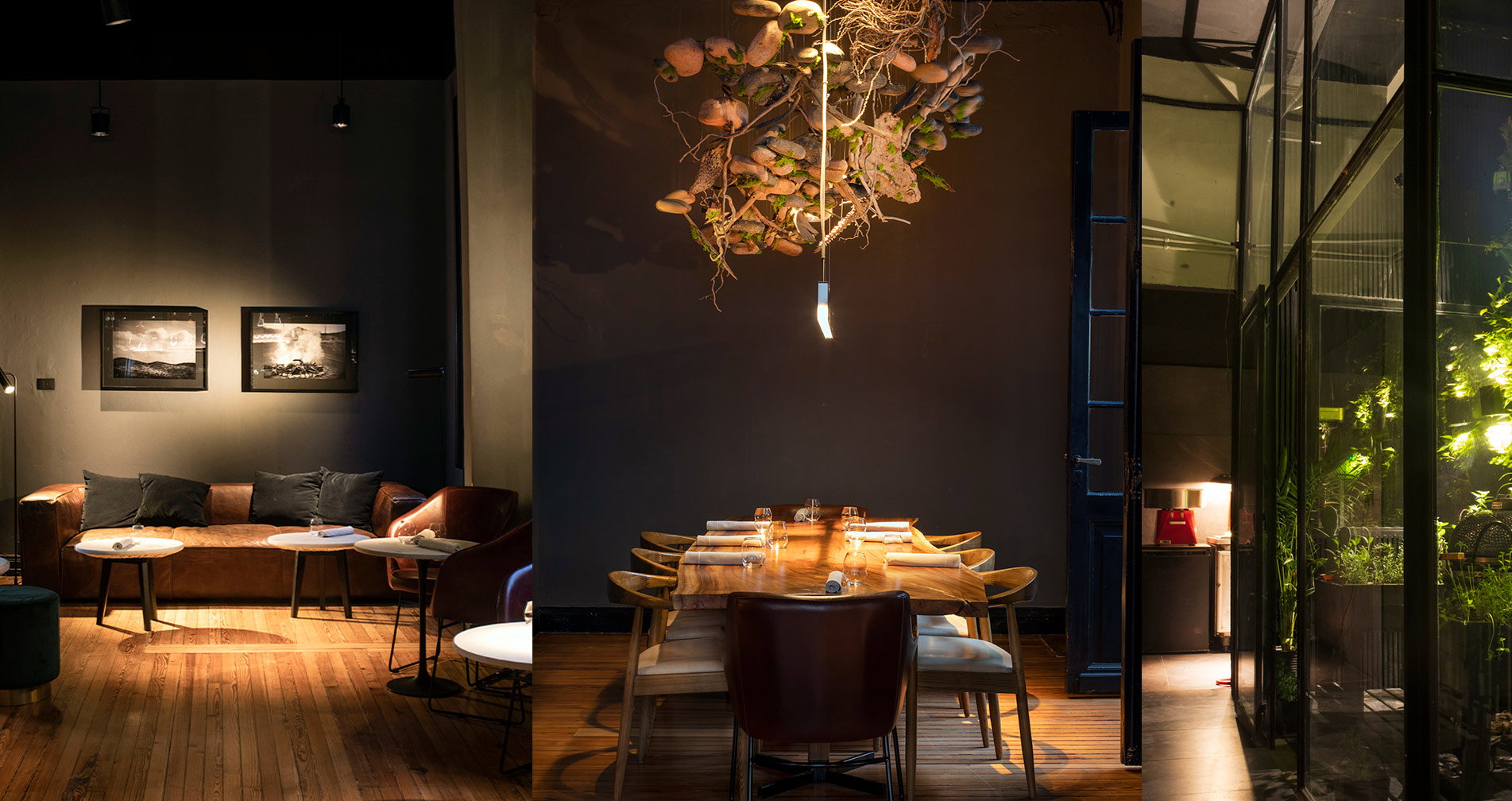
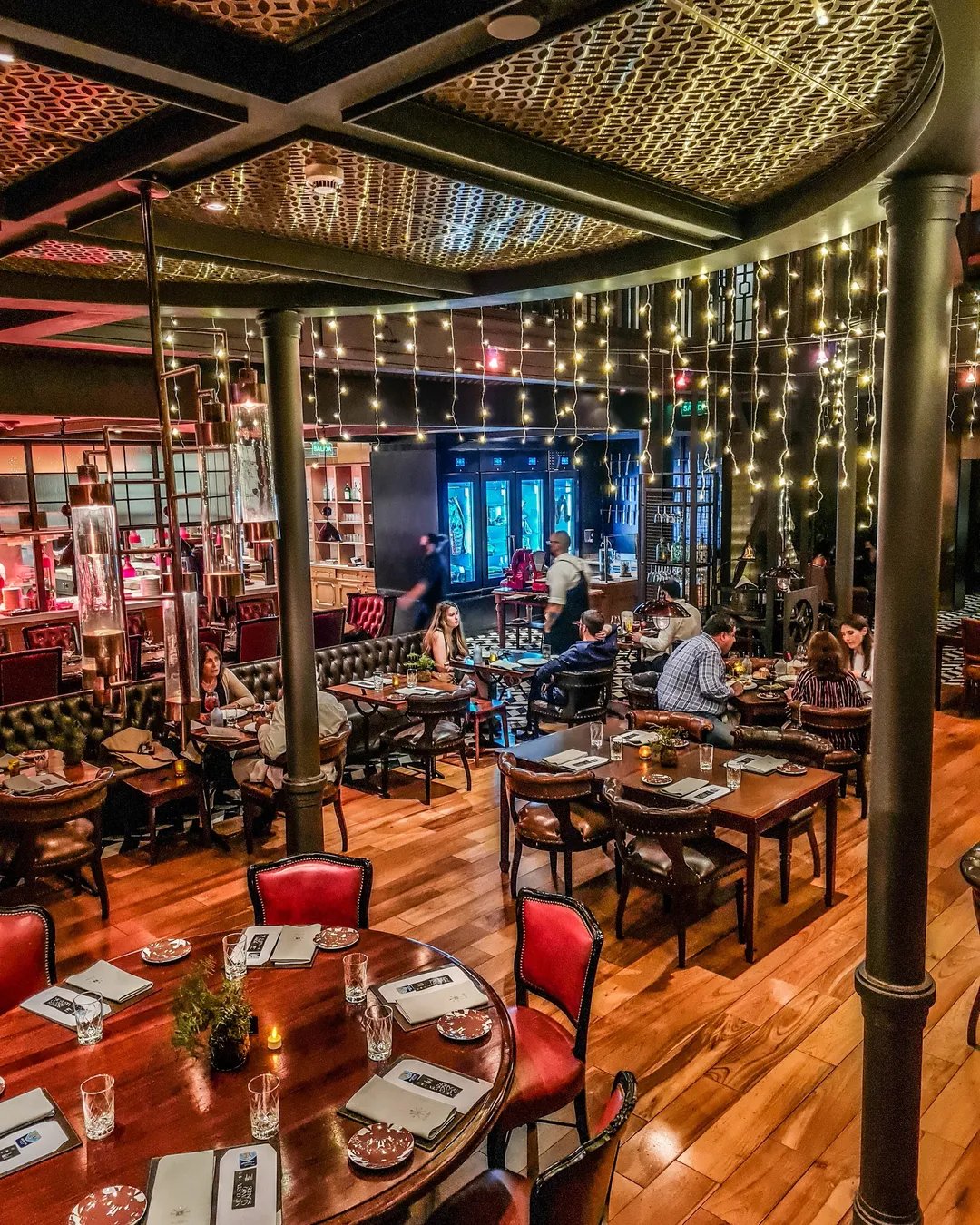
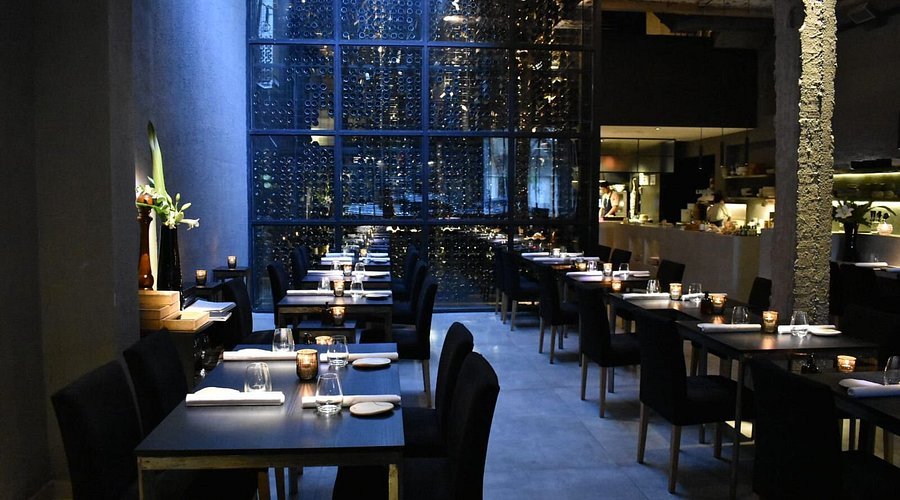
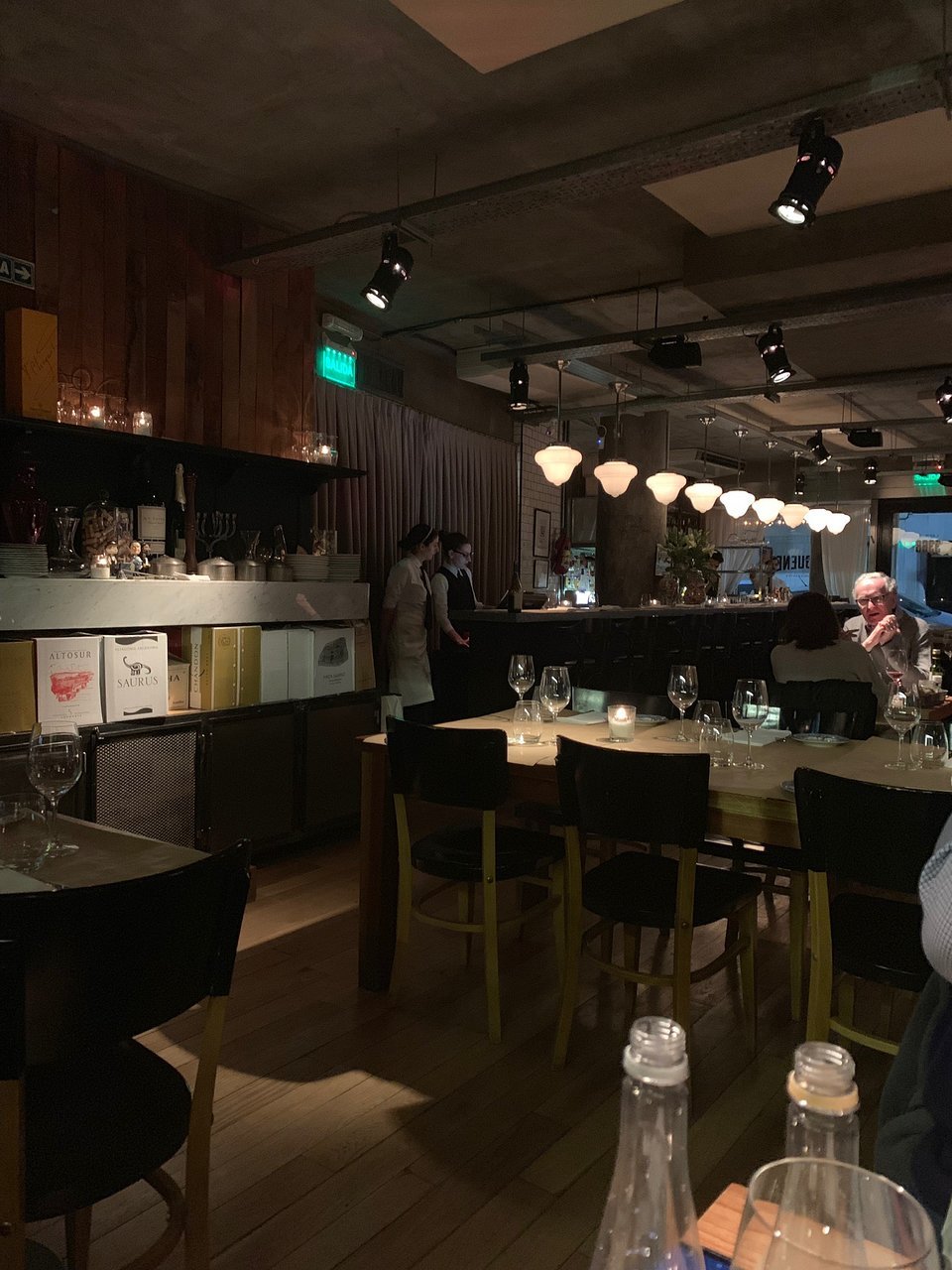
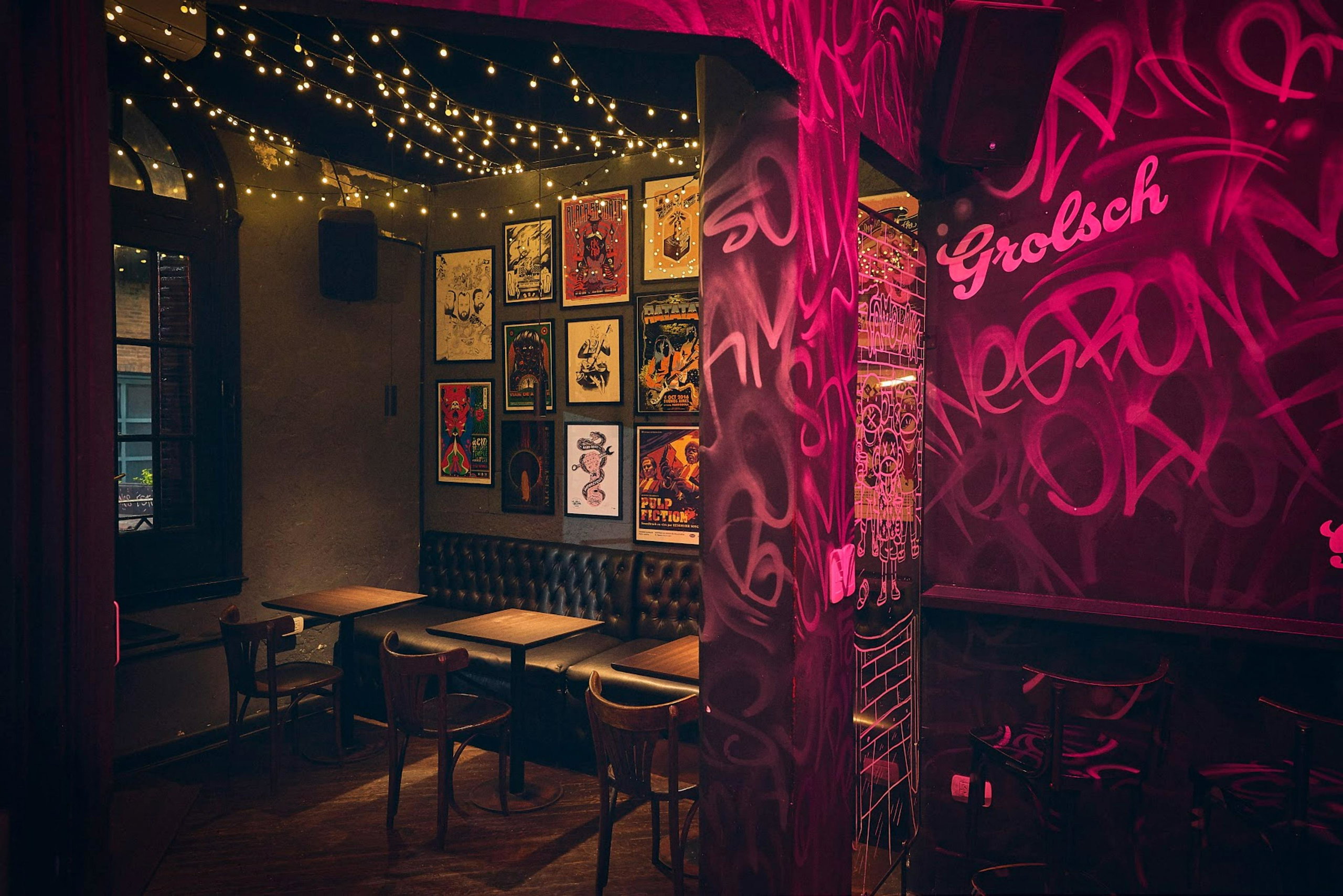
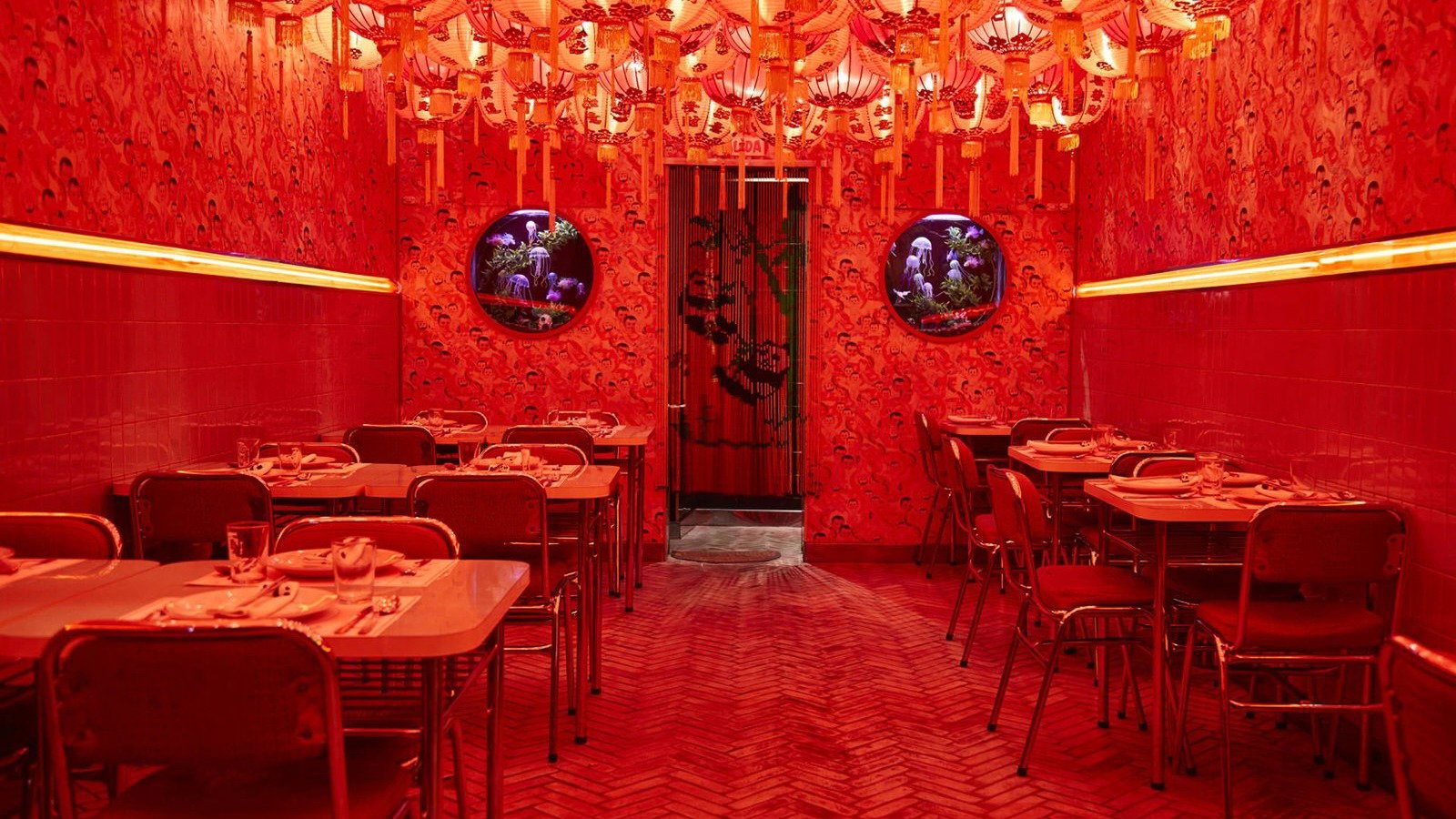
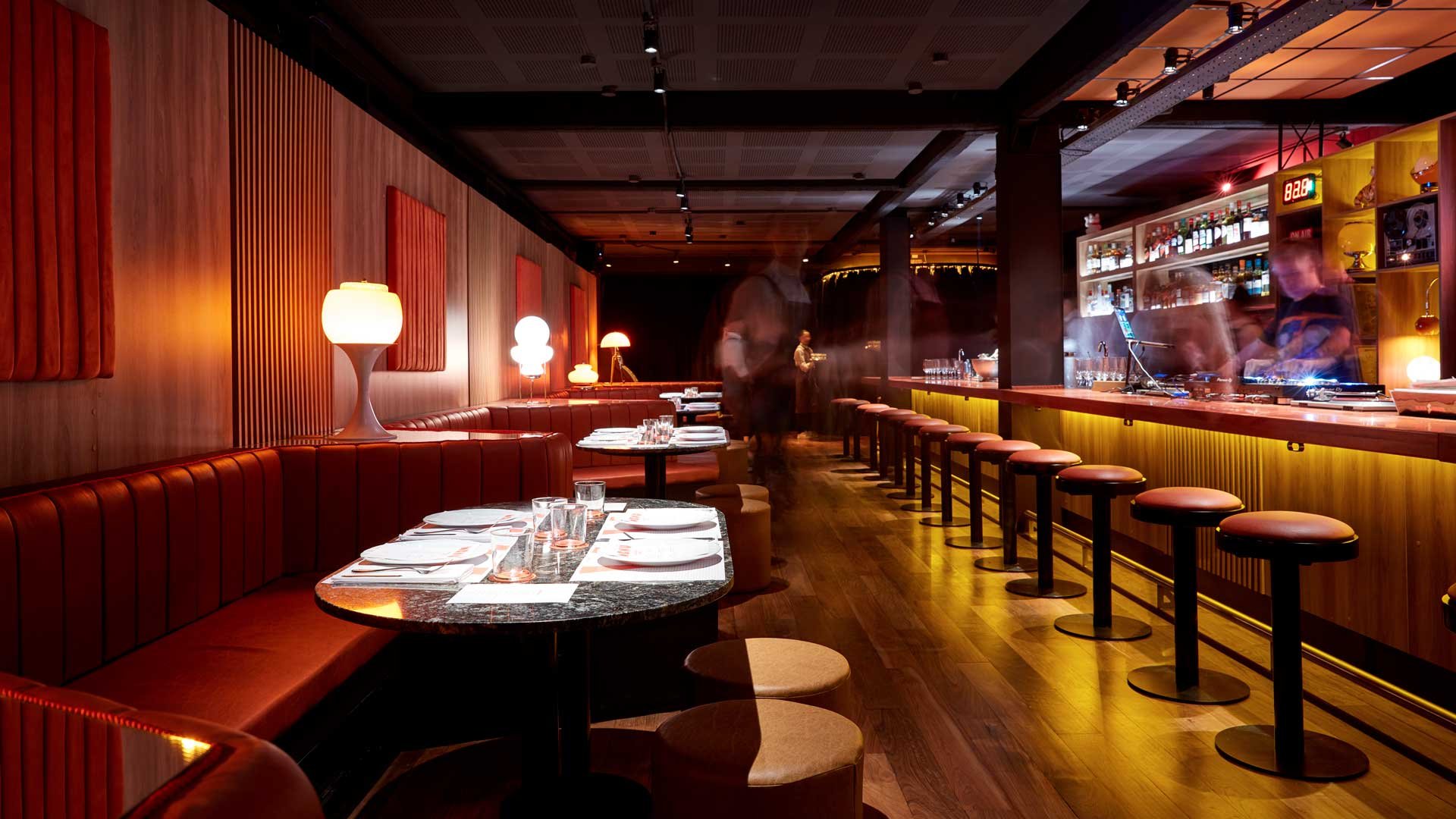
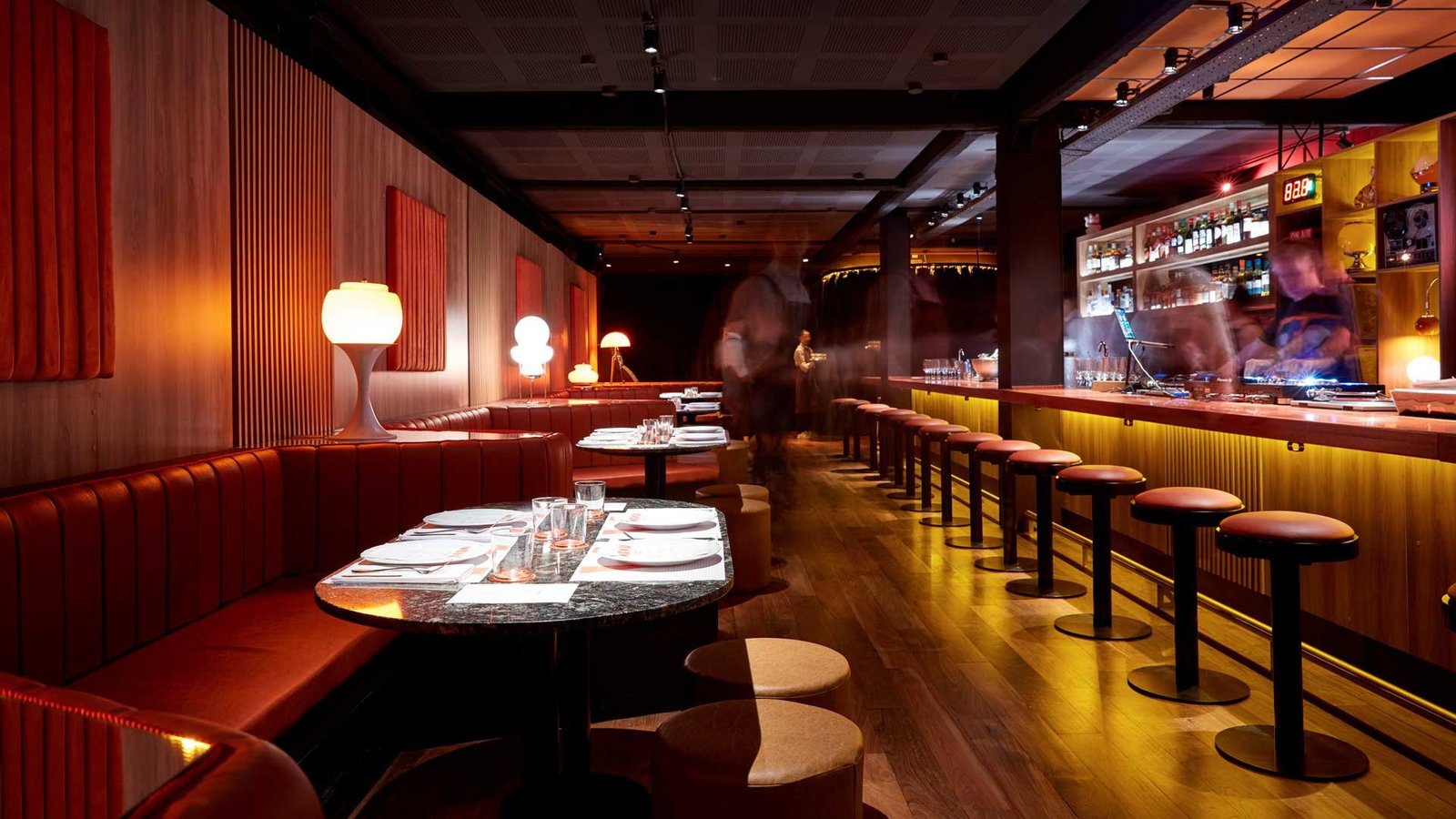
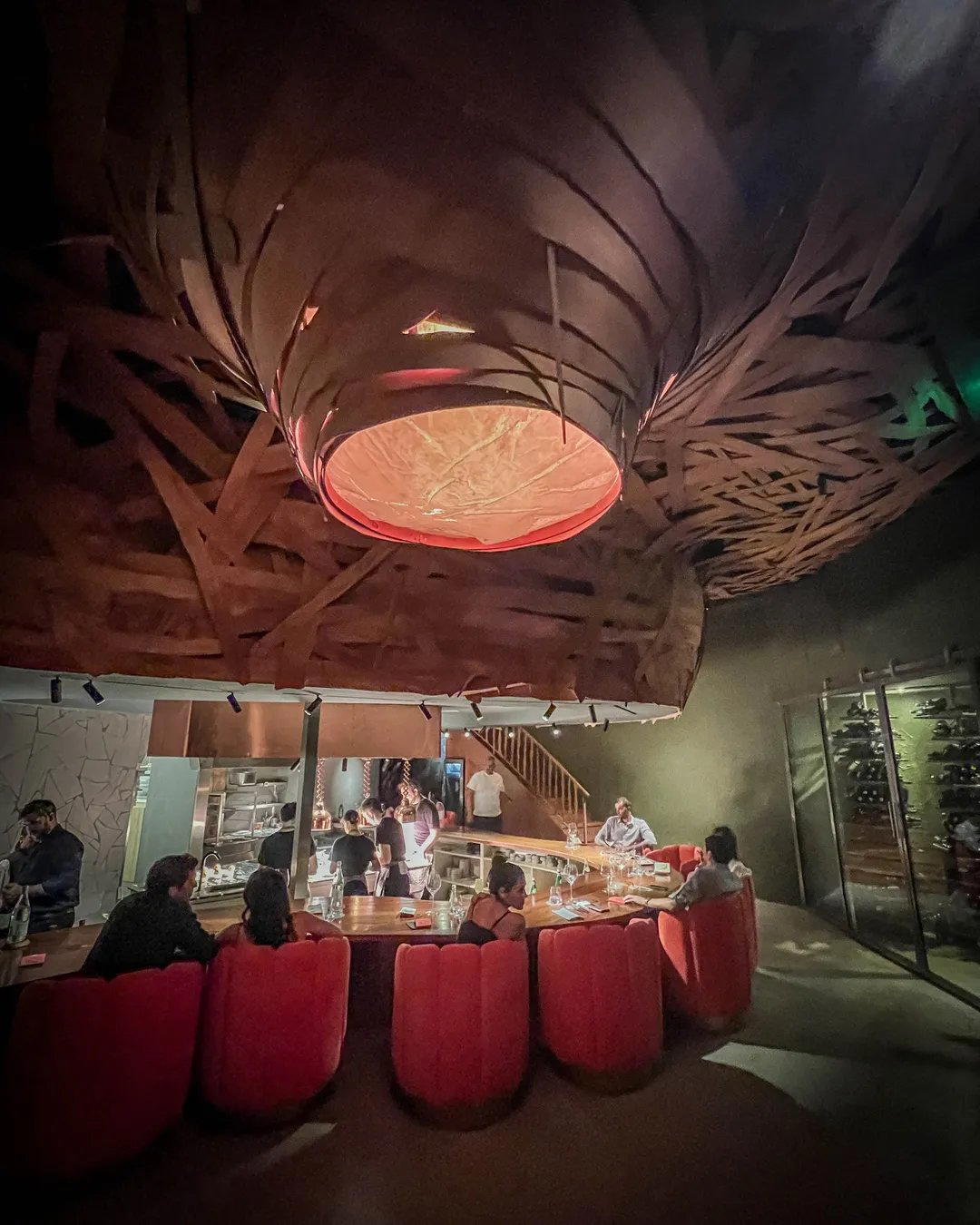
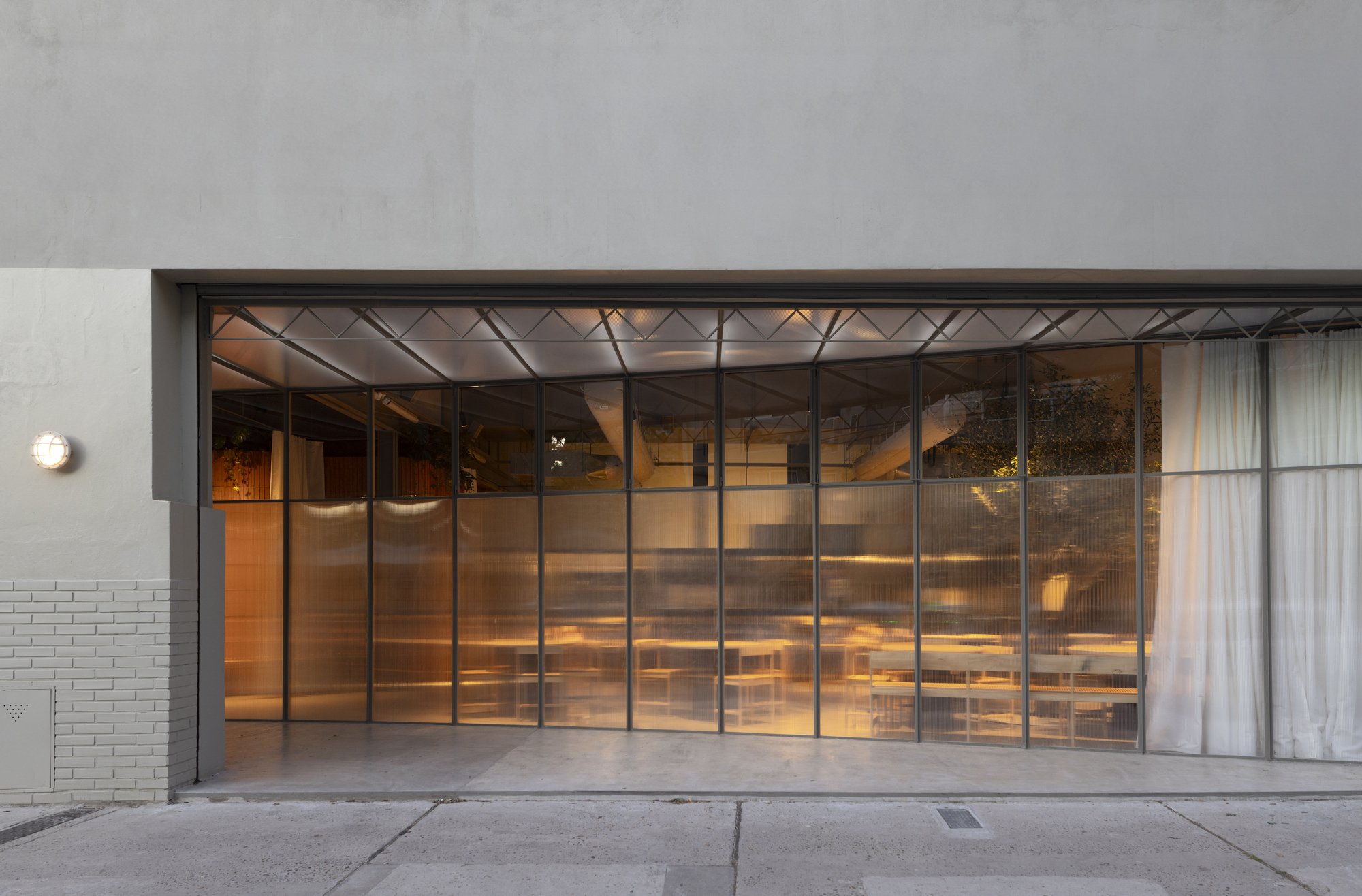
Very dark industrial shed with close-together group tables, modern yet uncomfortable atmosphere.
Tags
Vibe
Best For
Experience
Sourcing
At the Table
- Dress Code
- Smart Casual
- Noise Level
- Lively
- Service Style
- Upscale Casual
- Meal Pacing
- Leisurely
- Capacity
- Intimate
- Kitchen
- Modern
- Menu Format
- Small plates
Know before you go
Know Before You Go
- Getting there
- Grecia 3691, C1429BDO Cdad. Autónoma de Buenos Aires, Argentina
Planning details
Location
Grecia 3691, C1429BDO Cdad. Autónoma de Buenos Aires, Argentina · Directions
Recognition and awards

Also consider
Also Consider
- Don Julio, Argentinian Steakhouse, $$$$
- Aramburu, Modern Argentinian, Creative, $$$$
- Mishiguene, Argentinian - Jewish, Israeli, $$$
- Roux, Seafood, Contemporary, $$$
- Elena, South American, Steakhouse, $$$
Restaurant context
Ness occupies a different position from most of its Buenos Aires peers. Don Julio and Elena are the go-to options if the primary goal is a high-quality Argentinian steakhouse experience, both operate at the $$$–$$$$ tier, both are harder to book, and both deliver the classic parrilla format at a level that is difficult to argue. If that is what you want, book one of them ahead of Ness. But if you have already done that and want fire cooking applied to a wider range of proteins with Asian influences and seasonal produce, Ness is the more interesting next move.
Aramburu is the obvious comparison for diners who want contemporary, technically ambitious Buenos Aires cooking, it operates at $$$$ with a tasting-menu format and is meaningfully harder to book than Ness. The tradeoff is that Aramburu delivers a more structured, high-formality experience, which is worth the premium for a milestone occasion but not always what you want for a regular dinner out. Anafe and Crizia sit closer to Ness in format and accessibility, both working with local produce and contemporary technique at a mid-range price point.
For seafood-focused contemporary cooking, Roux at $$$ is the peer comparison, it shares the seasonal, produce-led approach but with a different protein emphasis. If the Asian-influenced cosmopolitan side of the Ness menu is what draws you, Mishiguene at $$$ offers a similarly cross-cultural reference point through an Argentinian-Jewish lens. The practical summary: Ness is the right call for a diner who wants fire technique without the steakhouse format, easy booking, and a neighbourhood setting that feels less performative than the Palermo restaurant corridor.
Around this place
Discover more on Pearl
Unlock the full Ness guide in Pearl, including awards, comparisons, FAQs, planning details, and nearby places.
Compare Ness
| Venue | Location | Cuisine | Awards | Price |
|---|---|---|---|---|
| Ness | Buenos Aires | , | Michelin Guide Buenos Aires & Mendoza 20262025 Latin America's 50 Best Restaurants · #64 | , |
| Don Julio | Buenos Aires | Argentinian Steakhouse | 2026 OAD Top Restaurants in South America Ranked · #8Star Wine Lists 2026Michelin Guide Buenos Aires & Mendoza 20262026 La Liste Top Restaurants2025 World's Best Steaks 101 Best Steak Restaurants · #12025 Latin America's 50 Best Restaurants · #32025 OAD Top Restaurants in South America Ranked · #42025 World's 50 Best Restaurants · #102025 Michelin 1 Star | $$$$ |
| Aramburu | Buenos Aires | Modern Argentinian, Creative | 2026 OAD Top Restaurants in South America Ranked · #22Michelin Guide Buenos Aires & Mendoza 2026Star Wine Lists 20262026 Relais Chateaux Restaurants2026 Les Grandes Tables du Monde Members2026 La Liste Top Restaurants2025 OAD Top Restaurants in South America Ranked · #182025 Latin America's 50 Best Restaurants · #352025 The Best Chef Three Knives | $$$$ |
| Mishiguene | Buenos Aires | Argentinian - Jewish, Israeli | 2026 OAD Top Restaurants in South America Ranked · #32Michelin Guide Buenos Aires & Mendoza 20262026 La Liste Top Restaurants2025 OAD Top Restaurants in South America Ranked · #262025 Latin America's 50 Best Restaurants · #692025 Michelin Plate2025 The Best Chef One Knife2025 La Liste Top Restaurants2024 OAD Top Restaurants in South America Ranked · #34 | $$$ |
| Roux | Buenos Aires | Seafood, Contemporary | 2026 OAD Top Restaurants in South America Ranked · #92Michelin Guide Buenos Aires & Mendoza 20262025 Michelin Plate2025 OAD Top Restaurants in South America2024 OAD Top Restaurants in South America Ranked · #602024 Michelin Plate | $$$ |
| Elena | Buenos Aires | South American, Steakhouse | 2026 OAD Top Restaurants in South America Ranked · #472026 World's Best Steaks 101 Best Steak Restaurants · #54Star Wine Lists 2026Michelin Guide Buenos Aires & Mendoza 20262026 Wine Spectator Award of Excellence2025 OAD Top Restaurants in South America Ranked · #402025 World's Best Steaks 101 Best Steak Restaurants · #562025 Michelin Plate2024 OAD Top Restaurants in South America Ranked · #49 | $$$ |








.png?width=1200&quality=80)


How Ness Buenos Aires compares with similar nearby venues.
FAQ
Frequently Asked Questions
What are alternatives to Ness in Buenos Aires?
Don Julio is the go-to if you want a traditional parrilla done at high precision. Aramburu suits tasting-menu devotees after a formal progression. Mishiguene covers Asian-inflected territory with a Jewish-Argentine lens. Ness makes the most sense if you want fire cooking that sits between those worlds — more casual than Aramburu, more technically focused than a standard parrilla.
What should I order at Ness?
Ness focuses on fish, meat, and chicken prepared over fire using local, seasonal produce. The menu carries Asian influences, so expect preparations that go beyond the traditional Argentine grill format. Specific dishes aren't confirmed in available data — ask the server what's in season on the night you visit, since the seasonal sourcing model means the menu shifts.
Is Ness good for solo dining?
Contemporary restaurants in this format — counter-friendly, technically focused — tend to work well for solo diners, and Ness in Núñez fits that profile. The fire-based cooking gives you something to watch and engage. Confirm seating arrangements when you book, since solo counter availability varies by night.
How far ahead should I book Ness?
No confirmed booking window is documented for Ness, but contemporary restaurants in Buenos Aires with a specific culinary focus typically fill prime Friday and Saturday slots two to three weeks out. Book at least two weeks ahead for weekend dinners to be safe, and earlier if you're visiting during peak season — September through December, when Buenos Aires dining is at full capacity.
Is Ness good for a special occasion?
Ness works for a special occasion if the person you're celebrating has already done the Buenos Aires steakhouse circuit and wants something with a different technical reference point. It's a better fit than a traditional parrilla for food-focused guests. For a full tasting-menu occasion with formal service, Aramburu is the stronger call.
What should a first-timer know about Ness?
Ness is in Núñez, a residential neighbourhood north of Palermo — further from the main tourist dining cluster, so plan your transport. The cooking approach is fire-based and seasonally driven with Asian influences, which is a different register from a traditional Argentine parrilla. Go with an open mind about the menu format rather than expecting a fixed classic Argentine experience.