Restaurant in Buenos Aires, Argentina
Michelin-recognised vegetarian at mid-range prices.

Marti is Buenos Aires' most credible vegetarian restaurant for serious diners — Michelin Plate recognised in both 2024 and 2025, rated 4.3 across 1,100+ Google reviews, and priced at $$ in a city where comparable recognition usually costs considerably more. Book it as a deliberate choice, not a fallback, and return more than once to get the most from a kitchen that rewards repeat visits.
Marti is the strongest case in Buenos Aires for taking vegetarian cooking seriously — not as a dietary accommodation, but as a full dining commitment. Two consecutive Michelin Plate recognitions (2024 and 2025) put it in a credible position among the city's better restaurants, and its Google rating of 4.3 across more than 1,100 reviews suggests consistent execution rather than a one-visit fluke. At a $$ price point, it is one of the more accessible Michelin-recognised restaurants in the city. If you have been once, there is a clear case for returning: the format rewards repeat visits more than a single sit-down can reveal.
The most common misread of Marti is that it functions as a fallback option — somewhere to take a vegetarian friend while the rest of the table wishes they were at a parilla. That framing underestimates what is happening here. Marti is not a steakhouse with vegetables reluctantly promoted; it is a restaurant built around plant-based cooking as the primary creative discipline. In a city where beef is a near-institutional presence, that positioning is deliberate and worth taking at face value. Arriving with lowered expectations is the surest way to miss what it does well.
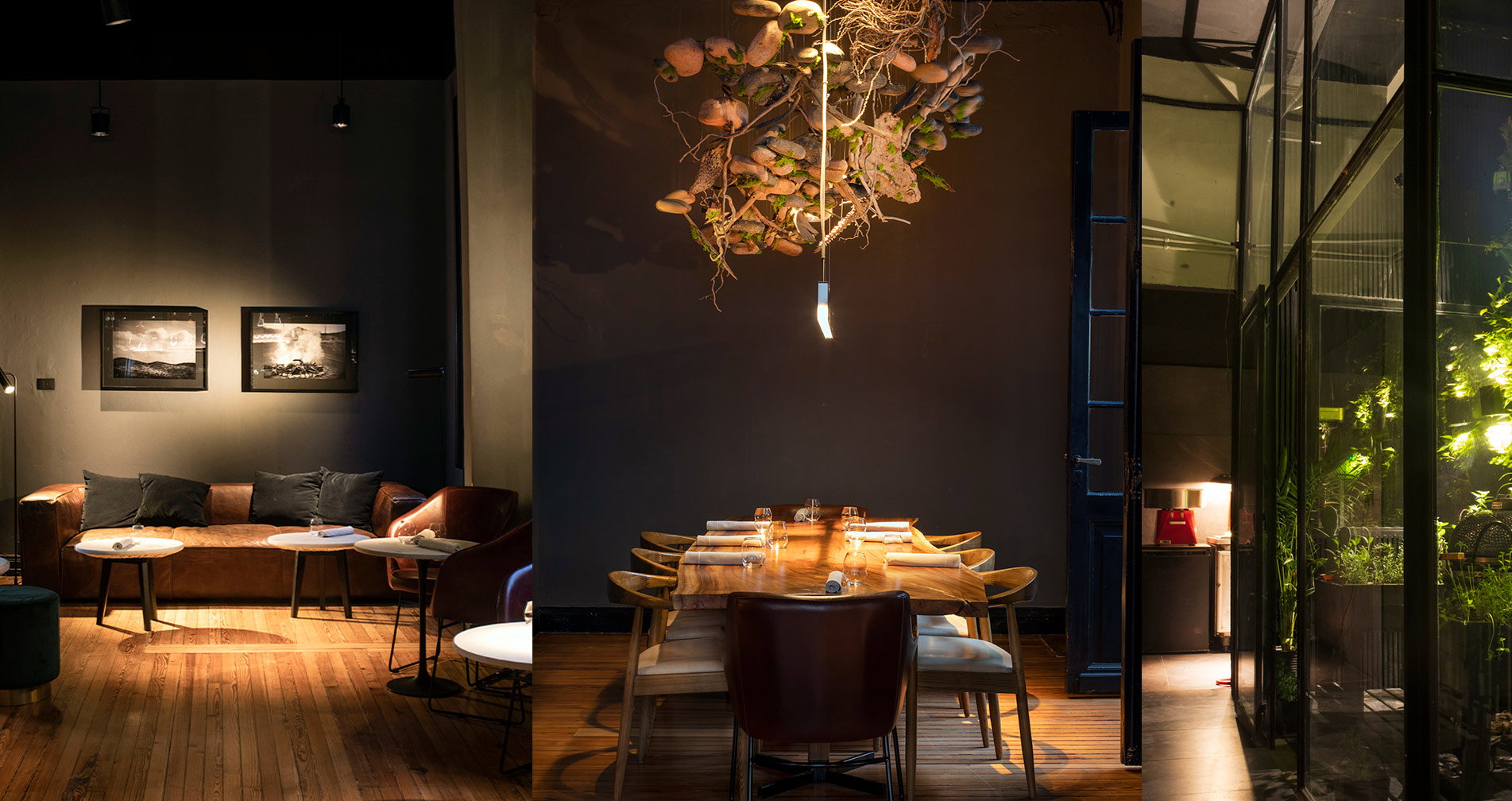
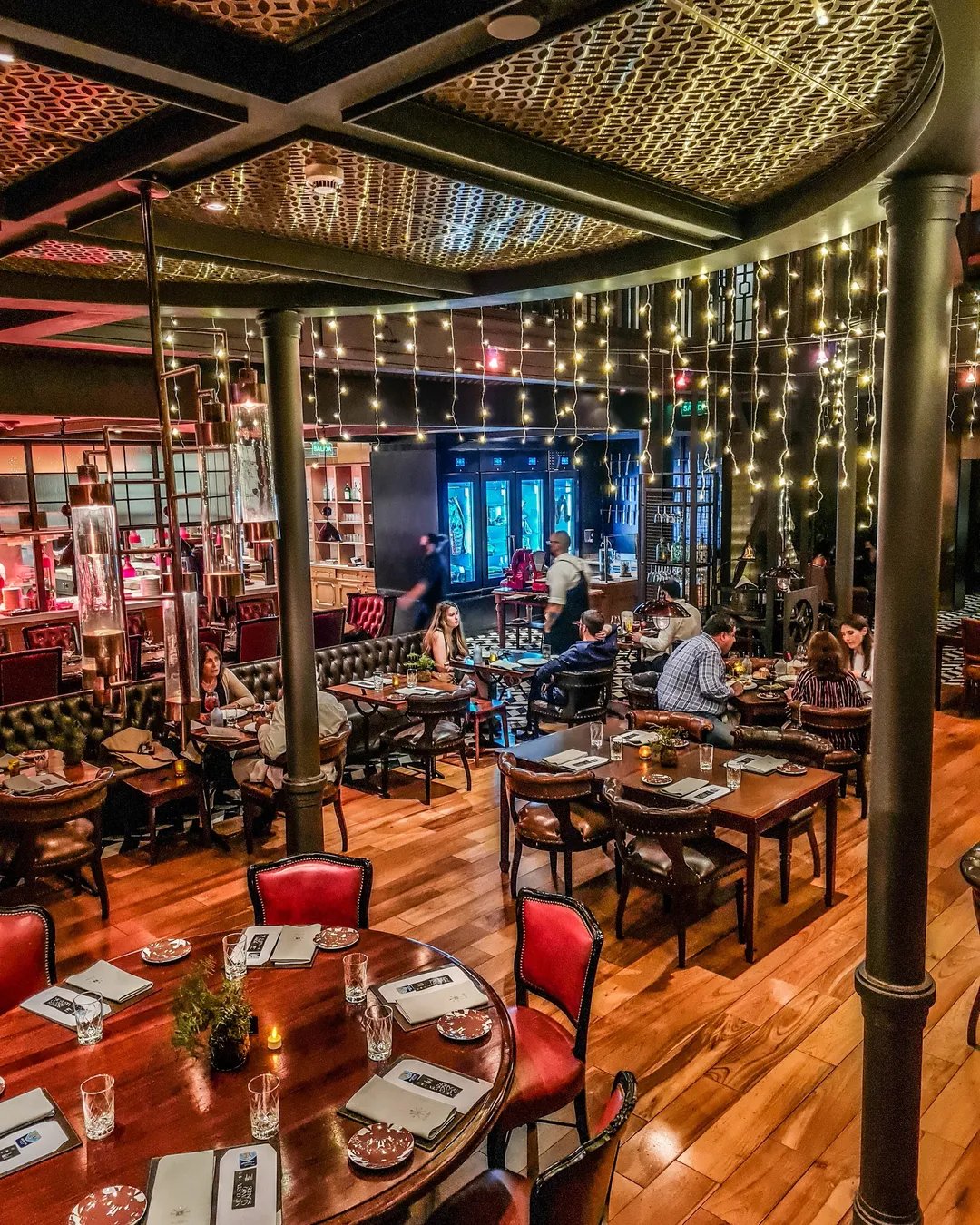
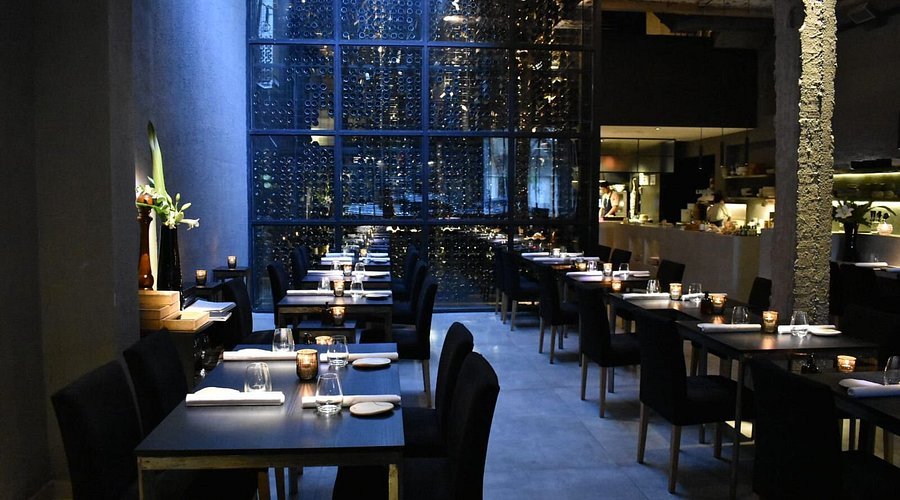
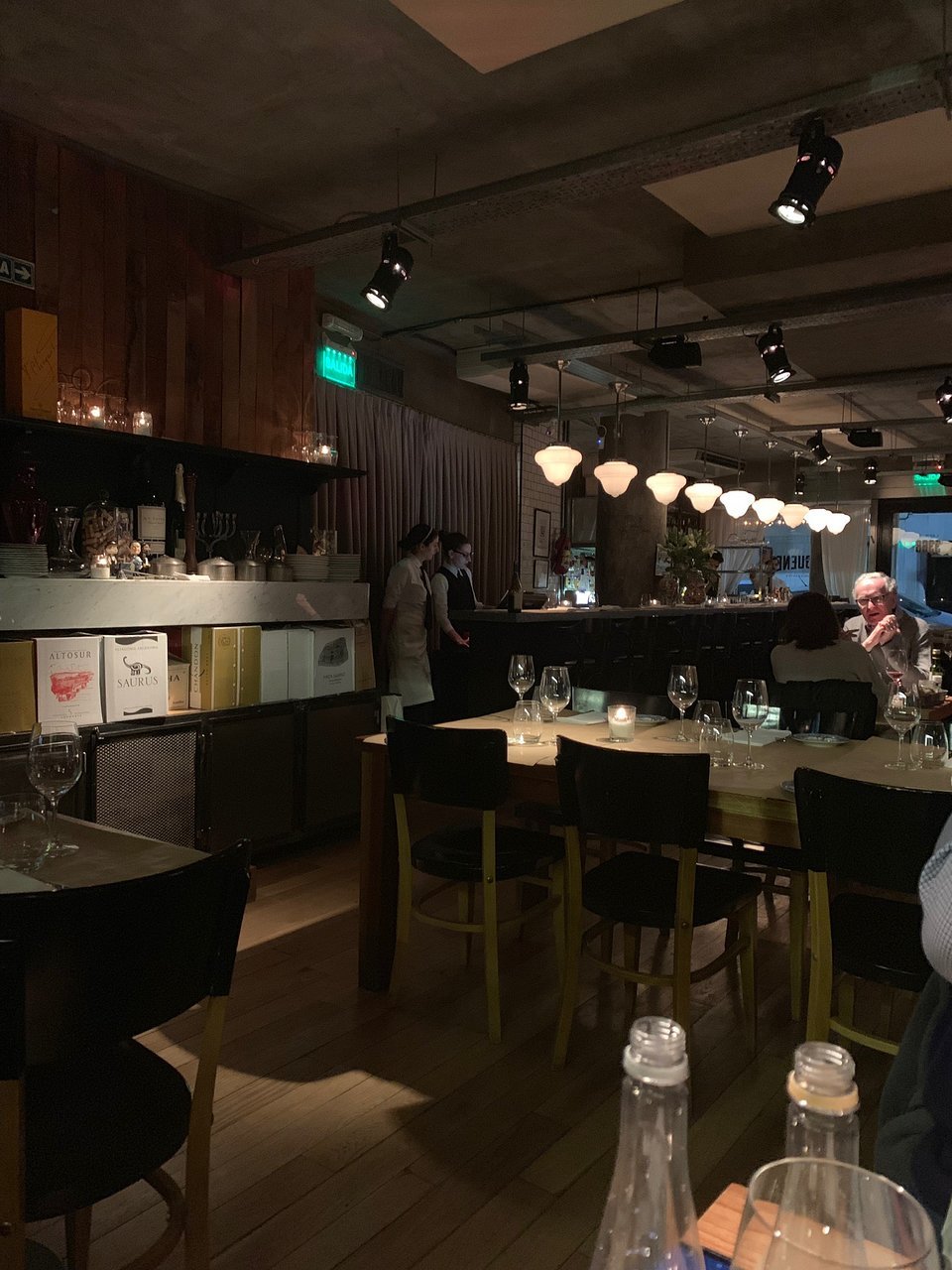
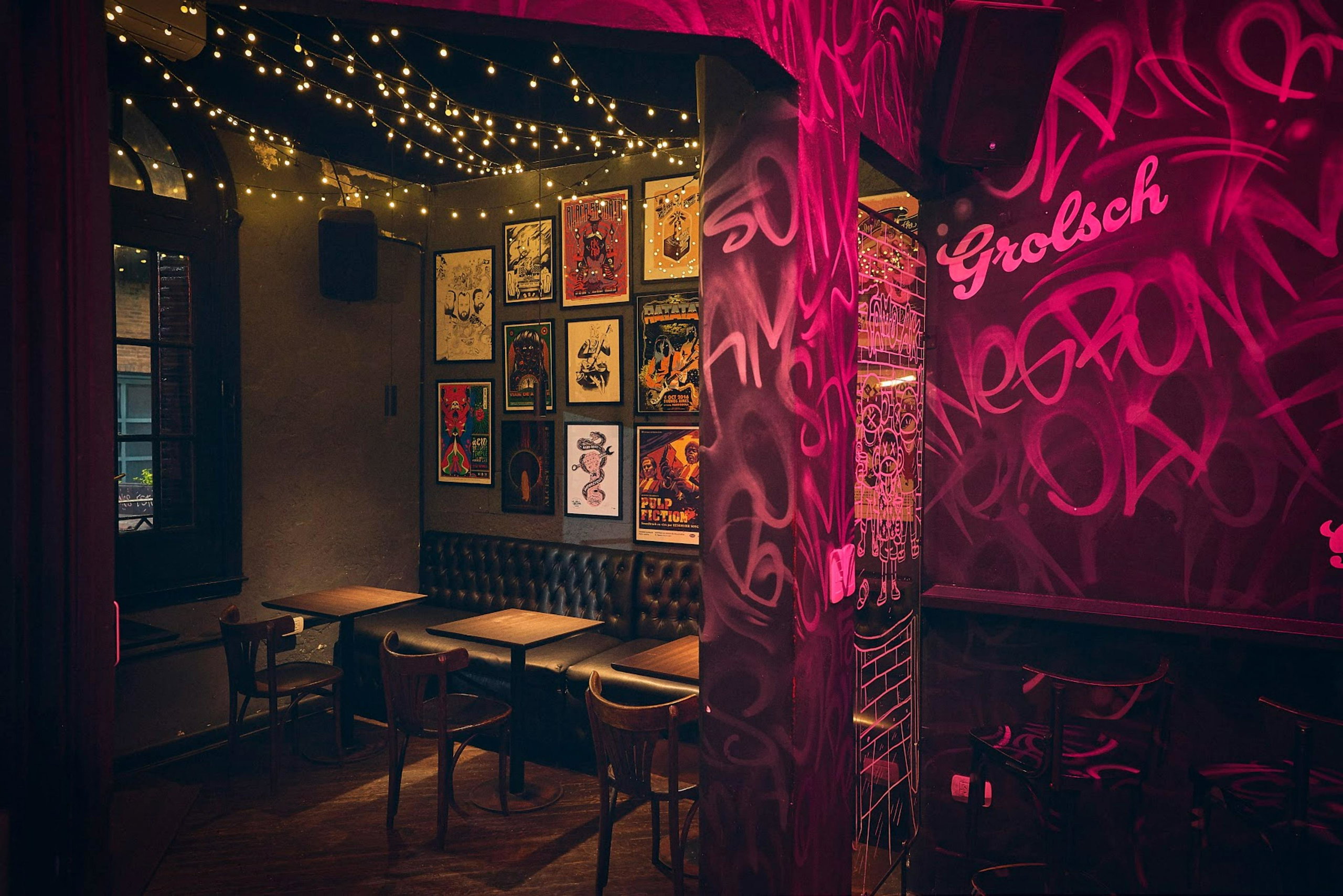
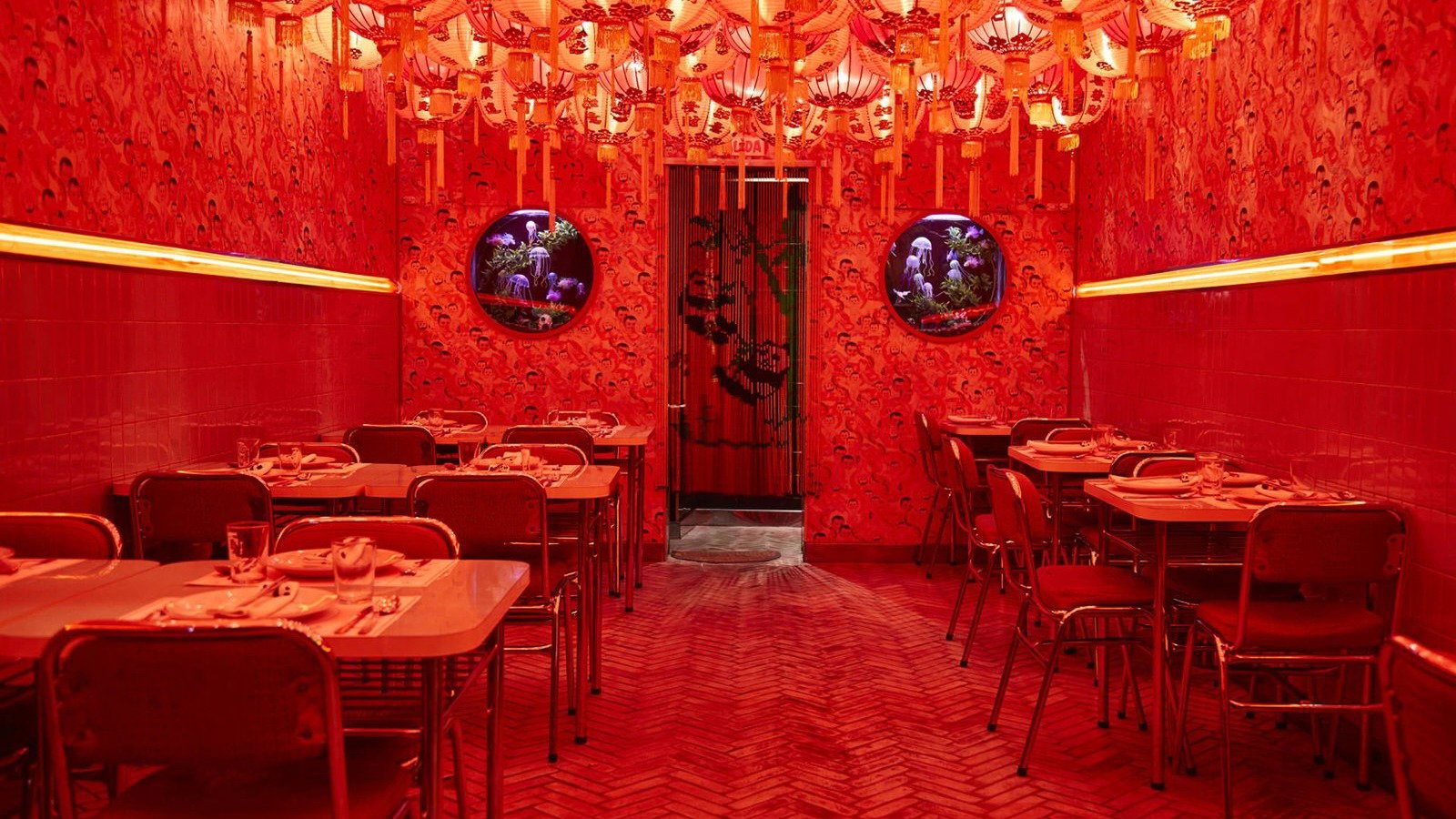
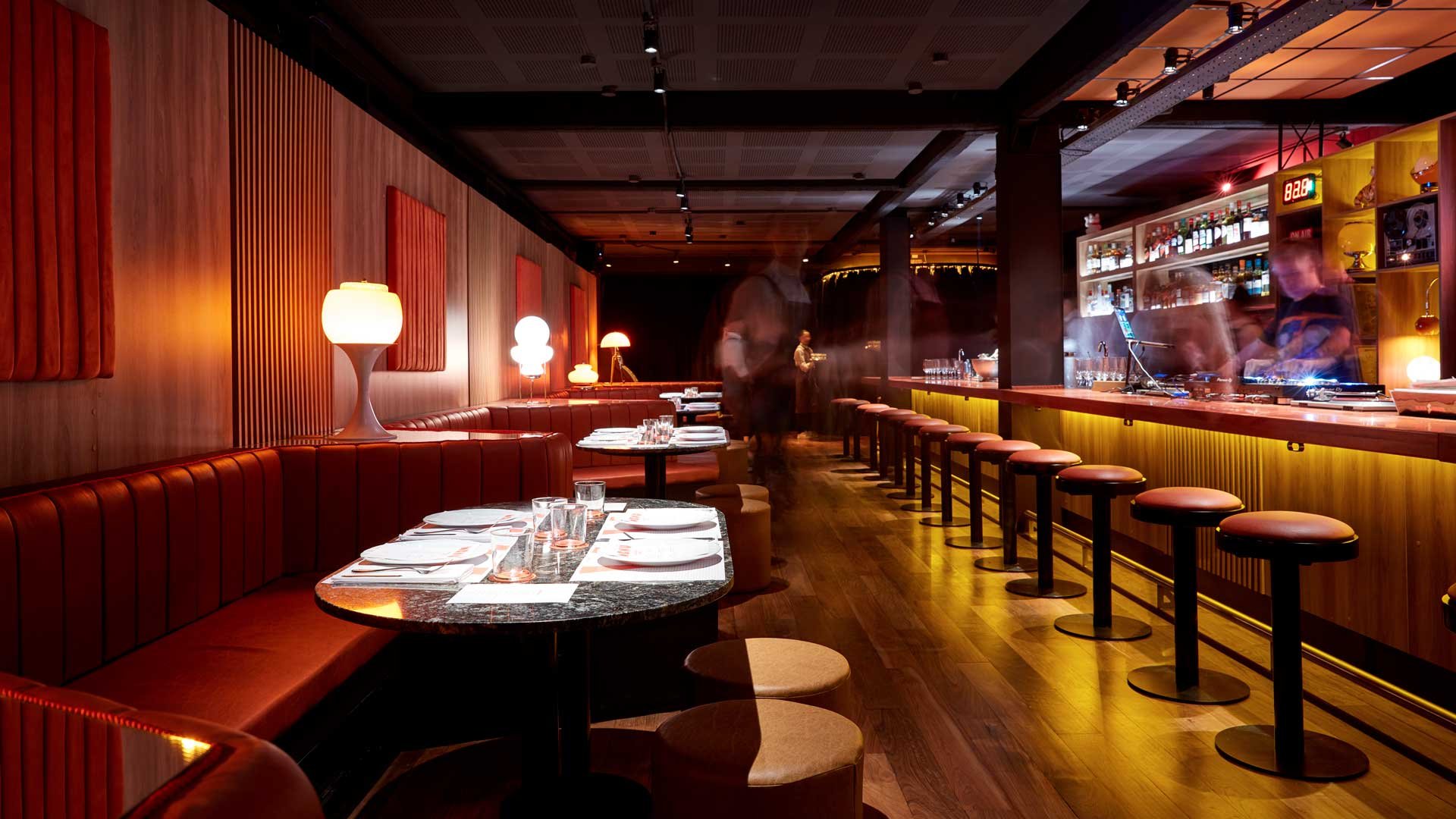
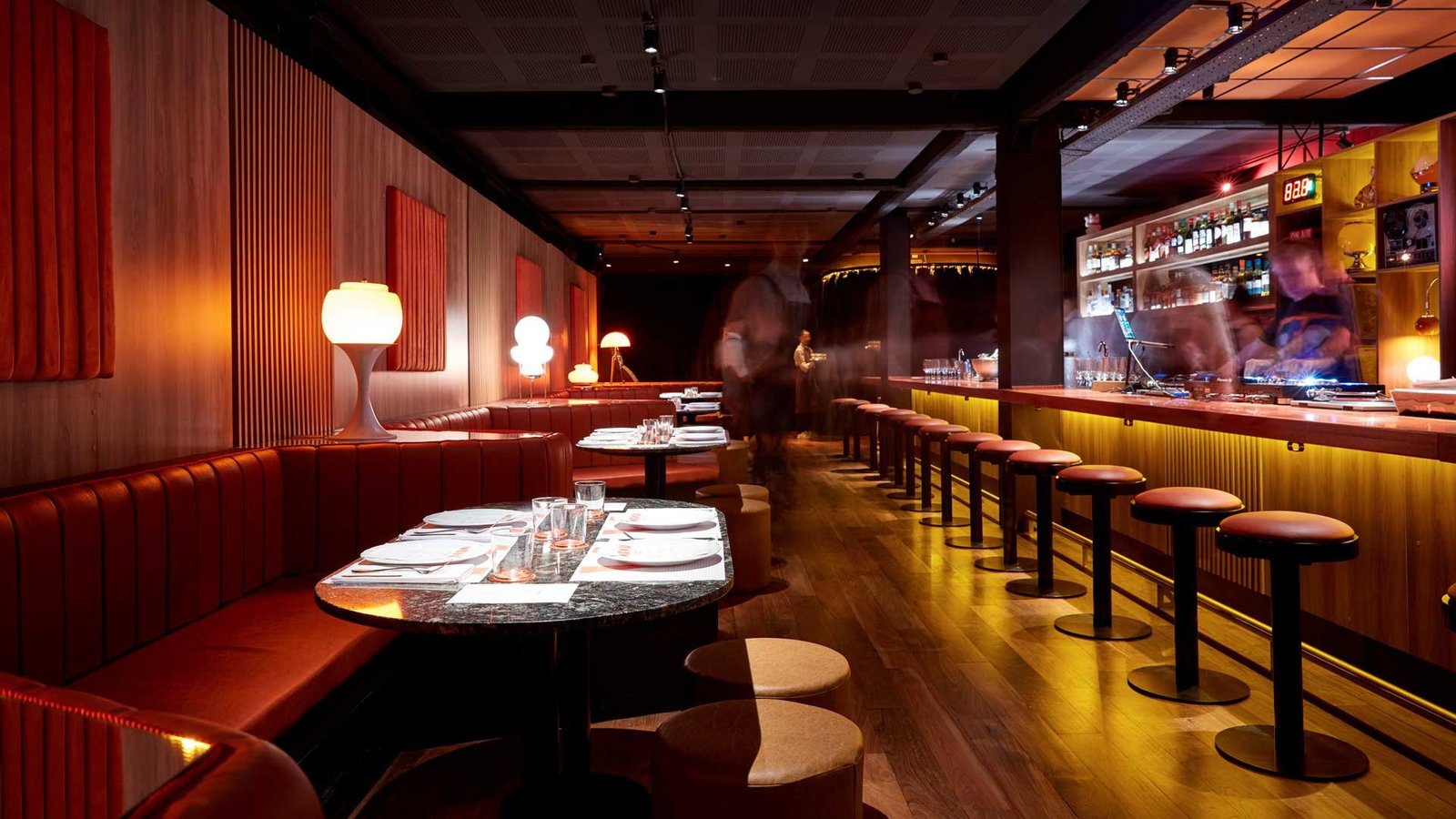
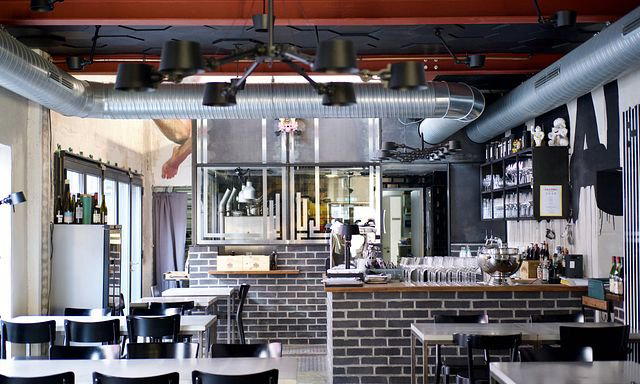
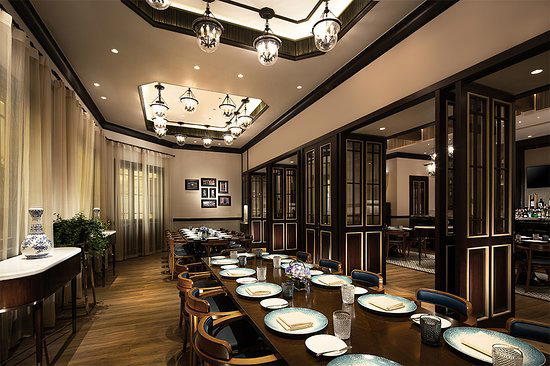
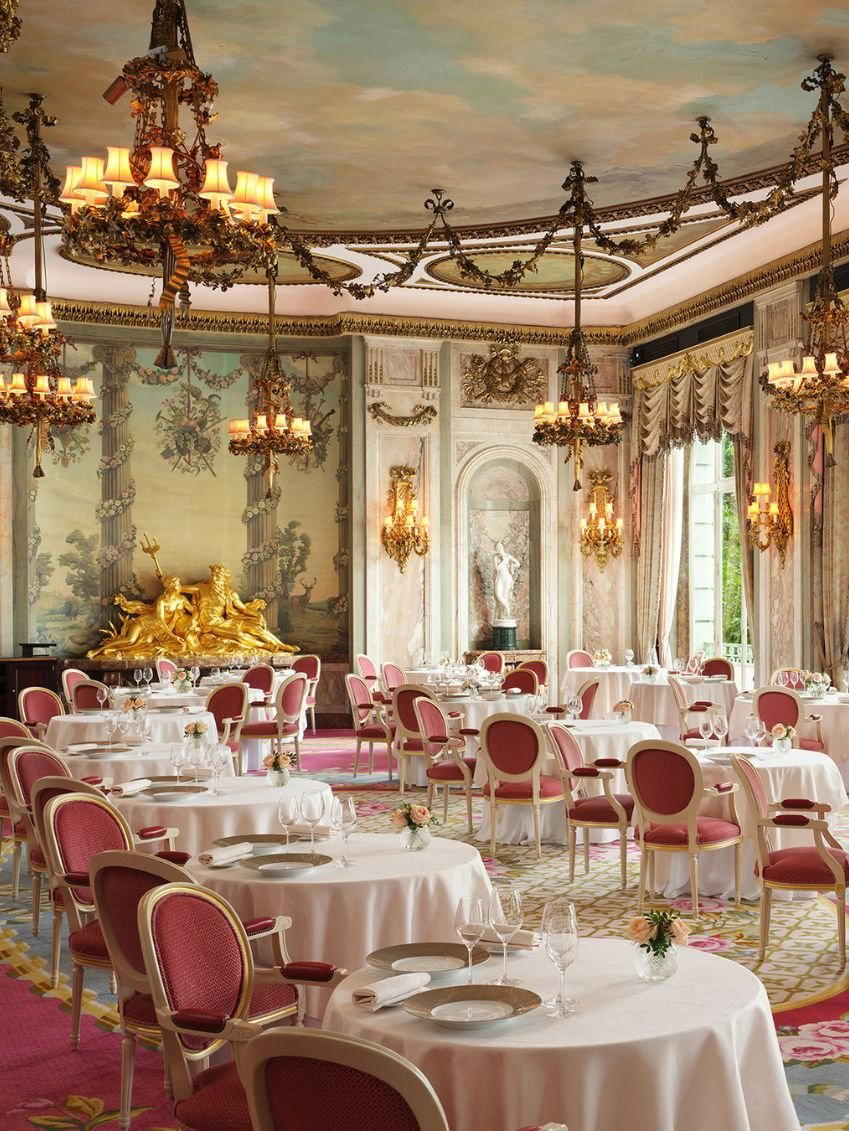
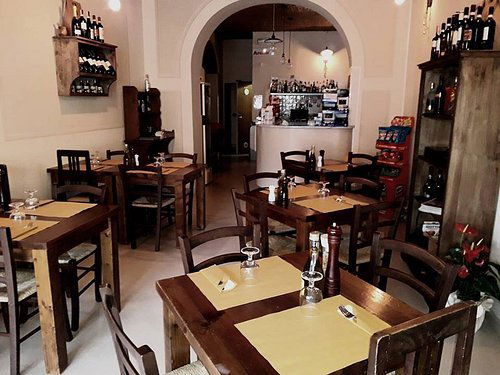
Marti sits on Rodríguez Peña in the Recoleta-adjacent zone of Buenos Aires, a neighbourhood of wide pavements and residential calm that sits at some remove from the louder dining corridors of Palermo. The address signals a certain quietness of intent. Inside, the spatial register leans composed rather than casual: this is not a counter-and-stools operation, and it reads more formal than the price point might suggest. For a two-person dinner where conversation matters, the room works well. Groups looking for energy and noise should manage their expectations accordingly , the environment here encourages attention to the plate, not performance dining.
If your first visit covered the main dining format, the case for returning rests on how the menu evolves. Vegetable-forward kitchens that take the work seriously tend to shift with seasonal availability more visibly than protein-anchored restaurants, where the anchor ingredient stays constant year-round. What is on the menu now, in the current season, is likely to differ meaningfully from what was there three months ago. That is a practical argument for a second visit, not just a sentimental one.
On a first visit, the instinct is often to order broadly to map the kitchen's range. On a second or third visit, the smarter approach is to go narrower and deeper: identify which part of the menu showed the most ambition on visit one, and concentrate there. If the kitchen's strength showed in one section , starters, tasting progression, a particular cooking technique , return with that as the anchor and let the rest of the order support it. Marti's Michelin recognition implies a level of consistency that makes this strategy viable; you are not gambling on whether the kitchen will perform.
For diners planning two visits close together , a week apart, say, during a longer stay in Buenos Aires , it is worth spacing the visits to allow for menu rotation. Ordering the same dishes twice in quick succession at a restaurant operating at this level is a missed opportunity. If you are in Buenos Aires for an extended period, Marti fits naturally into a rotation alongside places like Chuí and Sacro, both of which cover adjacent creative territory and give you a basis for comparison across visits.
The $$ pricing is one of the more useful facts about Marti. Michelin Plate recognition at this price tier is not common in Buenos Aires , or anywhere. The Plate designation signals that Michelin inspectors found the cooking worth noting, without the full-star apparatus. For a vegetarian restaurant in a city where the dominant dining culture runs in a very different direction, two consecutive Plates represent a meaningful external validation. At the price point, the value calculation is direct: you are getting Michelin-acknowledged cooking without the premium pricing that usually accompanies it. Compare that to Aramburu at $$$$, and the gap is considerable.
Marti is the right call for: vegetarians and plant-based diners who want a restaurant built around their diet rather than adapted to it; omnivores open to a meal that does not involve beef, who are curious about what a serious kitchen does with vegetables; and anyone already familiar with the Buenos Aires dining circuit who wants a counterpoint to the parilla-and-asado axis. It is also a practical choice for a mid-week dinner when the more competitive reservation windows at places like Don Julio or Trescha are closed off.
It is not the right call for diners who need the full ceremonial weight of a special-occasion blowout, or for large groups wanting a high-energy room. For those profiles, the Buenos Aires options are different. See our full Buenos Aires restaurants guide for a wider set of recommendations across categories.
Buenos Aires has a reputation as one of South America's more sophisticated dining cities, and the vegetarian category here is wider than visitors often expect. If Marti is your anchor, consider building a wider itinerary: our Buenos Aires hotels guide covers where to stay, and our Buenos Aires bars guide handles the post-dinner question. For travel beyond the capital, Azafrán in Mendoza and Awasi Iguazu in Puerto Iguazu represent strong regional options. If vegetarian fine dining at a global level is the broader interest, Fu He Hui in Shanghai and Lamdre in Beijing are the reference points for what the category looks like at its highest level internationally.
Marti is a Michelin Plate-recognised vegetarian restaurant at a $$ price point in Buenos Aires. It is not a casual salad operation , the kitchen treats plant-based cooking as its primary discipline, and two consecutive Michelin Plates (2024 and 2025) back that up. Walk in expecting a considered, structured menu rather than a flexible à la carte spread. Booking is easy relative to more competitive Buenos Aires restaurants, so you do not need to plan far ahead.
At a $$ price point with Michelin Plate recognition, the value case is strong regardless of format. Michelin-acknowledged cooking at this price tier is unusual in Buenos Aires. Without confirmed menu details in our database, we cannot break down specific courses , but the combination of consistent ratings (4.3 across 1,172 Google reviews) and back-to-back Plates suggests the kitchen delivers at a level that justifies the ticket. For a full tasting-menu comparison at a higher price tier, Aramburu at $$$$ is the benchmark.
Marti's entire menu is vegetarian by design, so plant-based diners are the primary audience rather than an afterthought. For more specific questions about vegan dishes, allergies, or gluten-free options, contact the restaurant directly , phone and website details are not currently in our database, so the most reliable route is to reach out via the address at Rodríguez Peña 1973 or check current listings for contact information.
Yes, with a caveat on format. Marti has the credentials for a special-occasion dinner , Michelin Plate recognition two years running and a room that reads more composed than its price point suggests. It works well for a meaningful two-person dinner. It is less suited to large-group celebrations that need a high-energy room or tableside theatre. For a bigger-occasion splurge with a showier environment, Trescha or Aramburu are the alternatives to consider.
Booking difficulty is rated easy. You are unlikely to need more than a few days' notice for most time slots, which puts it in a more accessible position than the harder-to-book Buenos Aires names. If you have a specific date or a larger group, a week's advance booking is a reasonable precaution. The Michelin Plate status means demand is not negligible, but this is not in the same bracket as Don Julio, where booking windows are far more competitive.
For vegetarian-focused alternatives in Buenos Aires, Sacro and Chuí both cover creative, plant-forward territory. If the goal is broader Buenos Aires dining rather than staying vegetarian, El Preferido de Palermo matches Marti's $$ price point in a traditional Argentinian register. For a step up in budget and ambition, Aramburu at $$$$ is the most technically ambitious option in the city. See our full Buenos Aires restaurants guide for the complete picture.
At $$, Marti is one of the better-value Michelin-recognised restaurants in Buenos Aires. Two Michelin Plates across consecutive years indicate consistent quality, and a 4.3 Google rating across more than 1,100 reviews reinforces that this is not a one-off performance. For vegetarian diners specifically, it is the clearest value proposition in the city at this price tier. For omnivores comparing value across categories, La Carniceria at $$ offers a compelling traditional Argentinian alternative at the same price level.
| Venue | Price | Booking Difficulty | Value |
|---|---|---|---|
| Marti | $$ | Easy | — |
| Don Julio | $$$$ | Unknown | — |
| Aramburu | $$$$ | Unknown | — |
| El Preferido de Palermo | $$ | Unknown | — |
| Elena | $$$ | Unknown | — |
| La Carniceria | $$ | Unknown | — |
Key differences to consider before you reserve.
Marti is a fully vegetarian kitchen, not a steakhouse with vegetarian options bolted on. Two consecutive Michelin Plates (2024 and 2025) confirm it is taken seriously at the category level. The address is Rodríguez Peña 1973, in the quieter residential stretch near Recoleta. Come expecting a focused, produce-driven menu rather than a broad à la carte selection.
The venue database does not confirm a tasting menu format, so this cannot be verified. What is confirmed is $$ pricing and back-to-back Michelin Plate recognition, which signals the kitchen is producing food worth ordering across multiple courses whatever the format. If you are considering Marti against a higher-priced omnivore option, the value case here is stronger than the price tag suggests.
The entire menu is vegetarian by design, so the baseline dietary question is already answered before you arrive. For vegan or gluten-free requirements, check the venue's official channels — specific accommodations are not documented in available data. Vegetarians can book without negotiating menu substitutions, which is the practical advantage over most Buenos Aires restaurants.
Yes, particularly if one or more people in your party is vegetarian or plant-based. Michelin Plate recognition gives it enough credibility to anchor a birthday or anniversary dinner without apology. For a mixed group where most diners want beef-forward Argentine cooking, a venue like Don Julio would be a better fit — Marti is the right choice when the occasion calls for something deliberately different.
Exact booking windows are not confirmed in the venue data. For a Michelin-recognised restaurant in Buenos Aires, booking at least one to two weeks ahead is a reasonable minimum, and further out for weekend evenings. Hours and a phone number are not listed, so check current availability through a reservations platform or the restaurant directly.
For omnivore dining at a higher price tier, Aramburu runs a tasting-menu format with more elaborate technique. For a classic Buenos Aires steakhouse at a higher price, Don Julio is the standard reference. El Preferido de Palermo is the call if you want traditional Argentine cooking at a relaxed pace. None of these are vegetarian-focused, so for plant-based dining specifically, Marti has no direct equivalent at its price and recognition level in the city.
At $$ pricing with two Michelin Plates, Marti is one of the better-value propositions in the Buenos Aires dining scene. Michelin Plate recognition at mid-range prices is uncommon in any city, and in Buenos Aires it is particularly rare for a vegetarian kitchen. If the format fits your diet, the value case is straightforward.
Keep this venue in your Pearl passport, rate it after you visit, and track it alongside every other place you collect.