



Julia
Modern Cuisine · Villa Crespo, Buenos Aires
Restaurant in Buenos Aires, Argentina
 Book with Pearl
The Read
Five-Ingredient Constraint Cooking
Price
$100–150per person
Chef
Julio Martín Baez
Dress
Smart Casual
Why go
Julia is a 22-cover, Michelin Plate-recognised restaurant in Villa Crespo, Buenos Aires, where chef Julio Martín Báez builds confident, colourful dishes from no more than five seasonal ingredients. Ranked on Opinionated About Dining's Top Restaurants in South America for 2025, it's a hard booking at $$$$ but one of the most focused expressions of product-driven modern cooking in the city.
About Julia
Julia, Villa Crespo: The Verdict
If you've already been to Julia once, the question on a return visit isn't whether the kitchen still delivers — it's whether you've found the right format. At 22 covers and a $$$$ price point, Julio Martín Báez's restaurant in Villa Crespo remains one of the most focused expressions of product-driven cooking in Buenos Aires. A 2025 Michelin Plate and a spot on Opinionated About Dining's Leading Restaurants in South America list confirm what regulars already know: this is a serious kitchen that hasn't drifted. The question is how to get the most from it on visit two.
What Changes on a Second Visit
Julia's menu is built around micro-seasonality — dishes shift as ingredients move through their peak windows, sometimes week to week. What you ate last time is probably gone. That's the point. Báez works with no more than five ingredients per dish, which means every element on the plate has to carry weight. On a return visit, that discipline becomes the draw rather than the novelty: you're not here to be surprised by a format, you're here because you trust the kitchen's judgement on what's leading right now.
Since opening in 2019, the restaurant has sharpened its identity rather than expanded it. The 2025 OAD recognition and Michelin Plate represent external validation of a trajectory locals have tracked for several years. Julia hasn't reinvented itself, it has deepened. For returning guests, that means the room feels familiar but the plate feels current.
Lunch vs Dinner at Julia
This is the practical question worth answering directly. Julia's 22-cover format and hard-to-book status mean that how you approach the reservation matters as much as what you order. Dinner is the primary draw, the full expression of the seasonal menu in a tight, considered room. If a special occasion or an extended evening is the goal, dinner is the right call.
Lunch, if available, tends to offer a different calculus. At $$$$ pricing, a midday sitting at a restaurant of this calibre in Buenos Aires represents better relative value than the same spend at dinner, you're eating the same kitchen's output without the evening premium that ambient demand creates. For returning visitors who've already done dinner, a lunch visit is a lower-pressure way to track how the menu has evolved. Check availability carefully: Julia's hours are not publicly listed, and the restaurant's small size means lunch sittings are neither guaranteed nor consistently offered.
For comparison, Aramburu operates a more structured tasting format that makes the lunch-versus-dinner distinction cleaner. Julia's approach is less codified, which is part of its appeal, but it also means you need to confirm the format when you book.
The Room and the Experience
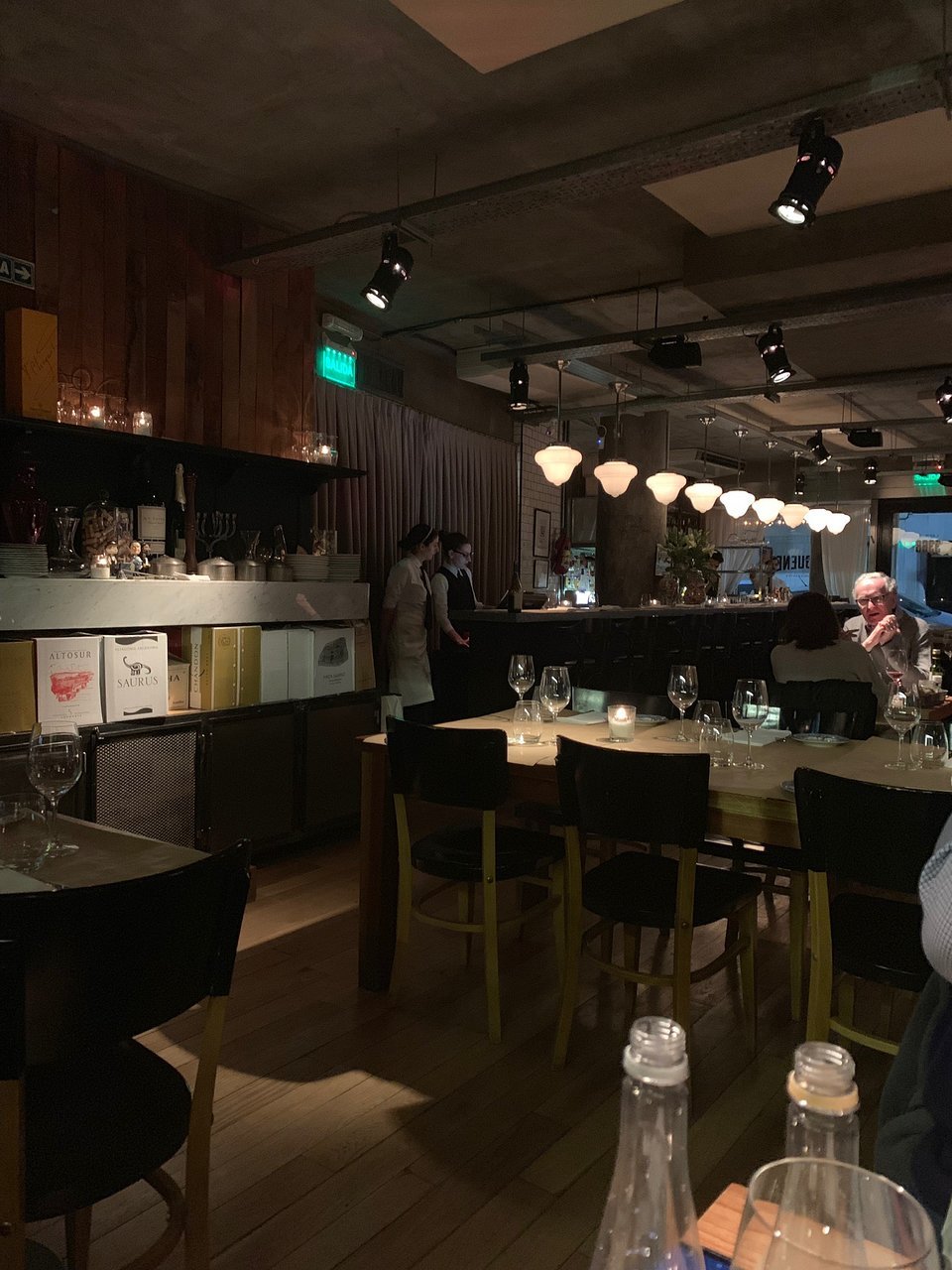
Villa Crespo isn't Palermo or Recoleta. The neighbourhood is lower-key, and Julia fits that register. The 22-seat room is intimate without being precious. The cooking is described as 'indie food', confident and colourful, with a progressive approach that doesn't require a performance around it. There are no tableside theatrics here. The food is the event.
For solo diners, the counter or small-table format works well, this is a kitchen that rewards attention, and eating alone here is a legitimate choice rather than a compromise. For pairs, it's close to ideal. Groups of four or more should note that at 22 covers, large parties consume a significant portion of the room's capacity; confirm this is manageable when booking.
Buenos Aires has a strong bench of restaurants at this price tier, Trescha and Casa Cavia both operate in adjacent territory, but Julia's five-ingredient constraint and micro-seasonal focus give it a distinct identity. It's closer in spirit to a small European kitchen than to the steakhouse-anchored Buenos Aires dining canon. If you want that kind of cooking in this city, there aren't many alternatives at this level.
Booking Julia
Booking difficulty is rated Hard. At 22 covers, Julia fills quickly, and its OAD and Michelin recognition have broadened its international profile since 2025. Book as far ahead as the restaurant allows. If you're visiting Buenos Aires specifically for this reservation, confirm it before you commit to flights. Walk-ins are not a realistic strategy.
Know Before You Go
- Address: Loyola 807, Villa Crespo, Buenos Aires
- Price range: $$$$
- Covers: 22 seats
- Awards: Michelin Plate (2025); OAD Leading Restaurants in South America (2025)
- Booking difficulty: Hard, reserve well in advance
- Hours: Not publicly listed, confirm directly when booking
- Group size: Leading for 1–2; groups of 4+ should confirm capacity when reserving
- Cuisine format: Seasonal, product-driven modern cuisine; max five ingredients per dish
How It Compares
Also Worth Considering in Argentina
If you're travelling beyond Buenos Aires, Azafrán in Mendoza offers a strong regional counterpart to Julia's product-driven approach, with direct access to wine country produce. For a more remote setting, EOLO in El Calafate and Awasi Iguazu deliver serious cooking in contexts Julia can't match geographically. For lodge dining with wine focus, Cavas Wine Lodge in Alto Agrelo is worth the detour.
Closer to home, the full picture of Buenos Aires dining is covered in our Buenos Aires restaurants guide. For where to stay, see our Buenos Aires hotels guide. Bars, wineries, and experiences are covered at our bars guide, our wineries guide, and our experiences guide.
For reference points outside Argentina: the five-ingredient, micro-seasonal model Julia operates has parallels at Frantzén in Stockholm, where constraint is similarly central to the kitchen's identity.
Planning details
- Location
- Loyola 807, C1414 C1414AUQ, Cdad. Autónoma de Buenos Aires, Argentina
- Reservations
- Book on Meitre
- Website
- instagram.com/julia.restaurante/?hl=es-la
- Phone
- +54 11 7519-0514
The take
The Take
The Vibe
Julia sits quietly on a residential block in Villa Crespo, a low‑profile neighbourhood alternative to Palermo. The room holds just twenty‑two covers, so service and cooking feel immediate: the pass connects chef and table and shifts in the kitchen register at once across the dining room. The kitchen’s self-described 'indie food' aesthetic—strict five‑ingredient plates and micro‑seasonal sourcing—keeps dishes focused and exacting. That disciplined approach, plus a local‑first ingredient list that ranges across Argentine regions, gives Julia a sophisticated, neighbourhood charm that rewards diners who value careful technique over spectacle.
Best For
Julia is best enjoyed as an evening destination for diners who want a concentrated, ingredient‑driven experience. Its small scale and deliberate cooking make it well suited to date nights and special occasions where attention to detail matters, and it also fits business dinners that call for serious food without fuss. Because the menu shifts with micro‑seasonality and the room is intimate, the restaurant appeals to locals and repeat visitors who follow producers and like to track weekly changes on the menu.
Ordering Tips
Book ahead—the room is explicitly small with just twenty‑two covers. Expect a menu that changes frequently with micro‑seasonality; ask your server what producers or ingredients are at their peak that week and which plates best showcase them. The kitchen adheres to a five‑ingredient discipline, so every component is deliberate; consider trying the kitchen’s signature items, such as the ribeye, mussels in saffron escabeche or cordyceps ramen, when they appear on the menu. Pace your meal to enjoy the immediacy of food arriving from the pass.
Venue details
Ambiance
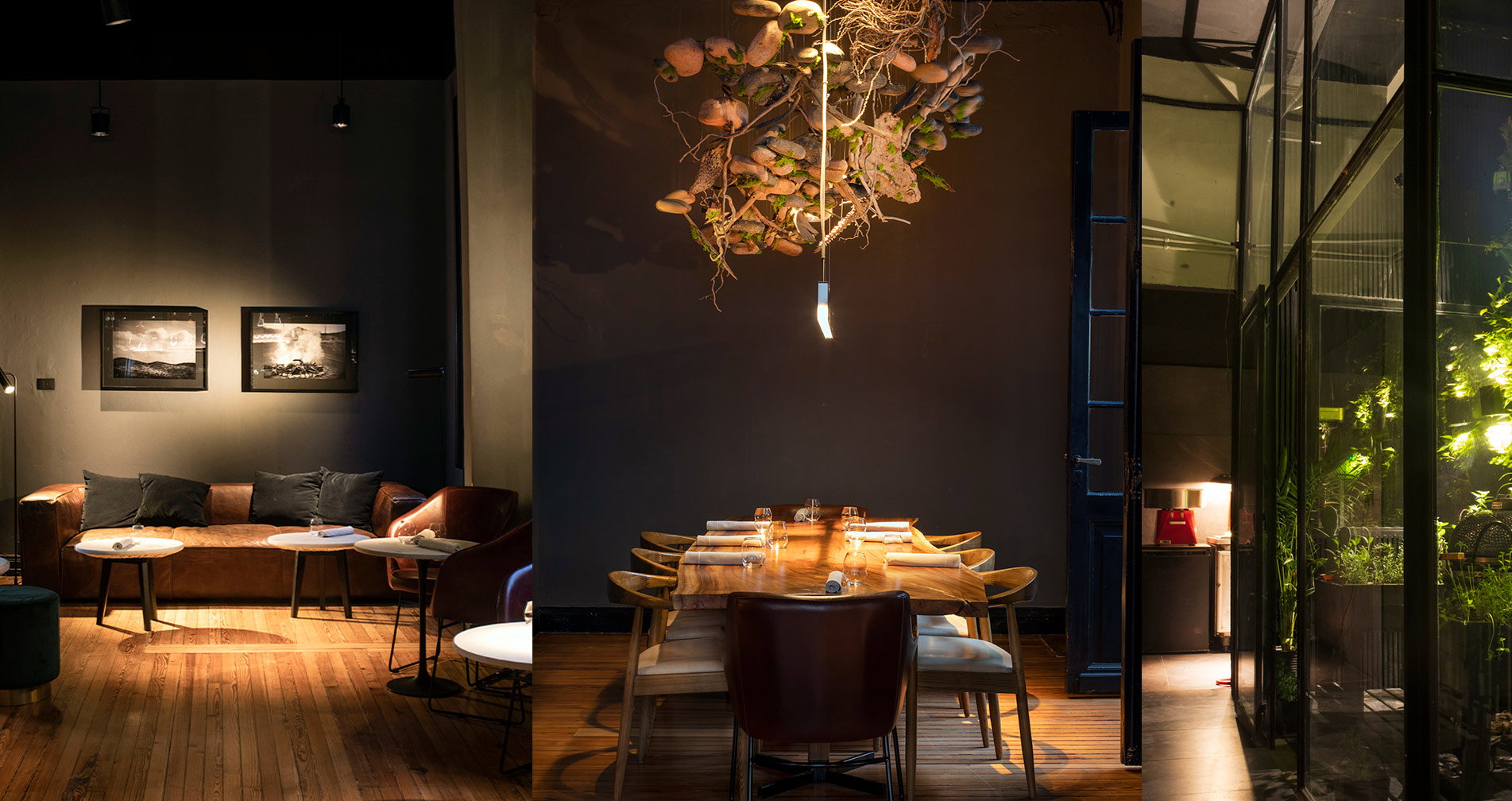
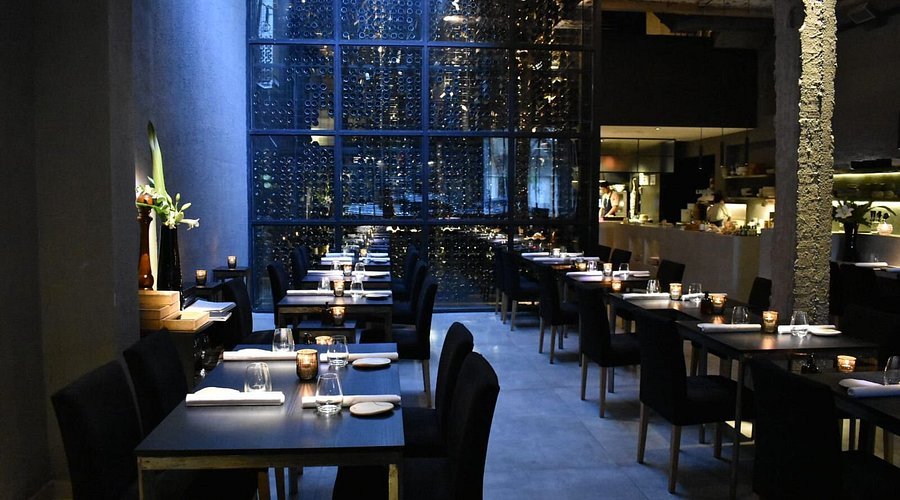
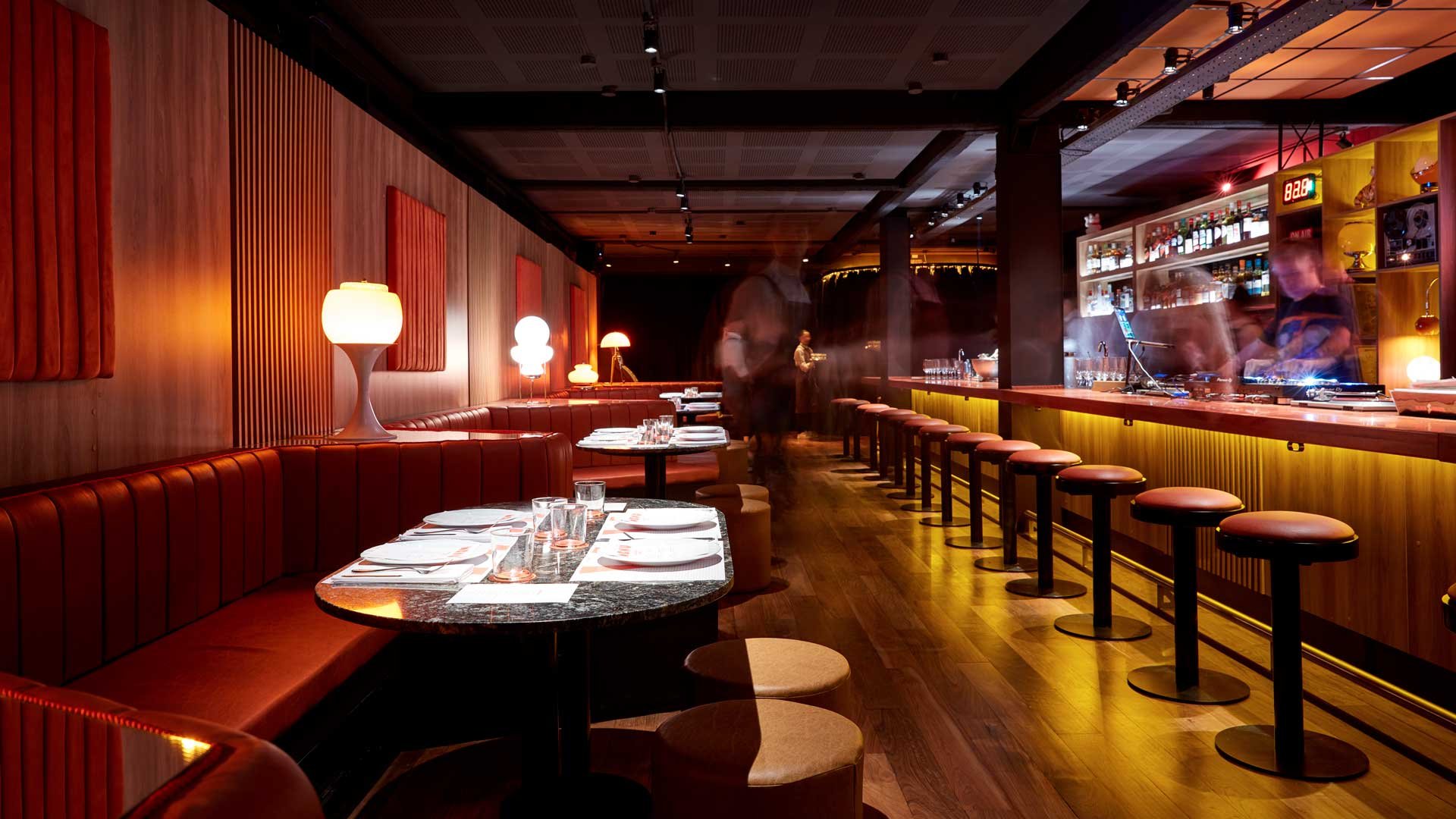
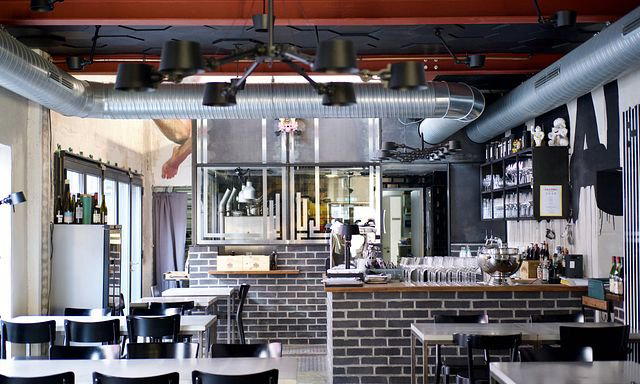
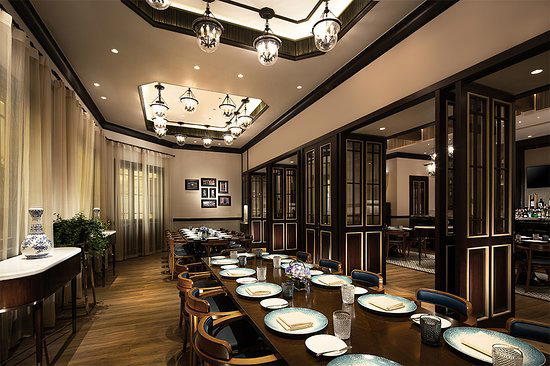
Small, intimate, and homey atmosphere with cozy seating in a modern bistro-style space featuring brushed cement floors and pine-green paintwork.
Tags
Vibe
Best For
Experience
Sourcing
At the Table
- Dress Code
- Smart Casual
- Noise Level
- Conversational
- Service Style
- Upscale Casual
- Meal Pacing
- Leisurely
- Capacity
- Intimate
- Kitchen
- Modern
- Menu Format
- Tasting menu, A la carte
- Wine Program
- Curated
- Dietary
- Vegetarian friendly
Signature Dishes
- ribeye
- mussels_in_saffron_escabeche
- cordyceps_ramen
Know before you go
Know Before You Go
- Getting there
- Loyola 807, C1414 C1414AUQ, Cdad. Autónoma de Buenos Aires, Argentina
Planning details
Location
Loyola 807, C1414 C1414AUQ, Cdad. Autónoma de Buenos Aires, Argentina · Directions
Recognition and awards



Also consider
Also Consider
- Don Julio, Argentinian Steakhouse, $$$$
- Aramburu, Modern Argentinian, Creative, $$$$
- El Preferido de Palermo, Argentinian, Traditional Cuisine, $$
- Elena, South American, Steakhouse, $$$
- La Carniceria, Argentinian Steakhouse, Meats and Grills, $$
Restaurant context
At $$$$ across the board, Julia and Aramburu are the two clearest options for creative modern cooking at Buenos Aires' top price tier. Aramburu runs a more structured tasting menu format, which suits diners who want a defined arc to the meal. Julia's micro-seasonal, five-ingredient approach is less codified and more responsive to what's available, better if you want the kitchen's current judgement rather than a pre-set sequence. Both hold serious external recognition; the choice comes down to format preference.
Don Julio at $$$$ is the right call if steak is your primary reason for being in Buenos Aires. It's a harder booking than Julia and operates in a completely different register, there's no useful comparison on cuisine, only on price tier and booking difficulty. If you're splitting a trip between a steak night and a modern-cooking night, Don Julio and Julia together cover both ends of the Buenos Aires $$$$ category well. For more affordable cuts without sacrificing quality, La Carniceria at $$ handles the steakhouse brief at a fraction of the cost.
Diners working with a tighter budget who still want creative cooking should look at El Preferido de Palermo at $$ for traditional Argentine cooking done with care, or Ajo Negro for something more contemporary at a lower price point. Julia doesn't have a direct like-for-like competitor in the $$$$ modern cuisine category in Buenos Aires, which is part of why it's worth the effort to book.
Around this place
Discover more on Pearl
Unlock the full Julia guide in Pearl, including awards, comparisons, FAQs, planning details, and nearby places.
Compare Julia
| Venue | Price | Awards |
|---|---|---|
| Julia | $$$$ | 2026 OAD Top Restaurants in South America Ranked · #62Michelin Guide Buenos Aires & Mendoza 20262025 Latin America's 50 Best Restaurants · #502025 The Best Chef One Knife2025 Michelin Plate2025 OAD Top Restaurants in South America |
| Don Julio | $$$$ | 2026 OAD Top Restaurants in South America Ranked · #8Star Wine Lists 2026Michelin Guide Buenos Aires & Mendoza 20262026 La Liste Top Restaurants2025 World's Best Steaks 101 Best Steak Restaurants · #12025 Latin America's 50 Best Restaurants · #32025 OAD Top Restaurants in South America Ranked · #42025 World's 50 Best Restaurants · #102025 Michelin 1 Star |
| Aramburu | $$$$ | 2026 OAD Top Restaurants in South America Ranked · #22Michelin Guide Buenos Aires & Mendoza 2026Star Wine Lists 20262026 Relais Chateaux Restaurants2026 Les Grandes Tables du Monde Members2026 La Liste Top Restaurants2025 OAD Top Restaurants in South America Ranked · #182025 Latin America's 50 Best Restaurants · #352025 The Best Chef Three Knives |
| El Preferido de Palermo | $$ | 2026 OAD Top Restaurants in South America Ranked · #26Star Wine Lists 2026Michelin Guide Buenos Aires & Mendoza 20262025 Latin America's 50 Best Restaurants · #242025 OAD Top Restaurants in South America Ranked · #252025 Michelin Plate2024 Michelin Plate2023 OAD Top Restaurants in South America Ranked · #29 |
| Elena | $$$ | 2026 OAD Top Restaurants in South America Ranked · #472026 World's Best Steaks 101 Best Steak Restaurants · #54Star Wine Lists 2026Michelin Guide Buenos Aires & Mendoza 20262026 Wine Spectator Award of Excellence2025 OAD Top Restaurants in South America Ranked · #402025 World's Best Steaks 101 Best Steak Restaurants · #562025 Michelin Plate2024 OAD Top Restaurants in South America Ranked · #49 |
| La Carniceria | $$ | 2026 OAD Top Restaurants in South America Ranked · #402025 OAD Top Restaurants in South America Ranked · #312024 OAD Top Restaurants in South America Ranked · #222024 Michelin Plate2023 OAD Top Restaurants in South America Ranked · #32 |
.png?width=1200&quality=80)








Side-by-side comparison to help you decide where to book.
FAQ
Frequently Asked Questions
What are alternatives to Julia in Buenos Aires?
Aramburu is the closest comparison if you want a structured tasting menu format in a similarly intimate room. Don Julio suits guests who want a world-class asado experience rather than product-driven modern cuisine. El Preferido de Palermo is the right call if you prefer a more casual, neighbourhood-bistro register at a lower price point. Elena covers the hotel-dining corner: polished, accessible, and easier to book than Julia on short notice.
Can Julia accommodate groups?
At 22 covers, Julia is not a group venue. Parties larger than four will find it logistically difficult, and the intimate format is designed around smaller tables. If you're organising a group dinner in Buenos Aires, Elena or Don Julio offer better capacity and booking flexibility.
Is Julia good for a special occasion?
Yes, provided the occasion suits a quiet, focused dinner rather than a celebratory group setting. The 22-cover room in Villa Crespo, Michelin Plate recognition, and OAD Top Restaurants in South America listing (2025) give it enough weight for a serious occasion. Book well in advance given its hard booking rating, and go in knowing the format is intimate and ingredient-led, not theatrical.
Is Julia good for solo dining?
Julia is a reasonable solo option — the counter or smaller tables in a 22-seat room tend to work better for solo diners than large formal dining rooms. The focused, five-ingredient dish format rewards attentive eating rather than conversation-driven meals. Confirm seat availability when booking, as solo covers at small restaurants can be harder to secure at peak times.
What should I order at Julia?
Julia's menu is built around micro-seasonality with dishes of no more than five ingredients, so the menu shifts frequently and specific dishes cannot be reliably recommended in advance. The format is best approached as a full tasting experience rather than à la carte selection. Trust the kitchen's current direction rather than arriving with a fixed list.
Is Julia worth the price?
At $$$$, Julia is priced at the upper end of Buenos Aires dining, but its OAD Top Restaurants in South America recognition and Michelin Plate (both 2025) position it among the city's most credentialled modern-cuisine options. If product-driven, seasonal cooking in a deliberately small room is your format, the price is justified. If you want a more social or atmosphere-driven evening, Don Julio or Elena offer better value for that specific experience.
Is the tasting menu worth it at Julia?
For the style Julia represents — micro-seasonal, five-ingredient dishes, 22 covers, opened in 2019 by Julio Martín Báez — the tasting menu format is the intended way to eat here. It is worth it if you want focused, progressive cooking with a strong ingredient narrative. If you prefer flexibility or a longer, multi-course theatrical experience, Aramburu is the stronger alternative in Buenos Aires.