

Casa Cavia
Modern Cuisine · Barrio Norte, Buenos Aires
Restaurant in Buenos Aires, Argentina
 Book with Pearl
The Read
Argentine Ingredient Modernism
Price
$$$
Dress
Smart Casual
Why go
Casa Cavia holds two consecutive Michelin Plate recognitions (2024 and 2025) and delivers modern cuisine in a converted Palermo house at a $$$ price point that undercuts most comparably credentialled Buenos Aires restaurants. The wine program is a genuine differentiator, with serious Argentine labels beyond the Malbec default. Book two to three weeks ahead; small groups get the best of the intimate house format.
About Casa Cavia
Should You Book Casa Cavia?
Getting a table at Casa Cavia takes some planning, but the effort is moderate rather than maddening. This is not the kind of reservation that requires a 6 AM alarm and a refresh war, but you should not leave it to the week before either. Book two to three weeks ahead for weeknight seats; weekend tables, particularly Friday and Saturday evenings, go faster. The reward for that planning is a Michelin Plate-recognised modern cuisine experience in Palermo, at a $$$ price point that positions it well below the $$$$ commitments you would make at Aramburu or Don Julio. For what it delivers, Casa Cavia earns its place at the top of any considered Buenos Aires dining list.
The Venue
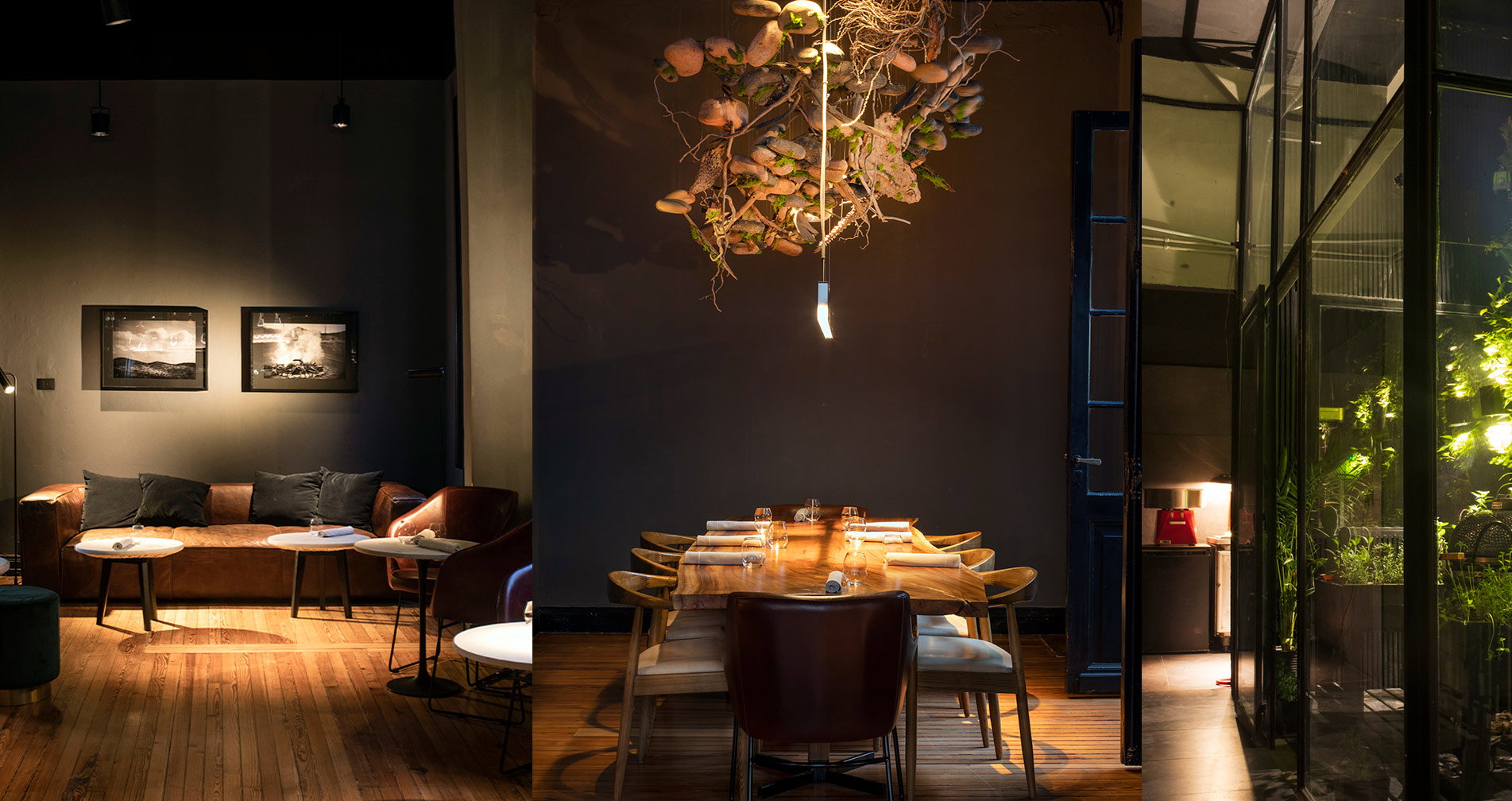
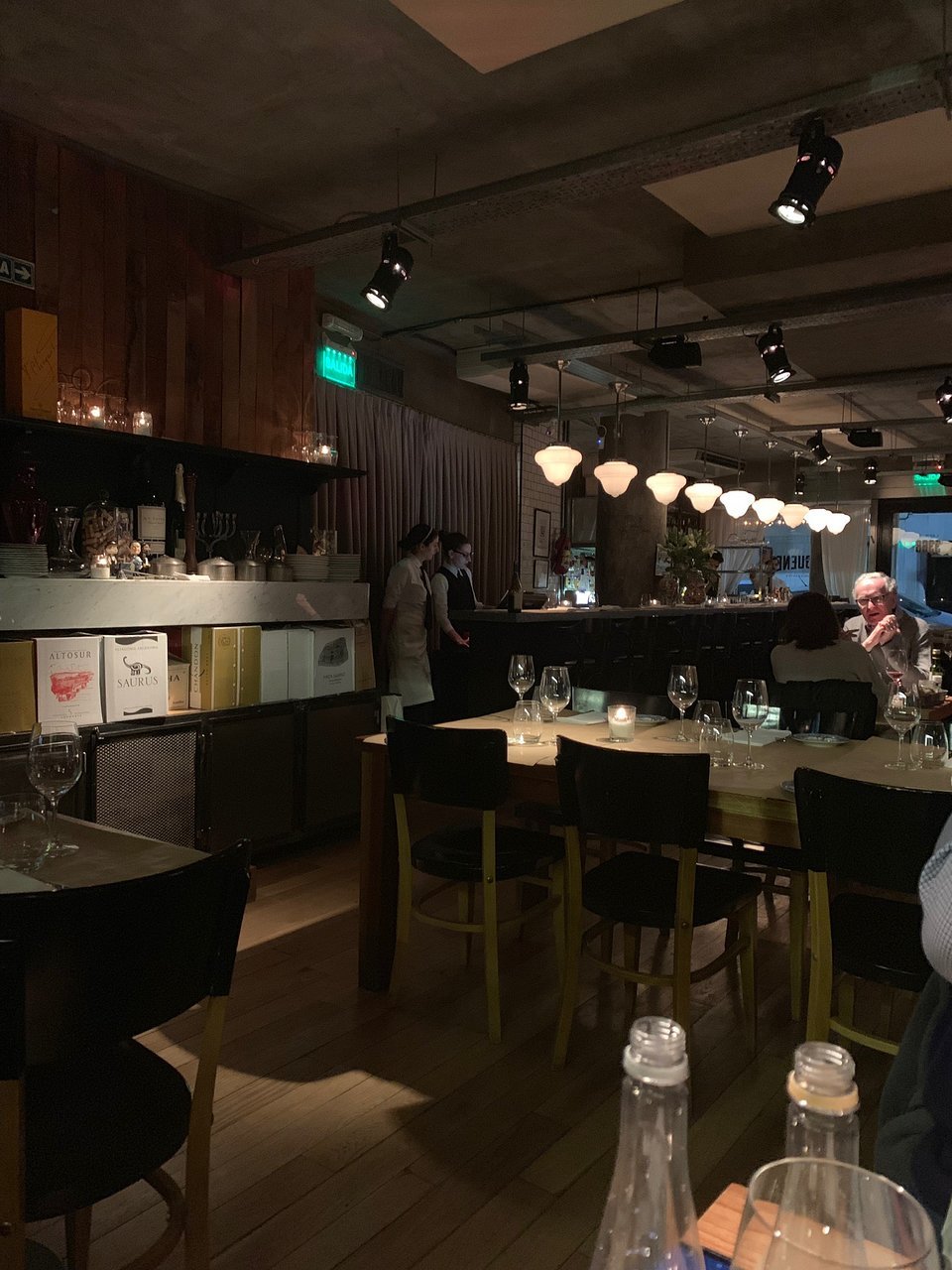
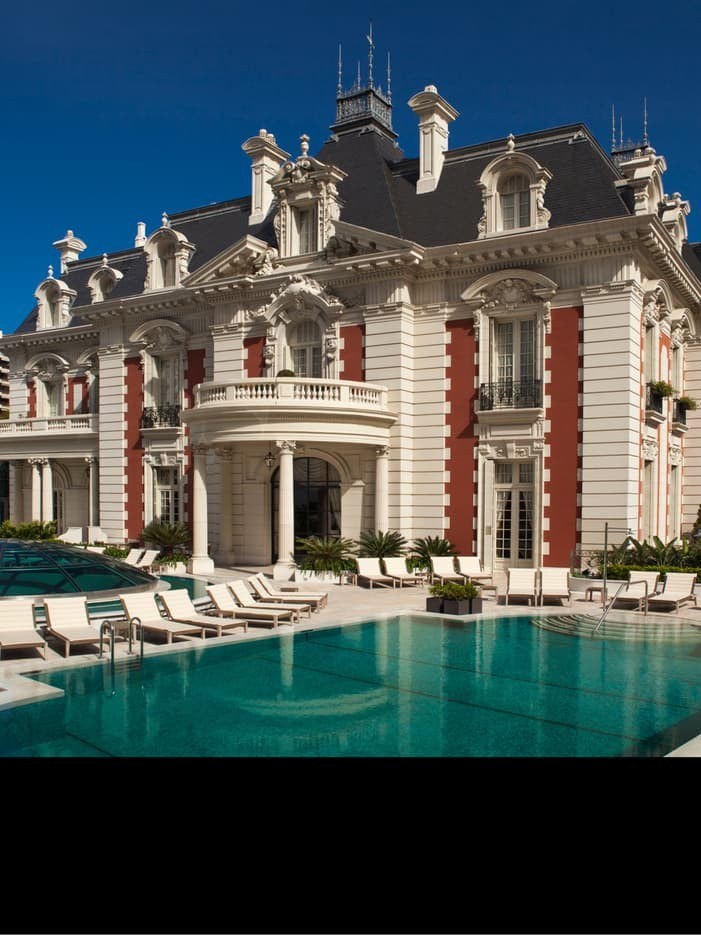
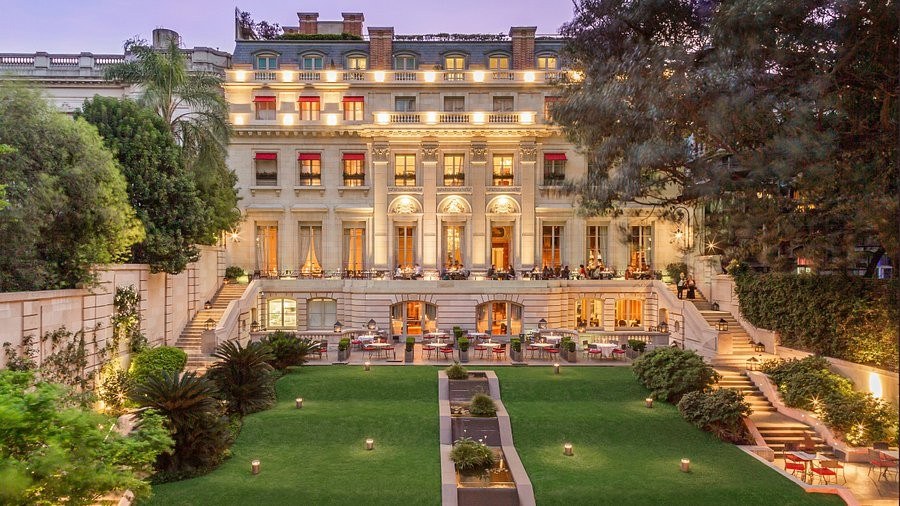
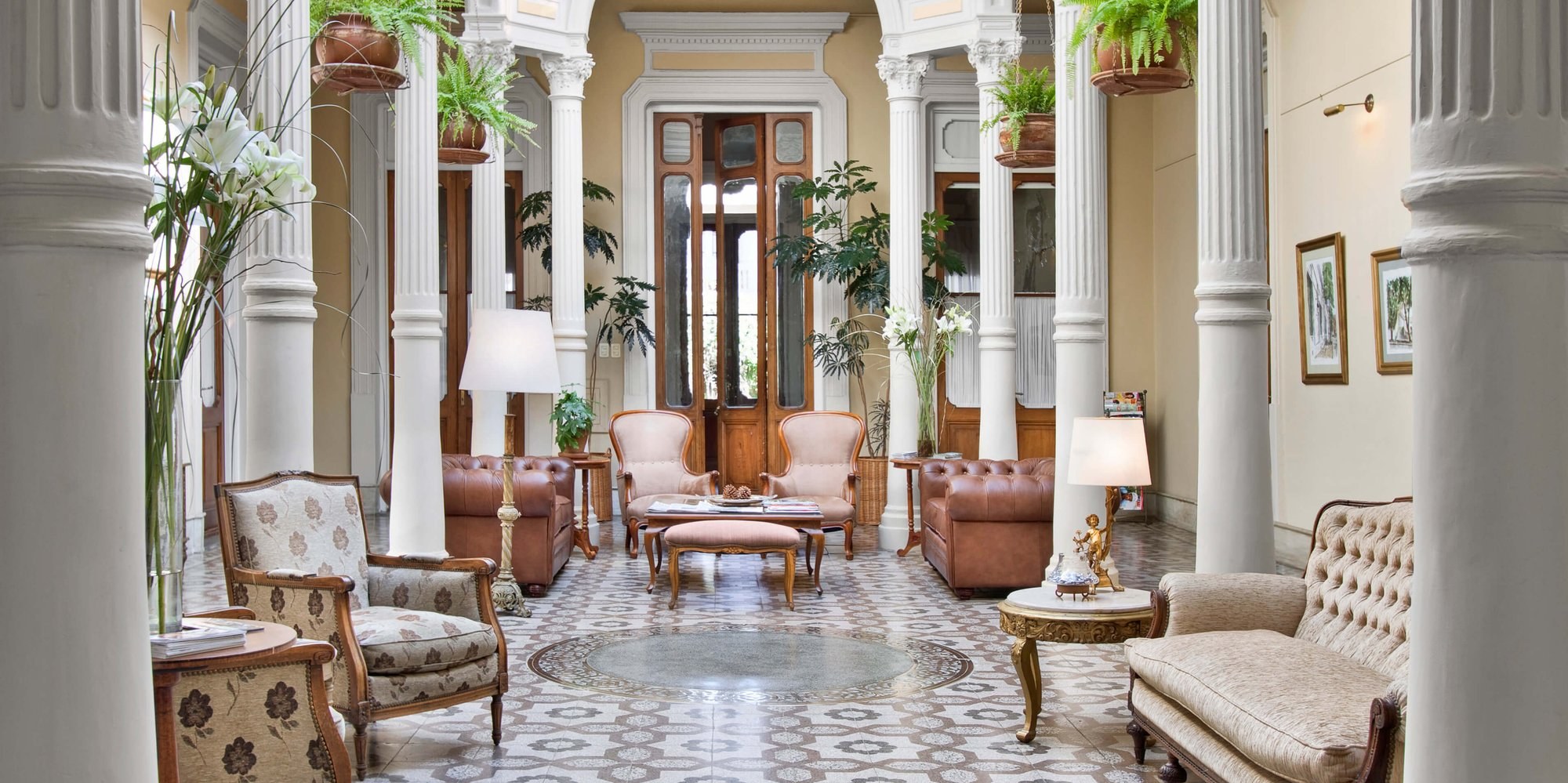
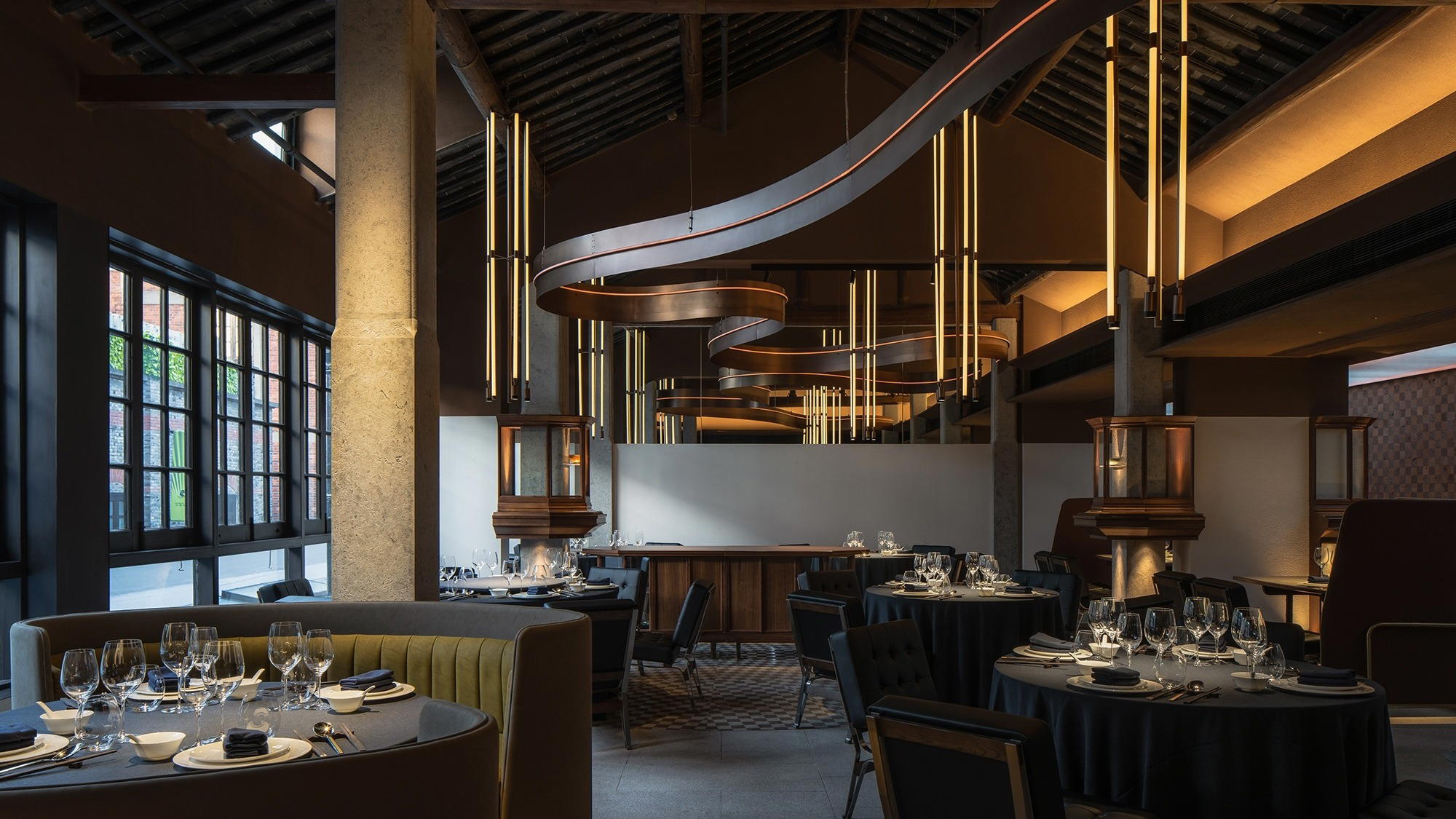
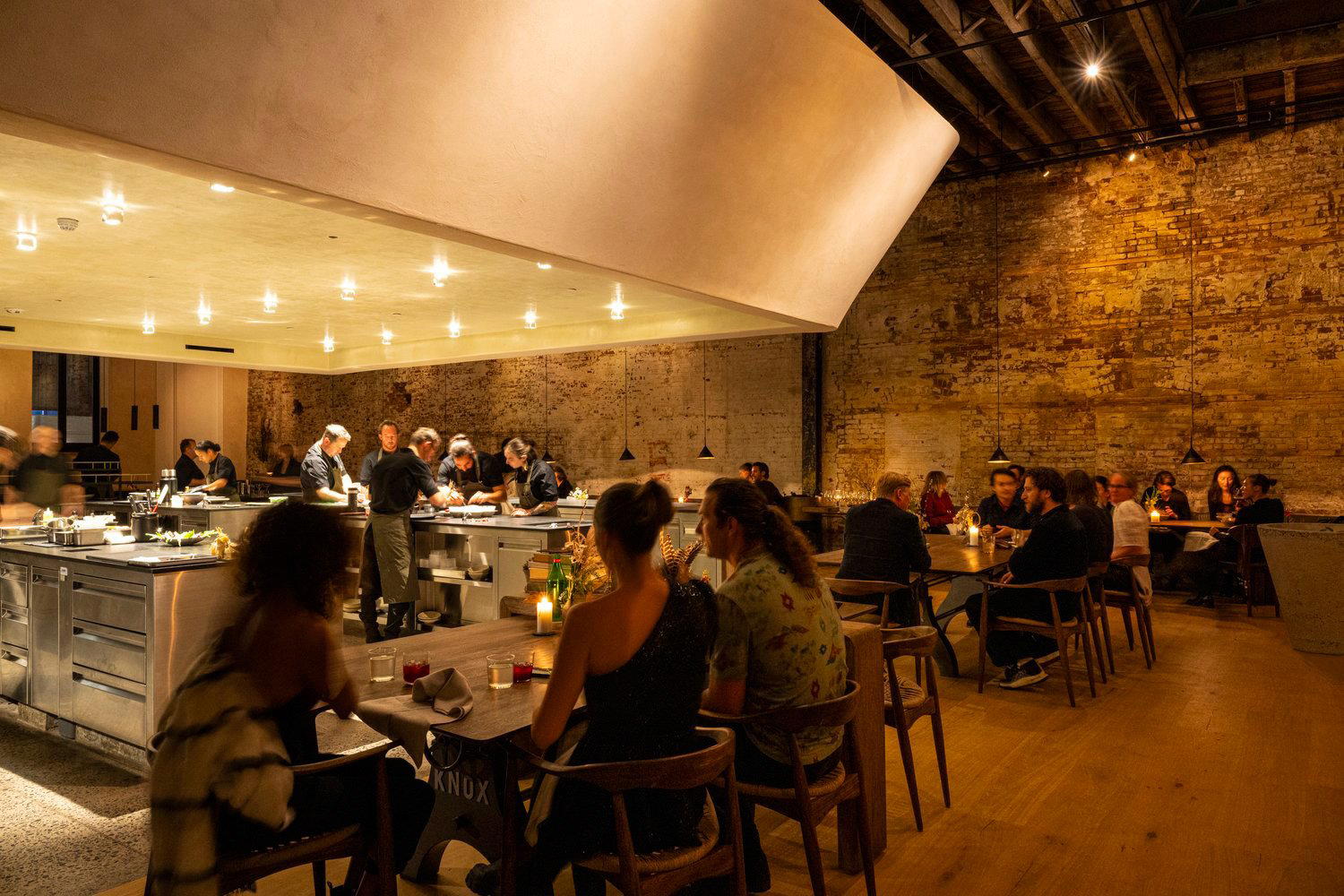
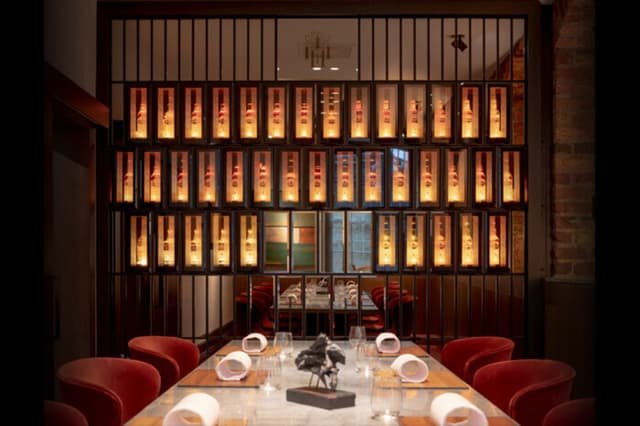
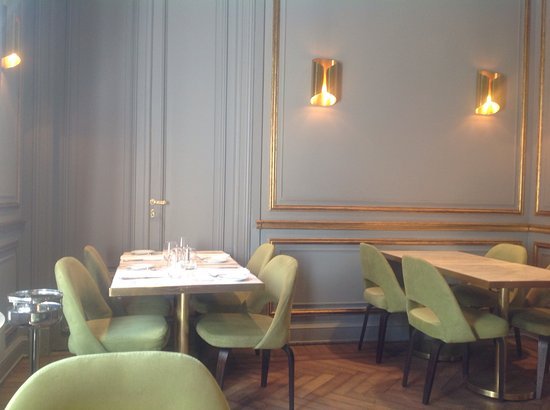
Casa Cavia occupies a converted early-twentieth-century house on a quiet Palermo street, and the spatial logic of the building shapes the entire experience. The dining rooms feel like inhabited rooms rather than purpose-built restaurant floors — low-ceilinged, proportioned for small groups, with the kind of acoustic intimacy that makes conversation easy. If you are returning after a first visit, request a table in the inner rooms rather than near the entrance; the atmosphere deepens as you move further in. The house format also means seating is genuinely limited, which is both a booking consideration and a quality signal: kitchens that serve smaller covers tend to produce more consistent plates.
The address — Cavia 2985, Palermo, sits in a neighbourhood that has developed one of Buenos Aires's more concentrated pockets of serious dining. Julia and Ajo Negro are within the same radius, which makes this corner of the city worth anchoring an evening around rather than treating as a single-destination stop.
The Food and the Wine Program
Casa Cavia's modern cuisine positioning does not mean fusion without a point of view. The cooking draws on Argentine ingredients and technique while allowing international influences to enter without overwhelming the local identity. Two consecutive Michelin Plate recognitions, 2024 and 2025, confirm that the kitchen is consistent rather than merely ambitious, which matters more on a return visit than on a first one. Michelin Plate recognition signals a kitchen cooking at a level above its immediate price tier without yet reaching the formal star categories; at $$$, that is a meaningful value proposition.
Where Casa Cavia distinguishes itself from similarly priced Buenos Aires competitors is in how seriously it treats the wine program. Argentina's wine culture has long been dominated by Mendoza Malbec as a default, and plenty of good Buenos Aires restaurants lean on that familiarity without doing much curatorial work. Casa Cavia's list goes further. Expect Argentine labels from outside the Malbec mainstream, Patagonian varieties, high-altitude whites from Salta, and natural or low-intervention producers who are generating real attention in the country's wine press. If you are coming back for a second visit, the wine list is worth exploring beyond whatever you ordered the first time. Ask for guidance on something Argentine you have not tried rather than defaulting to a recognisable region. The pairing between the kitchen's ingredient focus and the wine list's Argentine emphasis is where the experience finds its clearest logic.
For context on what strong Argentine wine curation looks like at the restaurant level, Azafrán in Mendoza and properties like Cavas Wine Lodge set a high regional bar. Casa Cavia's achievement is bringing that level of wine intelligence into a Buenos Aires dining room without the estate or cellar infrastructure those venues have access to. Separately, if the Argentine wine angle interests you beyond the city, Pearl's Buenos Aires wineries guide is the place to start.
Who Should Book, and When
Casa Cavia works well for two profiles in particular: diners who want serious modern cooking without committing to a $$$$ tasting menu format, and those who treat wine selection as a genuine part of the meal rather than a secondary decision. For the latter, coming with a specific request, Argentine grapes you have not tried, a region outside Mendoza, a natural producer, will yield a more interesting experience than simply ordering by the glass from what is available by default.
The current season matters here. Buenos Aires summers (December through February) bring heat that shifts the appetite toward lighter preparations, and kitchens running seasonal menus will reflect that. A return visit in the austral autumn (March through May) tends to produce more complex, root-forward cooking that suits the wine program's depth better. If you are planning ahead, autumn evenings in Palermo are also easier to book and quieter in a way that suits Casa Cavia's intimate spatial format.
For special occasions, the house setting does the work that purpose-built event spaces try too hard to achieve. The room feels appropriate without being formal, which makes it well-suited to dinners where the conversation matters as much as the food. It is not a large-group venue, so keep the party to four or fewer for the leading experience.
If you are building a broader Buenos Aires itinerary, Pearl's full Buenos Aires restaurants guide covers the full range, and Trescha is worth considering alongside Casa Cavia if you want a second serious dinner in the same trip. For a full picture of the city beyond restaurants, the hotels guide, bars guide, and experiences guide are all available on Pearl.
For modern cuisine at a comparable level internationally, Frantzén in Stockholm and Maison Lameloise in Chagny operate in the same genre, though at higher price points and with formal Michelin star recognition rather than Plate status. The comparison is useful for calibrating expectations: Casa Cavia sits closer to those kitchens in ambition than to the average neighbourhood bistro, but without the booking difficulty or ceremonial service that comes with starred dining in Europe.
Quick reference:
FAQ
What should I order at Casa Cavia?
- The menu changes seasonally, so there are no fixed signature dishes to anchor on. The practical approach for a return visit is to ask your server what is driving the current menu and to let the wine list inform the food order rather than the reverse. Casa Cavia's wine program is strong enough that choosing a bottle or a pairing first, then ordering food around it, produces a more coherent meal than the default approach.
Is Casa Cavia worth the price?
- At $$$ with two Michelin Plate recognitions, yes. You are getting Michelin-level kitchen consistency at a price point below most comparably recognised Buenos Aires restaurants. Against Aramburu at $$$$, Casa Cavia is the stronger value case if a tasting menu format is not your preference.
What should I wear to Casa Cavia?
- No dress code is formally stated, but the house setting and $$$ pricing suggest smart casual is the right register. Palermo dining culture skews relaxed but considered, you will not feel underdressed in clean, simple clothes, and you will not feel over-dressed if you come from a hotel or event.
What should a first-timer know about Casa Cavia?
- The venue is a converted house, so the layout is less uniform than a purpose-built restaurant. Arrive knowing that room placement varies and that the inner rooms tend to be quieter and more intimate. Book in advance, communicate your group size accurately, and do not skip the wine list, it is a genuine differentiator at this price point in Buenos Aires.
Is the tasting menu worth it at Casa Cavia?
- If a tasting menu format is available, the Michelin Plate credential suggests the kitchen can execute it consistently. At $$$, it represents better value than the $$$$ tasting formats at Aramburu. That said, if you prefer to order selectively rather than commit to a set progression, the à la carte approach works well here too, the wine program supports both formats.
What are alternatives to Casa Cavia in Buenos Aires?
- Aramburu for a more formal tasting menu at a higher price. Julia for a lighter, more casual take on modern Buenos Aires cooking. Trescha if you want a second serious dinner in the city on the same trip. See Pearl's full Buenos Aires restaurants guide for the broader picture.
Is Casa Cavia good for a special occasion?
- Yes, more so than most Buenos Aires $$$ restaurants. The converted house setting provides natural intimacy without requiring a private dining room booking. Keep the group to four or fewer for the leading version of the experience. It suits occasions where atmosphere and conversation matter as much as the food itself.
Can I eat at the bar at Casa Cavia?
- Bar seating availability should be confirmed directly with Casa Cavia. Given the house format and limited seat count, the bar is unlikely to function as a full walk-in dining counter in the way larger venues allow. Contact the venue directly to confirm options if bar seating is your preference.
Planning details
- Location
- Cavia 2985, C1425DDA Cdad. Autónoma de Buenos Aires, Argentina
- Website
- casacavia.com
- Phone
- +54 11 4809-8600
The take
The Take
The Vibe
Casa Cavia occupies a modest, domestic building on a quiet, tree-lined Palermo block, and that restrained exterior sets expectations for an experience that favors craft over spectacle. Inside, the kitchen operates with the precision of Buenos Aires’s modern-dining tier — technically assured, ingredient-driven and consistently recognized (consecutive Michelin Plate awards). The room’s small-house scale and calm street address make the restaurant feel like a quietly confident neighborhood destination: accessible yet refined, where the focus is squarely on well-executed dishes rather than theatrical presentation.
Best For
This is a destination for diners seeking a polished, contemporary Buenos Aires meal without the extremes of tasting-menu formality. The $$–$$$ pricing and Michelin Plate recognition make it suitable for date nights and special occasions, while its existing brunch offering points to a relaxed weekend option as well. Guests who appreciate technique-forward cooking and thoughtful ingredient sourcing — as opposed to steakhouse spectacle — will find Casa Cavia particularly rewarding. It works well for intimate two-tops and small celebratory dinners where the kitchen’s consistency matters.
Ordering Tips
Highlight dishes when ordering: signature plates cited for the venue include roasted prawns, marinated beef ribs and hoja de arroz, so try those to get a sense of the kitchen’s strengths. The restaurant is positioned in the modern-cuisine tier, so expect technical preparations and considered sourcing rather than purely traditional steakhouse fare. Given the modest, residential setting and its reputation for consistency (consecutive Michelin Plate recognition), plan your visit around the main dinner service or brunch and prioritize the menu items that showcase seafood and sourced proteins.
Venue details
Ambiance
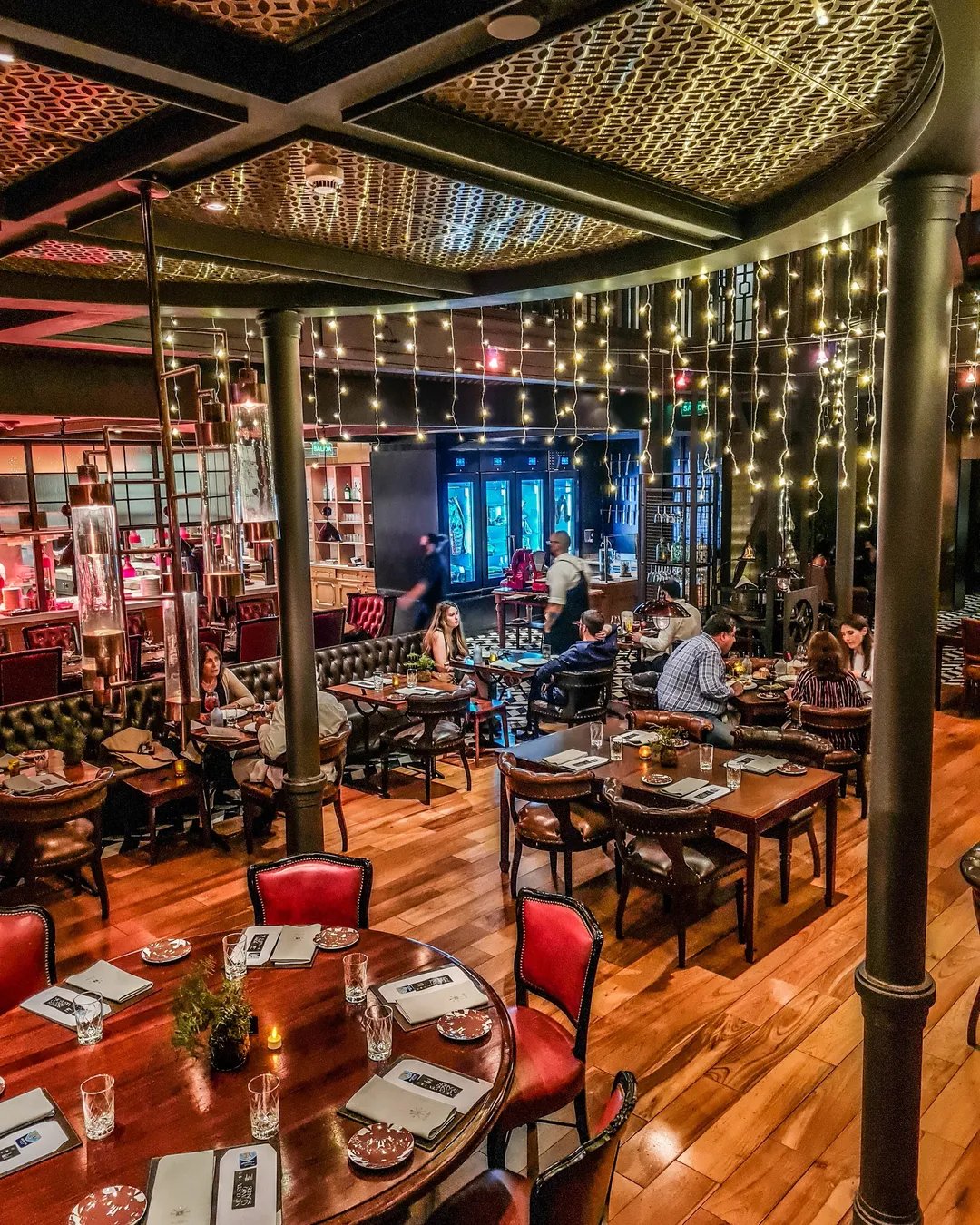
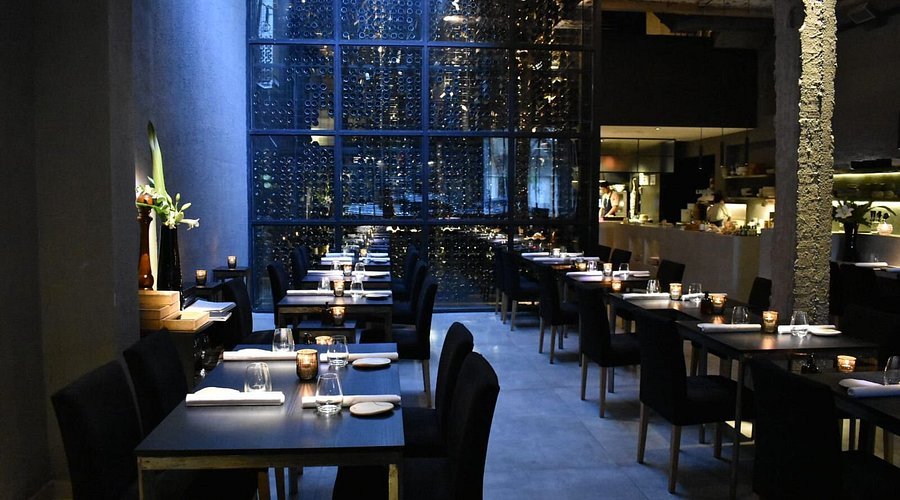
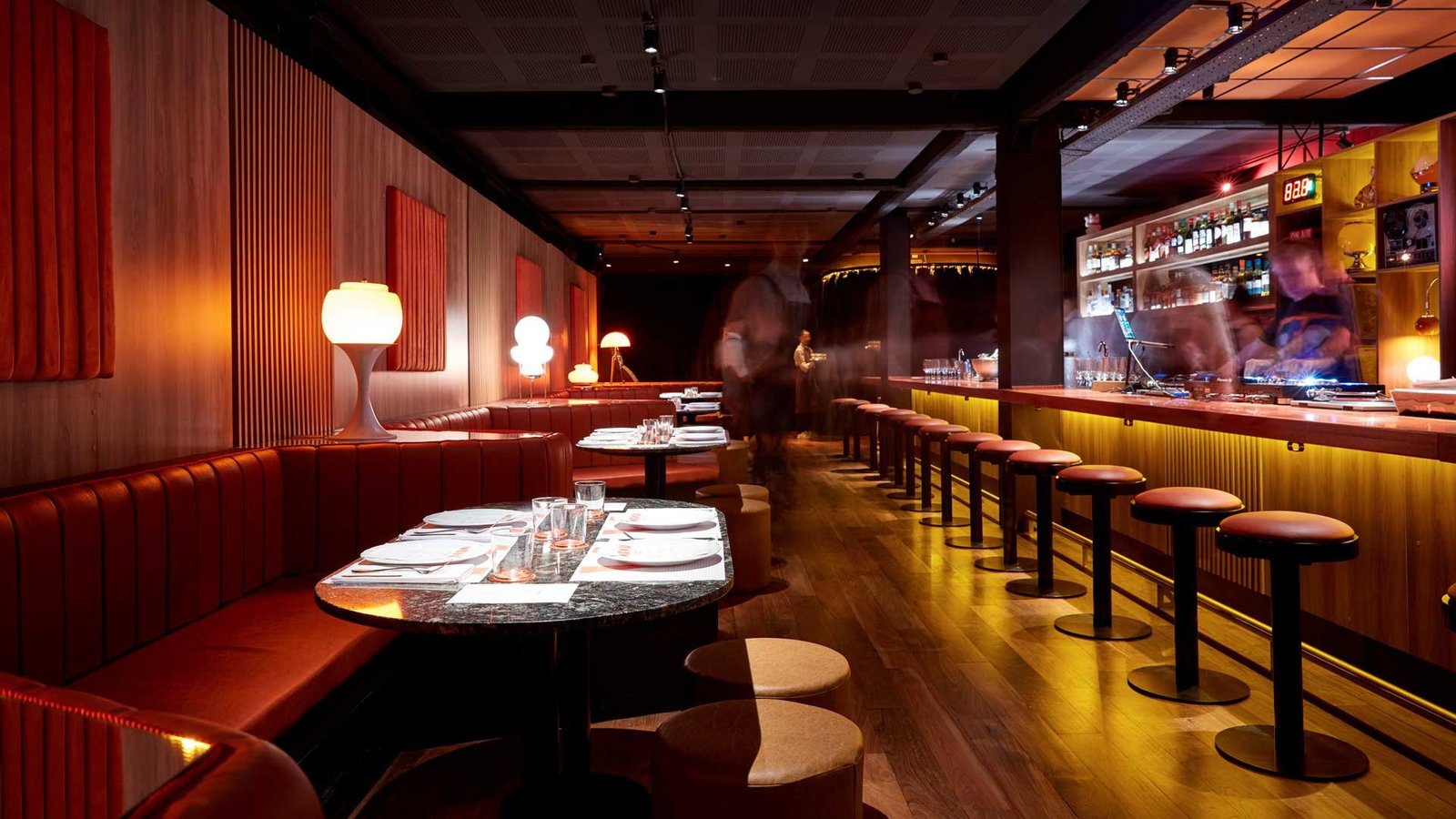
Elegantly classic interior with contemporary decor, stylish lighting, and a trendy, greenery-filled outdoor terrace that serves as a chic oasis.
Tags
Vibe
Best For
Experience
Sourcing
View
Accessibility
At the Table
- Dress Code
- Smart Casual
- Noise Level
- Conversational
- Service Style
- Upscale Casual
- Meal Pacing
- Leisurely
- Capacity
- Medium
Signature Dishes
- roasted prawns
- marinated beef ribs
- hoja de arroz
Know before you go
Know Before You Go
- Getting there
- Cavia 2985, C1425DDA Cdad. Autónoma de Buenos Aires, Argentina
Planning details
Location
Cavia 2985, C1425DDA Cdad. Autónoma de Buenos Aires, Argentina · Directions
Recognition and awards

Also consider
Also Consider
- Don Julio, Argentinian Steakhouse, $$$$
- Aramburu, Modern Argentinian, Creative, $$$$
- Mishiguene, Argentinian - Jewish, Israeli, $$$
- Roux, Seafood, Contemporary, $$$
- Elena, South American, Steakhouse, $$$
Restaurant context
At $$$, Casa Cavia is the most practical entry point into Michelin-recognised modern dining in Buenos Aires. If your priority is formal tasting menu ambition at any price, Aramburu at $$$$ is the city's most technically rigorous option and worth the premium if that format suits you. But if you want consistent kitchen quality without committing to a full tasting menu progression or a $$$$ bill, Casa Cavia is the stronger everyday choice and offers considerably more wine program depth than Aramburu's price tier requires you to expect at $$$.
Don Julio at $$$$ operates in a different lane entirely, it is Buenos Aires's most prominent steakhouse and the right call if Argentine beef is the point of the evening. Casa Cavia and Don Julio do not compete directly; they serve different purposes in an itinerary. Mishiguene at $$$ is the closest stylistic alternative for diners who want a defined cultural identity driving the cooking rather than the broader modern cuisine category; it is also slightly easier to book. Roux at $$$ is the call if seafood and contemporary technique matter more to you than wine program depth. Elena at $$$ sits in a hotel setting and skews toward a broader, more accessible dining experience, good for groups with varied preferences, but less focused than Casa Cavia.
For most diners doing one serious dinner in Buenos Aires at the $$$ tier, Casa Cavia is the recommendation: Michelin Plate credentials, a wine list that repays attention, and a room that works for both first visits and returns. If budget is the primary constraint and you want maximum local colour per peso, Mishiguene edges it on value. If you are planning two serious dinners in the city, pair Casa Cavia with Trescha for range, or with Don Julio if you want to cover both the modern and the traditional Argentine dining registers.
Around this place
Discover more on Pearl
Unlock the full Casa Cavia guide in Pearl, including awards, comparisons, FAQs, planning details, and nearby places.
Compare Casa Cavia
| Venue | Price | Awards |
|---|---|---|
| Casa Cavia | $$$ | Michelin Guide Buenos Aires & Mendoza 2026Star Wine Lists 20262025 Michelin Plate2024 Michelin Plate |
| Don Julio | $$$$ | 2026 OAD Top Restaurants in South America Ranked · #8Star Wine Lists 2026Michelin Guide Buenos Aires & Mendoza 20262026 La Liste Top Restaurants2025 World's Best Steaks 101 Best Steak Restaurants · #12025 Latin America's 50 Best Restaurants · #32025 OAD Top Restaurants in South America Ranked · #42025 World's 50 Best Restaurants · #102025 Michelin 1 Star |
| Aramburu | $$$$ | 2026 OAD Top Restaurants in South America Ranked · #22Michelin Guide Buenos Aires & Mendoza 2026Star Wine Lists 20262026 Relais Chateaux Restaurants2026 Les Grandes Tables du Monde Members2026 La Liste Top Restaurants2025 OAD Top Restaurants in South America Ranked · #182025 Latin America's 50 Best Restaurants · #352025 The Best Chef Three Knives |
| Mishiguene | $$$ | 2026 OAD Top Restaurants in South America Ranked · #32Michelin Guide Buenos Aires & Mendoza 20262026 La Liste Top Restaurants2025 OAD Top Restaurants in South America Ranked · #262025 Latin America's 50 Best Restaurants · #692025 Michelin Plate2025 The Best Chef One Knife2025 La Liste Top Restaurants2024 OAD Top Restaurants in South America Ranked · #34 |
| Roux | $$$ | 2026 OAD Top Restaurants in South America Ranked · #92Michelin Guide Buenos Aires & Mendoza 20262025 Michelin Plate2025 OAD Top Restaurants in South America2024 OAD Top Restaurants in South America Ranked · #602024 Michelin Plate |
| Elena | $$$ | 2026 OAD Top Restaurants in South America Ranked · #472026 World's Best Steaks 101 Best Steak Restaurants · #54Star Wine Lists 2026Michelin Guide Buenos Aires & Mendoza 20262026 Wine Spectator Award of Excellence2025 OAD Top Restaurants in South America Ranked · #402025 World's Best Steaks 101 Best Steak Restaurants · #562025 Michelin Plate2024 OAD Top Restaurants in South America Ranked · #49 |
.png?width=1200&quality=80)










Side-by-side comparison to help you decide where to book.
FAQ
Frequently Asked Questions
What should I order at Casa Cavia?
Individual dishes are not documented, but Casa Cavia's modern cuisine is anchored in Argentine ingredients, and it holds a Michelin Plate for 2024 and 2025. Ask your server what is driving the kitchen that week; at $$$, the team should be able to guide you toward the strongest choices.
Is Casa Cavia worth the price?
At $$$, Casa Cavia occupies the middle band of Buenos Aires fine dining, below the $$$$ tasting-menu format at places such as Aramburu. Two consecutive Michelin Plates, in 2024 and 2025, point to a credible kitchen rather than a premium based solely on atmosphere. For serious modern Argentine cooking without a four-hour commitment or a four-figure bill, the value is compelling.
What should I wear to Casa Cavia?
The converted early-twentieth-century house in Palermo and the $$$ price point make polished casual or smart attire the natural choice. Buenos Aires fine dining rarely enforces a strict dress code, though a considered outfit will suit the room better than anything notably casual. No specific dress policy is listed.
What should a first-timer know about Casa Cavia?
Casa Cavia is a converted house at Cavia 2985 in Palermo, so expect distinct rooms rather than an open dining floor. Its Michelin Plate recognition in both 2024 and 2025 sets an expectation of skilled, considered cooking rather than a three-star showcase. Book ahead; the $$$ setting and busy neighbourhood make it a poor bet for an unplanned walk-in.
What are alternatives to Casa Cavia in Buenos Aires?
Aramburu is the step up for a $$$$ tasting-menu format and a deeper commitment. Choose Don Julio if Argentine beef is the priority; it is a different register. Mishiguene offers creative cooking with a distinct cultural point of view at a comparable price, while Roux and Elena broaden the options across Buenos Aires dining.
Is Casa Cavia good for a special occasion?
Yes, particularly for birthdays or anniversaries where atmosphere and conversation matter. The converted-house setting in Palermo feels considered and intimate rather than loud or overtly celebratory. At $$$, it is a measured choice for a special dinner, and the Michelin Plate recognition supports confidence in the cooking. For a private room or large table, confirm availability directly before booking.