
Cabaña Las Lilas
Meats and Grills · Piñeyro, Buenos Aires
Restaurant in Buenos Aires, Argentina
 Book with Pearl
The Read
Puerto Madero Parrilla Authority
Price
$50–100per person
Dress
Smart Casual
Why go
Cabaña Las Lilas is the go-to for a serious Argentine beef meal on special occasions, with back-to-back Michelin Plate recognition (2024–2025), own-ranch sourcing, and a polished Puerto Madero setting. At $$$, it earns its price for business dinners and celebrations. Book ahead for evenings.
About Cabaña Las Lilas
Who Should Book Cabaña Las Lilas — and When
If you are planning a business dinner in Buenos Aires, celebrating something that warrants a proper splurge, or want to eat Argentine beef at a level that justifies the price tag, Cabaña Las Lilas is the right call. This is not a casual weeknight steakhouse; it is a special-occasion address that happens to serve some of the most technically serious grilled beef in the city.
The Room and the Atmosphere
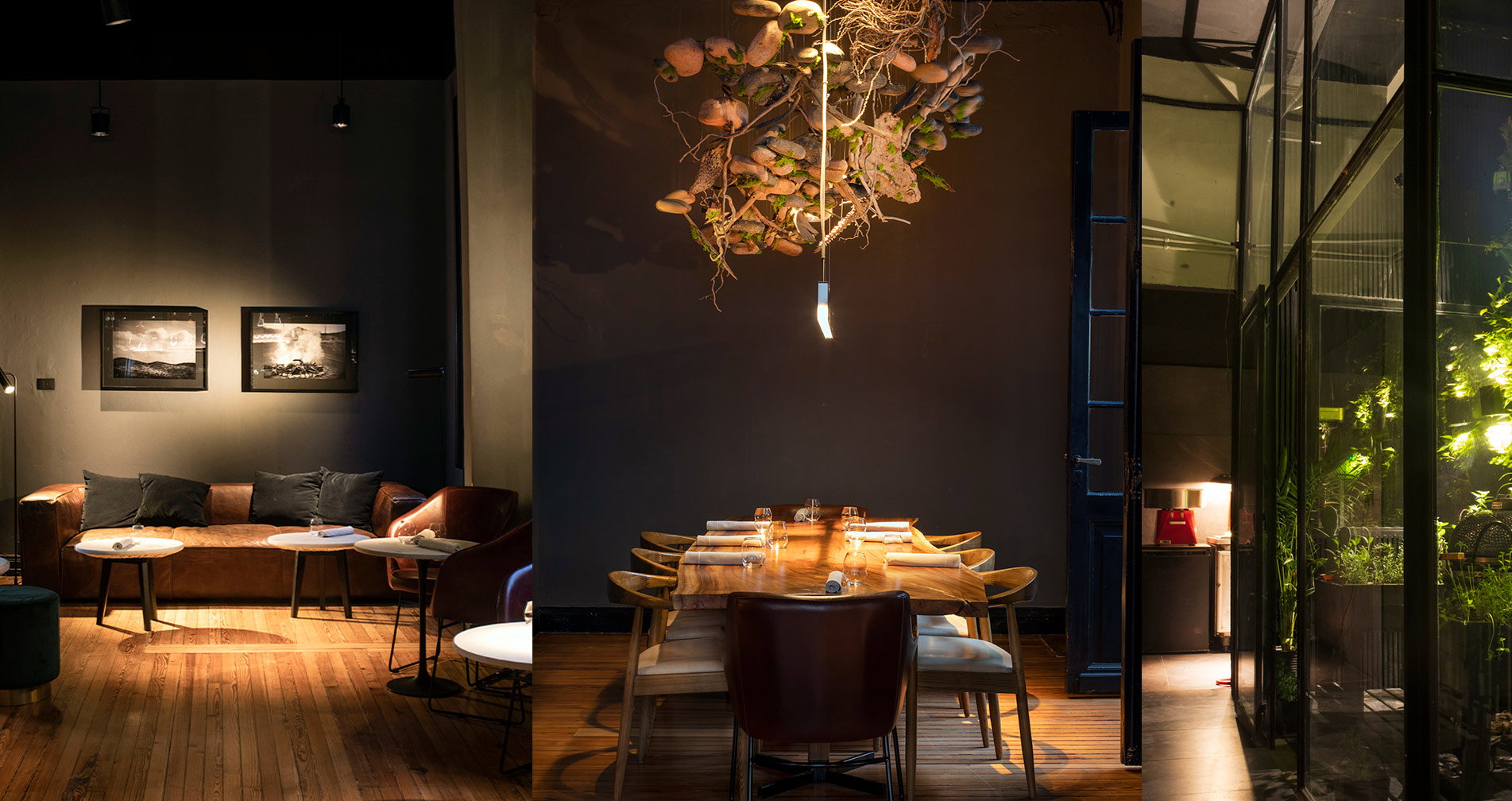
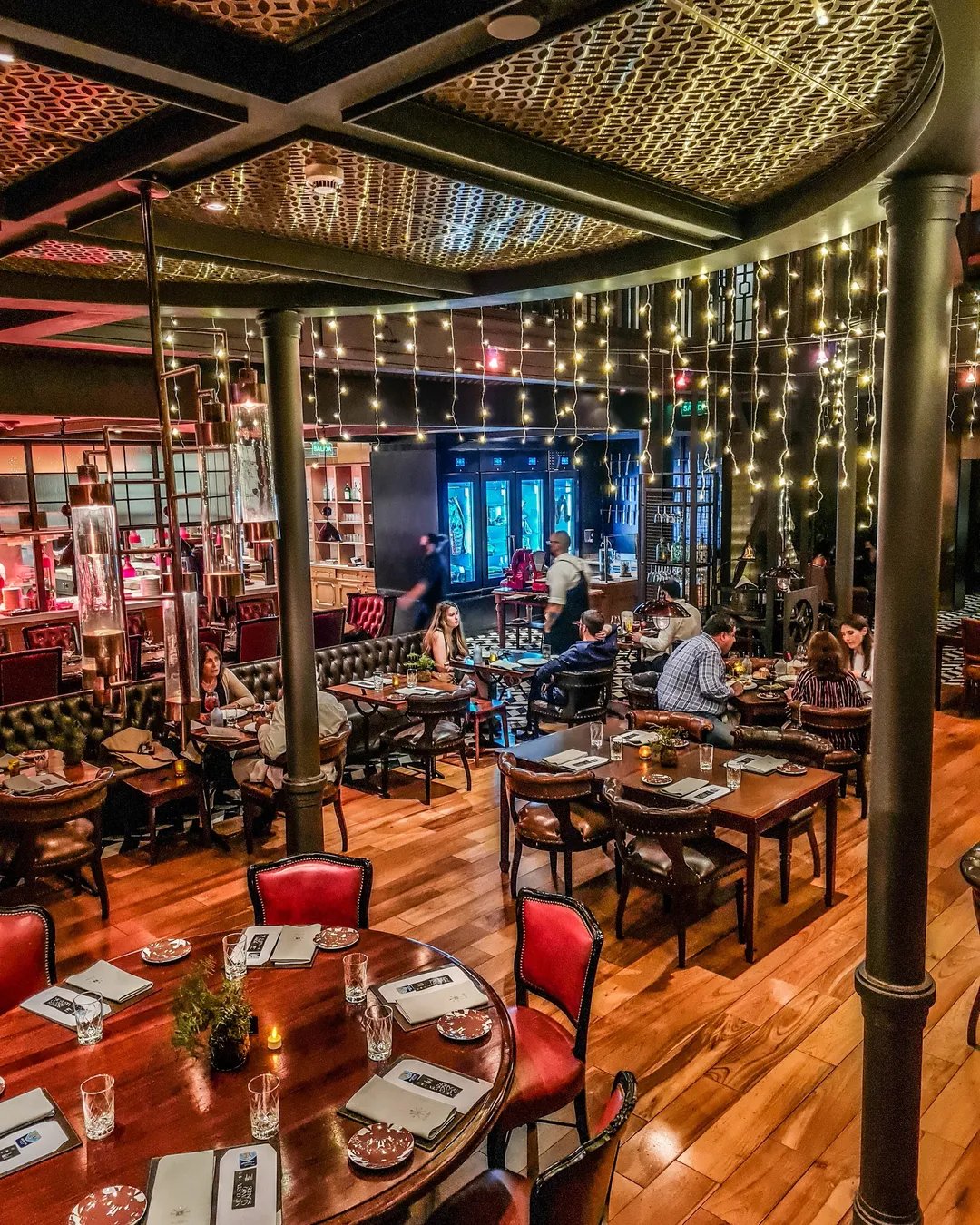
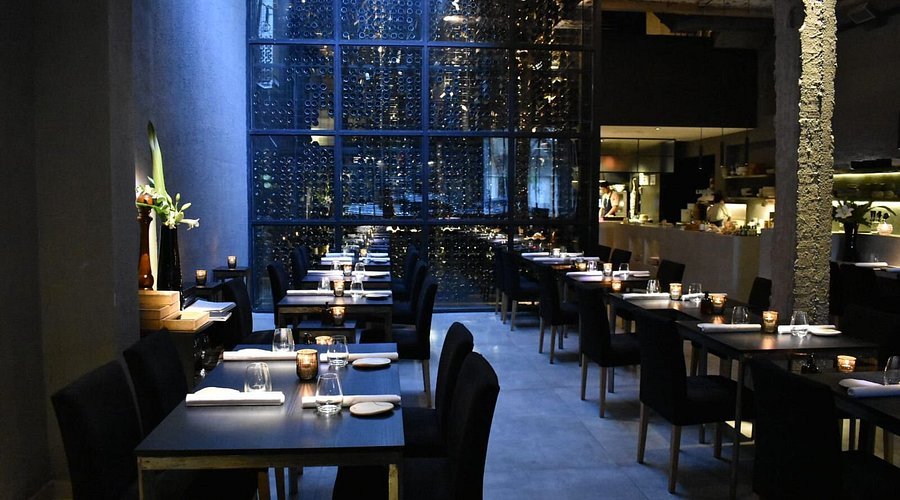
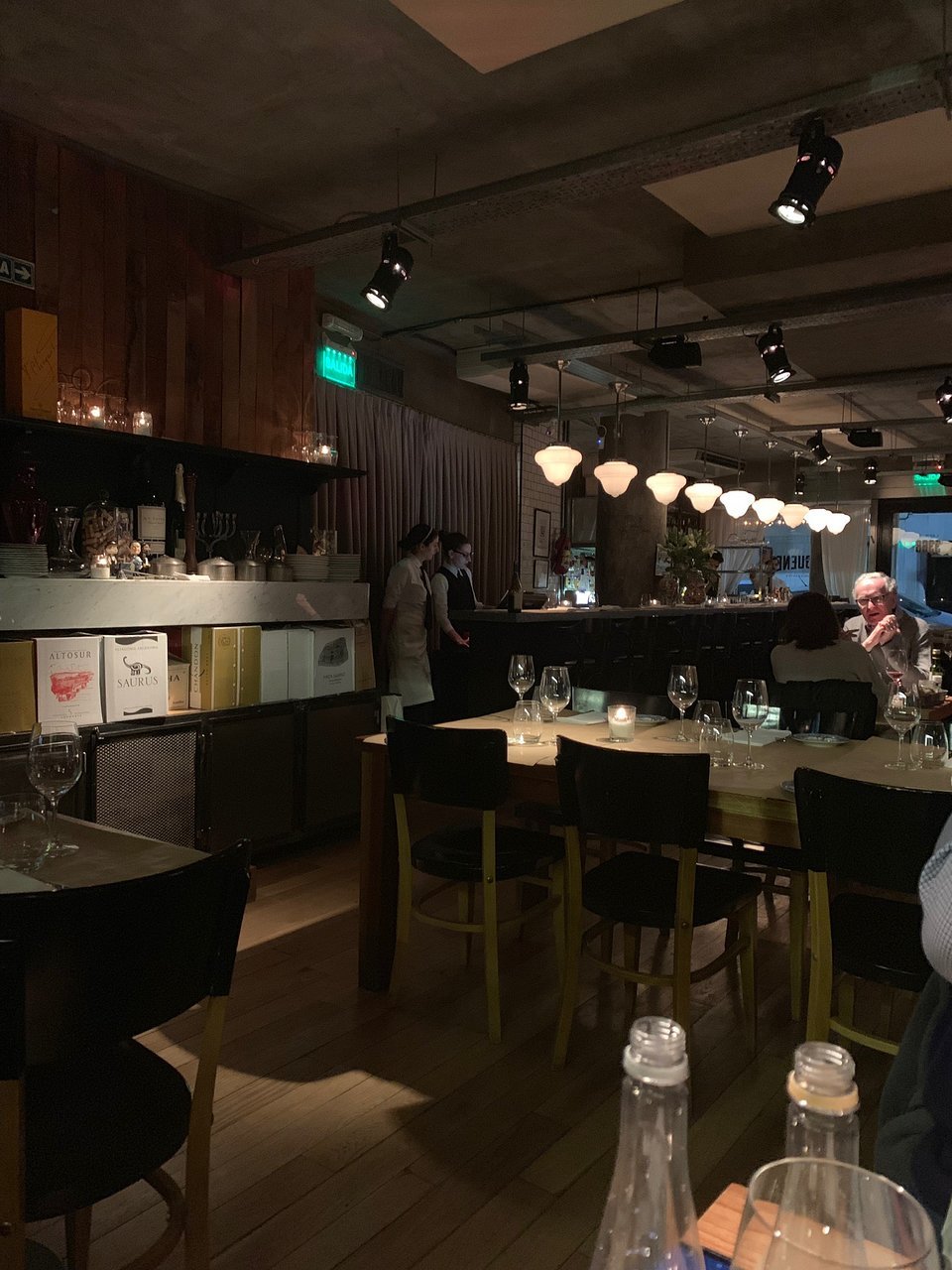
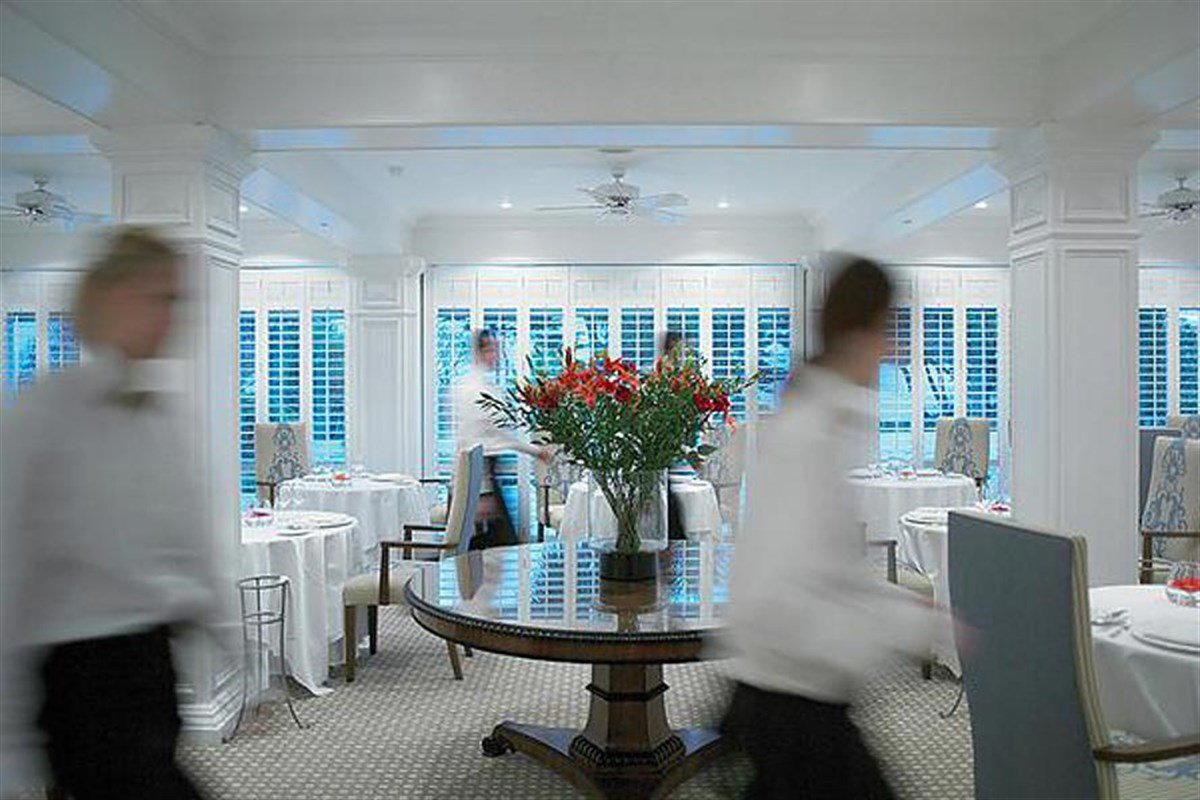
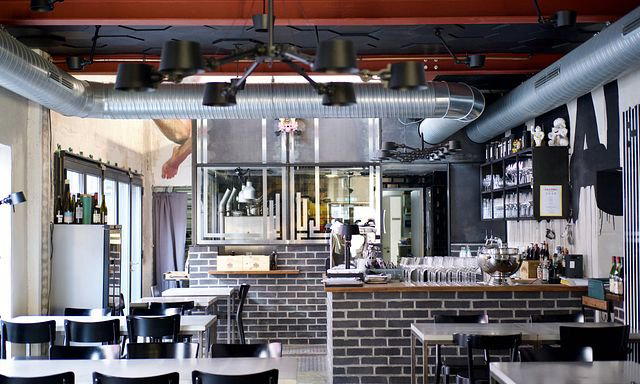
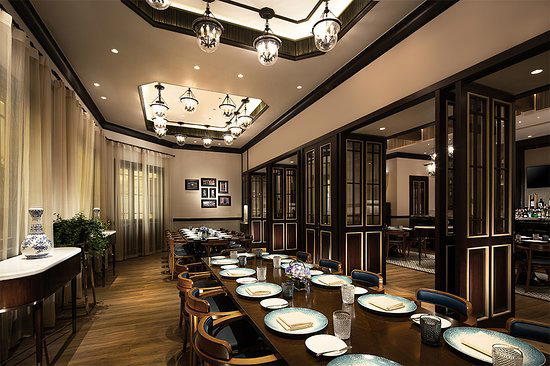
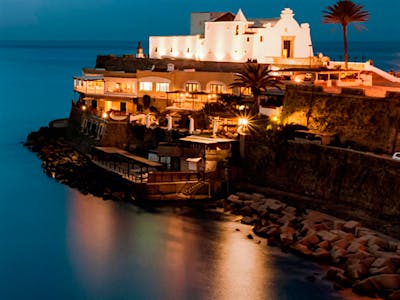
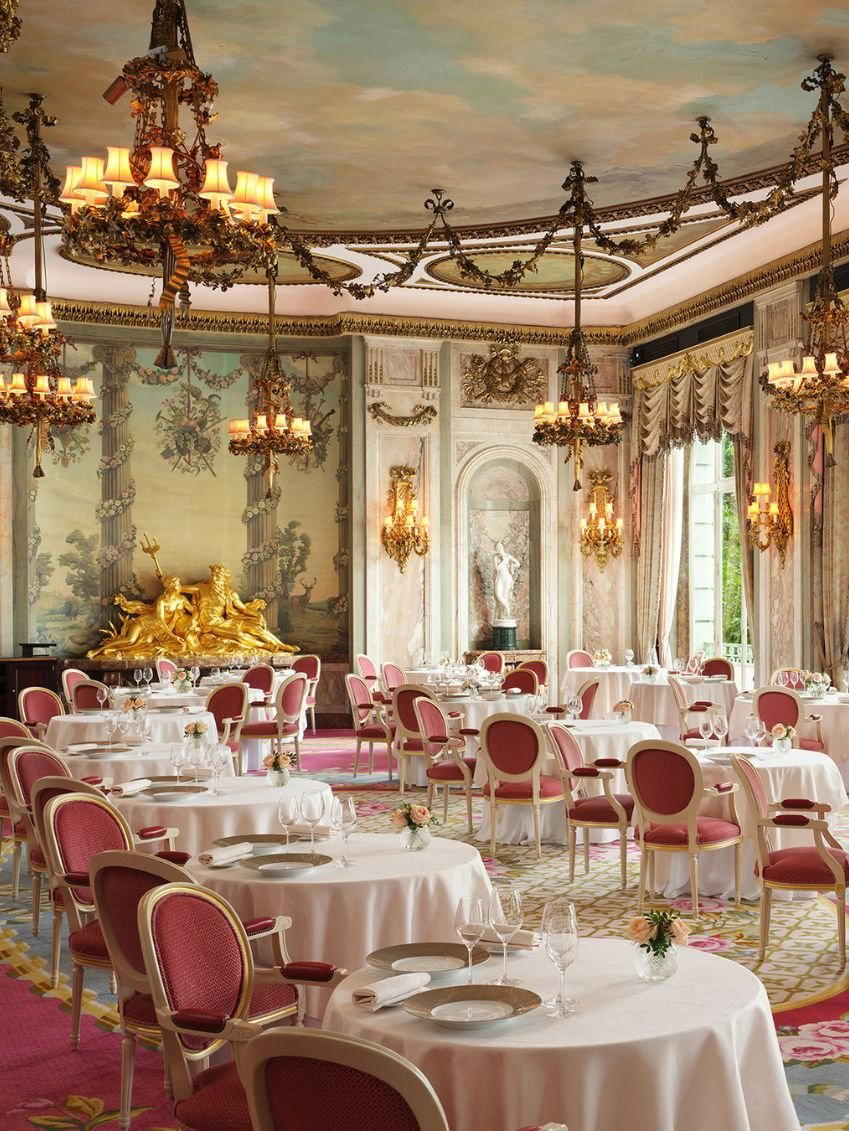
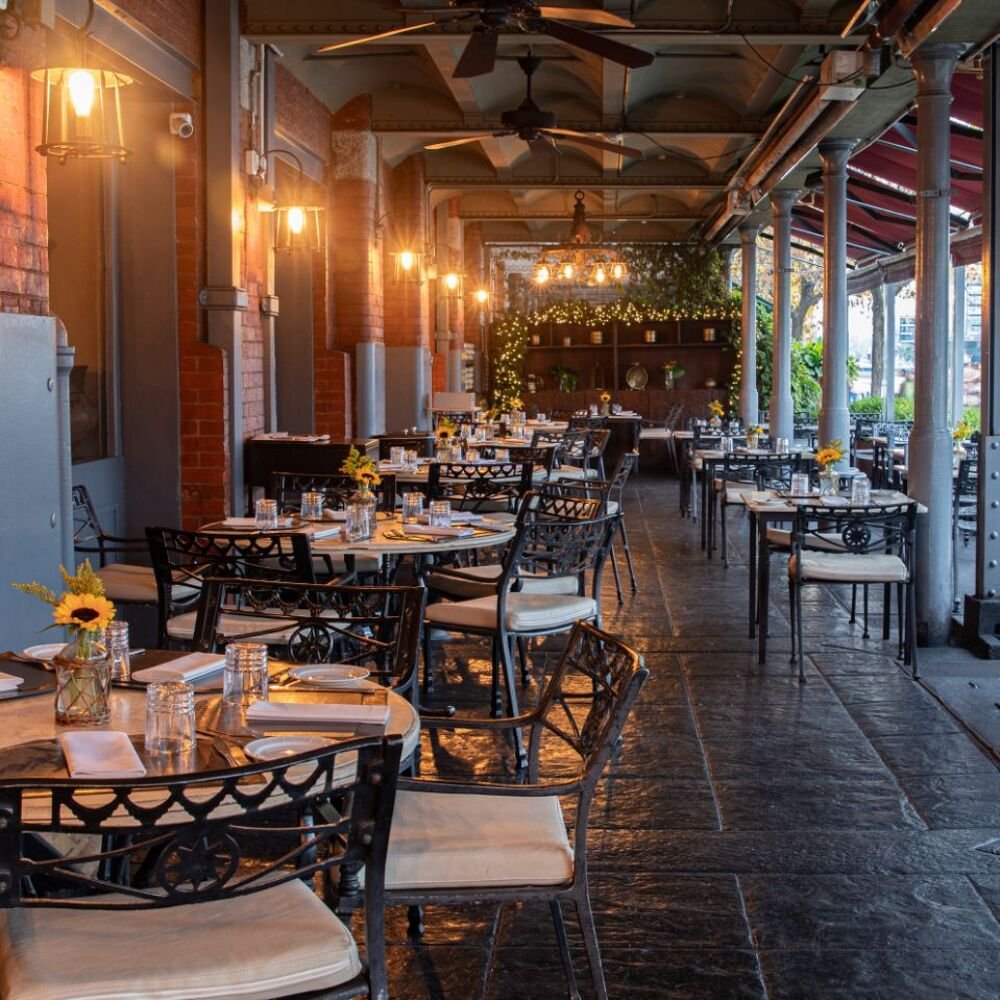
Puerto Madero is Buenos Aires at its most polished, wide promenades, converted brick warehouses, and a clientele that skews toward corporate dinners, visiting executives, and anniversaries. Cabaña Las Lilas fits that register precisely. The energy inside runs warm and animated without tipping into chaotic; expect a noise level that allows conversation across the table without effort, which matters when you are here for a meal that deserves full attention. The room feels substantial, and the waterfront address adds a sense of occasion that neighbourhood spots, however technically strong, cannot replicate. If atmosphere is part of what you are paying for, and at this price tier, it should be, the setting delivers.
What the Kitchen Does Well
Cabaña Las Lilas has built its reputation on a single, focused proposition: Argentine beef, sourced from its own estancia and executed on the grill with the consistency that Michelin's Plate recognition signals, reliable, serious cooking worth a detour. The Michelin Plate is not a star, but its two consecutive appearances (2024 and 2025) confirm that the kitchen meets an international quality threshold year on year. In a city where steakhouses range from tourist traps to genuinely world-competitive parrillas, that independent validation matters for a first-time visitor trying to sort signal from noise.
The focus on provenance, own-ranch sourcing, is worth taking seriously. Argentine grass-fed beef is technically distinct from grain-finished alternatives: leaner, with a mineral, grassy flavour profile that responds well to high-heat open-flame cooking. The kitchen at Cabaña Las Lilas works within that tradition at a level of precision that puts it several rungs above the mid-range parrilla circuit. For a visitor who wants to understand why Argentine beef has the reputation it does, this is a more instructive meal than a cheaper, less consistent option. For a local celebrating something, it is the address that does not require an explanation or an apology when the bill arrives.
Compared to the broader Buenos Aires grill tradition, represented at the sharp end by Don Julio, which operates at a higher price point and a longer wait for a table, Cabaña Las Lilas offers a more formal, service-forward experience. It is also worth knowing that the meats and grills category in Buenos Aires has strong representation across the price spectrum, from the serious craft cooking at CAUCE de los Fuegos to the tighter, neighbourhood-scaled operation at Corte Comedor. Cabaña Las Lilas occupies the upper tier of that range, where the room, the service, and the sourcing story are part of what you are buying.
Practical Considerations
Beyond Buenos Aires, if Argentina is a broader trip, the country's restaurant quality holds up well outside the capital. Azafrán in Mendoza pairs serious cooking with wine-country context, while Cavas Wine Lodge in Alto Agrelo offers a more immersive version of the same. For Patagonia, EOLO in El Calafate and La Bamba de Areco in San Antonio de Areco represent the estancia-dining tradition at its most considered. If the Iguazu region is on the itinerary, Awasi Iguazu in Puerto Iguazu is worth factoring in. For internationally comparable meats-and-grills benchmarks, Carcasse in Sint-Idesbald and Damini Macelleria and Affini in Arzignano both operate in the same serious grill-focused register.
For other Buenos Aires options at different price points and moods, Fogón Asado is worth considering, as is the modern cooking at Trescha if the occasion calls for something less meat-centric. See the full Buenos Aires restaurants guide for the complete picture, and the Buenos Aires hotels guide, bars guide, wineries guide, and experiences guide for planning the rest of the trip.
Know Before You Go
- Price range: $$$
- Awards: Michelin Plate 2024 and 2025
- Cuisine: Meats and Grills, Argentine beef, own-ranch sourcing
- Location: Av. Alicia Moreau de Justo 516, Puerto Madero, Buenos Aires
- Booking difficulty: Moderate, reserve in advance for evenings and weekends
- Leading for: Business dinners, special occasions, first-time visitors who want a benchmark Argentine beef experience
- Dress code: Smart casual to smart; Puerto Madero skews polished
Frequently Asked Questions
Is the tasting menu worth it at Cabaña Las Lilas?
- Cabaña Las Lilas is primarily a parrilla, not a tasting-menu restaurant, so the decision is less about a set menu and more about whether the à la carte beef programme justifies the $$$ price tier. Given back-to-back Michelin Plate recognition and own-ranch sourcing, the answer is yes for a special occasion or a benchmark Argentine beef meal. For everyday dining or a tighter budget, consider Corte Comedor instead.
What should a first-timer know about Cabaña Las Lilas?
- The address is Puerto Madero, Buenos Aires's most developed waterfront district, easy to reach but not a neighbourhood you stumble into. The menu centres on Argentine beef from the venue's own estancia; first-timers should prioritise the primary cuts rather than supplementary dishes. The kitchen's Michelin Plate status (2024 and 2025) signals consistent technical quality. Budget $$$ per head and expect a formal-leaning room. Book ahead, particularly for evenings.
Can Cabaña Las Lilas accommodate groups?
- The room is substantial, which makes it more group-friendly than many Buenos Aires restaurants at this price point. For groups of six or more, contact the restaurant directly about table arrangements, no phone number is listed on Pearl, so use the venue's website or email to confirm availability. For very large groups in Buenos Aires at the $$$ tier, it is worth comparing against El Colibrí or checking the full Buenos Aires restaurants guide for private dining options.
What should I wear to Cabaña Las Lilas?
- Smart casual is the baseline; the Puerto Madero setting and the $$$ price tier mean the room skews polished. You will not be turned away for neat jeans, but business-casual or a dress code equivalent to a mid-upscale restaurant in any major city is the right frame. Overly casual sportswear would feel out of place.
What are alternatives to Cabaña Las Lilas in Buenos Aires?
- For beef at a higher price point with more neighbourhood character, Don Julio ($$$$) is the comparison most locals reach for, harder to book, more informal room, arguably the highest-profile parrilla in the city. For a cheaper cut without sacrificing quality, La Carniceria ($$) delivers serious grill work at a fraction of the price. If the occasion warrants something entirely different, Aramburu ($$$$) is the modern Argentine option for a tasting-menu format.
Is Cabaña Las Lilas good for a special occasion?
- Yes, it is one of the more reliable special-occasion choices in Buenos Aires at the $$$ tier. The waterfront setting, the formal-leaning room, the consistent Michelin Plate recognition, and the own-ranch beef sourcing all combine to make it an address where the occasion feels supported rather than incidental. For an anniversary or a milestone business dinner, it competes well against Elena ($$$) and delivers a more focused beef experience than broader South American options at the same price point.
Is Cabaña Las Lilas worth the price?
- At $$$, yes, provided you are here for Argentine beef and the full occasion experience rather than a quick meal. If you want comparable beef quality at lower spend, La Carniceria ($$) is the value alternative. If price is secondary and you want the highest-profile parrilla in the city, Don Julio ($$$$) is the upgrade.
Planning details
- Location
- Av. Alicia Moreau de Justo 516, C1107 Cdad. Autónoma de Buenos Aires, Argentina
- Reservations
- Book on the venue's website
- Website
- restaurantlaslilas.com.ar
- Phone
- +54 11 4313-1336
The take
The Take
The Vibe
Cabaña Las Lilas reads like a high-watermark Puerto Madero parrilla: large, polished dining rooms with clear architectural confidence and a measured, ritualized approach to fire and cuts. The room foregrounds certainty and spectacle over informality, so the experience leans toward classic steakhouse refinement rather than rustic backyard grilling. Service and pacing are deliberate—the kitchen stages an asado that arrives in a recognized sequence—so the overall impression is sophisticated and composed, a place that honors the parrilla tradition at scale while keeping the focus firmly on expertly managed beef and a reliably elevated dining environment.
Best For
This is a steakhouse built to deliver consistent, assured dinners for diners who expect ceremony and quality. It suits groups and business clients who favor a reliable, show-staged meal as much as solo devotees of great Argentine beef; the room’s scale and pacing make it especially appropriate for celebrations and formal evenings out. Because the service is purposely unhurried and cuts are presented in sequence, it’s less of a quick-stop lunch spot and more a place to plan for a full, attentive dinner where the ritual of the asado is central to the occasion.
Ordering Tips
Embrace the parrilla ritual: expect cuts to arrive in sequence and allow the kitchen to manage timing—the copy warns that underdone impatience is considered a diner’s misstep. Lean into the house signatures (ojo de bife, bife de chorizo, ribeye) when choosing meats, and plan to share plates so you can experience multiple cuts. Ask the server about the kitchen’s recommended sequence and timing, and be prepared for a measured pacing rather than a rapid tasting-menu tempo; trust the parrillero’s approach to heat and doneness for the best expression of the beef.
Venue details
Ambiance
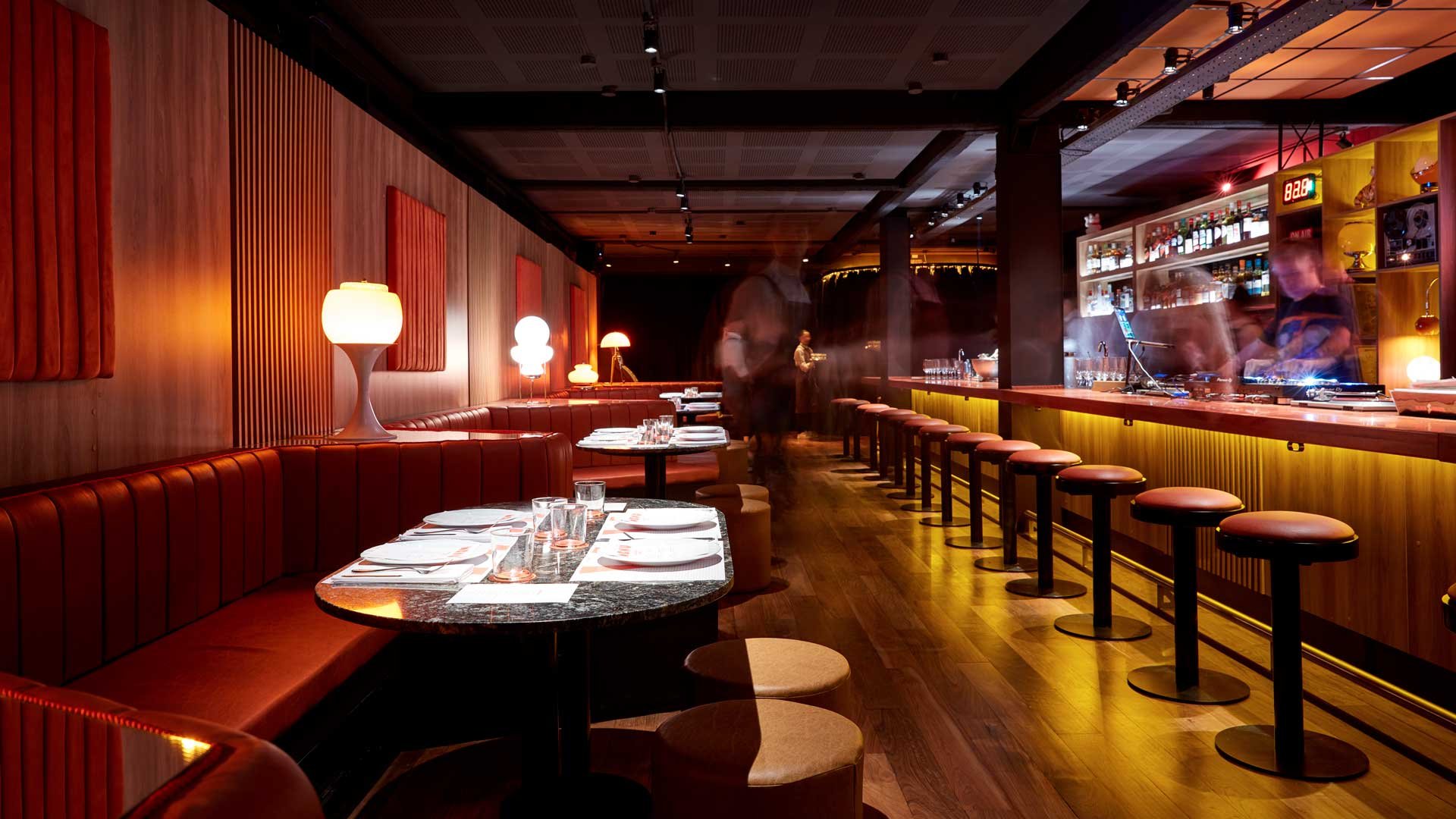
Pleasant and refined atmosphere with cozy rustic elements, scenic river views from the terrace, and an elegant dining room.
Tags
Vibe
Best For
Experience
View
At the Table
- Dress Code
- Smart Casual
- Noise Level
- Conversational
- Service Style
- Upscale Casual
- Meal Pacing
- Leisurely
- Capacity
- Large
- Kitchen
- Traditional
- Menu Format
- A la carte
- Wine Program
- Exceptional
- Outdoor Seating
- Yes
Signature Dishes
- ojo de bife
- bife de chorizo
- ribeye
Know before you go
Know Before You Go
- Getting there
- Av. Alicia Moreau de Justo 516, C1107 Cdad. Autónoma de Buenos Aires, Argentina
Planning details
Location
Av. Alicia Moreau de Justo 516, C1107 Cdad. Autónoma de Buenos Aires, Argentina · Directions
Recognition and awards
Also consider
Also Consider
- Don Julio, Argentinian Steakhouse, $$$$
- Aramburu, Modern Argentinian, Creative, $$$$
- El Preferido de Palermo, Argentinian, Traditional Cuisine, $$
- Elena, South American, Steakhouse, $$$
- La Carniceria, Argentinian Steakhouse, Meats and Grills, $$
Restaurant context
Cabaña Las Lilas and Don Julio ($$$$) are both serious parrillas, but the occasions they serve differ. Don Julio brings more neighbourhood energy in Palermo and is harder to book. Cabaña Las Lilas is more service-forward, with a polished Puerto Madero setting that suits business dinners and celebrations. Choose Don Julio for the city's most high-profile parrilla experience when you are prepared to plan ahead; choose Cabaña Las Lilas for a formal occasion centred on reliable, Michelin-recognised Argentine beef.
La Carniceria ($$) is the sensible lower-cost choice for credible grill work in a casual setting. El Preferido de Palermo ($$) offers traditional Argentine cooking with a neighbourhood feel, though it is not a direct substitute for a special-occasion beef meal. At the same $$$ tier, Elena provides a broader South American menu in a hotel setting, making it the better option for groups with mixed preferences; Cabaña Las Lilas keeps the focus firmly on beef.
For a different kind of occasion, Aramburu ($$$$) offers creative cooking in a tasting-menu format. It competes for the same special-occasion budget without competing on food type. Pick Aramburu for a chef-driven progression across courses; pick Cabaña Las Lilas for grilled Argentine beef, polished service, and a room that carries the occasion.
Around this place
Discover more on Pearl
Unlock the full Cabaña Las Lilas guide in Pearl, including awards, comparisons, FAQs, planning details, and nearby places.
Compare Cabaña Las Lilas
| Venue | Cuisine | Price | Booking Difficulty | Awards |
|---|---|---|---|---|
| Cabaña Las Lilas | Meats and Grills | $$$ | Moderate | Michelin Guide Buenos Aires & Mendoza 20262025 Michelin Plate2024 Michelin Plate |
| Don Julio | Argentinian Steakhouse | $$$$ | Unknown | 2026 OAD Top Restaurants in South America Ranked · #8Star Wine Lists 2026Michelin Guide Buenos Aires & Mendoza 20262026 La Liste Top Restaurants2025 World's Best Steaks 101 Best Steak Restaurants · #12025 Latin America's 50 Best Restaurants · #32025 OAD Top Restaurants in South America Ranked · #42025 World's 50 Best Restaurants · #102025 Michelin 1 Star |
| Aramburu | Modern Argentinian, Creative | $$$$ | Unknown | 2026 OAD Top Restaurants in South America Ranked · #22Michelin Guide Buenos Aires & Mendoza 2026Star Wine Lists 20262026 Relais Chateaux Restaurants2026 Les Grandes Tables du Monde Members2026 La Liste Top Restaurants2025 OAD Top Restaurants in South America Ranked · #182025 Latin America's 50 Best Restaurants · #352025 The Best Chef Three Knives |
| El Preferido de Palermo | Argentinian, Traditional Cuisine | $$ | Unknown | 2026 OAD Top Restaurants in South America Ranked · #26Star Wine Lists 2026Michelin Guide Buenos Aires & Mendoza 20262025 Latin America's 50 Best Restaurants · #242025 OAD Top Restaurants in South America Ranked · #252025 Michelin Plate2024 Michelin Plate2023 OAD Top Restaurants in South America Ranked · #29 |
| Elena | South American, Steakhouse | $$$ | Unknown | 2026 OAD Top Restaurants in South America Ranked · #472026 World's Best Steaks 101 Best Steak Restaurants · #54Star Wine Lists 2026Michelin Guide Buenos Aires & Mendoza 20262026 Wine Spectator Award of Excellence2025 OAD Top Restaurants in South America Ranked · #402025 World's Best Steaks 101 Best Steak Restaurants · #562025 Michelin Plate2024 OAD Top Restaurants in South America Ranked · #49 |
| La Carniceria | Argentinian Steakhouse, Meats and Grills | $$ | Unknown | 2026 OAD Top Restaurants in South America Ranked · #402025 OAD Top Restaurants in South America Ranked · #312024 OAD Top Restaurants in South America Ranked · #222024 Michelin Plate2023 OAD Top Restaurants in South America Ranked · #32 |
.png?width=1200&quality=80)










What to weigh when choosing between Cabaña Las Lilas and alternatives.
FAQ
Frequently Asked Questions
Is the tasting menu worth it at Cabaña Las Lilas?
Cabaña Las Lilas is primarily a parrilla rather than a tasting-menu restaurant, so the decision is whether its à la carte beef programme justifies the $$$ price tier. Given back-to-back Michelin Plate recognition in 2024 and 2025 and own-ranch sourcing, the answer is yes for a special occasion or benchmark Argentine beef meal. For creative progression across courses, Aramburu is a better fit.
What should a first-timer know about Cabaña Las Lilas?
Book in advance, particularly for evenings. The restaurant is in Puerto Madero at Av. Alicia Moreau de Justo 516, a polished waterfront district that is easy to reach but not a neighbourhood you stumble into. The menu centres on Argentine beef from the venue's own estancia, and the Michelin Plate status in 2024 and 2025 signals consistent technical quality.
Can Cabaña Las Lilas accommodate groups?
Yes. The substantial room makes it more group-friendly than many Buenos Aires restaurants at this price point, and groups of 6 or more should contact the restaurant directly about table arrangements. Confirm availability and any group requirements when booking.
What should I wear to Cabaña Las Lilas?
Smart casual is the baseline. The Puerto Madero setting and $$$ price tier mean the room skews polished; business-casual attire or the equivalent effort is appropriate. Neat jeans are acceptable, but overly casual sportswear would feel out of place.
What are alternatives to Cabaña Las Lilas in Buenos Aires?
Don Julio is the direct comparison for beef at a higher price point with more neighbourhood character. El Preferido de Palermo offers a cheaper, more traditional setting. For a tasting-menu format, Aramburu is the modern Argentine option. Elena covers upscale hotel dining at a similar price tier.
Is Cabaña Las Lilas good for a special occasion?
Yes, particularly when the occasion calls for a classic, beef-centred dinner. The waterfront setting, formal-leaning room, own-ranch sourcing, and Michelin Plate recognition in 2024 and 2025 make it a reliable choice for anniversaries, business dinners, and milestone celebrations.
Is Cabaña Las Lilas worth the price?
At $$$, yes, provided you are there for Argentine beef and the full occasion experience rather than a quick meal. Cabaña Las Lilas earns its price through sourcing, setting, service, and reliability. If value is the priority, La Carniceria offers serious grill work at a lower price point; if price is secondary, Don Julio is the higher-profile upgrade.