.png?width=1200&quality=80)
Nobu Budapest
€€€€ · Japanese · Belvaros, Budapest
Restaurant in Budapest, Hungary
 Book with Pearl
The Read
Japanese-Peruvian Fusion Counter
Price
$50–100per person
Dress
Smart Casual
Why go
Nobu Budapest brings the brand's Japanese-Peruvian format to Erzsébet tér with Michelin Plate recognition (2024 and 2025) and. Booking is easy compared to other global Nobu outposts, making it the most accessible option for serious Japanese food in Budapest. At €€€€, it earns its price if Japanese cuisine is your priority; for Hungarian fine dining at the same tier, Babel or Costes deliver stronger local value.
About Nobu Budapest
Should You Book Nobu Budapest?
Nobu Budapest is easier to get into than you might expect from a globally recognised Japanese restaurant in a prime city-centre location on Erzsébet tér. Booking difficulty is rated easy, which means you are not fighting a 6-week waitlist the way you would at Nobu London or Nobu Milan. That accessibility actually raises a useful question: if it is not hard to get in, is it still worth the €€€€ price point? The short answer is yes — but with conditions. If you are in Budapest and want serious Japanese cooking at a top-end price, Nobu is your clearest option in the city. If you are cross-shopping against Budapest's Hungarian fine dining scene, the calculus is more nuanced.
The Room and the Setting
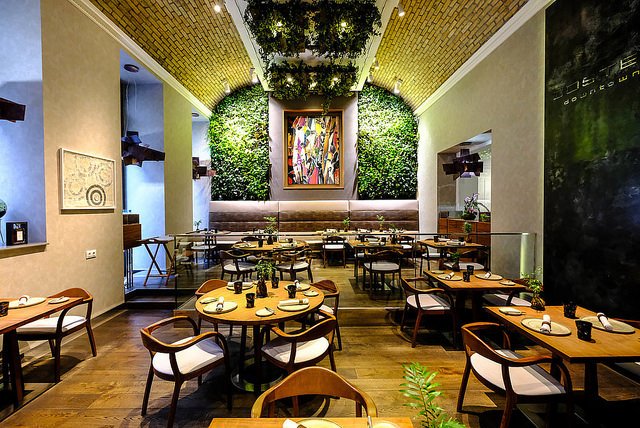
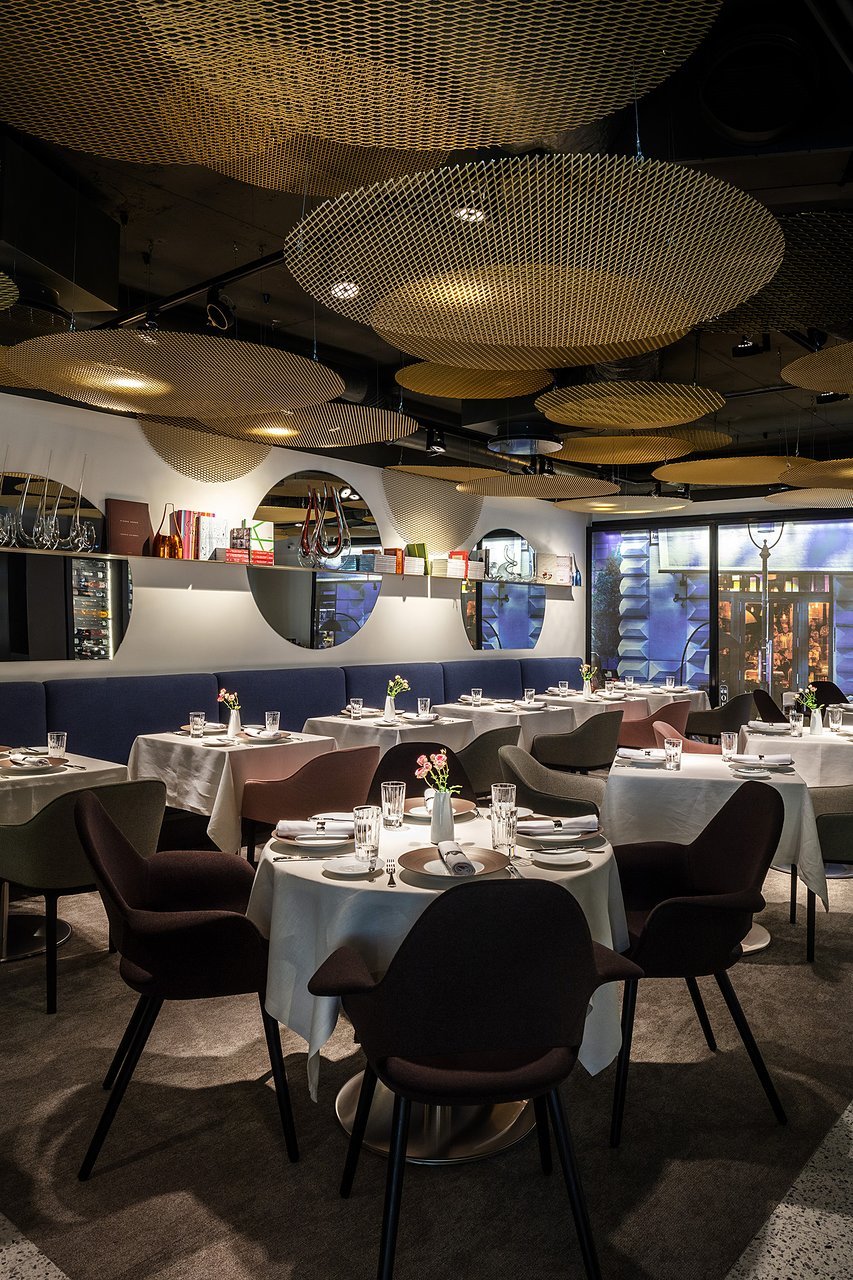
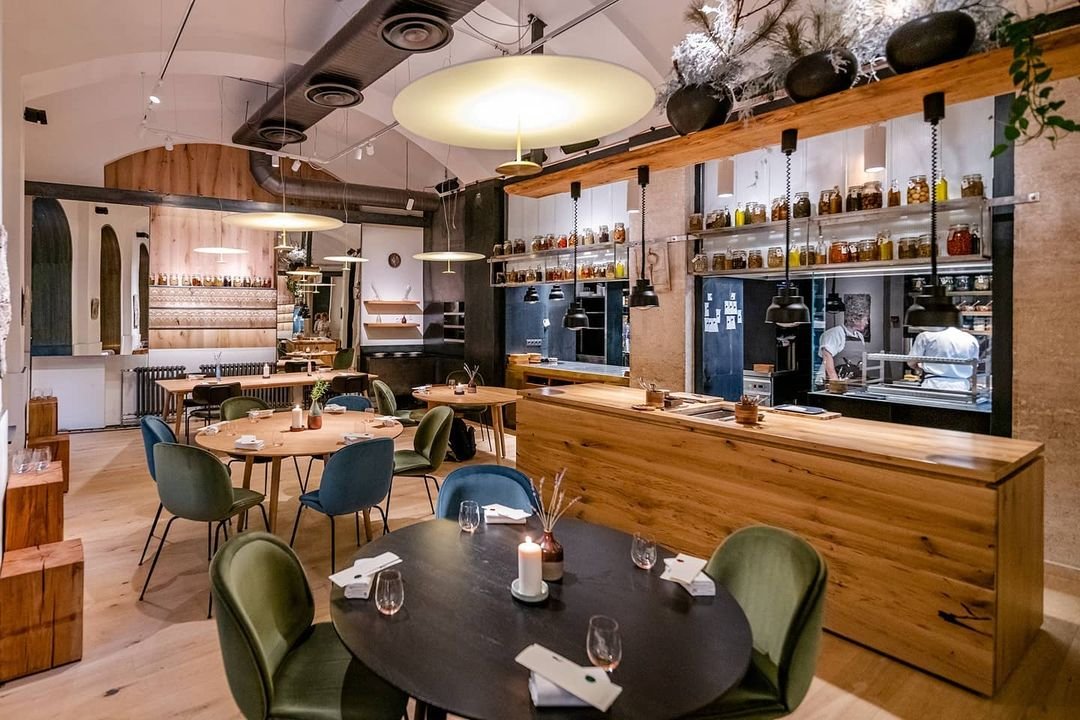
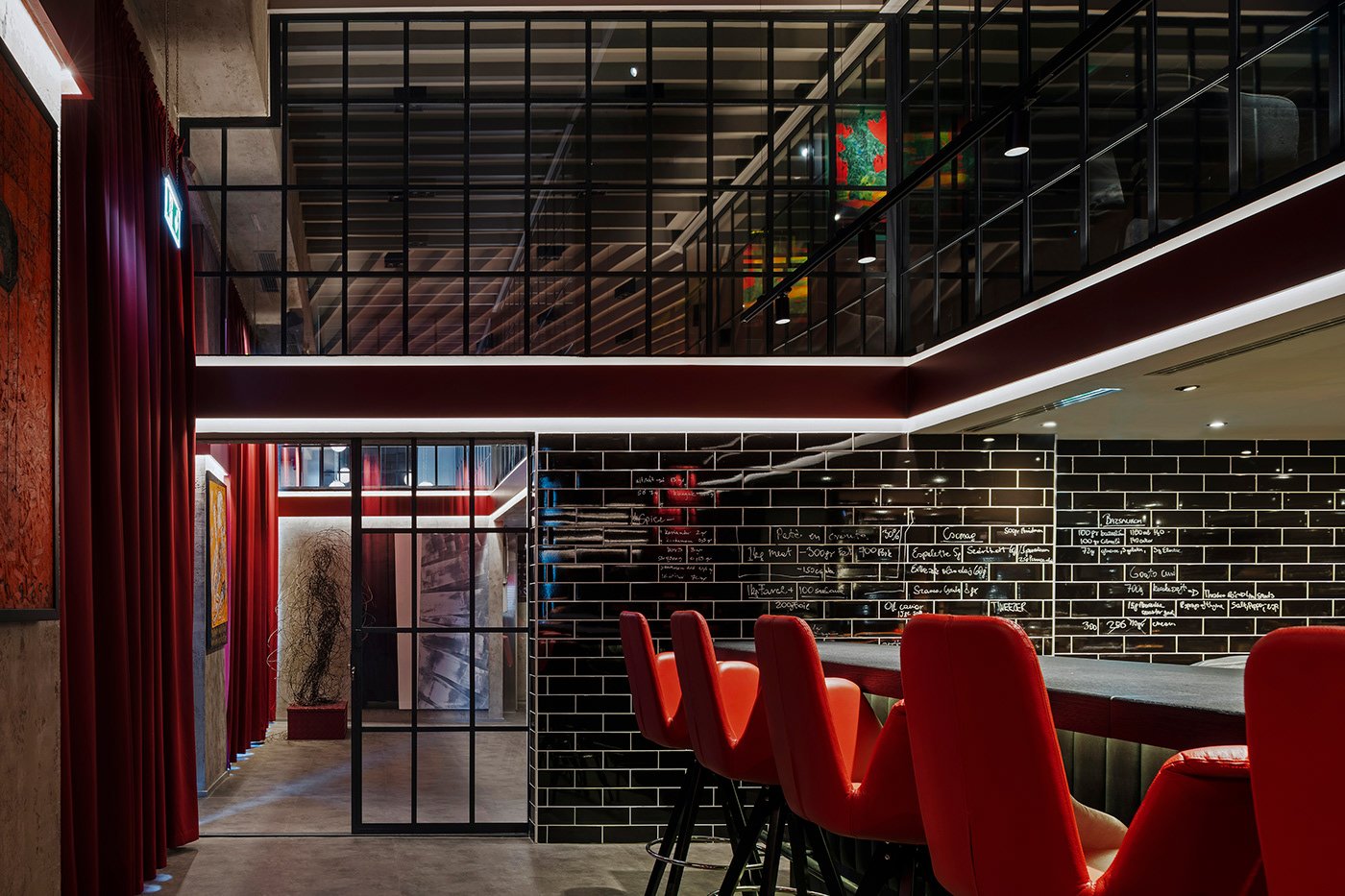
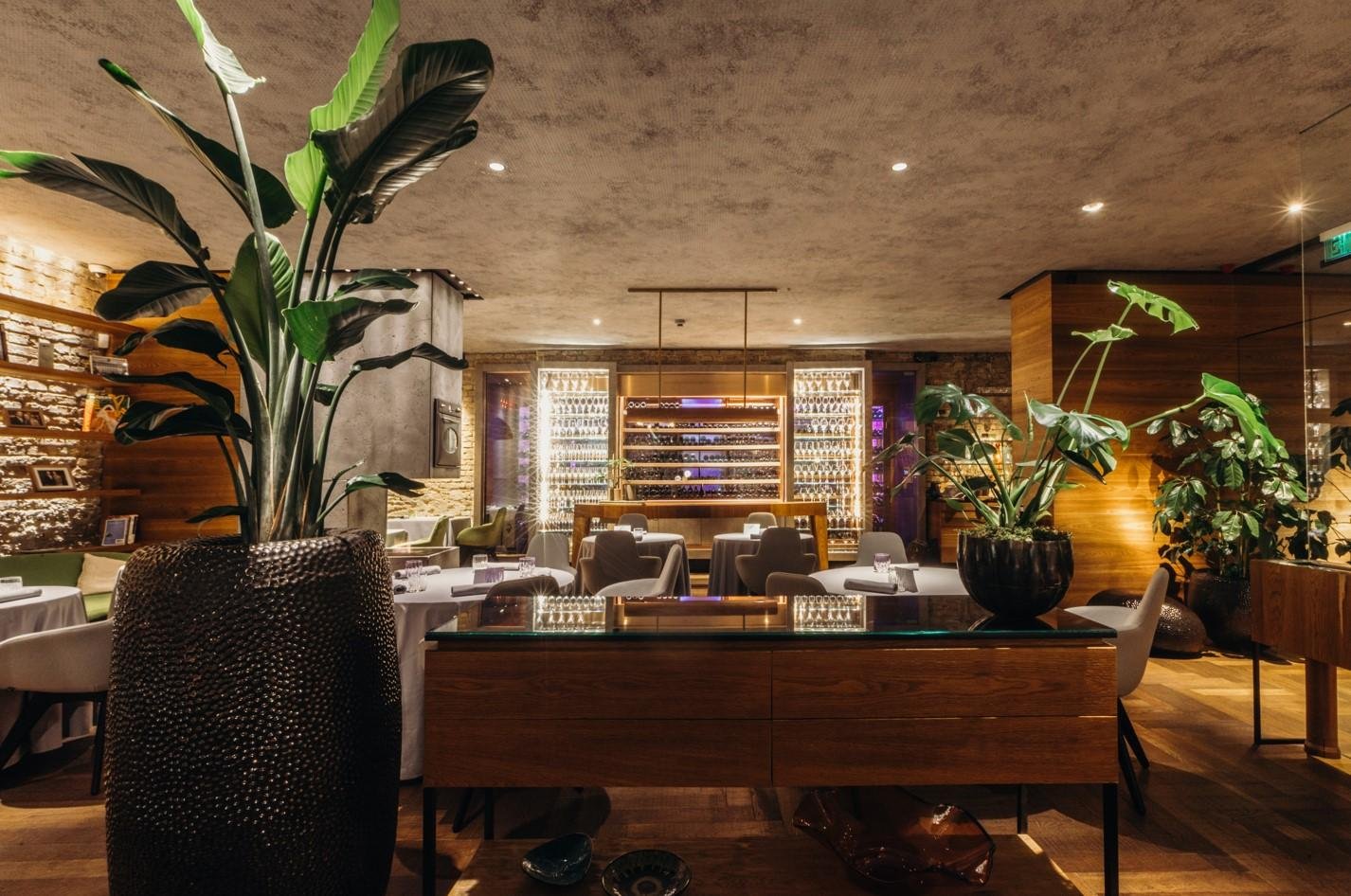
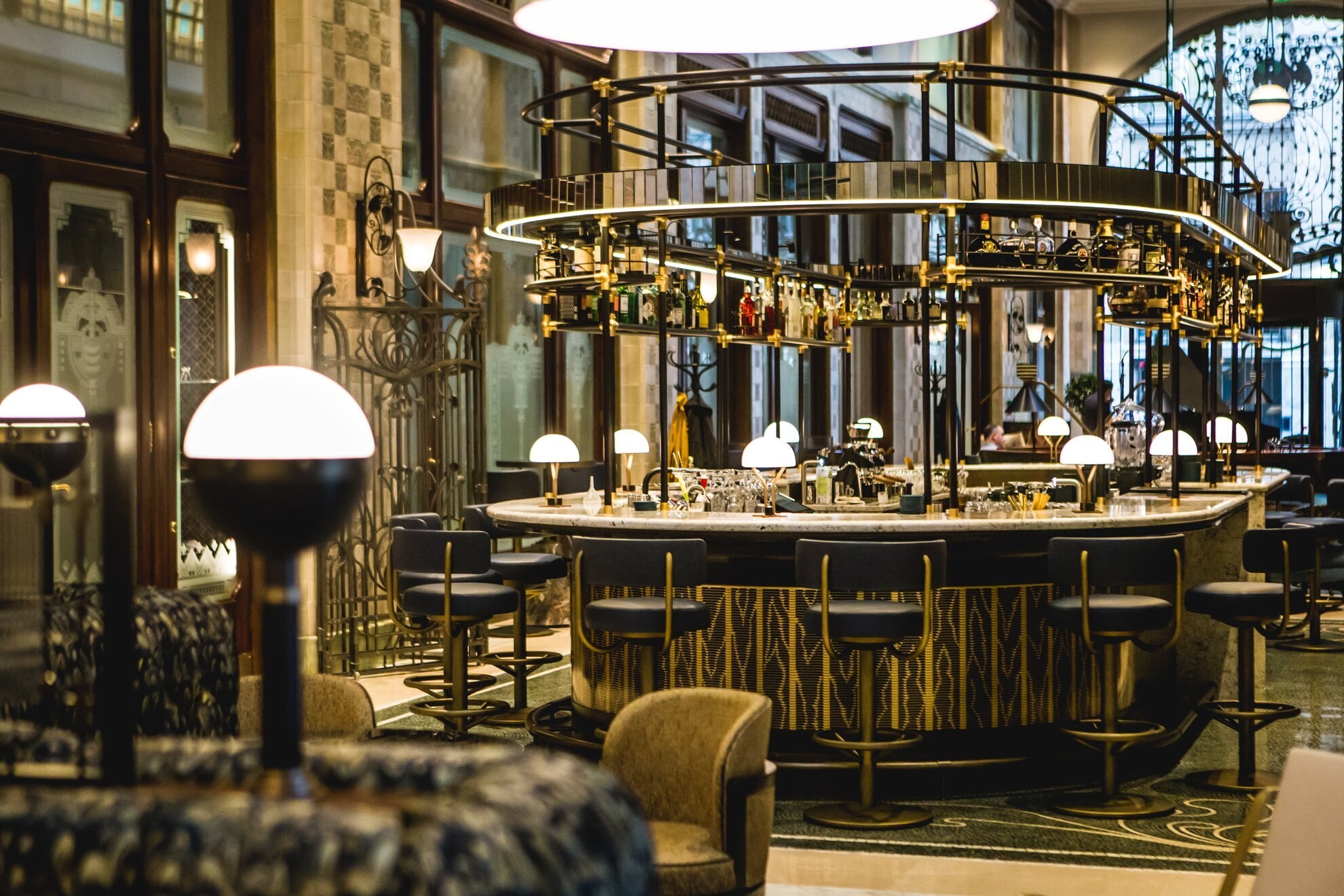
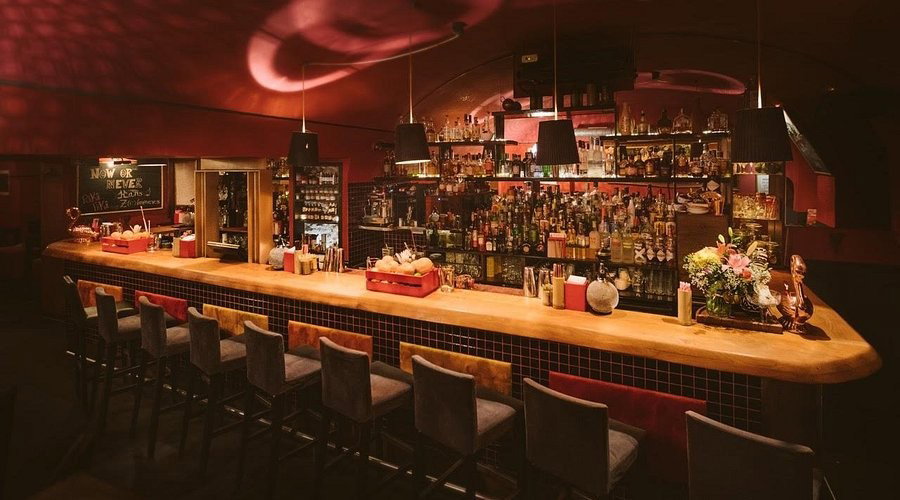
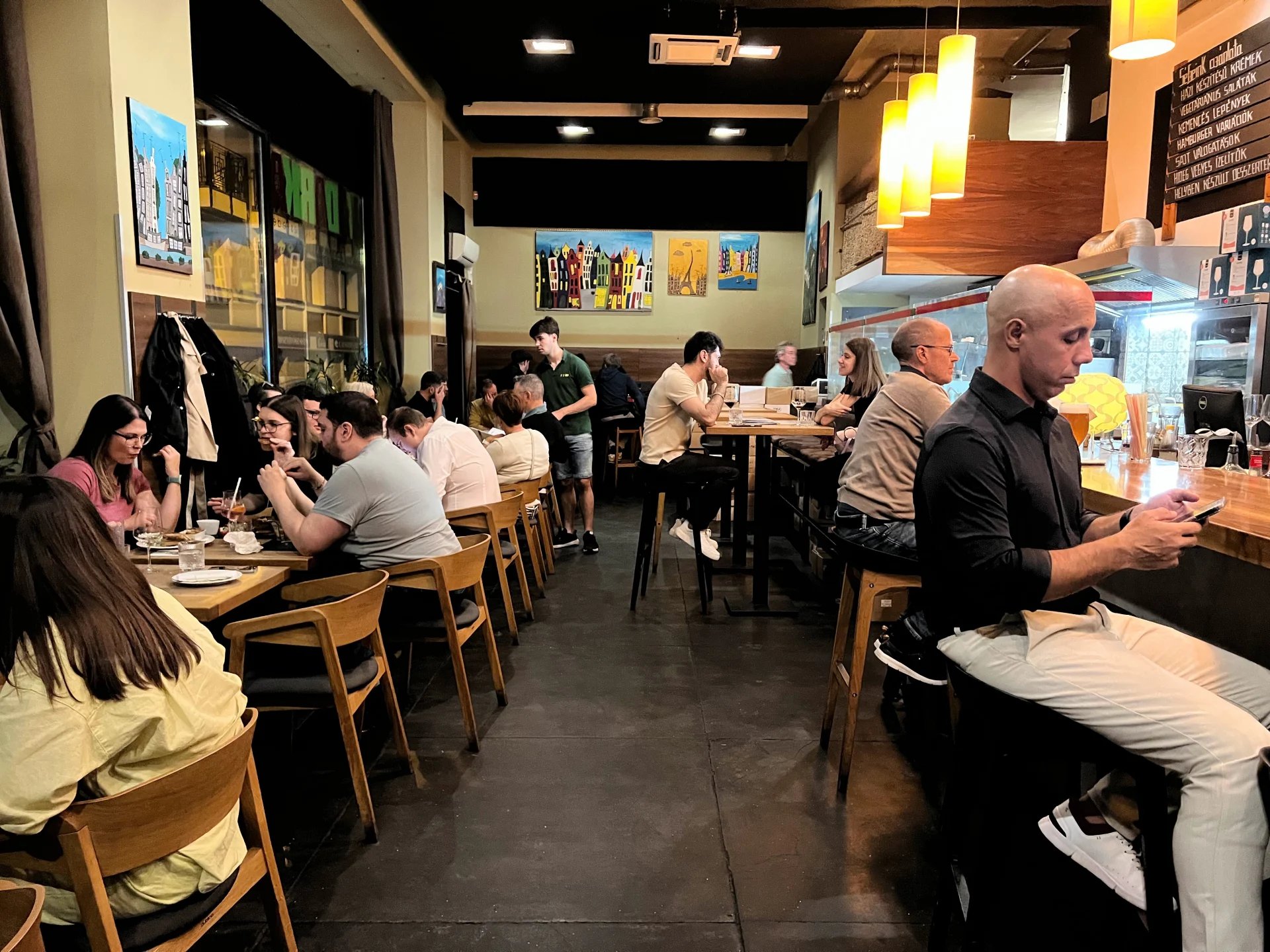
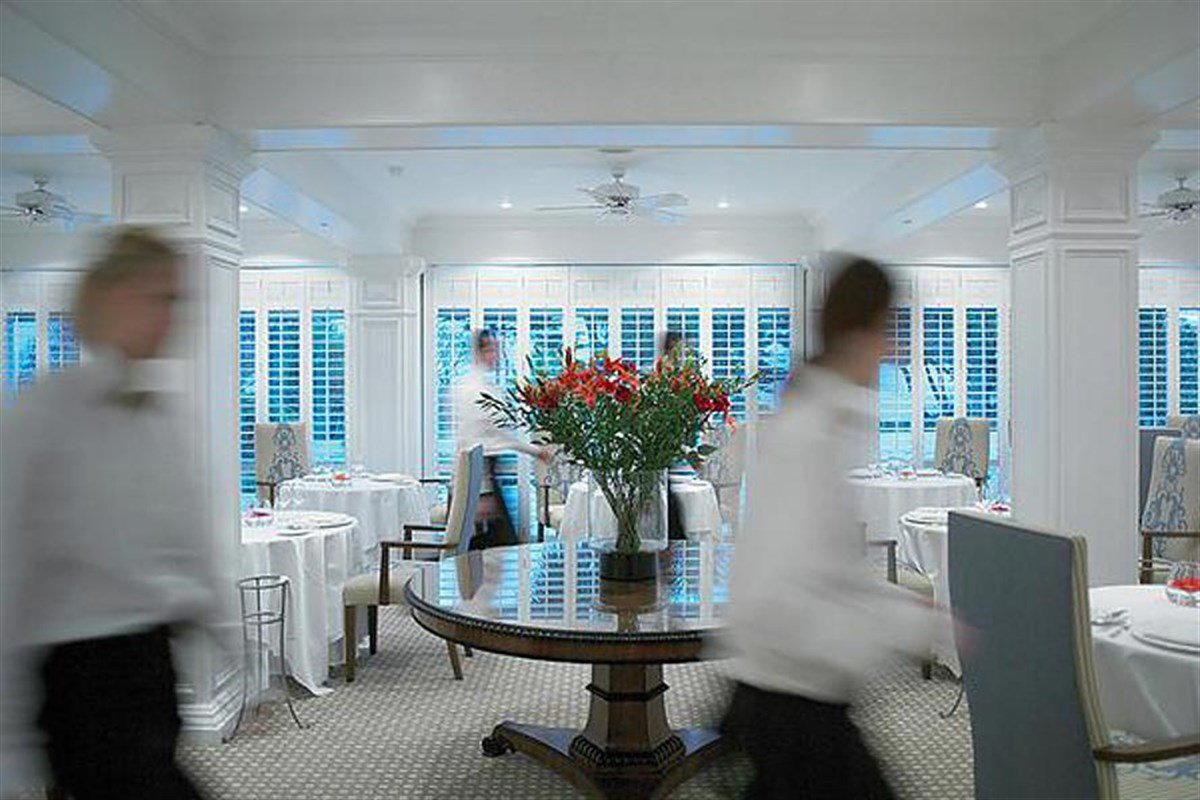
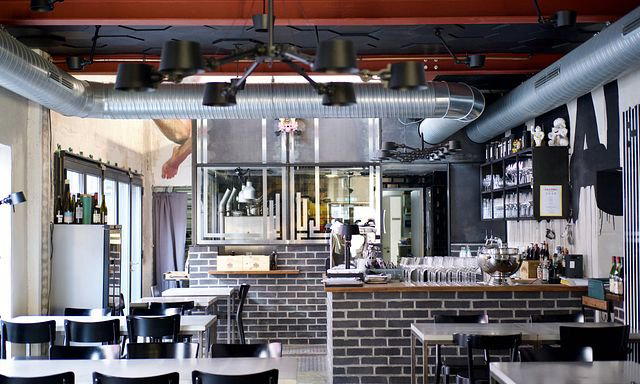
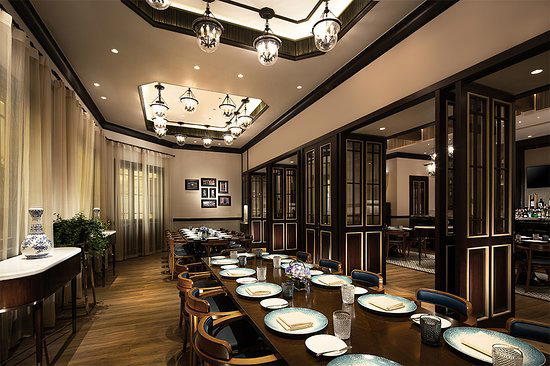
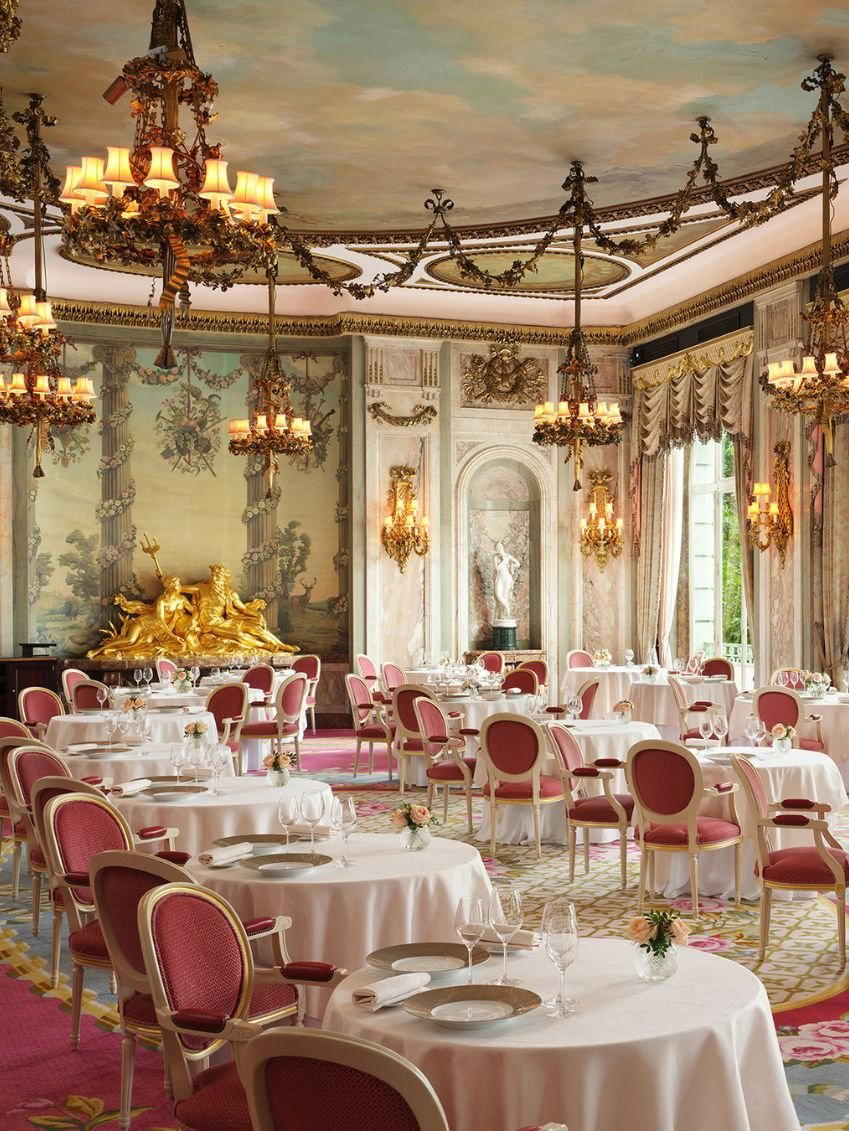
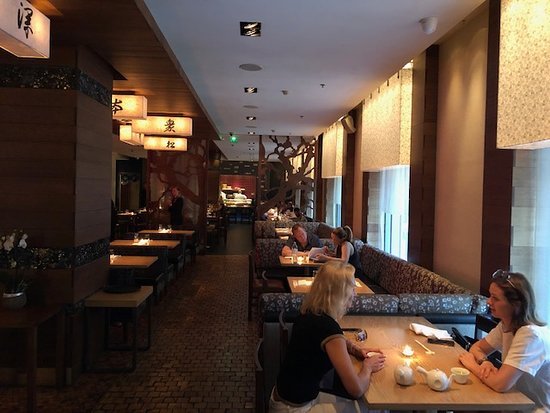
Nobu Budapest sits at Erzsébet tér 7-8, in the heart of the city's inner district, a square that anchors some of Budapest's most recognisable dining and nightlife. Visually, expect the kind of considered, minimal Japanese-influenced interior design the Nobu brand has refined across its global portfolio: clean lines, warm lighting, a bar that draws the eye as much as the dining room itself. For a city where the dominant aesthetic in fine dining leans toward ornate heritage interiors, Nobu's room reads as deliberately counter-programmed — and that contrast works in its favour if you are looking for something that feels different from a Budapest night out at, say, Babel or Costes.
The Drinks Program: A Reason to Come Early
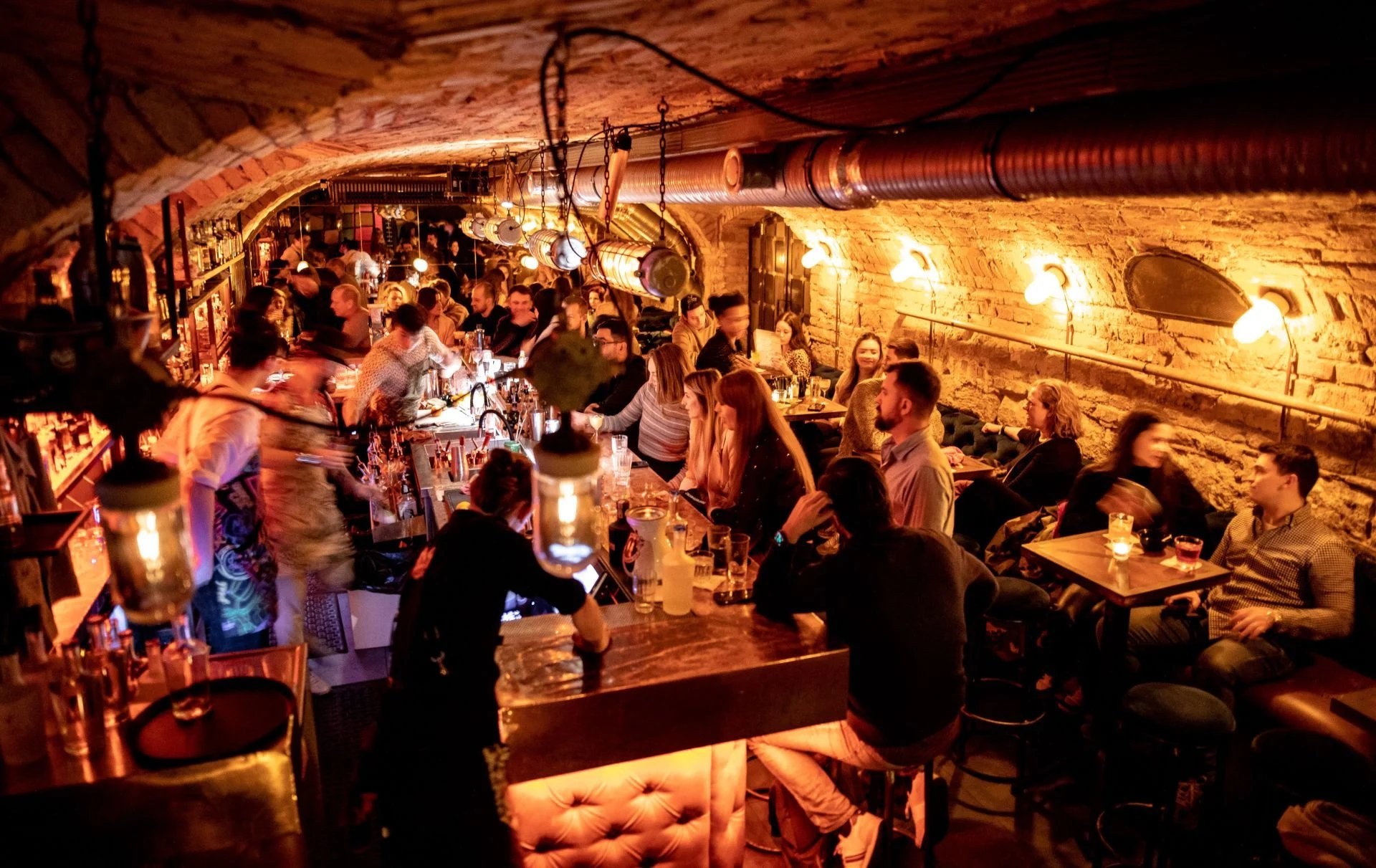
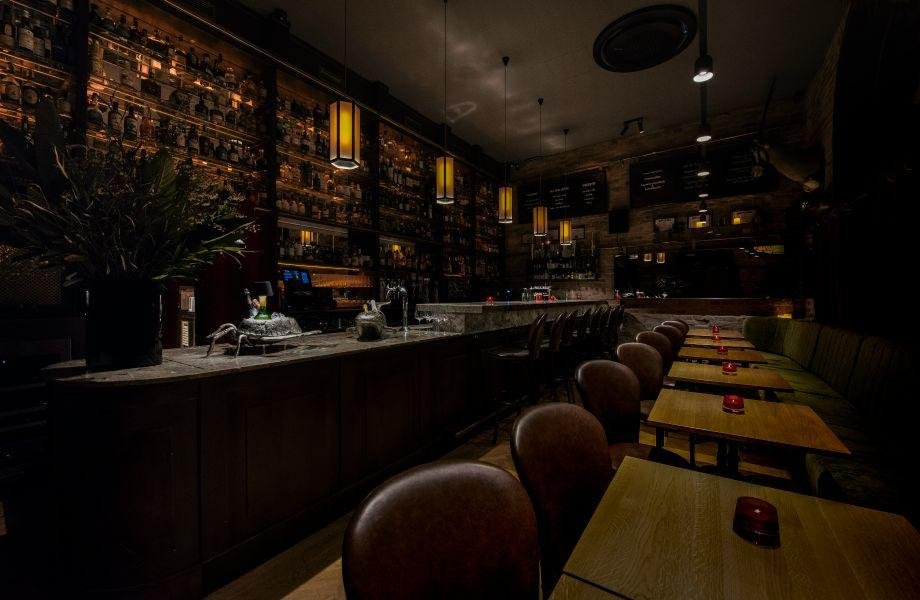
For a venue at this price tier, the bar at Nobu Budapest deserves attention as a standalone destination, not just a waiting area. Nobu's global cocktail program is built around Japanese spirits, yuzu-forward citrus profiles, and sake-based builds, a category that remains underrepresented in Budapest's broader bar scene. If you want to benchmark what a well-resourced Japanese cocktail program looks like in Central Europe, this is your clearest point of comparison in the city. The bar area also gives you a practical option: if you want the Nobu experience without committing to a full dinner at €€€€ pricing, an early evening stint at the bar with a few smaller plates is a legitimate strategy. Come before 8 PM on a weekday and you are likely to find the bar at a pace that allows for conversation, which matters if you are using the drinks program as your primary reason to visit. After that, the room fills and the energy shifts toward a louder dinner-crowd atmosphere. For quieter cocktail alternatives in Budapest, our full Budapest bars guide covers the broader scene.
The Food: Michelin Plate Recognition in Context
Nobu Budapest holds a Michelin Plate for 2024 and 2025. To be precise about what that means: a Michelin Plate signals that inspectors consider the cooking good, but it is not a starred recommendation. It is a mark of quality without the highest distinction. For Japanese food specifically, that framing is useful, it tells you the kitchen is executing at a consistent level, but you are not booking a once-in-a-decade tasting experience. You are booking a reliably polished Japanese meal in a city where that is genuinely rare. The Nobu signature format, black cod, yellowtail, rock shrimp preparations built on a West-meets-Japan template, is consistent across the group's properties. If you have eaten at Nobu elsewhere, Budapest will feel familiar. If this is your first Nobu, Budapest is a reasonable place to try the format, precisely because the booking process is low-friction and the room is more manageable than flagship locations in London or New York.
Timing: When to Go
Budapest's tourism peaks in summer (June through August) and around the Christmas market season (late November through December). During these periods, even easy-to-book venues fill more reliably, and Nobu is no exception. For the most relaxed experience, target a Tuesday or Wednesday dinner in shoulder season, March through May or September through October. Lunchtime is worth considering if the kitchen offers it, since midday sittings at this price tier almost always mean a quieter room and more attentive pacing. For the bar specifically, early evening any day of the week gives you the leading version of the drinks program before the dinner rush reconfigures the space.
Who This Is For
Nobu Budapest is the right call if you want Japanese food at a serious level and do not want to wait weeks for a table. It is also a strong option if you are building a Budapest itinerary that mixes Hungarian fine dining with an international reference point, pairing a night here with a dinner at Borkonyha Winekitchen or essência gives you meaningful contrast across a multi-night trip. If you are travelling specifically to explore Hungarian cuisine, Nobu is not where your priority booking should go, Stand or Babel will serve that intent better. For wider regional context beyond the capital, Sauska 48 in Villány, Platán Gourmet in Tata, and Pajta in Őriszentpéter represent the depth of Hungary's destination dining scene outside Budapest. And if you want to compare how Nobu translates to other European cities, Yamazato in Amsterdam and Toki in Madrid are worth considering as Japanese fine dining benchmarks at a similar price tier. For planning beyond dinner, our Budapest hotels guide, wineries guide, and experiences guide cover the full picture. That is an honest position for this restaurant to occupy, consistent, polished, worth it at the right moment.
How It Compares
Practical Details
| Detail | Nobu Budapest | Borkonyha Winekitchen | Babel |
|---|---|---|---|
| Price tier | €€€€ | €€€ | €€€€ |
| Cuisine | Japanese | Modern Hungarian | Modern Hungarian |
| Booking difficulty | Easy | Moderate | Moderate |
| Michelin recognition | Plate (2024, 2025) | Star | Star |
| Leading for | Japanese, cocktails, international profile | Wine-led Hungarian dining | Modern Hungarian tasting |
| Address | Erzsébet tér 7-8, Budapest | Inner city | Inner city |
Part of
Nobu55 locations on PearlLocated inside
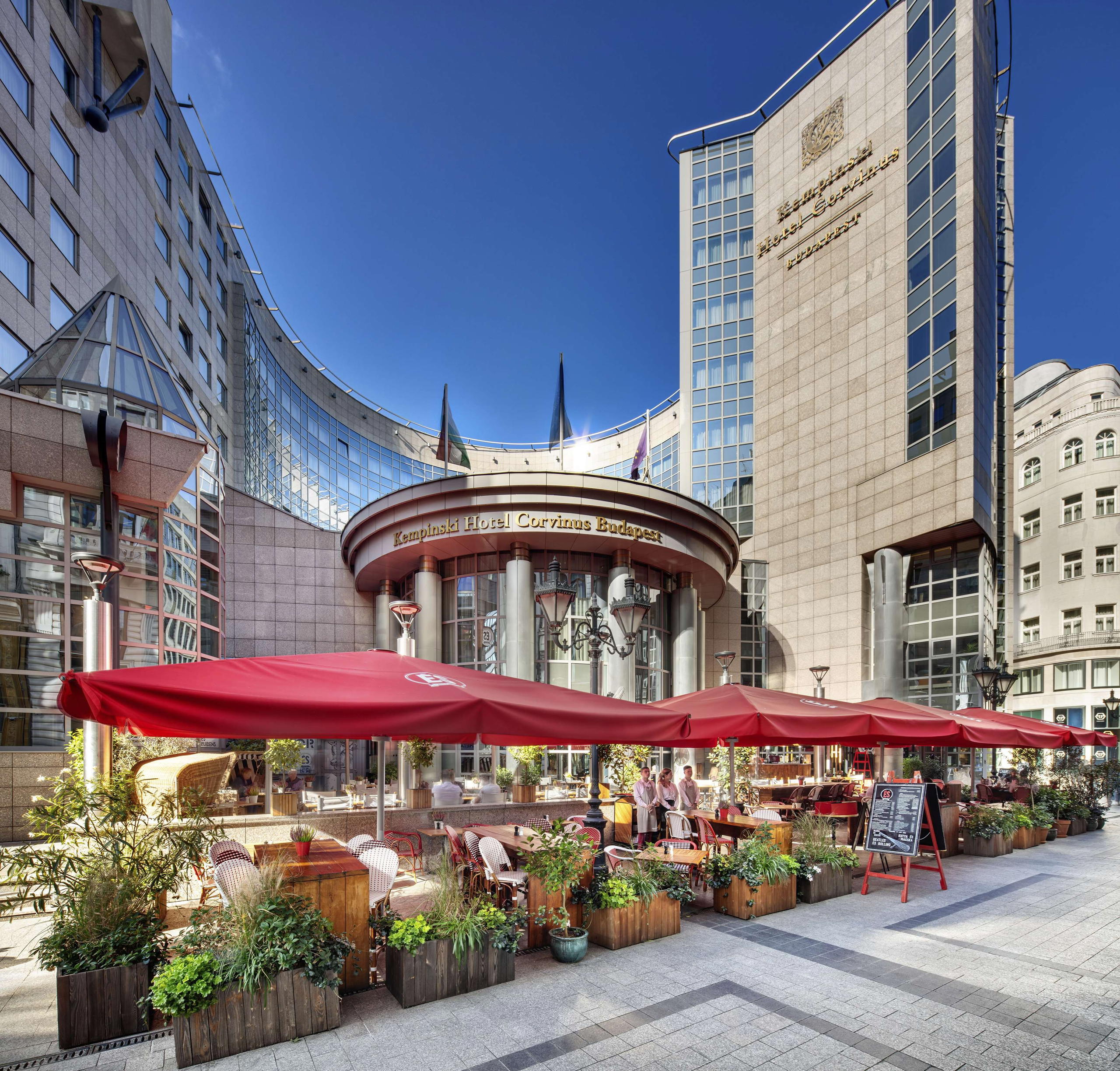 HotelKempinski Hotel Corvinus BudapestFull hotel guide
Planning details
- Location
- Budapest, Erzsébet tér 7-8, 1051 Hungary
- Reservations
- Book on SevenRooms
- Website
- noburestaurants.com/budapest/home
- Phone
- +36 1 429 4242
The take
The Take
The Vibe
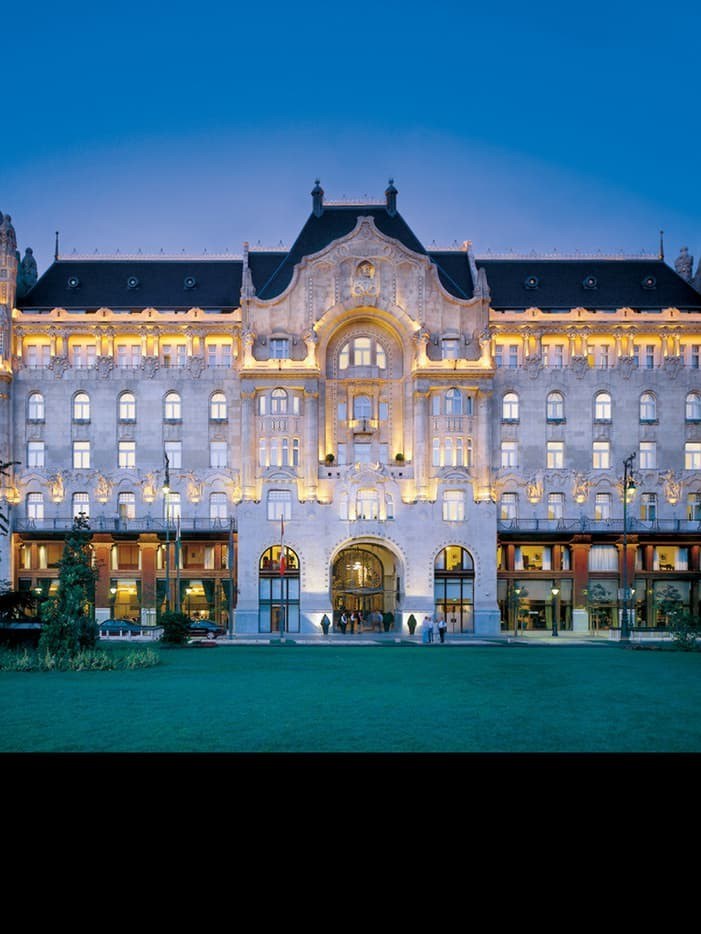
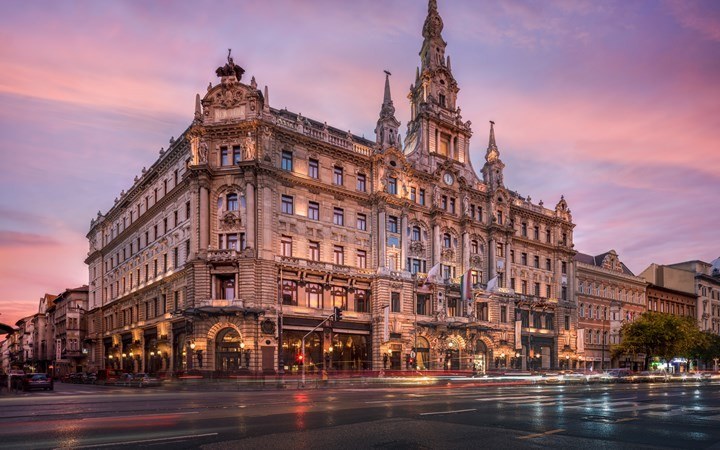
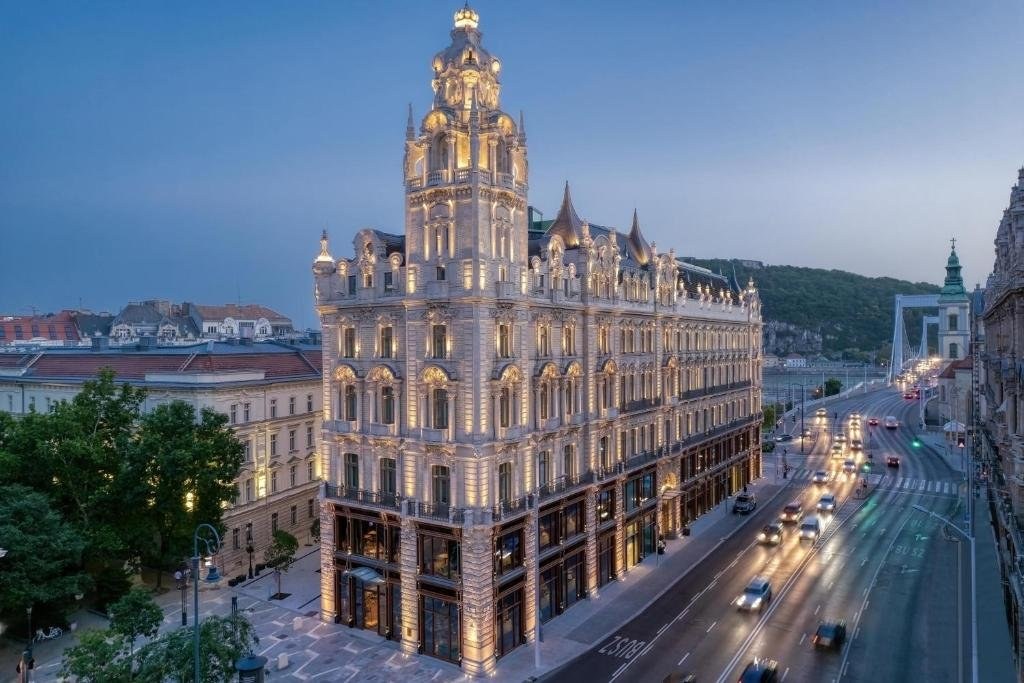
Nobu Budapest reads as a polished, internationally minded flagship dropped into the heart of the Inner City. The building’s glass-and-stone geometry and the brand’s consistent visual language make the restaurant feel unmistakably global while it sits among Budapest’s hotel belt and busy transit nodes. The room leans glossy rather than idiosyncratic—this is a designed, high-profile outpost of a familiar concept rather than a local, terroir-driven project. The overall impression is sleek and cosmopolitan, drawing a mix of visitors who expect precise Japanese technique layered with the citrus-and-heat accents of Nobu’s Peruvian influence.
Best For
Nobu Budapest suits travelers, hotel guests and local diners who want a reliable, elevated international option in the city center. Its location on Erzsébet tér places it within easy reach of the grand hotels and transport lines, making it convenient for business dinners and visitors on work trips. The restaurant’s global reputation and refined menu also make it a natural choice for date nights and celebratory meals when guests prefer a familiar, crowd-pleasing fine-dining formula rather than deeply local experimentation.
Ordering Tips
Lean into the signature Nobu plates: order the black cod miso for its caramelized, silky richness and the yellowtail jalapeño to taste the classic Nikkei interplay of clean sashimi and bright acidity. For a meat option, try the new-style wagyu to experience Nobu’s theatrical take on beef—tender, richly seasoned and often served with a bold, citrusy finish. Given the format’s emphasis on shared plates and precise technique, build a mix of raw, cooked and slightly richer items so the meal balances delicacy and umami across the table.
Venue details
Ambiance
Understated decor with oriental touches, often described as lacking intimacy, with loud music, poor acoustics, and dim lighting.
Tags
Vibe
Best For
Experience
At the Table
- Dress Code
- Smart Casual
- Noise Level
- Lively
- Service Style
- Upscale Casual
- Meal Pacing
- Leisurely
- Capacity
- Large
- Kitchen
- Fusion
- Menu Format
- A la carte, Small plates
- Wine Program
- Curated
- Drinks Focus
- Sake, Wine
- Dietary
- Vegetarian friendly
- Private Dining
- Available
Signature Dishes
- black_cod_miso
- yellowtail_jalapeno
- new_style_wagyu
Know before you go
Know Before You Go
- Getting there
- Budapest, Erzsébet tér 7-8, 1051 Hungary
Planning details
Location
Budapest, Erzsébet tér 7-8, 1051 Hungary · Directions
Recognition and awards
Also consider
Also Consider
- Babel, €€€€ · Modern Cuisine, €€€€
- Borkonyha Winekitchen, €€€ · Modern Cuisine, €€€
- Stand25 Bisztró, €€ · Traditional Cuisine, €€
- Rumour by Rácz Jenő, €€€€ · Creative, €€€€
- Goli, €€ · Middle Eastern, €€
Restaurant context
At €€€€, Nobu Budapest sits in the same price tier as Babel and Rumour by Rácz Jenő, both of which are rooted in Hungarian and Central European cooking. If you are weighing a top-end dinner night in Budapest, the decision comes down to what you want the meal to say about where you are: Nobu is a globally consistent Japanese experience executed well in a Central European city; Babel and Rumour are place-specific, with cooking that reflects Budapest's own culinary direction. For a first visit to Budapest focused on local cuisine, those two outperform Nobu on local relevance at a comparable spend.
Borkonyha Winekitchen at €€€ is the clearest value alternative if you want Michelin-level quality at a lower price point. It holds a Michelin star and focuses on wine-driven modern Hungarian cooking, for many visitors, that combination represents a better Budapest-specific booking than Nobu at a higher price. If your budget is tighter still, Stand25 Bisztró at €€ and Goli at €€ give you satisfying meals without the fine dining price tag, though neither competes with Nobu on ambition or formality.
The practical case for Nobu Budapest over its local peers is specific: if Japanese food is your priority for that evening, Nobu is your only serious option in the city at this level. If you are open on cuisine type and want the strongest Budapest-rooted experience for your money, Borkonyha Winekitchen is the smarter booking. For a multi-night visit, splitting your dinners between Nobu and a starred Hungarian restaurant gives you the broadest read on what Budapest's top-end dining scene can do.
Around this place
Discover more on Pearl
Unlock the full Nobu Budapest guide in Pearl, including awards, comparisons, FAQs, planning details, and nearby places.
Compare Nobu Budapest
| Venue | Price | Booking Difficulty | Awards |
|---|---|---|---|
| Nobu Budapest | €€€€ | Easy | 2025 Michelin Plate2024 Michelin Plate |
| Babel | €€€€ | Unknown | 2026 La Liste Top Restaurants2026 OAD Top Restaurants in Europe RecommendedHungary's Best Restaurant 2025 · #12025 OAD Top Restaurants in Europe Ranked · #4642025 Michelin 1 Star2025 La Liste Top Restaurants2024 OAD Top Restaurants in Europe Ranked · #3272024 Michelin 1 Star2023 OAD Top New Restaurants in Europe Highly Recommended |
| Borkonyha Winekitchen | €€€ | Unknown | 2026 OAD Casual in Europe Recommended2025 OAD Casual in Europe Ranked · #8342025 Michelin 1 Star2025 La Liste Top Restaurants2024 OAD Casual in Europe Ranked · #5242024 Michelin 1 Star2023 OAD Casual in Europe Recommended |
| Stand25 Bisztró | €€ | Unknown | 2026 OAD Casual in Europe Recommended2025 Michelin Plate2024 OAD Casual in Europe Ranked · #942024 Michelin Plate2023 OAD Casual in Europe Ranked · #84 |
| Rumour by Rácz Jenő | €€€€ | Unknown | 2026 Wine Spectator Best of Award of Excellence2026 La Liste Top Restaurants2025 La Liste Top Restaurants2025 Michelin 1 Star2025 The Best Chef Two Knives2024 Michelin 1 Star |
| Goli | €€ | Unknown | 2025 Michelin Bib Gourmand2024 Michelin Bib Gourmand |







Key differences to consider before you reserve.
FAQ
Frequently Asked Questions
How far ahead should I book Nobu Budapest?
One to two weeks is usually enough outside peak season. During summer (June to August) and the Christmas market period, push that to three weeks minimum. Nobu Budapest sits at €€€€ pricing on Erzsébet tér, a high-traffic central location, so weekends fill faster than weekdays. If you have a fixed travel date, book early regardless.
Can I eat at the bar at Nobu Budapest?
The bar at Nobu Budapest functions as a serious destination in its own right, not just a holding area. Nobu's global cocktail program is well-developed, and at this price tier the drinks list is worth arriving early for. Check with the venue directly on bar dining availability, as seating configuration can vary.
What should a first-timer know about Nobu Budapest?
Nobu Budapest holds a Michelin Plate for both 2024 and 2025, which means inspectors rate the cooking as consistently good rather than destination-level. It is a strong entry point into Japanese dining at a serious standard in Budapest, without the weeks-out booking pressure of starred venues. Come expecting Nobu's globally consistent format: the menu will be familiar to anyone who has eaten at a Nobu elsewhere.
Is the tasting menu worth it at Nobu Budapest?
At €€€€ pricing, the tasting menu makes sense if you want to cover the range of the kitchen in one sitting. The Michelin Plate recognition signals solid, consistent cooking rather than revelatory technique, so set expectations accordingly. If you are deciding between the tasting menu and ordering à la carte, the tasting format is the better way to justify the price point at a first visit.
What are alternatives to Nobu Budapest in Budapest?
Borkonyha Winekitchen is the comparison to make if you want Hungarian cooking with serious wine credentials at a similar price tier. Stand25 Bisztró offers strong local modern cooking at a lower price point. Babel delivers refined Hungarian cuisine with a creative approach. For a more casual but still considered meal, Goli and Rumour by Rácz Jenő are worth looking at depending on your format preference.
Is Nobu Budapest worth the price?
Yes, with a caveat: you are paying for Nobu's global consistency and a prime location on Erzsébet tér, not for destination-level cooking. The Michelin Plate for 2024 and 2025 confirms the food is good, not that it is exceptional. If Japanese food at a reliable, high standard in a central Budapest location is what you need, the price is justified. If you want the most ambitious cooking in Budapest per euro spent, Borkonyha Winekitchen or Babel may give you more.