
Twenty Seven Harbour Street
Broadstairs Harbourside, Broadstairs
Restaurant in Broadstairs, United Kingdom
 Book with Pearl
The Read
Price
$30–50per person
Dress
Smart Casual
Why go
Twenty Seven Harbour Street is a sensible Broadstairs pick when location, ease, and Good Food Guide recognition matter more than chasing a specific cuisine. Choose it over Kebbells for a more general neighbourhood dinner; choose Kebbells if seafood is the main reason for booking.
About Twenty Seven Harbour Street
Twenty Seven Harbour Street is a Broadstairs venue with opening hours concentrated from Thursday evening through Sunday. Its recognition is The Good Food Guide 2025, GFG Good, and the dress code is smart casual. If you are comparing options, Kebbells, Fifteen Square Metres, and Sète are other names to consider.
Consider this venue if the brief is a Broadstairs visit with clear opening windows and external recognition. Do not choose it on the basis of a specific cuisine, chef, menu format, price point, seating style, or drinks programme, as these details are not specified.
A Broadstairs choice when timing matters
The practical advantage is the schedule. Twenty Seven Harbour Street is closed Monday to Wednesday, opens Thursday from 6–9 PM, Friday from 12–3 PM and 6–9:30 PM, Saturday from 9:30 AM–9:30 PM, and Sunday from 9:30 AM–5 PM. Friday midday, Friday evening, Saturday, and Sunday daytime are the clearest planning windows.
The Good Food Guide 2025, GFG Good recognition gives it a trust signal. That makes Twenty Seven Harbour Street worth shortlisting when you want a Broadstairs option with recognition and a smart-casual dress code, rather than when you need specific details about cuisine, chef, price, or service format.
Who should choose it over other options
Choose Twenty Seven Harbour Street when its Broadstairs location, hours, smart-casual dress code, and Good Food Guide 2025 recognition fit your plans. If you are still comparing, consider Kebbells, Fifteen Square Metres, Sète, Mori Mori, or The Good Egg as other venues to research before deciding.
For a first Broadstairs visit, pair this with broader planning resources: Broadstairs restaurants and other Broadstairs guides. The venue makes the most sense when the schedule and recognition match the rest of your itinerary.
Planning details
- Location
- 23-27 Harbour St, Broadstairs CT10 1EU, United Kingdom
- Reservations
- Book on SevenRooms
- Website
- twentysevenharbourstreet.co.uk
- Phone
- 01843 865126
The take
The Take
The Vibe
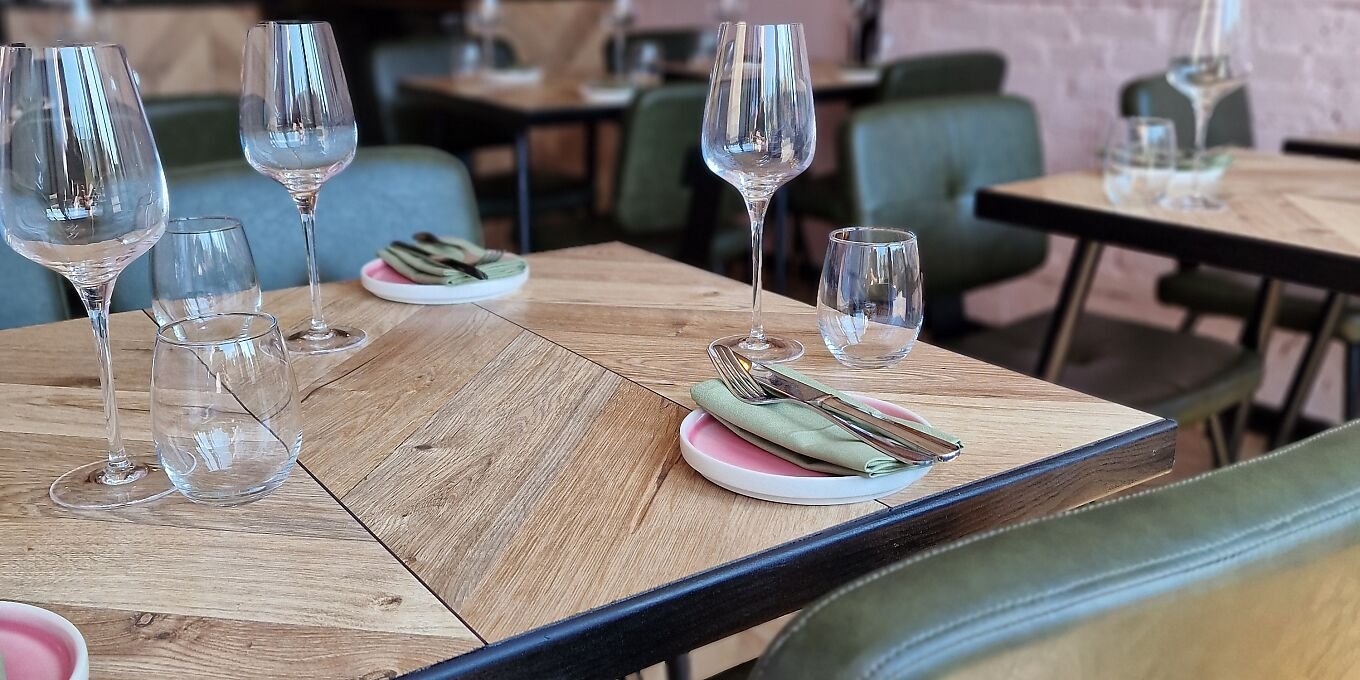
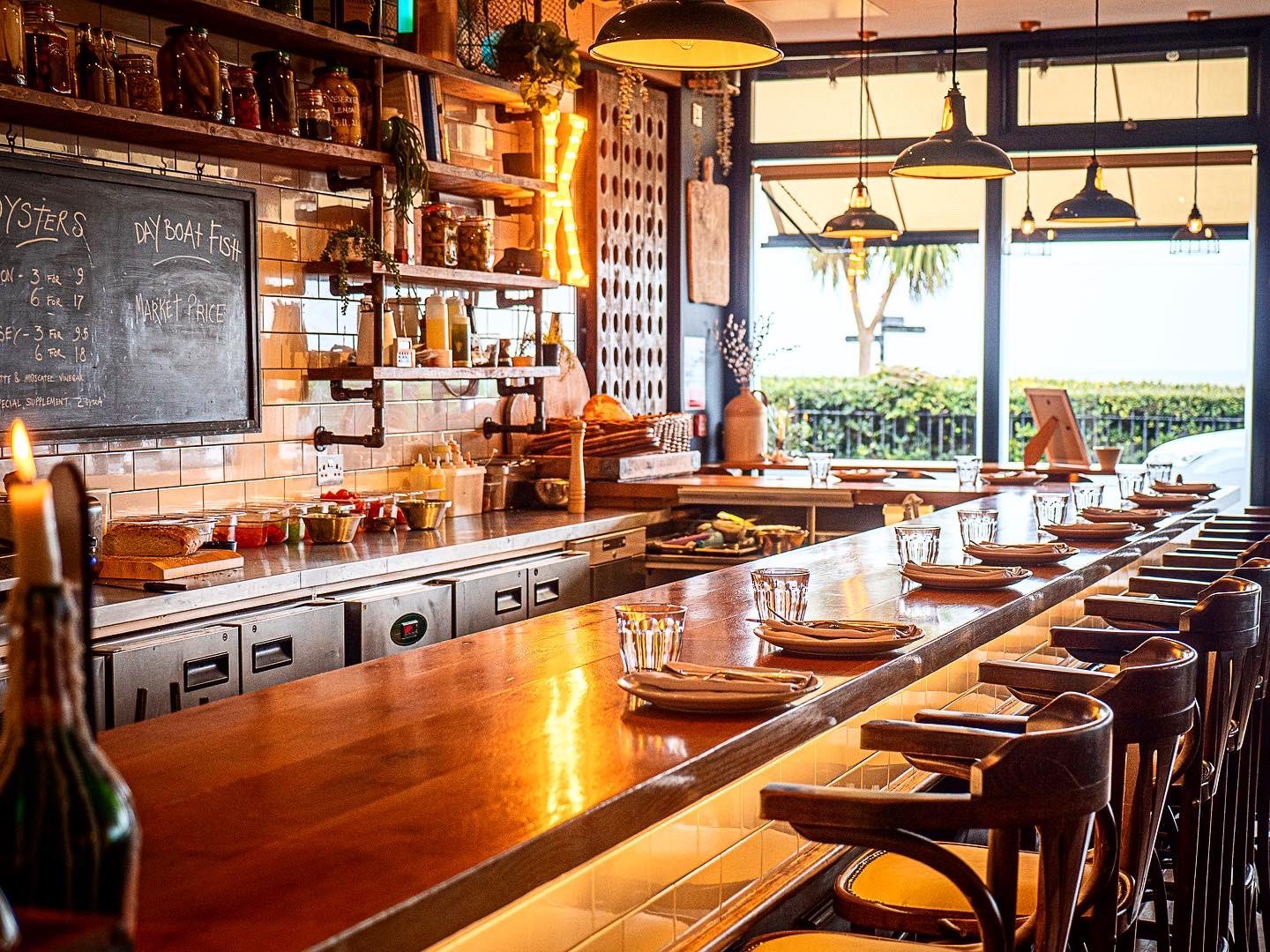
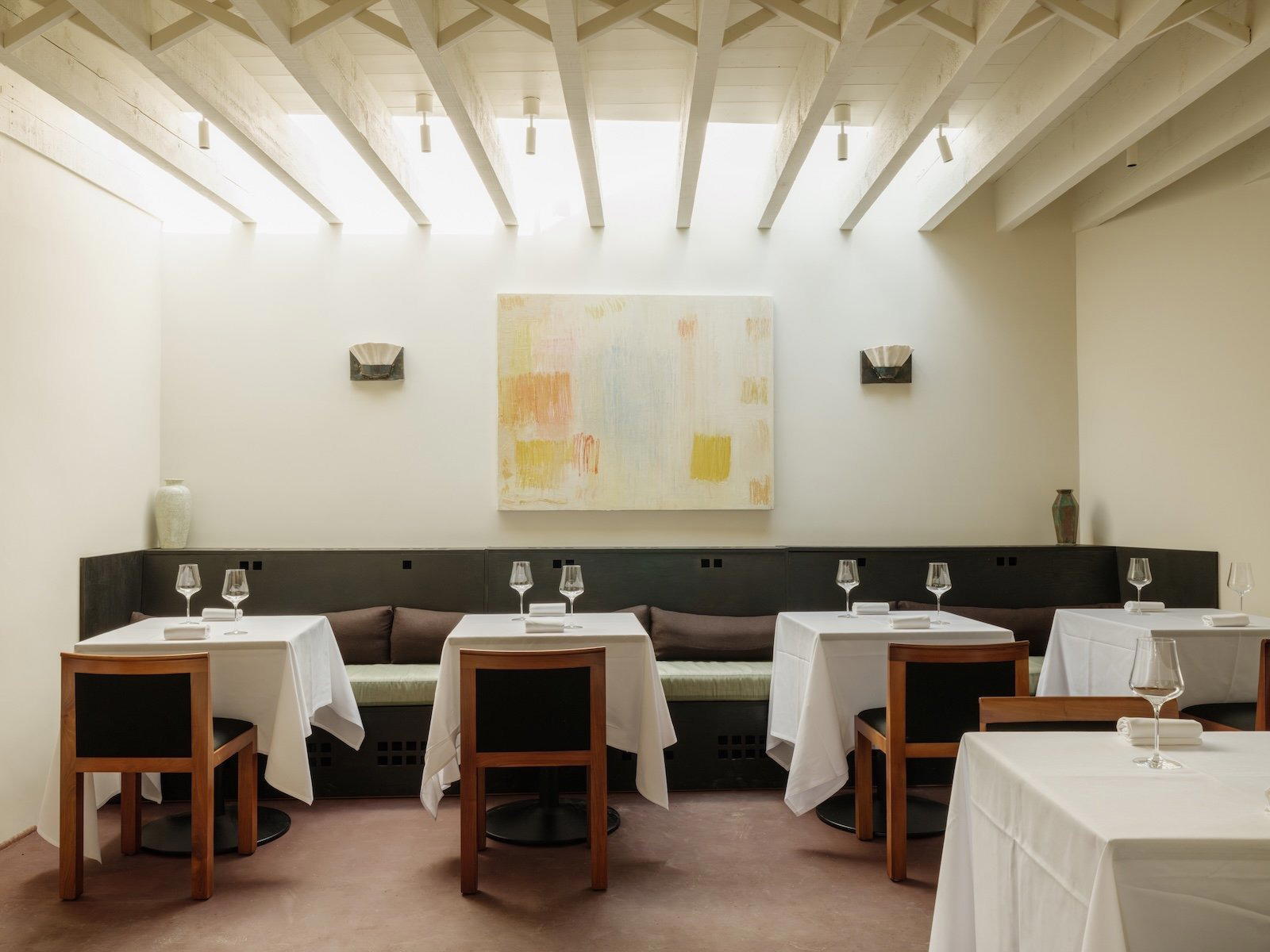
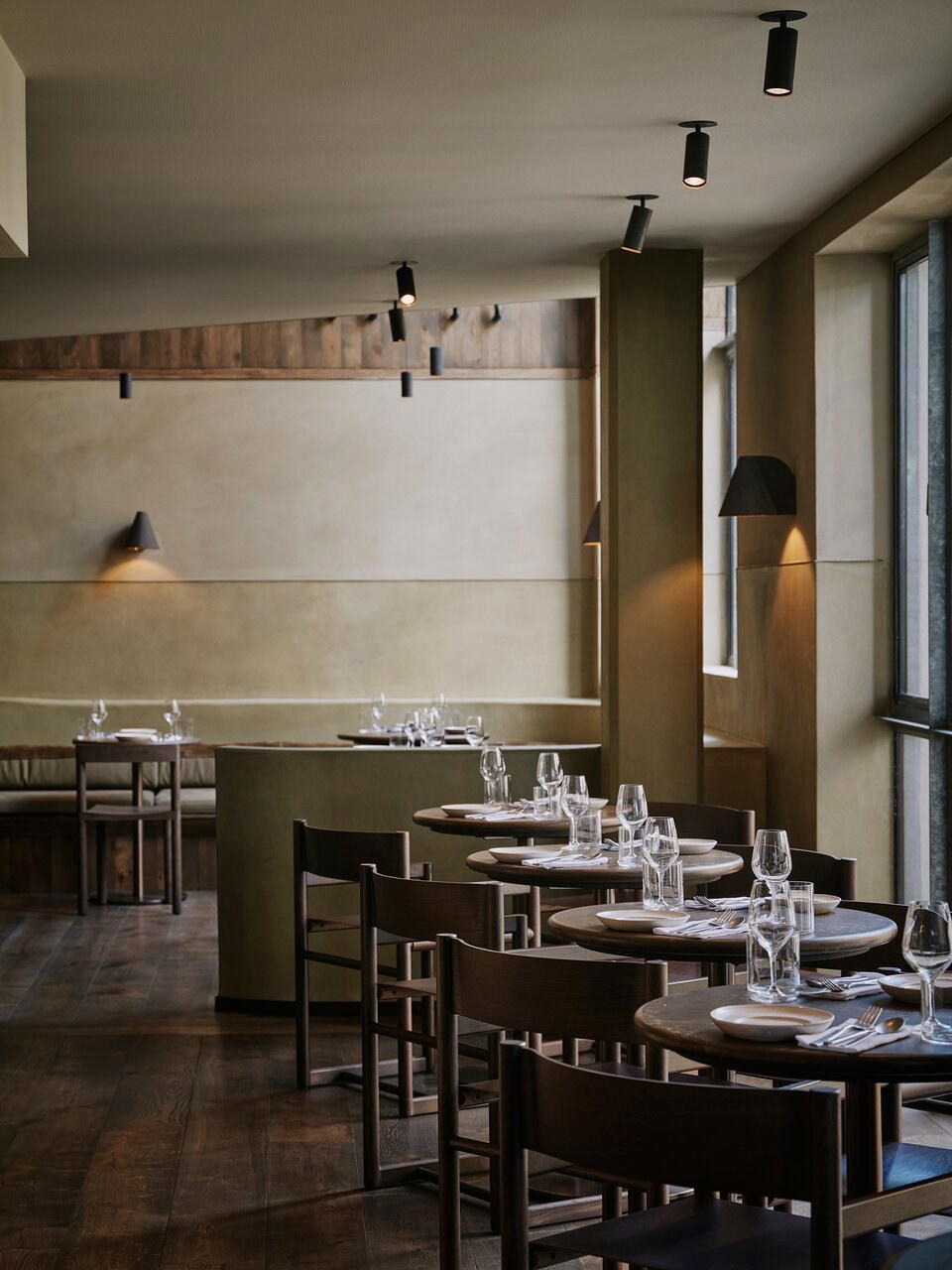
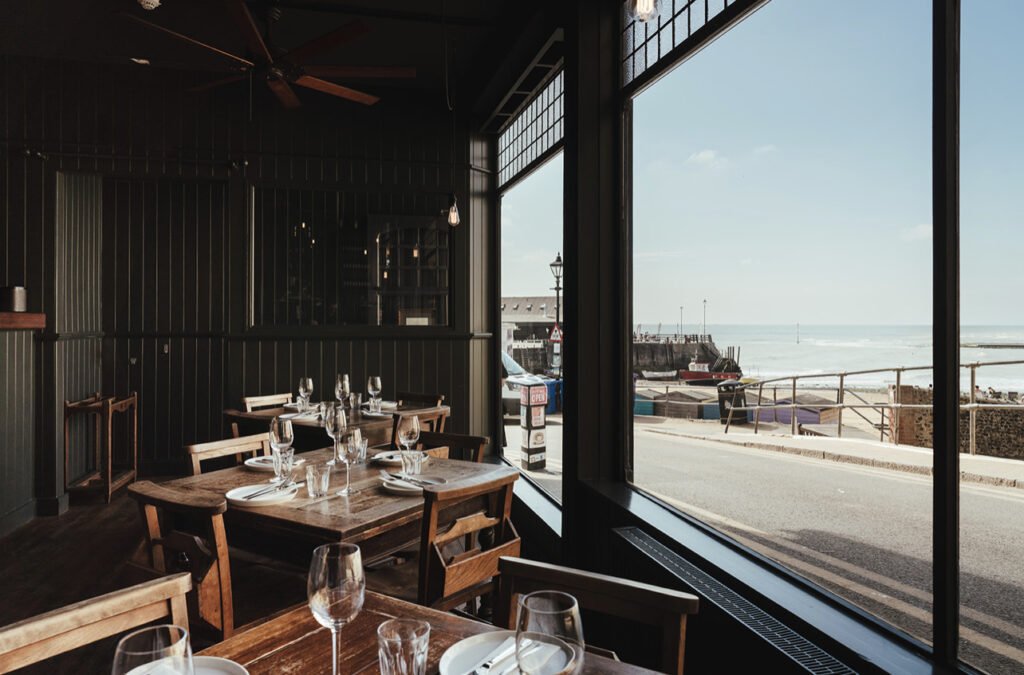
Twenty Seven Harbour Street reads like a wine bar that chose to sharpen its kitchen rather than reinvent its room. The dining room keeps chapel chairs and wooden tables set against soothing dark tones; big windows look out toward the sea and anchor the space in Broadstairs’ harbourside character. There’s a pleasant tension here between an easygoing, wine-focused setting and meticulous, fire-led cooking. The result feels quietly sophisticated and charming: relaxed enough for an unhurried glass of something European or English, but serious enough that the food commands attention.
Best For
This is a place for people who want thoughtful cooking without destination dining solemnity. It suits intimate dinners and date nights where the wine list matters as much as the plates, and it works well for small groups who like to share fire-cooked dishes. The focused menu and sharing format lend themselves to evenings rather than quick lunches, though the harbourside outlook keeps the room pleasant throughout the day. Expect an experience that balances casual comfort with culinary care—good for after-work drinks that turn into a full meal.
Ordering Tips
Lean into the kitchen’s fire-first logic and choose sharing plates that showcase local sourcing: the Kentish pork chop, devilled red mullet and chargrilled asparagus with crab gribiche are all indicative of the menu’s priorities. The signature sticky toffee pudding with black stout and miso butterscotch suggests a bold finish, and the squid-ink rice with sobrasada points to the more adventurous side of the menu. Pair plates with the sharpened European and English wine list and consider ordering several small dishes to sample the breadth of the fire-led cooking.
Venue details
Ambiance
Dark, soothing interior with chapel chairs, wooden tables, stained-glass windows, and big windows overlooking the sea; cosy and welcoming atmosphere.
Tags
Vibe
Best For
Experience
Sourcing
View
At the Table
- Dress Code
- Smart Casual
- Noise Level
- Conversational
- Service Style
- Upscale Casual
- Meal Pacing
- Leisurely
- Capacity
- Small
- Kitchen
- Modern
- Menu Format
- Small plates, Family style
- Wine Program
- Curated
- Drinks Focus
- Wine, Natural wine
- Dietary
- Vegetarian friendly
Signature Dishes
- squid-ink rice with sobrasada
- devilled red mullet
- Kentish pork chop with aubergine and anchovy butter
- sticky toffee pudding with black stout and miso butterscotch
- chargrilled asparagus with crab gribiche
Know before you go
Know Before You Go
- Getting there
- 23-27 Harbour St, Broadstairs CT10 1EU, United Kingdom
Planning details
Location
23-27 Harbour St, Broadstairs CT10 1EU, United Kingdom · Directions
Recognition and awards
Also consider
If you cannot get a table
Try Kebbells first if seafood is the priority and a ££ spend feels right. Try Fifteen Square Metres if the appeal is a smaller Broadstairs alternative rather than a category-specific meal.
Restaurant context
How it compares in Broadstairs
Twenty Seven Harbour Street is the safer generalist choice in central Broadstairs. Kebbells is the clearer pick for seafood and has a visible ££ price position, so it is easier to judge before booking. If the group is split on what it wants, Twenty Seven Harbour Street has the edge for flexibility.
Fifteen Square Metres is the better cross-shop for diners who want a smaller independent-feeling alternative, while Sète is the stronger choice when Modern British cooking is the explicit brief. Mori Mori and Good Egg, The work better as category alternatives than direct substitutes: use them when the occasion is more casual or the preferred format points away from a full restaurant dinner.
For booking difficulty, Twenty Seven Harbour Street reads as easier than a destination-style table and more useful for weekend planning than a narrow-format venue. For value, Kebbells is simpler to assess because the ££ signal is clear; for ambiance, Twenty Seven Harbour Street is the better bet when the group wants a central Harbour Street dinner rather than a specifically seafood-led outing.
Explore Broadstairs
Around this place
Discover more on Pearl
Unlock the full Twenty Seven Harbour Street guide in Pearl, including awards, comparisons, FAQs, planning details, and nearby places.
Compare Twenty Seven Harbour Street
| Venue | Location | Cuisine | Awards | Price |
|---|---|---|---|---|
| Twenty Seven Harbour Street | Broadstairs | , | The Good Food Guide 2025 | , |
| Kebbells | Broadstairs | Seafood | Michelin Guide Great Britain & Ireland 20262025 Michelin Plate | ££ |
| Fifteen Square Metres | Broadstairs | No published awards | , | , |
| Sète | Margate | Modern British | Michelin Guide Great Britain & Ireland 2026The Good Food Guide 20252025 Michelin Plate2024 Michelin Plate | ££ |
| Mori Mori | Margate | Good Food Guide 100 Best Local Restaurants 2026 (ranks 1–50 published) · #482025 Good Food Guide 100 Best Local Restaurants · 2026The Good Food Guide 2025 | , | , |
| Good Egg, The | London | Café | 2025 OAD Cheap Eats in Europe Ranked · #1162024 OAD Cheap Eats in Europe Ranked · #952023 OAD Cheap Eats in Europe Ranked · #58 | , |

.png?width=1200&quality=80)


How Twenty Seven Harbour Street Broadstairs: Hours & Good Food Guide 2025 compares with similar nearby venues.
FAQ
Frequently Asked Questions
Is Twenty Seven Harbour Street good for solo dining?
Solo-dining facilities or seating style are not specified. If that matters, check directly before going. Twenty Seven Harbour Street is in Broadstairs, has smart-casual dress, and opens Thursday evening, Friday midday and evening, Saturday, and Sunday daytime.
Is lunch or dinner better at Twenty Seven Harbour Street?
That depends on your plans. Midday or daytime openings are Friday 12–3 PM, Saturday 9:30 AM–9:30 PM, and Sunday 9:30 AM–5 PM. Evening openings are Thursday 6–9 PM, Friday 6–9:30 PM, and Saturday until 9:30 PM.
Can I eat at the bar at Twenty Seven Harbour Street?
Bar dining details are not specified. If bar dining matters, check directly before going; otherwise, rely only on the Broadstairs location, smart-casual dress code, Good Food Guide 2025 recognition, and opening hours.
Is Twenty Seven Harbour Street good for a special occasion?
It may suit a Broadstairs visit if the facts fit your needs: smart-casual dress, Good Food Guide 2025, GFG Good recognition, and opening hours from Thursday evening through Sunday. Specific atmosphere, menu, pricing, or occasion-package details are not specified.
What are alternatives to Twenty Seven Harbour Street?
Other names to research include Kebbells, Fifteen Square Metres, Sète, Mori Mori, and The Good Egg. Compare current hours, menus, and booking details directly before deciding.
What should a first-timer know about Twenty Seven Harbour Street?
The main thing is the schedule: it is closed Monday to Wednesday, then runs Thursday evening, Friday midday and evening, a long Saturday opening window, and Sunday daytime hours. The trust signal is The Good Food Guide 2025, GFG Good, and the dress code is smart casual.