



Dongnae
Korean · Cotham, Bristol
Restaurant in Bristol, United Kingdom
 Book with Pearl
The Read
Fermentation-Led Korean Grill
Price
£££
Dress
Smart Casual
Why go
Dongnae is Bristol's only Michelin Plate Korean restaurant and the city's clearest answer to the question of where to eat serious Korean food. Chef-owners Duncan Robertson and Kyu Jeong Jeon run a tight, neighbourhood-anchored room in Redland, with a charcoal grill at its centre and housemade fermented condiments that justify the £££ price point. Book the counter for two; request the hanjeongsik at dinner.
About Dongnae
Bristol's most considered Korean restaurant earns a Michelin Plate — and your booking
For Korean food in Bristol, nothing else comes close at this level of technical execution. The question isn't whether Dongnae is good — it is, but whether you're booking it correctly. If you're returning after a first visit, this guide will tell you exactly what to order next and when to go.
What Dongnae is, and why Redland is the right address for it
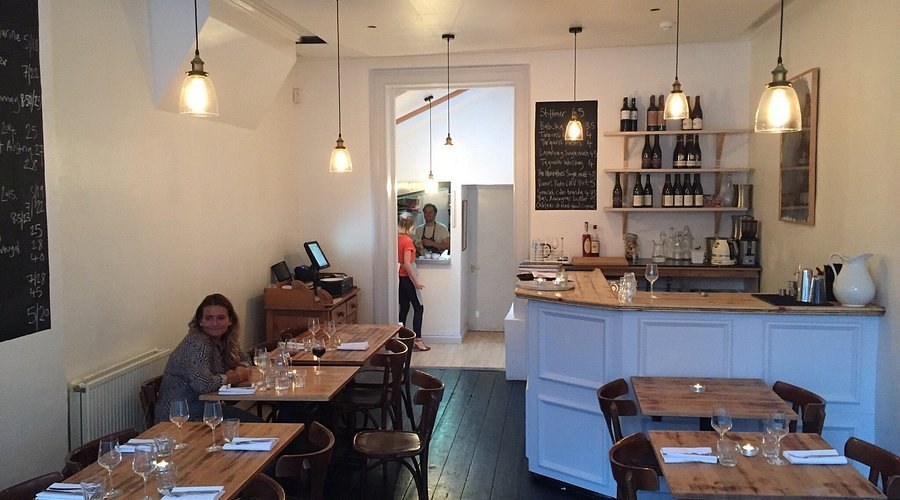
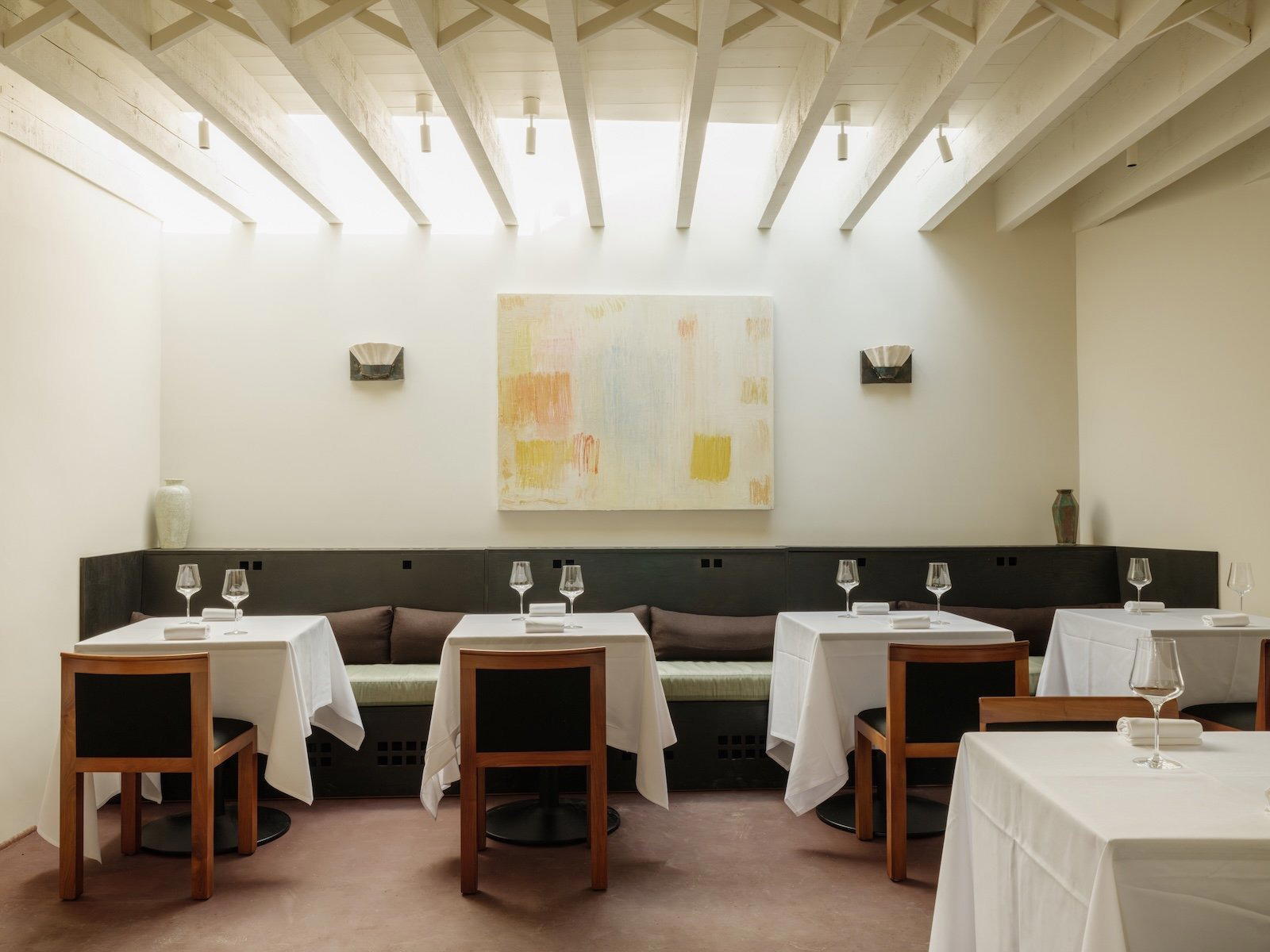
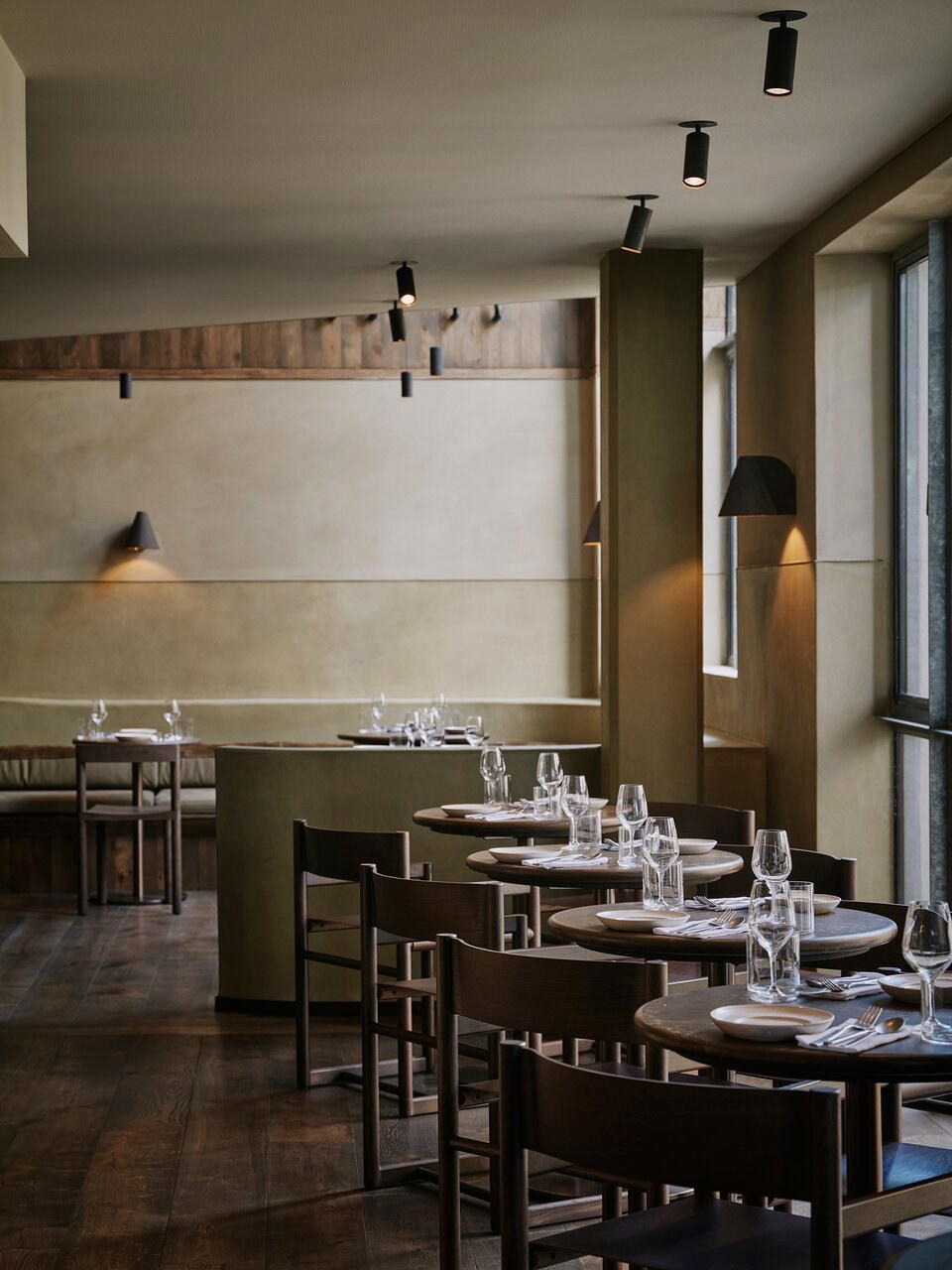
Dongnae occupies a white-walled, sparsely decorated room on Chandos Road in Redland, one of Bristol's more quietly self-assured neighbourhoods: residential, independent-minded, and with a dining culture that rewards places built for locals rather than tourists. That context matters. This isn't a city-centre restaurant designed to capture footfall. It's a neighbourhood anchor, the kind of place that fills because regulars return and word travels slowly but reliably. For visitors, that means you're booking into somewhere with a genuine local constituency, a better sign of quality than any marketing.
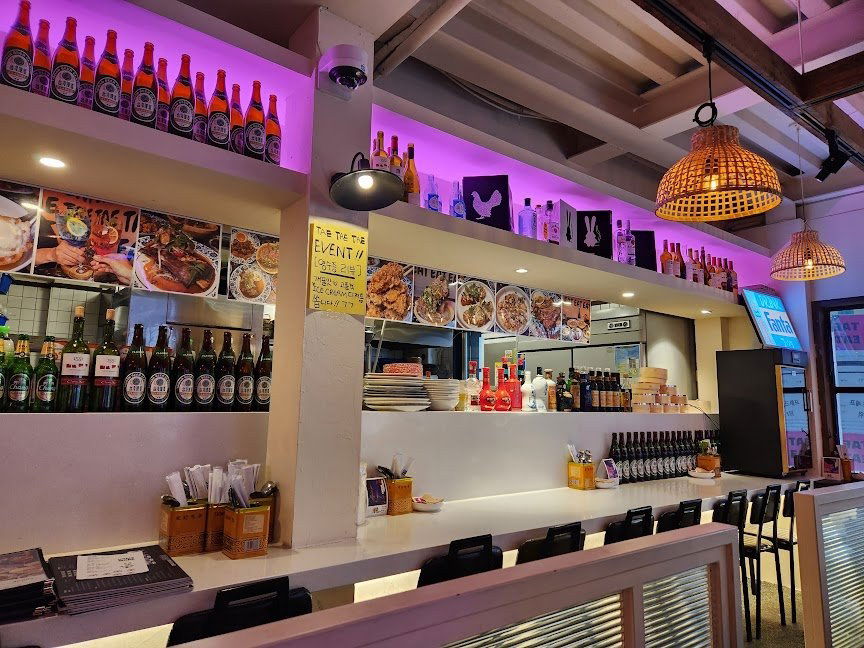
The room itself is bright and uncluttered. Spatial layout is worth thinking about before you arrive: the main dining room is the place to sit. The area adjoining the bar is noticeably tighter, and while it functions perfectly well, it doesn't give you the same sense of the room. The counter seats in front of the open kitchen are the leading in the house. From there you can watch the kitchen team working the charcoal grill, which is central to what Dongnae does well. Book the counter if your party is two; it's not practical for larger groups.
What to eat if you've already been once
If your first visit covered the basics, the lunch set menu, perhaps the pork belly, the return visit is where Dongnae's full range opens up. At dinner, the à la carte is the main format, though you can also request the hanjeongsik: a chef-selected sequence drawing from across the menu. This is worth ordering at least once. It removes the decision burden and lets the kitchen show you what it thinks is working right now.
From the à la carte, the salted jellyfish naengchae is the dish that separates diners who are genuinely curious about Korean food from those who aren't. It's a light salad of crab, pork and seafood in a sharp mustard dressing, not an easy sell on paper, but one of the more precise things on the menu. The grilled wagyu beef, served rare in cubes with toasted-sesame dipping oil and a spicy water kimchi, is the more immediately accessible choice and consistently well-executed. The wild mushroom dolsotbap, a claypot rice dish with egg yolk, seaweed and perilla-oil dressing, is the kind of dish that rewards ordering early because the clay pot stays hot and the textures evolve as you eat.
Dessert is a single option: Delica squash and black sesame injeolmi, a mochi-like steamed dumpling on chestnut cream. It reads as savoury as much as sweet, which suits the meal's register well. Don't skip it expecting something more conventional, this is the kitchen being consistent, not forgetful.
The drinks list is worth attention. Traditional Korean options including soju sit alongside Japanese beers, cocktails and a wine list that includes chilled reds. The latter is particularly relevant for the grill-heavy dishes, where a lightly chilled Gamay or similar works better than the room-temperature red instinct most diners bring to a restaurant setting.
Lunch vs dinner: which to book
Lunch runs Wednesday to Friday as a set menu, soup, rice, banchan and either noodles or something from the grill. It represents the clearest value on the menu and a lower-stakes first visit. For a returning diner, dinner is where the full range opens up, but lunch remains worth repeating if you're coming mid-week and want the kitchen's more focused format.
The banchan at lunch are made in-house: mustard-leaf kimchi, seasoned miyeok seaweed, fermented soy, chilli and anchovy condiments prepared by chef-owners Duncan Robertson and Kyu Jeong Jeon. The condiment quality here is the detail that distinguishes Dongnae from Bristol's more casual Korean options. These aren't afterthoughts; they're central to how the food tastes.
Dongnae is run by the same team behind Bokman, their more casual sister site. If you've eaten at Bokman and found it too informal, Dongnae is the step up: more composed cooking, a quieter room, a higher price point. If you haven't tried Bokman, it remains a useful lower-commitment introduction to the same kitchen's sensibility.
Know Before You Go
- Address: 5-7 Chandos Rd, Redland, Bristol BS6 6PG
- Price range: £££ (mid-to-upper range for Bristol)
- Awards: Michelin Plate (2025)
- Lunch: Set menu, Wednesday to Friday
- Dinner: À la carte, or hanjeongsik chef's sequence on request
- Leading seats: Counter in front of the open kitchen (pairs); main dining room (groups)
- Avoid: The adjoining bar area if you want the full room experience
- Booking difficulty: Moderate, plan ahead, especially for dinner at the counter
- Drinks: Soju, Japanese beers, cocktails, wine list with chilled reds
How Dongnae fits Bristol's wider food scene
Bristol has a credible independent restaurant culture. For Korean food specifically, Dongnae occupies a category of its own in the city. For comparison at the higher end of Bristol dining, Bulrush (Modern British) sits at ££££ and operates in a different format, but is the nearest equivalent in terms of kitchen precision. At a similar £££ price point, 1 York Place (European) and Adelina Yard (Modern Cuisine) offer polished cooking without the same specificity of cuisine. Bank and Bianchis fill the casual end of the Bristol dining week well, but occupy a different register entirely.
If Korean food at this level interests you beyond Bristol, the reference points are Seoul's suburb-style restaurants rather than the high-concept fine dining of Mingles or Kwonsooksoo in Seoul. Dongnae is pitched as the kind of meal you'd have at a serious neighbourhood Korean restaurant in a Seoul residential district, technically accomplished, ingredient-led, without theatrical ceremony. That positioning is exactly right for Redland, and it's what makes the Michelin recognition credible rather than surprising.
For a broader view of where Dongnae sits in Bristol's dining options, see our full Bristol restaurants guide. If you're planning a full trip, our Bristol hotels guide, bars guide, wineries guide, and experiences guide cover the rest of the city's offer. For context on the UK's highest-achieving restaurants, see CORE by Clare Smyth in London, The Fat Duck in Bray, L'Enclume in Cartmel, Moor Hall in Aughton, Gidleigh Park in Chagford, and Hand and Flowers in Marlow, all operating at a different scale and price point, but useful calibration for where Michelin recognition sits on the UK spectrum.
Planning details
- Location
- 5-7 Chandos Rd, Redland, Bristol BS6 6PG, United Kingdom
- Website
- dongnae.co.uk
- Phone
- +44 117 302 1034
The take
The Take
The Vibe
Dongnae presents a pared-back, quietly sophisticated take on Korean court cooking. The dining room is deliberately spare — white walls, clean lines and focused light — which keeps attention on the food and the charcoal grill at the heart of the open kitchen. Leading seats at the counter create an intimate, chef-facing experience, while an adjoining bar area offers a more functional, compressed alternative. The overall effect is modern and minimal, with a neighbourhood calm that underlines the restaurant's measured, rigorous approach to multi-course hanjeongsik service.
Best For
Dongnae is best encountered at dinner, when the chef-selected hanjeongsik sequence is on offer and the charcoal grill anchors service. The format suits date nights and special occasions where a composed, multi-course rhythm is appreciated, and it also works for a casual hangout when you want something considered rather than hurried. Seating at the counter gives a more immediate, theatrical experience for two, while the main room provides a coherent setting for a focused evening of refined Korean flavours.
Ordering Tips
At dinner, consider the hanjeongsik option — a chef-selected multi-course sequence that showcases the kitchen's range. If you want to watch the cooking and the charcoal grill in action, take the leading seats at the counter facing the open kitchen; the copy specifically notes those as the leading vantage. If offered a choice, favour the main room over the adjoining bar for a more coherent multi-course experience. Signature dishes to look out for include charcoal-grilled pork belly, wagyu beef and the wild mushroom dolsotbap.
Venue details
Ambiance
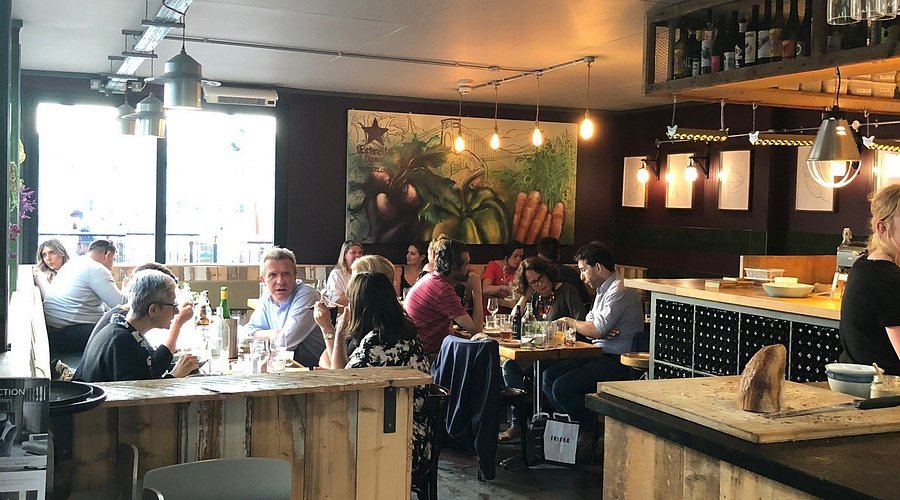
Minimalist with wood panelling, open kitchen counter seating, paper lampshades, and a warm, welcoming atmosphere.
Tags
Vibe
Best For
Experience
At the Table
- Dress Code
- Smart Casual
- Noise Level
- Conversational
- Service Style
- Upscale Casual
- Meal Pacing
- Leisurely
- Capacity
- Small
Signature Dishes
- charcoal-grilled pork belly
- wagyu beef
- wild mushroom dolsotbap
- chicken wings
Know before you go
Know Before You Go
- Getting there
- 5-7 Chandos Rd, Redland, Bristol BS6 6PG, United Kingdom
Planning details
Location
Recognition and awards


Also consider
Also Consider
- Bulrush, Modern British, ££££
- Blaise Inn, Traditional Cuisine, ££
- Little Hollows Pasta, Italian, ££
- Root, Modern Cuisine, ££
- Wilsons, Modern British, £££
Restaurant context
At £££, Dongnae is priced in the same bracket as Wilsons (Modern British, £££), but the two restaurants serve different purposes. Wilsons is the choice if you want ingredient-led British cooking with a strong natural wine focus; Dongnae is the choice if you want the most technically accomplished Korean food in the South West. Neither is a substitute for the other. If you're deciding between them for a single dinner, consider what you want from the meal rather than which is objectively better, both are operating at a high level for Bristol.
For diners watching spend, Root (Modern Cuisine, ££) and Little Hollows Pasta (Italian, ££) both deliver well-executed food at a lower price point and are easier to book at short notice. Root in particular is the practical alternative if you want creative cooking without committing to Dongnae's price range. Blaise Inn (Traditional Cuisine, ££) occupies a different category entirely, reliable pub-style food rather than destination dining.
At the top of the Bristol market, Bulrush (Modern British, ££££) is the only local option that clearly outspends Dongnae on ingredients and service formality. If your priority is the most ambitious cooking in Bristol, Bulrush is the answer. If your priority is the most specific and regionally distinct cuisine, food you genuinely cannot find elsewhere in the city at this standard, Dongnae makes the stronger case. Booking difficulty at Dongnae is moderate; Bulrush tends to require more forward planning.
Explore Bristol
Around this place
Discover more on Pearl
Unlock the full Dongnae guide in Pearl, including awards, comparisons, FAQs, planning details, and nearby places.
Compare Dongnae
| Venue | Location | Cuisine | Awards | Price |
|---|---|---|---|---|
| Dongnae | Bristol | Korean | 2026 National Restaurant Awards Top 100 · #12SquareMeal UK Top 100 Restaurants 2026 · #45Michelin Guide Great Britain & Ireland 20262026 Michelin Plate2025 National Restaurant Awards Top 100 · #46The Good Food Guide 20252025 Michelin Plate | £££ |
| Bulrush | Bristol | Modern British | Michelin Guide Great Britain & Ireland 2026The Good Food Guide 20252025 Michelin 1 Star2024 Michelin 1 Star2023 OAD Top New Restaurants in Europe Recommended | ££££ |
| Blaise Inn | Bristol | Traditional Cuisine | Michelin Guide Great Britain & Ireland 20262025 Michelin Bib Gourmand2024 Michelin Bib Gourmand | ££ |
| Little Hollows Pasta | Bristol | Italian | 2025 Good Food Guide 100 Best Local Restaurants · 2026Michelin Guide Great Britain & Ireland 2026The Good Food Guide 20252025 Michelin Bib Gourmand2024 Michelin Bib Gourmand | ££ |
| Root | Bristol | Modern Cuisine | Michelin Guide Great Britain & Ireland 2026The Good Food Guide 2025We're Smart World Top Restaurants 20252025 Michelin Bib Gourmand2024 Michelin Bib Gourmand | ££ |
| Wilsons | Bristol | Modern British | SquareMeal UK Top 100 Restaurants 2026 · #12026 National Restaurant Awards Top 100 · #32Michelin Guide Great Britain & Ireland 20262026 OAD Newly Added European Restaurants2026 OAD Casual in Europe Recommended2025 National Restaurant Awards Top 100 · #65The Good Food Guide 20252025 Michelin 1 Star2024 Michelin 1 Star | £££ |
.png?width=1200&quality=80)




How Dongnae Bristol compares with similar nearby venues.
FAQ
Frequently Asked Questions
Does Dongnae handle dietary restrictions?
The venue data doesn't specify a formal dietary policy, so contact them directly before booking. That said, the menu structure — sharing plates, a charcoal grill section, and a set lunch — offers some flexibility, and the kitchen's evident attention to house-fermented condiments and produce sourcing suggests a kitchen willing to engage with specific requests. Calling ahead is the practical move here.
What are alternatives to Dongnae in Bristol?
For Korean food in Bristol, Dongnae's Michelin Plate (2025) puts it in a category of its own in the city. For comparable craft at a similar price point (£££) but in different cuisines, Wilsons and Bulrush are the obvious comparisons — both operate at a similar level of considered, produce-led cooking. Root is worth considering if you want something more plant-focused at a slightly lower price point.
Can I eat at the bar at Dongnae?
Yes — counter seats in front of the open kitchen are available and worth requesting specifically. Watching the team work the charcoal grill from there is the most engaged way to experience the restaurant. The adjoining area by the bar is described as slightly cramped, so the counter or main room are the better options.
Can Dongnae accommodate groups?
Dongnae's white-walled room on Chandos Road isn't a large venue, and the slightly cramped bar-adjacent area limits comfortable group options. For groups of four or more, dinner's à la carte sharing-plate format works well structurally, but book early and ask about seating configuration when you do. It isn't the right venue for large celebratory parties.
Is Dongnae worth the price?
At £££, Dongnae is among the pricier independent restaurants in Bristol — but the Michelin Plate (2025) and the kitchen's use of house-fermented condiments, charcoal grilling, and high-quality produce justify the spend. The Wednesday-to-Friday set lunch is the clearest value entry point if you want to test the kitchen before committing to a full dinner spend.
Is the tasting menu worth it at Dongnae?
The 'hanjeongsik' — a chef-chosen progression through all menu sections — is the format to choose if you want the full picture of what Duncan Robertson and Kyu Jeong Jeon are doing. It covers more ground than ordering à la carte selectively and is the logical choice for a first dinner visit. If you've already eaten à la carte here before, it's the clearest reason to return.