.png?width=1200&quality=80)
Warias Am Markt
Farm to table · Markt, Braunsbedra
Restaurant in Braunsbedra, Germany
 Book with Pearl
The Read
Market-Rooted Regional Cooking
Dress
Smart Casual
Why go
Warias Am Markt is the strongest dining option in Braunsbedra — Michelin Plate recognised in both 2024 and 2025, at the accessible €€ price point. For a special occasion dinner in the region, the farm-to-table format and sustained quality make it worth planning a visit around, with further returns rewarded by seasonal menu changes.
About Warias Am Markt
The Verdict
At the €€ price point, Warias Am Markt is the most credible farm-to-table option in Braunsbedra, and its back-to-back Michelin Plate recognition in 2024 and 2025 confirms it belongs in a different conversation from the town's casual dining options. Book it for a special occasion without hesitation — the price-to-quality ratio is hard to match in this part of Saxony-Anhalt. If you're planning a single visit, go. If you're planning two or three, this page tells you how to think about that.
Portrait
Braunsbedra is not a city that generates restaurant conversation in Germany's fine-dining press, which makes Warias Am Markt an outlier worth understanding. The Michelin Plate — awarded in both 2024 and 2025, is not a star, but it is Michelin's explicit signal that the kitchen is producing food worth seeking out. That distinction matters more in a town this size than it would in Berlin or Munich, where Plate recipients compete for attention on every block. Here, it is a clear marker of quality against a thin local field.
The farm-to-table format at this price tier sets an expectation: produce-led cooking, seasonal rotation, and a menu built around what the kitchen can source with integrity rather than what travels well. At €€, you are not paying for theatre or a 12-course progression, you are paying for ingredients handled with skill and a menu that changes with the calendar. That is a specific value proposition, and it suits certain occasions better than others.
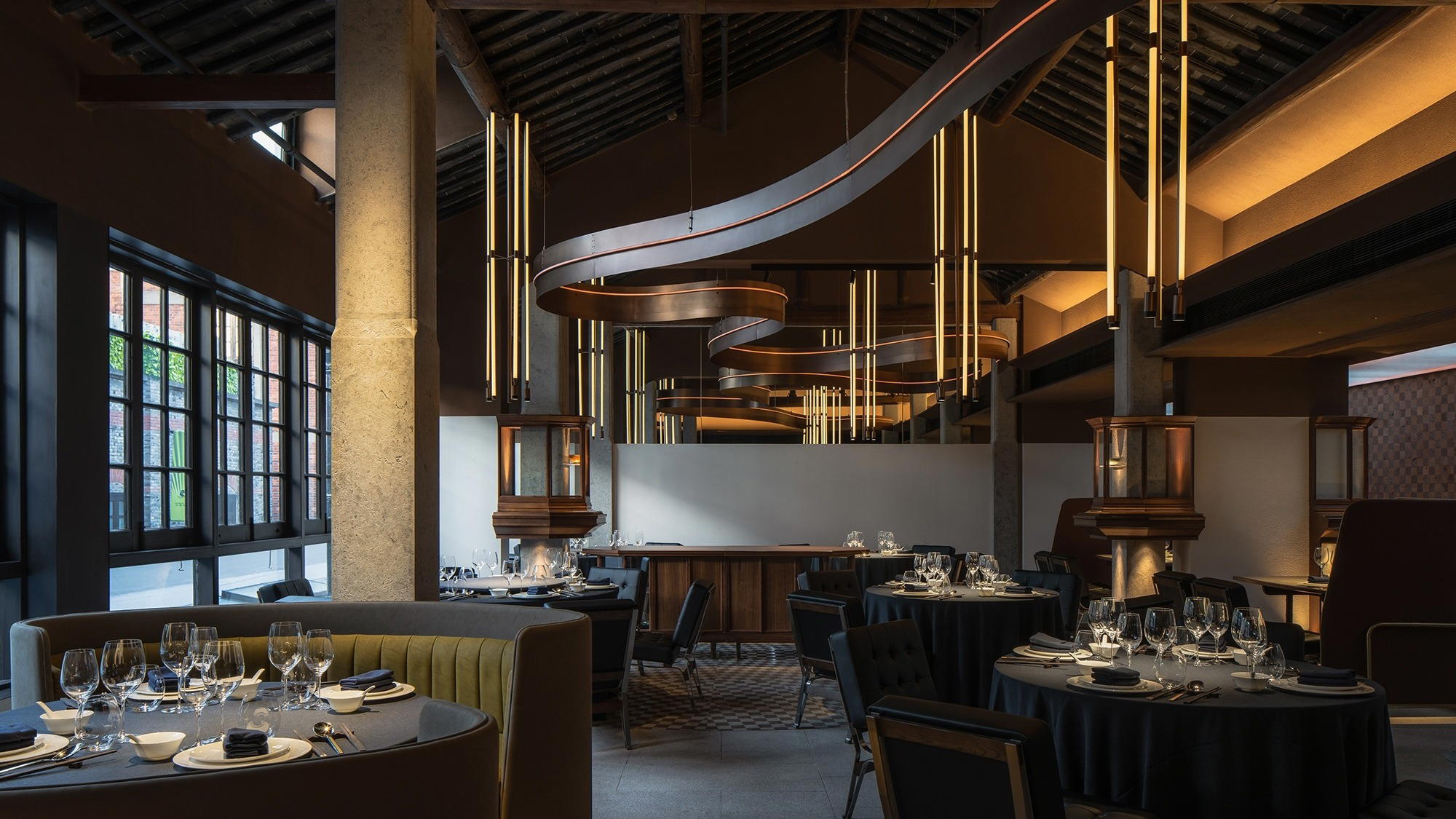
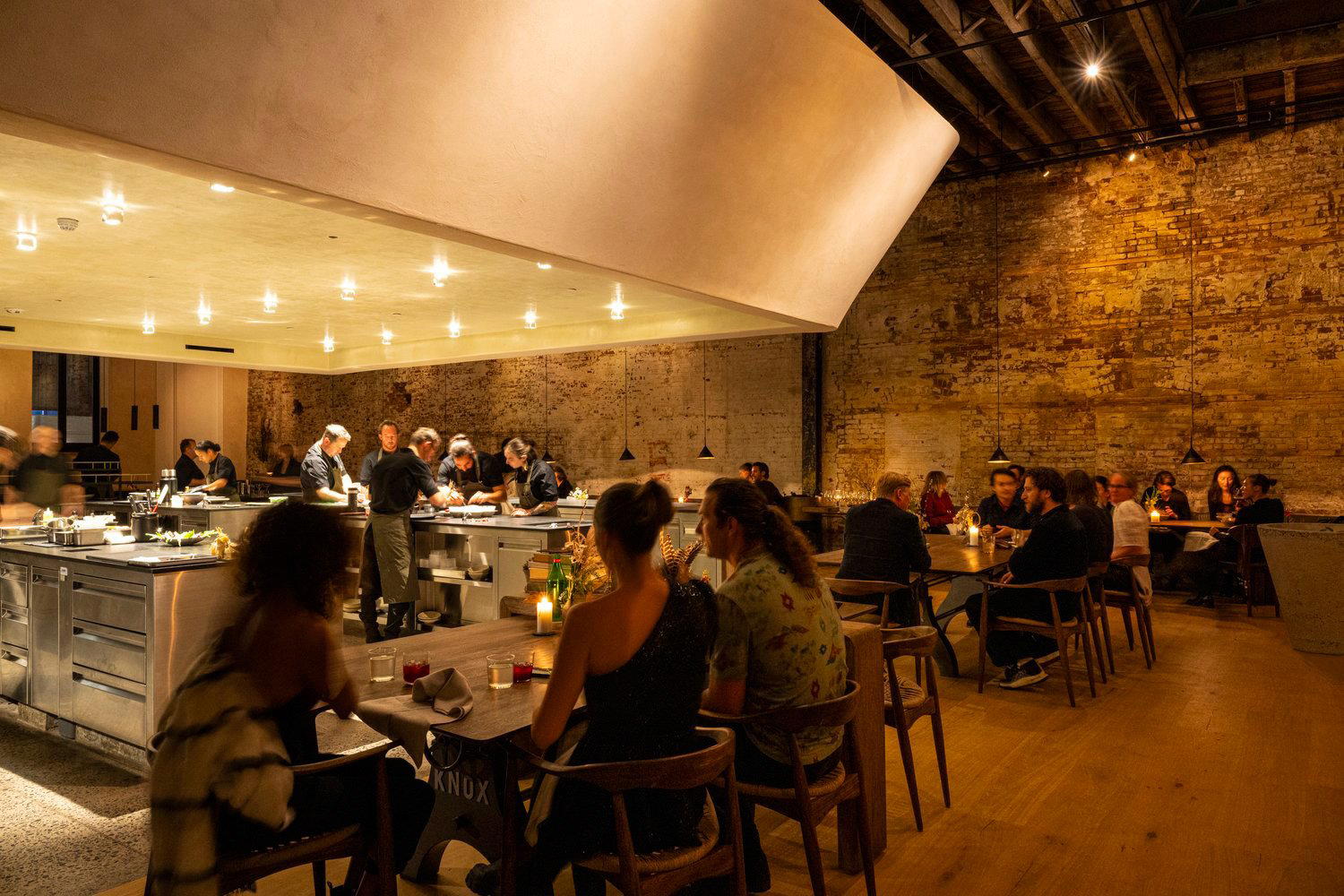
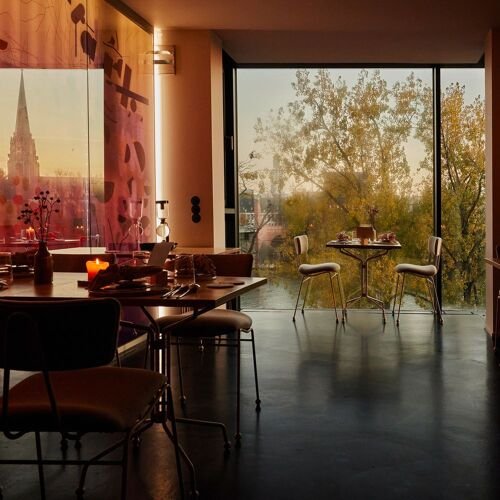
The atmosphere at Warias Am Markt reads, from the evidence of its sustained local following, as warm and grounded rather than formal. A market-facing address in a small German town implies a room that functions as a neighbourhood anchor, the kind of place where the energy on a Friday evening feels different from a Tuesday lunch, and where the noise level is convivial rather than loud. For a date or a celebration dinner where conversation matters, that profile works in your favour. You are not competing with a DJ or a rooftop bar crowd. The room is the meal.
For a special occasion, the case for Warias Am Markt is direct: Michelin-recognised quality at a price that does not require justification, in a setting where you will not feel rushed or overlooked. The caveats are practical ones, no published phone or website means you need to arrive in person or find a local contact to reserve, and the absence of published hours requires a direct check before you plan around it.
Multi-Visit Strategy
Given the farm-to-table format and seasonal sourcing, this is a restaurant that pays dividends across multiple visits in a way that a fixed tasting-menu destination does not. On a first visit, let the menu guide you, order what the kitchen is leading, which in a produce-driven format will reflect whatever is currently in peak condition. Treat the first visit as calibration: you are learning the kitchen's register, its sourcing relationships, and its style of restraint or generosity.
A second visit, ideally in a different season, is where the concept earns its keep. The gap between a late-summer menu and a mid-winter one at a kitchen of this type can be substantial. Where the first visit might have been anchored around lighter preparations and stone fruit, a return in colder months will tell you how the kitchen handles root vegetables, cured proteins, and warming flavour profiles. If the quality holds across both, that is meaningful evidence about the depth of the kitchen's capability rather than a single good-form showing.
A third visit, if you are local or returning to the region, is worth using to explore the drinks programme or any supplementary offerings, cheese, dessert courses, or any small plates structure that rewards sequential ordering rather than a single main selection. At €€, the risk of a third visit is low and the potential upside, if the kitchen has rotated to a menu you have not yet seen, is real.
For context in Germany's broader farm-to-table conversation, Au Gré du Vent in Seneffe and BOK Restaurant Brust oder Keule in Münster operate in the same genre. Both reward repeat visits for similar reasons. Warias Am Markt belongs in that peer group.
Ratings & Recognition
- Michelin Plate: 2024, 2025, two consecutive years
- Price range: €€
- Cuisine: Farm to table
Booking
Booking difficulty is rated Easy. No online booking portal or published phone number is available in current records, which means the most reliable approach is visiting in person to reserve, or asking locally for current contact details. Given the Michelin recognition and a sustained 4.4 rating, same-week availability is plausible, but for a Friday or Saturday special occasion dinner, booking a few days ahead is sensible. Check current hours directly before planning your visit, as no published schedule is available.
Know Before You Go
- Address: 06242 Braunsbedra, Germany
- Cuisine: Farm to table
- Price range: €€
- Awards: Michelin Plate 2024; Michelin Plate 2025
- Booking difficulty: Easy
- Booking method: In person or via local contact, no published phone or website currently available
- Hours: Not published, confirm directly before visiting
- Dress code: Not specified, smart casual is safe for a €€ Michelin Plate venue
How It Compares
See the full comparison section below.
Explore More in Braunsbedra
- Our full Braunsbedra restaurants guide
- Our full Braunsbedra hotels guide
- Our full Braunsbedra bars guide
- Our full Braunsbedra wineries guide
- Our full Braunsbedra experiences guide
Farm-to-Table Elsewhere in Germany
- JAN in Munich
- ES:SENZ in Grassau
- Schanz in Piesport
- Restaurant Haerlin in Hamburg
- Victor's Fine Dining by Christian Bau in Perl
- Waldhotel Sonnora in Dreis
- Bagatelle in Trier
Frequently Asked Questions
Is Warias Am Markt worth the price?
- At €€, yes, and it is not a close call. You are getting Michelin-recognised cooking without the three-figure bill that accompanies most recognised restaurants in Germany.
Is Warias Am Markt good for a special occasion?
- Yes, for the right kind of special occasion. The farm-to-table format at €€ suits an intimate dinner or celebration where quality of food matters more than formal service theatre. It is a stronger choice for a birthday dinner for two or a low-key anniversary than for a large corporate event where a grander room might be expected.
Is the tasting menu worth it at Warias Am Markt?
- No tasting menu details are published in available records. At a farm-to-table restaurant at this price point, multi-course progression options are common, but confirm the current format when booking. If a tasting menu is offered, the Michelin Plate recognition at €€ makes it among the better-value options of its kind in the region.
What should I order at Warias Am Markt?
- Specific dishes are not available in current records. At a farm-to-table restaurant with seasonal sourcing, the most reliable strategy is to order what the kitchen is currently leading, usually indicated by the daily specials or whichever ingredients appear across multiple sections of the menu. That approach applies on a first visit and a return equally.
Does Warias Am Markt handle dietary restrictions?
- No published information is available on dietary accommodation. Given the farm-to-table format and produce-led menu, vegetarian or allergen requests are worth raising directly when booking or arriving. No phone or website is currently listed, so an in-person conversation at the time of reservation is the most reliable channel for this question.
What are alternatives to Warias Am Markt in Braunsbedra?
- Braunsbedra has a thin restaurant field at the level Warias Am Markt operates. If you are willing to travel within the region, BOK Restaurant Brust oder Keule in Münster is the most direct farm-to-table peer. For Michelin-starred alternatives in Germany more broadly, Aqua in Wolfsburg and Schwarzwaldstube in Baiersbronn operate at a higher price tier but represent the next step up in formal recognition.
Planning details
- Location
- 06242 Braunsbedra, Germany
- Website
- daswarias.de
- Phone
- +49 34633 9090
The take
The Take
The Vibe
Warias Am Markt feels quietly assured rather than showy: a market‑side restaurant that foregrounds provenance and season over ornament. The dining room sits literally at the town market, and the kitchen’s disciplined farm‑to‑table approach produces restrained, less decorative plates that reflect the rhythm of local supply. That practical civic setting — a small Saxony‑Anhalt market square rather than a tourist stage — gives the place a classic, low‑fuss charm. Recognition on the Michelin Plate in consecutive years underscores a consistent, serious approach to regional ingredients rather than a pursuit of culinary spectacle.
Best For
This is a place for diners who prize ingredient integrity and quietly confident cooking. The market‑proximate sourcing and seasonal focus make Warias Am Markt a solid choice for a thoughtful dinner, whether you’re marking a small special occasion or slipping in for a relaxed local meal. The kitchen’s steady focus on what’s available from nearby producers means menus shift with the market, so expectations should tilt toward simple, well‑judged preparations that showcase provenance rather than ambitious plating.
Ordering Tips
Order with the season in mind and ask staff what arrived from the market that day: the menu is driven by local availability rather than fixed showpieces. The house signatures give a clear sense of the kitchen — try the beef carpaccio with pesto and Belper Knolle cheese and the pan‑seared fish‑of‑the‑day with potato and cucumber salad when they appear. Because the restaurant emphasizes disciplined, seasonal sourcing, checking daily specials and provenance notes will point you to the most distinctive, current dishes.
Venue details
Ambiance
Convivial atmosphere with light, airy spaces and a delightful outdoor terrace.
Tags
Vibe
Best For
Experience
Sourcing
View
Accessibility
At the Table
- Dress Code
- Smart Casual
- Noise Level
- Conversational
- Service Style
- Upscale Casual
- Meal Pacing
- Leisurely
- Capacity
- Small
- Kitchen
- Farm-to-table
- Menu Format
- A la carte, Set menu
- Wine Program
- Curated
- Dietary
- Vegetarian friendly, Vegan options
- Outdoor Seating
- Yes
Signature Dishes
- beef carpaccio with pesto and Belper Knolle cheese
- pan-seared fish-of-the-day with potato and cucumber salad
Know before you go
Know Before You Go
- Getting there
- 06242 Braunsbedra, Germany
Planning details
Location
Recognition and awards
Also consider
Also Consider
- Aqua, Contemporary German, Italian/Japanese, Creative, €€€€
- Schwarzwaldstube, French, Classic French, €€€€
- CODA Dessert Dining, Creative, €€€€
- Tantris, Modern French, French Contemporary, €€€€
- Vendôme, Modern European, Creative, €€€€
Restaurant context
Comparing Warias Am Markt directly against Aqua in Wolfsburg, Schwarzwaldstube in Baiersbronn, CODA Dessert Dining in Berlin, Vendôme in Bergisch Gladbach, or Tantris on price alone tells most of the story: all five operate at €€€€, two to three price tiers above Warias Am Markt. If your priority is Germany's top tier of formally recognised cooking, multiple Michelin stars, national critical consensus, ambitious multi-course formats, those venues are the right choice and Warias Am Markt is not a substitute. The comparison is not really between them; it is between spending significantly more for a higher tier of experience versus getting Michelin-acknowledged quality at a fraction of the cost.
Where Warias Am Markt wins is the value-per-euro calculation. For diners visiting Braunsbedra or the surrounding Saxony-Anhalt region, it is the only Michelin-recognised option at this price point indicates the local audience is returning. If you are deciding between a single expensive meal at a starred restaurant elsewhere in Germany or two evenings at Warias Am Markt across a regional stay, the latter gives you more contact with a kitchen that is clearly operating above its surroundings. For farm-to-table peers at a closer price level, BOK Restaurant Brust oder Keule in Münster is the most direct comparison.
On booking difficulty, Warias Am Markt is easier to access than any of the €€€€ comparators, several of which require weeks of advance planning and are effectively inaccessible for spontaneous travel. The trade-off is that Warias Am Markt has no published booking infrastructure, so ease of reservation comes with some logistical uncertainty. For a diner who wants Michelin-quality cooking without a complex reservation process or a large spend, Warias Am Markt is the practical answer in this region. For a diner whose occasion demands the full formal dining experience, the starred options above are worth the extra planning and cost.
Explore Braunsbedra
Around this place
Discover more on Pearl
Unlock the full Warias Am Markt guide in Pearl, including awards, comparisons, FAQs, planning details, and nearby places.
Compare Warias Am Markt
| Venue | Price | Booking Difficulty | Awards |
|---|---|---|---|
| Warias Am Markt | €€ | Easy | 2026 Michelin PlateMichelin Guide Germany 20262025 Michelin Plate2024 Michelin Plate |
| Aqua | €€€€ | Unknown | 2026 OAD Top Restaurants in Asia Recommended2026 Les Grandes Tables du Monde Members2026 La Liste Top RestaurantsWe're Smart World Top Restaurants 20252025 La Liste Top Restaurants2025 The Best Chef Two Knives2025 Michelin 3 Stars2024 Michelin 3 Stars2015 World's 50 Best Restaurants · #33 |
| Schwarzwaldstube | €€€€ | Unknown | 2026 OAD Classical in Europe Ranked · #9Michelin Guide Germany 20262026 Les Grandes Tables du Monde Members2026 La Liste Top Restaurants2025 OAD Classical in Europe Ranked · #82025 La Liste Top Restaurants2025 Michelin 3 Stars2024 OAD Classical in Europe Ranked · #82024 Michelin 3 Stars |
| CODA Dessert Dining | €€€€ | Unknown | Michelin Guide Germany 20262026 Michelin 2 StarsStar Wine Lists 20262026 Falstaff Restaurant Guide2026 OAD Top Restaurants in Europe Recommended2026 La Liste Top RestaurantsGermany's Best Restaurant 2025 · #12025 World's 50 Best Restaurants · #792025 OAD Top Restaurants in Europe Ranked · #261 |
| Tantris | €€€€ | Unknown | Star Wine Lists 2026 · #12026 OAD Classical in Europe Ranked · #502026 OAD Top Restaurants in Europe Ranked · #61Michelin Guide Germany 20262026 Les Grandes Tables du Monde Members2026 La Liste Top Restaurants2026 Falstaff Restaurant Guide2025 OAD Classical in Europe Ranked · #672025 World's 50 Best Restaurants · #73 |
| Vendôme | €€€€ | Unknown | 2026 OAD Top Restaurants in Europe Ranked · #84Michelin Guide Germany 20262026 La Liste Top Restaurants2026 Falstaff Restaurant Guide2025 OAD Top Restaurants in Europe Ranked · #542025 La Liste Top Restaurants2025 Michelin 2 Stars2024 OAD Top Restaurants in Europe Ranked · #472024 Michelin 2 Stars |













Key differences to consider before you reserve.
FAQ
Frequently Asked Questions
What are alternatives to Warias Am Markt in Braunsbedra?
Braunsbedra has a limited dining scene, and Warias Am Markt is the only Michelin-recognised option in the area. If you are open to travelling within the region, Halle (Saale) and Leipzig both carry a broader range of recognised restaurants. For farm-to-table cooking at a comparable price tier elsewhere in Germany, consider venues in Saxony or Thuringia with similar seasonal credentials.
Is Warias Am Markt good for a special occasion?
It works for a low-key special occasion, particularly one where seasonal, produce-driven cooking matters more than formal ceremony. The €€ pricing keeps it from feeling like a milestone splurge destination, but consecutive Michelin Plates give it enough credibility to mark a birthday or anniversary dinner. If you need a grander room or a longer tasting format, you would need to travel to a larger city.
Is Warias Am Markt worth the price?
At €€, yes. A Michelin Plate in consecutive years (2024 and 2025) at this price point is a strong value signal. You are getting recognised kitchen quality without the €€€–€€€€ spend that Michelin attention usually demands. For farm-to-table cooking in central Germany, few options combine this level of external recognition with accessible pricing.
What should I order at Warias Am Markt?
Specific dishes are not documented, so ask the kitchen directly what is seasonal when you book. With a farm-to-table format backed by Michelin Plate recognition, the safest approach is to follow the kitchen's current recommendations rather than arrive with a fixed dish in mind. Seasonal menus shift, and the best version of this restaurant is the one currently in season.