.png?width=1200&quality=80)
Ling's Ravioleria Migrante
Asian · quiet residential district, Bologna
Restaurant in Bologna, Italy
 Book with Pearl
The Read
Migrant-Kitchen Ravioli
Dress
Casual
Why go
A 20-seat Michelin Plate restaurant in Bologna's residential south run by a Chinese-French-Italian couple, serving daily-changing Chinese ravioli and "migrant" cooking that draws on Emilian, Mediterranean, and Asian traditions. At the € price tier, it's one of the strongest value propositions in the city for food-focused visitors who want something beyond the standard pasta circuit. Book ahead — it fills.
About Ling's Ravioleria Migrante
Verdict: Book It — Especially If You've Been Before
If you visited Ling's Ravioleria Migrante once and wrote it off as a curiosity, go back. The daily-changing menu means a second visit is a genuinely different meal, and the kitchen's confidence has only grown since earning consecutive Michelin Plates in 2024 and 2025. At the € price point, this is one of the most considered cooking projects in Bologna right now — not the most comfortable room, not the easiest reservation, but one of the most rewarding ways to spend an evening in the city's residential south.
The Space
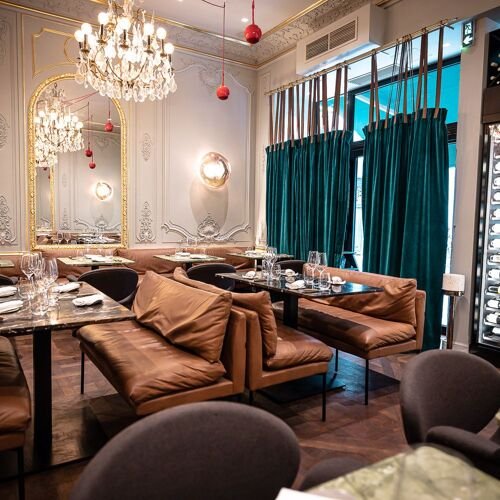
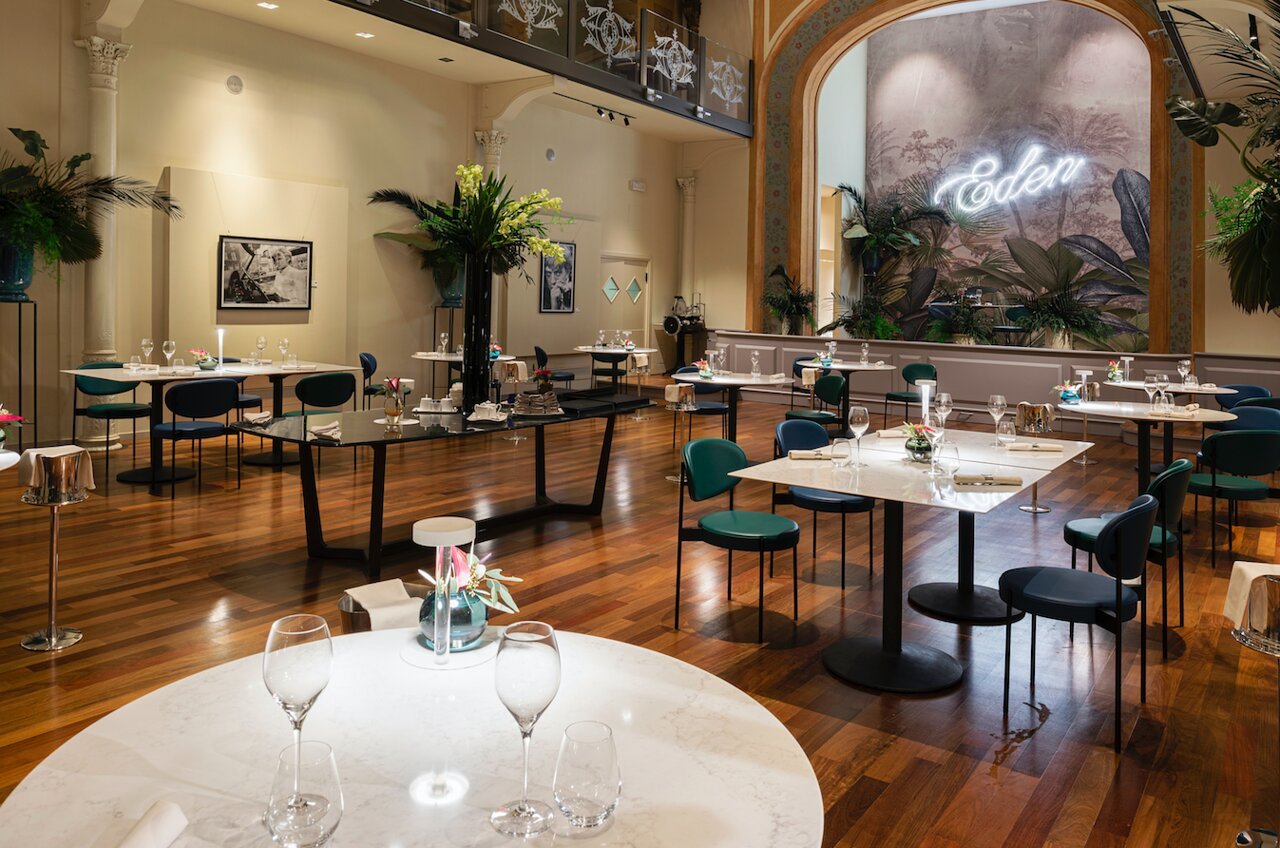
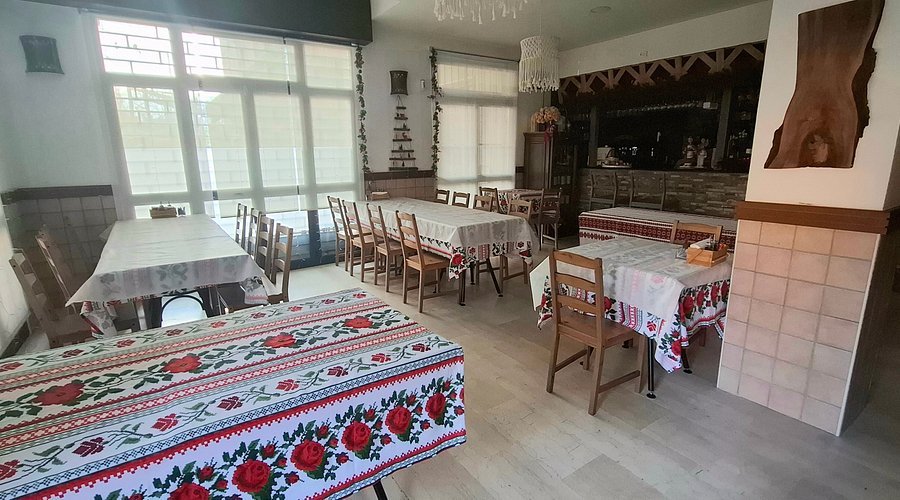
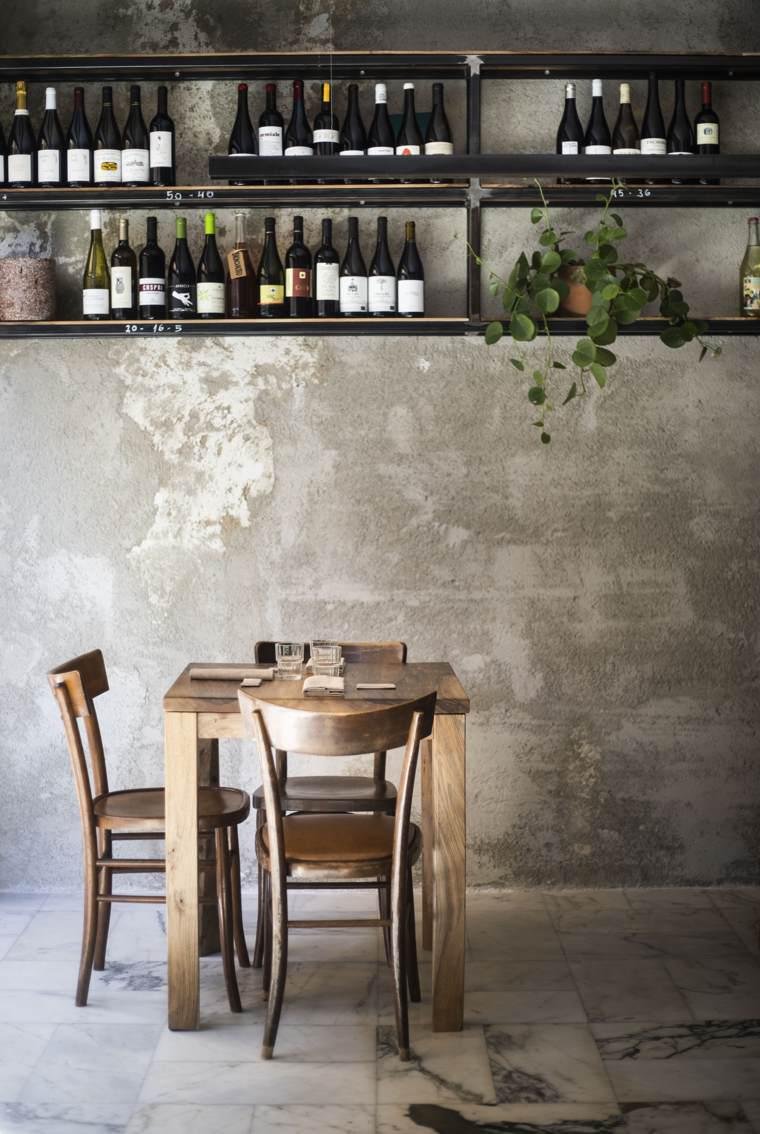
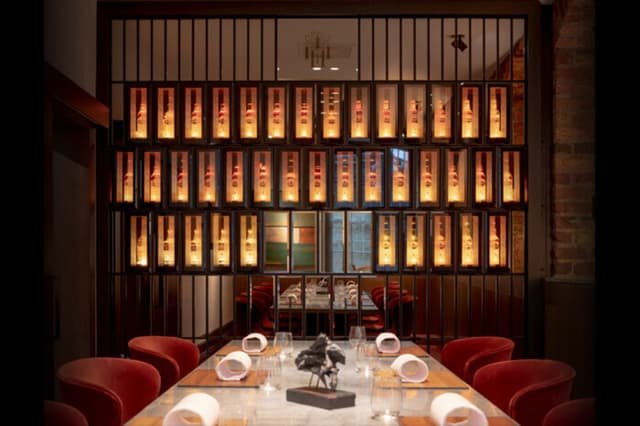
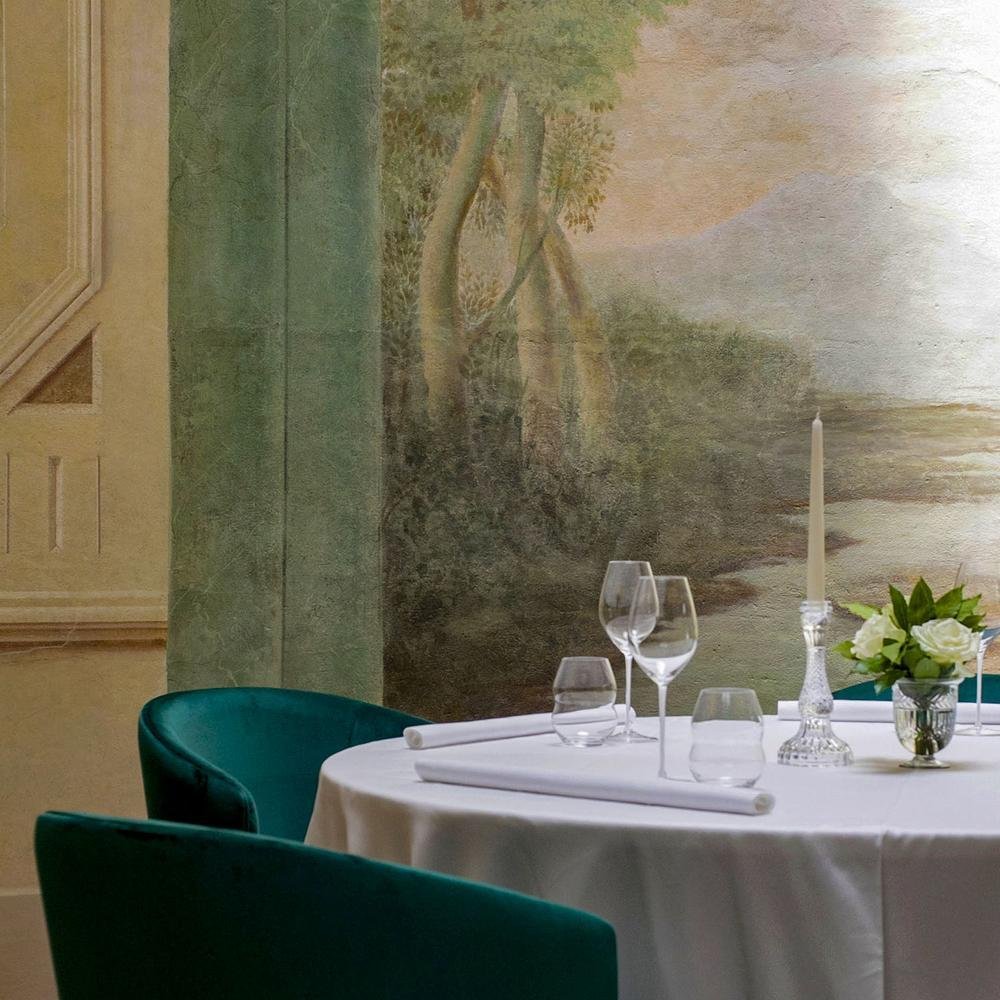
Via Leandro Alberti sits well clear of the centro storico crowds, in a quiet residential district that gives the restaurant its particular character. The dining room holds around 20 seats, a compact, close arrangement where tables are near enough that you'll hear your neighbours' conversation if you want to. In summer, a few small tables appear outside, which changes the atmosphere considerably: more air, more light, a pace that feels less urgent. The room itself is modest by design; this is not a space built for occasion dining. It rewards diners who want to focus on the food rather than the setting.
That spatial intimacy has a practical consequence: with 20 covers, the restaurant fills quickly and cancellations are rare. Booking is not optional here in the way it might be at a larger trattoria. If you're planning to come in summer and want an outdoor table, build extra lead time into your reservation.
Lunch vs. Dinner: How the Two Experiences Differ
The menu at Ling's changes daily based on market availability, which means the lunch-versus-dinner question is more consequential here than at most restaurants. Lunch in Bologna's residential neighbourhoods tends to be quieter and more local in character, fewer tourists, faster service, often a shorter menu. Dinner at Ling's is where the full scope of the cooking tends to show: the kitchen has more time, and the couple who run the restaurant seem to lean into the evening format for their more cross-cultural combinations. If you can only come once, dinner is the stronger choice for depth of experience. Lunch is the better option if you're trying to keep costs down or prefer a less formal atmosphere, and at the € price tier, the difference in spend is unlikely to be dramatic either way.
For summer visitors, the outdoor tables are only available at lunch and early dinner before the evening fills. If the outdoor setting matters to you, aim for an early dinner reservation rather than peak lunchtime, when the heat on a south-facing street can make al fresco eating less comfortable.
The Cooking
The menu draws on Chinese ravioli traditions as its backbone, then extends outward into what the restaurant describes as "migrant" cooking: dishes that pull from Mediterranean, French, and Italian references with Emilia-Romagna providing the grounding. The Michelin database notes specific combinations such as Peking-style Mora Romagnola coppa ham and pink Adriatic prawns marinated in mirin and soy sauce, the kind of pairings that could read as gimmicky but here reflect genuine cultural fluency rather than fusion for its own sake. The Mora Romagnola pig is a heritage breed specific to Emilia-Romagna; using it in a Peking preparation is a decision with real culinary logic behind it.
Because the menu changes daily, there's no fixed dish to insist on. What you can expect is the ravioli in some form, it's the structural core of the menu, alongside whatever cross-cultural combinations the market and the kitchen's instincts produce that day. Drinks are pared back: tea, beer, and a small wine selection. This is not a destination for serious wine drinking. If that matters to you, note it before you book.
Is It Worth It?
At the € price tier, yes, straightforwardly. The Michelin Plate recognition in both 2024 and 2025 signals that the cooking meets a credible technical standard without requiring a fine-dining budget to access it. For context, you'll spend more at Ahimè or Al Cambio for very different styles of food. The comparison to I Portici is almost meaningless on price alone, that's a four-price-band gap. Ling's is not competing in that space. It's competing with Bologna's better trattorias on value, and beating most of them on originality.
Who Should Book
This restaurant suits food-focused visitors who want something that isn't another Emilian pasta house. If you've already done the classic Bologna circuit, the ragu, the tortellini in brodo, the mortadella, Ling's is the logical next move. It also works well for solo diners (the compact room and counter-adjacent setup makes eating alone feel natural here) and for pairs who want to eat well without a long tasting menu commitment. Groups of four or more will find the 20-seat room a genuine constraint; larger parties should contact the restaurant directly to discuss options before assuming availability.
If you're building a broader Bologna itinerary, see our full Bologna restaurants guide, our Bologna hotels guide, and our Bologna bars guide for context on where Ling's fits within the city's wider dining picture. For Asian cooking at a comparable level of ambition in other European cities, taku in Cologne and Jun's in Dubai offer useful reference points for what cross-cultural Asian cooking looks like when it's working at its finest.
Know Before You Go
- Price tier: € (budget-friendly by Bologna standards)
- Covers: ~20 inside; small outdoor terrace in summer
- Booking: Essential, walk-ins are not a viable strategy
- Menu format: Daily-changing; no fixed signature dishes
- Drinks: Tea, beer, limited wine, not a wine destination
- Location: Via Leandro Alberti, 34/2c, residential district south of centre, not walkable from most tourist hotels without a short transit
- Awards: Michelin Plate 2024 and 2025
- Leading for: Pairs, solo diners, food-focused visitors on second or third trips to Bologna
- Skip if: You want a serious wine list, a large-group dinner, or a fixed menu you can plan around
How It Compares
See the comparison section below for how Ling's sits against Bologna's broader restaurant range, from All'Osteria Bottega to I Portici, and which venue makes more sense depending on what you're after. For reference on what Michelin recognition looks like at higher price points in northern Italy, Osteria Francescana in Modena and Dal Pescatore in Runate show what a significantly larger investment buys. Ling's is not in that conversation on ambition or formality, but on value per euro spent, it compares well against almost anything in its price band in Emilia-Romagna.
Planning details
- Location
- Via Leandro Alberti, 34/2c, 40137 Bologna BO, Italy
- Website
- lingsravioleriamigrante.com
- Phone
- +39 351 577 1536
The take
The Take
The Vibe
Ling's Ravioleria Migrante occupies a modest, residential storefront and feels quietly purposeful rather than flashy. The dining room is spare and small—about 20 seats—so attention is on measured service and precise cooking. The couple-run kitchen situates Emilia‑Romagna ingredients at the centre of a migratory culinary vocabulary that blends Chinese, French and Mediterranean influences. Michelin Plate recognition in both 2024 and 2025 underlines the restaurant's refined technique and the serious but unostentatious tone of the place. In summer, a few outdoor tables extend the intimate footprint onto the street, reinforcing its neighbourhood charm.
Best For
This is a tight, reservation-driven neighbourhood restaurant that rewards focused dining: ideal for two people seeking an intimate evening or a special-occasion meal where the food is the primary attraction. The small scale means bookings are essential and the room fills quickly, so it suits diners who value quiet conversation and considered service over large-group gatherings or boisterous nights out. The menu’s daily changes and market-driven approach also make it most appropriate for dinner services when the kitchen presents its best, composed plates.
Ordering Tips
Book in advance—the dining room seats around 20 and 'the room fills quickly,' so reservations are essential. Expect a daily-changing menu built around Chinese-style ravioli with variable fillings and preparations driven by market availability; the kitchen describes its approach as 'migrant' cooking that centers Emilian ingredients. Look for signature preparations when they appear, such as the Buncha Hanoi and the Peking-style Mora Romagnola coppa ham with pink Adriatic prawns. In summer, request an outdoor table if you prefer dining on the pavement-side terrace.
Venue details
Ambiance
Clean, bright, welcoming space with busy open kitchen, minimal and cozy intimate atmosphere.
Tags
Vibe
Best For
Experience
Sourcing
At the Table
- Dress Code
- Casual
- Noise Level
- Conversational
- Service Style
- Upscale Casual
- Meal Pacing
- Leisurely
- Capacity
- Intimate
- Kitchen
- Fusion
- Menu Format
- A la carte, Small plates
- Wine Program
- Curated
- Dietary
- Vegetarian friendly
- Outdoor Seating
- Yes
Signature Dishes
- Buncha Hanoi
- Peking-style Mora Romagnola coppa ham and pink Adriatic prawns
Know before you go
Know Before You Go
- Getting there
- Via Leandro Alberti, 34/2c, 40137 Bologna BO, Italy
Planning details
Location
Via Leandro Alberti, 34/2c, 40137 Bologna BO, Italy · Directions
Recognition and awards
Also consider
Also Consider
- I Portici, Italian, Creative, €€€€
- Ahimè, Modern Bolognese, Country cooking, €€
- Oltre., Modern Bolognese, Emilian, €€
- Al Cambio, Bolognese, Emilian, €€
- Trattoria di Via Serra, Emilian, €
Restaurant context
Ling's sits in its own lane among Bologna's dining options, which makes direct comparison tricky but useful. At the € price tier with Michelin Plate recognition, its closest structural comparison is Trattoria di Via Serra on price, but the cooking styles are entirely different: Trattoria di Via Serra is a traditional Emilian address, while Ling's is built around cross-cultural fusion with real technique behind it. If you want classic Bologna, go to the trattoria. If you want something that uses Emilian ingredients in genuinely unexpected ways, Ling's is the stronger choice.
Ahimè and Oltre. sit one price band higher at €€ and represent the modern Bolognese cooking end of the spectrum, more formal, more structured, more recognisably Italian in frame. Al Cambio is also at €€ and leans into classic Emilian tradition with a polished service register. All three are better choices if you want wine-forward dining or a longer, more considered evening. Ling's wins on value and originality; those three win on depth of service and wine.
I Portici at €€€€ is a different proposition entirely, formal, technically ambitious, and priced accordingly. The four-band price gap between Ling's and I Portici is real: you are buying a fundamentally different kind of evening. For a first-time visitor wanting to understand Bologna's food culture, I Portici is the splurge choice; Ling's is the value choice that happens to be one of the more interesting meals in the city. For a two-dinner Bologna itinerary, booking Ling's on one night and either Ahimè or Al Cambio on the other covers the city's range more efficiently than doubling up on either end of the price spectrum.
Around this place
Discover more on Pearl
Unlock the full Ling's Ravioleria Migrante guide in Pearl, including awards, comparisons, FAQs, planning details, and nearby places.
Compare Ling's Ravioleria Migrante
| Venue | Location | Cuisine | Awards | Price |
|---|---|---|---|---|
| Ling's Ravioleria Migrante | Bologna | Asian | 2026 Michelin Plate2025 Michelin Plate2024 Michelin Plate | € |
| I Portici | Bologna | Italian, Creative | 2026 Michelin 1 StarWe're Smart World Top Restaurants 20252025 Michelin 1 Star2024 Michelin 1 Star | €€€€ |
| Ahimè | Bologna | Modern Bolognese, Country cooking | 2026 OAD Casual in Europe Recommended2026 Bib Gourmand2025 OAD Casual in Europe Ranked · #787We're Smart World Top Restaurants 20252025 Michelin Bib Gourmand2024 OAD Casual in Europe Ranked · #4712024 Michelin Bib Gourmand | €€ |
| Oltre. | Bologna | Modern Bolognese, Emilian | 2026 OAD Casual in Europe Recommended2026 Michelin Plate2025 Michelin Plate2025 The Best Chef One Knife2024 OAD Casual in Europe Ranked · #6422024 Michelin Plate2023 OAD Casual in Europe Recommended | €€ |
| Al Cambio | Bologna | Bolognese, Emilian | 2026 OAD Casual in Europe Recommended2026 Bib Gourmand2025 OAD Casual in Europe Ranked · #3452025 Michelin Bib Gourmand2025 The Best Chef One Knife2024 OAD Casual in Europe Ranked · #7052024 Michelin Bib Gourmand2023 OAD Casual in Europe Recommended | €€ |
| Trattoria di Via Serra | Bologna | Emilian | 2026 Bib Gourmand2025 OAD Casual in Europe Ranked · #5402025 Michelin Bib Gourmand2024 OAD Casual in Europe Ranked · #4562023 OAD Casual in Europe Recommended | € |



.png?width=1200&quality=80)


How Ling's Ravioleria Migrante Bologna compares with similar nearby venues.
FAQ
Frequently Asked Questions
What should I order at Ling's Ravioleria Migrante?
The Chinese ravioli are the anchor of the menu and the reason to come — go for whichever variety is on the day you visit. Beyond that, the kitchen's 'migrant' dishes are where the cooking gets interesting: past iterations have included Mora Romagnola coppa ham prepared Peking-style and pink Adriatic prawns marinated in mirin and soy. Because the menu changes daily with market availability, there's no fixed dish to target — trust the format and order broadly.
Can I eat at the bar at Ling's Ravioleria Migrante?
The venue is a small dining room with around 20 seats, plus a few outdoor tables in summer — there's no bar counter seating format here. Your options are a table inside or, when the weather allows, outside. Given the size, booking is essential regardless of where you sit.
What should I wear to Ling's Ravioleria Migrante?
This is a 20-seat neighbourhood restaurant in a quiet residential district on Via Leandro Alberti, priced at the € tier — dress casually. There's no dress code pressure; neat, everyday clothes are appropriate. Think of it as a local's spot, not a special-occasion dining room.
Is Ling's Ravioleria Migrante worth the price?
At the € price tier, yes. The Michelin Plate in both 2024 and 2025 signals consistent cooking quality at a price point where that recognition is genuinely rare. You're getting a daily-changing menu that draws on Chinese ravioli traditions and cross-cultural influences — more cooking ambition per euro than most Bologna options in the same bracket.
Is the tasting menu worth it at Ling's Ravioleria Migrante?
The menu structure isn't confirmed as a fixed tasting format — the kitchen works with a daily-changing menu based on market availability rather than a set multi-course progression. Order across multiple dishes to get the full range of the cooking, including both the ravioli and the 'migrant' plates. That approach will give you a representative experience without needing a prescribed tasting menu.
Can Ling's Ravioleria Migrante accommodate groups?
With around 20 seats total, large groups are a stretch — the dining room isn't designed for parties of 8 or more. Groups of 4 to 6 are workable but will require advance booking, since a table that size takes a meaningful share of the room's capacity. For larger gatherings, the format isn't the right fit.
How far ahead should I book Ling's Ravioleria Migrante?
Book as early as possible — the restaurant itself flags that booking is essential, and with only around 20 seats, this fills faster than it appears. For weekend visits, aim for at least a week ahead; for weekday lunches, a few days may work, but don't count on walk-in availability. This is not a spontaneous-visit restaurant.