.png?width=1200&quality=80)
La Cuchara de Ruba
Traditional Cuisine · Biescas
Restaurant in Biescas, Spain
 Book with Pearl
The Read
High-Valley Aragón Cooking
Price
$30–50per person
Dress
Smart Casual
Why go
Michelin Bib Gourmand-recognised (Spain 2026), La Cuchara de Ruba served daily-changing contemporary menus rooted in Upper Aragón cooking at the € price tier. The service was informal, and the kitchen consistently outperformed what a small Pyrenean town would typically offer.
About La Cuchara de Ruba
Should You Book La Cuchara de Ruba?
Yes, book it — especially if you are passing through the Pyrenees and want a meal that goes well beyond what a small mountain town in Huesca might lead you to expect. La Cuchara de Ruba is a Michelin Plate-recognised restaurant (2024 and 2025) serving daily-changing contemporary menus rooted in Upper Aragón cooking, at a price point (€) that makes it one of the most accessible Michelin-acknowledged tables in northern Spain. For a first-timer, the combination of informal service, a constantly rotating menu, and a commitment to regional recipes makes it worth planning your visit around rather than stumbling into.
What La Cuchara de Ruba Is
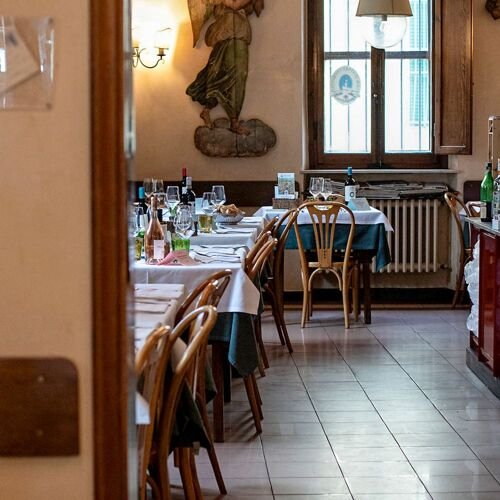
The restaurant sits on Calle Esperanza in Biescas, a small town in the Aragonese Pyrenees on the road up to Formigal. It was created to carry forward the legacy of Ramón Ruba, a name with deep roots in local hospitality, and you can sense that intent in the dining room: the setting is simple, the service informal, and nothing about the room signals ambition beyond the food itself. Chef Diego Herrero, who also runs El Montañés (Contemporary) in Biescas, brings a kitchen sensibility shaped by his work at Vidocq in Formigal, and he applies it here while keeping the menu anchored in the Upper Aragón culinary tradition.
What makes La Cuchara de Ruba worth returning to is the menu's rhythm: it changes almost every day. The kitchen works from regional recipes and seasonal produce, which means two visits a week apart can feel like two different restaurants. The Michelin Plate recognition for consecutive years signals consistent technical delivery rather than a one-off performance, and at the € price tier, that consistency is genuinely notable. The dishes Michelin has highlighted include a Pedrosillano chickpea stew, Iberian ham pancetta croquettes made with organic chicken broth, and an Oliván trout prepared with pil pil and sautéed vegetables — all rooted in Aragonese ingredients and technique, none of them chasing trends from outside the region.
How to Approach Your First Visit
If this is your first time, arrive with an appetite for the menu as written rather than specific dishes you have read about. Because the menu rotates daily, the croquettes or trout may or may not be available on your visit. The practical upside is that booking here is direct, far easier than any comparable Michelin-recognised table in Spain's major cities. Think of it as a serious kitchen operating in an unpretentious room. If you are travelling with a group, the relaxed format suits a table of friends more naturally than a couples-only romantic occasion, though the quality of the food lifts it above a purely casual dinner. For visitors to the area, check our full Biescas restaurants guide before your trip so you have a fallback option if La Cuchara de Ruba is closed on your day.
A Multi-Visit Strategy
The daily-changing menu is the single leading argument for coming back more than once. On a first visit, let the kitchen lead: order what is featured, pay attention to the regional ingredients on the plate, and use the meal as an orientation to Upper Aragón cooking. On a second visit, you are better placed to ask about dishes that cycle back into the rotation, or to compare how the kitchen handles the same core ingredients across different preparations. Herrero's dual presence at La Cuchara de Ruba and Vidocq in Formigal means there is a coherent culinary sensibility running across his work, and diners who spend a few days in the valley have the rare opportunity to eat at both and trace those connections directly.
For a third visit or an extended stay in the area, pair La Cuchara de Ruba with an exploration of the broader region. Our full Biescas hotels guide, bars guide, and experiences guide cover what else the area offers, and the wineries guide is worth checking if you want to extend the food and drink thread beyond the restaurant itself.
Price and Value
At the € price tier, La Cuchara de Ruba is not a splurge decision, it is a practical one. Michelin Plate recognition at this price point in a mountain town of this size is unusual, and it positions the restaurant clearly: this is serious cooking that has not priced itself for tourists. The comparable question is not whether to spend more for a bigger meal, but whether to add it to your itinerary at all. The answer is yes, without much hesitation, if you are already in or near Biescas.
For context on where La Cuchara de Ruba sits within Spain's wider dining picture, the country's Michelin-starred restaurants in the north, from Arzak in San Sebastián to Azurmendi in Larrabetzu, operate at €€€€ and require advance planning of weeks or months. La Cuchara de Ruba is not competing with those rooms, but it is recognised within the same framework and delivers a grounded, regionally specific meal that those restaurants, for all their ambition, are not trying to provide. If your trip takes you further across Spain, El Celler de Can Roca in Girona, Cocina Hermanos Torres in Barcelona, and Martin Berasategui in Lasarte-Oria are worth adding to a longer itinerary, but they serve a different purpose entirely. For comparable traditional-format restaurants in other parts of Spain, see also Cave à Vin & à Manger - Maison Saint-Crescent in Narbonne and Coto de Quevedo Evolución in Torre de Juan Abad.
Planning details
- Location
- C. Esperanza, 18, 22630 Biescas, Huesca, Spain
- Website
- instagram.com/lacucharaderuba
- Phone
- +34 974 09 64 27
The take
The Take
The Vibe
La Cuchara de Ruba presents a quietly confident mountain dining experience: rustic in its roots, cozy in scale, and classic in its reverence for local tradition. The dining room is simple and unadorned, the service unhurried and direct, and the kitchen leans on the larder of Upper Aragón — legumes, cured pork, freshwater fish and foraged vegetables — while applying a contemporary sensibility. The restaurant reads like a neighborhood anchor: modest and warm rather than flashy, sustained by institutional memory and a chef who honors the lineage of Casa Ruba while keeping the food immediate and familiar.
Best For
This is a place for people who want straightforward, substantial Pyrenean cooking without pretense. It suits locals and visitors looking for an unfussy meal — ideal for relaxed lunch or dinner outings when you want something hearty and regionally rooted. The atmosphere favors regulars and small gatherings rather than high-concept dining; because the menu changes often and prices stay accessible, it’s a reliable choice for repeat visits and for anyone seeking an authentic taste of Upper Aragón cuisine in Biescas.
Ordering Tips
The kitchen emphasizes regional staples, so plan to order dishes that showcase the Pyrenean larder. Standouts to try include the Pedrosillano chickpea stew, Iberian ham pancetta croquettes served with organic chicken broth, and the Oliván trout with pil pil. Plates are substantial and meant for sharing — ask the staff for the day’s highlights, since the menu rotates frequently. Expect unhurried, direct service and come with a flexible appetite: the house’s contemporary touches reinterpret traditional ingredients rather than following a fixed a la carte formula.
Venue details
Ambiance
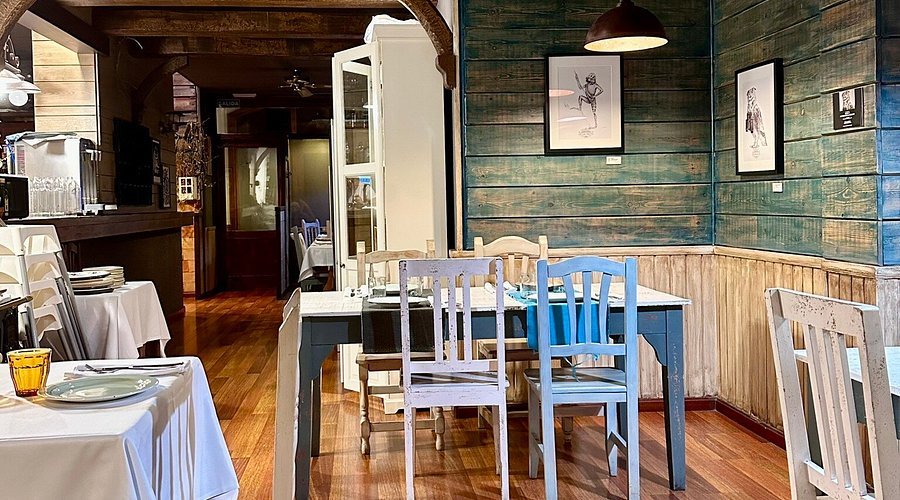
Simple, unadorned dining room with practical warm lighting, simple wood and stone materials, convivial table spacing, and relaxed friendly atmosphere focused on food and conversation.
Tags
Vibe
Best For
Experience
Sourcing
View
At the Table
- Dress Code
- Smart Casual
- Noise Level
- Conversational
- Service Style
- Casual
- Meal Pacing
- Leisurely
- Capacity
- Small
- Kitchen
- Traditional
- Menu Format
- A la carte, Small plates
Signature Dishes
- Pedrosillano chickpea stew
- Iberian ham pancetta croquettes with organic chicken broth
- Oliván trout with pil pil
Know before you go
Know Before You Go
- Getting there
- C. Esperanza, 18, 22630 Biescas, Huesca, Spain
Planning details
Location
C. Esperanza, 18, 22630 Biescas, Huesca, Spain · Directions
Recognition and awards
Also consider
Also Consider
- Quique Dacosta, Creative, €€€€
- El Celler de Can Roca, Progressive Spanish, Creative, €€€€
- Arzak, Modern Basque, Creative, €€€€
- Azurmendi, Progressive, Creative, €€€€
- Aponiente, Progressive - Seafood, Creative, €€€€
Restaurant context
How La Cuchara de Ruba Compares
La Cuchara de Ruba is not competing with Spain's destination restaurants and should not be evaluated against them. Quique Dacosta in Dénia, El Celler de Can Roca in Girona, Arzak in San Sebastián, Azurmendi in Larrabetzu, and Aponiente in El Puerto de Santa María all operate at €€€€, require booking weeks or months in advance, and deliver elaborate, multi-course formats designed as destination experiences. La Cuchara de Ruba sits in an entirely different tier: € pricing, easy booking, and a daily-changing menu served in a simple room. The Michelin framework connects them, but the dining proposition does not.
The practical comparison is within the local and regional context. In Biescas itself, El Montañés is the closest alternative, offering contemporary cooking in the same town. La Cuchara de Ruba's edge is its Michelin Plate recognition and the daily rotation that rewards repeat visits. For diners spending several days in the Aragonese Pyrenees, the more useful comparison is between La Cuchara de Ruba and Vidocq in Formigal: both share chef Diego Herrero's sensibility, but in different formats and settings. Eating at both across a single trip gives you the clearest read on what his kitchen does at its range.
If your trip spans more of Spain, the restaurants worth booking around are in a different category entirely: Mugaritz in Errenteria, DiverXO in Madrid, and Ricard Camarena in València all require advance planning and a higher budget. La Cuchara de Ruba is the right choice when you are already in the Pyrenees and want a meal that reflects where you are rather than a format you could find in any major Spanish city. For that purpose, at that price, it is the clear recommendation in Biescas.
Explore Biescas
Around this place
Discover more on Pearl
Unlock the full La Cuchara de Ruba guide in Pearl, including awards, comparisons, FAQs, planning details, and nearby places.
Compare La Cuchara de Ruba
| Venue | Cuisine | Price | Booking Difficulty | Awards |
|---|---|---|---|---|
| La Cuchara de Ruba | Traditional Cuisine | € | Easy | 2026 Bib Gourmand2025 Michelin Plate2024 Michelin Plate |
| Quique Dacosta | Creative | €€€€ | Unknown | 2026 OAD Top Restaurants in Europe Ranked · #12Guía Repsol Soles 20262026 Michelin 3 Stars2026 La Liste Top Restaurants2026 Falstaff Restaurant Guide2025 OAD Top Restaurants in Europe Ranked · #262025 World's 50 Best Restaurants · #652025 La Liste Top Restaurants2025 The Best Chef Three Knives |
| El Celler de Can Roca | Progressive Spanish, Creative | €€€€ | Unknown | 2026 OAD Top Restaurants in Europe Ranked · #292026 Falstaff Restaurant GuideGuía Repsol Soles 20262026 Michelin 3 Stars2026 La Liste Top Restaurants2025 OAD Top Restaurants in Europe Ranked · #572025 La Liste Top RestaurantsChef's Table Featured Restaurants · 20252025 The Best Chef Three Knives |
| Arzak | Modern Basque, Creative | €€€€ | Unknown | 2026 OAD Top Restaurants in Europe Ranked · #102Star Wine Lists 2026Guía Repsol Soles 20262026 La Liste Top Restaurants2026 Michelin 3 Stars2025 OAD Top Restaurants in Europe Ranked · #1252025 The Best Chef Two Knives2025 Michelin 3 Stars2025 La Liste Top Restaurants |
| Azurmendi | Progressive, Creative | €€€€ | Unknown | 2026 OAD Top Restaurants in Europe Ranked · #25Star Wine Lists 2026Guía Repsol Soles 20262026 La Liste Top Restaurants2026 Michelin 3 Stars2026 Falstaff Restaurant Guide2025 OAD Top Restaurants in Europe Ranked · #19We're Smart World Top Restaurants 20252025 La Liste Top Restaurants |
| Aponiente | Progressive - Seafood, Creative | €€€€ | Unknown | 2026 OAD Top Restaurants in Europe Ranked · #62Guía Repsol Soles 20262026 Michelin 3 Stars2026 La Liste Top Restaurants2025 OAD Top Restaurants in Europe Ranked · #632025 World's 50 Best Restaurants · #84Chef's Table Featured Restaurants · 20252025 Michelin 3 Stars2025 The Best Chef Three Knives |
.png?width=1200&quality=80)












Comparing your options in Biescas for this tier.
FAQ
Frequently Asked Questions
What should I order at La Cuchara de Ruba?
The menu rotates almost daily, so go with what is on the board rather than chasing specific dishes. Documented signature items include the Pedrosillano chickpea stew, Iberian ham pancetta croquettes with organic chicken broth, and Oliván trout with pil pil and sautéed vegetables. If any of those are on the day you visit, order them — they represent the kitchen's Upper Aragonese identity most directly.
What are alternatives to La Cuchara de Ruba in Biescas?
The closest direct comparison from the same culinary family is Vidocq in Formigal (Sallent de Gállego), where chef Diego Herrero's approach originally took shape — if you want to understand the cooking in fuller context, that is the next logical stop. For the wider Pyrenean Aragon area, options at a similar price tier are limited, which makes La Cuchara de Ruba's Michelin Plate recognition in this bracket more notable than it would be in a larger city.
Is La Cuchara de Ruba worth the price?
At the € price tier, yes — this is one of the clearer value cases in the region. Michelin Plate recognition in consecutive years (2024 and 2025) at a price point this low in a small Aragonese mountain town is not a common combination. You are not spending much, and the kitchen is working to a higher standard than the setting or cost implies.
Is the tasting menu worth it at La Cuchara de Ruba?
The menu format here is a daily-changing set rather than a formal multi-course tasting menu in the destination-restaurant sense. At € prices with Upper Aragonese recipes and Michelin Plate backing, the format delivers well for what it is — a focused, rotating menu driven by regional produce. If you are looking for a long, ceremonial progression, this is not the format; if you want a sharp, well-executed meal at a fair price, it is.
Is La Cuchara de Ruba good for a special occasion?
It depends on what the occasion calls for. The service is described as highly informal and the dining room as simple, so this is not a venue for white-tablecloth ceremony. For a birthday dinner or celebration where the food quality matters more than the formality, the Michelin Plate standard at € prices makes it a strong local choice. For a high-formality event, Vidocq in Formigal may be a more appropriate comparison point.