
Lore Ttipia - Auberge Ostape
Modern Cuisine · Bidarray
Restaurant in Bidarray, France
 Book with Pearl
The Read
Pyrenean Auberge Cuisine
Price
$150–200per person
Dress
Smart Casual
Why go
Lore Ttipia at Auberge Ostape is the right booking for a special occasion in the French Basque Country: a 17th-century farmstead with panoramic Pyrenean views, a Michelin Plate kitchen built on Basque produce, and a tasting menu that shifts format midweek. At €€€€ with a 4.7 rating and easy availability, it delivers more than the price suggests in a setting no urban address can replicate.
About Lore Ttipia - Auberge Ostape
Who Should Book Lore Ttipia - Auberge Ostape
If you are planning a special occasion dinner in the French Basque Country and want a setting that does the heavy lifting, Lore Ttipia at Auberge Ostape is the right call. The panoramic terrace above the rolling hills of Bidarray and Itxassou delivers the kind of atmosphere that makes a milestone feel earned. This is the place for a significant anniversary, a long-overdue reunion, or any occasion where the room needs to match the meal. If you have already visited once and ordered from the fuller weekend menu, the midweek bistronomic menu is worth a return trip on its own terms.
The Venue
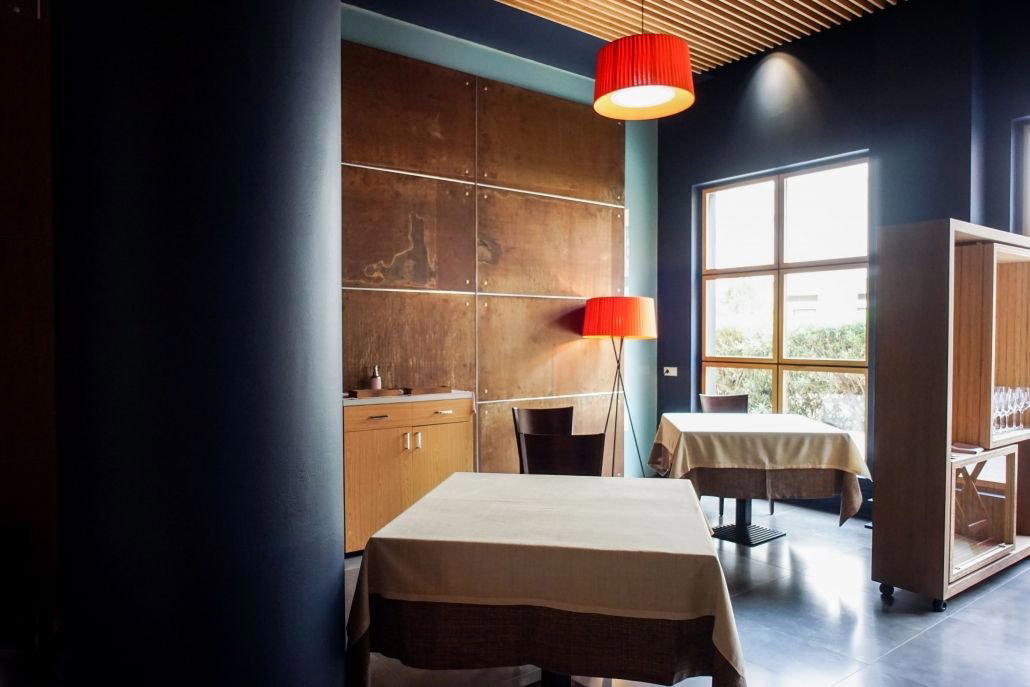
Auberge Ostape occupies a 17th-century farmstead on the heights above Bidarray, and the setting does more work here than at most country-house restaurants. The terrace looks out over the Basque hills with the kind of uninterrupted view that slows a meal down in the leading way. The mood is calm and unhurried rather than formal. This is not a destination that rewards rushing: the atmosphere, the altitude, and the pace of service are all calibrated toward lingering. On a clear evening, the ambient quality of the space is its strongest argument.
Chef John Argaud trained at La Table des Frères Ibarboure and Ithurria in the Basque Country before spending time at Le Meurice in Paris under Alain Ducasse, a combination that gives the cooking both regional fluency and classical precision. The menu is anchored in outstanding local produce, with some ingredients finished over embers or on a hot stone, a technique that adds a textural and aromatic layer without overcomplicating the plate. The Michelin Plate recognition in 2024 confirms the kitchen is cooking at a consistent, creditable level. The reference to stuffed courgette flowers with grilled cuttlefish in the Michelin description gives a clear signal of the style: delicate, legible, produce-forward, with enough technical ambition to hold attention across a full tasting progression.
Tasting Menu Architecture
Understanding the weekly rhythm here is the most useful thing to know before you book. From Monday to Wednesday, Lore Ttipia runs a bistronomic menu: simpler in construction, lower in price implication, but described by Michelin as just as appetising as the fuller format available Thursday to Sunday. If you are returning after a first visit on a weekend, the midweek menu is not a reduced experience. It is a different reading of the same kitchen. For a first-time visit where you want the full expression of Argaud's tasting logic, weekends give you the broader menu with more courses and more range across the local larder. For a second visit, or for a weeknight stay at the auberge, the bistronomic format has real appeal.
The tasting progression here follows a classically French arc: seasonal produce, regional specificity, careful saucing, and a light touch on protein. The ember and hot-stone finishing moves are not theatrical affectations. They are applied selectively to add a smoky register or a different texture at the right point in the meal. The result is a menu that reads with clarity from first course to last rather than one that front-loads spectacle and fades. For guests who have done the big urban tasting menus at venues like Mirazur in Menton or Bras in Laguiole, Ostape will feel quieter and more intimate in scale, which is precisely its advantage.
Practical Considerations
Bidarray is a small Basque village in the Pyrenees-Atlantiques. Getting here requires a car. There is no meaningful public transport link, and the address on the heights above the village means that rideshare options will be limited after dinner. If you are staying at the auberge itself, this is not a problem. If you are coming from Biarritz or Bayonne for dinner only, build in travel time and arrange your return in advance. The combination of a country estate setting, a Michelin Plate kitchen, and a €€€€ price tier means this sits alongside other destination auberge restaurants in rural France rather than competing with urban fine dining. See our full Bidarray restaurants guide for context on the local options, and our full Bidarray hotels guide if you are considering an overnight stay.
For further exploration of comparable rural French fine dining, Auberge de l'Ill in Illhaeusern, Auberge du Vieux Puits in Fontjoncouse, and Flocons de Sel in Megève sit in a similar category: destination kitchens that justify travel. Additional context on comparable French fine dining programmes can be found at Troisgros in Ouches, Assiette Champenoise in Reims, and AM par Alexandre Mazzia in Marseille.
Know Before You Go
- Price tier: €€€€
- Awards: Michelin Plate (2024)
- Rating:
- Menu format: Bistronomic menu Mon–Wed; fuller menu Thu–Sun
- Getting here: A car is required; the estate is on the heights above Bidarray village
- Booking difficulty: Easy — no evidence of long lead times
- Leading for: Special occasions, overnight stays, returning guests exploring the midweek format
- Address: 1135 Xahatoeneko bidea, 64780 Bidarray, France
How It Compares
Comparing Lore Ttipia at Auberge Ostape to peers requires separating urban fine dining from country-house destination restaurants. Against Alléno Paris au Pavillon Ledoyen or L'Ambroisie, Ostape is a different proposition entirely: less service formality, a fraction of the booking pressure, and a setting that the Paris addresses cannot offer. If the spectacle of a grand Parisian dining room is what you are after, book one of those instead. If the combination of a working landscape, a Basque kitchen, and a tasting menu without the urban markup is the appeal, Ostape is the stronger call.
Against Mirazur, which holds three Michelin stars and sits on the Franco-Italian border, Ostape is a lower-pressure and more accessible booking at a comparable price tier. Mirazur's tasting menu is more internationally cited, but Ostape's cooking is more specifically rooted in Basque produce and tradition. For a traveller whose primary interest is in the food of the French Basque Country rather than in a globally ranked restaurant, Ostape is the more focused choice. For someone who wants the most technically ambitious tasting experience in the region and is willing to travel further, Mirazur still holds the edge on formal recognition.
Among the €€€€ tasting menu options in France, Ostape sits comfortably in the tier of serious, award-recognised country kitchens. It is easier to book than most peers at this price point, which makes it a practical first choice for occasion dining in the Basque region rather than a fallback. Check our full Bidarray experiences guide and bars guide if you are building a longer itinerary around the area.
Planning details
- Location
- 1135 Xahatoeneko bidea, 64780 Bidarray, France
- Reservations
- Book on TheFork
- Website
- ostape.com/fr
- Phone
- +33 5 59 37 91 91
The take
The Take
The Vibe
Lore Ttipia sits quietly in a 17th-century farmstead on the heights above Bidarray, where the Pyrenean foothills shape both the setting and the cuisine. The auberge’s historic shell and painted countryside create a charming, intimate atmosphere that emphasizes calm and close connection to place. Dining here feels deliberately scaled to the landscape: views of ridgelines and pastures are front and center, and the house’s age and simplicity lend a quietly dignified character. The overall effect is a serene, historically rooted restaurant that foregrounds terroir and a close, almost personal relationship between plate and place.
Best For
Lore Ttipia works best as a destination for travelers and locals seeking a countryside escape grounded in Basque terroir. It is well suited to romantic getaways, weekend escapes, and special-occasion dinners where the landscape is as much a part of the meal as the cooking. Because the auberge model frames the restaurant as an argument for region and season, it rewards diners who are looking for thoughtful, ingredient-led cooking rather than flashy city-style spectacle. Guests come prepared to enjoy slow, place-driven dining with panoramic views of the Pyrenean foothills.
Ordering Tips
Because Lore Ttipia anchors itself in the Basque interior and local supply chains, prioritize dishes that showcase regional, seasonal produce and ask your server about the day’s sources. If weather and timing allow, request a table on the panoramic terrace to pair the view with the menu’s landscape-driven logic. Treat the visit as a destination experience—plan ahead for seating and expect the kitchen to reflect what’s available from the surrounding hills rather than a fixed, cosmopolitan roster of plates.
Venue details
Ambiance
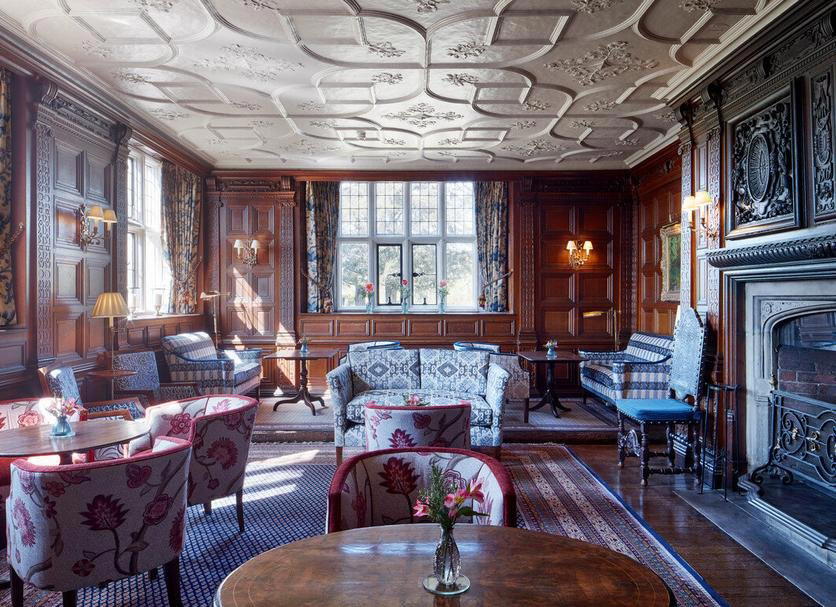
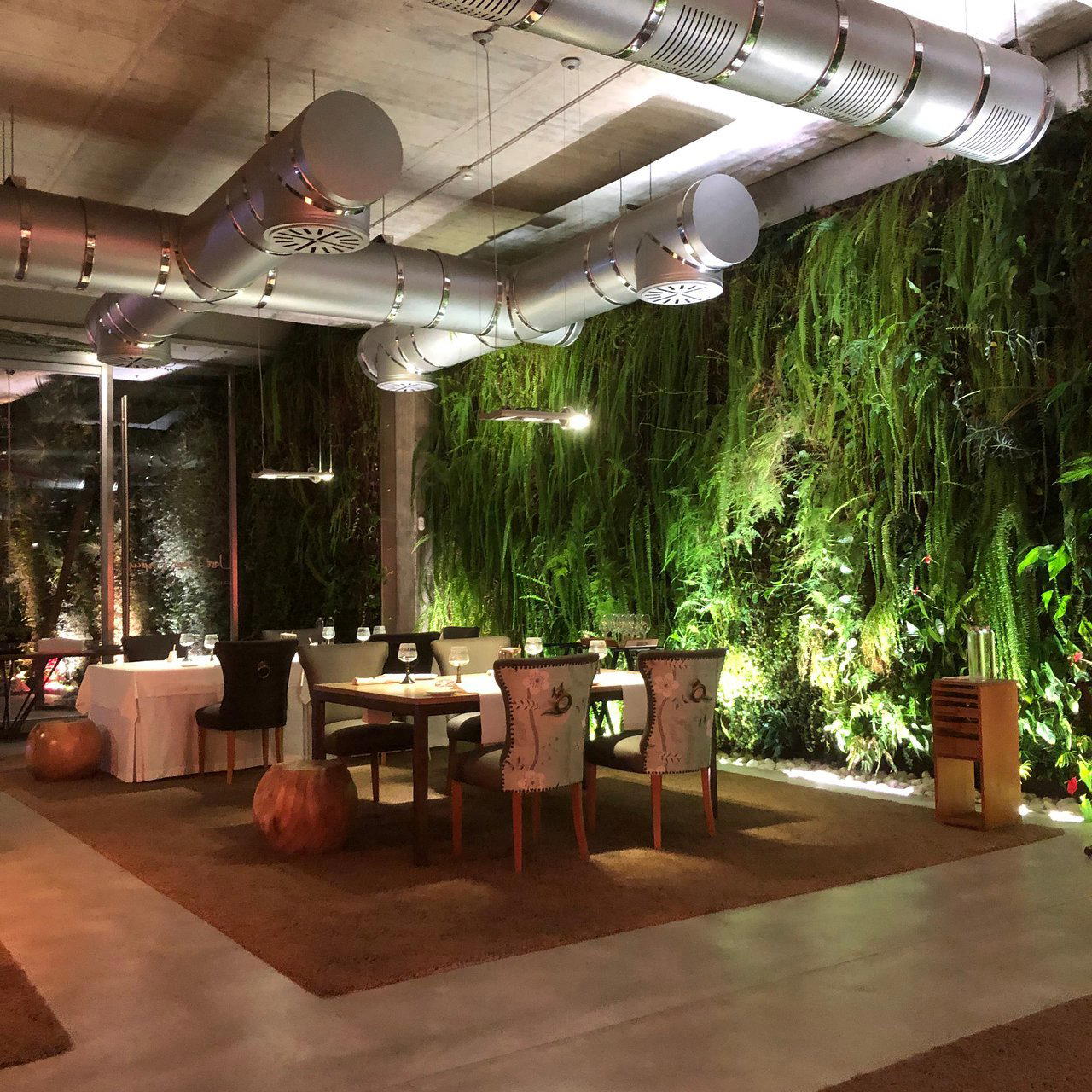
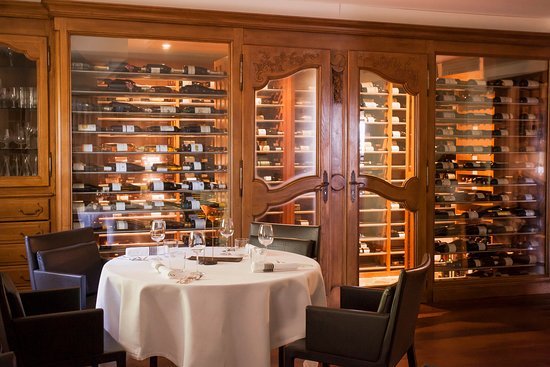
Elegant but warm décor in a bucolic setting with an oak wine cellar open to the dining room and terrace overlooking mountains.
Tags
Vibe
Best For
Experience
Sourcing
View
At the Table
- Dress Code
- Smart Casual
- Noise Level
- Quiet
- Service Style
- Formal
- Meal Pacing
- Leisurely
- Capacity
- Intimate
- Kitchen
- Modern
- Menu Format
- Tasting menu, Prix fixe
- Wine Program
- Exceptional
- Drinks Focus
- Wine
- Outdoor Seating
- Yes
Know before you go
Know Before You Go
- Getting there
- 1135 Xahatoeneko bidea, 64780 Bidarray, France
Planning details
Location
1135 Xahatoeneko bidea, 64780 Bidarray, France · Directions
Recognition and awards
Also consider
Also Consider
- Alléno Paris au Pavillon Ledoyen, Creative, €€€€
- Kei, Contemporary French, Modern Cuisine, €€€€
- L'Ambroisie, French, Classic Cuisine, €€€€
- Le Cinq - Four Seasons Hôtel George V, French, Modern Cuisine, €€€€
- Mirazur, Modern French, Creative, €€€€
Restaurant context
Lore Ttipia at Auberge Ostape occupies a different category from most of its €€€€ peers. Against Alléno Paris au Pavillon Ledoyen, Kei, and L'Ambroisie, the comparison is almost beside the point: those are urban grand-format addresses with deep service teams and multiple Michelin stars. Ostape is a country estate with a single Michelin Plate and a kitchen that prioritises regional specificity over formal spectacle. If you are choosing between Paris and Bidarray, you are really choosing between two entirely different kinds of evening. The Paris addresses win on service depth and prestige. Ostape wins on setting and a more grounded connection to Basque produce.
The most useful peer comparison is Mirazur. Both sit on the southern French border with a strong regional identity and a produce-led tasting menu at €€€€. Mirazur holds three Michelin stars and is significantly harder to book, particularly in summer. Ostape holds a Michelin Plate and is rated Easy to book. If your primary goal is dining at the most formally recognised kitchen in southern France, Mirazur is the answer. If your goal is a high-quality tasting experience in a Basque landscape without the booking difficulty or the full Mirazur price ceiling, Ostape is the practical choice.
Against Le Cinq at the Four Seasons George V, the gap is format as much as quality: Le Cinq offers a luxury hotel dining experience with full concierge infrastructure; Ostape offers a country auberge with a serious kitchen. For a traveller who wants the hotel-dining package, Le Cinq is the call. For a traveller who wants the meal to be the destination and the landscape to do the rest, Ostape delivers more per euro at this tier.
Explore Bidarray
Around this place
Discover more on Pearl
Unlock the full Lore Ttipia - Auberge Ostape guide in Pearl, including awards, comparisons, FAQs, planning details, and nearby places.
Compare Lore Ttipia - Auberge Ostape
| Venue | Cuisine | Price | Awards | Booking Difficulty |
|---|---|---|---|---|
| Lore Ttipia - Auberge Ostape | Modern Cuisine | €€€€ | Michelin Guide France & Monaco 20262025 Michelin 1 Star2024 Michelin Plate | Easy |
| Alléno Paris au Pavillon Ledoyen | Creative | €€€€ | 2026 OAD Classical in Europe Ranked · #35Michelin Guide France & Monaco 20262026 La Liste Top Restaurants2025 OAD Classical in Europe Ranked · #342025 The Best Chef Three Knives2025 Gault & Millau Exceptional Restaurant2025 Michelin 3 Stars2024 OAD Classical in Europe Ranked · #342024 World's 50 Best Restaurants · #79 | Unknown |
| Kei | Contemporary French, Modern Cuisine | €€€€ | 2026 OAD Classical in Europe Ranked · #29Michelin Guide France & Monaco 20262026 Les Grandes Tables du Monde Members2026 La Liste Top Restaurants2026 Falstaff Restaurant Guide2025 OAD Classical in Europe Ranked · #262025 Michelin 3 Stars2025 Gault & Millau Prestige Restaurant2025 La Liste Top Restaurants | Unknown |
| L'Ambroisie | French, Classic Cuisine | €€€€ | 2026 OAD Classical in Europe Ranked · #10Michelin Guide France & Monaco 20262026 La Liste Top Restaurants2026 Falstaff Restaurant Guide2025 Michelin 3 Stars2025 La Liste Top Restaurants2024 OAD Classical in Europe Ranked · #102024 Michelin 3 Stars2023 OAD Classical in Europe Ranked · #11 | Unknown |
| Le Cinq - Four Seasons Hôtel George V | French, Modern Cuisine | €€€€ | No published awards | Unknown |
| Mirazur | Modern French, Creative | €€€€ | 2026 OAD Top Restaurants in Europe Ranked · #422026 Relais Chateaux RestaurantsMichelin Guide France & Monaco 20262026 Les Grandes Tables du Monde Members2026 La Liste Top Restaurants2025 OAD Top Restaurants in Europe Ranked · #68We're Smart World Top Restaurants 20252025 Michelin 3 Stars2025 The Best Chef Three Knives | Unknown |

.png?width=1200&quality=80)










Key differences to consider before you reserve.
FAQ
Frequently Asked Questions
What should a first-timer know about Lore Ttipia - Auberge Ostape?
The weekly menu structure is the single most important thing to understand before you book. Monday to Wednesday runs a bistronomic menu — simpler and lower commitment; Thursday to Sunday shifts to the fuller format. Chef John Argaud trained at Le Meurice with Alain Ducasse and at La Table des Frères Ibarboure, and the cooking reflects that: local Basque produce, some preparations over embers or hot stone, precise rather than showy. A car is non-negotiable — Bidarray has no useful public transport, and the estate sits above the village.
How far ahead should I book Lore Ttipia - Auberge Ostape?
For weekend dates (Thursday to Sunday), book at least three to four weeks ahead, particularly in summer when the Basque Country draws significant visitor traffic. The bistronomic Monday to Wednesday service is easier to secure on shorter notice. If you are combining this with a stay at the auberge, sort accommodation first — room availability will be the binding constraint, not the restaurant.
Is the tasting menu worth it at Lore Ttipia - Auberge Ostape?
At the €€€€ price point, the fuller Thursday to Sunday menu needs to deliver more than scenery, and based on the Michelin Plate recognition and Argaud's documented training background, the cooking holds up. Dishes like stuffed courgette flowers with grilled cuttlefish are described as crisp and legible — technically accomplished without overreach. If you want a lighter financial commitment, the bistronomic menu Monday to Wednesday is described as equally appetising and is the smarter entry point for first visits.
Is Lore Ttipia - Auberge Ostape worth the price?
At €€€€ in a rural Basque village rather than a capital city, the pricing reflects the full destination-restaurant proposition: setting, produce sourcing, and a chef with Le Meurice and Alain Ducasse credentials on his CV. The Michelin Plate (2024) signals consistent quality without star-level pricing pressure. If you are weighing this against urban fine dining in Paris or San Sebastián, the countryside experience is part of what you are paying for — if that trade-off works for you, the value case is reasonable.
Is Lore Ttipia - Auberge Ostape good for solo dining?
Nothing in the venue's profile makes it hostile to solo diners, but it is primarily a destination suited to couples or small groups visiting the Basque Country and combining a meal with a stay at the auberge. Solo visitors should note that Bidarray requires a car to reach, and the country-house format is oriented around the full experience rather than a quick counter seat. The bistronomic menu on weekdays offers a lower-pressure solo option if you prefer a shorter format.
What are alternatives to Lore Ttipia - Auberge Ostape in Bidarray?
There are no direct peer-level alternatives within Bidarray itself — it is a small Pyrenean village and Auberge Ostape is the primary destination. For comparable country-house Basque dining in the wider region, Ithurria (which features in Argaud's own training history) in Ainhoa is the nearest benchmark. For higher-credentialed Basque cooking across the Spanish border, the San Sebastián restaurant scene offers more density. Lore Ttipia makes most sense as a deliberate detour, not as one option among several in the same town.