.png?width=1200&quality=80)
NaNum
Korean Contemporary · Kreuzberg, Berlin
Restaurant in Berlin, Germany
 Book with Pearl
The Read
Fermentation-Rooted Korean Tasting Menu
Price
€€€
Dress
Smart Casual
Why go
NaNum earns its Michelin Plate with ingredient-led Korean contemporary cooking rooted in fermentation and Brandenburg-sourced produce. At €€€, it's a price tier below most of Berlin's Michelin-recognised creative dining rooms, with a natural wine pairing and a calm, conversation-friendly room opposite the Jewish Museum. Book two to three weeks out for the seven-course Friday or Saturday service.
About NaNum
Verdict
NaNum is one of Berlin's most focused contemporary Korean restaurants, at €€€ it sits a price tier below most of the city's Michelin-recognised creative dining rooms. If you want a quiet, considered dinner with natural wines and a kitchen you can actually watch, this is a better choice than louder, higher-ticket alternatives like Rutz or Nobelhart & Schmutzig.
The Restaurant
NaNum operates on a tight schedule: five-course set menus (vegetarian or with meat) on Wednesdays and Thursdays, seven-course set menus (vegetarian or with fish) on Fridays and Saturdays. That's four services a week, which tells you this is a kitchen working at its own pace. Chef Jinok Kim draws on Korean fermentation traditions and sources some ingredients from the restaurant's own garden in Brandenburg, giving the menu a regional specificity that distinguishes it from more generically European creative dining rooms.
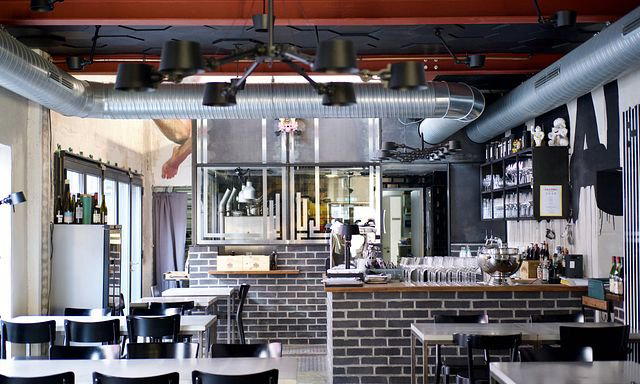
The open kitchen is visible from the dining room, which keeps the atmosphere engaged without being theatrical. The space itself is pared back; no dramatic interior design to distract from the food. Noise levels are calm; this is a room suited to conversation, not celebration noise. If you're looking for comparable Korean contemporary cooking elsewhere, Nae:um in Singapore and Restaurant Ki in Los Angeles operate in the same register, though NaNum's fermentation focus and Brandenburg garden sourcing give it a distinctly local character.
The Drinks Program
Natural wines are the pairing format here, matched to both the vegetarian and the meat or fish set menus. This is not a venue with an extensive cocktail program or a deep cellar built for exploration; the drinks function as an extension of the food's ethos: low-intervention, ingredient-aware, in service of the menu rather than competing with it. For diners who find conventional wine pairings at creative tasting-menu restaurants either too formal or too generic, NaNum's natural wine approach is a practical differentiator. If a serious independent wine program is your primary reason for booking a tasting-menu dinner in Berlin, Rutz offers greater depth. But if you want the wine to support the food without overshadowing it, NaNum's approach is well-matched to its format.
Location and Atmosphere
The address is Lindenstraße 90 in Kreuzberg, on a small square opposite the Jewish Museum and close to Checkpoint Charlie. The terrace is a practical asset in warmer months, it's an unusually pleasant outdoor setting for this part of central Berlin. The building also houses Jinok Kim's ceramics studio, the crockery used in the restaurant is made there, which gives the dining experience a material coherence that most restaurants can't claim. Service is described by Michelin as very friendly, which at this price point and format is worth noting: tasting-menu restaurants in Berlin can run toward formal stiffness, NaNum appears to avoid that.
Who Should Book
NaNum works well for two people who want a focused, ingredient-led dinner without the formality or the price tag of Berlin's starred rooms. The limited weekly schedule (four services) means you're booking into something intentional rather than a restaurant running at volume. It's a good fit for food-focused visitors who want Korean contemporary cooking interpreted through local German ingredients, for diners who prefer natural wine to conventional pairing menus. It's less suited to large groups, last-minute plans, or anyone who wants an à la carte option. For more context on what else is worth booking in the city, see our full Berlin restaurants guide, our Berlin bars guide, and our Berlin hotels guide.
Booking
Booking difficulty is rated Easy. Given the limited weekly schedule and the Michelin recognition, securing a table two to three weeks out is advisable, particularly for Friday and Saturday seven-course services. Walk-in availability is unlikely given the format.
Practical Details
| Detail | NaNum | Nobelhart & Schmutzig | FACIL |
|---|---|---|---|
| Price range | €€€ | €€€€ | €€€€ |
| Cuisine | Korean Contemporary | Modern German | Contemporary European |
| Format | Set menu only | Set menu only | Set menu / à la carte |
| Booking difficulty | Easy | Moderate | Moderate |
| Award | Michelin Plate 2025 | Michelin Star | Michelin Star |
| Location | Kreuzberg | Mitte | Tiergarten |
Planning details
- Location
- Lindenstraße 90, 10969 Berlin, Germany
- Website
- nanumberlin.com
- Phone
- +49 177 2084785
The take
The Take
The Vibe
NaNum presents a quiet, refined take on contemporary Korean cooking. The room is deliberately spare and restrained, the pass facing diners so the kitchen work becomes part of the experience. Chef Jinok Kim’s hand-made ceramics and the careful mise en place give the space a thoughtful, intimate feel rather than loud bravado. The cuisine follows a fermentation logic — kimchi, doenjang, ganjang and gochujang operate as foundational elements — and that structural approach matches the restaurant’s understated, sophisticated temperament. Overall, NaNum reads as a composed, considered place where craft and restraint are foregrounded.
Best For
NaNum is best experienced as a focused evening outing. Its counter-facing kitchen and set-menu logic suit diners who want to watch the service unfold and engage with a carefully paced tasting. The quieter register and intimate room make it appropriate for date nights or small special occasions where attention to detail matters. Because fermented ingredients are woven through each course, the meal rewards concentration and time; guests who appreciate layered, restrained flavors and the theatre of a chef-driven counter will find this especially fulfilling.
Ordering Tips
Opt for the set menu and a seat at the counter if you can — the pass-facing layout is central to the experience and lets you watch the team’s mise en place. Trust the kitchen’s use of ferments: kimchi, doenjang, ganjang and gochujang are treated as structural flavors that build through the meal, so dishes unfold over time rather than declare themselves immediately. If available, try the restaurant’s signature elements (for example, the kimchi-forward preparations and the dry-aged fish) to appreciate how fermentation shapes salt, acid and depth across courses.
Venue details
Ambiance
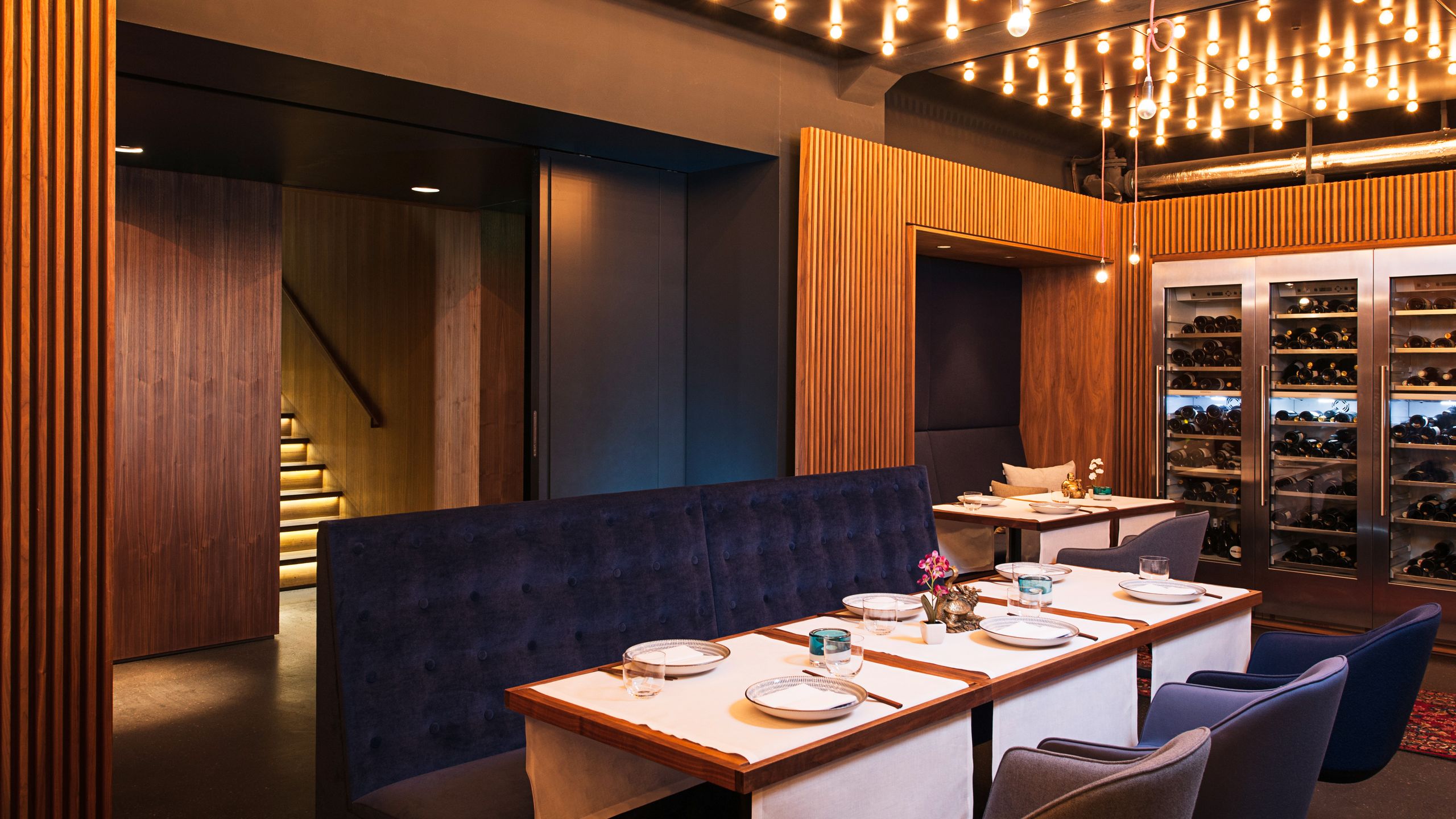
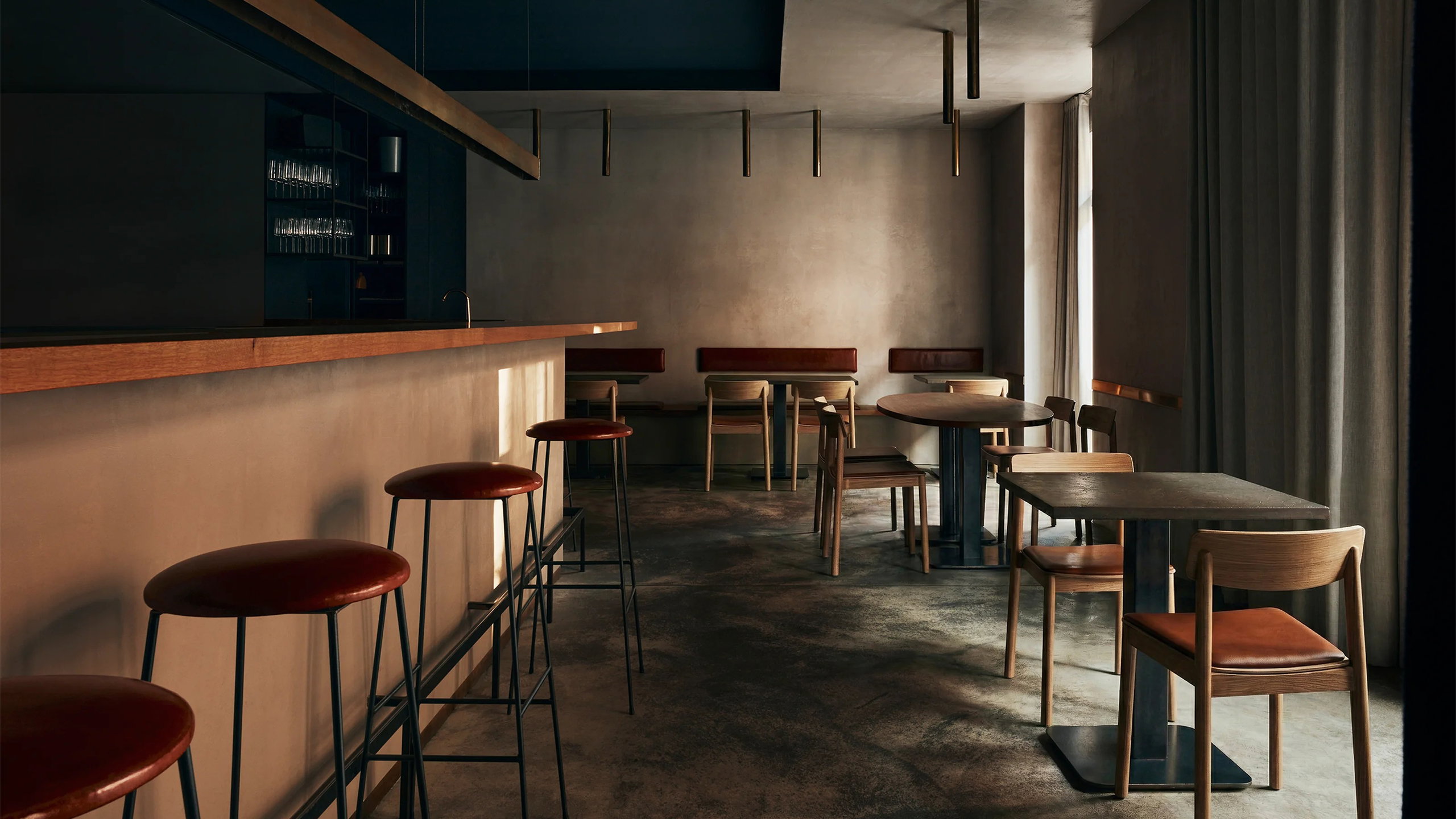
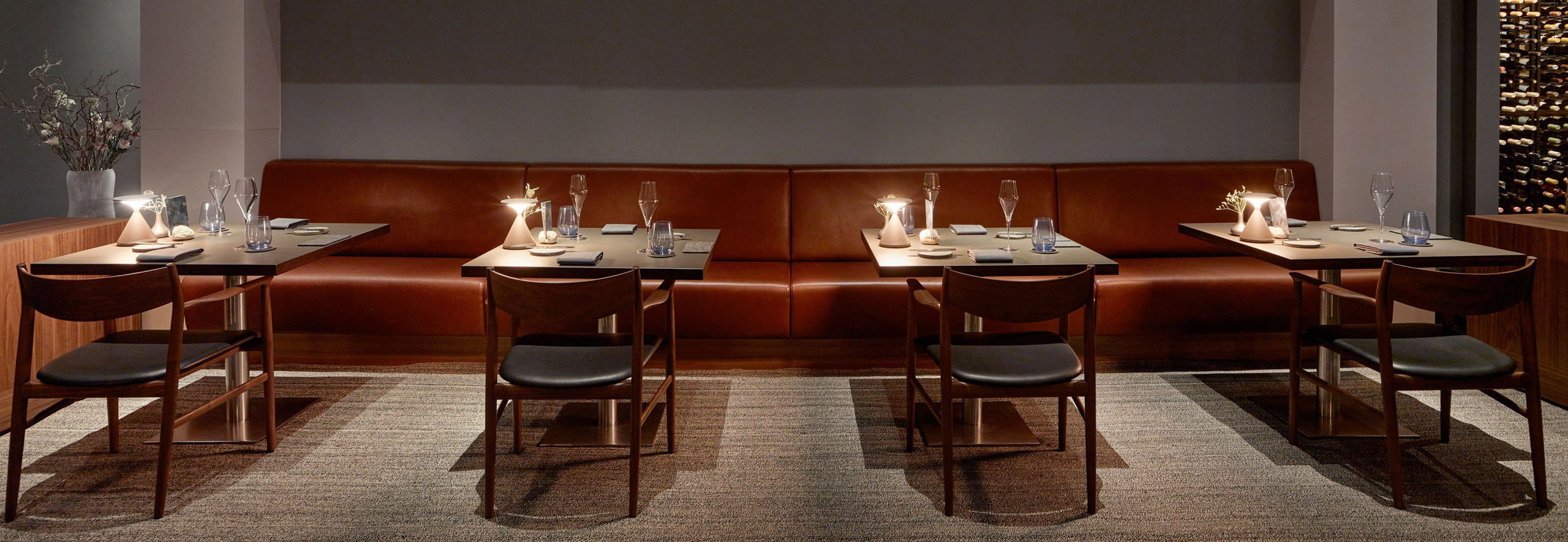
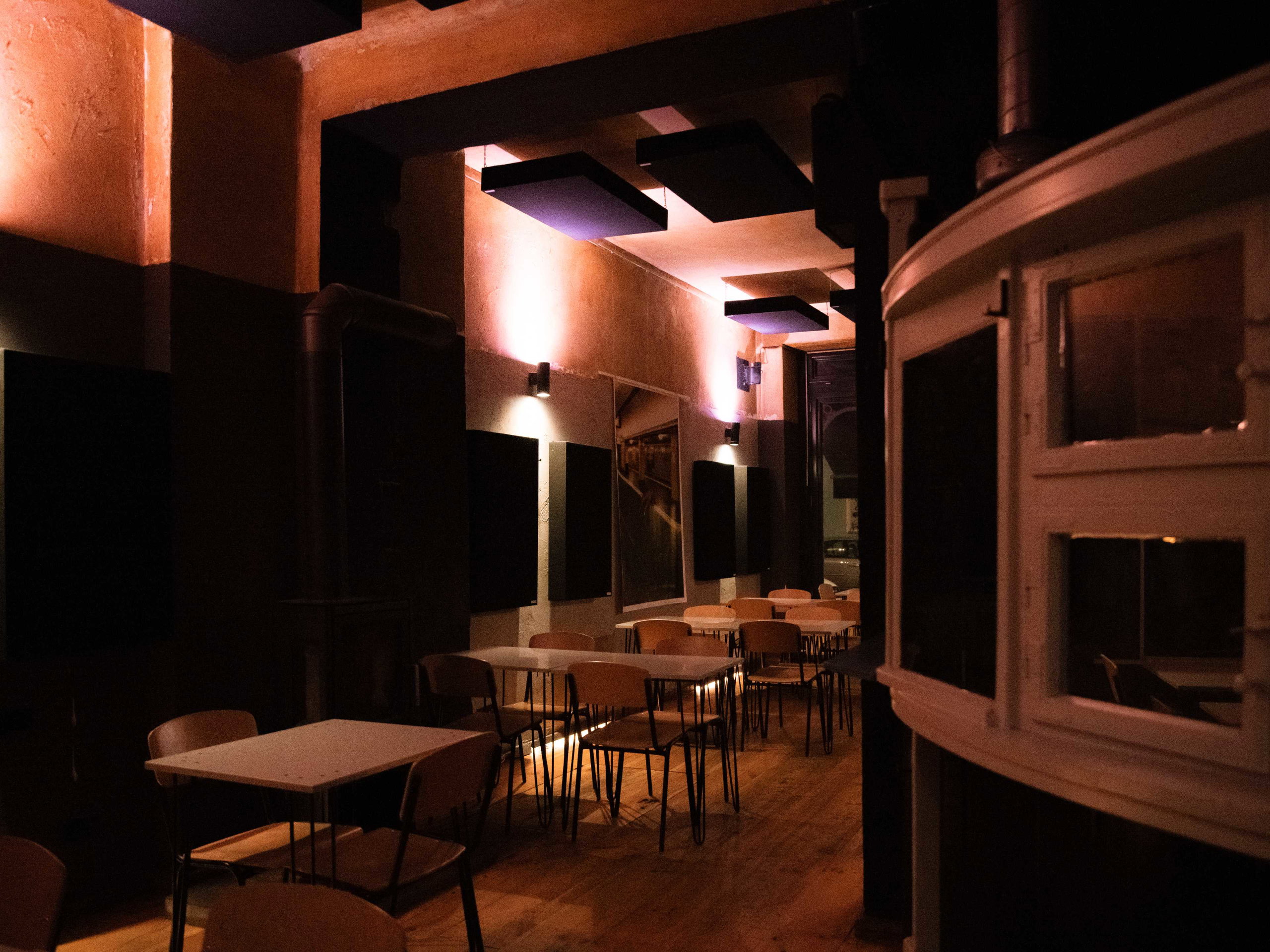
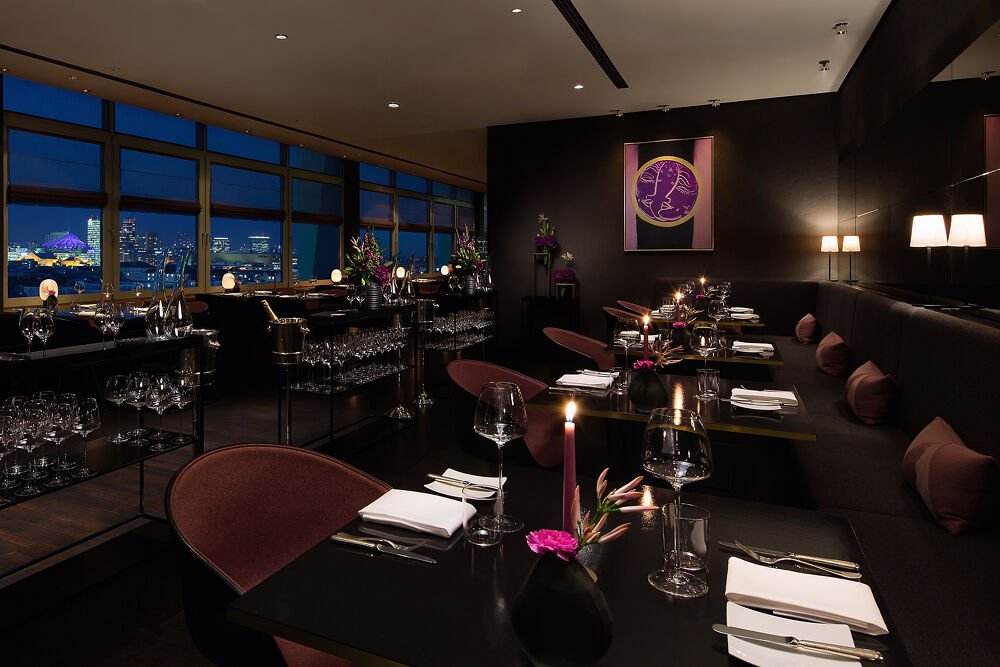
Pleasantly pared-back space with earthy, handmade ceramics, open kitchen view, and calm, intimate atmosphere.
Tags
Vibe
Best For
Experience
Sourcing
View
At the Table
- Dress Code
- Smart Casual
- Noise Level
- Quiet
- Service Style
- Upscale Casual
- Meal Pacing
- Leisurely
- Capacity
- Intimate
Signature Dishes
- dry-aged fish
- kimchi elixir
- dol-gim fritters
Planning details
Location
Recognition and awards
Also consider
Also Consider
- CODA Dessert Dining; Creative, €€€€
- Rutz; Modern European, Modern Cuisine, €€€€
- Nobelhart & Schmutzig; Modern German, Creative, €€€€
- FACIL; Contemporary European, Creative, €€€€
- Horváth; Modern Austrian, Creative, €€€€
Restaurant context
NaNum sits at €€€, which immediately separates it from Nobelhart & Schmutzig, FACIL, Rutz, CODA Dessert Dining, and Horváth, all of which operate at €€€€. If value relative to Michelin recognition matters to your decision, NaNum is the most accessible entry point into Berlin's recognised creative dining scene.
On format and atmosphere, NaNum is closest to Nobelhart & Schmutzig; both run set-menu-only services, both have a strong ingredient and provenance focus, both maintain a quieter, more intimate atmosphere than larger rooms. The key differences: Nobelhart operates nightly and carries a full Michelin star; NaNum runs four services a week and holds a Plate. If getting a table easily matters and you're not committed to a German-ingredients focus, NaNum is the more bookable option. For wine depth, Rutz pulls ahead of both.
CODA is the outlier in this comparison set; its dessert-forward tasting menu format is unlike anything NaNum offers, the two don't really compete for the same diner. FACIL and Horváth both offer more service formality and a broader European reference point. If your priority is Korean contemporary cooking with local German ingredients and a natural wine pairing in a calm room, none of the €€€€ comparison venues deliver that combination. NaNum does.
Around this place
Discover more on Pearl
Unlock the full NaNum guide in Pearl, including awards, comparisons, FAQs, planning details, and nearby places.
Compare NaNum
| Venue | Cuisine | Price | Booking Difficulty | Awards |
|---|---|---|---|---|
| NaNum | Korean Contemporary | €€€ | Easy | 2026 Michelin PlateMichelin Guide Germany 20262025 Michelin Plate2024 Michelin Plate |
| CODA Dessert Dining | Creative | €€€€ | Unknown | Michelin Guide Germany 20262026 Michelin 2 StarsStar Wine Lists 20262026 Falstaff Restaurant Guide2026 OAD Top Restaurants in Europe Recommended2026 La Liste Top RestaurantsGermany's Best Restaurant 2025 · #12025 World's 50 Best Restaurants · #792025 OAD Top Restaurants in Europe Ranked · #261 |
| Rutz | Modern European, Modern Cuisine | €€€€ | Unknown | Michelin Guide Germany 2026Star Wine Lists 20262026 OAD Top Restaurants in Europe Recommended2026 La Liste Top RestaurantsWe're Smart World Top Restaurants 20252025 Michelin 3 Stars2025 The Best Chef Three Knives2025 La Liste Top Restaurants2025 Michelin Plate |
| Nobelhart & Schmutzig | Modern German, Creative | €€€€ | Unknown | Star Wine Lists 2026 · #1Michelin Guide Germany 20262026 OAD Top Restaurants in Europe Recommended2026 Wine Spectator Best of Award of Excellence2025 World's 50 Best Restaurants · #592025 OAD Top Restaurants in Europe Ranked · #197We're Smart World Top Restaurants 20252025 Wine Spectator Best of Award of Excellence2025 Michelin 1 Star |
| FACIL | Contemporary European, Creative | €€€€ | Unknown | Michelin Guide Germany 2026Star Wine Lists 20262026 La Liste Top Restaurants2025 OAD Classical in Europe Ranked · #324We're Smart World Top Restaurants 20252025 Michelin 2 Stars2025 La Liste Top Restaurants2024 OAD Classical in Europe Ranked · #2832024 Michelin 2 Stars |
| Horváth | Modern Austrian, Creative | €€€€ | Unknown | Star Wine Lists 2026 · #1Michelin Guide Germany 20262026 OAD Top Restaurants in Europe Recommended2026 La Liste Top Restaurants2025 OAD Top Restaurants in Europe Ranked · #474We're Smart World Top Restaurants 20252025 La Liste Top Restaurants2025 The Best Chef Two Knives2025 Michelin 2 Stars |















A quick look at how NaNum measures up.
FAQ
Frequently Asked Questions
What should I wear to NaNum?
The space is described in Michelin's own notes as pleasantly pared back with friendly service, which points toward relaxed rather than formal. Smart casual is a reasonable baseline; think the level you'd dress for a serious neighbourhood restaurant, not a starred dining room. Overdressing would feel out of step with the atmosphere.
Is NaNum good for a special occasion?
Yes, particularly for two people who want something considered without the stiffness of Berlin's starred rooms. The ceramics are made by chef Jinok Kim herself, the terrace opposite the Jewish Museum is a good pre- or post-dinner setting, the Michelin Plate recognition gives the evening a credential to anchor it. It works better as an intimate occasion than a group celebration, given the limited seating and set-menu format.
How far ahead should I book NaNum?
Two to three weeks out is advisable. NaNum only operates four evenings a week; Wednesdays through Saturdays; which compresses demand significantly. The Michelin Plate recognition for 2025 has raised its profile, so weekend sittings in particular are likely to fill faster than the schedule suggests.
What are alternatives to NaNum in Berlin?
Nobelhart & Schmutzig is the closest comparison in format; regional-ingredient-led set menus with a strong point of view; but it runs higher on price and formality. Rutz and FACIL operate at Michelin-starred level with broader menus and more conventional fine-dining formats, better suited if you want wine pairings beyond natural. Horváth offers Austrian-influenced contemporary cooking at a similar seriousness level. CODA is a dessert-focused tasting menu and only relevant if you want something genuinely unconventional. NaNum is the right call if Korean fermentation-led cooking and ceramics-as-craft is specifically what you're after at €€€.