
Gasthaus Weißenbeck
Farm to table · Bergkirchen
Restaurant in Bergkirchen, Germany
 Book with Pearl
The Read
Bavarian Regional Sourcing
Price
$50–100per person
Dress
Smart Casual
Why go
Gasthaus Weißenbeck holds back-to-back Michelin Bib Gourmands (2024 and 2025) for farm-to-table cooking at €€ prices in Bergkirchen, near Munich. It's the strongest quality-to-cost option in its category in the area: confirms the consistency. Book two to three weeks ahead for weekend sittings in spring or autumn when the seasonal menu is at its peak.
About Gasthaus Weißenbeck
Should you book Gasthaus Weißenbeck in Bergkirchen?
Yes: and if you've already been once, you should go back. Gasthaus Weißenbeck has held the Michelin Bib Gourmand in both 2024 and 2025, which means Michelin's inspectors have confirmed what regulars in the Munich suburbs already know: this is farm-to-table cooking that earns its recognition at a price point that doesn't require justification. At €€ pricing with back-to-back Bib Gourmand awards, it sits in a small category of German restaurants where the quality-to-cost ratio is genuinely difficult to argue. For a second visit, the question isn't whether to go: it's how to get the most out of it.
What makes Gasthaus Weißenbeck worth the trip
The Bib Gourmand designation isn't a consolation prize for restaurants that missed a star. Michelin awards it specifically to kitchens delivering high-quality cooking at moderate prices, and sustaining it across two consecutive years signals consistency rather than a one-season performance. For farm-to-table cuisine in the greater Munich area, that consistency matters more than almost anything else, because sourcing-led menus live or die by the kitchen's ability to maintain standards as ingredients shift through the seasons.
The farm-to-table framing at Weißenbeck isn't marketing language, it's the operational logic of the menu. In sourcing-led kitchens, what you eat in spring looks meaningfully different from what you eat in autumn, and that's by design. For a returning guest, this is the actual reason to come back: the menu has moved on, and so has the sourcing. Bavarian autumn and winter bring a different set of ingredients than the lighter months, and a kitchen built around regional supply tends to express that shift clearly on the plate. If your first visit was in warmer months, a return in late October through February will show you a different register of the same cooking, denser, earthier, more reliant on root vegetables, preserved goods, and game where the kitchen's sourcing relationships make it available.
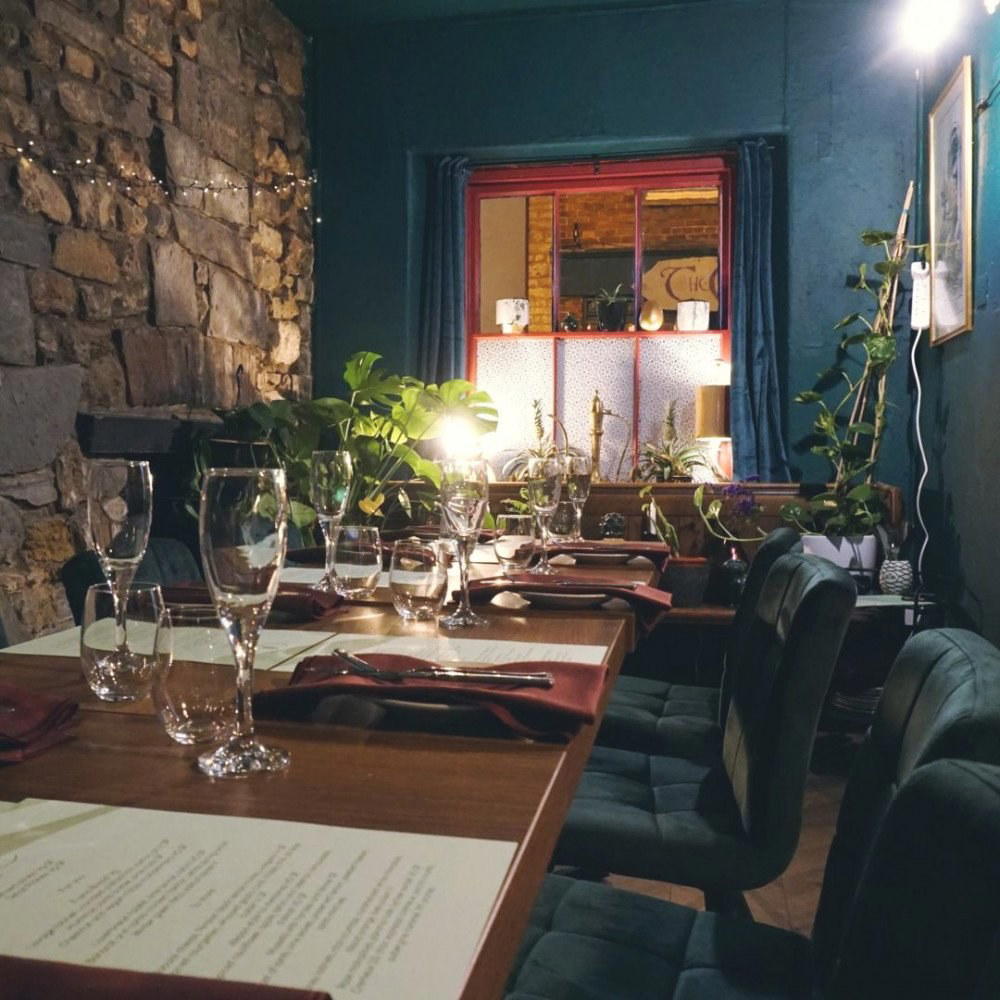
Atmosphere here reads as a traditional Gasthaus, the German word itself signals something specific: a neighbourhood eating house where the room is unpretentious and the focus is on the food and the table, not the staging. Noise levels are typically moderate in this format; conversation is feasible without effort, which makes it a better fit for groups who actually want to talk than louder urban restaurants where the sound level becomes part of the identity. For a second visit with guests who haven't been, that ambient quality is worth flagging in advance, this is not a destination for spectacle. It rewards attention to what's on the plate rather than what's happening in the room.
If you're returning as a solo diner, the Gasthaus format tends to be more comfortable than a formal tasting-menu restaurant. Counter seating and bar dining aren't always available in this category, but the relaxed, non-performative atmosphere of a Gasthaus typically makes solo dining less conspicuous than at high-end tasting-menu venues. The €€ price range keeps a solo meal from becoming a significant financial event, which is not something you can say about a solo seat at a €€€€ tasting-menu restaurant in Munich.
On timing: farm-to-table restaurants reward visits that align with seasonal peaks. In Bavaria, early autumn (September to October) is among the strongest periods for sourcing-led cooking, the overlap of late summer produce and the start of cooler-weather ingredients gives the kitchen the widest palette. Spring (April to May) is the other high point, when asparagus and early greens drive menus across the region. Midweek visits in either season tend to mean a quieter room and more attentive service than a full Friday or Saturday sitting, which is worth factoring in if you have the flexibility.
Bergkirchen itself is a small town in the Munich metropolitan area. If you're coming from Munich, this is a destination worth pairing with other plans in the area rather than treating as a standalone city-centre meal. For a broader look at what's worth your time in the area, see our full Bergkirchen restaurants guide, our full Bergkirchen hotels guide, our full Bergkirchen bars guide, our full Bergkirchen wineries guide, and our full Bergkirchen experiences guide.
For farm-to-table cooking at a comparable quality level elsewhere in Germany, Au Gré du Vent in Seneffe and BOK Restaurant Brust oder Keule in Münster operate in the same sourcing-led category. Within the Munich orbit, JAN in Munich offers a higher-spend option for occasions that call for more formal surroundings. Further afield, ES:SENZ in Grassau is worth the drive if you're planning a longer Bavarian trip.
Ratings at a glance
- Michelin Bib Gourmand: 2024, 2025
- Price range: €€
- Cuisine: Farm to table
Booking
Booking difficulty is low. As a Gasthaus-format restaurant in a smaller town rather than central Munich, Weißenbeck does not carry the same reservation pressure as city-centre destinations. That said, the Bib Gourmand recognition has raised its profile, and weekend evenings during peak seasonal periods, particularly autumn and spring, are worth booking in advance. For a midweek visit with flexibility on date, you're unlikely to struggle. For a specific Saturday in October or April, book two to three weeks ahead to be safe.
How It Compares
Practical details
Planning details
- Location
- Ludwig-Thoma-Straße 56, 85232 Bergkirchen, Germany
- Website
- weissenbeck.de
- Phone
- +49 8131 72546
The take
The Take
The Vibe
Gasthaus Weißenbeck reads like a proper Bavarian village house: modest from the street and purposefully unshowy inside. The writing emphasizes a kitchen that runs from field to plate, and that ingredient-first logic shapes the atmosphere as much as the dining room itself. Twice honored with a Michelin Bib Gourmand, the place balances attention to technique with an unpretentious, local register. Rather than theatrical plating or tasting-menu ritual, the restaurant leans into straightforward, carefully sourced dishes that feel anchored in the region and the rhythm of nearby farms.
Best For
Weißenbeck is best for diners who prize provenance and solidly executed Bavarian cooking at a moderate price point. The Bib Gourmand recognition signals that the restaurant attracts people seeking serious, ingredient-driven plates without the formality or cost of haute tasting menus. It suits evening meals where the mains (classic schnitzel, hearty venison, trout) can take center stage, and appeals to guests who appreciate seasonal sourcing and a village‑scale dining room rather than a metropolitan fine-dining spectacle.
Ordering Tips
Because the kitchen’s logic runs from field to plate, ask the server about what’s freshest when you arrive and any daily specials tied to local suppliers. Lean into the house signatures: Wiener Schnitzel, Leberknödelsuppe, duck with dumplings, venison with porcini mushrooms and Bavarian salmon trout each showcase the restaurant’s seasonal, regional strengths. Portions and preparations tend to foreground the ingredient, so pick one standout main per person and consider a starter or soup to sample the kitchen’s approach to local produce and stocks.
Venue details
Ambiance
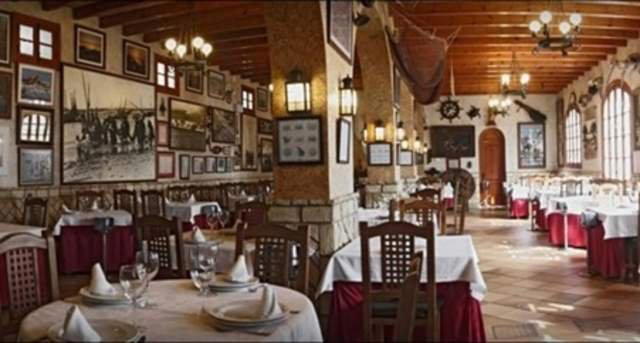
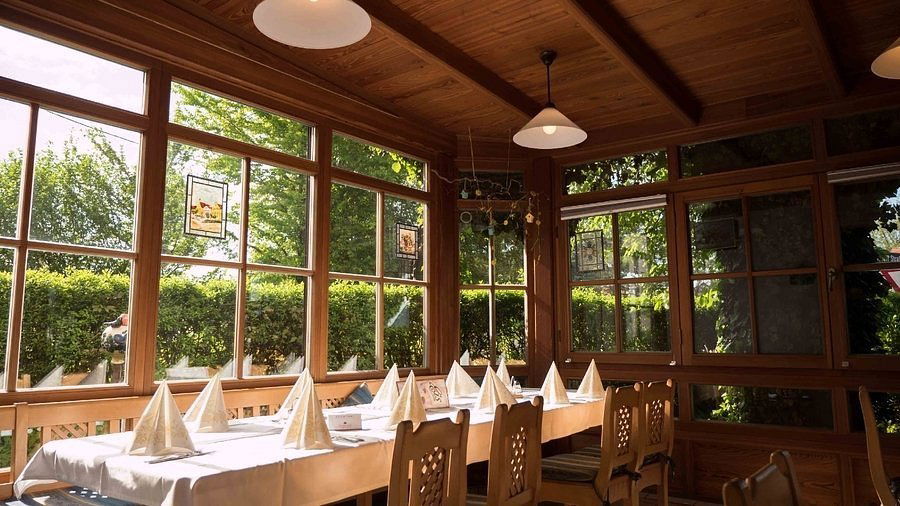
Warm, traditional Bavarian atmosphere with white tablecloths and elegant decor in a historic farmhouse; intimate dining rooms and a leafy garden terrace that is particularly inviting in summer.
Tags
Vibe
Best For
Experience
Sourcing
View
Accessibility
At the Table
- Dress Code
- Smart Casual
- Noise Level
- Conversational
- Service Style
- Upscale Casual
- Meal Pacing
- Leisurely
- Capacity
- Medium
- Kitchen
- Farm-to-table
- Menu Format
- A la carte, Set menu
- Drinks Focus
- Bavarian wines, Regional beers
- Dietary
- Vegetarian friendly, Gluten-free options, Allergy accommodating
- Private Dining
- Available
- Outdoor Seating
- Yes
Signature Dishes
- Wiener Schnitzel
- Leberknödelsuppe
- duck with dumplings
- venison with porcini mushrooms
- Bavarian salmon trout
Know before you go
Know Before You Go
- Getting there
- Ludwig-Thoma-Straße 56, 85232 Bergkirchen, Germany
Planning details
Location
Recognition and awards
Also consider
Also Consider
- Aqua: Contemporary German, Italian/Japanese, Creative, €€€€
- Schwarzwaldstube: French, Classic French, €€€€
- CODA Dessert Dining: Creative, €€€€
- Tantris: Modern French, French Contemporary, €€€€
- Vendôme: Modern European, Creative, €€€€
Restaurant context
How Gasthaus Weißenbeck compares
If budget is your primary filter, Weißenbeck wins this comparison outright. At €€ with back-to-back Bib Gourmands, it sits in a different financial category from the €€€€ restaurants in its peer set Aqua in Wolfsburg, Schwarzwaldstube in Baiersbronn, CODA Dessert Dining in Berlin, Tantris, and Vendôme in Bergisch Gladbach all operate at price points where a dinner for two becomes a significant spend. Weißenbeck doesn't ask that of you. For a couple eating well with regional, sourcing-led cooking and Michelin validation, this is substantially more accessible than any of those alternatives.
On cooking ambition and format, the comparison shifts. Aqua, Schwarzwaldstube, Tantris, and Vendôme are multiple Michelin star operations with formal tasting-menu formats, extensive wine programs, and the full apparatus of high-end fine dining. CODA Dessert Dining runs a creative dessert-led tasting format that's genuinely unlike anything else in Germany. If you want that level of theatrical precision and price is secondary, Weißenbeck is not a substitute: it's a different kind of restaurant. The honest framing: Weißenbeck is the better choice when you want serious, seasonal cooking without the occasion overhead. The €€€€ options above are the better choice when the occasion itself requires the full formal experience.
For Germany-based farm-to-table alternatives closer to Weißenbeck's price range and format, BOK Restaurant Brust oder Keule in Münster is the most direct comparison in sourcing philosophy. Within Bavaria, ES:SENZ in Grassau and JAN in Munich offer upward stepping stones if your next visit warrants a higher spend. Waldhotel Sonnora in Dreis, Restaurant Haerlin in Hamburg, and Victor's Fine Dining by Christian Bau in Perl round out Germany's high-end options for occasions where Weißenbeck's format won't fit the brief.
Explore Bergkirchen
Around this place
Discover more on Pearl
Unlock the full Gasthaus Weißenbeck guide in Pearl, including awards, comparisons, FAQs, planning details, and nearby places.
Compare Gasthaus Weißenbeck
| Venue | Price | Booking Difficulty | Awards |
|---|---|---|---|
| Gasthaus Weißenbeck | €€ | Easy | Michelin Guide Germany 20262025 Michelin Bib Gourmand2024 Michelin Bib Gourmand |
| Aqua | €€€€ | Unknown | 2026 OAD Top Restaurants in Asia Recommended2026 Les Grandes Tables du Monde Members2026 La Liste Top RestaurantsWe're Smart World Top Restaurants 20252025 La Liste Top Restaurants2025 The Best Chef Two Knives2025 Michelin 3 Stars2024 Michelin 3 Stars2015 World's 50 Best Restaurants · #33 |
| Schwarzwaldstube | €€€€ | Unknown | 2026 OAD Classical in Europe Ranked · #9Michelin Guide Germany 20262026 Les Grandes Tables du Monde Members2026 La Liste Top Restaurants2025 OAD Classical in Europe Ranked · #82025 La Liste Top Restaurants2025 Michelin 3 Stars2024 OAD Classical in Europe Ranked · #82024 Michelin 3 Stars |
| CODA Dessert Dining | €€€€ | Unknown | Michelin Guide Germany 20262026 Michelin 2 StarsStar Wine Lists 20262026 Falstaff Restaurant Guide2026 OAD Top Restaurants in Europe Recommended2026 La Liste Top RestaurantsGermany's Best Restaurant 2025 · #12025 World's 50 Best Restaurants · #792025 OAD Top Restaurants in Europe Ranked · #261 |
| Tantris | €€€€ | Unknown | Star Wine Lists 2026 · #12026 OAD Classical in Europe Ranked · #502026 OAD Top Restaurants in Europe Ranked · #61Michelin Guide Germany 20262026 Les Grandes Tables du Monde Members2026 La Liste Top Restaurants2026 Falstaff Restaurant Guide2025 OAD Classical in Europe Ranked · #672025 World's 50 Best Restaurants · #73 |
| Vendôme | €€€€ | Unknown | 2026 OAD Top Restaurants in Europe Ranked · #84Michelin Guide Germany 20262026 La Liste Top Restaurants2026 Falstaff Restaurant Guide2025 OAD Top Restaurants in Europe Ranked · #542025 La Liste Top Restaurants2025 Michelin 2 Stars2024 OAD Top Restaurants in Europe Ranked · #472024 Michelin 2 Stars |













Key differences to consider before you reserve.
FAQ
Frequently Asked Questions
Is Gasthaus Weißenbeck good for a special occasion?
Yes, if the occasion calls for a considered meal rather than a formal tasting-room production. Two consecutive Michelin Bib Gourmand awards (2024 and 2025) confirm the kitchen is cooking at a level well above its €€ price point, which makes it a strong choice for a birthday or anniversary dinner where you want quality without a three-figure bill. If the occasion demands full Michelin star ceremony, Tantris in Munich is the closer match.
Is Gasthaus Weißenbeck good for solo dining?
The Gasthaus format is generally comfortable for solo diners: unpretentious, low-pressure, and built around the food rather than table theatre. At €€ pricing with Bib Gourmand backing, it's an easier solo commitment than a starred tasting menu. Booking ahead is still advisable, but the atmosphere should feel welcoming rather than awkward for a single cover.
What should a first-timer know about Gasthaus Weißenbeck?
It's in Bergkirchen, a smaller town outside Munich, so build in travel time and don't expect a city-centre walk-in option. The cuisine is farm-to-table and the price range is €€, meaning this is value-focused cooking recognised by Michelin in both 2024 and 2025: not a splurge destination. Come for the quality-to-price ratio, not for a destination-restaurant spectacle.
Is the tasting menu worth it at Gasthaus Weißenbeck?
Specific menu formats aren't confirmed in available data, but the Bib Gourmand designation, awarded in both 2024 and 2025, signals that Michelin's inspectors found the cooking to deliver clear value at its price point. At €€, whatever format the kitchen runs is unlikely to feel like an expensive risk. For a confirmed tasting-menu format at similar value, CODA Dessert Dining in Berlin is a useful regional comparison.
How far ahead should I book Gasthaus Weißenbeck?
A week to ten days ahead is a reasonable buffer for most visits. Bergkirchen is not a high-footfall dining destination, so Weißenbeck doesn't face the same reservation pressure as Munich's starred rooms like Tantris or Vendôme. That said, the Bib Gourmand recognition has raised its profile: booking a few days out rather than day-of is the sensible move, especially on weekends.