
Restaurant in Bergen, Norway
Omakase by Sergey Pak
550Pearl PointsBergen's only starred Japanese: book early.

About Omakase by Sergey Pak
Bergen's only Michelin-starred Japanese restaurant (2025), Omakase by Sergey Pak operates at the €€€€ tier with a counter format built around Nordic seafood sourcing. Booking is hard — plan 4 to 8 weeks out minimum. If omakase is the format you want in western Norway, this is the booking to make; nothing else in Bergen competes on the same terms.
Bergen's Only Michelin-Starred Japanese Restaurant Earns Its Star — But You Need to Plan Ahead
With a Google rating of 4.5 from 23 reviews and a Michelin star awarded in 2025, Omakase by Sergey Pak is the only Japanese restaurant in Bergen operating at this level of formal recognition. At the €€€€ price tier, this is one of Bergen's most expensive meals. The question worth answering before you book: does a Japanese omakase in western Norway justify that spend, and how does it compare to what else is available at this price point in the city?
The short answer is yes — with conditions. If omakase is the format you want and you're already planning to be in Bergen, this is the booking to make. The 2025 Michelin star is a recent credential, which means the kitchen is cooking at a documented level of technical precision right now. Book it, but book it early.
The Space
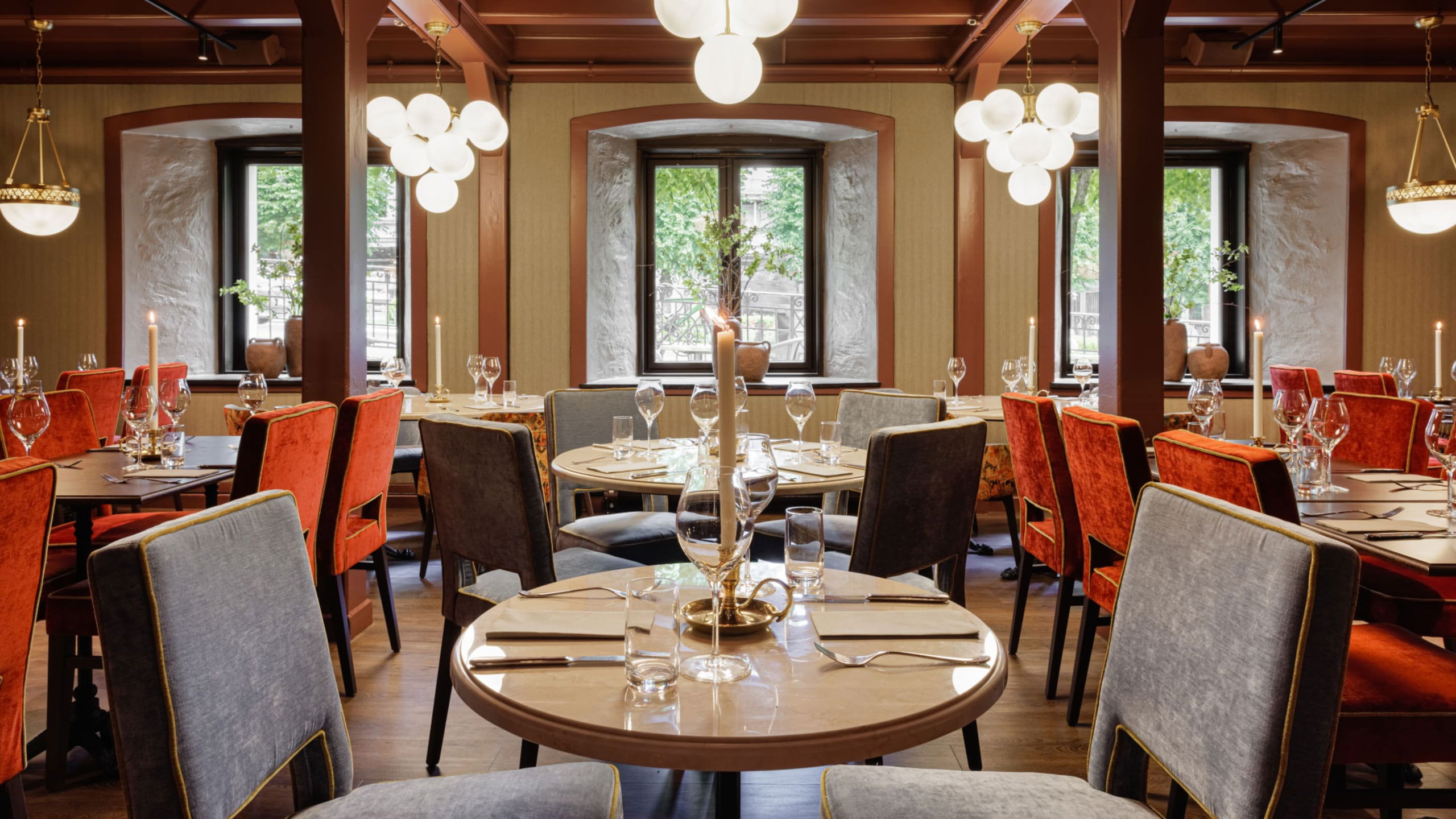
The address, Domkirkegaten 6, in central Bergen, close to the cathedral, puts this restaurant in a dense, walkable part of the city. Omakase by its nature implies counter seating: an intimate, sequential experience where the physical relationship between guest and chef is part of the format. Bergen is a compact city, and a dedicated omakase counter here is a genuinely specific proposition. You're not eating at a large restaurant that happens to have a tasting menu; you're likely in a small room designed around a single service rhythm. For a second visit, the spatial familiarity is an asset, you know what you're walking into, and the counter dynamic rewards repeat guests who understand the pacing.
Sourcing and the Menu
Editorial angle worth pressing on here is ingredient sourcing. Norway's position as one of the world's leading seafood producers is not incidental to what makes a Japanese omakase concept in Bergen interesting. Omakase depends entirely on the quality and seasonality of what the kitchen can source, and Bergen's proximity to cold North Atlantic waters, producing salmon, halibut, scallops, and shellfish of documented international quality, creates a sourcing context that distinguishes this from a similar concept in a landlocked city. The Michelin inspectors who awarded the 2025 star will have been evaluating exactly this: whether the kitchen uses its local sourcing advantages to deliver something technically precise and specifically placed. At €€€€, the price is partly a reflection of that sourcing cost. Norwegian seafood at the top of the market is expensive raw material, and omakase adds preparation complexity on leading. For context, Myojaku in Tokyo and Azabu Kadowaki in Tokyo show what the format looks like at the highest level in Japan; Bergen's version is making a different argument, about what happens when the omakase format meets Nordic provenance.
For a returning guest, the practical question is whether the menu rotates with the seasons. Norwegian seafood availability shifts across the year, and an omakase format built around local sourcing should reflect that. If your first visit was in winter, a summer return is likely to feel materially different on the plate. That seasonal variance is part of the value proposition at this price tier, not a risk.
How It Fits in the Norwegian Fine Dining Picture
Bergen's fine dining scene is smaller than Oslo's but has genuine depth. Lysverket operates at the same price tier with a New Nordic lens; Gaptrast is modern cuisine at €€€€ as well. Omakase by Sergey Pak is the only Japanese entry in this set, which means it's not competing on the same terms, it's the only place in Bergen offering this specific format at this level of recognition. Nationally, the benchmark restaurants are Maaemo in Oslo, RE-NAA in Stavanger, and Speilsalen in Trondheim, all operating at multiple Michelin stars or equivalent standing. Pak's restaurant holds one star, which positions it correctly: serious, technically credible, worth a detour, but not yet in the conversation with Norway's two- and three-star kitchens. For broader Norwegian fine dining context, Under in Lindesnes, Glime Restaurant in Hardanger Fjord, and MiraBelle by Ørjan Johannessen in Bekkjarvik all show how the country's leading kitchens are working outside Oslo.
Booking and Practical Details
Booking difficulty is rated Hard. A Michelin star awarded in 2025 will drive demand materially, and an omakase counter format means seat count is inherently limited. Book a minimum of 4 to 6 weeks out; for weekend sittings and special occasion dates, 8 weeks is safer. The booking window is now the most important piece of practical planning for this restaurant, the star changes the reservation math significantly compared to what it was before the guide.
Reservations: Hard to secure; book 4–8 weeks in advance for weekends, sooner after award announcement. Dress: Not confirmed in available data, but at this price tier and format, smart casual is the floor, treat it like any other Michelin-starred counter. Budget: €€€€ price tier; expect this to be Bergen's most expensive Japanese meal by a significant margin. Group size: Counter format is well suited to parties of 2; larger groups should confirm availability when booking. Location: Domkirkegaten 6, 5017 Bergen, central city and walkable from most accommodation.
For a Second Visit
If you've been once, the decision for a return visit is direct: go in a different season. The sourcing argument only works in your favour if you let the menu change. A second visit is also when the counter format pays dividends, familiarity with the pacing means you're more present with each course rather than orienting yourself to the format. For Japanese dining in Bergen at a lower price point, BARE Restaurant and Izakaya Skostredet are the natural comparisons if you want the cuisine type without the full omakase commitment. For a different mood at a lower spend, Allmuen Bistro is worth knowing. See our full Bergen restaurants guide for the complete picture, alongside hotels, bars, wineries, and experiences in the city.
Frequently Asked Questions
Does Omakase by Sergey Pak handle dietary restrictions?
check the venue's official channels before booking — omakase formats are built around a fixed sequence, and modifications require advance notice rather than on-the-night requests. At the €€€€ price point, most Michelin-starred omakase counters in this tier accommodate serious allergies if flagged early, but vegetarian or vegan guests should confirm whether a parallel menu is possible before committing.
Can I eat at the bar at Omakase by Sergey Pak?
Omakase by definition centres on a counter-format experience, so the bar or counter seating is the format, not an alternative to it. Seats are limited by the nature of the format, which is why booking is rated Hard — walk-in access is unlikely, especially following the 2025 Michelin star.
What should I order at Omakase by Sergey Pak?
There is no à la carte menu to choose from — the omakase format means the chef sets the sequence for every guest. The sourcing argument for this restaurant leans on Norwegian seafood, which is among the most traceable in the world, so the tasting progression will almost certainly reflect that. Trust the counter.
Is the tasting menu worth it at Omakase by Sergey Pak?
Yes, if omakase is a format you are comfortable committing to — fixed seat, chef-led sequence, no substitutions mid-menu. The 2025 Michelin star provides external validation that the kitchen is operating at a level that justifies the €€€€ tier. If you prefer the flexibility of ordering à la carte, this is the wrong venue; consider Lysverket instead.
What are alternatives to Omakase by Sergey Pak in Bergen?
Lysverket is the closest peer in price and ambition, operating at the same €€€€ tier with a New Nordic angle — book there if you want a broader menu format or prefer a wine-forward experience. Gaptrast offers fine dining at a slightly more accessible level. BARE Restaurant, Moon, and LadyPapa operate at lower price points and suit different group types or budget constraints.
Is Omakase by Sergey Pak good for a special occasion?
Yes — a Michelin-starred counter at €€€€ in central Bergen, steps from the cathedral at Domkirkegaten 6, delivers the occasion weight you need. The format works best for two people; larger groups should confirm whether the counter can seat them together before booking. The fixed-sequence format means no menu friction on the night, which suits celebrations.
Is Omakase by Sergey Pak worth the price?
For guests who want Japanese fine dining in Bergen, there is no comparable alternative — this is the only Michelin-starred Japanese restaurant in the city as of 2025. At €€€€, you are paying for both the sourcing (Norwegian seafood in a Japanese format is a coherent proposition) and the scarcity of the experience. If you are price-sensitive, the star rating does not change the maths — this is a commitment spend, not a casual one.
Location
Domkirkegaten 6, 5017 Bergen, Norway
Compare Omakase by Sergey Pak
| Venue | Awards | Price |
|---|---|---|
| Omakase by Sergey Pak | Michelin 1 Star (2025) | €€€€ |
| Lysverket | Michelin 1 Star | €€€€ |
| Gaptrast | Michelin 1 Star | €€€€ |
| BARE Restaurant | ||
| Moon | €€ | |
| LadyPapa |
Comparing your options in Bergen for this tier.
Also Consider
- Lysverket, New Nordic, Modern Cuisine, €€€€
- Gaptrast, Modern Cuisine, €€€€
- BARE Restaurant, Japanese, Japanese
- Moon, French, €€
- LadyPapa, Notable alternative
At the €€€€ tier in Bergen, Omakase by Sergey Pak has two direct price-equivalent competitors: Lysverket and Gaptrast. Neither is Japanese, and neither holds a current Michelin star, which makes the comparison relatively clear for most diners. If your priority is formal recognition and a single-format counter experience, Pak's restaurant is the choice. If you want a broader New Nordic menu with more flexibility in how you order and what you spend on wine, Lysverket is the stronger fit. Gaptrast sits in a similar modern cuisine space and is worth considering if you want the €€€€ spend without the structural commitment of an omakase sequence.
For Japanese cuisine at a lower price and lower booking difficulty, BARE Restaurant and Izakaya Skostredet are the relevant alternatives. Neither operates at the same level of formal credentialing, but both offer the cuisine type without requiring the same lead time or budget. If you're visiting Bergen on a shorter window and can't secure a reservation at Omakase by Sergey Pak, these are the practical fallbacks rather than a compromise on cuisine category entirely.
LadyPapa and Moon (French, €€) sit in a different segment, lower price, different cuisine, lower booking pressure. Moon is the right call if you want a well-executed French dinner at roughly half the spend; it doesn't compete with Pak's on format or ambition, but it's a sensible alternative for a less formal evening. For the full picture of where Omakase by Sergey Pak fits in Bergen's dining options, see our full Bergen restaurants guide.
Recognized By

Explore Bergen
Save or rate Omakase by Sergey Pak on Pearl
Keep this venue in your Pearl passport, rate it after you visit, and track it alongside every other place you collect.