


.png?width=1200&quality=80)
Mio
Southern Italian, Italian · Xiangheyuan, Beijing
Restaurant in Beijing, China
 Book with Pearl
The Read
Wood-Fired Italian, Beijing Diplomatic Quarter
Price
$50–100per person
Dress
Smart Casual
Why go
Mio holds a Michelin Plate (2025) and Black Pearl 1 Diamond (2025) as the signature Italian restaurant inside Four Seasons Hotel Beijing. The Southern Italian menu runs from charcuterie and oysters to lobster pasta and Wagyu bolognese in a polished marble room that draws executives, embassy staff, and hotel loyalists. Weekday business lunches make it one of Beijing's more accessible ¥¥¥¥ options.
About Mio
Verdict: Book Mio If Italian Fine Dining in Beijing Is on Your List
Two consecutive Michelin Plate recognitions (2024 and 2025) plus a Black Pearl 1 Diamond (2025) put Mio in a small group of Beijing restaurants that have earned consistent external validation for their food. It sits inside the Four Seasons Hotel Beijing on Xiaoyun Road — the newest property in the cluster of international hotels near the northeast 3rd Ring Road — and it operates at the ¥¥¥¥ price tier. At that level, you are paying for a full luxury-hotel Italian experience: formal service, polished marble interiors, an open kitchen, and a menu that runs from charcuterie and oysters to lobster pasta and Wagyu bolognese. Whether that is worth it depends on what you are comparing it to and what you need the meal to do.
The Room and the Crowd
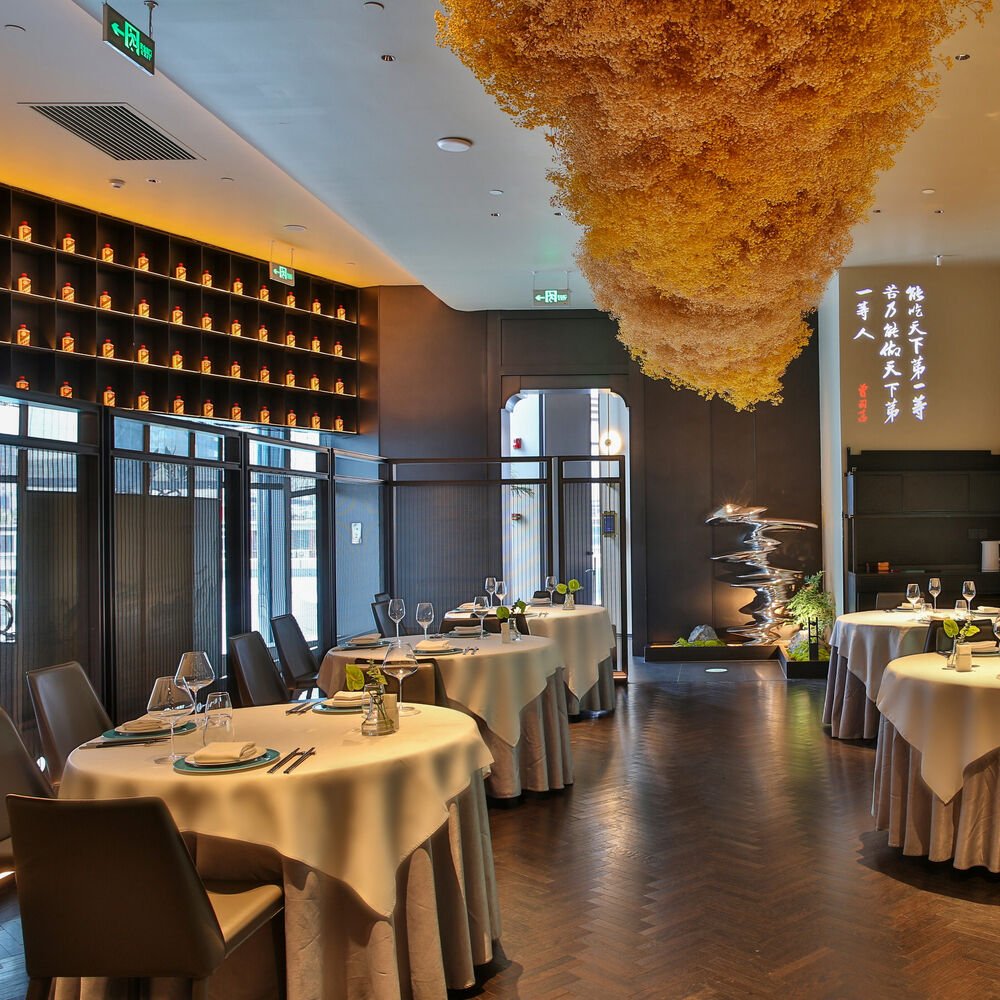
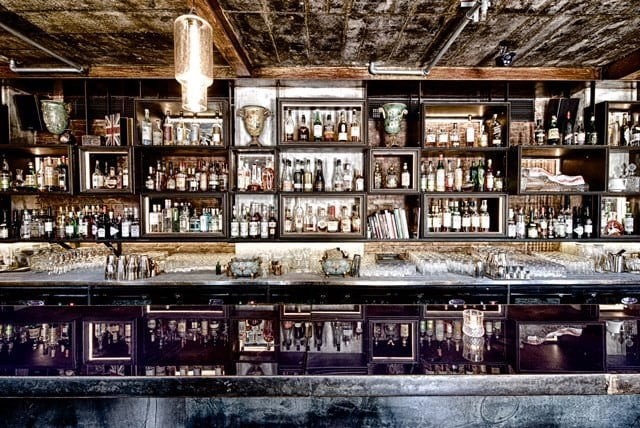
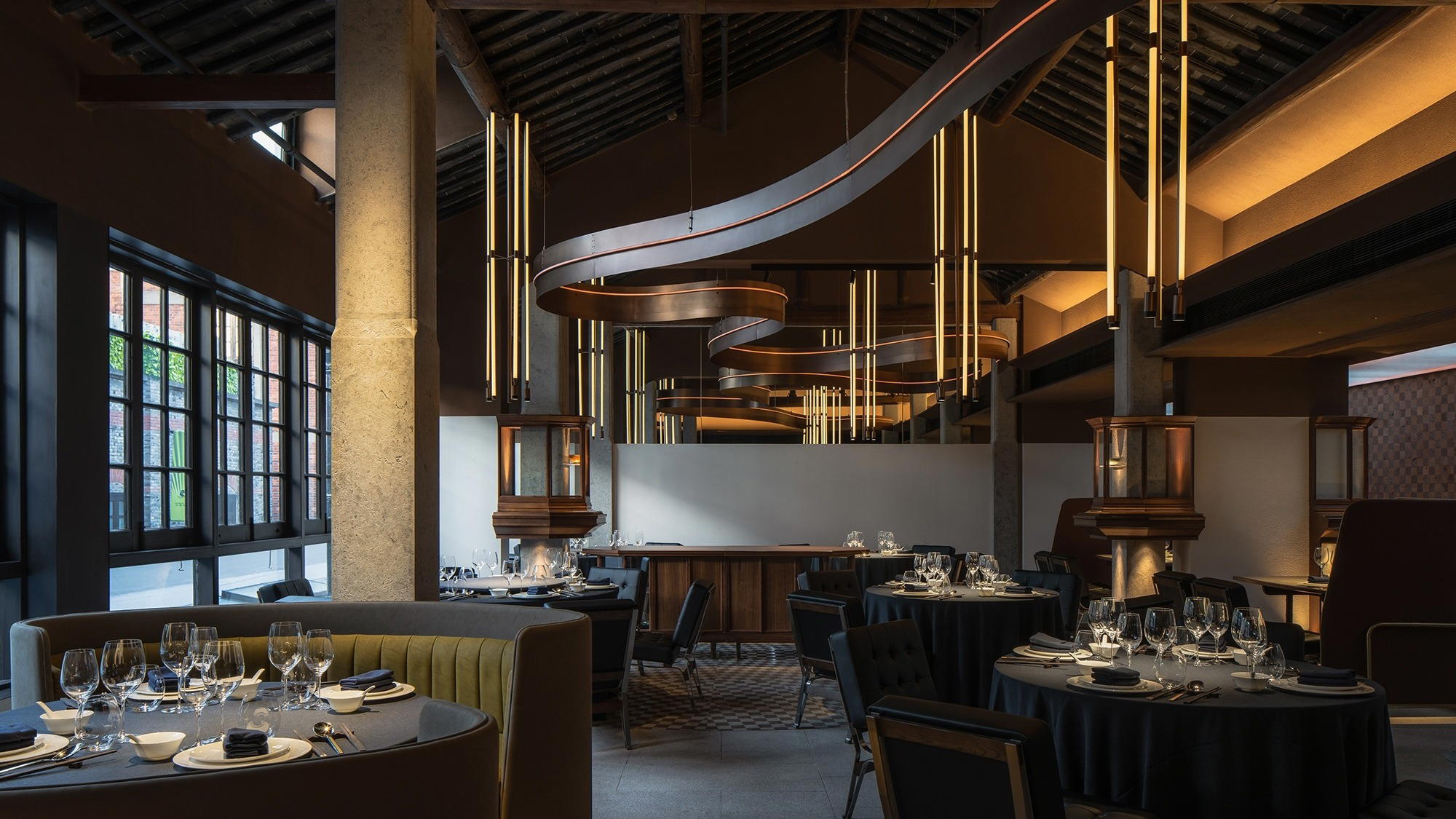
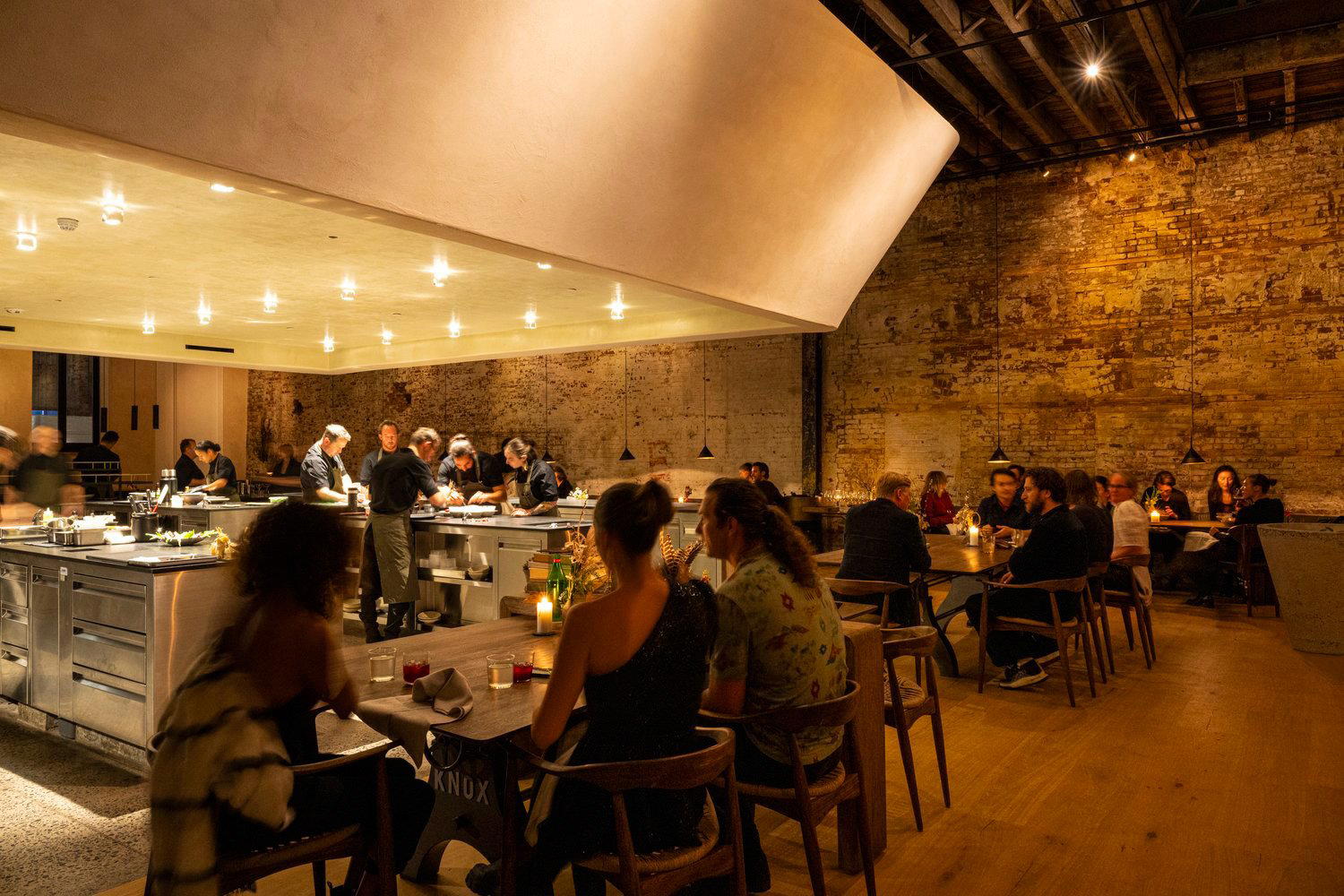
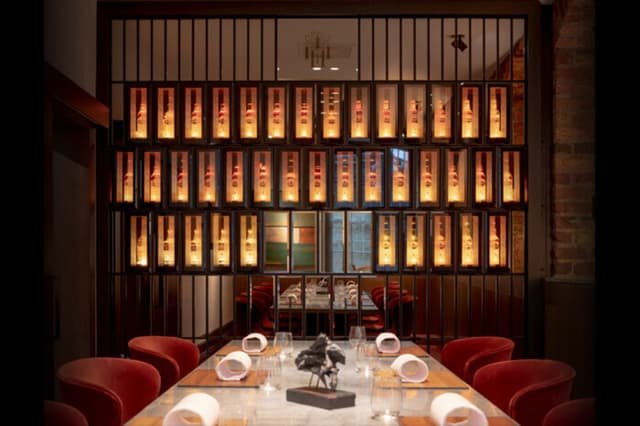
Walk into Mio and the first thing you register is the gleam. Polished white marble surfaces, high-spec lighting, an open kitchen staffed by chefs who are conspicuously well-presented, the room is designed to signal that something serious is happening here. The energy is lively rather than hushed: a mix of young Chinese executives, media and creative professionals, embassy staff (the Japanese, German, and US embassies are all within easy reach), and Four Seasons brand loyalists. This is not a quiet room for a private conversation. It is a see-and-be-seen room that happens to serve very good Southern Italian food, and the ambient energy reflects that.
There is no formal dress code, but the marble, the lighting, and the crowd will make you feel underdressed if you arrive in anything casual. Treat it as smart-to-formal and you will feel at home. For a special occasion or a business meal where first impressions matter, the room does significant work before the food even arrives.
The Food: Southern Italian, Beijing-Sourced Ambition
Chef Matteo Re Depaolini leads a menu rooted in Southern Italian cooking, with the kind of premium ingredient additions you would expect at this price point: caviar, oysters on the half shell, a wide charcuterie selection, and pasta preparations that range from classic to high-ticket. The menu runs from minestrone and Caprese salad through to lobster pasta and Wagyu bolognese, so there is range across price points within the tasting structure.
One dish worth noting from the database record: a white pizza built on wood-fired focaccia dough, topped with a baked organic egg and finished with genuine Alba white truffle shavings. That kind of ingredient sourcing, Alba truffle, not a substitute, signals the kitchen's ambition and gives the menu a seasonal dimension worth paying attention to. White truffle season runs roughly October through December; if you are visiting Beijing in that window, Mio during truffle season is a different proposition from Mio in spring or summer. Seasonality genuinely shifts what the kitchen can do here, and timing your visit accordingly is one of the sharper practical decisions you can make.
For weekday lunches, a two- or three-course business menu is available, which changes the value calculation considerably. If you want to try Mio without committing to the full dinner spend, a weekday lunch is the most efficient way to do it.
Booking and Access
Booking difficulty is rated Easy. As a Four Seasons restaurant, reservations can be made through the hotel's standard channels. Unlike many of Beijing's harder-to-book Chinese fine dining rooms, Mio does not require weeks of advance planning under normal conditions, though specific high-demand dates (Chinese New Year, key business event weeks, truffle season weekends) may change that. The hotel is a short cab ride from Sanlitun, Beijing's main hub for shopping, dining, and nightlife, and it sits close to the airport expressway, which makes it a practical choice for a dinner on arrival or before departure if timing allows.
Quick reference: ¥¥¥¥ price tier | Michelin Plate 2024 and 2025 | Black Pearl 1 Diamond 2025 | Opinionated About Dining Leading Restaurants in Asia Ranked #430 (2024) | Easy booking | Weekday business lunch available | Smart-to-formal dress recommended.
Pearl Picks: More to Explore
If Mio's Italian-in-Beijing proposition interests you, it is worth knowing where it sits in a broader dining context. For top-tier Chinese fine dining in Beijing itself, Xin Rong Ji (Xinyuan South Road) and Jingji operate at the same ¥¥¥¥ tier with different cuisine priorities. Lamdre is the city's most prominent vegetarian option at that price level. King's Joy covers both Chinese and vegetarian territory. For Cantonese cooking, Chao Shang Chao (Chaoyang) is worth comparing directly against Mio for a ¥¥¥¥ special-occasion dinner.
Beyond Beijing, the same level of Italian fine-dining ambition in a luxury hotel context can be found at Chef Tam's Seasons in Macau (different cuisine, similar occasion framing) or, for a sense of what this price tier looks like at the top of the global scale, Le Bernardin in New York City and Atomix in New York City are useful reference points. For Italian fine dining elsewhere in China, 102 House in Shanghai operates in the same category. Broader regional options include Ru Yuan in Hangzhou, Xin Rong Ji in Chengdu, Imperial Treasure Fine Chinese Cuisine in Guangzhou, and Dai Yuet Heen in Nanjing.
For everything else in the city, see our full Beijing restaurants guide, our full Beijing hotels guide, our full Beijing bars guide, our full Beijing wineries guide, and our full Beijing experiences guide.
Part of
Four Seasons246 locations on PearlLocated inside
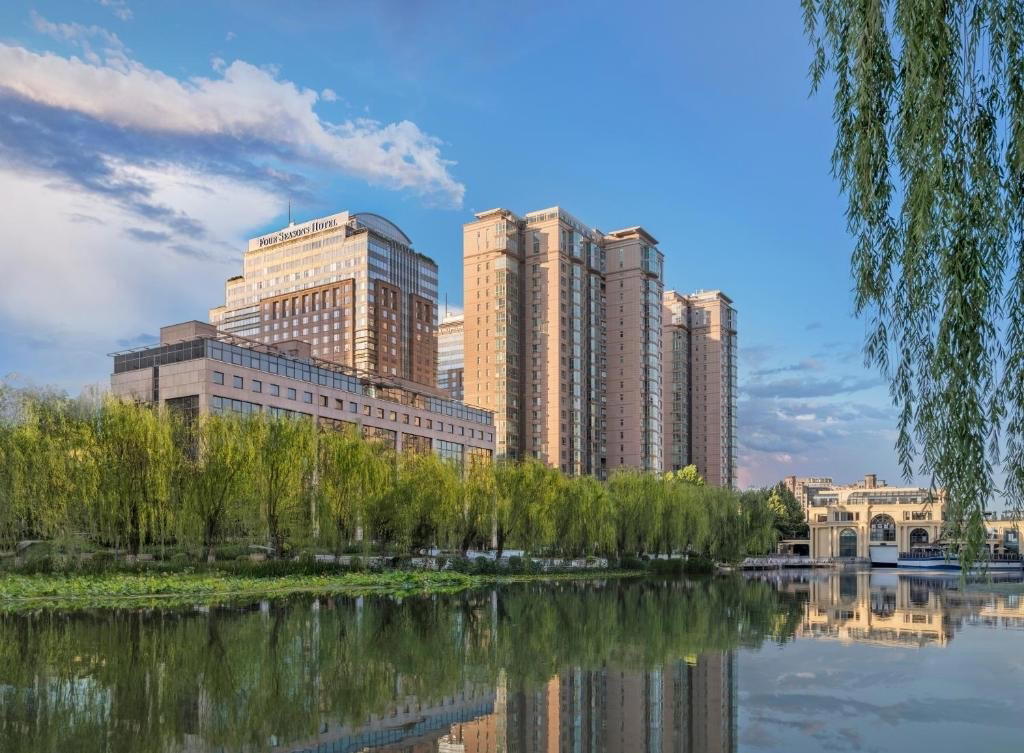 HotelFour Seasons Hotel BeijingFull hotel guide
Planning details
- Location
- 15-18 Xiaoyun Rd, Chao Yang Qu, Bei Jing Shi, China, 100028
- Reservations
- Book on OpenTable
- Phone
- +86 10 6595 5135
The take
The Take
The Vibe
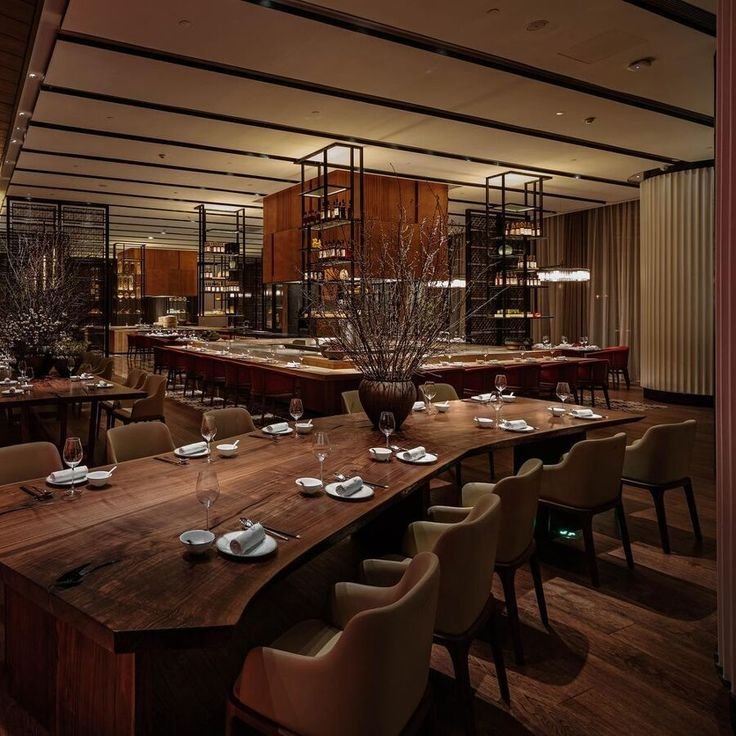
Mio reads like a polished, modern hotel room where high-end Italian cooking meets a consciously styled interior. White marble and gleaming surfaces frame an open kitchen, and the dining room carries a socially charged energy that comes from a mix of embassy staff, young executives and Four Seasons regulars. The space rewards dressing up without enforcing a strict code, so it feels less rigid than a traditional hotel restaurant while retaining a refined register. Overall the room balances polish and bustle: elegant presentation and spotless kitchens sit alongside a lively, restaurant-forward atmosphere.
Best For
Mio is best known for its dinner service, where its ¥¥¥¥ positioning and hotel setting make it a go-to for date nights, business dinners and special occasions. The venue also treats lunch as a distinct proposition — the room functions differently across the day — so a daytime visit delivers a separate experience from the evening. Situated on the third floor of the Four Seasons in the diplomatic quarter, it attracts embassy staff, executives and international visitors, making it a reliable choice when the occasion calls for polished Italian cooking in a hotel context.
Ordering Tips
The menu shifts between lunch and dinner, so check which dishes are available for the service you plan to attend. Signature plates to look for include Vitello, Plin, Tonno and Parmigiana. Given the restaurant's polished presentation and open kitchen, expect carefully prepared, classically rooted Italian dishes rather than casual trattoria fare. The room has no formal dress code but rewards dressing up, so consider the occasion when choosing what to order and how to present yourself.
Venue details
Ambiance
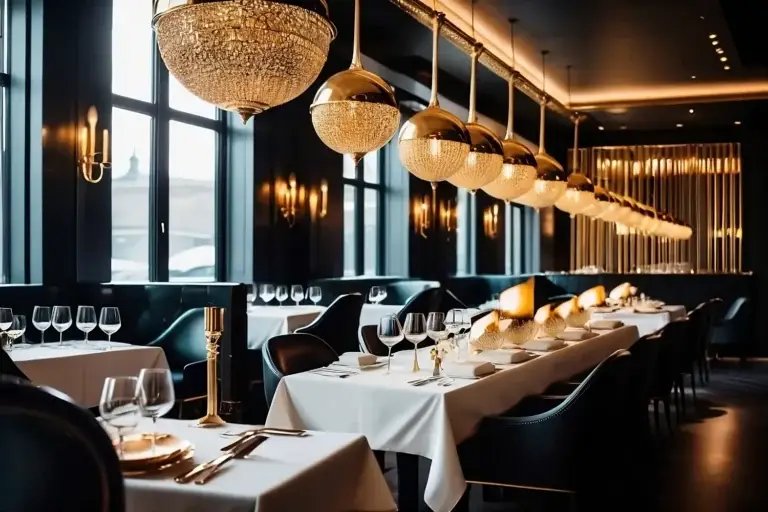
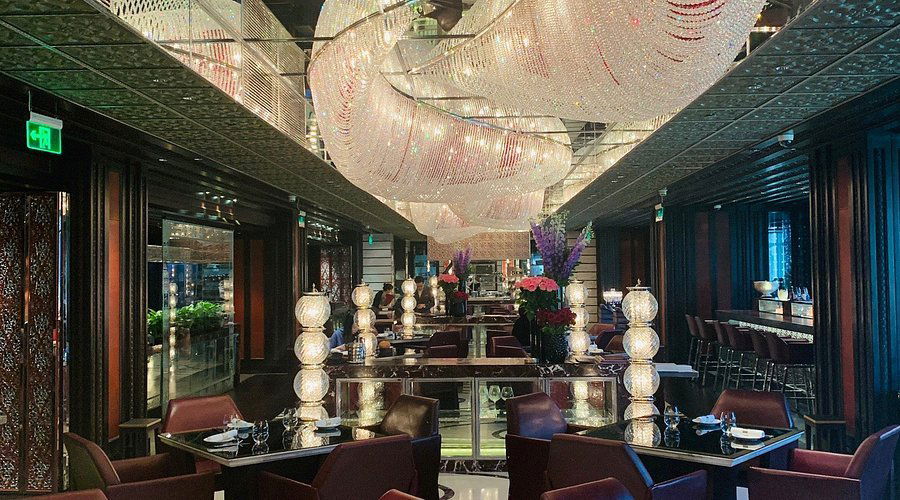
Lavish and richly textured with strings of glass beads from the mirrored ceiling creating a dazzling sculpture, noble and luxurious decoration that feels comfortable and inviting.
Tags
Vibe
Best For
Experience
View
Accessibility
At the Table
- Dress Code
- Smart Casual
- Noise Level
- Conversational
- Service Style
- Upscale Casual
- Meal Pacing
- Leisurely
- Capacity
- Small
- Kitchen
- Modern
- Menu Format
- A la carte, Tasting menu
- Wine Program
- Curated
- Dietary
- Vegetarian friendly, Vegan options, Gluten-free options
- Private Dining
- Available
- Outdoor Seating
- Yes
Signature Dishes
- Vitello
- Plin
- Tonno
- Parmigiana
Know before you go
Know Before You Go
- Getting there
- 15-18 Xiaoyun Rd, Chao Yang Qu, Bei Jing Shi, China, 100028
Planning details
Location
15-18 Xiaoyun Rd, Chao Yang Qu, Bei Jing Shi, China, 100028 · Directions
Recognition and awards


Also consider
Also Consider
- Jing, French Contemporary, ¥¥¥
- Xin Rong Ji (Xinyuan South Road), Taizhou, ¥¥¥¥
- Chao Shang Chao (Chaoyang), Chao Zhou, ¥¥¥¥
- Lamdre, Vegetarian, ¥¥¥¥
- Jingji, Beijing Cuisine, ¥¥¥¥
Restaurant context
At ¥¥¥¥, Mio sits in Beijing's top price tier alongside Xin Rong Ji (Xinyuan South Road), Chao Shang Chao (Chaoyang), Lamdre, and Jingji. The key distinction is cuisine: Mio is the only Southern Italian option in this group, which makes it the default choice when the brief is European fine dining for an international client or colleague unfamiliar with Chinese regional cooking. Xin Rong Ji and Chao Shang Chao are stronger choices if you want the meal to reflect Beijing's own food culture at the same spend level.
For value at a lower price point, Jing operates at ¥¥¥ with a French Contemporary menu and is worth considering if the occasion does not require the full Four Seasons production. Mio's Michelin Plate and Black Pearl credentials give it a clear edge over Jing in terms of external recognition, but Jing costs less and may be easier to justify for a working lunch or an informal dinner. Mio's weekday business lunch partly addresses this gap by offering a structured, lower-commitment entry point at the ¥¥¥¥ venue.
For a special occasion where cuisine flexibility is on the table: Mio wins on room and atmosphere for an international dining experience; Xin Rong Ji wins if ingredient provenance and regional Chinese cooking are the priority; Lamdre is the only vegetarian option at this tier. Book Mio when the occasion calls for a European reference point, when truffle season makes the menu's premium sourcing most defensible, or when a business dinner needs the credibility of a named luxury hotel address.
Explore Beijing
Around this place
Discover more on Pearl
Unlock the full Mio guide in Pearl, including awards, comparisons, FAQs, planning details, and nearby places.
Compare Mio
| Venue | Cuisine | Price | Booking Difficulty | Awards |
|---|---|---|---|---|
| Mio | Southern Italian, Italian | ¥¥¥¥ | Easy | 2026 Forbes 4-Star2026 OAD Top Restaurants in Asia Recommended2026 Black Pearl 1 Diamond2025 Michelin Plate2025 Forbes 4-Star2025 Black Diamond 1 Diamond2024 OAD Top Restaurants in Asia Ranked · #4302024 Michelin Plate2023 OAD Top Restaurants in Asia Recommended |
| Jing | French Contemporary | ¥¥¥ | Unknown | 2025 OAD Top Restaurants in Asia Ranked · #3842025 Wine Spectator Best of Award of Excellence2025 The Best Chef One Knife2025 Michelin 1 Star2025 Black Diamond 1 Diamond2024 OAD Top Restaurants in Asia Ranked · #3522024 Michelin 1 Star2023 OAD Top Restaurants in Asia RecommendedWorld's Best Wine Lists 2022 |
| Xin Rong Ji (Xinyuan South Road) | Taizhou | ¥¥¥¥ | Unknown | 2026 Asia's 50 Best Restaurants · #842026 La Liste Top Restaurants2025 Asia's 50 Best Restaurants · #732025 Black Diamond 2 Diamond2025 La Liste Top Restaurants2025 Michelin 3 Stars2025 Relais Chateaux Award |
| Chao Shang Chao (Chaoyang) | Chao Zhou | ¥¥¥¥ | Unknown | 2026 La Liste Top Restaurants2025 The Best Chef Three Knives2025 Michelin Plate2025 Michelin 3 Stars2024 Michelin 3 Stars |
| Lamdre | Vegetarian | ¥¥¥¥ | Unknown | 2026 Asia's 50 Best Restaurants · #172026 OAD Top Restaurants in Asia Highly Recommended2026 Black Pearl 2 Diamond2026 La Liste Top Restaurants2025 Asia's 50 Best Restaurants · #502025 OAD Top Restaurants in Asia Ranked · #224We're Smart World Top Restaurants 2025We're Smart World Top 100 2025Tatler Best Restaurants Asia-Pacific 2025 |
| Jingji | Beijing Cuisine | ¥¥¥¥ | Unknown | 2026 La Liste Top Restaurants2025 Michelin 2 Stars2024 Michelin 2 Stars |











A quick look at how Mio measures up.
FAQ
Frequently Asked Questions
What should a first-timer know about Mio?
Mio is the signature restaurant of Four Seasons Beijing, holding a Michelin Plate (2025) and Black Pearl 1 Diamond (2025). The room skews glamorous — polished marble, open kitchen, a crowd of executives and embassy staff — so dress accordingly; no formal code exists, but you will feel underdressed in casual clothes. Reservations are easy to secure through the hotel. On weekdays, a two- or three-course business lunch menu is available if you want to test the kitchen at lower commitment.
Is Mio good for solo dining?
Yes, and the weekday business lunch format is well-suited to solo diners who want a focused meal without the full ¥¥¥¥ dinner outlay. The open kitchen gives solo guests something to watch. The crowd at dinner — young creatives, media professionals, hotel loyalists — means the room has enough energy that dining alone does not feel awkward.
What should I order at Mio?
The menu spans charcuterie, caviar, oysters, pasta, and mains; classic Italian dishes like Caprese salad and minestrone sit alongside premium preparations including lobster pasta and Wagyu bolognese. The signature white pizza — wood-fired focaccia dough with organic egg and Alba white truffle shavings — is the dish the kitchen is known for and worth ordering if it is on the menu during your visit.
Is Mio good for a special occasion?
It works well for a special occasion, particularly if the guest of honour appreciates Italian food and a high-spec room. The Four Seasons setting means service infrastructure is reliable, the space photographs well, and the Michelin Plate and Black Pearl credentials give the booking weight. For a Chinese fine-dining milestone, Xin Rong Ji or Lamdre would carry more local prestige; Mio is the better call when the occasion calls specifically for Italian.
What are alternatives to Mio in Beijing?
For Chinese fine dining in the same Chaoyang area, Xin Rong Ji (Xinyuan South Road) and Lamdre both carry stronger local prestige credentials. Jing, also hotel-based fine dining, is a direct peer for the occasion-dining crowd. If you want regional Chinese rather than Italian at a similar spend, Chao Shang Chao (Chaoyang) is worth considering. Mio is the strongest option in Beijing when the specific requirement is Southern Italian cooking at fine-dining level.
Is Mio worth the price?
At ¥¥¥¥, Mio is priced at the top tier of Beijing dining. Two consecutive Michelin Plate recognitions and a Black Pearl 1 Diamond (2025) confirm the kitchen is operating at a credible level, and the Four Seasons setting delivers reliable service. The value case is strongest if Italian food is specifically what you want; if cuisine type is flexible, Beijing's Chinese fine-dining options at the same price point offer a more distinctive local experience.