.png?width=1200&quality=80)
Meng Du Hui
Hui Cuisine · Chaowai, Beijing
Restaurant in Beijing, China
 Book with Pearl
The Read
Anhui Hutong Kitchen
Dress
Smart Casual
Why go
Meng Du Hui holds a Michelin Plate for 2025 and 2026, making it one of Beijing's most credentialed addresses for Hui cuisine at a ¥¥ price point. Situated in the Dongsi hutong belt in Dongcheng, it suits food-focused travellers who want regional Chinese depth without a ¥¥¥¥ outlay. Easy to book and well-positioned for solo diners or pairs.
About Meng Du Hui
A Michelin-Recognised Address for Hui Cuisine in Beijing's Hutong Belt — Worth Booking at ¥¥
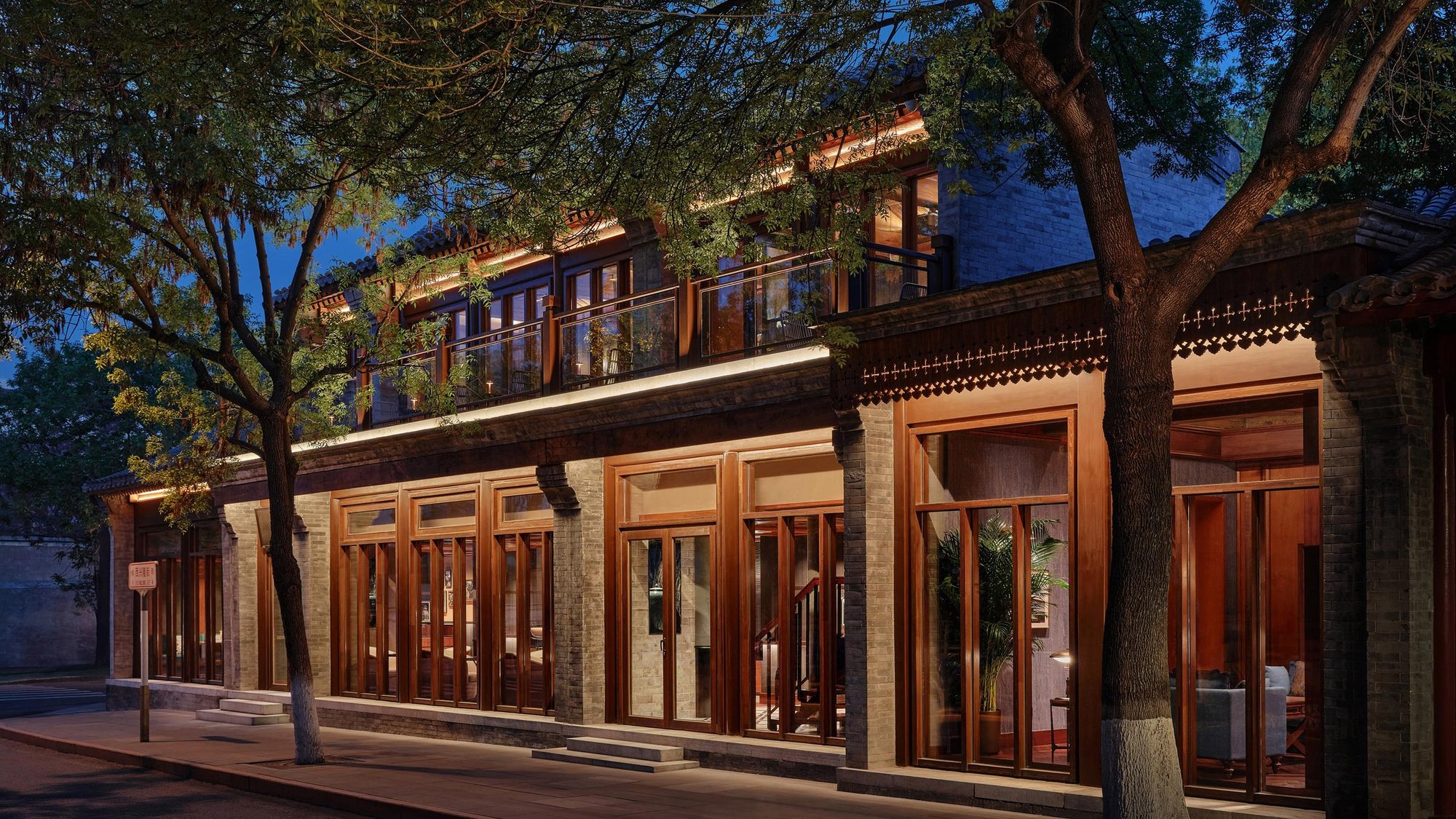
Picture a narrow hutong lane in Dongcheng, the kind where the city slows down enough to let you notice what's actually on your plate. Meng Du Hui sits at 5 Panjiapo Hutong, a short walk from the Dongsi neighbourhood, and it has now held a Michelin Plate in both 2024 and 2025 — a consistent signal that the kitchen is doing something the inspectors consider worth documenting. Hui cuisine, rooted in Anhui province, is one of the eight classical Chinese culinary traditions and remains among the least represented in Beijing's restaurant scene. That relative scarcity, combined with the Michelin recognition and a ¥¥ price point, makes Meng Du Hui a genuinely practical choice for anyone who wants depth in a Chinese regional cuisine without committing to a ¥¥¥¥ bill.
What Hui Cuisine Actually Means Here
Hui cuisine is defined by its approach to sourcing and preservation: historically, merchants from Anhui province traded over long distances, which shaped a cooking tradition that prizes dried, cured, and fermented ingredients alongside fresh mountain produce. Braised meats cooked low and long, preserved vegetables, and freshwater fish prepared with precision are the genre's signatures. The style sits closer to the earthy, umami-forward end of Chinese cooking than to the lighter Cantonese or brighter Sichuan poles, if you are used to those cuisines, Hui food will feel different in emphasis, with depth built through time and technique rather than spice or delicacy. At a venue holding a Michelin Plate for consecutive years, you can reasonably expect that the sourcing choices behind those braised and preserved preparations are what is being recognised. The Michelin Plate is awarded for good cooking, not for décor or service theatre, so the kitchen's ingredient decisions are the actual story here.
For a food-focused traveller, this is a meaningful distinction. Beijing has dozens of Cantonese and Sichuan options at similar or higher price points. A ¥¥ Michelin Plate Hui cuisine address in a hutong setting is a narrower category, and Meng Du Hui is one of the cleaner answers to it. If your interest is in exploring the breadth of Chinese regional cooking, this address earns its place on the list. For comparison, Wan Yan (Changning), Hui Cuisine in Shanghai offers another reference point for Hui cooking if you are travelling across cities.
The Setting and Who It Suits
The Dongsi hutong location puts Meng Du Hui in one of Beijing's more walkable and historically dense neighbourhoods. The address itself, at the intersection of old lanes and mid-city living, is the kind of spot food explorers tend to find satisfying as context for a meal. This is not a hotel dining room or a business-lunch venue. For solo diners or pairs who want to eat well without ceremony, that profile works in their favour. For groups of four or more, confirm capacity before booking, as the venue's scale is not detailed in available data.
The explorer-type diner, someone who reads about regional Chinese cuisine, who has already worked through the obvious Beijing stops, or who is building a trip around eating across different Chinese culinary traditions, is the reader who will get the most out of a meal here. If you are after a safer, more legible dining experience, Jingji (Beijing Cuisine) or King's Joy (Chinese, Vegetarian) would be more familiar territory. For a broader picture of what Beijing's restaurant scene offers, see our full Beijing restaurants guide.
Practical Details
Reservations: Easy to book, Michelin Plate recognition at ¥¥ in a hutong location suggests demand is steady but not at the level requiring weeks of advance planning; phone and online booking details are not publicly listed, so plan to book in person or through your hotel concierge. Budget: ¥¥, making this one of the more accessible Michelin-recognised addresses in Beijing. Dress: No dress code is specified; neighbourhood-hutong casual is appropriate. Getting there: Dongsi Subdistrict, Dongcheng, served by multiple metro lines, with Dongsi Station (Lines 5 and 6) the closest reference point. Group size: Well suited for two to four; larger groups should confirm availability in advance. Cuisine context: If Hui cuisine is new to you, expect braised, preserved, and slow-cooked preparations rather than the stir-fry-forward formats of more familiar Chinese regional styles.
Michelin Plate, Two Years Running
The back-to-back Michelin Plate in 2024 and 2025 is the most concrete trust signal available here. It does not indicate a starred kitchen, but it does indicate consistent quality recognised by the guide's inspectors. For a ¥¥ venue in a hutong, that consistency across two years is meaningful, it is not a single good year or a proximity-to-hotel bump. The cuisine type also matters for context: Michelin recognition for Hui cooking in Beijing is less common than for Cantonese or contemporary Chinese formats, which gives the award a degree of specificity. For travellers building a considered itinerary of regional Chinese cooking, this is a data point worth weighting. Other Michelin-recognised regional Chinese venues worth cross-referencing include Xin Rong Ji in Chengdu, Ru Yuan in Hangzhou, Chef Tam's Seasons in Macau, and Imperial Treasure Fine Chinese Cuisine in Guangzhou.
For more on eating and staying in Beijing, see our full Beijing restaurants guide, our full Beijing hotels guide, our full Beijing bars guide, our full Beijing wineries guide, and our full Beijing experiences guide. For Hui cuisine elsewhere in China, see Meng Du Hui in Nanjing and Wan Yan (Changning) in Shanghai. For other regional Chinese cooking worth comparing, 102 House in Shanghai and Dai Yuet Heen in Nanjing are worth adding to the list.
Planning details
- Location
- 5 Panjiapo Hu Tong, Dongsi Subdistrict, Beijing, Dongcheng, Beijing, China, 100010
- Phone
- +86 10 6551 1598
The take
The Take
The Vibe
Meng Du Hui sits discreetly in a hutong, trading city spectacle for the quiet logic of neighbourhood life. The approach — down grey‑brick lanes and past compound gates — feels deliberately unshowy, so the food becomes the venue’s calling card. The restaurant presents Anhui (Hui) cooking with restraint and depth: preserved and fermented ingredients, air‑dried meats and slow braises replace bright, flashy seasoning. That combination of a tucked‑away address and cuisine rooted in history creates an intimate, quietly charming experience for diners who value provenance and slow, textured flavours over spectacle.
Best For
This is a place for diners focused on the cuisine itself. Meng Du Hui is best appreciated at dinner, when the slow braises and fermented flavours settle into their full depth. The hushed hutong setting also suits business dinners or small celebratory gatherings where conversation and the meal take priority. Because the restaurant represents a less‑trafficked regional tradition in Beijing, it also rewards solo explorers and food‑minded visitors who seek something outside the city’s more touristy circuits.
Ordering Tips
Order with a view toward Hui’s strengths: slow braises, preserved and fermented items, and freshwater ingredients. Seek out the signature braised Huizhou smelly mandarin fish to sample one of the house specialties, and try dishes that highlight air‑dried meats, fermented tofu or bamboo shoots to understand the cuisine’s earthy, layered profile. Expect depth over brightness: portions and preparations are meant for sharing, and tasting across several small or medium dishes gives the best sense of the tradition as served here.
Venue details
Ambiance
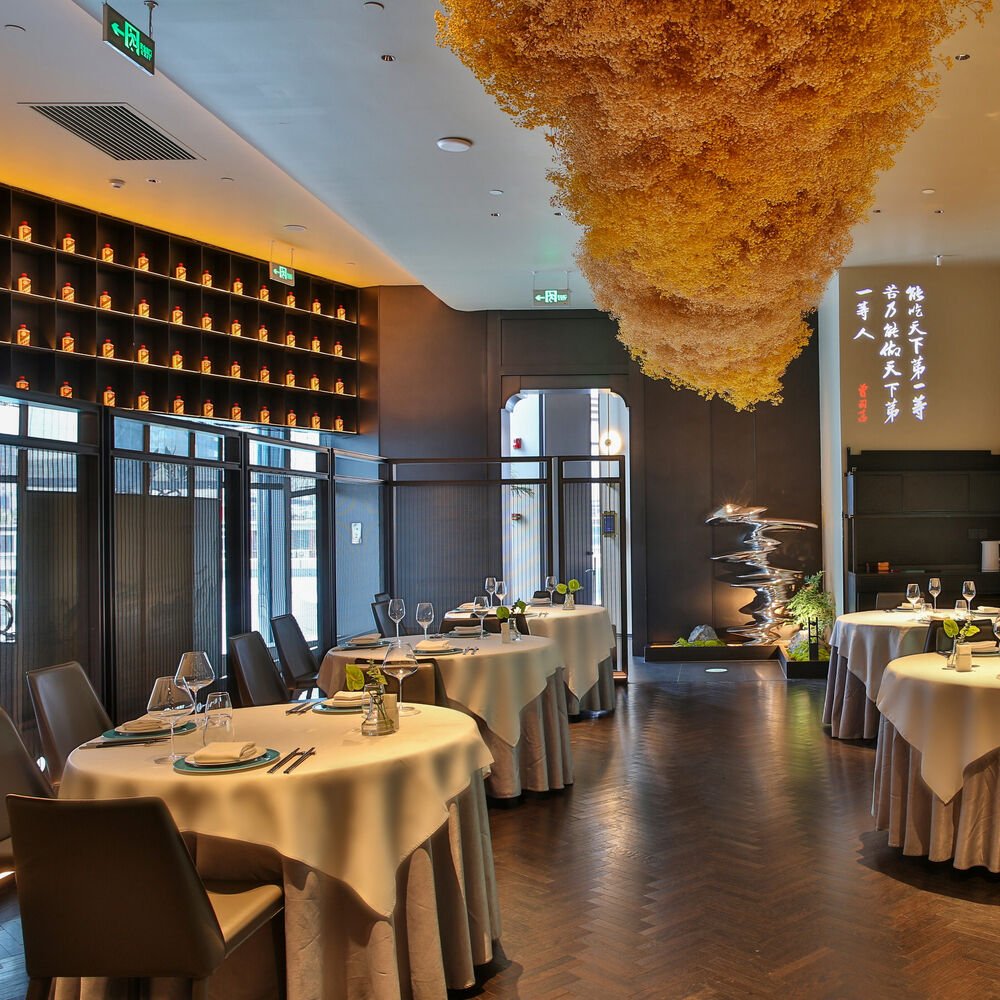
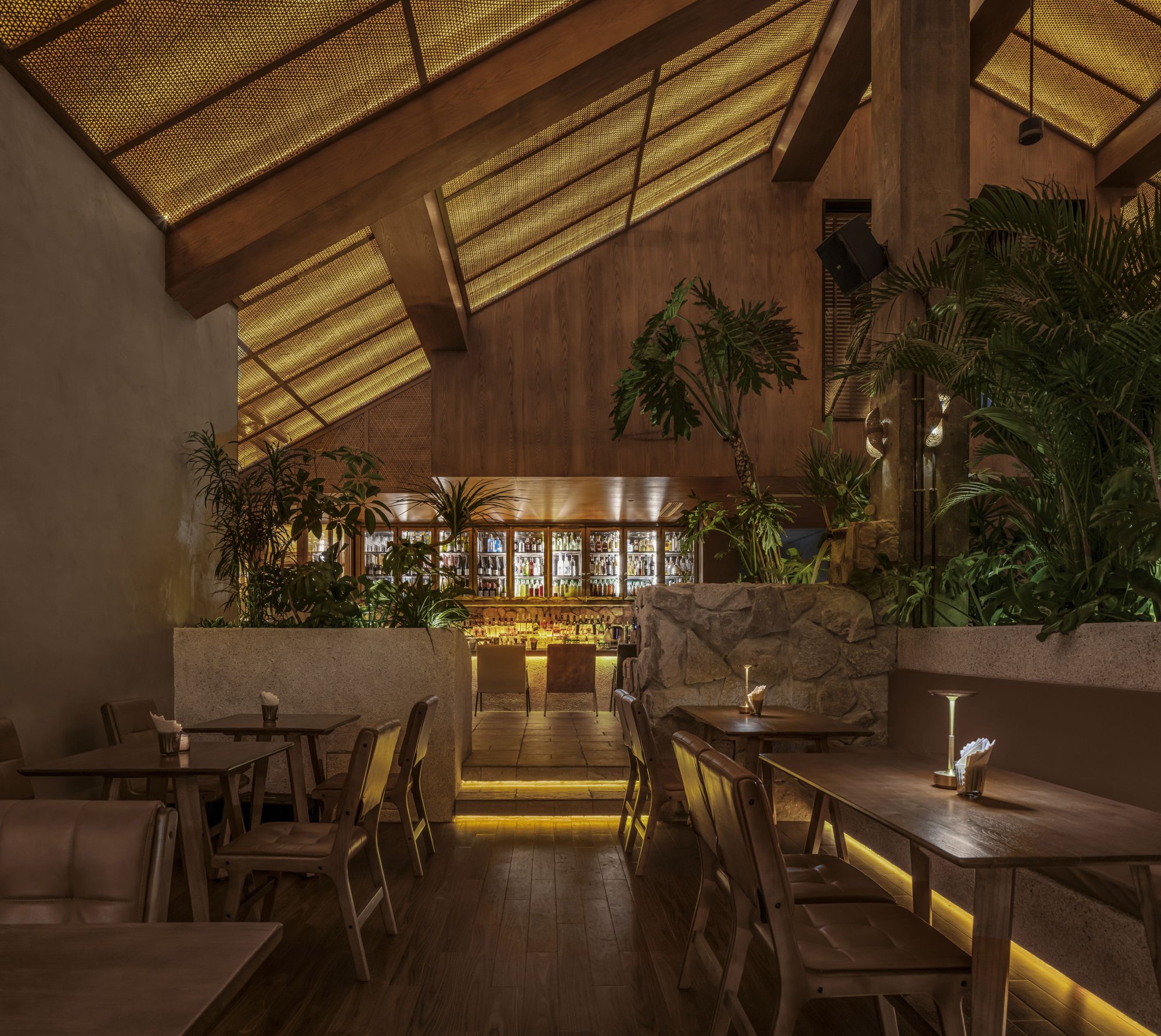
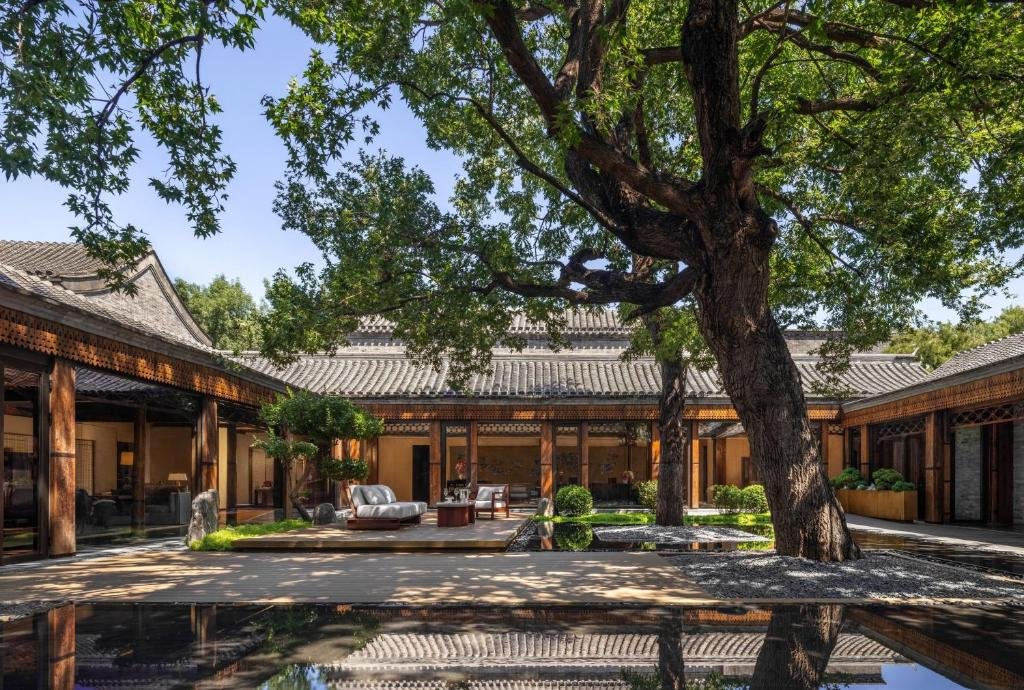
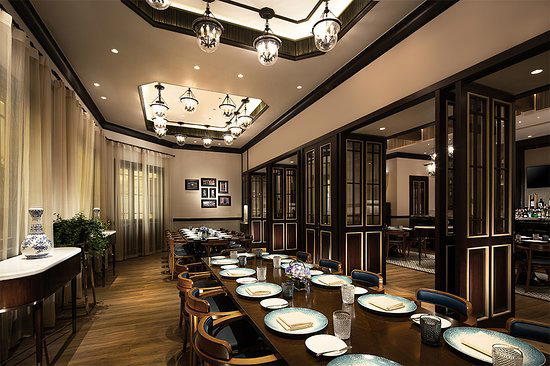
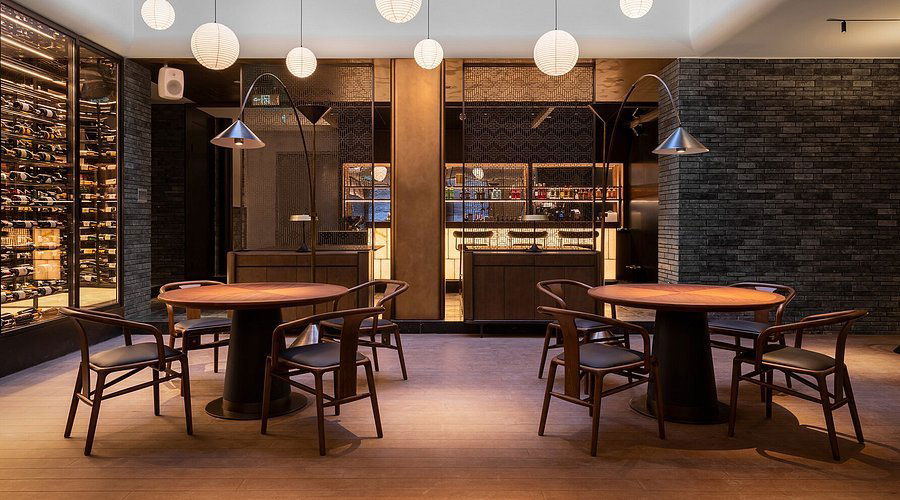
Serenely poetic with layered courtyards, bamboo groves, water features, soft light and shadow play through screens creating a meditative, nature-infused atmosphere.
Tags
Vibe
Best For
Experience
Sourcing
View
At the Table
- Dress Code
- Smart Casual
- Noise Level
- Quiet
- Service Style
- Upscale Casual
- Meal Pacing
- Leisurely
- Capacity
- Large
- Kitchen
- Modern
- Menu Format
- A la carte, Set menu
- Wine Program
- Curated
- Private Dining
- Available
- Outdoor Seating
- Yes
Signature Dishes
braised Huizhou smelly mandarin fish
Know before you go
Know Before You Go
- Getting there
- 5 Panjiapo Hu Tong, Dongsi Subdistrict, Beijing, Dongcheng, Beijing, China, 100010
Planning details
Location
5 Panjiapo Hu Tong, Dongsi Subdistrict, Beijing, Dongcheng, Beijing, China, 100010 · Directions
Recognition and awards
Also consider
Also Consider
- Jing, French Contemporary, ¥¥¥
- Xin Rong Ji (Xinyuan South Road), Taizhou, ¥¥¥¥
- Chao Shang Chao (Chaoyang), Chao Zhou, ¥¥¥¥
- Lamdre, Vegetarian, ¥¥¥¥
- Jingji, Beijing Cuisine, ¥¥¥¥
Restaurant context
Meng Du Hui is the clearest answer in Beijing if you want Michelin-recognised regional Chinese cooking at a ¥¥ price point. Its two consecutive Michelin Plates put it in a different category from most of its neighbourhood peers, and the Hui cuisine format means it is not competing directly with the city's Cantonese or Beijing-style options. If your priority is value for quality in a regional Chinese register, this is the booking to make.
For diners willing to spend more, Xin Rong Ji (Xinyuan South Road) at ¥¥¥¥ offers a significantly more elaborate Taizhou cuisine experience with its own Michelin recognition, the right choice if a longer, more structured meal is the goal. Chao Shang Chao (Chaoyang) at ¥¥¥¥ is the comparable option for Chao Zhou cooking: a different regional tradition, higher spend, and a more formal format. Jingji at ¥¥¥¥ covers Beijing cuisine itself and is the better call if you want the capital's own culinary tradition rather than an Anhui-rooted one. For a vegetarian focus at the top of the price range, Lamdre at ¥¥¥¥ is the reference point. Jing at ¥¥¥ is the answer for French Contemporary in Beijing, an entirely different occasion type.
The practical decision is straightforward: if budget matters and regional Chinese cuisine is the interest, Meng Du Hui delivers Michelin-plate quality at a price two tiers below most of its award-holding Beijing peers. If you are planning a longer itinerary across Beijing's restaurant scene, use it as the accessible, high-quality anchor around which you build the one or two splurge bookings.
Explore Beijing
Around this place
Discover more on Pearl
Unlock the full Meng Du Hui guide in Pearl, including awards, comparisons, FAQs, planning details, and nearby places.
Compare Meng Du Hui
| Venue | Awards | Price |
|---|---|---|
| Meng Du Hui | 2025 Michelin Plate2024 Michelin Plate | ¥¥ |
| Jing | 2025 OAD Top Restaurants in Asia Ranked · #3842025 Wine Spectator Best of Award of Excellence2025 The Best Chef One Knife2025 Michelin 1 Star2025 Black Diamond 1 Diamond2024 OAD Top Restaurants in Asia Ranked · #3522024 Michelin 1 Star2023 OAD Top Restaurants in Asia RecommendedWorld's Best Wine Lists 2022 | ¥¥¥ |
| Xin Rong Ji (Xinyuan South Road) | 2026 Asia's 50 Best Restaurants · #842026 La Liste Top Restaurants2025 Asia's 50 Best Restaurants · #732025 Black Diamond 2 Diamond2025 La Liste Top Restaurants2025 Michelin 3 Stars2025 Relais Chateaux Award | ¥¥¥¥ |
| Chao Shang Chao (Chaoyang) | 2026 La Liste Top Restaurants2025 The Best Chef Three Knives2025 Michelin Plate2025 Michelin 3 Stars2024 Michelin 3 Stars | ¥¥¥¥ |
| Lamdre | 2026 Asia's 50 Best Restaurants · #172026 OAD Top Restaurants in Asia Highly Recommended2026 Black Pearl 2 Diamond2026 La Liste Top Restaurants2025 Asia's 50 Best Restaurants · #502025 OAD Top Restaurants in Asia Ranked · #224We're Smart World Top Restaurants 2025We're Smart World Top 100 2025Tatler Best Restaurants Asia-Pacific 2025 | ¥¥¥¥ |
| Jingji | 2026 La Liste Top Restaurants2025 Michelin 2 Stars2024 Michelin 2 Stars | ¥¥¥¥ |













Comparing your options in Beijing for this tier.
FAQ
Frequently Asked Questions
What should I order at Meng Du Hui?
Specific menu details are not published, but Hui cuisine is defined by preserved ingredients, slow-cooked proteins, and dishes rooted in Anhui merchant traditions. Ask staff what is in season on the day — Hui kitchens tend to shift with availability. The Michelin Plate recognition in both 2024 and 2025 suggests the kitchen is consistent enough to trust whatever the house recommends.
Can I eat at the bar at Meng Du Hui?
No bar seating is documented for Meng Du Hui. At a ¥¥ hutong restaurant in Dongcheng, expect a straightforward dining room setup rather than counter or bar service. If informal perch dining is important to you, this is not the format.
Is Meng Du Hui worth the price?
At ¥¥, the value case is strong. Two consecutive Michelin Plate awards (2024 and 2025) at this price point is an unusual combination in Beijing, where Michelin recognition usually tracks upward in cost. If you want a credentialed Hui cuisine meal without the bill that comes with starred venues like Xin Rong Ji, Meng Du Hui makes a clear argument.
How far ahead should I book Meng Du Hui?
A few days' notice should be enough. Michelin Plate at ¥¥ in a hutong location draws steady local interest, but this is not the reservation difficulty of a starred kitchen — booking a week ahead is ample cover for weekends. Walk-in availability is plausible on weekday lunches, though not guaranteed.
What should I wear to Meng Du Hui?
No dress code is documented. A ¥¥ hutong address in Dongsi suggests a casual, neighbourhood-restaurant atmosphere where clean everyday clothes are entirely appropriate. Overdressing would be out of place here.
Is Meng Du Hui good for solo dining?
The ¥¥ price range and hutong setting work in a solo diner's favour — portions and pricing at this level are unlikely to penalise a single cover the way a tasting-menu format would. Hui cuisine also lends itself to ordered-to-share dishes, so a solo visit is manageable, though the format suits pairs or small groups slightly better.