.png?width=1200&quality=80)
La Roba
Yunnanese · Dongshenglu, Beijing
Restaurant in Beijing, China
 Book with Pearl
The Read
Ethnic Yunnanese Precision
Price
$30–50per person
Dress
Smart Casual
Why go
A committed Yunnanese restaurant in Beijing's Haidian district, La Roba holds a 2024 Michelin Plate and at ¥¥ pricing. The pea flour pancake and Dali-style fish braised in pickled papaya are the standout dishes. Walk-in only, with queues at peak times; arrive early. One of the stronger value cases among award-recognised regional Chinese restaurants in Beijing.
About La Roba
Should You Book La Roba?
Yunnan cuisine is one of the most distinctive regional traditions in China, and La Roba is one of the few places in Beijing where you can engage with it seriously. The caveat: peak-hour queues are real, and Haidian is not the most central neighbourhood for visitors. Plan accordingly.
Portrait
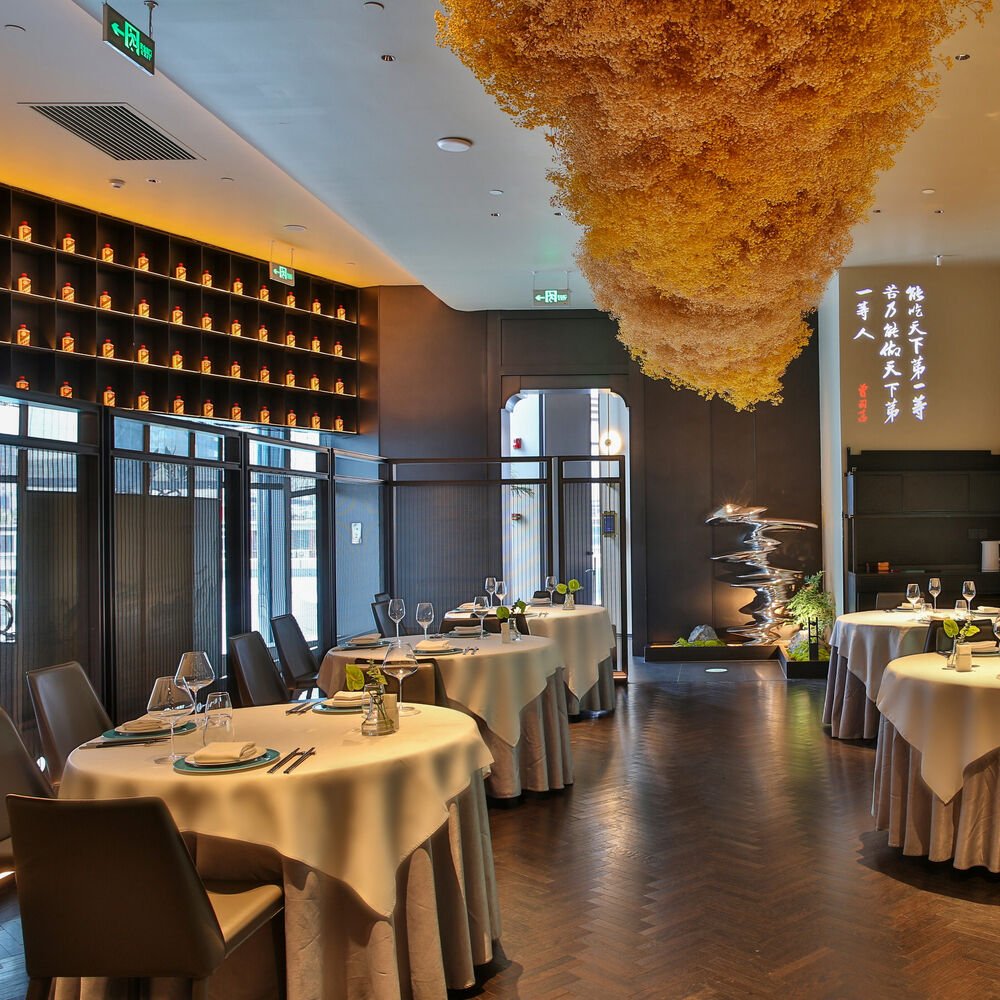
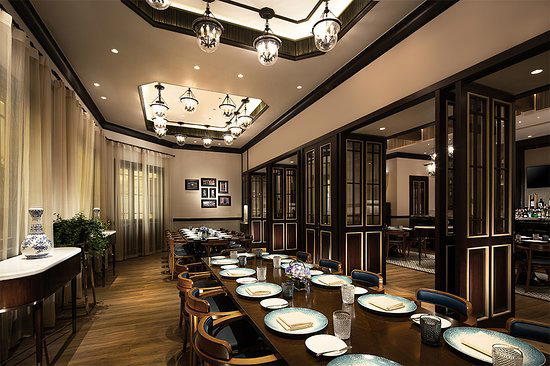
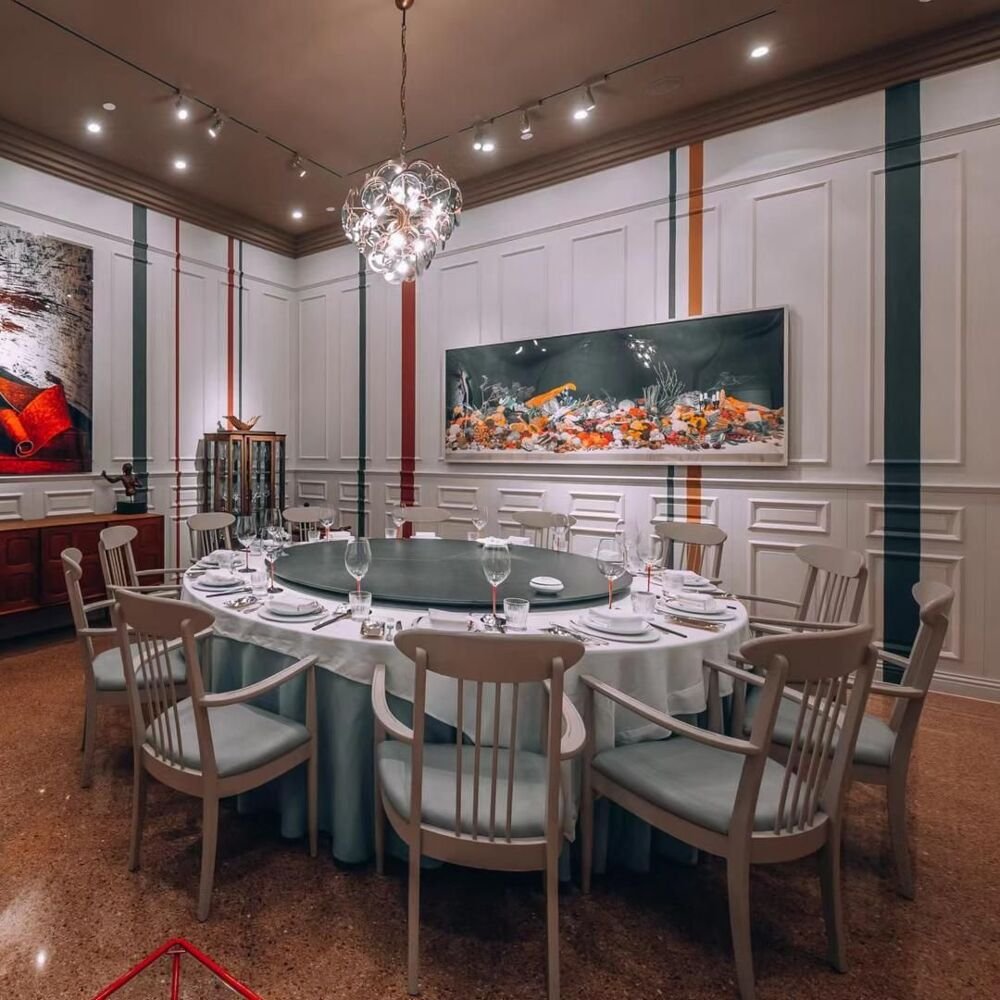
In a city where Sichuan and Cantonese restaurants dominate the mid-range dining conversation, a restaurant in Haidian that commits fully to the flavours of Yunnan is worth paying attention to. La Roba does not hedge. The name itself is a direct declaration of identity: it references a subgroup of the Nuosu tribe from Yunnan, and that cultural specificity carries through every element of the room, from the decor and artwork to the waitstaff's outfits and the background music threading through service. This is not a pan-Southwest Chinese menu dressed up with ethnic motifs; the focus is disciplined and the intent is genuine.
The dishes the venue is noted for give you a reliable read on what Yunnanese cooking does well. The millefeuille pea flour pancake is the kind of dish that rewards a curious diner: densely layered, chewy in a way that is specific to this preparation, and quite unlike anything you will find in a Beijing hotpot chain or a Sichuan mapo tofu specialist. It is the texture, more than any assertive seasoning, that makes it memorable. The Dali-style fish braised in pickled papaya works differently: tart and fruity, with the pickled papaya doing the structural work of acid that other cuisines hand to citrus or vinegar. It is an appetising dish precisely because it avoids the richness-forward profile that dominates so much Beijing restaurant cooking.
As a neighbourhood anchor in Haidian, La Roba fills a gap that matters. Haidian is Beijing's university and tech district, an area with a density of educated, adventurous diners who are not particularly well served by the area's dining options at this price tier. A Michelin Plate-recognised Yunnanese restaurant at ¥¥ pricing is genuinely unusual in this postcode — and that combination of credential, specificity, and accessibility is why the restaurant draws a queue at peak periods. If you are coming from the central tourist zones or from Chaoyang, factor in the travel time; the restaurant sits at 财经东路华清嘉园12-3, Haidian, and the journey is not trivial from the east side of the city.
For the food explorer, La Roba offers something that Beijing's higher-budget Chinese restaurant scene often does not: a clear, committed regional perspective at a price point that does not require a special-occasion rationale to justify the visit. You do not need to be celebrating anything to eat here. You just need to be interested in what Yunnan actually tastes like, distinct from the homogenised pan-Chinese cooking that fills the mid-market across most of the capital. If that is your frame, La Roba is a strong yes. If you want a regional Chinese deep-dive at similar pricing but prefer the east side of the city, Hong 0871 offers another Yunnanese option worth comparing directly.
The restaurant operates as a walk-in venue, and queuing is the expected mode at busy periods, particularly evenings and weekend lunchtimes. Arriving early or timing your visit to avoid the peak window is the practical move. The ¥¥ price range means the financial stakes of a wasted trip are low, but the queue risk is real enough to factor into your itinerary if you are working to a schedule.
For regional Chinese cooking elsewhere in China, the comparison set is instructive. Dai Tai in Xiamen and Hong 0871 in Shanghai represent Yunnanese cooking in other Chinese cities, giving a useful cross-reference for how La Roba's approach stacks up across different markets. If you are travelling more broadly and want to benchmark regional Chinese cuisine at higher budget tiers, Xin Rong Ji in Chengdu, Ru Yuan in Hangzhou, Chef Tam's Seasons in Macau, Imperial Treasure Fine Chinese Cuisine in Guangzhou, Dai Yuet Heen in Nanjing, and 102 House in Shanghai each offer a different angle on serious Chinese dining across the country.
Back in Beijing, the full dining picture extends well beyond Yunnanese cuisine. See our full Beijing restaurants guide for the broader view, alongside our Beijing hotels guide, our Beijing bars guide, our Beijing wineries guide, and our Beijing experiences guide.
Practical Details
La Roba is located at 财经东路华清嘉园12-3 in Haidian District, Beijing. Price range is ¥¥, making it one of the more accessible Michelin Plate venues in the city. Walk-in is the standard approach, though queues form at peak times. Arriving early is the most reliable way to manage wait times. Dress is casual; Haidian's student and tech demographic sets an informal tone and there are no known dress requirements.
Quick reference: Haidian District | ¥¥ | Walk-in | Michelin Plate 2024 | Yunnanese | Queue expected at peak periods.
Planning details
- Location
- China, Beijing, Haidian District, 财经东路华清嘉园12-3 邮政编码: 100190
- Phone
- +86 10 8286 6755
The take
The Take
The Vibe
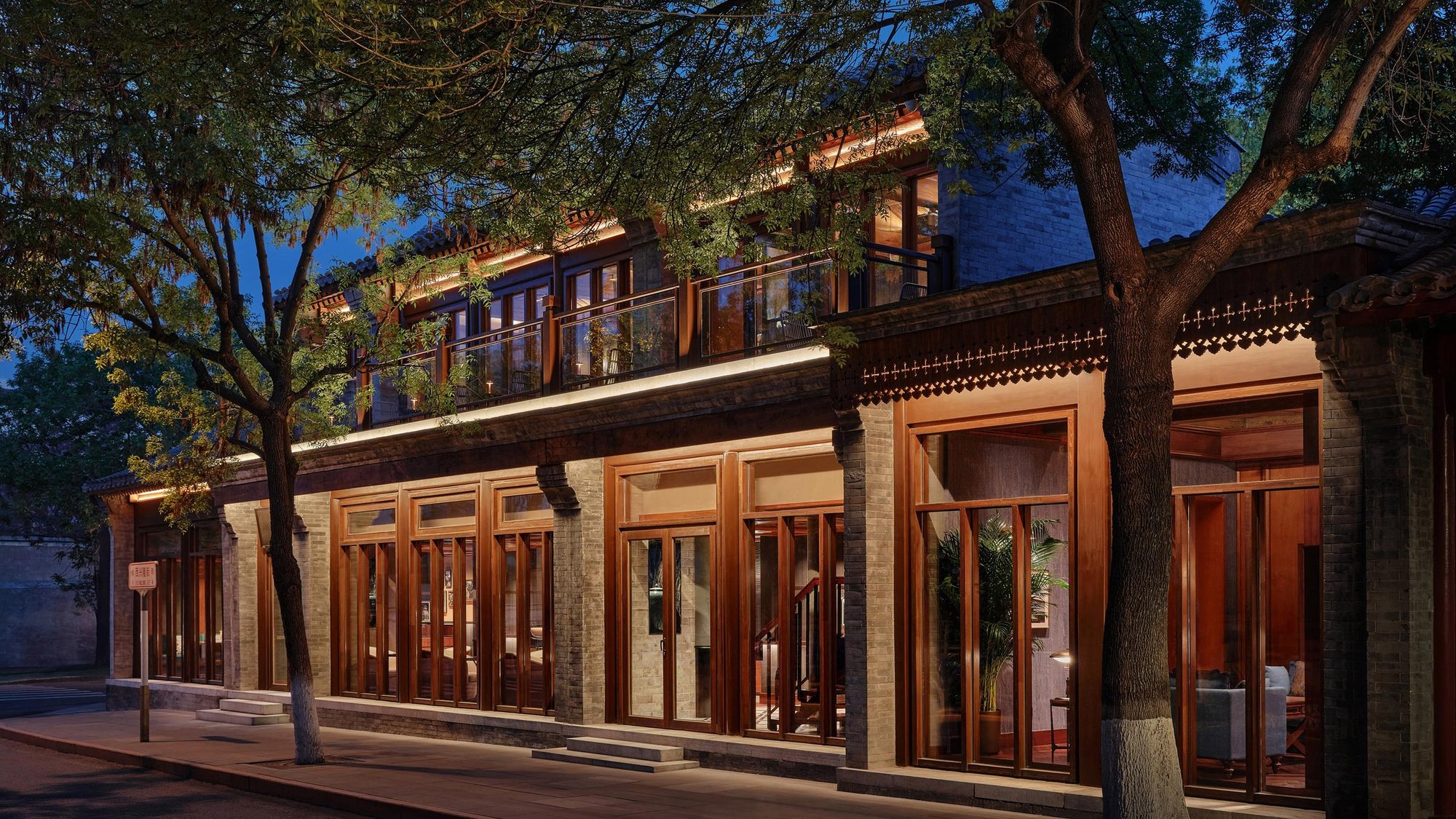
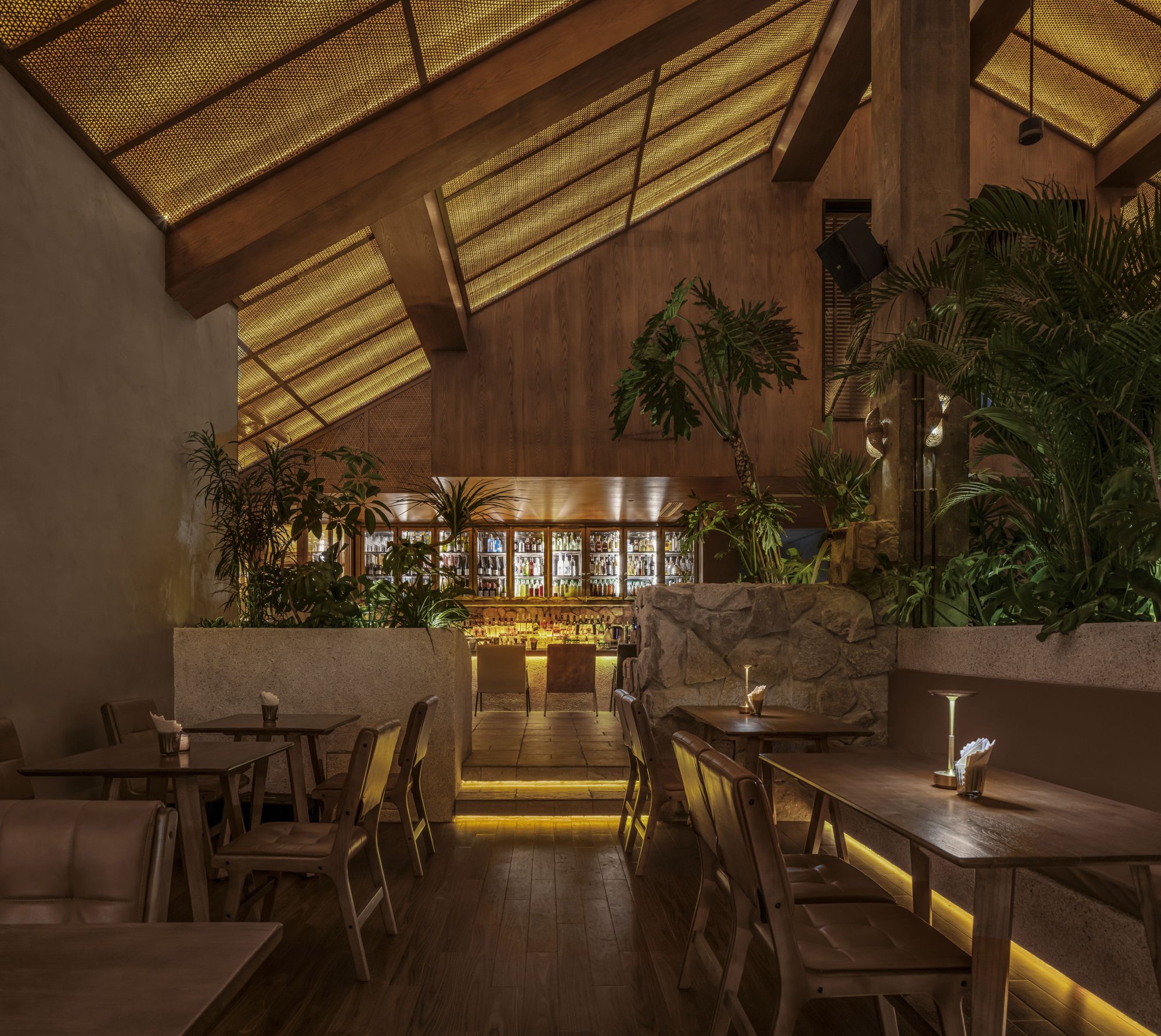
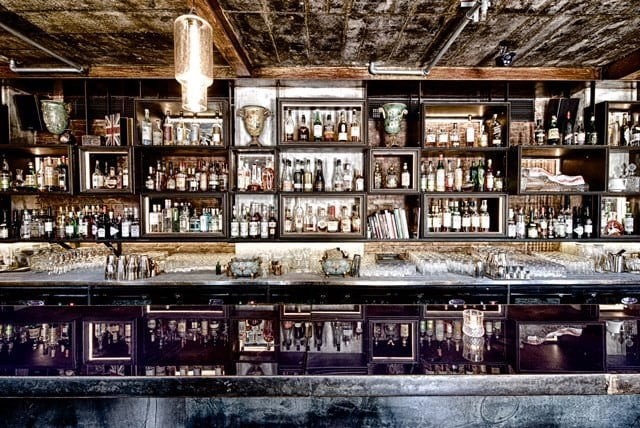
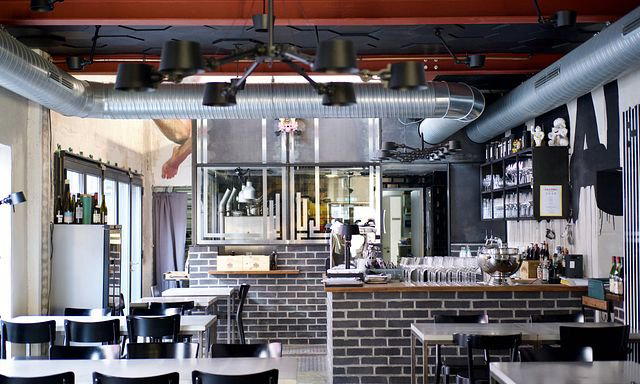
La Roba presents a focused, neighborhood-minded take on Yunnanese dining. The room leans rustic and cozy: Nuosu-inspired decor, staff clothing drawn from that heritage, and unobtrusive background music all reinforce a cohesive identity. It feels intimate and quietly curated rather than theatrical — a place where regulars and locals come for reliable, culturally specific cooking. The Michelin Plate and strong review scores underline that the aesthetic choices are matched by consistent food quality, so the atmosphere reads as both authentic and thoughtfully assembled.
Best For
This is a place built for everyday dining rather than spectacle. Located in a residential-commercial complex in Haidian, La Roba thrives on repeat custom from students, professionals, and neighborhood families. It’s well suited to family dinners and casual hangouts where conversation matters; the room is tuned to maintain atmosphere without drowning out conversation. Expect a relaxed, midweek dinner crowd rather than a tourist-centric rush — the kind of restaurant you return to for reliably honest regional cooking.
Ordering Tips
Stick to dishes that showcase La Roba’s Yunnanese focus. The signature millefeuille pea-flour pancake demonstrates the kitchen’s textural approach, while the Dali-style fish braised in pickled papaya highlights regional flavors and pickling traditions. Given the restaurant’s neighborhood reputation and Michelin Plate recognition, opt for a few shared plates to sample different preparations; the menu is described as reflecting what people from Yunnan actually want to eat, so ordering communal-style mirrors the dining culture the kitchen emulates.
Venue details
Ambiance
Exotic ethnic flair in decor, artwork, waiters’ outfits, and background music creating an authentic Yunnan atmosphere.
Tags
Vibe
Best For
At the Table
- Dress Code
- Smart Casual
- Noise Level
- Conversational
- Service Style
- Upscale Casual
- Meal Pacing
- Standard
- Capacity
- Small
- Kitchen
- Traditional
- Menu Format
- A la carte
- Wine Program
- Standard
Signature Dishes
- millefeuille pea flour pancake
- Dali-style fish braised in pickled papaya
Know before you go
Know Before You Go
- Getting there
- China, Beijing, Haidian District, 财经东路华清嘉园12-3 邮政编码: 100190
Planning details
Location
China, Beijing, Haidian District, 财经东路华清嘉园12-3 邮政编码: 100190 · Directions
Recognition and awards
Also consider
Also Consider
- Jing, French Contemporary, ¥¥¥
- Xin Rong Ji (Xinyuan South Road), Taizhou, ¥¥¥¥
- Chao Shang Chao (Chaoyang), Chao Zhou, ¥¥¥¥
- Lamdre, Vegetarian, ¥¥¥¥
- Jingji, Beijing Cuisine, ¥¥¥¥
Restaurant context
La Roba sits at ¥¥, making it the most accessible entry point in this comparison set by a significant margin. Xin Rong Ji (Xinyuan South Road) and Chao Shang Chao (Chaoyang) both operate at ¥¥¥¥, as do Lamdre and Jingji. If budget is the governing factor, La Roba wins the comparison without much debate. If you want Michelin-recognised regional Chinese cooking at the lowest per-head cost in Beijing, this is where to book.
For depth of regional specificity, the comparison is closer. Xin Rong Ji brings a rigorous Taizhou perspective at a higher price point, with the service polish and ingredient sourcing that ¥¥¥¥ buys you. Chao Shang Chao delivers serious Chaozhou cooking in Chaoyang, which is considerably more convenient if you are staying on the east side of the city. La Roba's Yunnanese focus is equally committed but the room and price tier are different propositions: this is a neighbourhood restaurant doing something specific, not a formal dining destination. If the experience architecture matters as much as the food, Xin Rong Ji or Chao Shang Chao will satisfy differently.
For groups that are deciding between these venues on value terms: La Roba is the right call if you want the most food-forward, low-overhead meal in the set. Jingji is worth the step up if you want the full Beijing cuisine context rather than a regional import. And if at least one person in your group is vegetarian, Lamdre at ¥¥¥¥ is the most thoughtfully constructed option for that diner profile, with a structured approach that the others do not offer.
Explore Beijing
Around this place
Discover more on Pearl
Unlock the full La Roba guide in Pearl, including awards, comparisons, FAQs, planning details, and nearby places.
Compare La Roba
| Venue | Price | Awards |
|---|---|---|
| La Roba | ¥¥ | 2025 Michelin Plate2024 Michelin Plate |
| Jing | ¥¥¥ | 2025 OAD Top Restaurants in Asia Ranked · #3842025 Wine Spectator Best of Award of Excellence2025 The Best Chef One Knife2025 Michelin 1 Star2025 Black Diamond 1 Diamond2024 OAD Top Restaurants in Asia Ranked · #3522024 Michelin 1 Star2023 OAD Top Restaurants in Asia RecommendedWorld's Best Wine Lists 2022 |
| Xin Rong Ji (Xinyuan South Road) | ¥¥¥¥ | 2026 Asia's 50 Best Restaurants · #842026 La Liste Top Restaurants2025 Asia's 50 Best Restaurants · #732025 Black Diamond 2 Diamond2025 La Liste Top Restaurants2025 Michelin 3 Stars2025 Relais Chateaux Award |
| Chao Shang Chao (Chaoyang) | ¥¥¥¥ | 2026 La Liste Top Restaurants2025 The Best Chef Three Knives2025 Michelin Plate2025 Michelin 3 Stars2024 Michelin 3 Stars |
| Lamdre | ¥¥¥¥ | 2026 Asia's 50 Best Restaurants · #172026 OAD Top Restaurants in Asia Highly Recommended2026 Black Pearl 2 Diamond2026 La Liste Top Restaurants2025 Asia's 50 Best Restaurants · #502025 OAD Top Restaurants in Asia Ranked · #224We're Smart World Top Restaurants 2025We're Smart World Top 100 2025Tatler Best Restaurants Asia-Pacific 2025 |
| Jingji | ¥¥¥¥ | 2026 La Liste Top Restaurants2025 Michelin 2 Stars2024 Michelin 2 Stars |














What to weigh when choosing between La Roba and alternatives.
FAQ
Frequently Asked Questions
What should a first-timer know about La Roba?
Expect queues at peak hours — the restaurant is popular enough that walk-in waits are common. The concept is rooted in Nuosu heritage, which means the decor, staff attire, and music all reflect that identity, not just the food. At ¥¥ pricing with a Michelin Plate (2024), it sits in an accessible bracket for what it delivers. Go prepared to wait, or time your visit off-peak.
What should I order at La Roba?
The millefeuille pea flour pancake is the standout: chewy, distinctive, and not something you'll find at a generic Chinese restaurant in Beijing. The Dali-style fish braised in pickled papaya is the other anchor dish, offering a tart, fruity profile that typifies Yunnan's use of preserved ingredients. Both are core menu items.
Is La Roba worth the price?
At ¥¥, yes. A Michelin Plate recognition in 2024 at mid-range pricing is a strong value signal. Yunnan cooking in this format is genuinely hard to find in Beijing at this price point, which makes La Roba a practical choice over spending more at a mainstream regional restaurant with less culinary specificity.
What are alternatives to La Roba in Beijing?
Lamdre is the most direct alternative for minority-region Chinese cooking with a distinct ethnic identity. Jingji and Chao Shang Chao (Chaoyang) cover broader regional Chinese ground at comparable or higher price points, but neither focuses on Yunnan. If you want Yunnan specifically, La Roba is the clearest option in Beijing at this price.
What should I wear to La Roba?
At a ¥¥ Yunnan restaurant in Haidian, there is no indication of a formal dress requirement. Clean casual is appropriate. The setting emphasises ethnic cultural expression in decor and ambience, so comfort over formality is the sensible call.