
.png?width=1200&quality=80)
Huai Xiang Guo Se
Huaiyang · Beixinqiao, Beijing
Restaurant in Beijing, China
 Book with Pearl
The Read
Hutong Huaiyang Precision
Price
$100–150per person
Dress
Smart Casual
Why go
Huai Xiang Guo Se holds consecutive Michelin Plates (2024–2025) for Huaiyang cuisine in Beijing's Dongcheng hutong district, priced at ¥¥¥. Booking is easy — three to five days out is enough for most evenings. A sound choice if you want a Michelin-recognised table for one of China's most technique-driven regional cuisines at a mid-range price point.
About Huai Xiang Guo Se
Is Huai Xiang Guo Se worth booking for Huaiyang cuisine in Beijing?
Yes — if you want a Michelin-recognised Huaiyang table in Dongcheng at a ¥¥¥ price point, Huai Xiang Guo Se is one of the clearest choices in the city. It holds consecutive Michelin Plates for 2024 and 2025, placing it firmly in the tier of restaurants that Michelin inspectors consider worth a detour, even if a star has not yet followed. For a cuisine that is often overshadowed in Beijing by the capital's own roast-duck traditions, this is a restaurant that takes the delicate, slow-braised repertoire of Jiangsu province seriously. The question is not really whether to book — it is when and with whom.
The Space
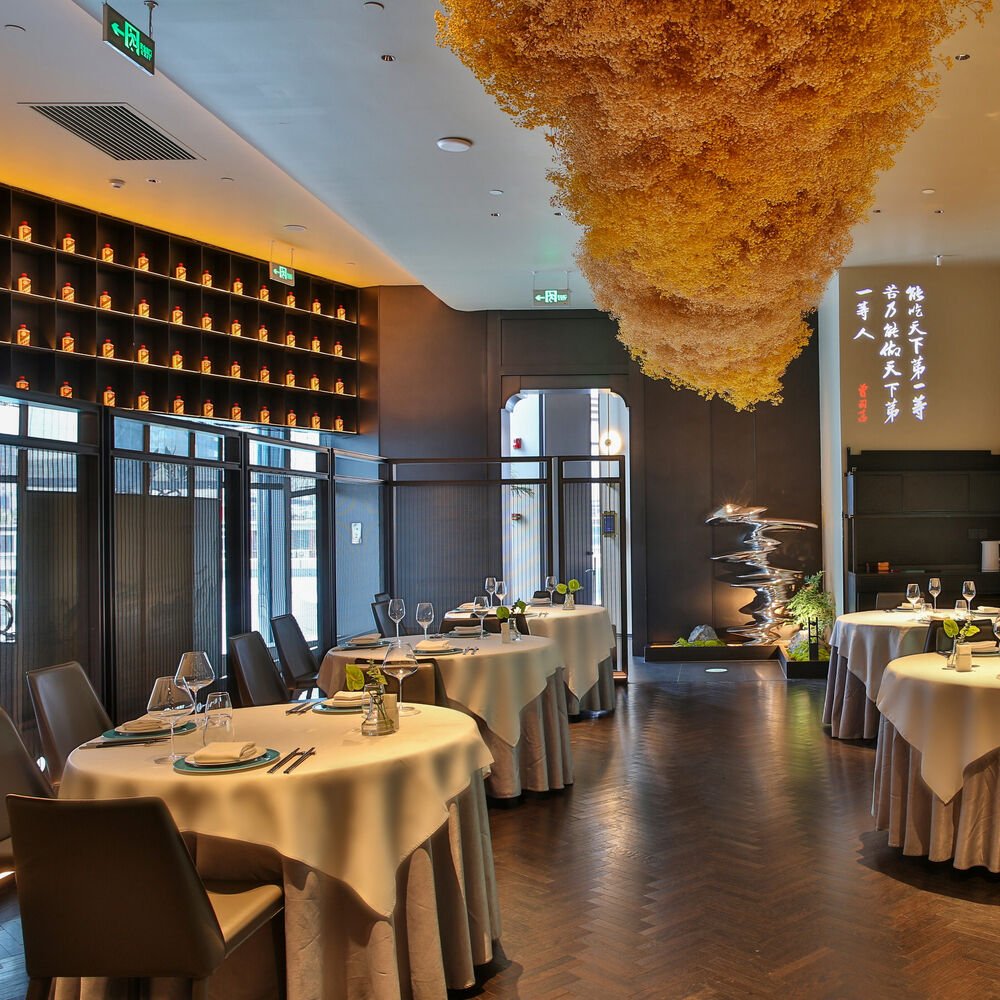
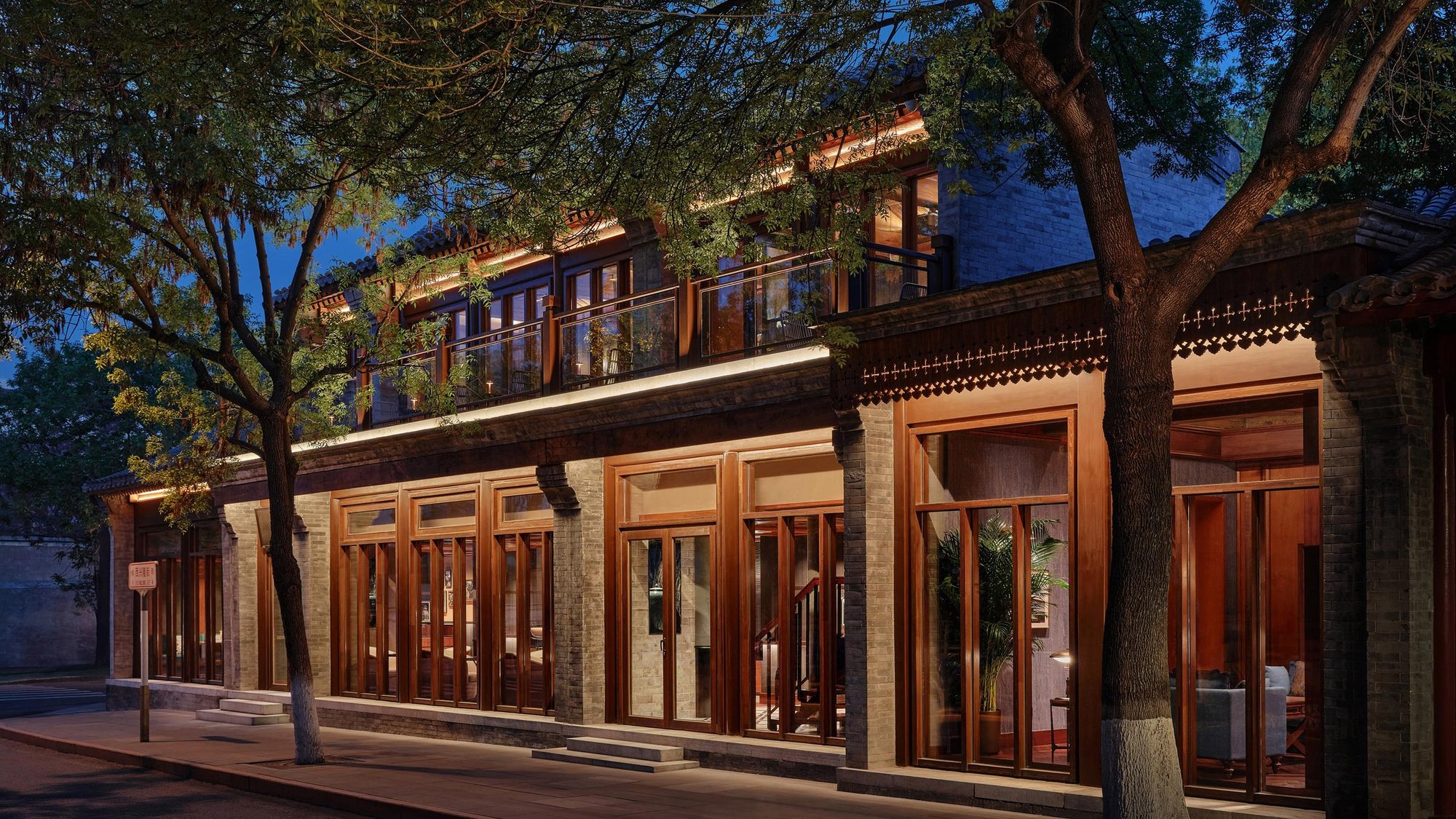
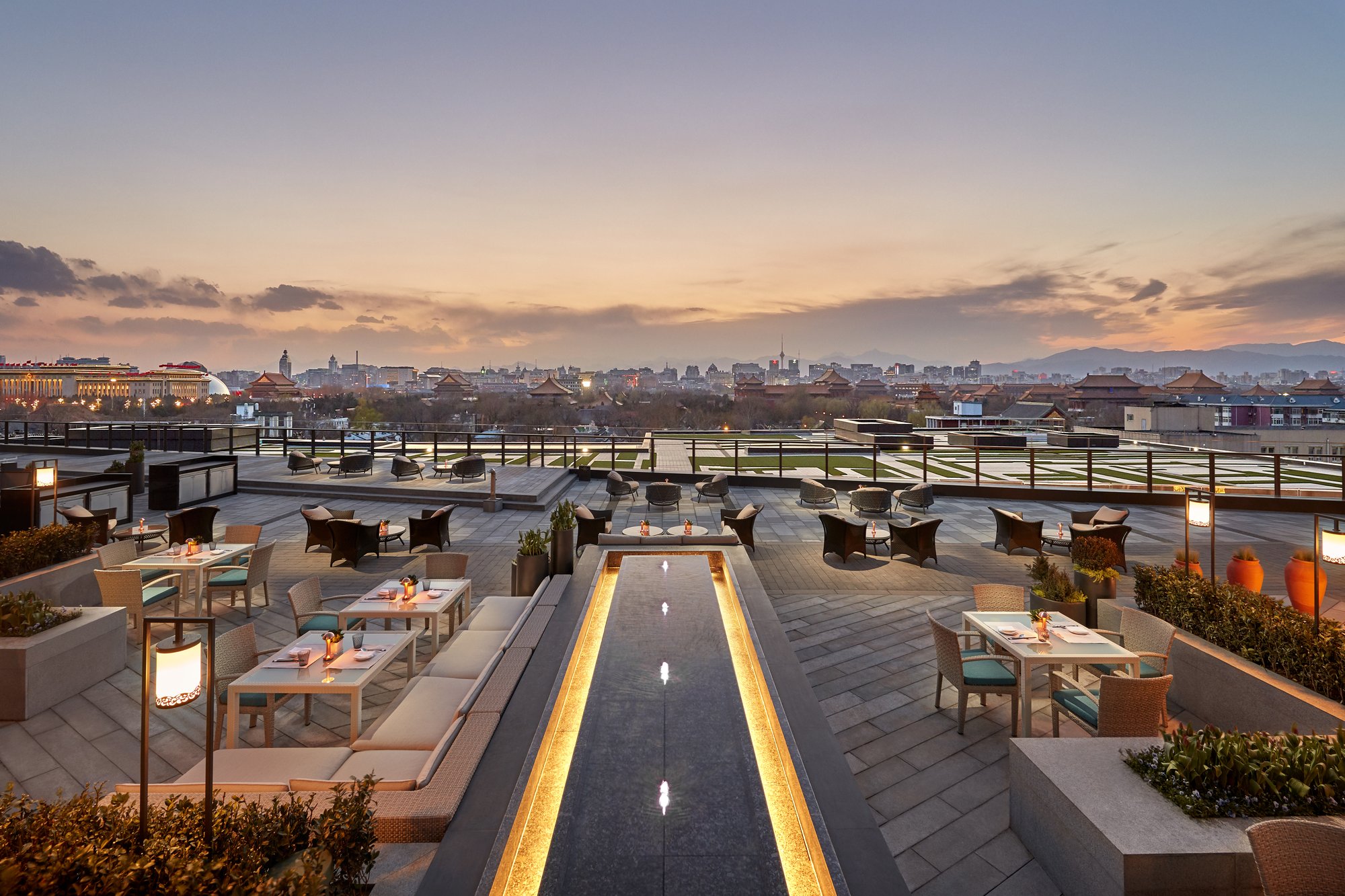
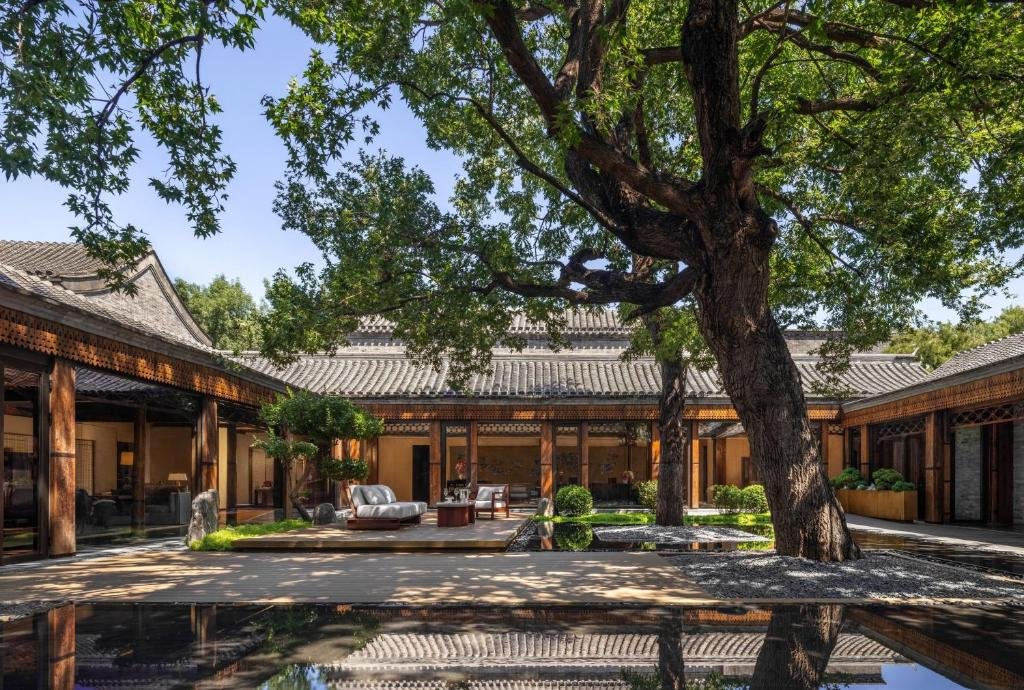
Huai Xiang Guo Se sits on 香饵胡同, a hutong lane in Dongcheng that gives the address an immediately different feel from the hotel dining rooms and mall restaurants that host many of Beijing's other Michelin-recognised tables. Hutong restaurants in Dongcheng tend to occupy compact, courtyard-influenced spaces where seating is intimate and the atmosphere is quieter than the city's larger dining venues. For a cuisine like Huaiyang, where the cooking rewards attention and unhurried eating, that physical setting is a genuine asset. If you have been once and sat wherever you were placed, on a return visit it is worth asking about table placement: in venues of this scale and layout, where you sit shapes the whole experience. Parties of two will generally find the setting well-suited; larger groups should confirm capacity in advance given the likely constraints of a hutong-footprint room.
Huaiyang in Beijing: Why This Cuisine at This Restaurant
Huaiyang cooking draws from the Huai and Yangtze river regions of Jiangsu province. It is one of China's eight recognised major culinary traditions, built on precise knife work, clean broths, and a restrained approach to seasoning that lets the primary ingredient carry the dish. In Beijing, it sits outside the city's culinary mainstream, which means the restaurants that do it well are usually doing it because they believe in it, not because it is the path of least resistance commercially. Huai Xiang Guo Se's consecutive Michelin Plates across two years suggest the kitchen is consistent, which matters more in this cuisine than almost any other: a Huaiyang dish that is off on technique is noticeably off. For a deeper look at Huaiyang dining in Beijing, Huaiyang Fu (Dongcheng) is the other Dongcheng address worth knowing, and Yu Hua Tai (Xicheng) extends the options westward across the city.
The Wine Angle
The assigned editorial angle here is wine program depth, and the honest answer for a ¥¥¥ Huaiyang specialist in a Beijing hutong is that wine is unlikely to be the primary draw. Huaiyang cuisine pairs most naturally with understated, high-acid whites and aged Chinese rice wines, and in this category and price tier, a curated but compact list is the realistic expectation. If wine list depth is a deciding factor for your booking, the French Contemporary programme at Jing is a more relevant comparison. At Huai Xiang Guo Se, the pairing logic runs the other way: the food drives the experience, and any beverage decision should serve the cuisine rather than compete with it. If you have visited once and ordered a standard pairing, a return visit is a reasonable opportunity to explore whether the kitchen's delicate flavour profiles are better served by a specific regional Chinese wine or a light-bodied white.
Comparing Huai Xiang Guo Se in the Beijing Huaiyang Context
For those tracking Huaiyang across China, the cuisine has strong representation elsewhere. 102 House in Shanghai and The Huaiyang Garden in Macau both operate at the formal end of the register, while Jiangnan Wok · Yun in Nanjing and Ru Yuan in Hangzhou provide regional Jiangnan context. Within Beijing, Zhong is another address worth cross-referencing for those building a considered itinerary of the city's finer Chinese dining. For broader coverage of regional Chinese cooking at a higher price tier, Xin Rong Ji (Xinyuan South Road) and Chao Shang Chao (Chaoyang) operate at ¥¥¥¥ and represent the ceiling of formal regional Chinese dining in the capital.
Booking and Practical Details
Booking at Huai Xiang Guo Se is rated Easy, which means you are unlikely to need more than a week's lead time for most evenings. That said, for weekend dinners or larger tables, booking three to five days ahead is sensible. The ¥¥¥ price tier positions this as a considered meal rather than a casual drop-in, so walk-ins are possible but not the recommended approach. The hutong address in Dongcheng is most easily reached by subway to the nearest Dongcheng station or by taxi; the lane itself is pedestrian-friendly. No dress code is specified in available data, but the Michelin Plate recognition and price tier suggest smart-casual is appropriate. For parallel planning across the city, our full Beijing restaurants guide covers the wider dining landscape, and our full Beijing hotels guide, bars guide, and experiences guide are available for broader trip planning. Wine enthusiasts visiting the region should also consult our Beijing wineries guide.
Who Should Book
Huai Xiang Guo Se makes most sense for diners who already have some familiarity with Huaiyang cooking and want a Michelin-tracked version of it at a mid-range Beijing price point. It is also a sound choice for visitors to Dongcheng who want a meal that reflects a different regional tradition from Beijing duck and Cantonese banquet cooking. If you have been once and want to push further into the wider world of refined Chinese regional dining, Dai Yuet Heen in Nanjing, Imperial Treasure Fine Chinese Cuisine in Guangzhou, and Chef Tam's Seasons in Macau all extend the conversation across different regions and price tiers. For Sichuan-style contrast, Xin Rong Ji in Chengdu is worth the comparison.
Planning details
- Location
- China, Beijing, Dongcheng, 香饵胡同
- Phone
- +86 10 8598 2666
The take
The Take
The Vibe
Huai Xiang Guo Se presents Huaiyang cooking with an unshowy, highly refined sensibility. The kitchen favours technical precision — meticulous knife work, clear long-prepared broths and slow-braised treatments — so the dining room feels measured and restrained rather than theatrical. Michelin Plate recognition in consecutive years signals quality without bluster: dishes arrive calibrated for subtlety, rewarding diners who look for craft over heat or heavy seasoning. The overall impression is quietly confident, a place where skilled technique and classical registers are front and centre.
Best For
This is a restaurant that suits occasions where attentive food and composure matter: business dinners, intimate celebrations and date nights all benefit from its measured Huaiyang approach. The menu’s focus on clarity and slow-braised classics invites conversations rather than competition with loud flavours, making it a comfortable setting for guests who appreciate refined technique. Michelin recognition and a position in the ¥¥¥ tier reinforce a sense of occasion without entering the ultra-formal multi-star bracket.
Ordering Tips
Order to showcase Huaiyang technique: seek out the slow-cooked Lion's Head pork meatballs and the abalone-braised pork to experience the kitchen’s mastery of slow braising and textural control. The Sautéed River Shrimps with Chickpeas and Crab Roe and Pork Meatballs demonstrate delicate seasoning and refined execution. Be prepared for subtlety — diners used to the bolder registers of Sichuan or Cantonese cooking may need a moment to recalibrate and savour the clarity and restraint in the broths and vegetable preparations.
Venue details
Ambiance
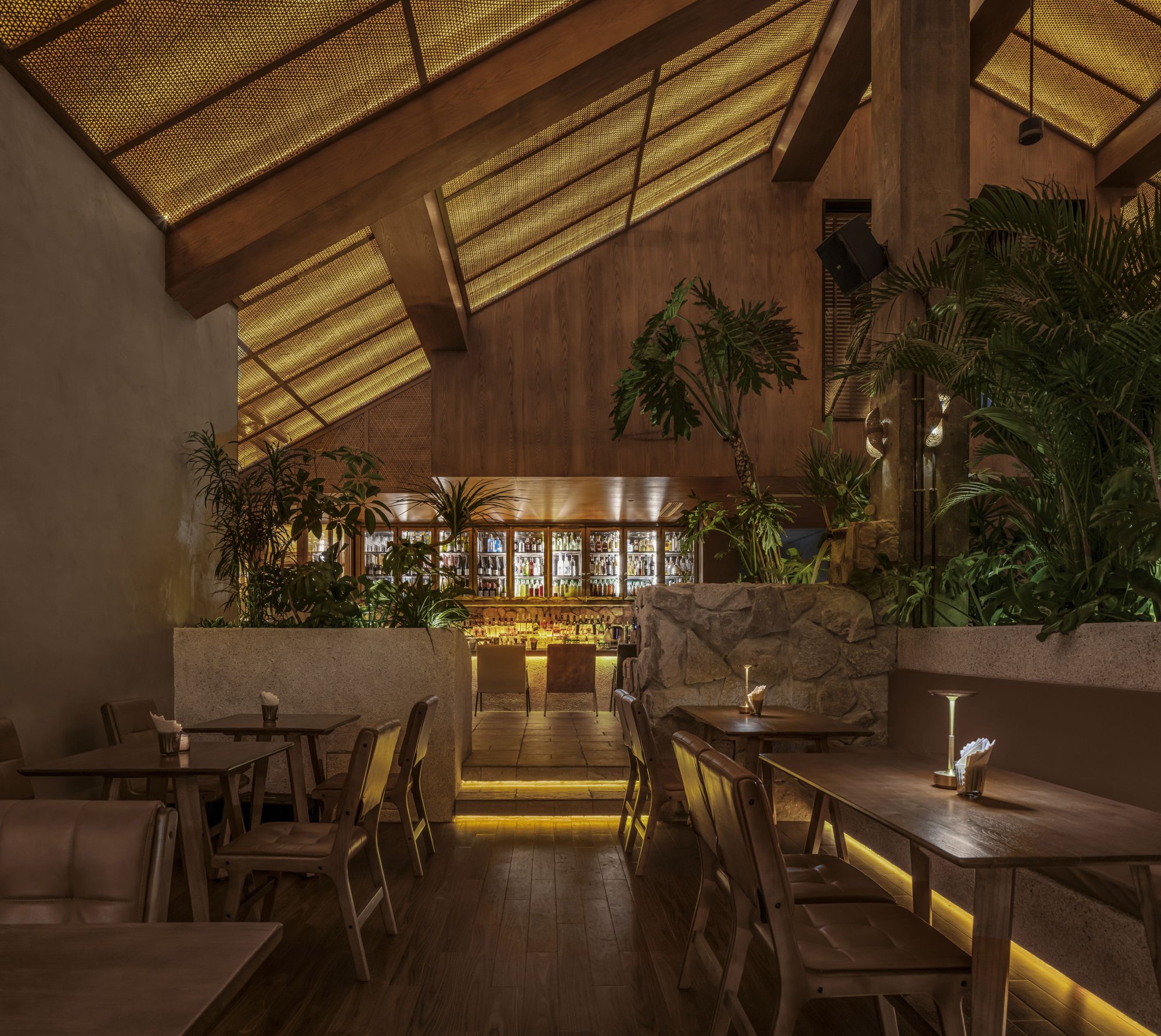
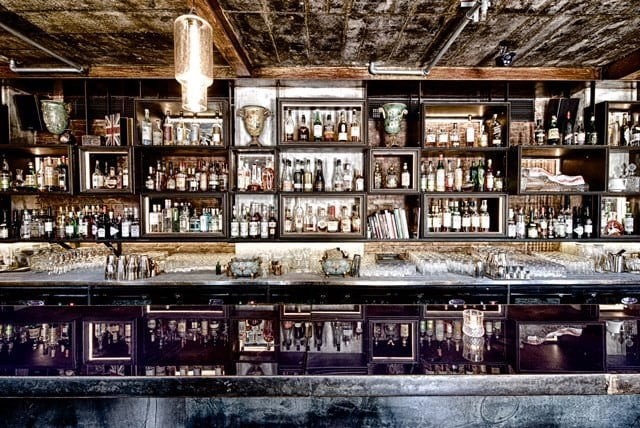
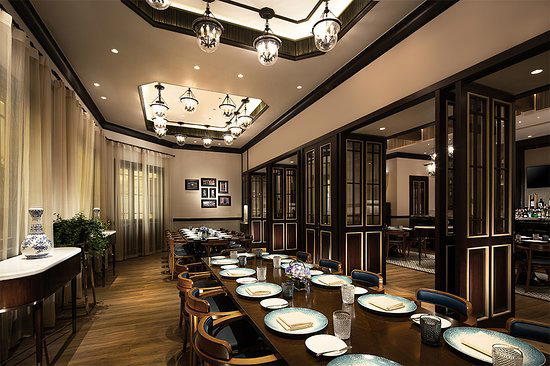
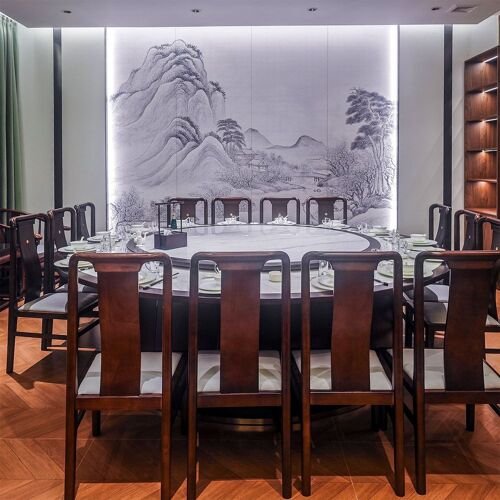
Measured lighting and restrained wood tones with framed lattice screens and plantings evoking classical Jiangnan garden calm; tables spaced for private conversation with visible kitchen glimpses; formal yet unstiff service atmosphere.
Tags
Vibe
Best For
Experience
Sourcing
View
Accessibility
At the Table
- Dress Code
- Smart Casual
- Noise Level
- Quiet
- Service Style
- Formal
- Meal Pacing
- Leisurely
- Capacity
- Small
- Kitchen
- Traditional
- Menu Format
- Tasting menu, A la carte
- Wine Program
- Standard
- Drinks Focus
- Wine pairings
- Dietary
- Allergy accommodating
- Private Dining
- Available
Signature Dishes
- Slow-cooked Lion's Head Pork Meatballs
- Sautéed River Shrimps with Chickpeas
- Abalone Braised Pork
- Crab Roe and Pork Meatballs
Know before you go
Know Before You Go
- Getting there
- China, Beijing, Dongcheng, 香饵胡同
Planning details
Location
China, Beijing, Dongcheng, 香饵胡同 · Directions
Recognition and awards
Also consider
Also Consider
- Jing, French Contemporary, ¥¥¥
- Xin Rong Ji (Xinyuan South Road), Taizhou, ¥¥¥¥
- Chao Shang Chao (Chaoyang), Chao Zhou, ¥¥¥¥
- Lamdre, Vegetarian, ¥¥¥¥
- Jingji, Beijing Cuisine, ¥¥¥¥
Restaurant context
At ¥¥¥, Huai Xiang Guo Se sits a price tier below most of its strongest comparators. Xin Rong Ji (Xinyuan South Road) and Chao Shang Chao (Chaoyang) both operate at ¥¥¥¥ and represent Beijing's most serious commitments to Taizhou and Chao Zhou cooking respectively, the experience at both is formal, the price reflects it, and the booking effort is correspondingly higher. If your priority is Huaiyang specifically, neither is a direct substitute. Huai Xiang Guo Se is the cleaner choice for the cuisine at a more accessible spend.
Jing matches on price at ¥¥¥ but offers French Contemporary, making it a better pick for mixed groups where one person wants a European wine-driven dinner. For an evening where the food tradition matters and you want to stay at ¥¥¥, Huai Xiang Guo Se has the more specific identity. Lamdre and Jingji at ¥¥¥¥ are relevant if budget is not a constraint: Lamdre is the city's leading vegetarian option at that tier, while Jingji is the reference point for formal Beijing cuisine. Neither competes directly with Huai Xiang Guo Se on regional identity.
For value, Huai Xiang Guo Se is the practical answer for Huaiyang in Beijing: Michelin-tracked, mid-range pricing, and easy to book. If you are building a multi-night dining plan across the city, pair it with one of the ¥¥¥¥ options for range, but do not skip it in favour of a more expensive regional Chinese table just because the price is lower. The consecutive Michelin Plates are the signal that matters here.
Explore Beijing
Around this place
Discover more on Pearl
Unlock the full Huai Xiang Guo Se guide in Pearl, including awards, comparisons, FAQs, planning details, and nearby places.
Compare Huai Xiang Guo Se
| Venue | Cuisine | Price | Booking Difficulty | Awards |
|---|---|---|---|---|
| Huai Xiang Guo Se | Huaiyang | ¥¥¥ | Easy | 2026 Black Pearl 1 Diamond2025 Michelin Plate2024 Michelin Plate |
| Jing | French Contemporary | ¥¥¥ | Unknown | 2025 OAD Top Restaurants in Asia Ranked · #3842025 Wine Spectator Best of Award of Excellence2025 The Best Chef One Knife2025 Michelin 1 Star2025 Black Diamond 1 Diamond2024 OAD Top Restaurants in Asia Ranked · #3522024 Michelin 1 Star2023 OAD Top Restaurants in Asia RecommendedWorld's Best Wine Lists 2022 |
| Xin Rong Ji (Xinyuan South Road) | Taizhou | ¥¥¥¥ | Unknown | 2026 Asia's 50 Best Restaurants · #842026 La Liste Top Restaurants2025 Asia's 50 Best Restaurants · #732025 Black Diamond 2 Diamond2025 La Liste Top Restaurants2025 Michelin 3 Stars2025 Relais Chateaux Award |
| Chao Shang Chao (Chaoyang) | Chao Zhou | ¥¥¥¥ | Unknown | 2026 La Liste Top Restaurants2025 The Best Chef Three Knives2025 Michelin Plate2025 Michelin 3 Stars2024 Michelin 3 Stars |
| Lamdre | Vegetarian | ¥¥¥¥ | Unknown | 2026 Asia's 50 Best Restaurants · #172026 OAD Top Restaurants in Asia Highly Recommended2026 Black Pearl 2 Diamond2026 La Liste Top Restaurants2025 Asia's 50 Best Restaurants · #502025 OAD Top Restaurants in Asia Ranked · #224We're Smart World Top Restaurants 2025We're Smart World Top 100 2025Tatler Best Restaurants Asia-Pacific 2025 |
| Jingji | Beijing Cuisine | ¥¥¥¥ | Unknown | 2026 La Liste Top Restaurants2025 Michelin 2 Stars2024 Michelin 2 Stars |












What to weigh when choosing between Huai Xiang Guo Se and alternatives.
FAQ
Frequently Asked Questions
How far ahead should I book Huai Xiang Guo Se?
Booking is rated Easy, so a few days' lead time is typically enough for midweek visits. For weekend dinners, aim for a week out to be safe. Walk-in availability is plausible on quieter evenings, but given the Michelin Plate recognition and the hutong setting limiting covers, it is not worth the risk on a Friday or Saturday.
What is Huai Xiang Guo Se known for?
Huai Xiang Guo Se is primarily known for Huaiyang in Beijing.
Where is Huai Xiang Guo Se located?
Huai Xiang Guo Se is located in Beijing, at China, Beijing, Dongcheng, 香饵胡同.