.png?width=1200&quality=80)
Fujian Restaurant
Fujian · Dongcheng, Beijing
Restaurant in Beijing, China
 Book with Pearl
The Read
Red-Yeast Slow Braise
Price
$20–30per person
Dress
Smart Casual
Why go
Fujian Restaurant in Beijing's Chaoyang district holds back-to-back Michelin Plate recognition (2024 and 2025) and delivers one of the capital's more serious addresses for Fujian cuisine at a ¥¥¥ price point. It is a well-supported choice for a special occasion or business dinner that steps outside Beijing's Sichuan and Cantonese mainstream. Booking is straightforward, and the cuisine's seafood-forward, broth-based character rewards diners who want something genuinely different.
About Fujian Restaurant
The Verdict
Fujian Restaurant in Beijing's Chaoyang district earns back-to-back Michelin Plate recognition in 2024 and 2025, which makes it one of the more credible addresses for Fujian cuisine in the capital. At a ¥¥¥ price point, it sits in a reasonable middle tier: more serious than the neighbourhood Fujianese spots around town, but without the steep entry cost of the ¥¥¥¥ tables nearby. If you are looking for a special-occasion dinner that steps outside Beijing's dominant Sichuan and Cantonese options, this is a well-supported choice. Book it with confidence, but read the practical notes below first.
What Fujian Cuisine Means at This Price Point
Fujian cooking is one of China's eight classical culinary traditions, and it is underrepresented in Beijing relative to its depth. The cuisine is built around clear broths, umami-forward seafood preparations, and a restrained approach to chilli heat that contrasts sharply with the numbing spice of the Sichuan tables that dominate the capital's dining scene. Techniques like red wine lees marination and slow-braised pork belly are signature moves of the tradition, and the cuisine's coastal roots mean that fresh seafood, river fish, and shellfish carry a disproportionate amount of the menu's weight. If your frame of reference for Chinese regional cooking stops at Peking duck and mapo tofu, a meal here will cover new ground.
For a direct comparison of the cuisine tradition in a different Beijing location, Fujian Cuisine on Dongsanhuan North Road offers an alternative Fujianese address worth considering if this location is inconvenient. Further afield, Hokklo in Xiamen and Hokkien Cuisine in Chengdu give you a sense of how the same tradition plays in its home province and beyond.
The Counter and Bar Seating Question
The venue database does not confirm a dedicated chef's counter at this address, so any counter-specific booking advice would be speculative. That said, at a Michelin Plate-recognised Fujianese restaurant in this price tier, the practical question of where to sit matters. If a counter or open-kitchen position is available when you book, it is worth requesting: Fujian cooking's reliance on precise broth-based techniques and careful timing means that proximity to the kitchen adds a layer of understanding to what arrives at the table. This is not a cuisine where theatrical tableside finishing dominates; the work happens at the stove, and watching it contextualises the restraint on the plate. Call or confirm when reserving whether any counter positions exist.
Special Occasion Suitability
The ¥¥¥ price tier and the two consecutive Michelin Plate awards make this a defensible choice for a celebration or business dinner where you want to signal care without committing to a ¥¥¥¥ outlay. Fujian cuisine's relative unfamiliarity to many Beijing diners also gives the meal a talking-point quality that can animate a shared table in a way that a standard Peking duck dinner does not. For guests from outside China, the cuisine is a more informative window into regional Chinese cooking than the capital's tourist-facing staples.
For broader planning of a Beijing trip around food, the full Beijing restaurants guide covers the depth of the city's options across price tiers and cuisines. If your occasion calls for hotel dining or a bar stop before or after the meal, the Beijing hotels guide and Beijing bars guide are practical companions.
How It Sits Among Regional Chinese Tables Across China
If you are building a broader picture of what Michelin-recognised Fujianese and adjacent regional Chinese cooking looks like across the country, a few reference points are useful. Xin Rong Ji in Chengdu and Ru Yuan in Hangzhou show how premium regional Chinese tables operate in other major cities. 102 House in Shanghai, Chef Tam's Seasons in Macau, Imperial Treasure Fine Chinese Cuisine in Guangzhou, and Dai Yuet Heen in Nanjing extend that picture further. These are not direct competitors, but they are useful calibration points if you are deciding how much weight to put on the Michelin Plate recognition here versus starred recognition elsewhere.
Practical Details
Reservations: Booking difficulty is rated Easy, so you are unlikely to need more than a week's lead time in most periods, though Michelin recognition can tighten availability around holidays and peak travel months. Dress: No dress code is confirmed in the venue data; smart casual is a safe default for a ¥¥¥ Michelin Plate address. Budget: ¥¥¥ positions this in Beijing's mid-to-upper tier, meaningfully below the ¥¥¥¥ venues in the comparison set. Location: The address is in the Shiba Li Dian area of Chaoyang District (postal code 100122), which sits in the eastern part of the district and is not within walking distance of central Chaoyang landmarks. Confirm the exact address and plan transport in advance. Contact: No phone or website is available in the current venue record; search the venue name alongside the address to find current booking channels. For broader Beijing planning, the Beijing experiences guide and Beijing wineries guide are available if you are building a fuller itinerary.
Planning details
- Location
- China, Bei Jing Shi, Chao Yang Qu, Xiao Wu Ji Lu, 十八里店 邮政编码: 100122
- Phone
- +86 10 6747 9898
The take
The Take
The Vibe
Fujian Restaurant positions Min cai as a focused, sophisticated voice on Beijing’s fine-dining map. The write-up highlights Michelin Plate recognition in 2024 and 2025 and emphasizes patient, refined techniques — slow-braised red yeast rice preparations and long-simmered bone broths — in contrast to faster wok-and-steam approaches. That combination of regional specificity and measured technique gives the dining room an elegant, quietly serious air. Rather than a casual exploratory stop, the house reads like a niche destination for diners who come with interest or knowledge of southeastern coastal Chinese flavors and want an authentic, polished presentation of those traditions.
Best For
The restaurant reads as a reliable choice for family meals and group dining while also working well for special occasions and business dinners. Its Michelin Plate status signals elevated cooking without the steep premiums of multi-starred counterparts, and the ¥¥¥ pricing positions it as a more accessible entry into serious regional Chinese cuisine. Because many Fujian dishes emphasize slow technique and layered broths, the place suits diners who are intent on tasting specific regional traditions rather than casual, walk-in dining.
Ordering Tips
Start with the house signatures—steamed red crab on sticky rice and ginger duck are highlighted and showcase the coastal, savory side of Min cai. Beyond those, look for slow-braised red yeast rice dishes and long-simmered bone broths to experience the cuisine’s patient approach to depth of flavor. Given the restaurant’s niche specialization and Michelin Plate recognition, ask staff for recommendations of standout or seasonal items that exemplify Fujian technique; diners who come wanting to explore the region’s particular flavor profile will get the most out of the menu.
Venue details
Ambiance
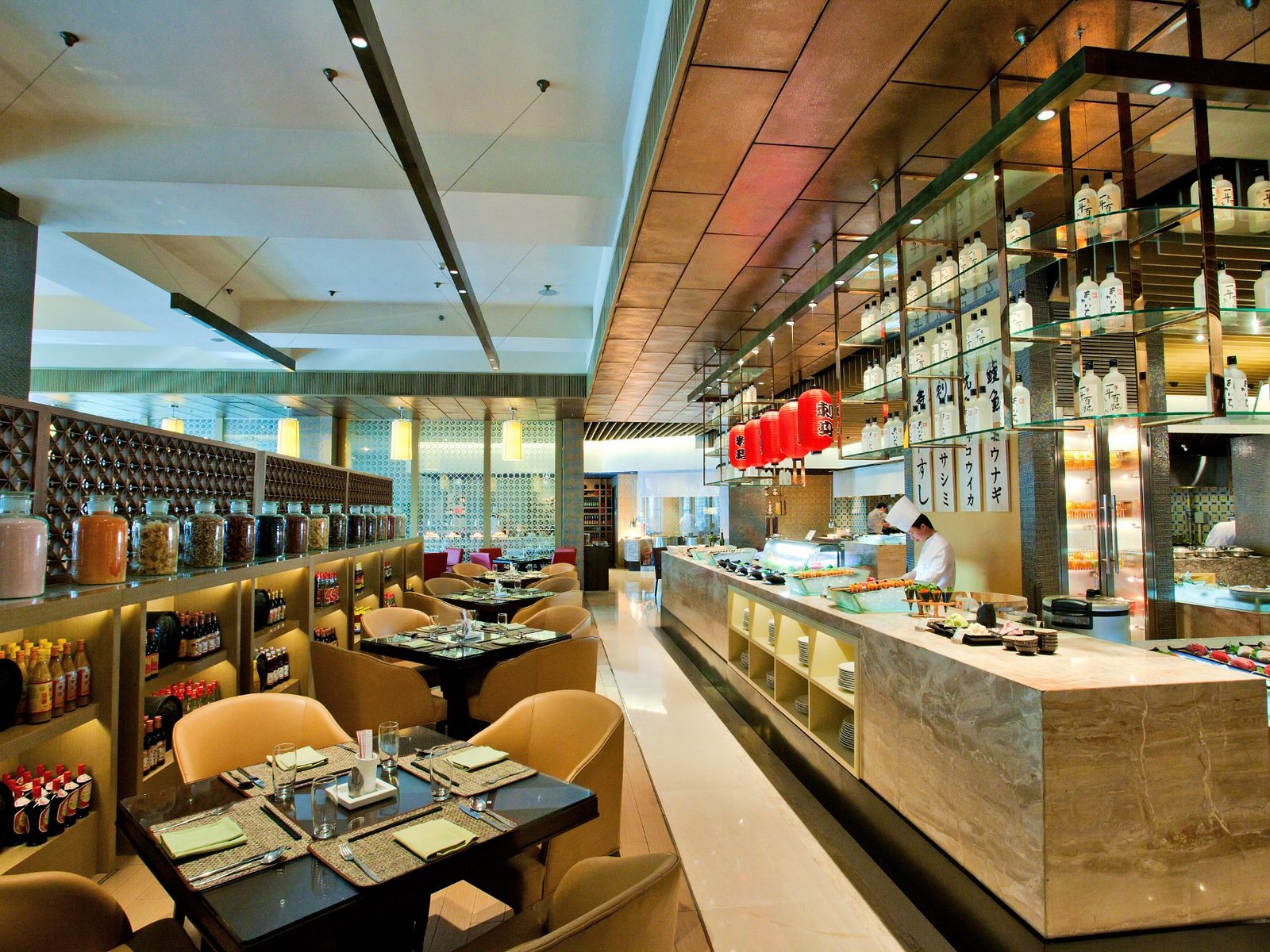
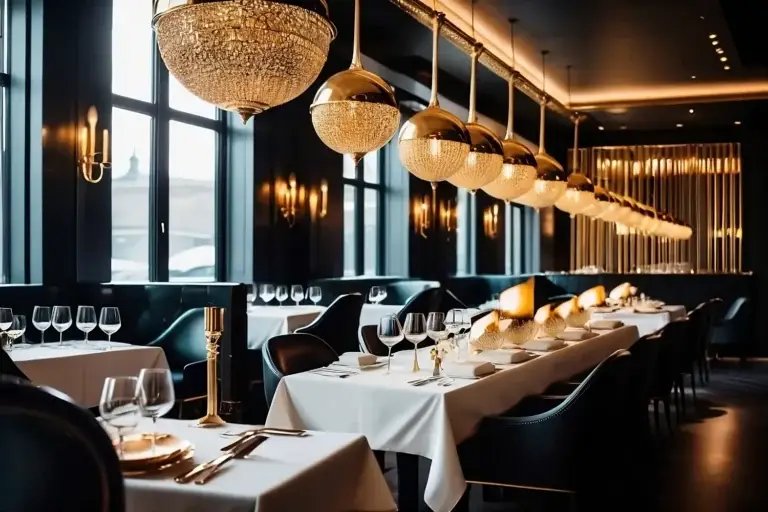
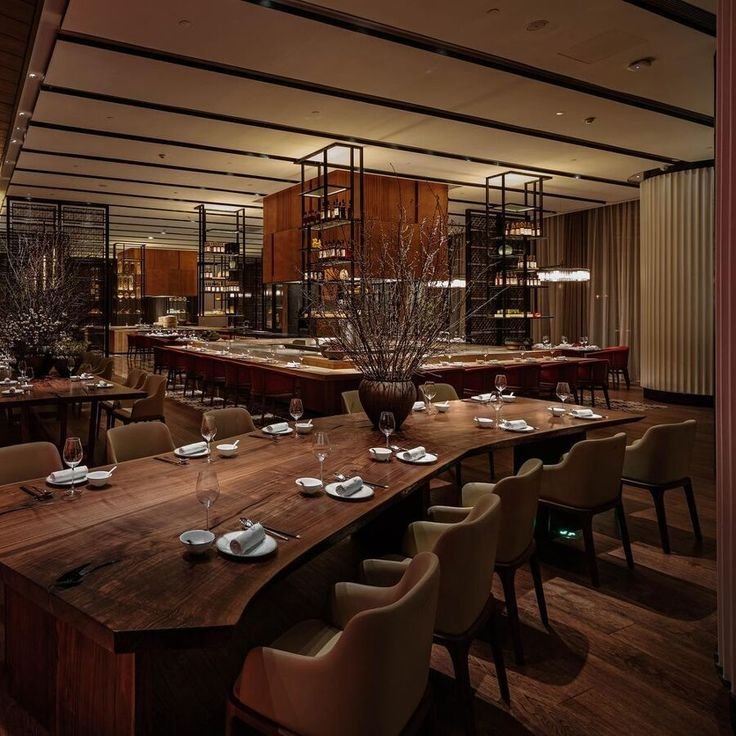
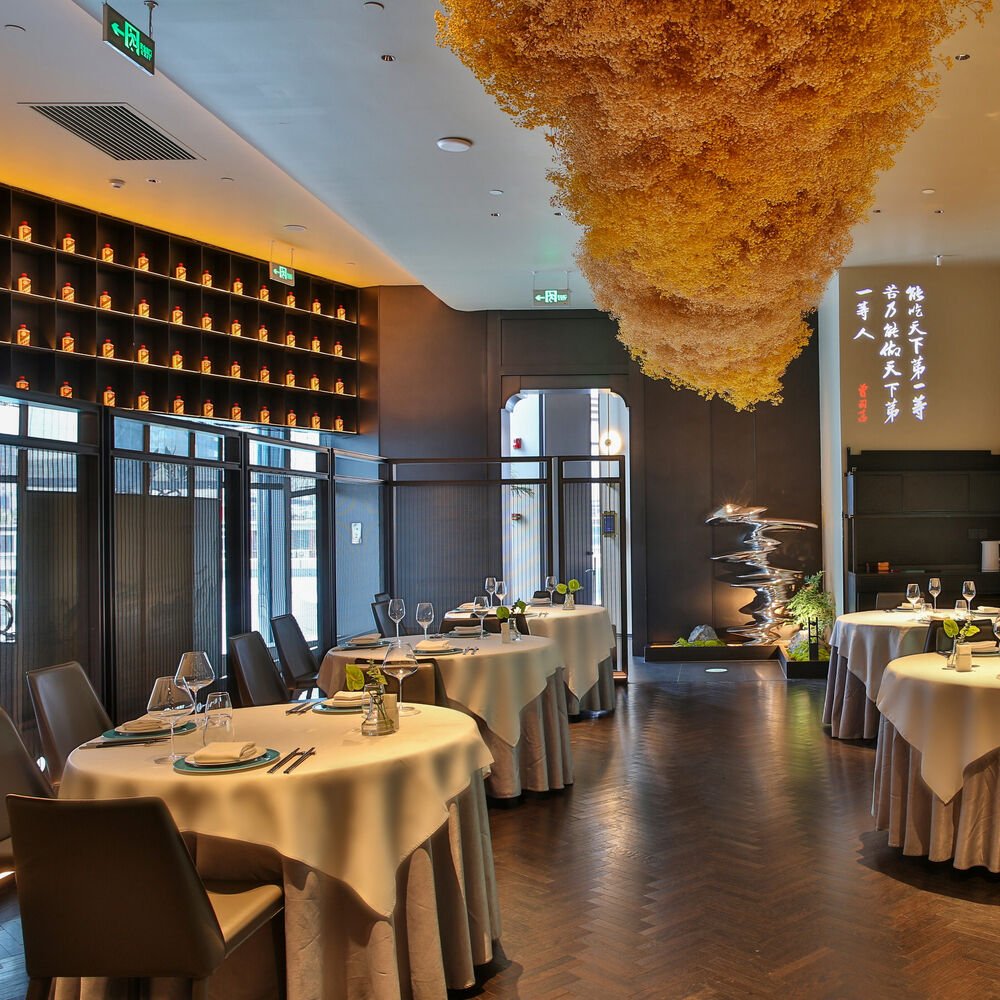
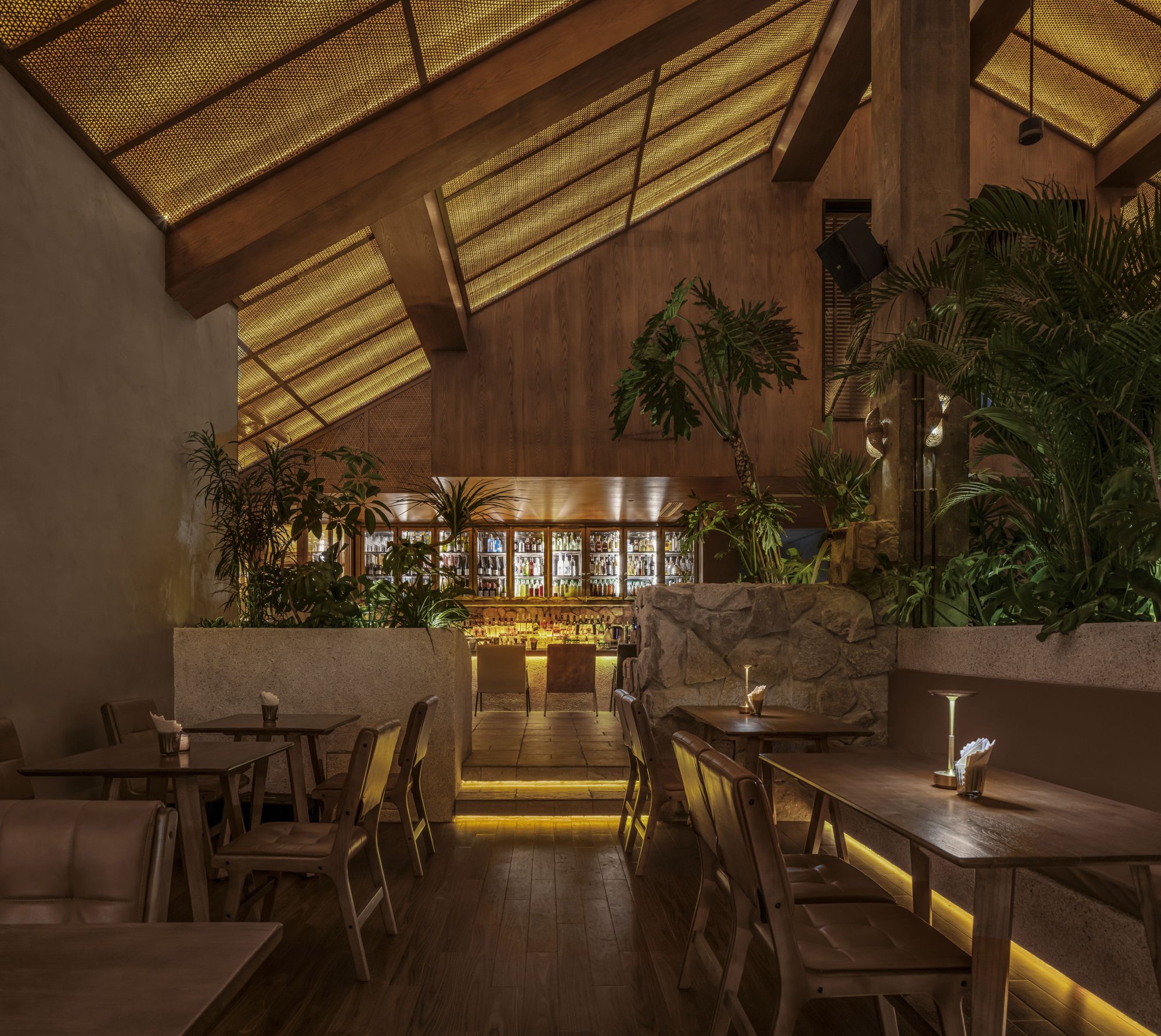
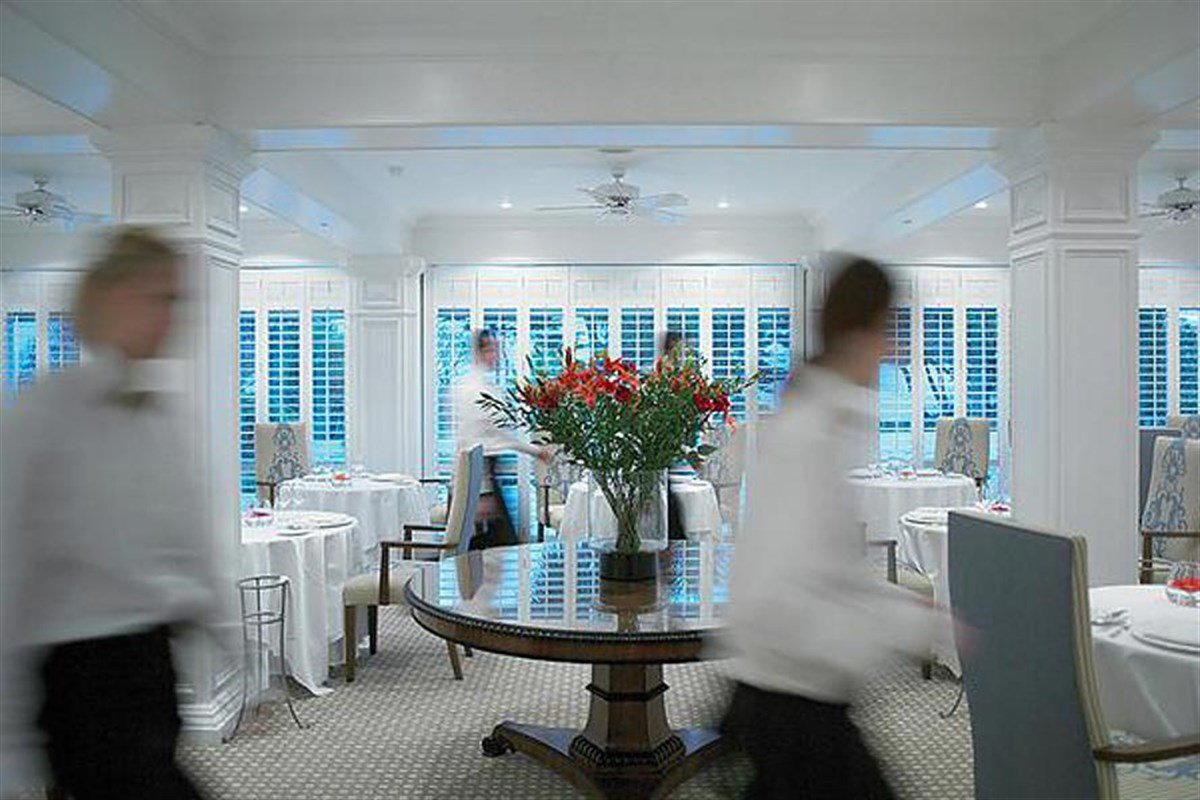
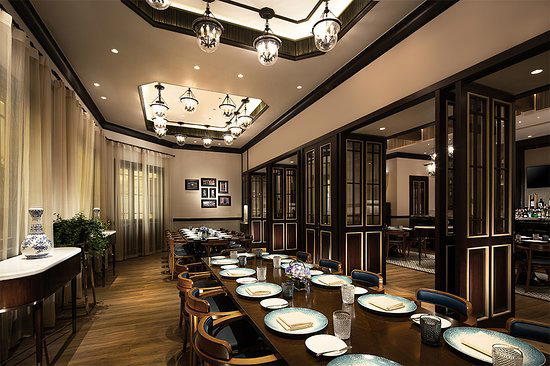
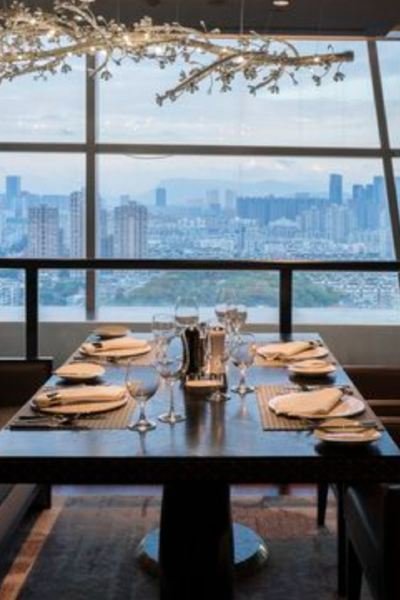
Posh with big tables, clean tablecloths, and attentive staff.
Tags
Vibe
Best For
Experience
Sourcing
At the Table
- Dress Code
- Smart Casual
- Noise Level
- Conversational
- Service Style
- Upscale Casual
- Meal Pacing
- Standard
- Capacity
- Large
- Kitchen
- Traditional
- Menu Format
- A la carte
- Wine Program
- Standard
Signature Dishes
- steamed red crab on sticky rice
- ginger duck
Know before you go
Know Before You Go
- Getting there
- China, Bei Jing Shi, Chao Yang Qu, Xiao Wu Ji Lu, 十八里店 邮政编码: 100122
Planning details
Location
China, Bei Jing Shi, Chao Yang Qu, Xiao Wu Ji Lu, 十八里店 邮政编码: 100122 · Directions
Recognition and awards
Also consider
Also Consider
- Jing, French Contemporary, ¥¥¥
- Xin Rong Ji (Xinyuan South Road), Taizhou, ¥¥¥¥
- Chao Shang Chao (Chaoyang), Chao Zhou, ¥¥¥¥
- Lamdre, Vegetarian, ¥¥¥¥
- Jingji, Beijing Cuisine, ¥¥¥¥
Restaurant context
At ¥¥¥, Fujian Restaurant sits a tier below most of its immediate Beijing peers in this comparison set. Xin Rong Ji on Xinyuan South Road and Chao Shang Chao in Chaoyang both operate at ¥¥¥¥ and represent the premium end of serious regional Chinese dining in the capital. If budget is the deciding factor, Fujian Restaurant is the clearer pick: you get Michelin Plate recognition without the ¥¥¥¥ outlay, and the cuisine itself is less well-covered in Beijing than Taizhou or Chaozhou cooking, which gives the meal a relative scarcity value.
Lamdre at ¥¥¥¥ is the right call if your group includes committed vegetarians; Fujian cooking is seafood-forward and not naturally suited to plant-based requirements. Jingji at ¥¥¥¥ covers Beijing cuisine proper and is the stronger choice if your guest list wants something rooted in the capital's own culinary tradition rather than a regional import. For a special occasion where the format matters as much as the food, Jing at ¥¥¥ offers French Contemporary cooking at the same price tier and is worth considering if your guests are less interested in Chinese regional cuisine specifically.
On balance: book Fujian Restaurant if you want Michelin-recognised Fujianese cooking at a controlled price point and are comfortable with a location in the eastern part of Chaoyang that requires deliberate transport planning. Choose Xin Rong Ji or Chao Shang Chao if budget is less constrained and you want a higher level of service polish alongside the cuisine. The full picture of Beijing's dining options is in the Beijing restaurants guide.
Explore Beijing
Around this place
Discover more on Pearl
Unlock the full Fujian Restaurant guide in Pearl, including awards, comparisons, FAQs, planning details, and nearby places.
Compare Fujian Restaurant
| Venue | Awards | Price |
|---|---|---|
| Fujian Restaurant | 2025 Michelin Plate2024 Michelin Plate | ¥¥¥ |
| Jing | 2025 OAD Top Restaurants in Asia Ranked · #3842025 Wine Spectator Best of Award of Excellence2025 The Best Chef One Knife2025 Michelin 1 Star2025 Black Diamond 1 Diamond2024 OAD Top Restaurants in Asia Ranked · #3522024 Michelin 1 Star2023 OAD Top Restaurants in Asia RecommendedWorld's Best Wine Lists 2022 | ¥¥¥ |
| Xin Rong Ji (Xinyuan South Road) | 2026 Asia's 50 Best Restaurants · #842026 La Liste Top Restaurants2025 Asia's 50 Best Restaurants · #732025 Black Diamond 2 Diamond2025 La Liste Top Restaurants2025 Michelin 3 Stars2025 Relais Chateaux Award | ¥¥¥¥ |
| Chao Shang Chao (Chaoyang) | 2026 La Liste Top Restaurants2025 The Best Chef Three Knives2025 Michelin Plate2025 Michelin 3 Stars2024 Michelin 3 Stars | ¥¥¥¥ |
| Lamdre | 2026 Asia's 50 Best Restaurants · #172026 OAD Top Restaurants in Asia Highly Recommended2026 Black Pearl 2 Diamond2026 La Liste Top Restaurants2025 Asia's 50 Best Restaurants · #502025 OAD Top Restaurants in Asia Ranked · #224We're Smart World Top Restaurants 2025We're Smart World Top 100 2025Tatler Best Restaurants Asia-Pacific 2025 | ¥¥¥¥ |
| Jingji | 2026 La Liste Top Restaurants2025 Michelin 2 Stars2024 Michelin 2 Stars | ¥¥¥¥ |














What to weigh when choosing between Fujian Restaurant and alternatives.
FAQ
Frequently Asked Questions
What should a first-timer know about Fujian Restaurant?
Go in knowing this is a regional Chinese table, not a Beijing duck or Sichuan spot. Fujian cuisine is built around seafood, broths, and restrained seasoning, which makes it a different register from most of what Beijing does loudly. The back-to-back Michelin Plate recognition in 2024 and 2025 signals consistent execution rather than a one-season run. At ¥¥¥, it is a considered spend, not a casual weeknight option.
What should I wear to Fujian Restaurant?
The venue data does not specify a dress code. At ¥¥¥ with Michelin Plate recognition, the room will likely skew toward business casual or tidier dress, particularly for evening sittings. Showing up in sportswear would be out of step with the price point, but there is no documented requirement for formal attire.
What should I order at Fujian Restaurant?
Specific dishes are not documented in the available venue data. Fujian cuisine as a tradition centres on seafood, light broths, and preparations like fo tiao qiang (Buddha Jumps Over the Wall), a slow-cooked seafood and meat soup considered the cuisine's flagship dish. Asking the staff what is in season or what the kitchen is doing best that week is the practical move at a ¥¥¥ Michelin-recognised table.
How far ahead should I book Fujian Restaurant?
Booking difficulty is rated as easy, so a few days' notice is likely sufficient in most periods. That said, the Michelin Plate recognition for both 2024 and 2025 has raised the restaurant's profile, and weekend or holiday sittings may fill faster. A week's lead time is a safe baseline; there is no evidence you need to plan weeks out the way you would for harder tables in the city.