Restaurant in Beijing, China
Diplomatic Corridor Precision
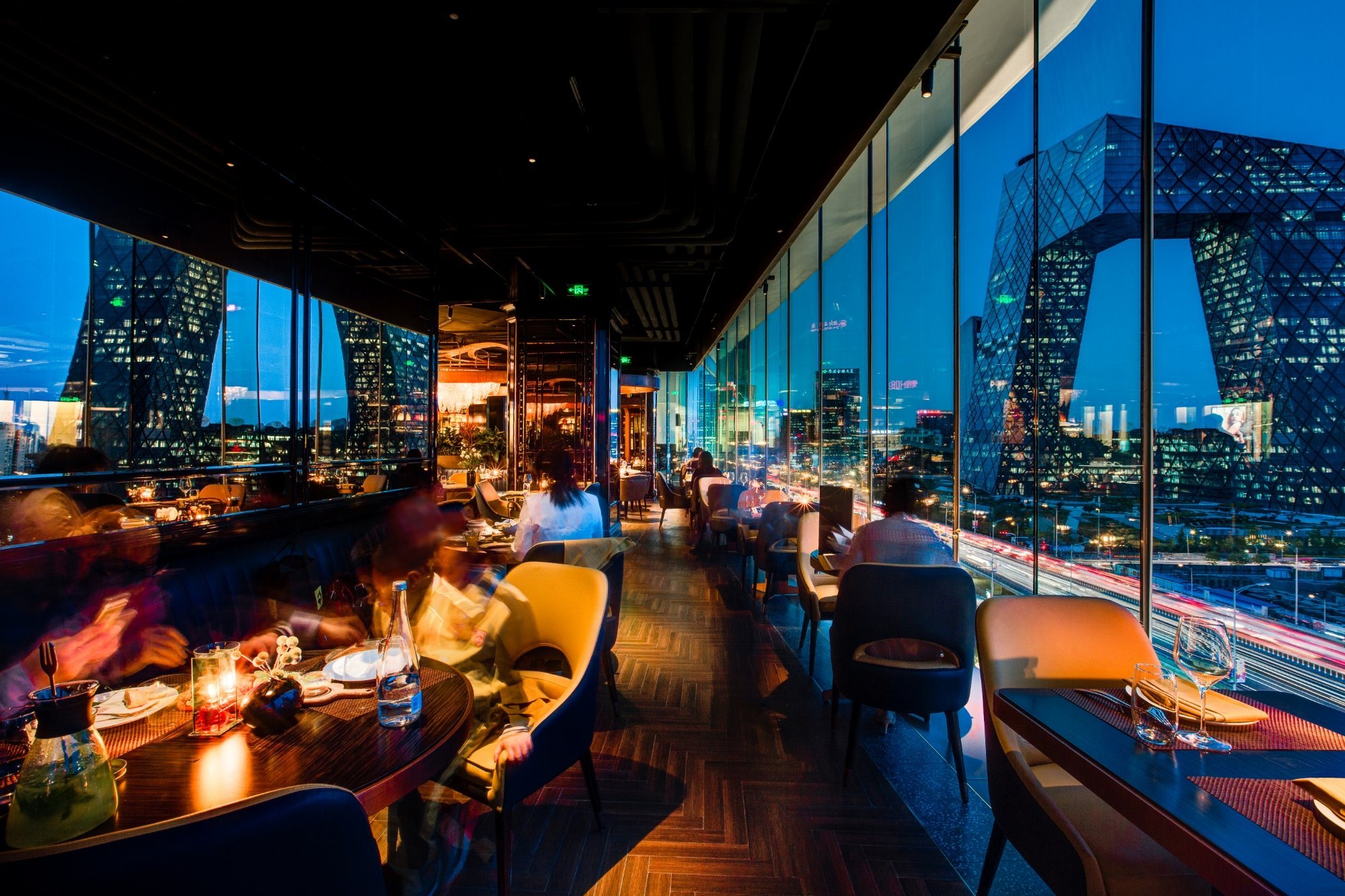
éé¸è½© sits on Liangmaqiao Road in Chaoyang, one of Beijing's more accessible fine dining corridors. Booking is easier here than at comparably positioned rivals like Xin Rong Ji or Chao Shang Chao, making it a practical option for visitors who need a confirmed dinner without weeks of advance planning. Confirm cuisine type and pricing directly before booking — public data is limited.
éé¸è½© at 48 Liangmaqiao Road sits in Chaoyang's Sanyuan Bridge corridor, one of Beijing's more internationally connected dining pockets. With very limited public data on pricing, hours, and cuisine type, this is a venue you should investigate directly before booking — but its location alone places it among a cluster of serious restaurants worth knowing about for food-focused visitors to the capital. Booking appears accessible, with no evidence of the weeks-long waits that affect venues like Xin Rong Ji (Xinyuan South Road) at the ¥¥¥¥ tier.
The Sanyuan Bridge area of Chaoyang has quietly built a reputation as one of Beijing's more reliable dining corridors, with a concentration of restaurants serving both local clientele and the city's internationally mobile crowd. éé¸è½© occupies a specific address on Liangmaqiao Road that puts it within reach of the embassy district and the business hotels that line this stretch — a practical advantage if you are staying north of the second ring road or transiting through this part of the city.
Without confirmed cuisine type or tasting menu details in the public record, it would be misleading to describe the progression of dishes or the architecture of any set menu here. What the location and neighbourhood context suggest is a venue positioned for a dining occasion rather than a casual drop-in , the Sanyuan Bridge corridor does not tend to attract low-commitment neighbourhood spots. If a structured tasting format is what you are after in Beijing, Lamdre offers a well-documented vegetarian tasting experience at ¥¥¥¥, and King's Joy provides a comparable format with strong editorial recognition for its Chinese vegetarian approach. For the tasting menu format at the highest confidence level in China right now, Ru Yuan in Hangzhou and Chef Tam's Seasons in Macau are the benchmarks worth knowing.
Spatially, Liangmaqiao Road properties in this address range tend toward mid-scale room sizes , not the intimate counter format of a Japanese-influenced tasting room, and not the grand dining hall scale of a Cantonese palace restaurant. Expect a room designed for groups and business dining rather than two-leading counter theatre. If that spatial dynamic matters to your booking decision, confirm the seating configuration directly before committing. For reference on what a more intimate spatial experience looks like in Beijing, Jingji at ¥¥¥¥ offers a more considered room layout oriented around Beijing cuisine.
For visitors building a broader China dining itinerary, it is useful to know how Beijing's Chaoyang dining scene compares to peer cities. 102 House in Shanghai and Imperial Treasure Fine Chinese Cuisine in Guangzhou represent the kind of credentialed fine dining that Beijing's top tier is measured against. Beijing's leading Chinese fine dining holds its own on technique and ingredient sourcing, but tends to be less theatrically presented than Shanghai's leading restaurants and more formally structured than Guangzhou's Cantonese leaders.
Booking at éé¸è½© appears to be on the easier side by Beijing fine dining standards , a meaningful practical advantage in a city where Chao Shang Chao (Chaoyang) and Xin Rong Ji both require advance planning. If you are assembling a Beijing itinerary and need a confirmed dinner option without the scheduling pressure, this accessibility matters. See our full Beijing restaurants guide for the wider picture, and pair it with our Beijing hotels guide if you are planning accommodation in Chaoyang. Beijing bars, wineries, and experiences round out a full visit to the capital.
The address , 48 Liangmaqiao Road, Chaoyang , puts you in a well-connected part of Beijing close to the embassy district, which means the surrounding infrastructure (taxis, rideshares, nearby hotels) is reliable. Booking appears direct compared to the harder-to-secure tables at Xin Rong Ji (Xinyuan South Road) or Chao Shang Chao. Confirm cuisine type, pricing, and hours directly with the venue before arriving , the public record on these details is thin, and going in without that information is a risk not worth taking. If you are a first-timer to Beijing fine dining more broadly, Jingji offers a well-documented Beijing cuisine entry point at ¥¥¥¥ that is easier to research in advance.
Specific dish recommendations are not available in the public record for this venue, and inventing them would not serve you well. If the restaurant operates a tasting menu format , plausible given the neighbourhood and positioning , the decision of what to order may not be yours to make, which is actually practical: a set progression removes the guesswork. For verified signature dish information at comparable Beijing venues, King's Joy and Lamdre both have stronger public records on menu content. Further afield, Dai Yuet Heen in Nanjing and Xin Rong Ji in Chengdu are useful comparators if you want to understand what the top tier of Chinese restaurant ordering looks like before you sit down.
| Venue | Awards | Price | Value |
|---|---|---|---|
| éé¸è½© | — | ||
| Jing | Michelin 1 Star | ¥¥¥ | — |
| Xin Rong Ji (Xinyuan South Road) | Michelin 3 Star, World's 50 Best | ¥¥¥¥ | — |
| Chao Shang Chao (Chaoyang) | Michelin 3 Star | ¥¥¥¥ | — |
| Lamdre | Michelin 1 Star, World's 50 Best | ¥¥¥¥ | — |
| Jingji | Michelin 2 Star | ¥¥¥¥ | — |
Comparing your options in Beijing for this tier.
Keep this venue in your Pearl passport, rate it after you visit, and track it alongside every other place you collect.
