
SCAPAR
Fusion · Sant Gervasi - Galvany, Barcelona
Restaurant in Barcelona, Spain
 Book with Pearl
The Read
Kaiseki-Catalan Counter Fusion
Price
$100–150per person
Dress
Smart Casual
Why go
SCAPAR is a Michelin-starred Barcelona counter where Chef Koichi Kuwabara runs a surprise omakase merging Japanese kaiseki technique with Catalan and Spanish ingredients. Booking is straightforward by €€€€ standards — two to three weeks out for weekends. Best for special occasion dinners for two and solo diners comfortable with a chef-led format.
About SCAPAR
Verdict: Book It — If You Can Commit to the Omakase Format
Securing a seat at SCAPAR is direct by Barcelona's fine-dining standards. This is not a table you need to plan months in advance, which makes it one of the more accessible counter experiences in the €€€€ tier. That ease of booking should not be read as a sign of indifference — it reflects a restaurant still building its profile rather than one past its peak. Book two to three weeks out for weekend sittings; midweek tends to be more flexible. Given the format is a surprise omakase menu, walk-ins without a reservation are inadvisable, the kitchen prepares to a specific number of covers.
What SCAPAR Is
SCAPAR operates on a single, clear proposition: a dining counter where Chef Koichi Kuwabara runs an omakase menu that merges Japanese kaiseki discipline with Catalan and Spanish ingredients, with occasional detours into French technique. The name itself signals intent, the idea of escape from the everyday is baked into the concept. This is not a restaurant where you order from a menu and make decisions mid-meal. You surrender the evening to the chef's sequence, and in return you get a tightly structured progression of courses built around provenance and precision.
Kuwabara trained in the kitchen at Ají and, more notably, at Dos Palillos, one of Barcelona's respected references for Japanese-Spanish cross-cultural cooking. That lineage matters here. He is not importing a Japanese format as a novelty act; the fusion framing at SCAPAR draws on a specific culinary grammar that has been established in this city. Michelin awarded the restaurant a Plate in 2025, a recognition that confirms technical seriousness without yet placing it in star territory. For a restaurant at this price point, the Michelin Plate functions as a credibility signal rather than a ceiling, it tells you the inspectors took note.
The Service Philosophy and Why It Matters at This Price
At the €€€€ price tier, service is not incidental, it is part of what you are paying for. At SCAPAR, the counter format means the chef is also the primary host. Kuwabara explains ingredient provenance as he cooks, which collapses the usual distance between kitchen and guest. This is a deliberate structural choice: the counter is the stage, and the explanation of what you are eating is woven into the meal itself rather than delivered as a rote recitation by a front-of-house team.
One detail worth noting: Kuwabara signs the evening's menu in Japanese calligraphy and presents it in an envelope at the close of the meal. This is the kind of considered gesture that either lands as a meaningful memento or reads as theatrical depending on your temperament. For a special occasion booking, it is likely to resonate. For a business dinner where formality is the priority, it may feel more personal than the occasion calls for.
Two specific courses from the menu have drawn attention in Michelin's own notes: a tuna preparation described as "sea game", a cut styled to resemble meat, served with a ramen reduction, and a soya milk pudding with vanilla, yuba, and grapefruit that is deliberately designed to unsettle Western texture expectations. These are not gentle crowd-pleasers. They are technically ambitious dishes that ask something of the diner. If you are booking for someone with conservative palate preferences, flag this before you commit.
Who Should Book SCAPAR
SCAPAR works well as a special occasion booking for two people who are comfortable with an omakase format and interested in the specific fusion territory Kuwabara is working in. It is a strong choice for a focused date dinner or a celebration meal where the structure of the evening matters as much as the food. Solo diners are well served by the counter format, this is one of the few €€€€ restaurants in Barcelona where eating alone does not feel architecturally awkward. For groups larger than four, the counter dynamic changes and the intimacy of the format is harder to maintain.
Barcelona has no shortage of fusion-adjacent cooking, Kamikaze and Alapar operate in overlapping territory at lower price points. If tuna specifically is the draw, Tunateca Balfegó offers a more dedicated exploration of that ingredient. For the broader Spanish fine-dining context, see our full Barcelona restaurants guide.
Practical Details
| Detail | SCAPAR |
|---|---|
| Address | Rector Ubach 53, Barcelona 08021 |
| Price tier | €€€€ |
| Booking difficulty | Easy, 2-3 weeks recommended for weekends |
| Format | Surprise omakase counter only |
| Awards | Michelin Plate 2025 |
| Leading for | Special occasions, solo dining, couples |
How It Compares
See the full comparison section below for how SCAPAR positions against Cocina Hermanos Torres and other €€€€ Barcelona peers.
Explore More in Barcelona and Beyond
- Our full Barcelona hotels guide
- Our full Barcelona bars guide
- Our full Barcelona wineries guide
- Our full Barcelona experiences guide
For fusion cooking elsewhere in Spain and beyond, Ajonegro in Logroño and Arkestra in Istanbul are worth considering for their own cross-cultural approaches. Spain's wider fine-dining circuit, from El Celler de Can Roca in Girona to Arzak in San Sebastián, Azurmendi in Larrabetzu, Martin Berasategui in Lasarte-Oria, Aponiente in El Puerto de Santa María, and DiverXO in Madrid, provides useful context for calibrating where SCAPAR sits in the national picture. It is an ambitious counter restaurant still accumulating recognition, not yet in the same tier as those rooms, but operating with a clear point of view that justifies the price.
Planning details
- Location
- Rector Ubach 53, Barcelona, 08021, Spain
- Reservations
- Book on CoverManager
- Phone
- +34 653 15 83 56
The take
The Take
The Vibe
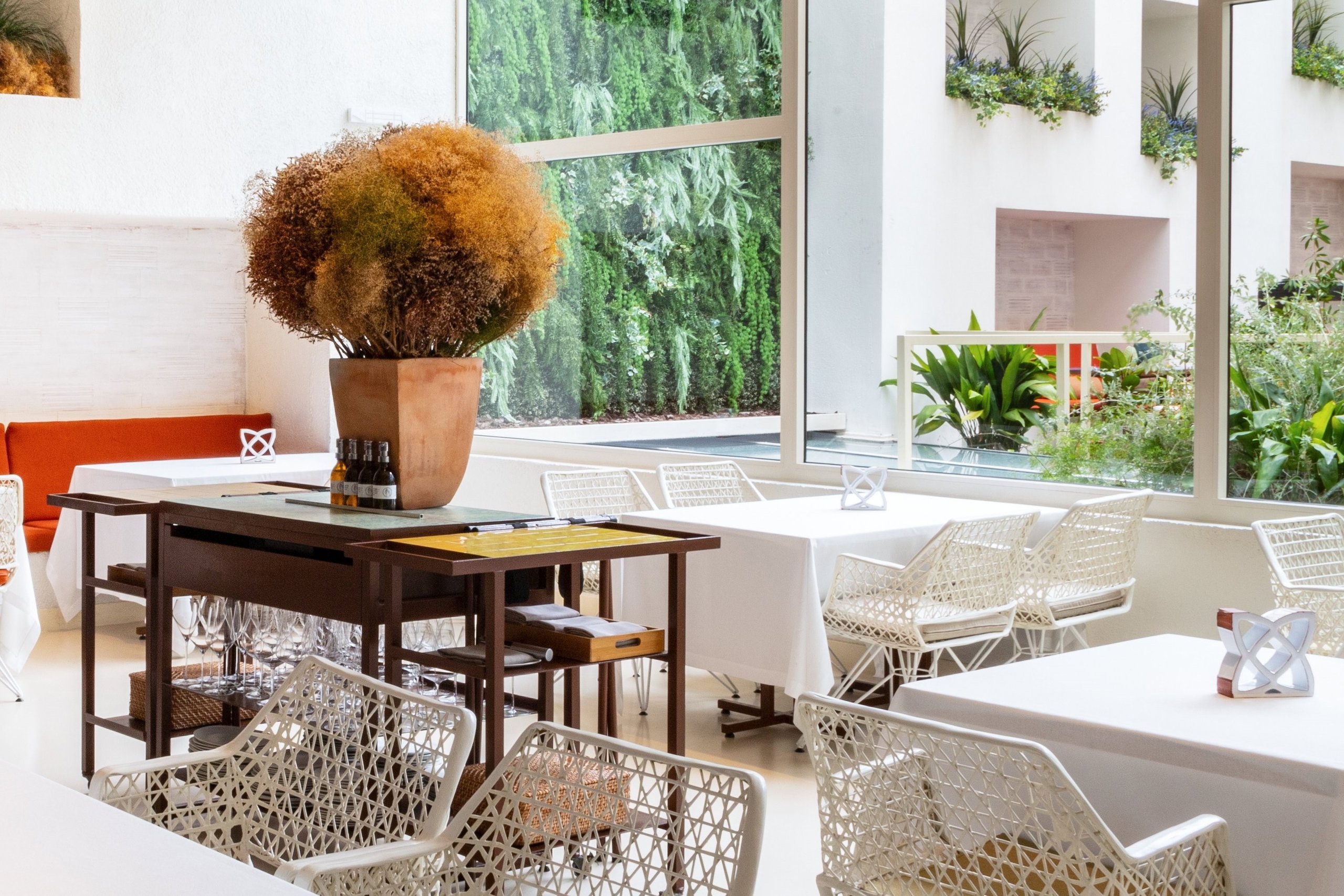
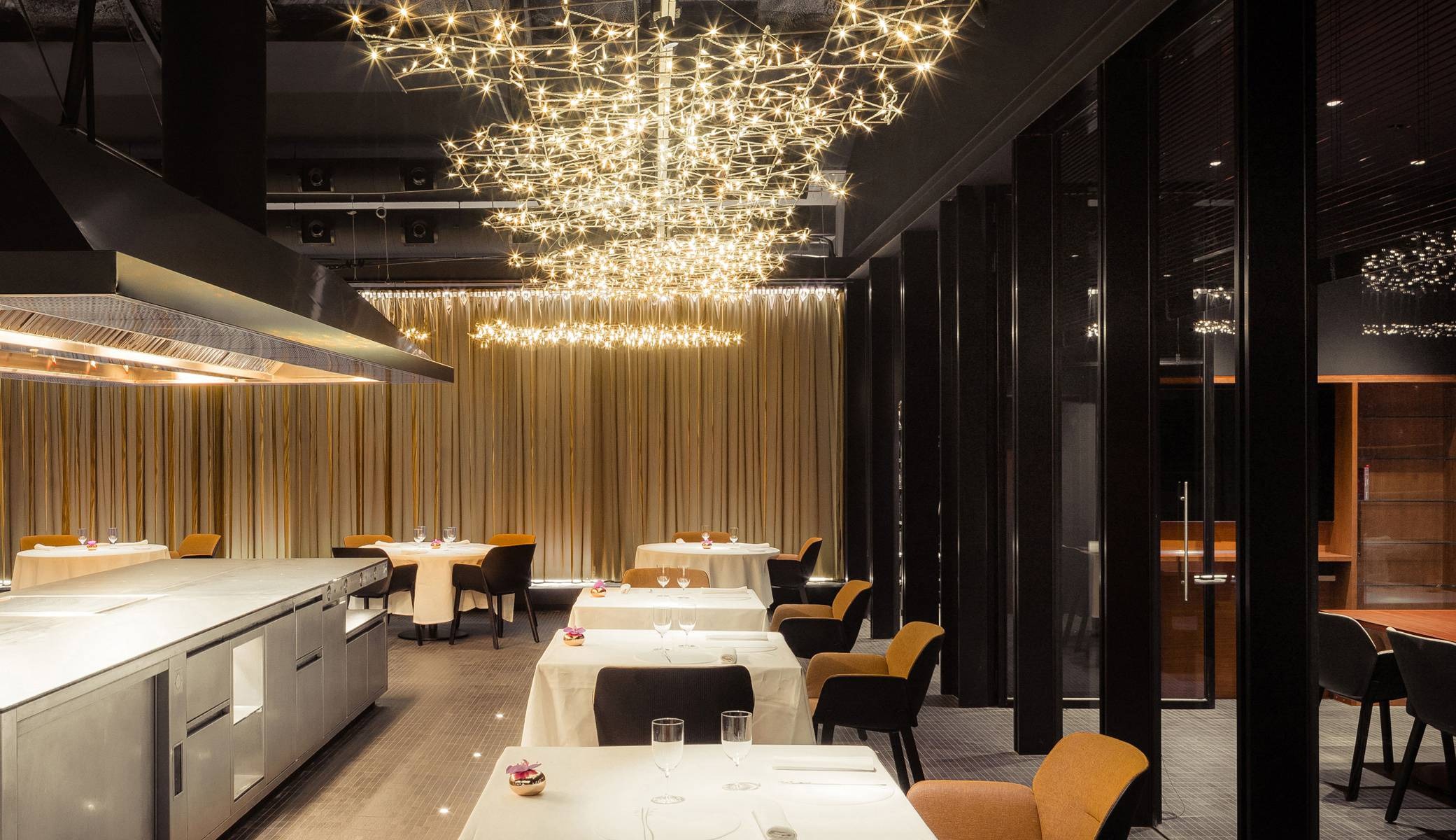
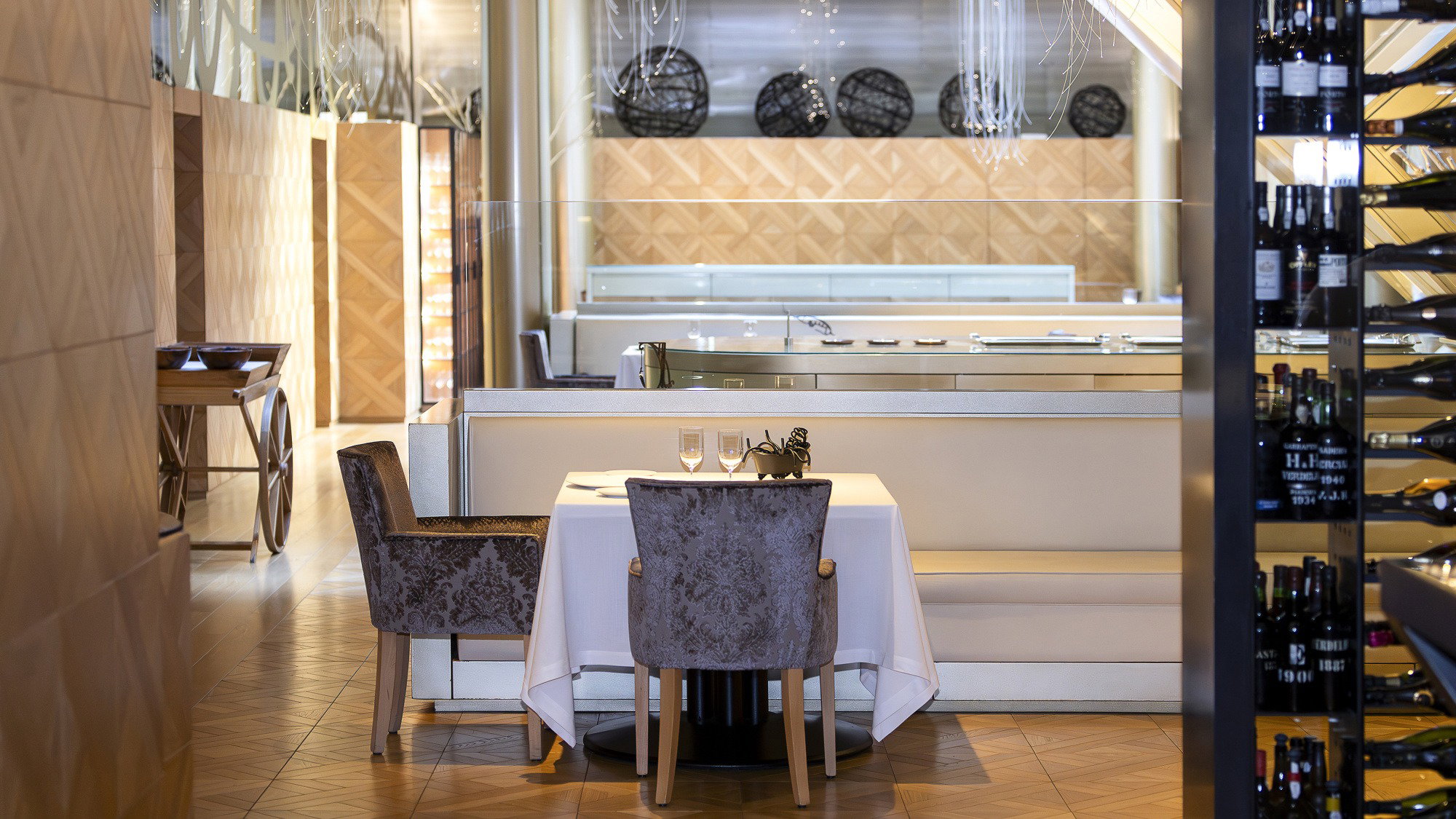
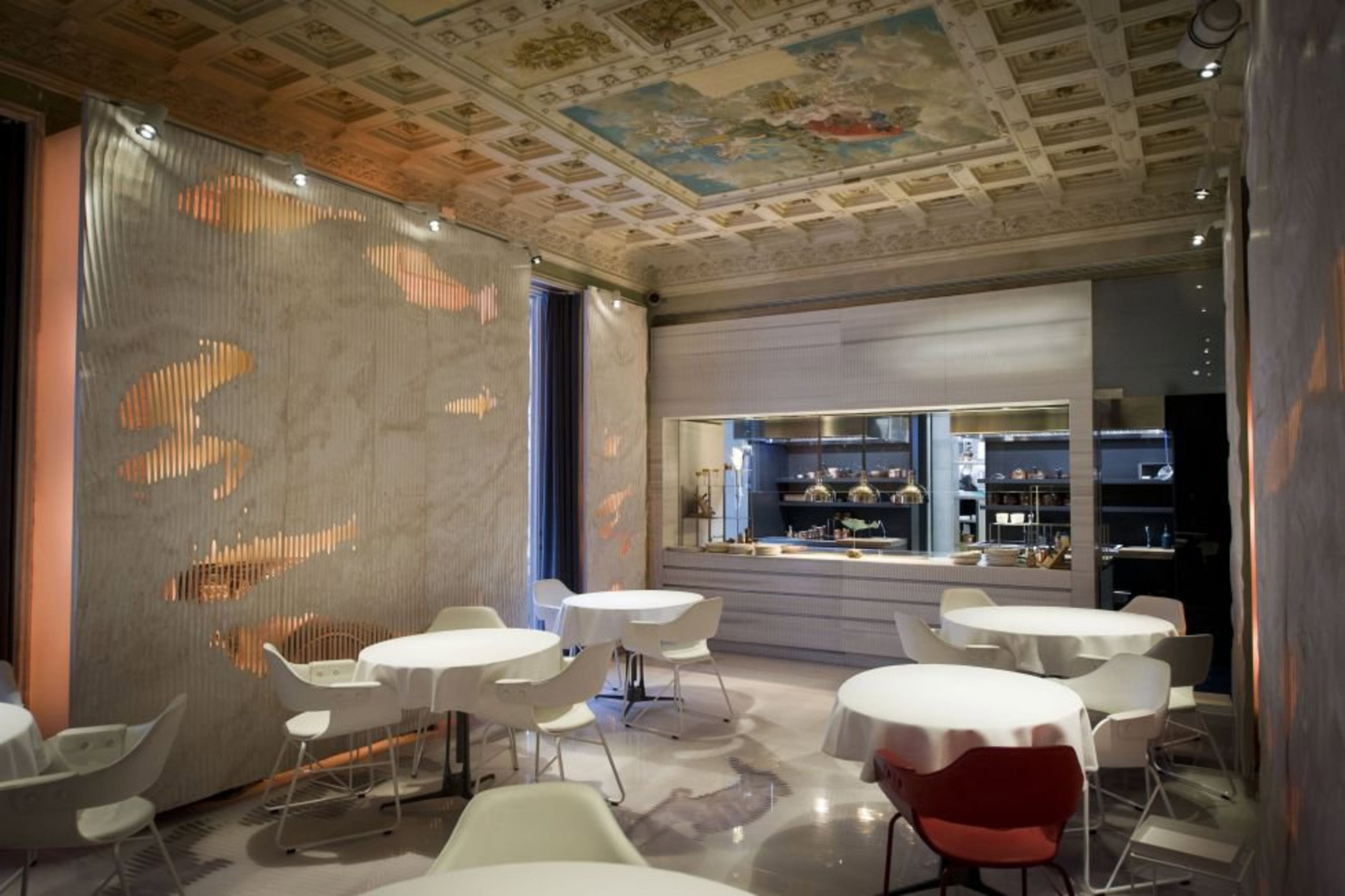
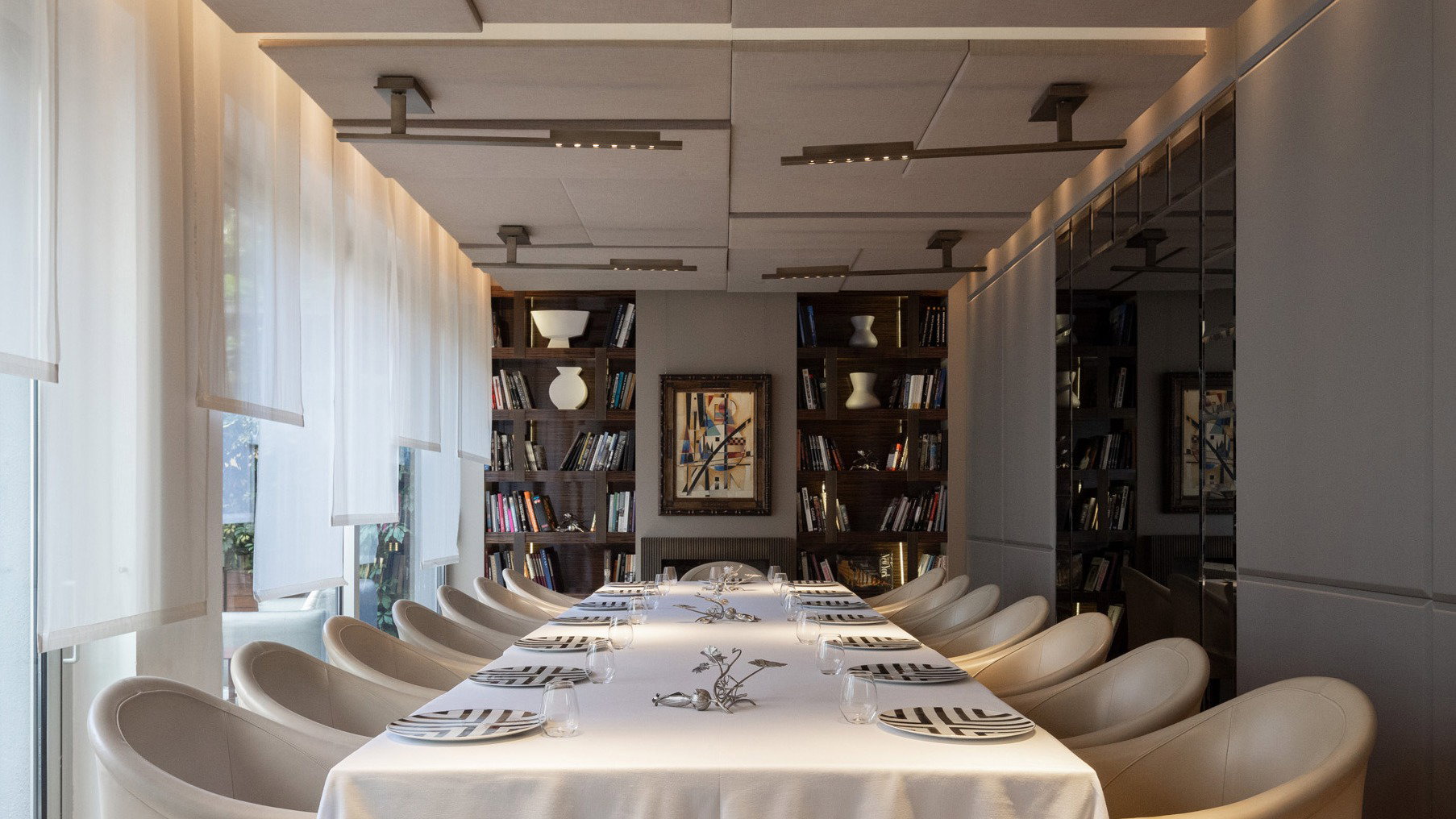
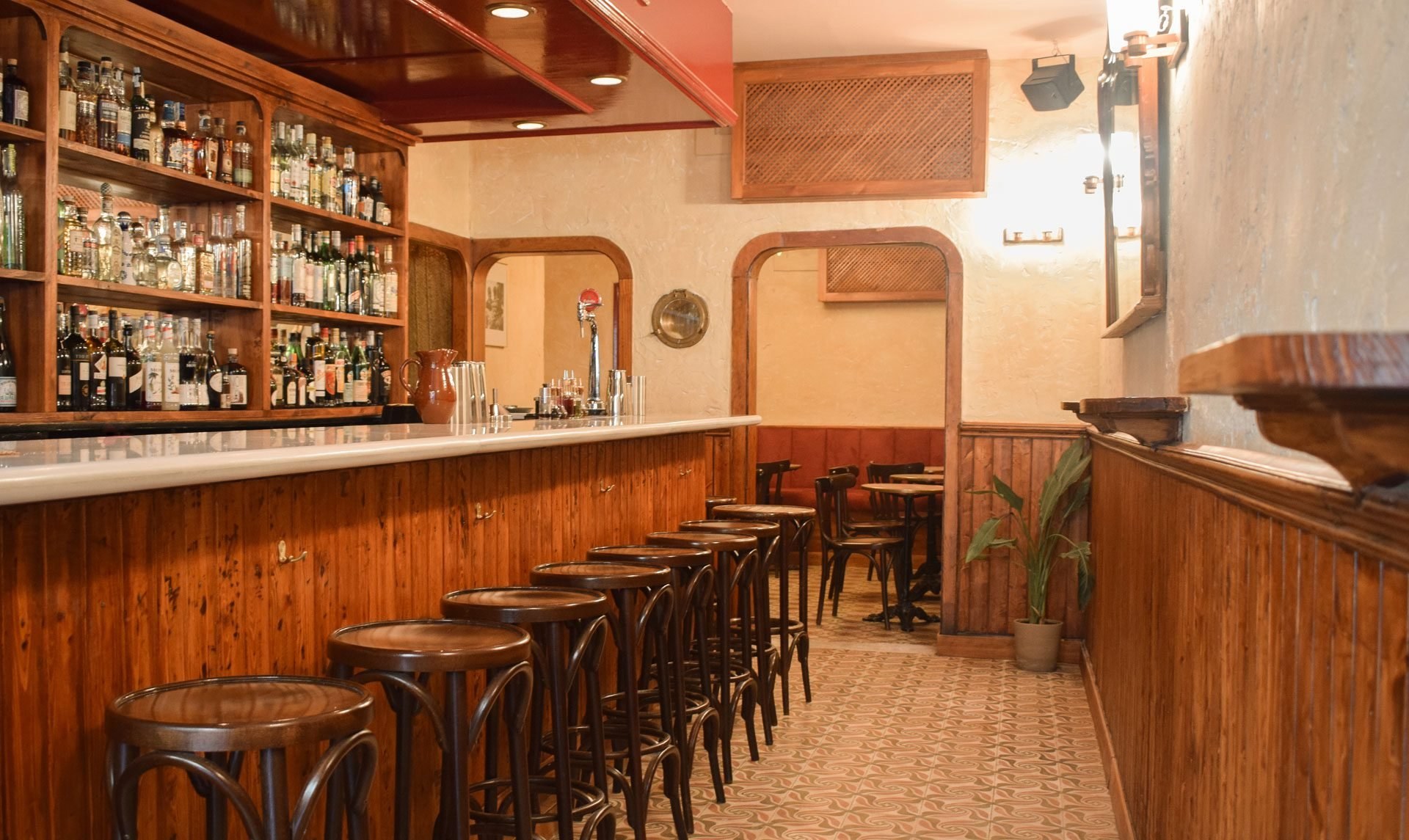
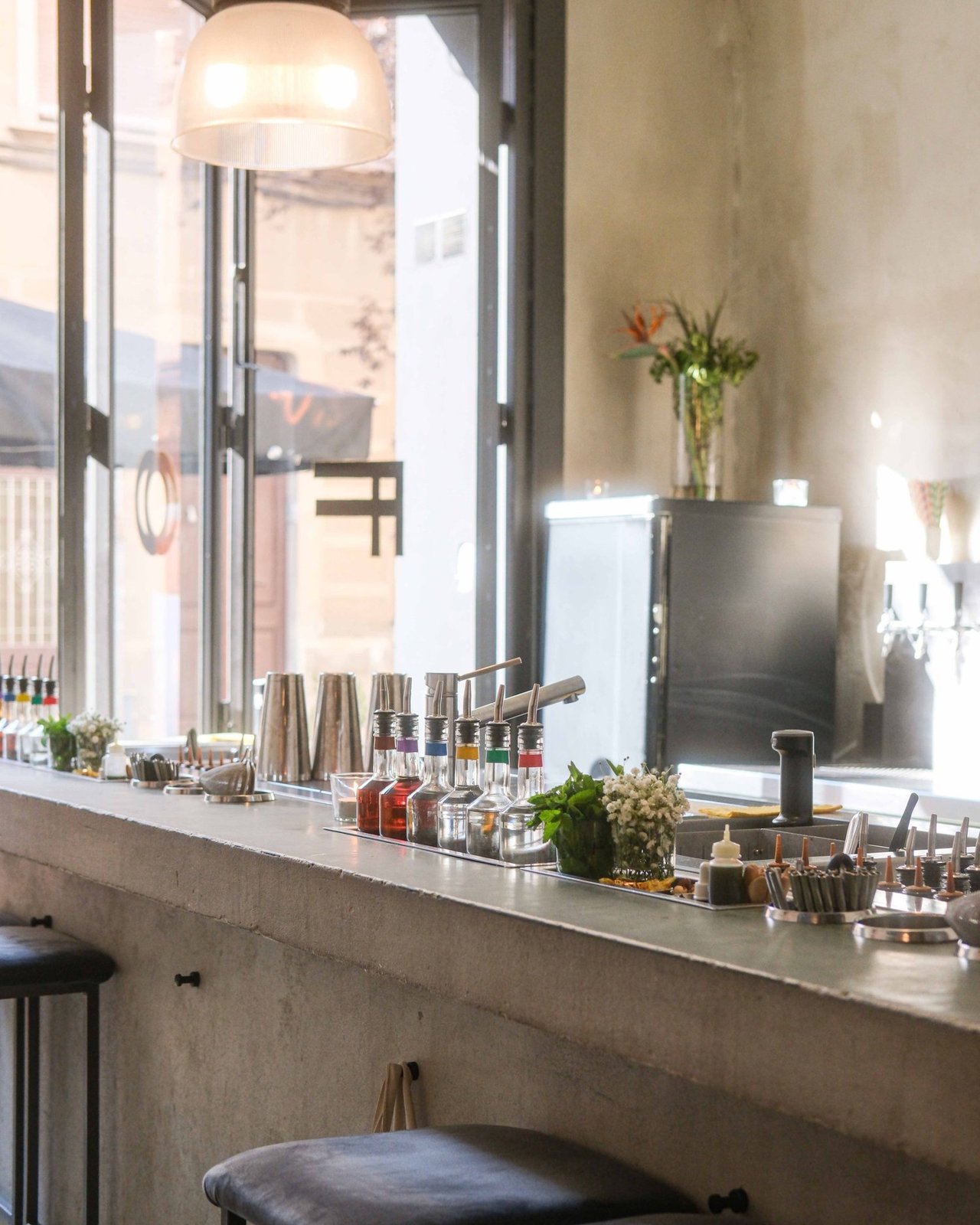
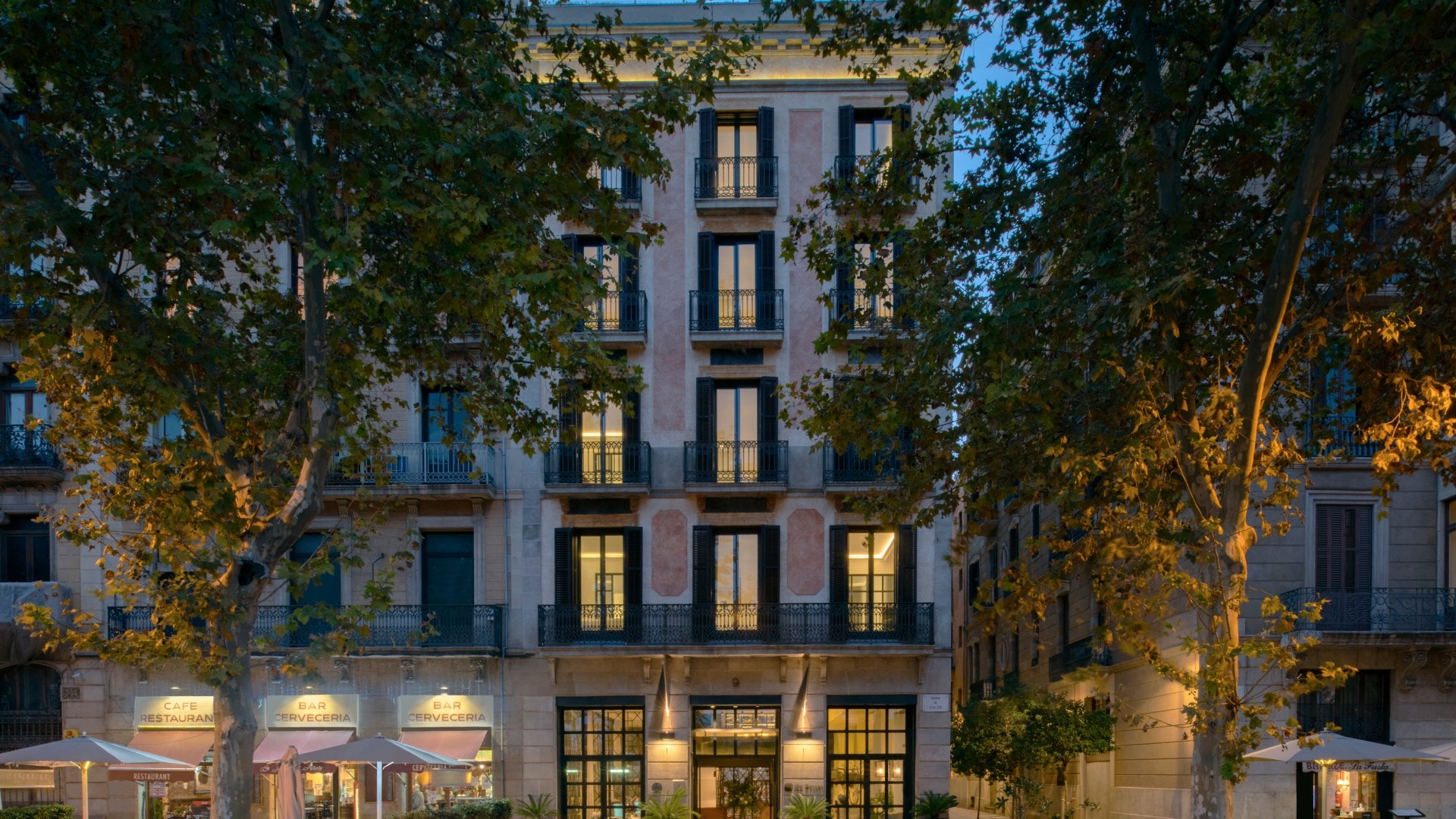
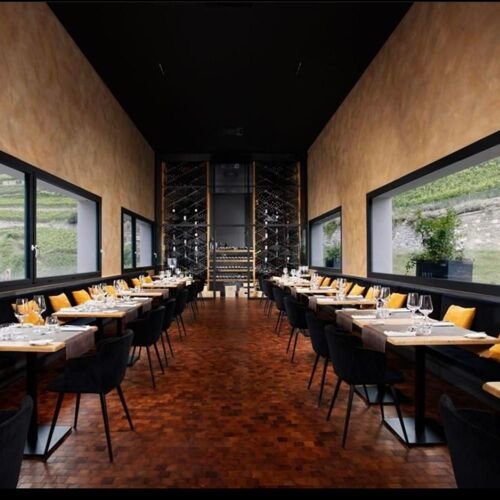
SCAPAR presents a restrained, purpose-built setting where the city’s noise falls away and concentration lands squarely on the food and the people preparing it. The plainspoken exterior and absence of theatrical trappings lead into a counter-focused interior that privileges proximity to the kitchen. The mood is quietly intense rather than flashy: service moves with kaiseki discipline and the sequence of courses shapes the evening. This is a place for listeners and serious diners—an understated, minimalist outpost tucked into a residential stretch of Sant Gervasi that feels like a deliberate departure from Barcelona’s more tourist-facing dining rooms.
Best For
The dining counter and omakase-style sequencing make SCAPAR ideally suited to thoughtful dinners and intimate evenings where the meal itself is the focus. Guests who appreciate a chef-led tasting experience—where courses arrive in careful succession rather than from a printed menu—get the most from a visit. Its location away from tourist lanes and its quiet, residential setting also suit special-occasion dinners or low-key celebrations that prize craftsmanship and attention to detail. Parties expecting a traditional multi-table dining room or casual drop-ins should note the counter-centric format.
Ordering Tips
Expect a chef-directed experience: there is no printed menu and courses are presented in a curated sequence that follows kaiseki logic. Seats face the kitchen, so plan to engage with the service rhythm and be prepared to let the chef guide the tasting. Signature items called out for attention include the sea game tuna and the soya milk pudding—good reference points if you want to flag highlights. Because the format resembles Tokyo’s omakase model and cultivates a regulars culture, reservations and an openness to the set sequence will improve the experience.
Venue details
Ambiance
Intimate chef's counter setting with dynamic sensory presentations, soft lighting, and a serene, harmonious atmosphere focused on the culinary performance.
Tags
Vibe
Best For
Experience
Sourcing
Accessibility
At the Table
- Dress Code
- Smart Casual
- Noise Level
- Quiet
- Service Style
- Formal
- Meal Pacing
- Extended Experience
- Capacity
- Intimate
- Kitchen
- Fusion
- Menu Format
- Omakase, Tasting menu, Counter dining
- Wine Program
- Curated
- Private Dining
- Available
Signature Dishes
- sea game tuna
- soya milk pudding
Know before you go
Know Before You Go
- Getting there
- Rector Ubach 53, Barcelona, 08021, Spain
Planning details
Location
Recognition and awards
Also consider
Also Consider
- Cocina Hermanos Torres, Creative, €€€€
- Disfrutar, Progressive, Creative, €€€€
- Lasarte, Progressive Spanish, Creative, €€€€
- Cinc Sentits, Modern Spanish, Creative, €€€€
- Enoteca Paco Pérez, Modern Spanish, Modern Cuisine, €€€€
Restaurant context
At the €€€€ tier in Barcelona, SCAPAR occupies a distinct position: it is the only counter in the city running a kaiseki-influenced omakase that explicitly fuses Japanese technique with Catalan ingredients. Disfrutar is in a different league for pure technical ambition, two Michelin stars, a World's 50 Best ranking, and a booking window that typically requires months of advance planning. If your priority is eating at the most technically decorated restaurant in Barcelona, Disfrutar is the answer. If you want a more intimate, chef-facing counter experience without the institutional formality, SCAPAR is the better fit.
Lasarte with its Michelin stars offers the clearest prestige signal for a business meal or a special occasion where the venue's name needs to carry weight. Cocina Hermanos Torres is the better pick if you want creative Spanish cooking in a dramatic, architecturally striking room rather than a counter format. Cinc Sentits is worth considering if you want a modern Spanish tasting menu at €€€€ with a slightly more accessible booking window and a focus on Catalan terroir without the Japanese fusion layer. Enoteca Paco Pérez leans into the wine-forward dining model and is the stronger choice if the cellar is as important to you as the plate.
For value-per-euro within the €€€€ bracket, SCAPAR is competitive precisely because it has not yet accumulated starred recognition, you are getting Michelin Plate-level cooking at a price that has not been inflated by star premium. That changes if and when stars arrive. Book it now if the format interests you, before the reservation window tightens.
Around this place
Discover more on Pearl
Unlock the full SCAPAR guide in Pearl, including awards, comparisons, FAQs, planning details, and nearby places.
Compare SCAPAR
| Venue | Awards | Price |
|---|---|---|
| SCAPAR | 2026 Michelin 1 Star2025 Michelin Plate | €€€€ |
| Cocina Hermanos Torres | Star Wine Lists 2026 · #12026 OAD Top Restaurants in Europe Ranked · #40Guía Repsol Soles 20262026 La Liste Top Restaurants2026 Michelin 3 Stars2026 Falstaff Restaurant Guide2025 OAD Top Restaurants in Europe Ranked · #352025 World's 50 Best Restaurants · #78We're Smart World Top Restaurants 2025 | €€€€ |
| Disfrutar | 2026 OAD Top Restaurants in Europe Ranked · #8Guía Repsol Soles 20262026 Michelin 3 Stars2026 La Liste Top Restaurants2026 Falstaff Restaurant Guide2025 OAD Top Restaurants in Europe Ranked · #17We're Smart World Top Restaurants 20252025 The Best Chef Three Knives2025 Michelin 3 Stars | €€€€ |
| Lasarte | 2026 OAD Top Restaurants in Europe Ranked · #78Guía Repsol Soles 20262026 Michelin 3 Stars2026 La Liste Top Restaurants2026 Falstaff Restaurant Guide2025 OAD Top Restaurants in Europe Ranked · #78We're Smart World Top Restaurants 20252025 Michelin 3 Stars2025 The Best Chef Three Knives | €€€€ |
| Cinc Sentits | Guía Repsol Soles 20262026 OAD Top Restaurants in Europe Recommended2026 Michelin 2 Stars2026 La Liste Top Restaurants2026 Falstaff Restaurant Guide2025 OAD Top Restaurants in Europe Ranked · #443We're Smart World Top Restaurants 20252025 La Liste Top Restaurants2025 Michelin 2 Stars | €€€€ |
| Enoteca Paco Pérez | Guía Repsol Soles 20262026 OAD Top Restaurants in Europe Recommended2026 La Liste Top Restaurants2026 Michelin 2 Stars2026 Falstaff Restaurant Guide2025 OAD Top Restaurants in Europe Ranked · #243We're Smart World Top Restaurants 20252025 Michelin 2 Stars2024 OAD Top Restaurants in Europe Ranked · #273 | €€€€ |
.png?width=1200&quality=80)












Comparing your options in Barcelona for this tier.
FAQ
Frequently Asked Questions
Is SCAPAR worth the price?
At €€€€, SCAPAR asks for serious spend, and it delivers if the format suits you. The omakase counter puts a technically accomplished chef in front of you for the entire meal, explaining ingredient provenance as he cooks — that transparency is part of the value. If you want à la carte flexibility or a conventional dining room, this is not the right spend. If you are committed to the omakase format and interested in Japanese-Catalan fusion, the Michelin Plate recognition and Kuwabara's background at Dos Palillos back up the price.
Is SCAPAR good for a special occasion?
Yes, specifically for two people who are comfortable with a counter-format tasting menu. The omakase structure, the chef's direct interaction with guests, and the deliberate pacing make it a natural fit for a celebratory dinner where the meal itself is the event. It is less suited to larger groups or anyone who finds a fixed menu restrictive at this price point.
Is SCAPAR good for solo dining?
Counter-format omakase is one of the few fine-dining formats that genuinely works solo. At SCAPAR, Chef Kuwabara engages directly with guests throughout the meal, so a solo diner gets the full experience without the social gap that table dining can create. If solo omakase dining appeals to you, this is a practical and comfortable setting for it.
What should a first-timer know about SCAPAR?
The entire meal is a surprise omakase — there is no à la carte option. Kuwabara draws on Japanese kaiseki structure and technique, but the flavours are grounded in Catalan and Spanish ingredients, with occasional French references. He writes guests' names in Japanese calligraphy on the menu envelope, which is a signature touch. Go in with an open palate and no dietary dealbreakers you haven't flagged in advance.
What should I wear to SCAPAR?
The venue database does not specify a dress code. Given the €€€€ price tier and the intimate counter format, dressing neatly is practical — you are seated close to the chef and other guests for the full duration. Smart-casual is a reasonable baseline, but nothing in the available data suggests a formal dress requirement.
What are alternatives to SCAPAR in Barcelona?
For €€€€ tasting-menu dining with stronger institutional recognition, Disfrutar (two Michelin stars) and Lasarte (three Michelin stars) are the reference points in Barcelona. Cinc Sentits offers a focused Catalan tasting menu at a comparable price with a more conventional dining room. If the Japanese-Spanish fusion angle is specifically what draws you, Dos Palillos — where Kuwabara previously worked — is the direct predecessor worth considering.
Is the tasting menu worth it at SCAPAR?
The omakase format is the only option at SCAPAR, so the question is really whether this style of dining justifies the €€€€ spend. The Michelin Plate (2025) signals recognised quality, and Kuwabara's kaiseki-meets-Catalan approach is a specific proposition rather than generic fusion. Standout courses documented by Michelin inspectors include a tuna 'sea game' course and a soya milk pudding with yuba and grapefruit — both technically considered and texturally deliberate.