.png?width=1200&quality=80)
La Oveja Negra
Contemporary · Barbastro
Restaurant in Barbastro, Spain
 Book with Pearl
The Read
Southern-Rooted Aragonese Plates
Price
$30–50per person
Dress
Smart Casual
Why go
A two-time Michelin Bib Gourmand holder in Barbastro, La Oveja Negra delivers contemporary cooking rooted in the Somontano de Barbastro region at a €€ price point that is hard to argue. The evolving à la carte — with half-portion options — rewards seasonal visits, and the daily set menu is one of the strongest-value meals in Aragon. Book ahead; the small dining room fills.
About La Oveja Negra
The Verdict
La Oveja Negra is one of the most compelling reasons to eat in Barbastro. A Michelin Bib Gourmand holder in both 2024 and 2025, it delivers contemporary cooking rooted in the Somontano de Barbastro region at a price point — €€ — that makes it an easy yes for first-timers and regulars alike. If you are visiting the area to explore the Somontano wine country or passing through on a broader Aragonese itinerary, book here before you do anything else.
Portrait
Picture a small dining room in the old town of Barbastro, a town most visitors associate with the Somontano DO rather than serious cooking. Then picture a menu that takes the produce of that same territory, its farms, its milk, its market rhythms, and turns it into dishes that feel modern without abandoning the flavour logic of the place. That is what Rafa Bautista and María Vegue have built at La Oveja Negra, and it explains why Michelin has recognised it two years running with a Bib Gourmand.
The name, which translates as "the black sheep", signals intent: this is not a conventional restaurant for a conventional audience. Bautista's cooking draws on the Somontano de Barbastro territory for its primary ingredients while threading in influences from southern Spain, a nod to his own roots. The result is a menu that feels anchored to a specific place without being folkloric about it. María Vegue runs the dining room with the kind of close attention that makes a small restaurant feel personal rather than cramped.
For a first visit, the format is worth understanding. The kitchen runs both an evolving à la carte, with "media ración" (half-portion) options that let you range across more dishes, and a daily set menu. The media ración format is particularly useful if you are dining as a couple and want to cover more ground without committing to full portions across the board. Michelin's inspectors specifically noted the "leche texturizada de Sieso" dessert, made with milk from the Villa Villera farm, as a standout, a detail that tells you something about the kitchen's relationship with local producers.
Seasonal Angle: When You Go Matters
The à la carte at La Oveja Negra is described as constantly evolving, which means the menu you encounter in spring will differ meaningfully from what is available in autumn or winter. The Somontano region has a well-defined agricultural calendar, the same seasonal logic that governs when the Somontano DO's vineyards are harvested shapes what arrives in the kitchen. Visiting during the autumn harvest period, when local produce is at its most varied and the wine region is at peak activity, aligns two reasons to be in Barbastro at once. If you are travelling specifically to eat here, autumn and spring are the most produce-rich windows. Summer visits are perfectly viable but the menu will reflect what that drier season offers. Check the current à la carte before booking if a specific ingredient category matters to you, the kitchen's seasonal rotation is genuine, not decorative.
The daily menu is the more stable option for a first visit if you want a structured introduction to the kitchen's current thinking without having to navigate a menu you do not know. It also tends to represent strong value at the €€ price tier. For second visits, the à la carte's media ración format rewards more deliberate exploration.
Practical Details
Reservations: Booking is rated Easy, this is not a restaurant that requires months of planning, but given its Bib Gourmand recognition and the relatively small dining room, booking ahead by at least a week or two during busy periods (summer weekends, harvest season) is sensible. Walk-ins may work on quieter weekday lunches, but do not count on it. Budget: €€, making it one of the better-value fine-leaning meals in the region. Dress: No dress code is specified; smart-casual is appropriate for a contemporary restaurant at this level. Address: C. Oncinellas, 5, 22300 Barbastro, Huesca.
Who Should Book
La Oveja Negra works well for couples, small groups, and solo diners who want a serious meal without the formality or price pressure of a tasting-menu-only format. The media ración options make it genuinely flexible for two people eating together. It is also a strong choice for anyone combining a visit to the Somontano wineries with a meal that matches the regional focus of the wines. For a special occasion at this price tier, it is the clearest recommendation in Barbastro. If you are planning a broader Barbastro visit, see our full Barbastro restaurants guide, hotels guide, and bars guide for fuller context.
The one alternative worth knowing in Barbastro for traditional cooking is Trasiego, which takes a more conventionally regional approach. If contemporary technique applied to local produce is what you are after, La Oveja Negra is the stronger choice.
Planning details
- Location
- C. Oncinellas, 5, 22300 Barbastro, Huesca, Spain
- Reservations
- Book on TheFork
- Website
- laovejanegrabarbastro.com
- Phone
- +34 974 39 42 26
The take
The Take
The Vibe
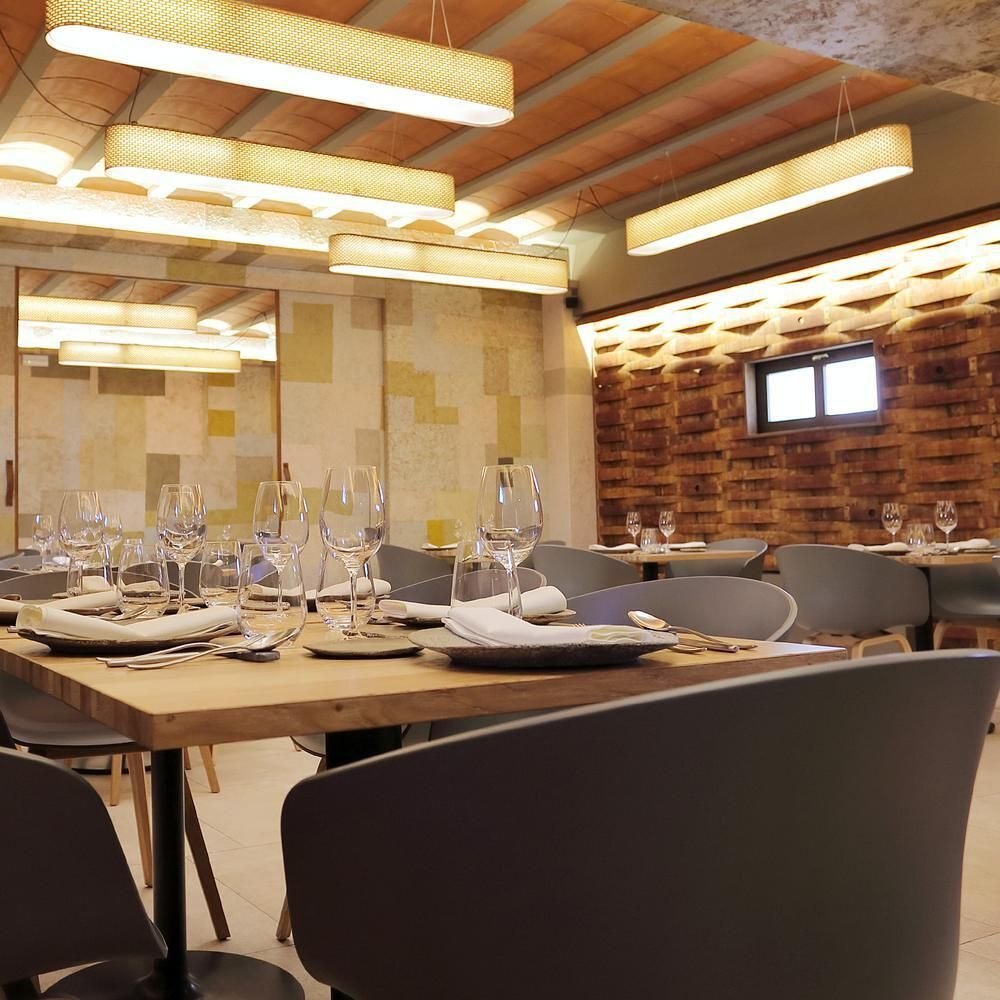
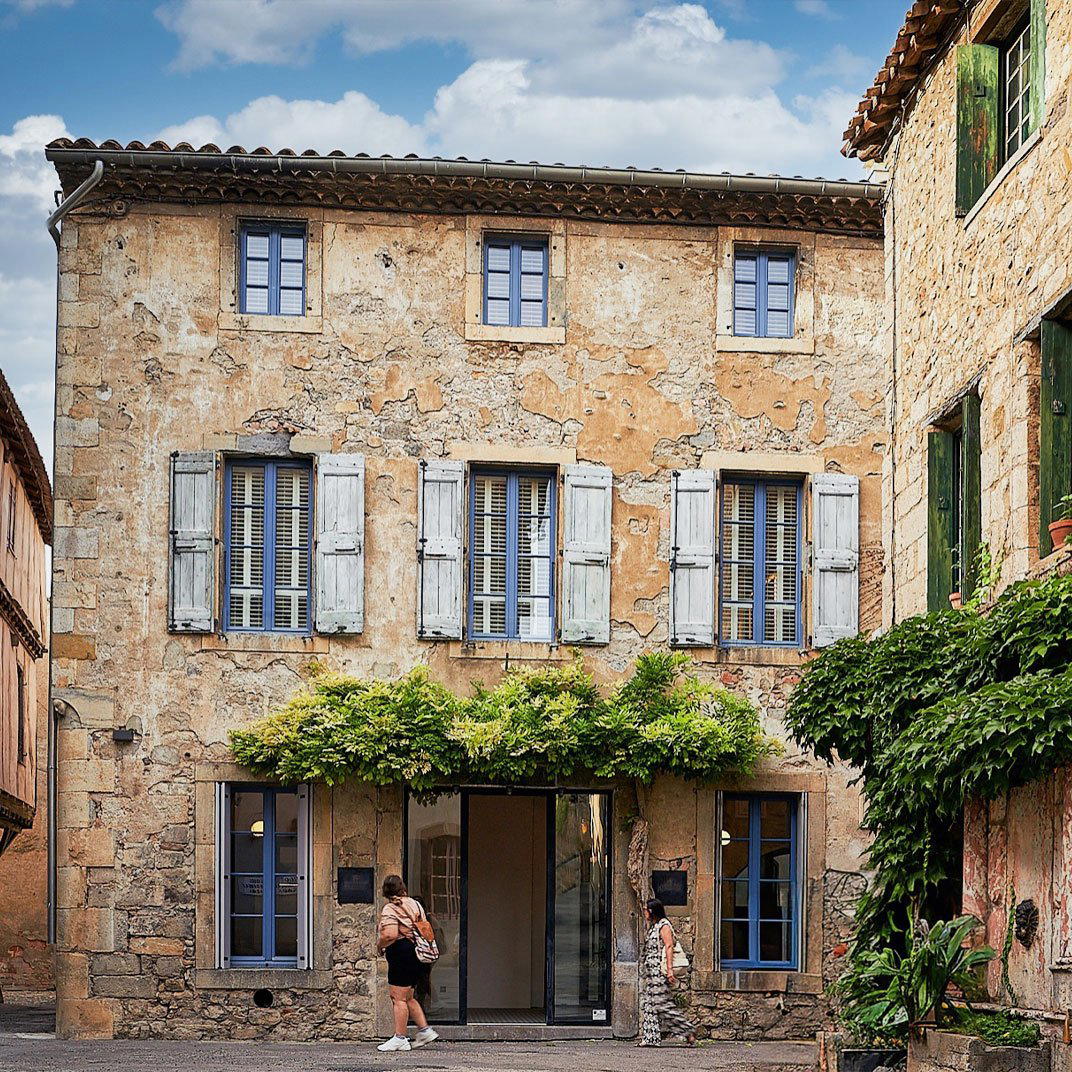
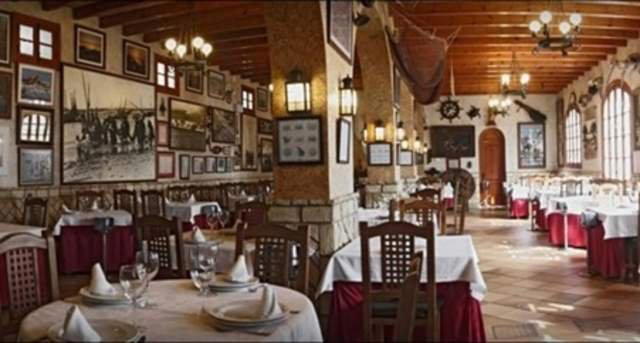
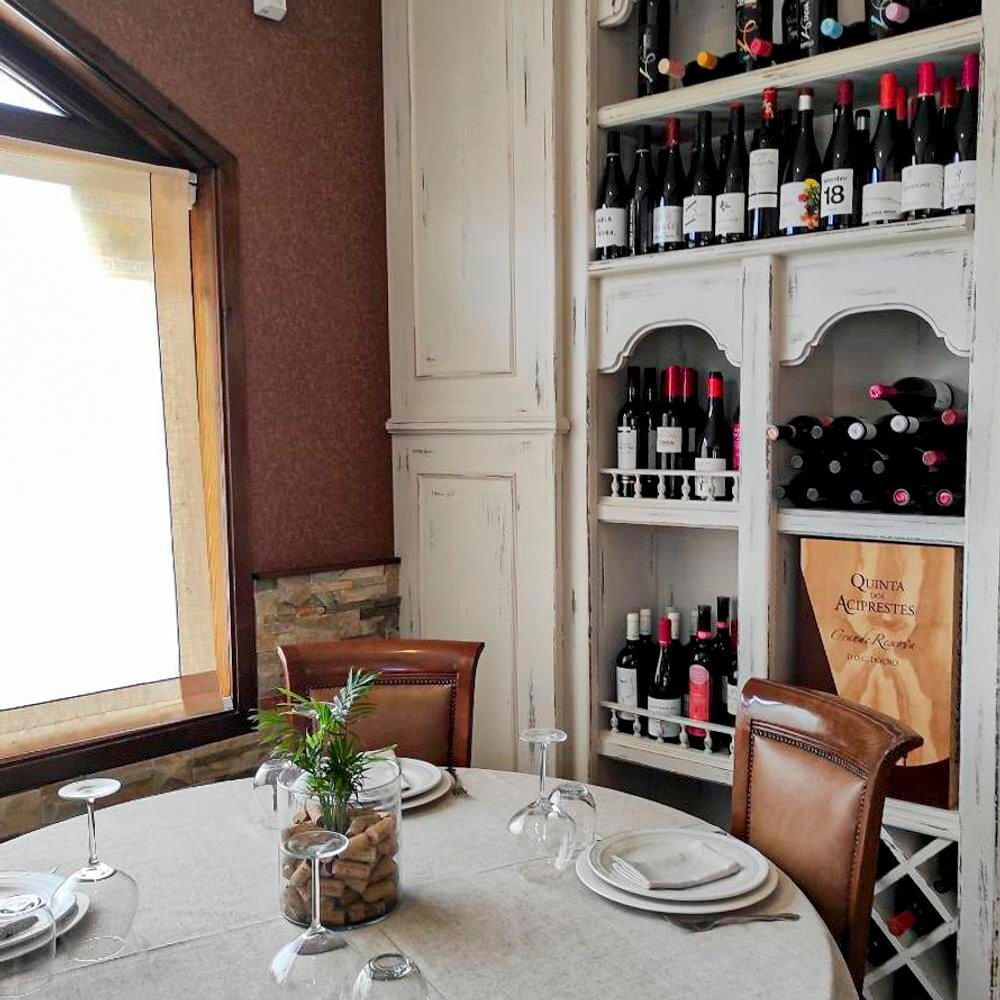
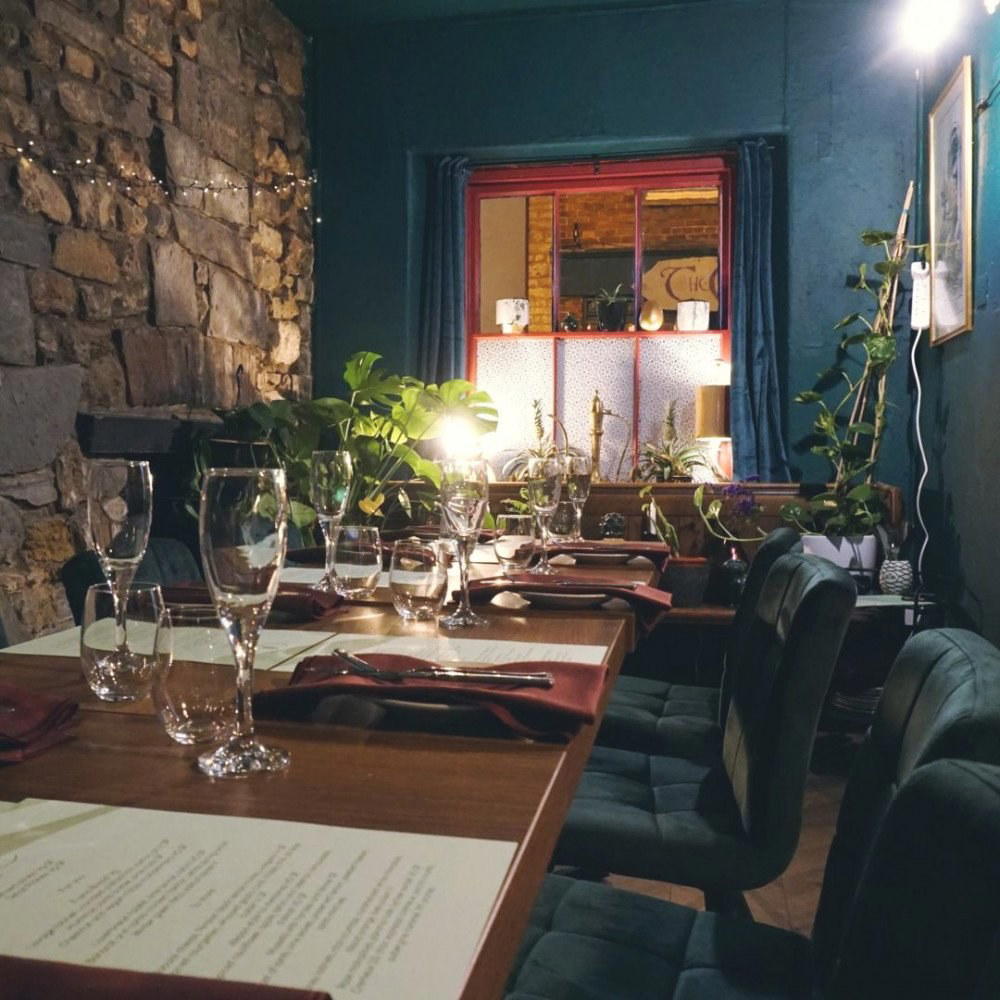
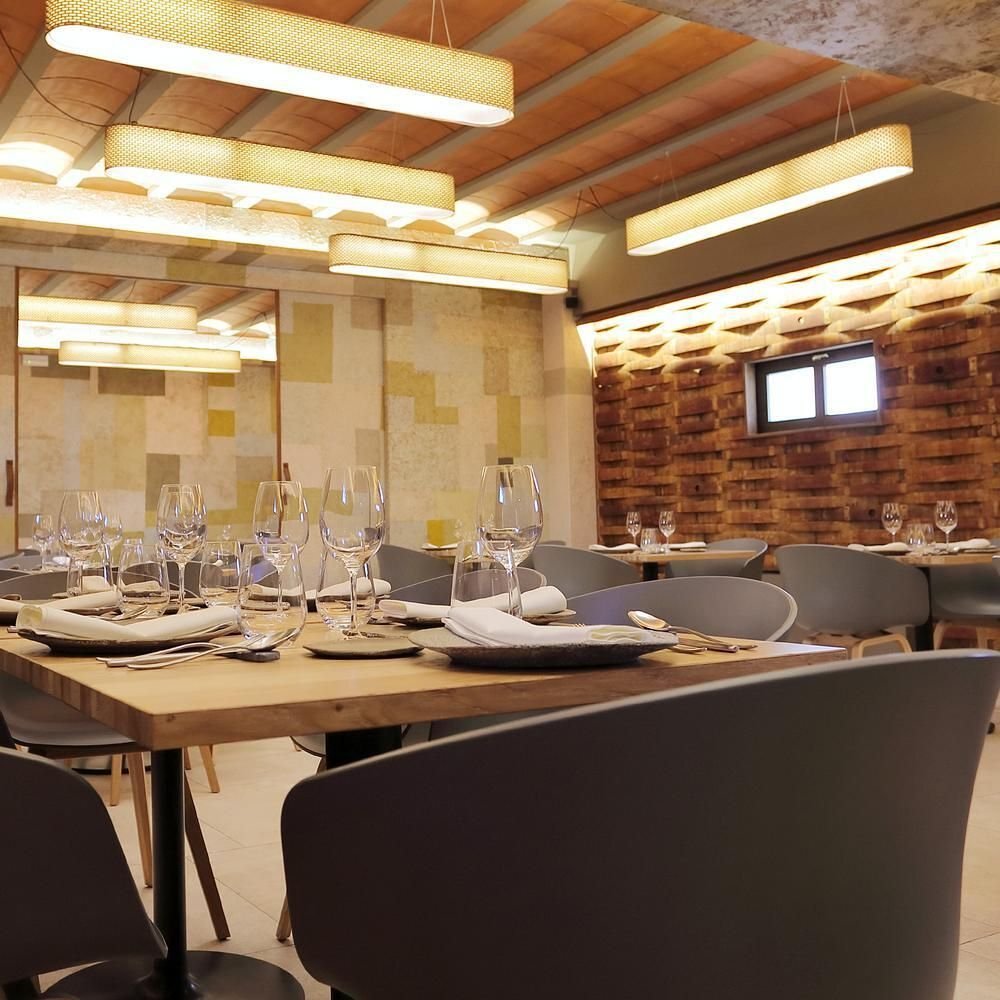
La Oveja Negra feels like a deliberate, contemporary outlier in Barbastro’s old quarter. The dining room is quietly modern — the design signals intention without theatrics — and the restaurant sits on a peaceful street that preserves the town’s historic character. The kitchen’s focus on sourcing and technique, coupled with consecutive Bib Gourmand recognitions, gives the place a quietly sophisticated edge. It reads intimate rather than showy: a refined, small-scale restaurant that balances respect for local roots with modern Spanish technique, making it feel both settled in its setting and clearly forward-looking.
Best For
This is a destination for focused evenings rather than loud nights. La Oveja Negra suits couples and small groups seeking thoughtful, ingredient-driven Spanish cooking — think date nights and special-occasion dinners in a relaxed, historic setting. Its placement in Somontano and the editorial emphasis on wine-minded dining also means it fits travelers who are exploring the region’s wine trail but prefer a more considered, contemporary meal. The atmosphere favors attentive conversation and tasting the kitchen’s deliberate approach rather than boisterous, high-energy dining.
Ordering Tips
Start with the signature small plates that showcase the kitchen’s marriage of Somontano ingredients and southern influences: the Ensaladilla del Rebaño and the Tartar de Vaca y Anguila Ahumada are distinctive openings. Move on to a pasta or composed main such as the Raviolis Sorprendentes, then finish with the Torrija del Rebaño for dessert. Given the region’s wine culture, ask staff about Somontano bottle or pairing suggestions to complement the menu’s local focus and the chef’s emphasis on technique and sourcing.
Venue details
Ambiance
Intimate and stylish space run by a young couple, featuring an open kitchen with fresh, creative presentations that delight the senses.
Tags
Vibe
Best For
Experience
Sourcing
At the Table
- Dress Code
- Smart Casual
- Noise Level
- Conversational
- Service Style
- Upscale Casual
- Meal Pacing
- Leisurely
- Capacity
- Small
- Kitchen
- Modern
- Menu Format
- A la carte, Tasting menu, Small plates
- Wine Program
- Curated
- Drinks Focus
- Wine
Signature Dishes
- Ensaladilla del Rebaño
- Tartar de Vaca y Anguila Ahumada
- Raviolis Sorprendentes
- Torrija del Rebaño
Know before you go
Know Before You Go
- Getting there
- C. Oncinellas, 5, 22300 Barbastro, Huesca, Spain
Planning details
Location
C. Oncinellas, 5, 22300 Barbastro, Huesca, Spain · Directions
Recognition and awards
Also consider
Also Consider
- Quique Dacosta, Creative, €€€€
- El Celler de Can Roca, Progressive Spanish, Creative, €€€€
- Arzak, Modern Basque, Creative, €€€€
- Azurmendi, Progressive, Creative, €€€€
- Aponiente, Progressive - Seafood, Creative, €€€€
Restaurant context
Comparing La Oveja Negra directly to Quique Dacosta, El Celler de Can Roca, Arzak, Azurmendi, or Aponiente is not quite the right frame, those are all €€€€ tasting-menu destinations operating at the top of Spain's fine-dining hierarchy, requiring months of advance planning and budgets of €200-€350 per head or more. La Oveja Negra operates at €€ with flexible à la carte and daily menu formats. The honest comparison is not quality versus quality but occasion versus occasion: if you are planning a destination meal as the centrepiece of a trip, those starred venues are the target. If you are in Barbastro and want the best meal the town offers, La Oveja Negra is unambiguously it.
Within the Bib Gourmand tier across northern Spain, La Oveja Negra's consistent two-year recognition signals a kitchen that has found its register and is executing reliably. That consistency matters for a first-time visitor who cannot afford a disappointing meal on a short trip. The regional specificity, Somontano producers, southern Spanish inflections from the chef's background, gives it a distinct identity that generic contemporary restaurants in larger cities lack. If you are combining this meal with a visit to the Somontano wineries, the thematic alignment between the kitchen's sourcing and the wine region's character is a genuine added dimension.
For diners who want to extend a Spanish fine-dining itinerary beyond Barbastro, the logical next step up in ambition and price would be Cocina Hermanos Torres in Barcelona or Ricard Camarena in València, both more accessible from Aragon than the Basque Country destinations, and operating at a mid-point between La Oveja Negra's price tier and the full €€€€ bracket. La Oveja Negra does not try to compete in that space, and that restraint is part of what makes it work.
Explore Barbastro
Around this place
Discover more on Pearl
Unlock the full La Oveja Negra guide in Pearl, including awards, comparisons, FAQs, planning details, and nearby places.
Compare La Oveja Negra
| Venue | Cuisine | Price | Booking Difficulty | Awards |
|---|---|---|---|---|
| La Oveja Negra | Contemporary | €€ | Easy | 2026 Bib Gourmand2025 Michelin Bib Gourmand2024 Michelin Bib Gourmand |
| Quique Dacosta | Creative | €€€€ | Unknown | 2026 OAD Top Restaurants in Europe Ranked · #12Guía Repsol Soles 20262026 Michelin 3 Stars2026 La Liste Top Restaurants2026 Falstaff Restaurant Guide2025 OAD Top Restaurants in Europe Ranked · #262025 World's 50 Best Restaurants · #652025 La Liste Top Restaurants2025 The Best Chef Three Knives |
| El Celler de Can Roca | Progressive Spanish, Creative | €€€€ | Unknown | 2026 OAD Top Restaurants in Europe Ranked · #292026 Falstaff Restaurant GuideGuía Repsol Soles 20262026 Michelin 3 Stars2026 La Liste Top Restaurants2025 OAD Top Restaurants in Europe Ranked · #572025 La Liste Top RestaurantsChef's Table Featured Restaurants · 20252025 The Best Chef Three Knives |
| Arzak | Modern Basque, Creative | €€€€ | Unknown | 2026 OAD Top Restaurants in Europe Ranked · #102Star Wine Lists 2026Guía Repsol Soles 20262026 La Liste Top Restaurants2026 Michelin 3 Stars2025 OAD Top Restaurants in Europe Ranked · #1252025 The Best Chef Two Knives2025 Michelin 3 Stars2025 La Liste Top Restaurants |
| Azurmendi | Progressive, Creative | €€€€ | Unknown | 2026 OAD Top Restaurants in Europe Ranked · #25Star Wine Lists 2026Guía Repsol Soles 20262026 La Liste Top Restaurants2026 Michelin 3 Stars2026 Falstaff Restaurant Guide2025 OAD Top Restaurants in Europe Ranked · #19We're Smart World Top Restaurants 20252025 La Liste Top Restaurants |
| Aponiente | Progressive - Seafood, Creative | €€€€ | Unknown | 2026 OAD Top Restaurants in Europe Ranked · #62Guía Repsol Soles 20262026 Michelin 3 Stars2026 La Liste Top Restaurants2025 OAD Top Restaurants in Europe Ranked · #632025 World's 50 Best Restaurants · #84Chef's Table Featured Restaurants · 20252025 Michelin 3 Stars2025 The Best Chef Three Knives |













A quick look at how La Oveja Negra measures up.
FAQ
Frequently Asked Questions
Is the tasting menu worth it at La Oveja Negra?
La Oveja Negra leads with an à la carte that includes media ración options, plus a daily set menu — there is no formal tasting menu in the traditional sense. For the price range (€€) and the Bib Gourmand recognition in both 2024 and 2025, the daily menu is likely the sharper value proposition. If you want a multi-course omakase-style format, this is not the format to expect here.
What should I wear to La Oveja Negra?
The Bib Gourmand designation signals serious cooking without fine-dining formality, and at €€ pricing in a small Aragonese town, the atmosphere tracks casual-to-neat rather than jacket-required. Dress comfortably but avoid beachwear — think the kind of clothes you would wear to a well-regarded neighbourhood restaurant rather than a starred room.
Is La Oveja Negra good for solo dining?
Yes. The media ración format means solo diners can order multiple smaller portions across the à la carte without committing to full plates — a genuine structural advantage for eating alone. The modest scale of the room and the couple-led operation (Rafa Bautista in the kitchen, María Vegue front of house) also makes the atmosphere personal rather than anonymous.
How far ahead should I book La Oveja Negra?
Booking is rated Easy, so this is not a months-in-advance situation. That said, La Oveja Negra's consecutive Bib Gourmand awards have expanded its profile, and it is a small operation — booking a few days ahead for weekday visits and at least a week out for weekends is a reasonable approach, particularly during the Somontano wine harvest season when visitor numbers in Barbastro rise.
What are alternatives to La Oveja Negra in Barbastro?
Barbastro's dining scene is anchored by its wine culture rather than a deep bench of destination restaurants, which is part of what makes La Oveja Negra's Bib Gourmand status notable in this context. If you want a higher-intensity tasting menu experience in northern Spain, Azurmendi in the Basque Country or Arzak in San Sebastián are the logical step up — but at a significantly higher price point and booking difficulty.
Is La Oveja Negra good for a special occasion?
Yes, with the right expectations. The €€ price range means it will not feel ceremonial in the way a starred room does, but a Bib Gourmand restaurant run by a couple who, in Michelin's own words, put their life and soul into every sitting carries genuine occasion weight. It is a better fit for a celebratory dinner between two people who care about food than for a large group expecting theatrical service.
Is La Oveja Negra worth the price?
At €€, yes — clearly. Two consecutive Michelin Bib Gourmand awards are specifically awarded for good cooking at moderate prices, so the value case here is externally validated rather than assumed. The focus on Somontano produce and a constantly evolving à la carte means you are paying for genuinely considered cooking, not a fixed tourist menu. For this price point in Spain, it is a strong return.