.png?width=1200&quality=80)
Kinu by Takagi
Japanese · Khanna Yao, Bangkok
Restaurant in Bangkok, Thailand
 Book with Pearl
The Read
Kyoto Kaiseki Precision
Price
$200–300per person
Dress
Formal
Why go
Kinu by Takagi is Bangkok's most carefully executed Kyoto-style kaiseki, earning Michelin Plate recognition in both 2024 and 2025. The fixed-format menu, sake collection, and closing matcha ceremony make it the right call for special occasions or business dinners where the room and structure of the evening matter. Book it with a purpose.
About Kinu by Takagi
The Verdict
Kinu by Takagi is Bangkok's most considered Kyoto-style kaiseki experience, and if a formal Japanese multi-course dinner is what you're planning, it belongs near the best of your shortlist. The format is fixed, the setting is intimate, and the experience is structured around ceremony rather than flexibility. Book it for a special occasion, a business dinner where atmosphere matters, or any meal where you want the evening to feel deliberate. At ฿฿฿฿ pricing, it's a serious spend, but the Michelin Plate recognition in both 2024 and 2025 confirms it's being taken seriously by the people who track this category. What you should know before booking: this is not a venue you drop into casually, and the kaiseki format means your evening is pre-determined from arrival to the closing matcha tea ceremony.
The Space
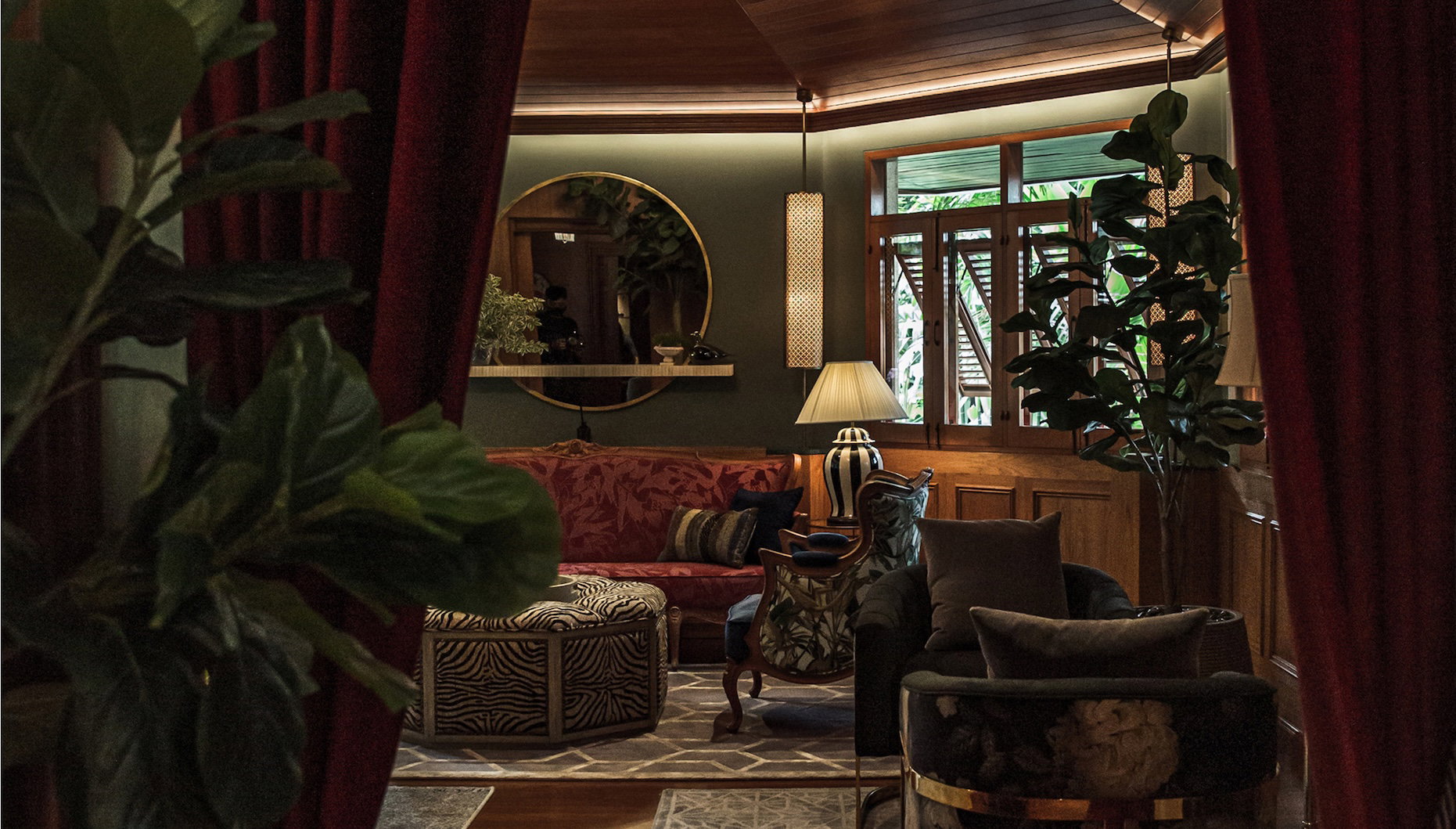
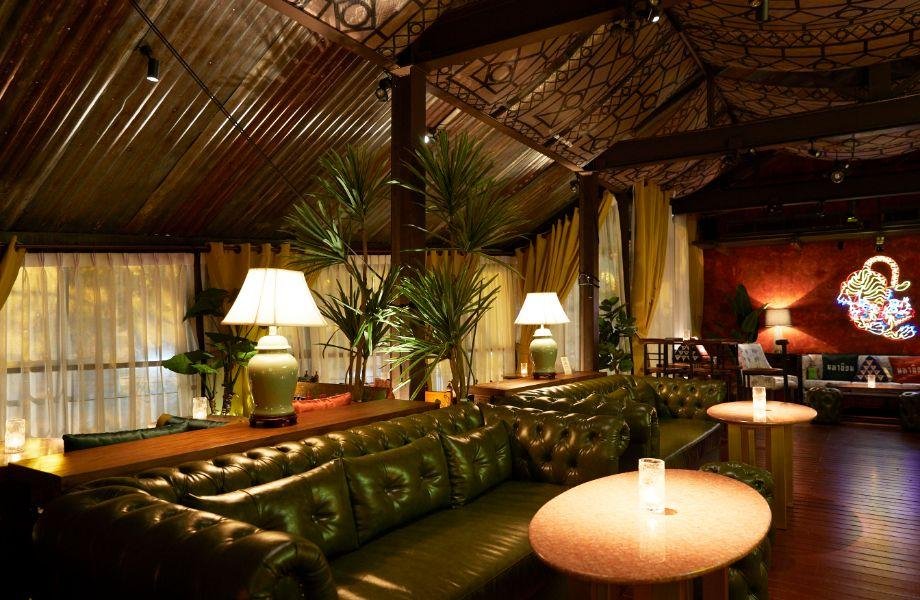
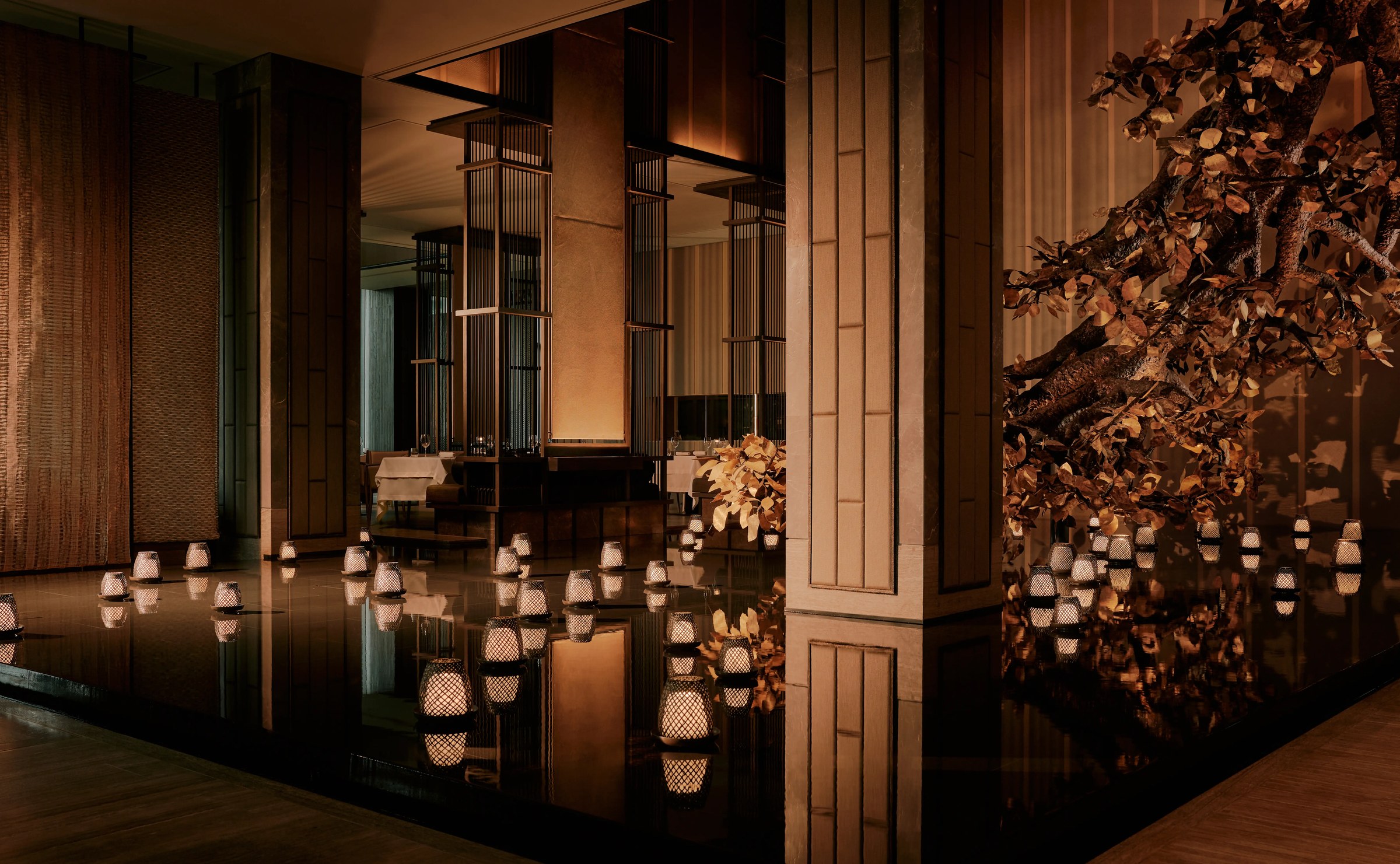
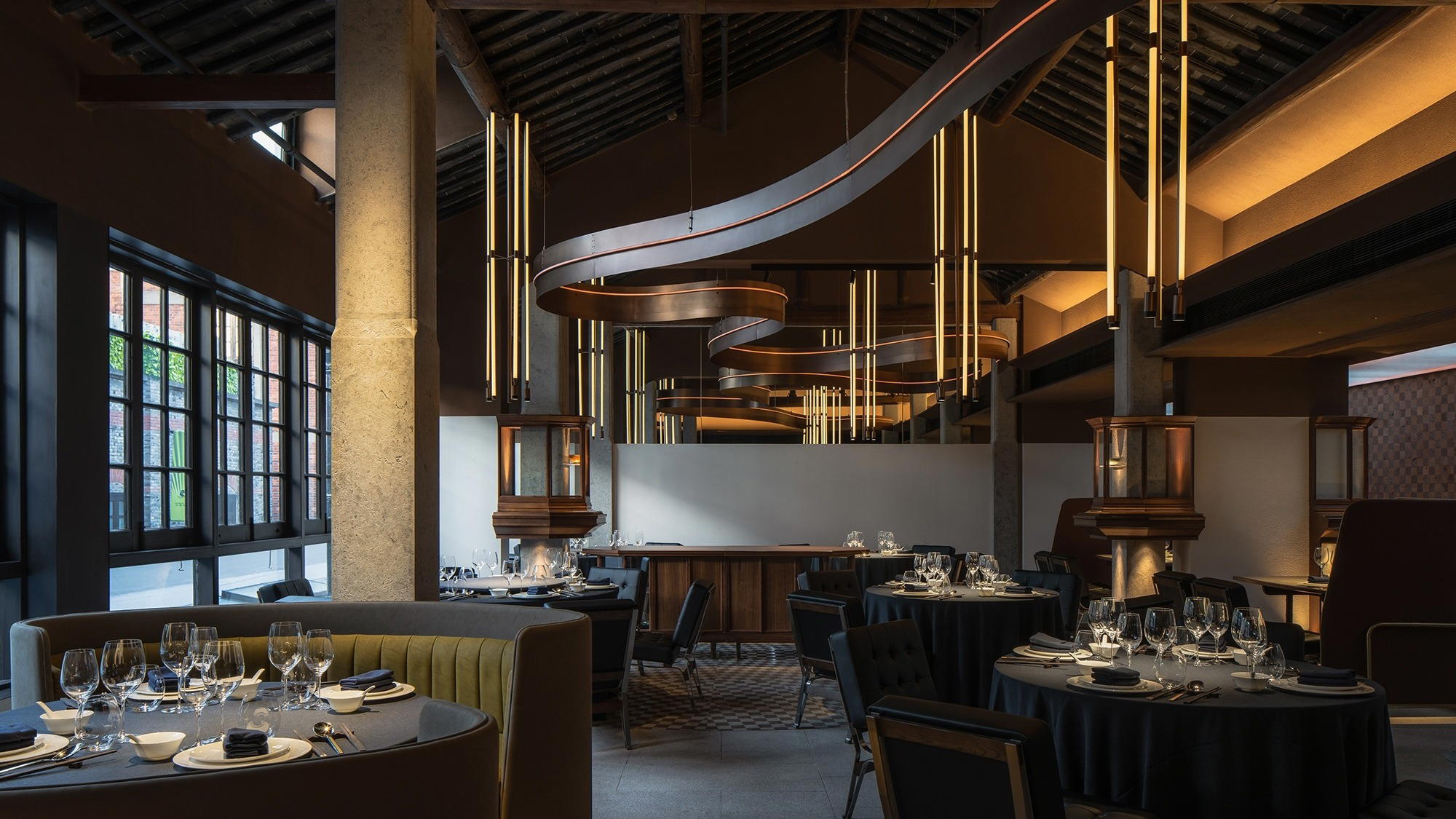
Arriving at Kinu by Takagi requires a small act of attention: the entrance is behind sliding wooden doors, which sets the tone immediately. This is not a restaurant that signals itself loudly. Inside, teakwood crosshatch flooring anchors the room, and the décor draws on both Japanese and northern Thai ceramics in a way that reads as intentional rather than decorative. The welcome takes place in a Japanese-style Minka area, where drinks are served before you move to your table. This transition from reception to dining room is built into the structure of the meal itself, and it's one of the reasons Kinu works well for occasions where arrival matters as much as the food. The physical space is small and controlled, designed for focus rather than energy. If you're looking for a room with atmosphere and noise, this is not it. If you want a room that makes a dinner feel like an event, it delivers.
The Format
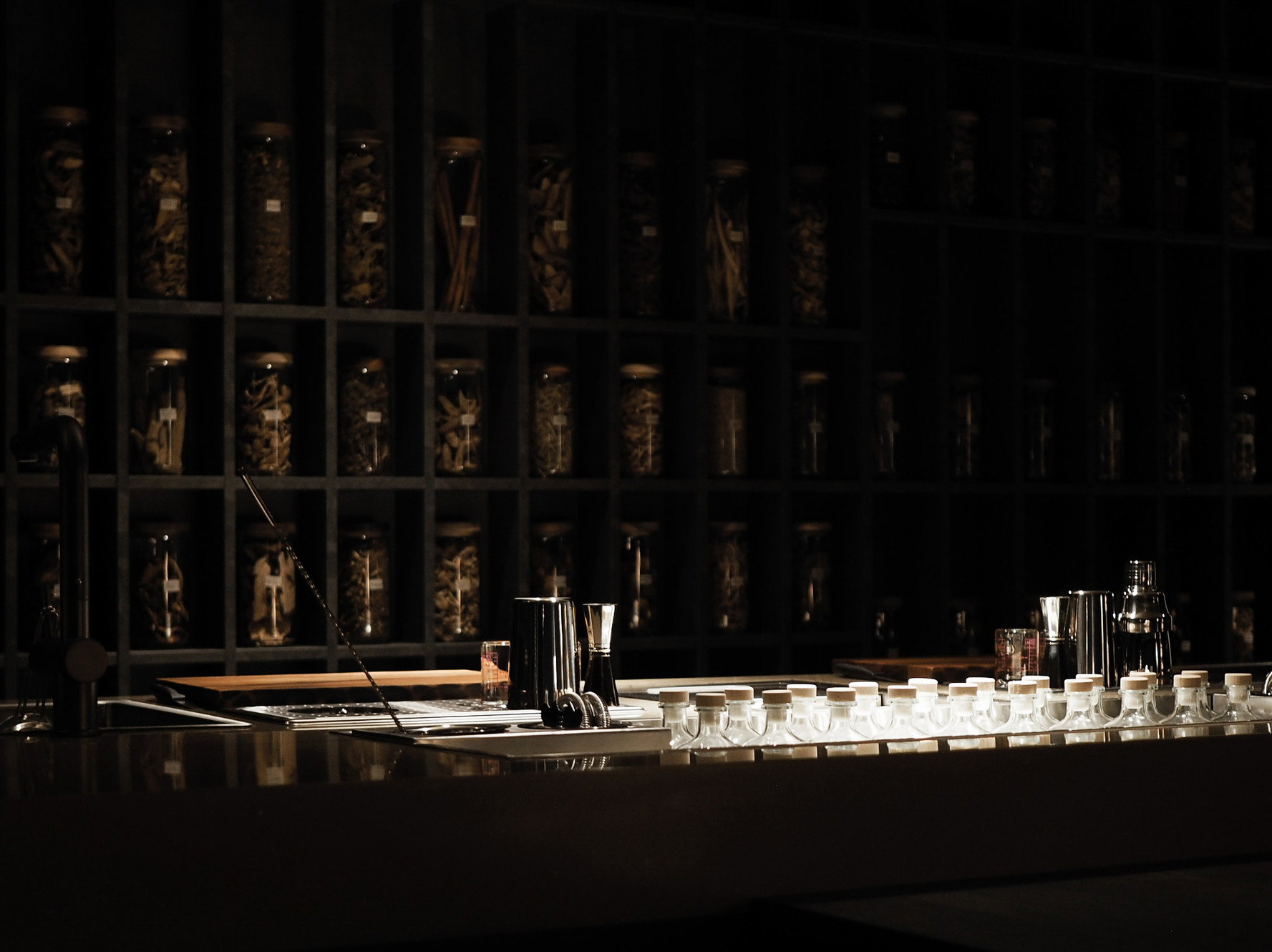
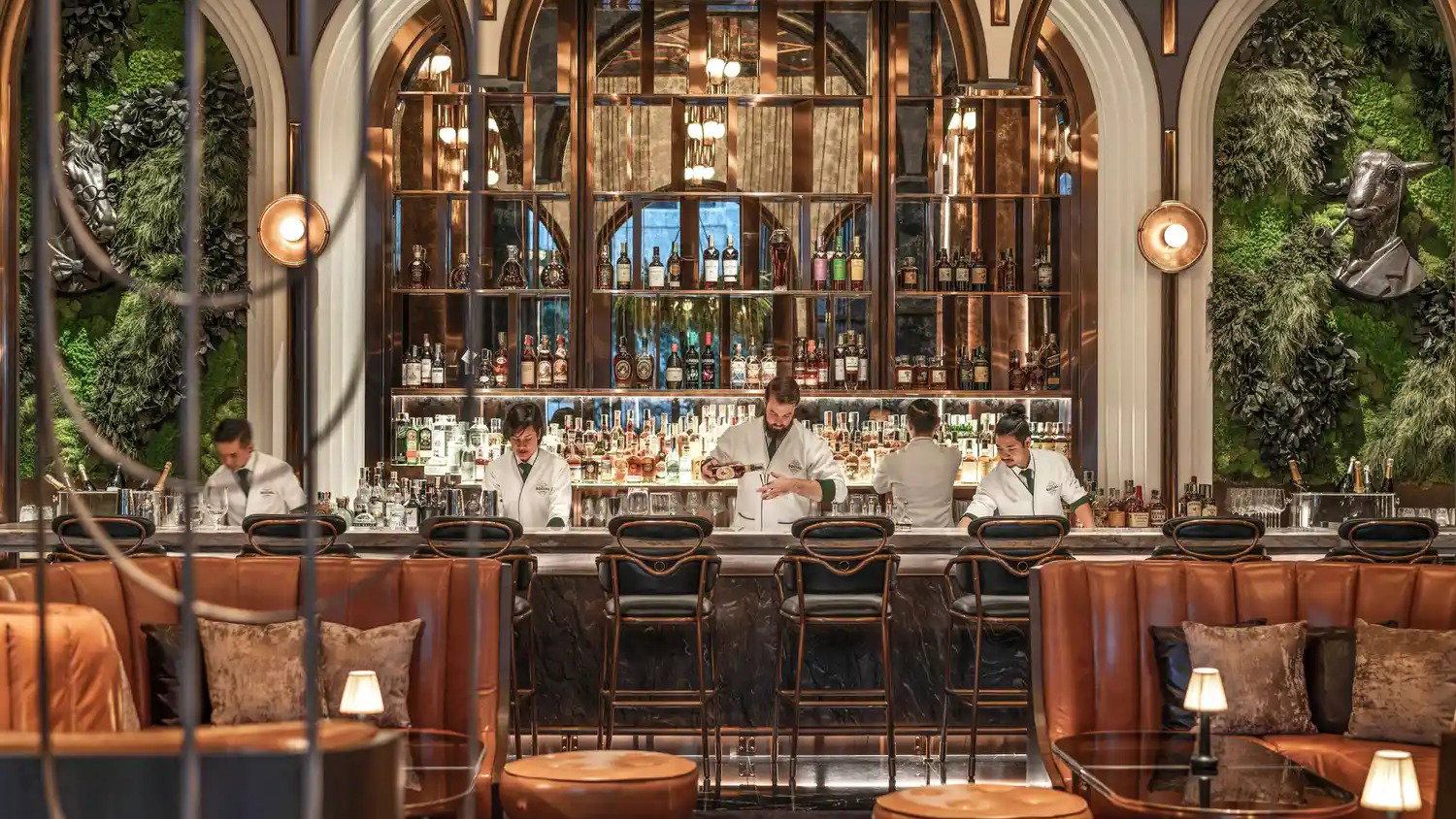
Chef Takagi's approach is Kyoto-style kaiseki, which means the meal progresses through a sequence of courses built around the natural qualities of Japanese ingredients rather than dramatic technique or theatrical presentation. The bar carries an excellent sake collection, and the meal closes with a matcha tea ceremony, a formal conclusion that distinguishes this from a standard tasting menu. The structural integrity of the kaiseki format is worth understanding before you book: you are not ordering à la carte, and the pacing is set by the kitchen. For guests who want that kind of immersive, uninterrupted progression through a meal, Kinu delivers it with visible care. For guests who prefer flexibility or want to build their own experience dish by dish, a different format would serve them better.
On Delivery and Takeout
Kaiseki does not travel. The format at Kinu by Takagi is built around sequence, temperature, ceremony, and the physical environment of the room. The matcha tea ceremony that closes the meal, the welcome drinks in the Minka area, the progression through courses at a considered pace: none of this survives a delivery box. If you are considering Kinu as a special-occasion dinner at home or an off-premise option, redirect that spend. The value here is entirely in the room. Book a table or don't engage with the format at all.
Practical Details
Booking at Kinu is currently rated easy, which makes it more accessible than several of Bangkok's other ฿฿฿฿ Japanese venues. Given that, there is no reason to delay a reservation if you have a date in mind. The seat count is not publicly listed, but the intimate setting and the ceremony-driven format suggest capacity is limited, and weekends and public holidays will fill faster than weeknights. For timing, a weeknight booking gives you the quietest, most focused version of the experience. If you are planning around a specific occasion such as an anniversary or a business dinner with a client, midweek is the call. The bar's sake collection means there is depth for guests who want to extend the evening beyond the formal tea ceremony close. Dress expectations are not published, but the ฿฿฿฿ tier and the formality of the kaiseki setting make smart casual the sensible floor. There is no publicly listed phone or website in Pearl's current data, so approach booking through your hotel concierge or a reservation platform if a direct line isn't immediately apparent.
How It Compares
Among Bangkok's ฿฿฿฿ Japanese restaurants, Kinu sits in a specific register that is worth understanding before you decide. For broader Japanese dining in Bangkok, Yamazato offers a different scale and style of Japanese cuisine, while Den Kushi Flori and Gen (Vadhana) represent other directions in the city's Japanese dining range. If you want yakitori rather than kaiseki, Shirokane Tori-Tama is worth knowing. For Southern Thai at the same price tier, Sorn is the comparison to make. Outside Bangkok, PRU in Phuket and AKKEE in Pak Kret are worth noting if your travels take you further. For kaiseki reference points in Tokyo, Myojaku and Azabu Kadowaki give you a sense of the category at its most demanding. You can explore the full Bangkok fine dining picture through our full Bangkok restaurants guide, and if you're planning a broader trip, our Bangkok hotels guide, bars guide, and experiences guide are worth reviewing alongside it.
Part of
Mandarin Oriental116 locations on PearlLocated inside
 HotelMandarin Oriental BangkokFull hotel guide
Planning details
- Location
- Kinu by Takagi, Bangkok, Thailand
- Reservations
- Book on SevenRooms
- Website
- mandarinoriental.com/en/bangkok/chao-phraya-river/dine/kinu-by-takagi
- Phone
- +66 2 659 9000
The take
The Take
The Vibe
Kinu by Takagi feels deliberately restrained and quietly refined. Entry through sliding wooden doors sets a measured tone before you see the teak crosshatch flooring and a curated mix of Japanese and northern Thai ceramics. The room balances technical precision with a tangible domestic warmth—the Minka arrival area softens the formality and eases guests into the ritual of kaiseki. Service and pacing are intentional: courses arrive in a disciplined sequence, and the space keeps conversation low so the composition of each plate becomes the focus. It’s an understated, craft-forward dining room that privileges restraint over spectacle.
Best For
This is a destination for carefully staged dinners and milestone occasions. The kitchen’s 10-course kaiseki tasting menu and signature preparations—Wagyu with black truffle, Tottori crab, grilled pomfret—make it ideal for date nights, celebrations, and any evening when the meal itself is the program. The intimate room and choreographed service favor small parties who want time and attention rather than a bustling night out. Expect a quietly formal dining experience that rewards patience and an appetite for seasonal, multi-course Japanese ritual.
Ordering Tips
Book the full kaiseki tasting menu and allow ample time—this is a paced, multi-course service rather than a quick meal. Arrive for the welcome sequence in the Minka area to enjoy arrival drinks before the first course. The menu is highly composed and seasonal, so highlight any allergies or strong preferences when you reserve; signature items such as Wagyu, Tottori crab and Miyazaki eel are often featured. Reservations are recommended given the intimate room format and the restaurant’s focus on disciplined timing and craft.
Venue details
Ambiance
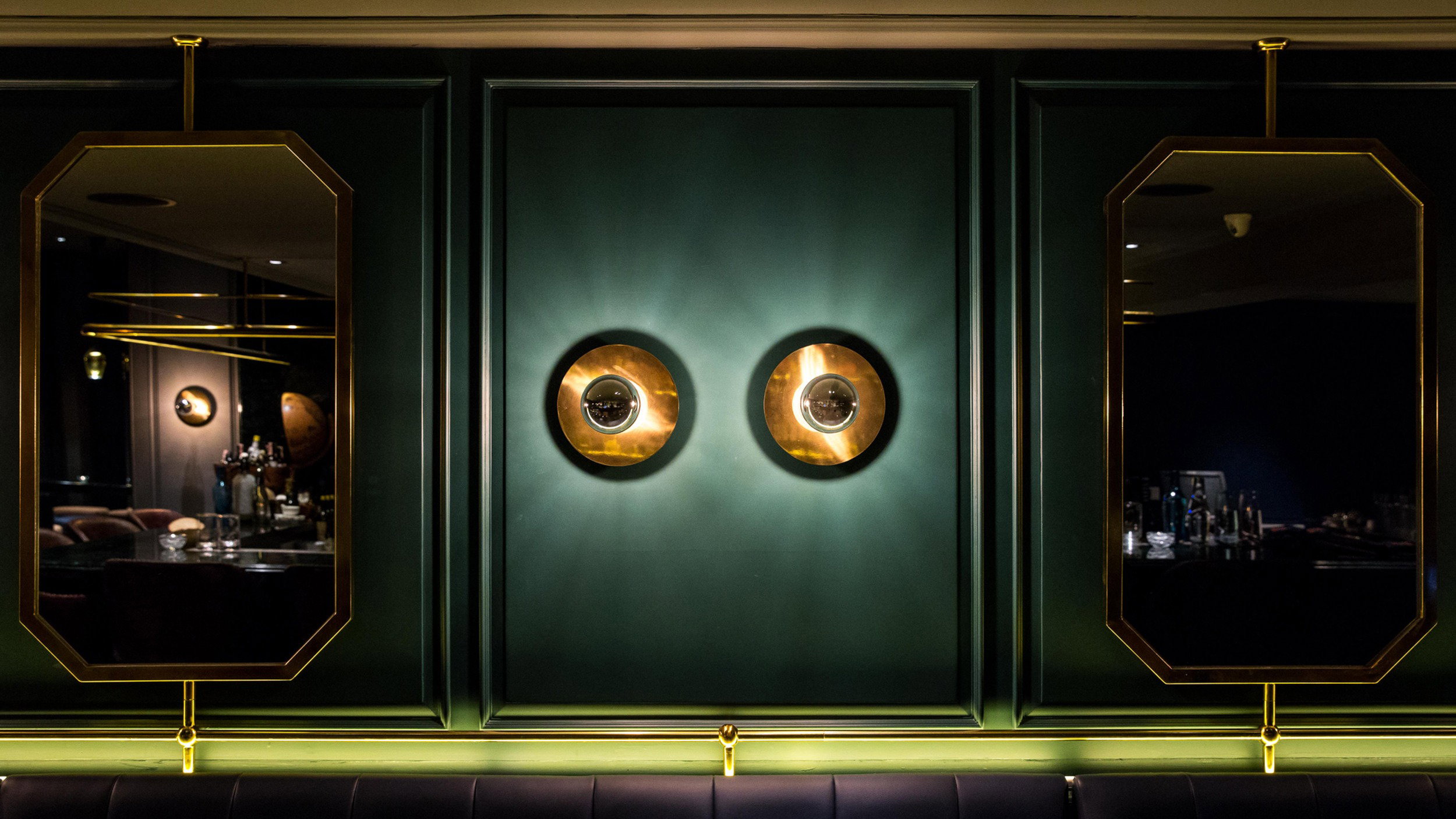
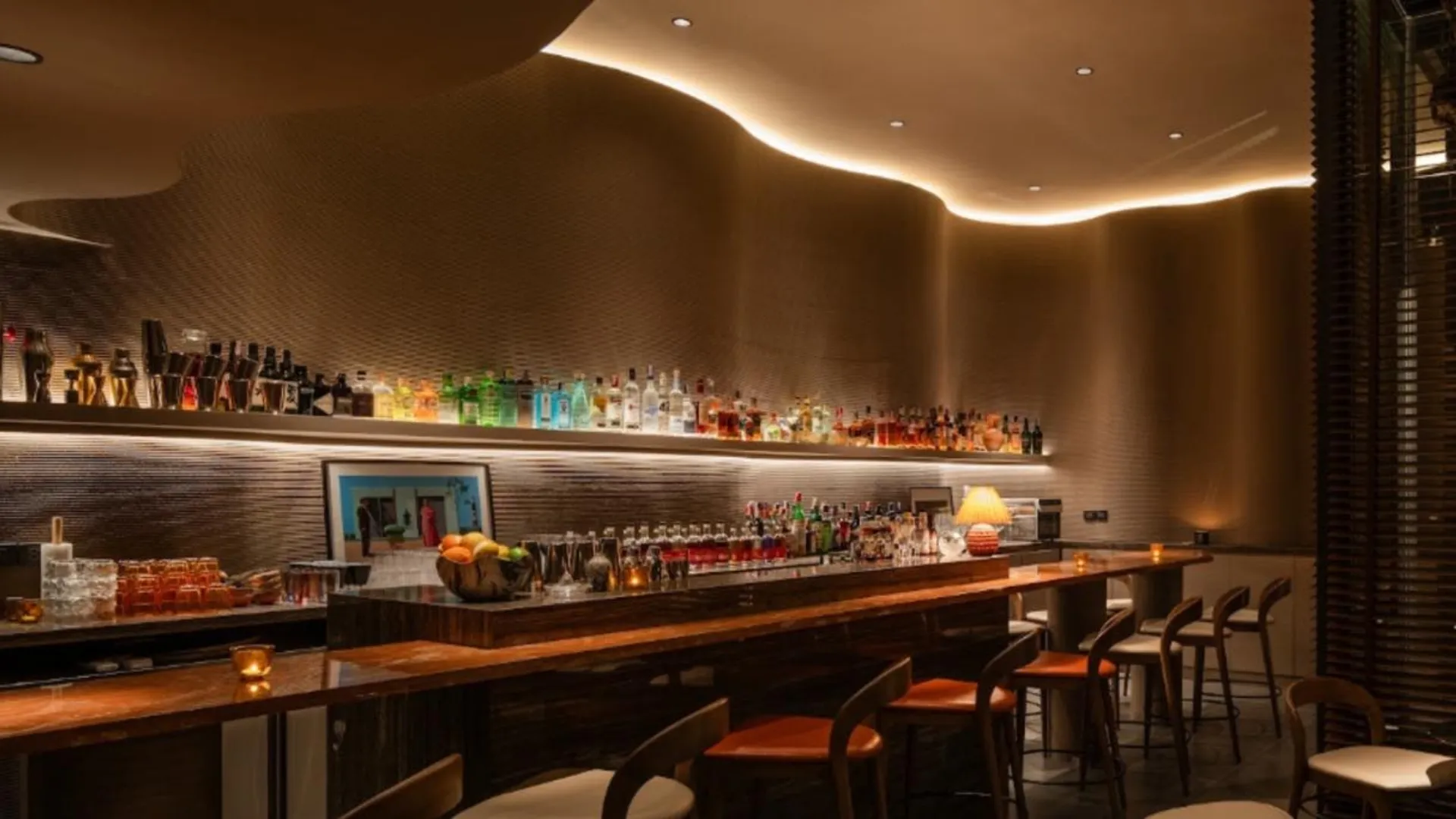
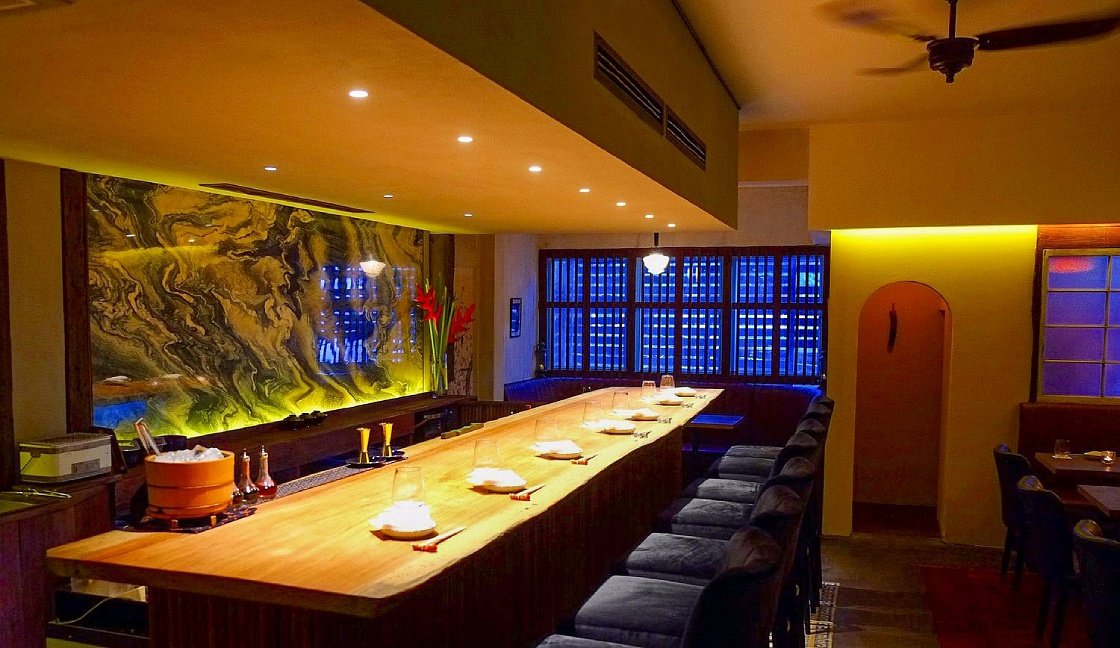
Dim lighting with a polished wooden dining bar, shibori-dyed fabric chairs, and handmade Japanese tableware create an upscale, serene atmosphere that evokes dining in a high-end Kyoto restaurant.
Tags
Vibe
Best For
Experience
Sourcing
At the Table
- Dress Code
- Formal
- Noise Level
- Quiet
- Service Style
- Omakase Bar
- Meal Pacing
- Extended Experience
- Capacity
- Intimate
- Kitchen
- Traditional
- Menu Format
- Omakase, Tasting menu, Counter dining
- Wine Program
- Curated
- Drinks Focus
- Sake
- Dietary
- Pescatarian friendly, Allergy accommodating
Signature Dishes
- 10-course kaiseki tasting menu
- Wagyu beef with black truffle
- Tottori crab
- Grilled pomfret
- Miyazaki eel with red miso soup
Know before you go
Know Before You Go
- Getting there
- Kinu by Takagi, Bangkok, Thailand
Planning details
Location
Kinu by Takagi, Bangkok, Thailand · Directions
mandarinoriental.com/en/bangkok/chao-phraya-river/dine/kinu-by-takagi
Recognition and awards
Also consider
Also Consider
- Sorn, Southern Thai, ฿฿฿฿
- Baan Tepa, Thai contemporary, ฿฿฿฿
- Gaa, Modern Indian, Indian, ฿฿฿฿
- Côte by Mauro Colagreco, Mediterranean, Modern Cuisine, ฿฿฿฿
- Sühring, German, ฿฿฿฿
Restaurant context
At Bangkok's ฿฿฿฿ tier, Kinu by Takagi occupies a specific position: it is the only venue in this comparison set built around Kyoto-style kaiseki, which makes direct competition less straightforward than it looks. If the question is which ฿฿฿฿ restaurant delivers the most immersive, ceremony-driven Japanese experience in the city, Kinu is the answer. If the question is which venue in this tier is most likely to generate conversation across a group with mixed tastes, Sühring and Gaa offer more varied menus and a less fixed format, making them easier choices for tables where consensus is needed.
For guests choosing between Kinu and Bangkok's Thai fine dining options at the same price, the comparison comes down to what you want the evening to represent. Sorn is the strongest case for Thai cuisine at this level, with a Southern Thai focus and a reputation that has placed it on the Asia's 50 Best list. Baan Tepa offers Thai contemporary cooking in a setting that leans more into local identity. If the priority is supporting a venue with deep roots in Thai culinary tradition, either of those venues makes a stronger argument than Kinu on those specific terms. Kinu's case rests on its Japanese specificity and the formal kaiseki structure.
Côte by Mauro Colagreco is the comparison to reach for if Mediterranean and modern European cooking is on the table as an alternative. It carries more international name recognition from the Colagreco brand and may suit guests who want a globally recognised chef's profile attached to the spend. Kinu does not compete on that axis. Its strength is the integrity of the kaiseki format and the quality of the room, both of which are better suited to a guest who wants a specifically Japanese experience rather than a globally positioned fine dining evening.
Explore Bangkok
Around this place
Discover more on Pearl
Unlock the full Kinu by Takagi guide in Pearl, including awards, comparisons, FAQs, planning details, and nearby places.
Compare Kinu by Takagi
| Venue | Cuisine | Price | Booking Difficulty | Awards |
|---|---|---|---|---|
| Kinu by Takagi | Japanese | ฿฿฿฿ | Easy | 2026 Michelin Plate2025 Michelin Plate2024 Michelin Plate |
| Sorn | Southern Thai | ฿฿฿฿ | Unknown | 2026 OAD Top Restaurants in Asia Ranked · #12026 Asia's 50 Best Restaurants · #12Star Wine Lists 20262026 Black Pearl 1 Diamond2026 La Liste Top Restaurants2026 Michelin 3 Stars2025 OAD Top Restaurants in Asia Ranked · #12025 Asia's 50 Best Restaurants · #162025 World's 50 Best Restaurants · #17 |
| Baan Tepa | Thai contemporary | ฿฿฿฿ | Unknown | 2026 OAD Top Restaurants in Asia Ranked · #262026 Asia's 50 Best Restaurants · #532026 Black Pearl 1 Diamond2026 Les Grandes Tables du Monde Members2026 La Liste Top Restaurants2026 Michelin 2 Stars2025 OAD Top Restaurants in Asia Ranked · #362025 Asia's 50 Best Restaurants · #44We're Smart World Top Restaurants 2025 |
| Gaa | Modern Indian, Indian | ฿฿฿฿ | Unknown | Star Wine Lists 2026 · #12026 OAD Top Restaurants in Asia Ranked · #832026 Asia's 50 Best Restaurants · #952026 Black Pearl 1 Diamond2026 Michelin 2 Stars2026 La Liste Top Restaurants2025 OAD Top Restaurants in Asia Ranked · #612025 Asia's 50 Best Restaurants · #65We're Smart World Top Restaurants 2025 |
| Côte by Mauro Colagreco | Mediterranean, Modern Cuisine | ฿฿฿฿ | Unknown | 2026 OAD Top Restaurants in Asia Ranked · #642026 Asia's 50 Best Restaurants · #91Star Wine Lists 20262026 Michelin 2 Stars2026 La Liste Top Restaurants2025 Asia's 50 Best Restaurants · #752025 OAD Top Restaurants in Asia Ranked · #84World's Best Wine Lists 20252025 Michelin 2 Stars |
| Sühring | German | ฿฿฿฿ | Unknown | Star Wine Lists 2026 · #12026 OAD Top Restaurants in Asia Ranked · #142026 Asia's 50 Best Restaurants · #182026 Black Pearl 2 Diamond2026 Relais Chateaux Restaurants2026 Wine Spectator Best of Award of Excellence2026 Les Grandes Tables du Monde Members2026 La Liste Top Restaurants2026 Michelin 3 Stars |













A quick look at how Kinu by Takagi measures up.
FAQ
Frequently Asked Questions
What should a first-timer know about Kinu by Takagi?
The entrance is behind sliding wooden doors — easy to miss, intentionally so. Inside, you're in a Kyoto-style kaiseki format: a set sequence of courses built around the natural qualities of Japanese ingredients, ending with a matcha tea ceremony. Welcome drinks are served in a Japanese-style Minka area before the meal begins. This is a full-evening commitment, not a drop-in dinner.
How far ahead should I book Kinu by Takagi?
Booking is currently rated easy relative to Bangkok's other ฿฿฿฿ Japanese venues, which means you don't need to plan weeks out. That said, kaiseki restaurants run on fixed seatings and small covers, so booking a few days ahead is sensible. Last-minute walk-ins are unlikely to work in a format this structured.
What should I wear to Kinu by Takagi?
The space combines Japanese and Thai design references — teakwood flooring, Japanese and northern Thai ceramics, sliding wooden doors — and the kaiseki format is formal by nature. Dress neatly: polished casual at minimum, formal or business-casual if that's your register. The room will make underdressed guests feel it.
Is the tasting menu worth it at Kinu by Takagi?
If you're coming specifically for Kyoto-style kaiseki, yes. Chef Takagi's format focuses on the natural qualities of top Japanese ingredients, and the meal closes with a matcha tea ceremony — details that reflect a commitment to the full kaiseki structure rather than a condensed version of it. If you want something more casual or a la carte, this format isn't designed for you.
What are alternatives to Kinu by Takagi in Bangkok?
For Thai fine dining at a comparable price point, Sorn and Baan Tepa are the primary alternatives, though the cuisine and format are entirely different. Sühring covers European fine dining with similar ceremony and price. If you want Japanese but a different register, Côte by Mauro Colagreco sits at ฿฿฿฿ with a French-Mediterranean focus. Kinu is the clearest choice if Kyoto kaiseki specifically is what you're after.
Is Kinu by Takagi worth the price?
At ฿฿฿฿, Kinu holds a Michelin Plate for 2024 and 2025, which confirms it clears the basic quality threshold for the category. The real question is format fit: kaiseki is a structured, ceremonial meal and the price reflects the full experience — space, sequence, sake programme, and tea ceremony. If that's what you're buying, the value case is solid. If you'd rather eat Japanese food in a more flexible setting, the price-to-experience ratio shifts.
Can I eat at the bar at Kinu by Takagi?
The bar at Kinu by Takagi is noted for its sake collection, but the venue's format is kaiseki — a structured multi-course meal — rather than a walk-in bar-dining concept. The bar functions as part of the overall experience rather than a standalone counter you can book independently. Confirm with the venue directly if bar-only seating is something you're specifically looking for.