.png?width=1200&quality=80)
Den Kushi Flori
Japanese · Siam Square, Bangkok
Restaurant in Bangkok, Thailand
 Book with Pearl
The Read
Kushi-Format Precision
Price
$50–100per person
Dress
Smart Casual
Why go
Den Kushi Flori is Bangkok's most focused kushi-format tasting venue at the ฿฿฿฿ tier, holding a Michelin Plate in both 2024 and 2025 and. The skewer-led tasting progression is the experience — not a casual meal. Book a few days ahead on weekdays; the room is easier to secure than most Michelin-recognised peers at this price point.
About Den Kushi Flori
Should You Book Den Kushi Flori?
If you have already been once, the question on a return visit is whether the experience holds up or whether familiarity dulls it. At Den Kushi Flori, the answer leans toward holding up — the Michelin Plate recognition in both 2024 and 2025 suggests a kitchen operating with consistency rather than coasting. For a first-timer weighing ฿฿฿฿ pricing against Bangkok's crowded Japanese fine-dining field, this is a credible choice, though the decision depends on how much the kushi format matters to you specifically.
The Experience: What to Expect
Den Kushi Flori sits in the crossover between Japanese precision and something more contemporary in feel. The kushi format — skewered, grilled cooking, gives the meal a structure that differs from omakase sushi or kaiseki. Each course arrives on a stick, which sounds casual but in this tier of restaurant becomes a vehicle for careful sourcing and technical control. The progression of a meal here follows the logic of a tasting menu: lighter, more delicate items early, richer flavours building through the middle, a considered close. That arc is what you are paying for, not simply the sum of individual skewers.
For a first-timer, it helps to arrive with that architecture in mind. Do not treat early courses as appetisers to rush through. The pacing is deliberate, and the kitchen is signalling something with each transition. If you have eaten at Kinu by Takagi or Gen (Vadhana), you will recognise a similar attentiveness to sequence, though the format here is distinctly its own.
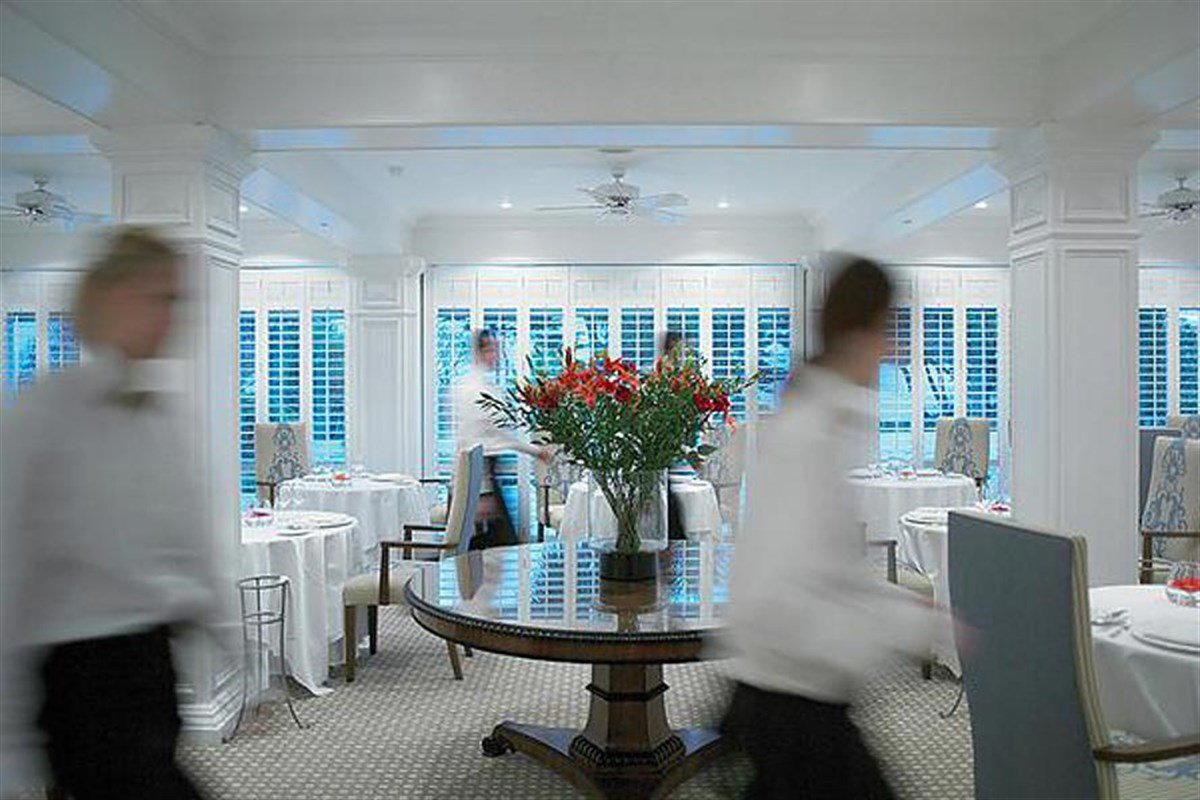
The atmosphere reads as composed rather than formal. Noise levels at this category of Bangkok Japanese restaurant tend to be low enough for conversation without requiring effort, which makes it a workable choice for a dinner where the table talk matters as much as the food. It is not a room that buzzes with energy, the mood is more controlled, focused on what is in front of you. If you want a livelier environment, this is not the right call.
Ratings and Trust Signals
The Michelin Plate in both 2024 and 2025 confirms the kitchen is working at a level the guide considers worth flagging, even if it has not moved to a star. In Bangkok's Japanese dining tier, that puts it above the everyday and below the Michelin-starred rooms like Yamazato or Shirokane Tori-Tama. For context on what Michelin recognition means at this level in Japan's home market, consider how restaurants like Myojaku and Azabu Kadowaki in Tokyo occupy a similar band of recognition.
Booking and Timing
Booking difficulty is rated Easy, which is a genuine advantage at the ฿฿฿฿ price tier. You are not competing with a months-long waitlist. That said, easy does not mean walk-in friendly at this level, book at least a few days out for weekday seats, and a week or more ahead for weekends. Current season in Bangkok runs warm through most of the year, but the November-to-February window brings slightly cooler evenings that make the dining experience more comfortable if you prefer to avoid the city's heat. There is no confirmed hours data available, so confirm service times directly before visiting.
Practical Details
| Detail | Den Kushi Flori | Kinu by Takagi | Gen (Vadhana) |
|---|---|---|---|
| Cuisine | Japanese (kushi) | Japanese (kaiseki) | Japanese (contemporary) |
| Price tier | ฿฿฿฿ | ฿฿฿฿ | ฿฿฿฿ |
| Michelin recognition | Plate (2024, 2025) | Check Pearl listing | Check Pearl listing |
| Booking difficulty | Easy | Moderate | Moderate |
| Format | Tasting / kushi | Tasting / kaiseki | Tasting / contemporary |
| Good for conversation | Yes | Yes | Yes |
How It Compares
See the full comparison section below for how Den Kushi Flori stacks up against Bangkok's other ฿฿฿฿ tasting menu venues.
Pearl Picks: More to Explore
- Sorn (Southern Thai), if you want to go deeper into Thai tasting menus at the same price tier
- AKKEE in Pak Kret, worth the trip outside central Bangkok for serious Thai cooking
- PRU in Phuket, if you are extending the trip south
- Aquila in Chiang Mai, for a northern Thailand counterpoint
- Ayutthayarom in Phra Nakhon Si Ayutthaya, a day-trip option with serious culinary credentials
- Our full Bangkok restaurants guide, for the broader picture across all cuisines and price tiers
- Our full Bangkok hotels guide, where to stay near Bangkok's fine dining corridor
- Our full Bangkok bars guide, for a pre- or post-dinner drink
- Our full Bangkok experiences guide, how to build the rest of the day around dinner
Planning details
- Location
- Den Kushi Flori, Bangkok, Thailand
- Website
- denkushifloribkk.com
- Phone
- +66 2 022 0200
The take
The Take
The Vibe
Den Kushi Flori reads as a considered, restrained expression of premium Japanese dining in Bangkok. The copy places it squarely in the ฿฿฿฿ tier and highlights consecutive Michelin Plate recognition, so the emphasis is on steady, technically confident cooking rather than flash. Language about 'the room is considered' and the broader Tokyo-influenced omakase tradition in the city implies a calm, focused dining environment where details and ingredients take center stage. Expect a composed, quietly refined atmosphere that prioritizes culinary precision.
Best For
This is a destination for diners who want reliable, high-caliber Japanese cooking — the sort of meal you choose for an important evening. The write-up frames Den Kushi Flori within Bangkok’s premium dining bracket and notes consecutive Michelin Plate listings, which makes it especially appropriate for dinner, business meals, and occasions when the quality of the kitchen matters. It rewards diners looking for careful, practiced technique and a room that supports attentive service and focused conversation.
Venue details
Ambiance
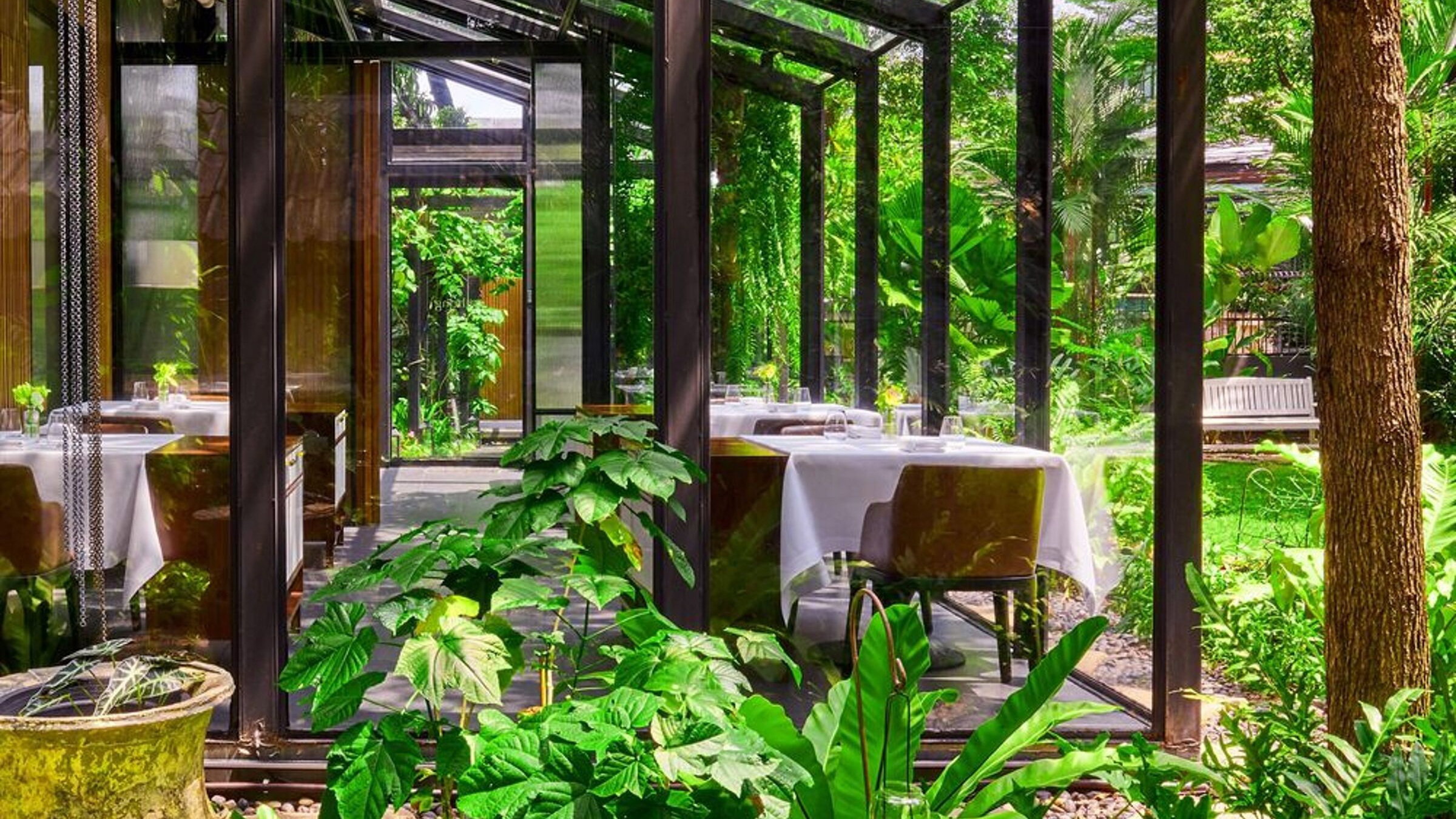
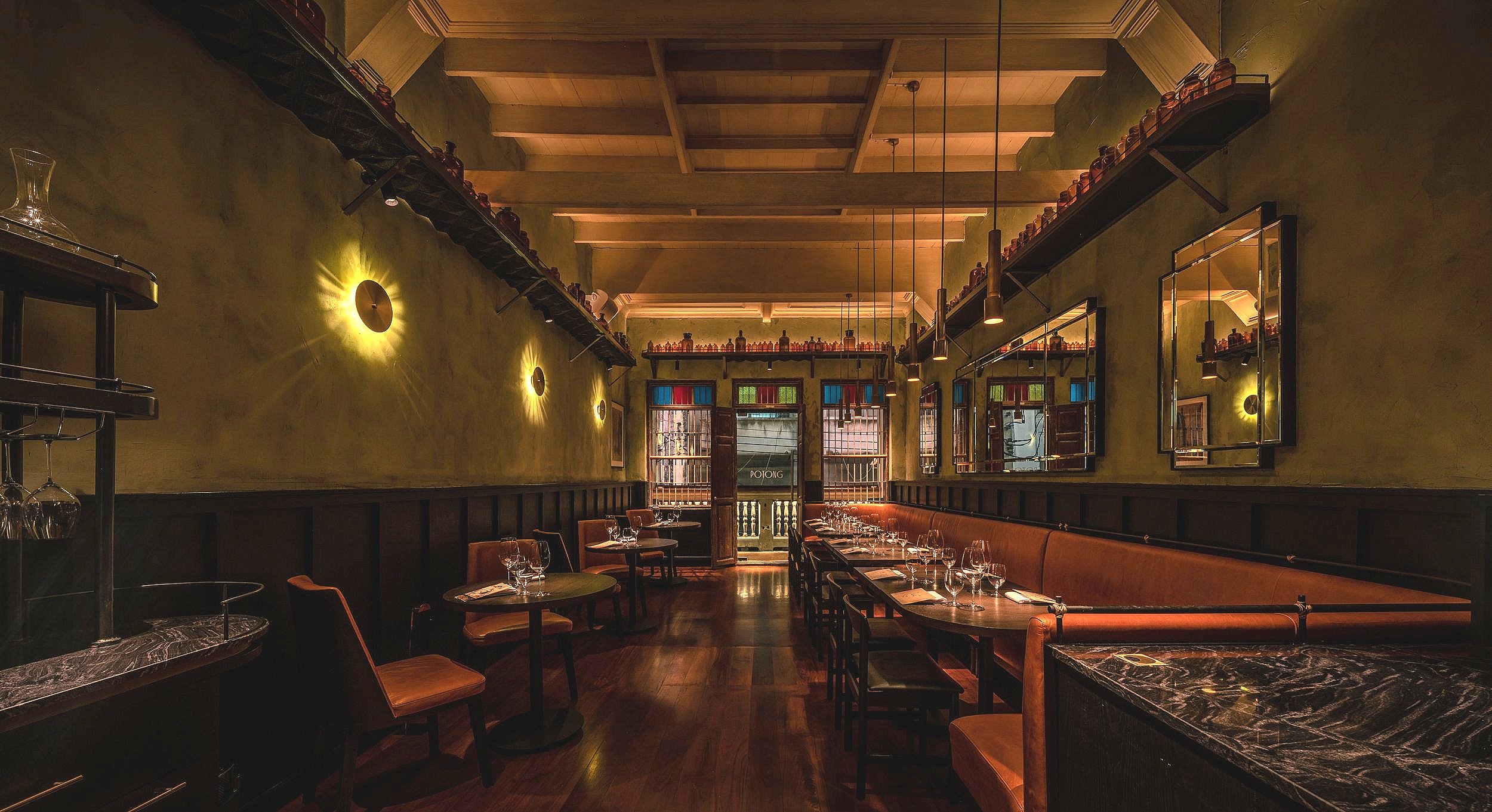
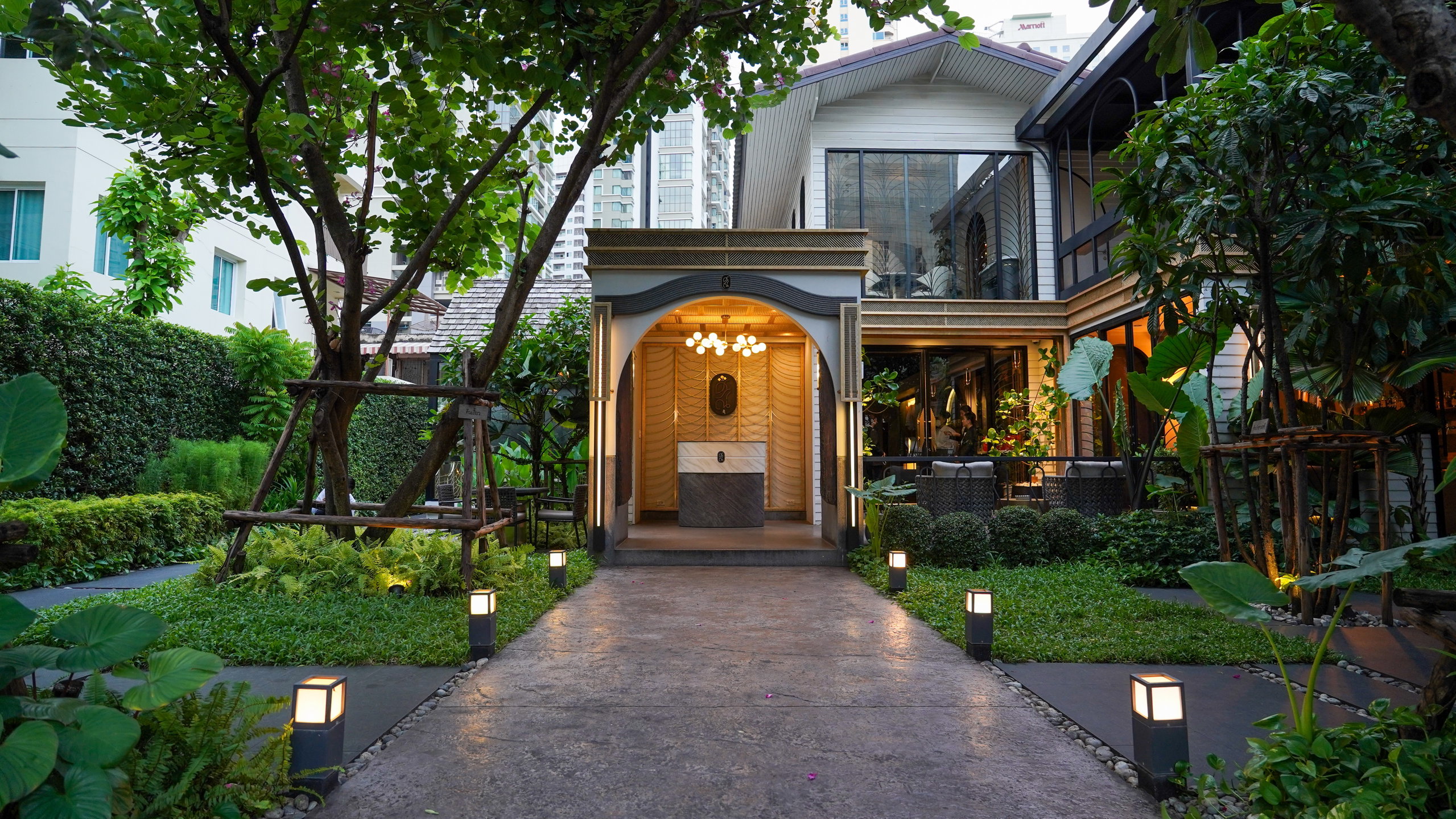
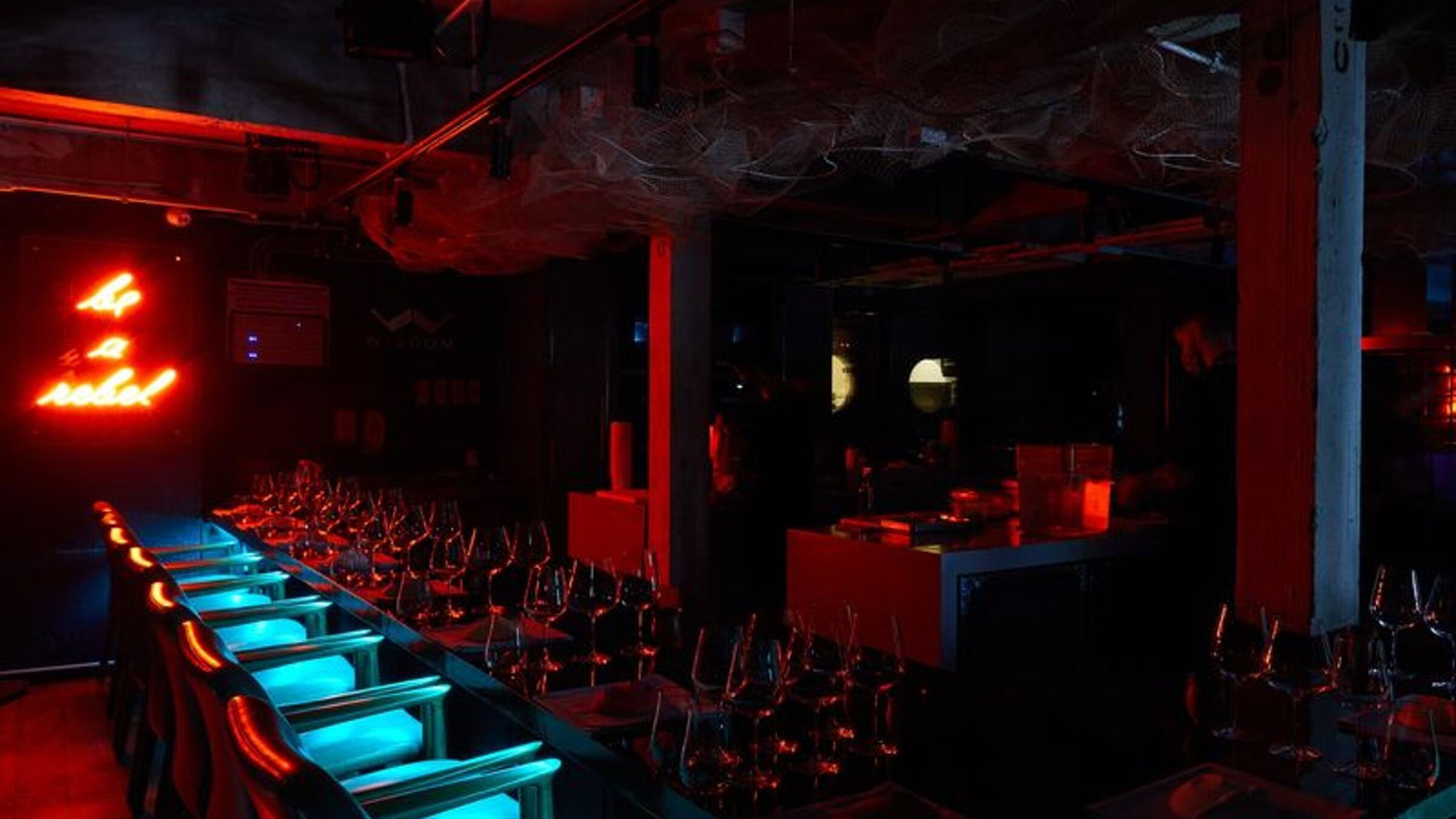
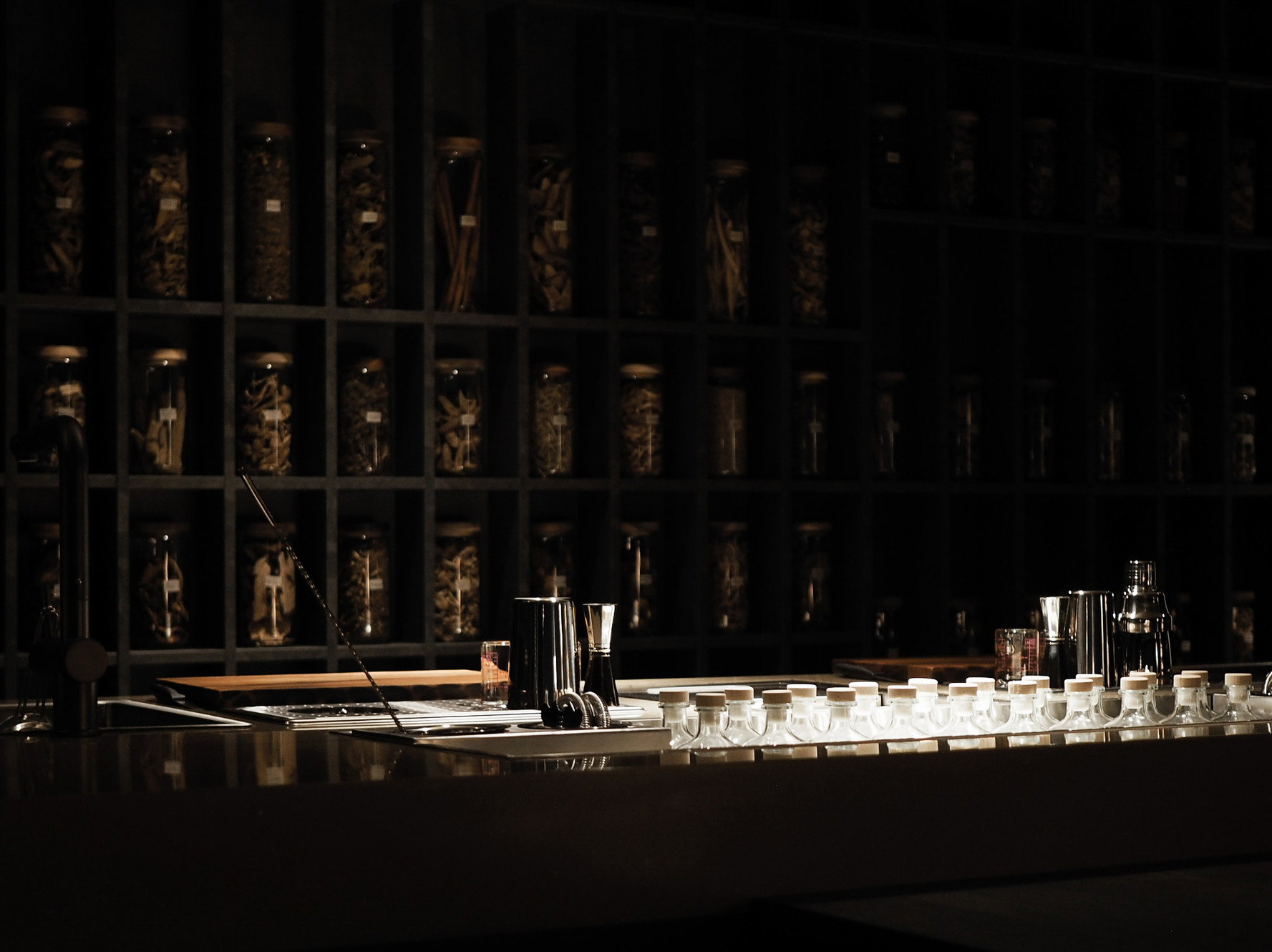
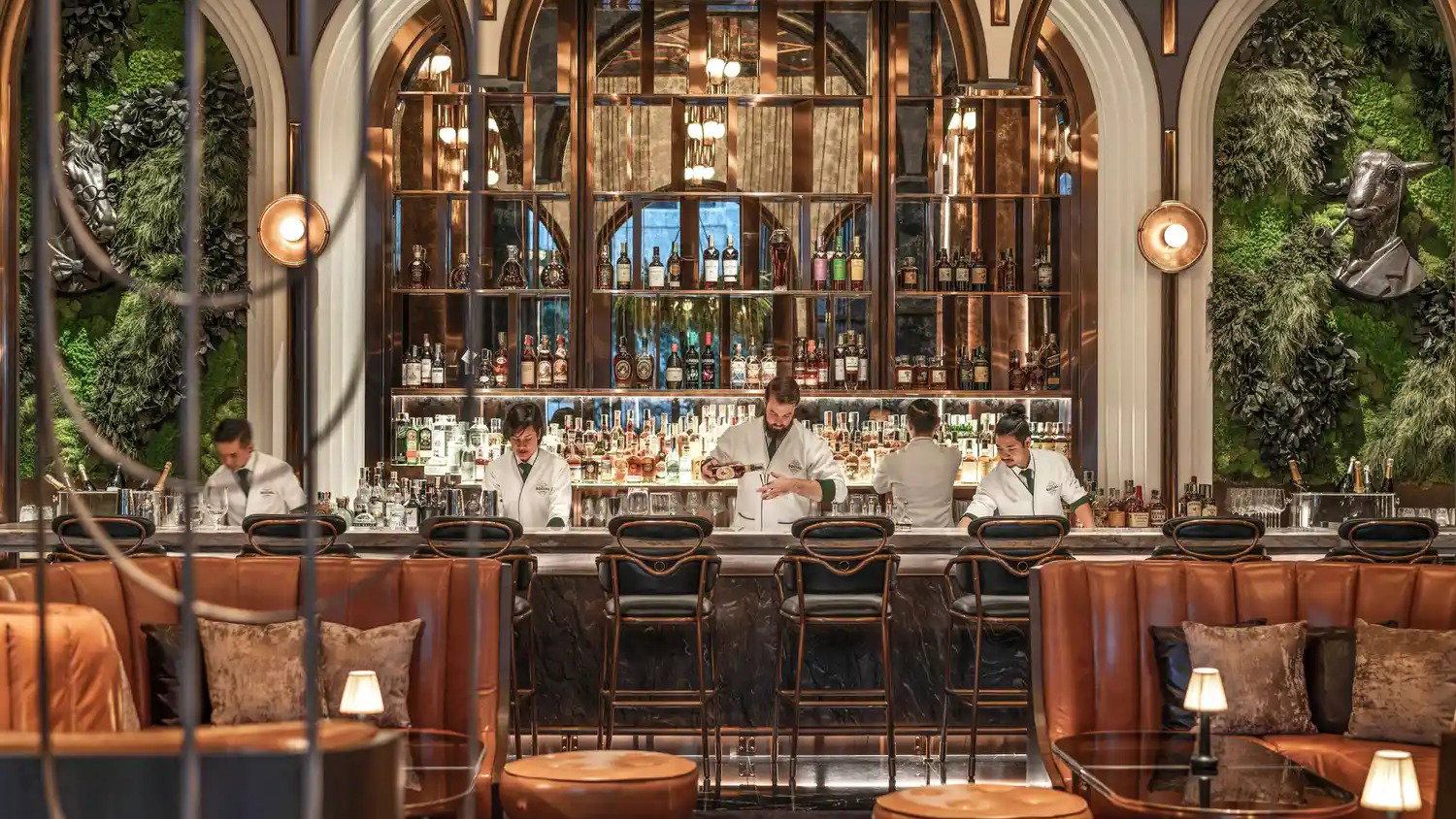
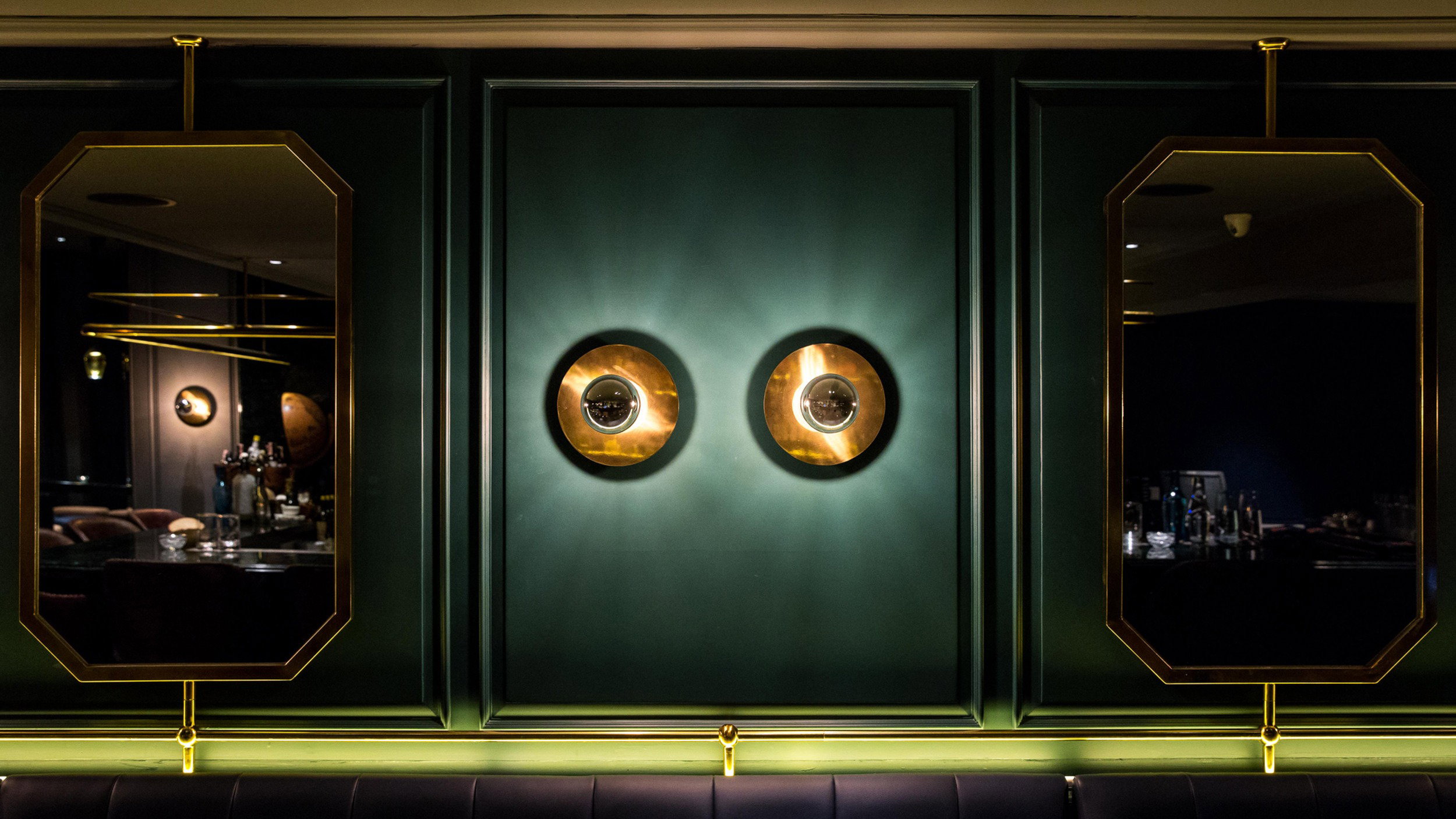
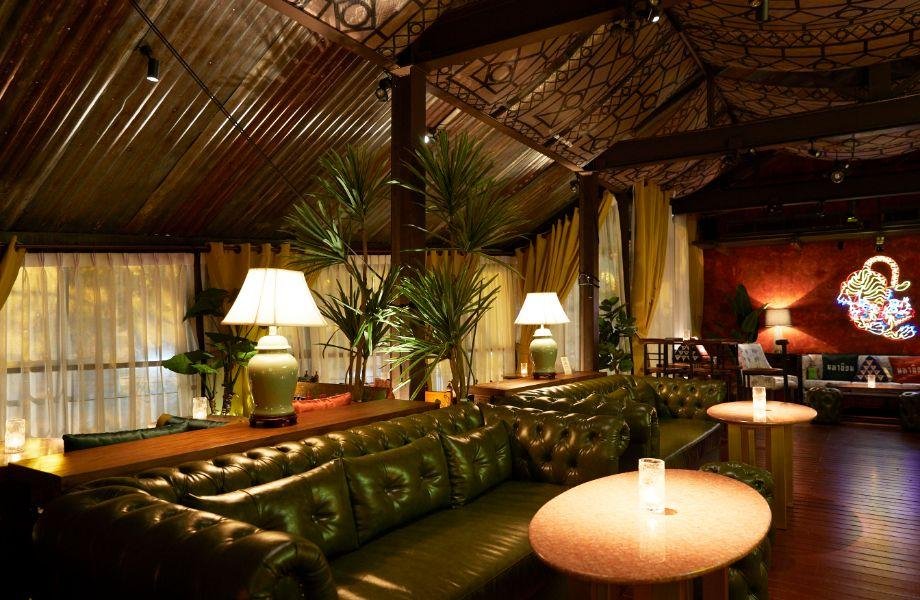
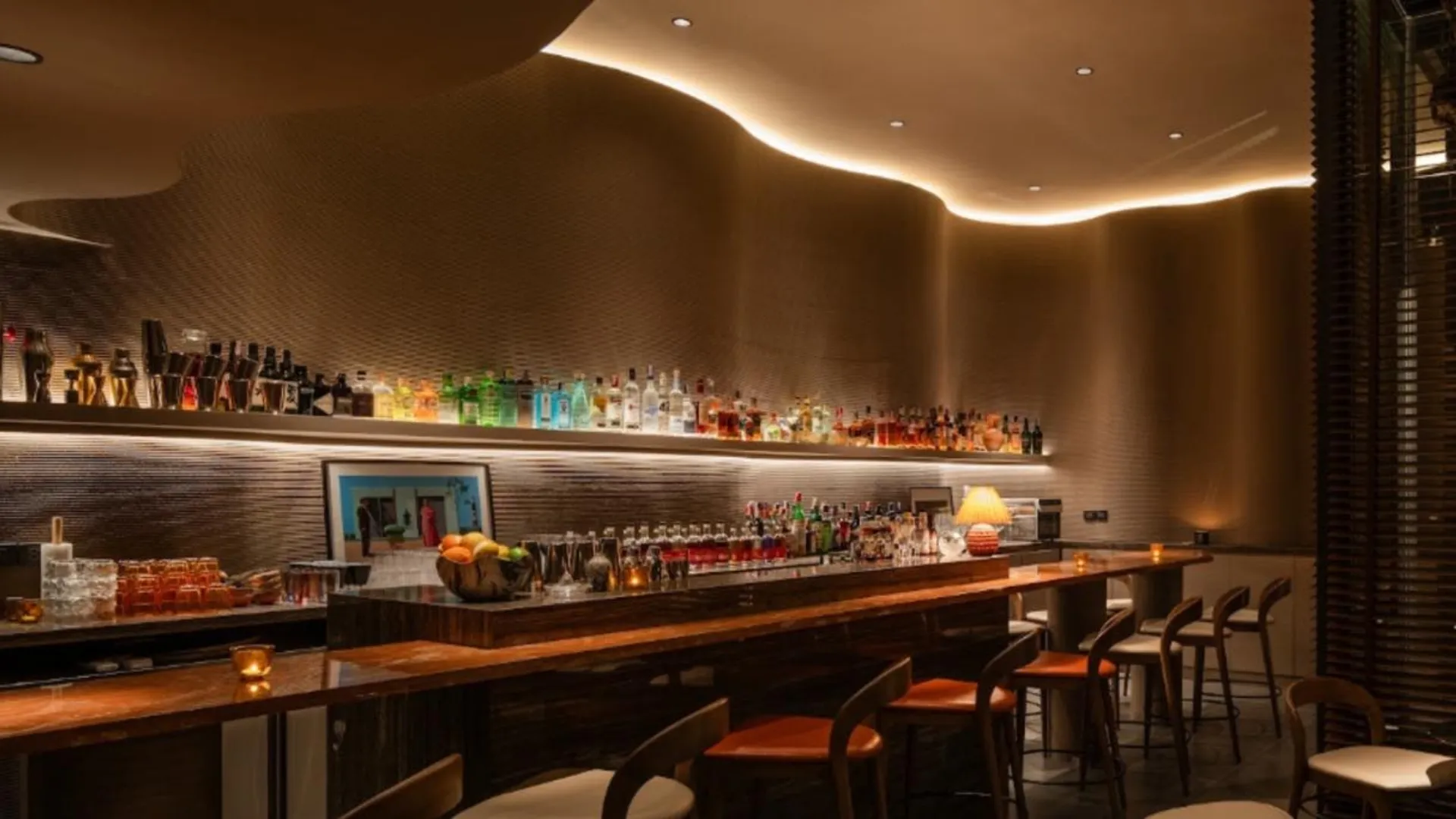
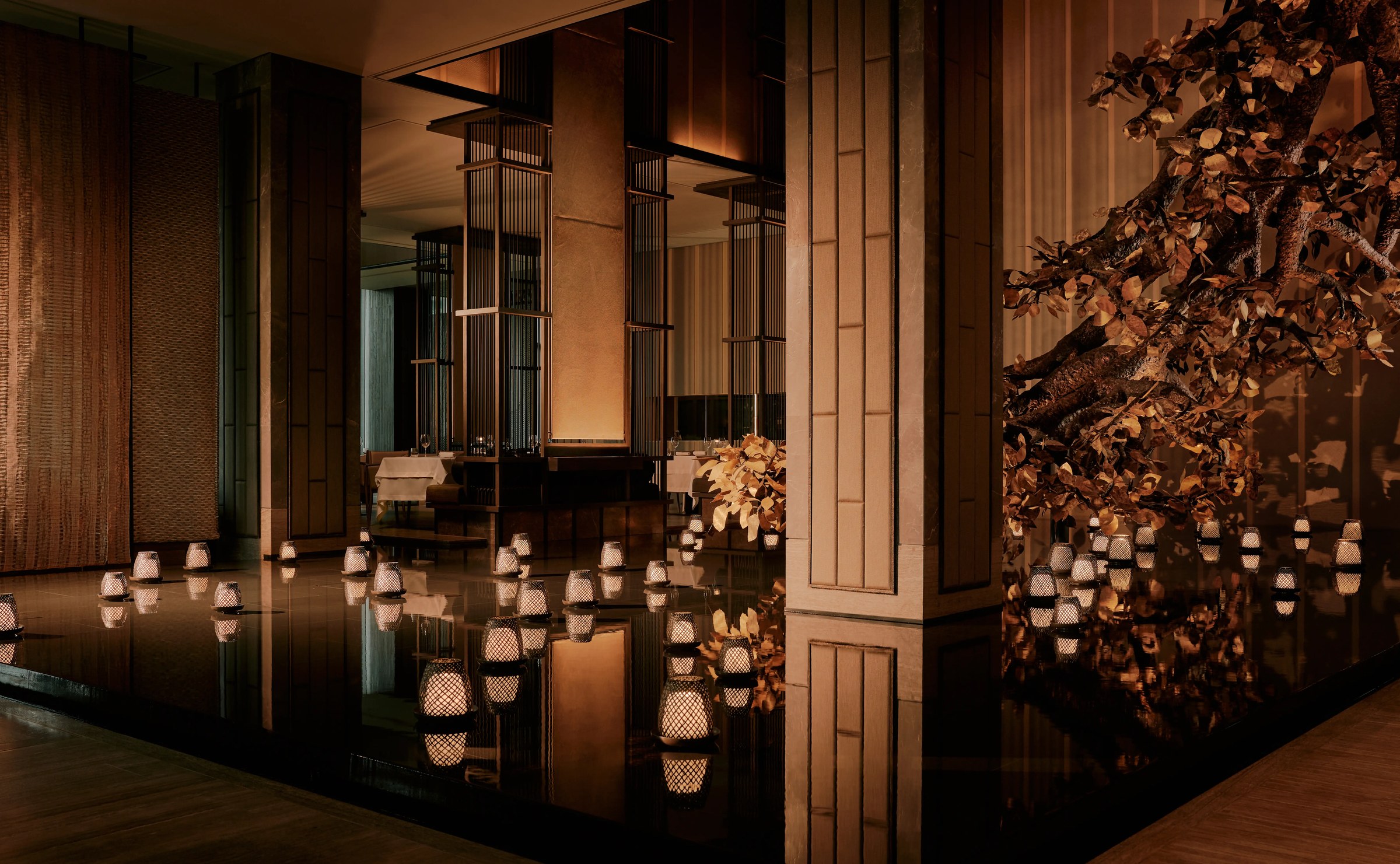
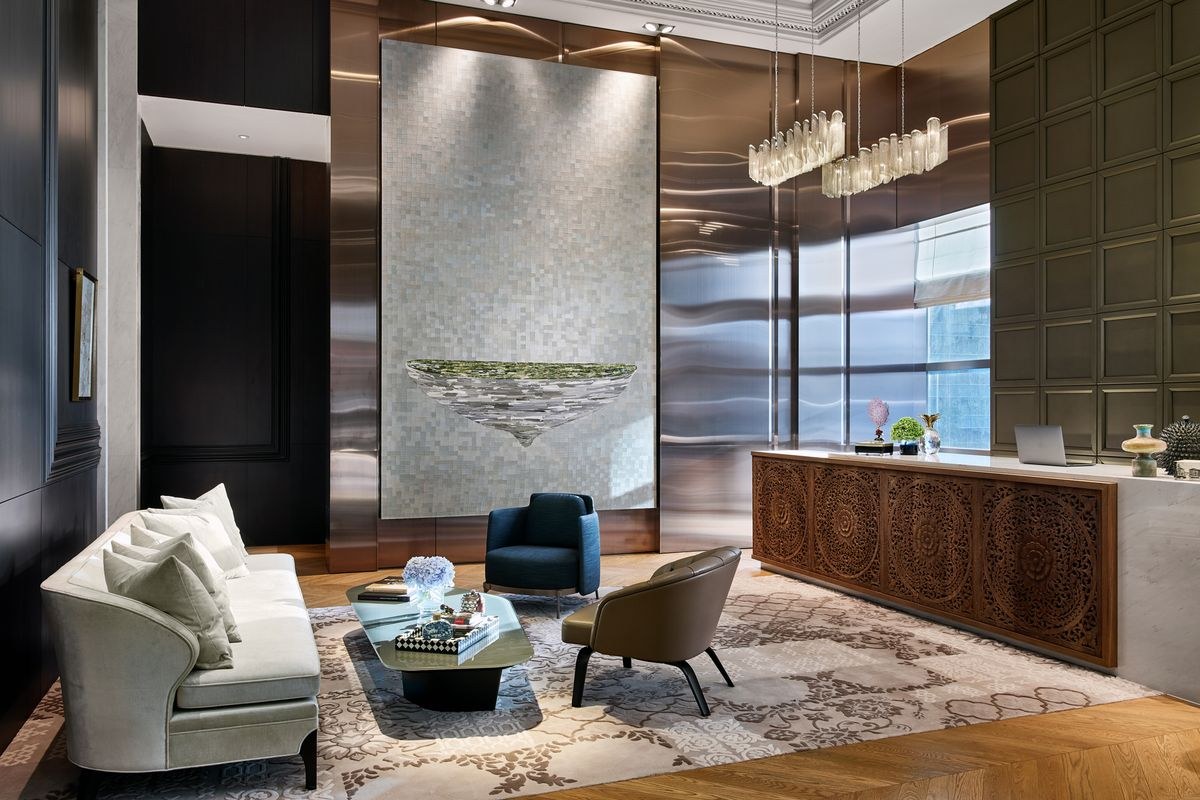
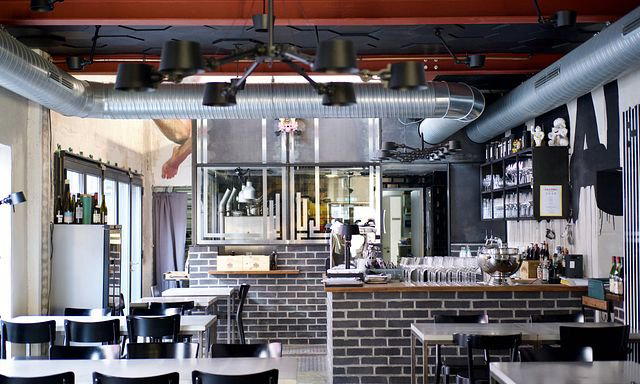
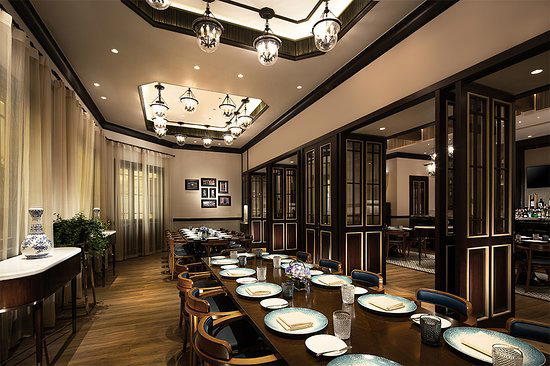
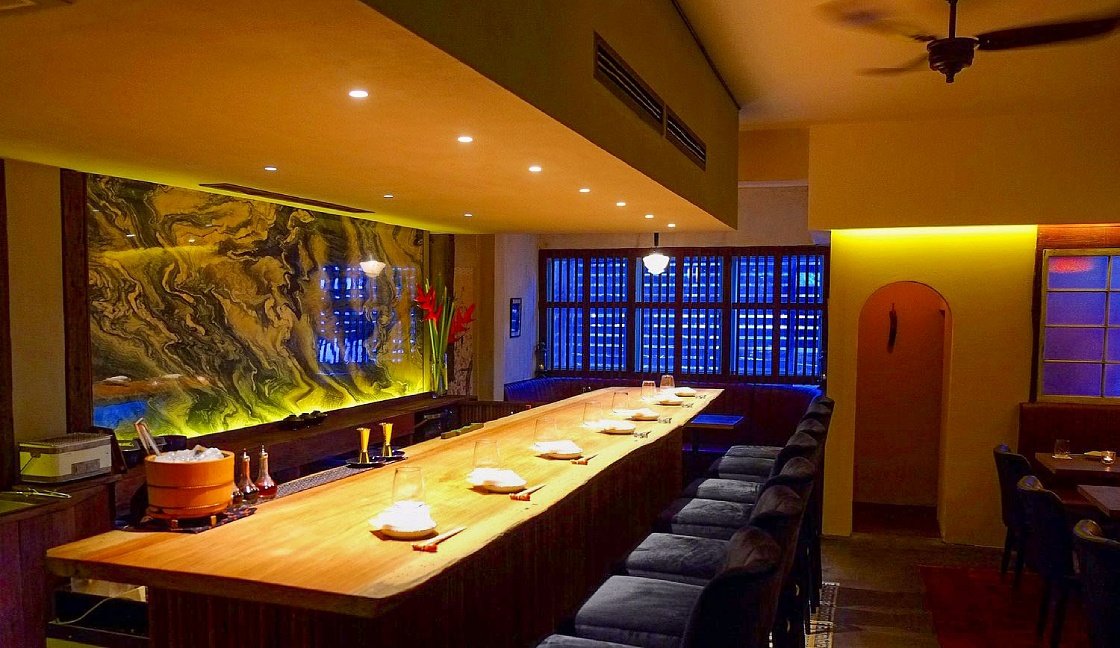
Sleek yet warm with modern elegance, dark woods, stone interiors, open kitchen, and U-shaped counter seating offering an intimate, immersive view of chefs at work.
Tags
Vibe
Best For
Experience
At the Table
- Dress Code
- Smart Casual
- Noise Level
- Quiet
- Service Style
- Formal
- Meal Pacing
- Leisurely
- Capacity
- Intimate
- Kitchen
- Fusion
- Menu Format
- Tasting menu, Omakase, Counter dining
- Wine Program
- Curated
- Private Dining
- Available
Know before you go
Know Before You Go
- Getting there
- Den Kushi Flori, Bangkok, Thailand
Planning details
Location
Recognition and awards
Also consider
Also Consider
- Sorn, Southern Thai, ฿฿฿฿
- Baan Tepa, Thai contemporary, ฿฿฿฿
- Gaa, Modern Indian, Indian, ฿฿฿฿
- Côte by Mauro Colagreco, Mediterranean, Modern Cuisine, ฿฿฿฿
- Sühring, German, ฿฿฿฿
Restaurant context
Den Kushi Flori occupies a specific niche in Bangkok's ฿฿฿฿ tasting menu field: Japanese kushi, where skewered and grilled courses carry the narrative of the meal. That format distinction matters when comparing it to the other rooms at this tier. Sorn and Baan Tepa are the strongest arguments for spending ฿฿฿฿ on Thai cuisine in Bangkok, Sorn in particular carries two Michelin stars and offers a depth of Southern Thai ingredients that is difficult to match anywhere. If the question is which room to book for the single most important dinner on a Bangkok trip, Sorn wins on raw credential weight.
Sühring is the most consistent European tasting menu room at this tier, and its booking difficulty is higher than Den Kushi Flori's, which is itself an argument for booking Sühring first and Den Kushi Flori as the easier-to-secure complement. Gaa offers a more inventive, cross-cultural tasting menu that suits diners who want something less format-defined. Côte by Mauro Colagreco brings the most recognisable international name to the comparison and is the better pick if atmosphere and room design are weighted heavily in the decision.
Den Kushi Flori is the right call specifically when the kushi format is the draw, or when the Japanese tasting experience matters and the Michelin-starred rooms are fully booked. Its Easy booking rating is a genuine logistical advantage in a city where the top tables at Sorn and Sühring require more forward planning. For a two-dinner Bangkok trip at ฿฿฿฿, a sensible pairing is Sorn for the flagship experience and Den Kushi Flori as the focused, lower-friction Japanese counterpoint.
Explore Bangkok
Around this place
Discover more on Pearl
Unlock the full Den Kushi Flori guide in Pearl, including awards, comparisons, FAQs, planning details, and nearby places.
Compare Den Kushi Flori
| Venue | Cuisine | Price | Booking Difficulty | Awards |
|---|---|---|---|---|
| Den Kushi Flori | Japanese | ฿฿฿฿ | Easy | 2025 Michelin Plate2024 Michelin Plate |
| Sorn | Southern Thai | ฿฿฿฿ | Unknown | 2026 OAD Top Restaurants in Asia Ranked · #12026 Asia's 50 Best Restaurants · #12Star Wine Lists 20262026 Black Pearl 1 Diamond2026 La Liste Top Restaurants2026 Michelin 3 Stars2025 OAD Top Restaurants in Asia Ranked · #12025 Asia's 50 Best Restaurants · #162025 World's 50 Best Restaurants · #17 |
| Baan Tepa | Thai contemporary | ฿฿฿฿ | Unknown | 2026 OAD Top Restaurants in Asia Ranked · #262026 Asia's 50 Best Restaurants · #532026 Black Pearl 1 Diamond2026 Les Grandes Tables du Monde Members2026 La Liste Top Restaurants2026 Michelin 2 Stars2025 OAD Top Restaurants in Asia Ranked · #362025 Asia's 50 Best Restaurants · #44We're Smart World Top Restaurants 2025 |
| Gaa | Modern Indian, Indian | ฿฿฿฿ | Unknown | Star Wine Lists 2026 · #12026 OAD Top Restaurants in Asia Ranked · #832026 Asia's 50 Best Restaurants · #952026 Black Pearl 1 Diamond2026 Michelin 2 Stars2026 La Liste Top Restaurants2025 OAD Top Restaurants in Asia Ranked · #612025 Asia's 50 Best Restaurants · #65We're Smart World Top Restaurants 2025 |
| Côte by Mauro Colagreco | Mediterranean, Modern Cuisine | ฿฿฿฿ | Unknown | 2026 OAD Top Restaurants in Asia Ranked · #642026 Asia's 50 Best Restaurants · #91Star Wine Lists 20262026 Michelin 2 Stars2026 La Liste Top Restaurants2025 Asia's 50 Best Restaurants · #752025 OAD Top Restaurants in Asia Ranked · #84World's Best Wine Lists 20252025 Michelin 2 Stars |
| Sühring | German | ฿฿฿฿ | Unknown | Star Wine Lists 2026 · #12026 OAD Top Restaurants in Asia Ranked · #142026 Asia's 50 Best Restaurants · #182026 Black Pearl 2 Diamond2026 Relais Chateaux Restaurants2026 Wine Spectator Best of Award of Excellence2026 Les Grandes Tables du Monde Members2026 La Liste Top Restaurants2026 Michelin 3 Stars |













Key differences to consider before you reserve.
FAQ
Frequently Asked Questions
Can Den Kushi Flori accommodate groups?
Group suitability depends on the counter format typical of kushi restaurants — intimate seating generally suits pairs and small groups of four better than large parties. At ฿฿฿฿ pricing, a group booking here is a meaningful spend, so confirm capacity directly with the restaurant before planning around it. If you need a venue built explicitly for larger parties, Baan Tepa has private dining infrastructure that suits bigger groups more reliably.
How far ahead should I book Den Kushi Flori?
Booking difficulty is rated Easy, which is a genuine advantage for a Michelin Plate venue at the ฿฿฿฿ tier in Bangkok. You are not competing with a months-long waitlist the way you would at Sühring or Gaa. That said, Easy does not mean walk-in friendly — contact the restaurant a week or two in advance for weekday seats, and further ahead for weekends or special occasions.
What are alternatives to Den Kushi Flori in Bangkok?
For Thai fine dining at a comparable spend, Sorn and Baan Tepa are the two strongest alternatives — both hold Michelin recognition and offer tasting menus with a clear local culinary identity. If you want European fine dining at ฿฿฿฿, Sühring and Côte by Mauro Colagreco are the obvious comparisons. Den Kushi Flori is the clearest choice if Japanese grilled-skewer format is specifically what you are after.
Is Den Kushi Flori worth the price?
At ฿฿฿฿, Den Kushi Flori sits at the top of Bangkok's pricing tier, and the Michelin Plate in both 2024 and 2025 confirms it is operating at a recognised standard. Whether it justifies the spend depends on your appetite for the kushi format — if you are set on a conventional multi-course tasting menu, venues like Gaa or Sühring may feel like a stronger match for the price. For kushi specifically, this is the credentialed option in Bangkok.
Is the tasting menu worth it at Den Kushi Flori?
The Michelin Plate recognition in both 2024 and 2025 indicates consistent kitchen quality, which is the baseline justification for a fixed tasting menu at this price. The kushi format means the experience is structured around grilled skewers rather than a conventional multi-course progression — that is a draw if the format appeals, and a reason to look elsewhere if it does not. For a more ingredient-led tasting menu in Bangkok, Gaa or Baan Tepa offer different formats worth comparing.
Is Den Kushi Flori good for a special occasion?
Yes, with the caveat that the kushi format is more casual in feel than a white-tablecloth tasting menu, even at ฿฿฿฿. The Michelin Plate credential and Bangkok market positioning make it a credible special occasion choice if the celebrant is interested in Japanese grilled cooking. For a more formal special occasion setup, Sühring or Baan Tepa tend to offer the atmosphere that reads as occasion dining to a broader audience.