.png?width=1200&quality=80)
Chop Chop Cook Shop
Thai-Chinese · Samphanthawong Khwaeng, Bangkok
Restaurant in Bangkok, Thailand
 Book with Pearl
The Read
Sino-Thai Refined Comfort
Price
$20–30per person
Chef
David Thompson
Dress
Casual
Why go
Two consecutive Michelin Plates and a ฿฿ price tag make Chop Chop Cook Shop one of Bangkok's stronger value cases in Thai-Chinese cooking. Housed in an Art Deco building on Yaowarat Road, Chef David Thompson's kitchen delivers refined, ingredient-led Chinese cooking with Thai touches, including a Michelin-cited ginger milk curd and roasted duck soup. Booking is easy and the barrier to entry is low.
About Chop Chop Cook Shop
The Verdict
At ฿฿ per head, Chop Chop Cook Shop is one of the most compelling value propositions in Bangkok's Thai-Chinese dining scene. You get Michelin Plate recognition two years running (2024 and 2025), a showpiece Art Deco address on Yaowarat Road, and a kitchen led by Chef David Thompson that treats Chinese technique with Thai-inflected precision. If you want to understand what serious Thai-Chinese cooking looks like at a price that won't strain a reasonable dinner budget, this is the right booking. Skip it only if you want full tasting-menu theatre or a quieter neighbourhood setting away from Chinatown's energy.
The Setting
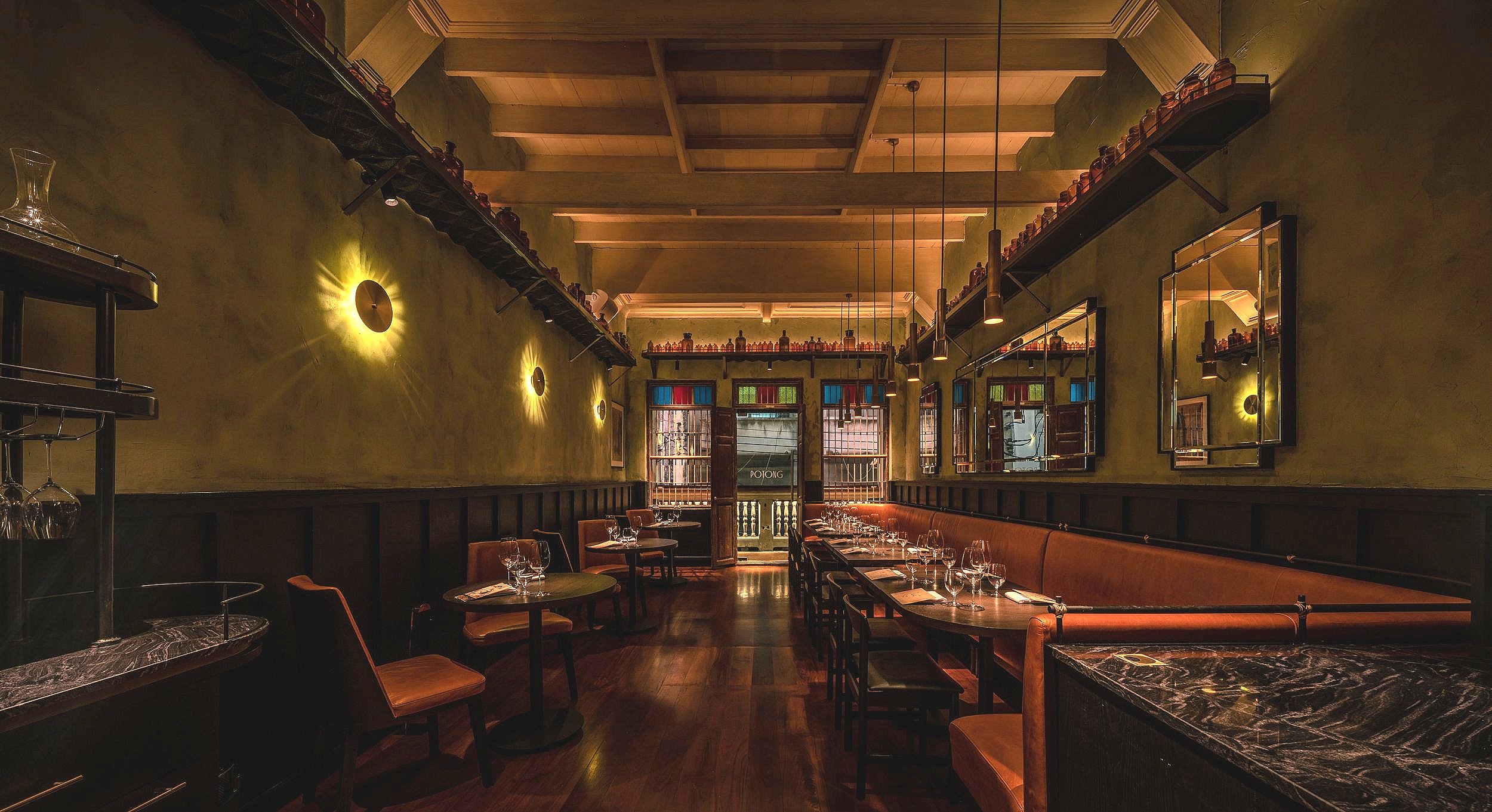
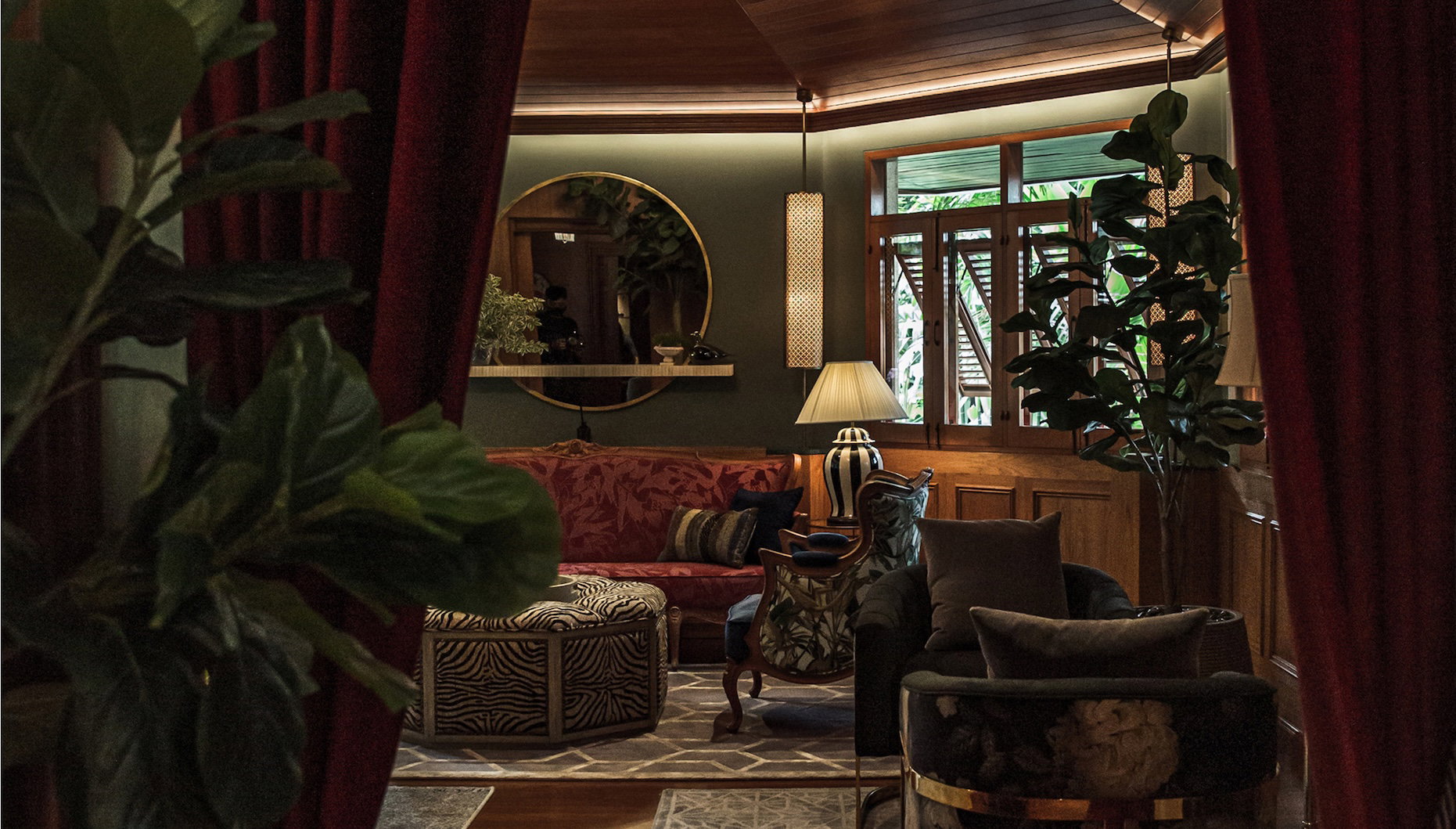
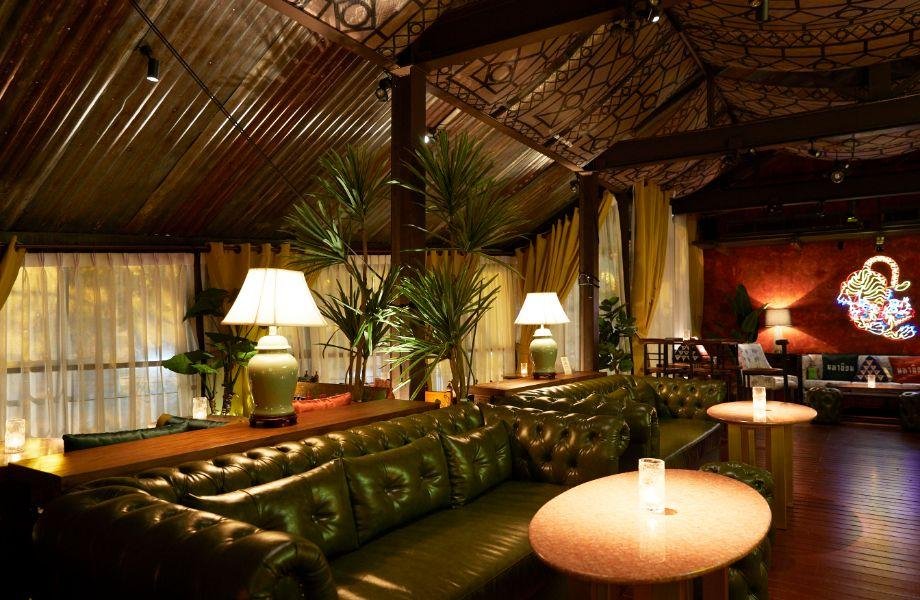
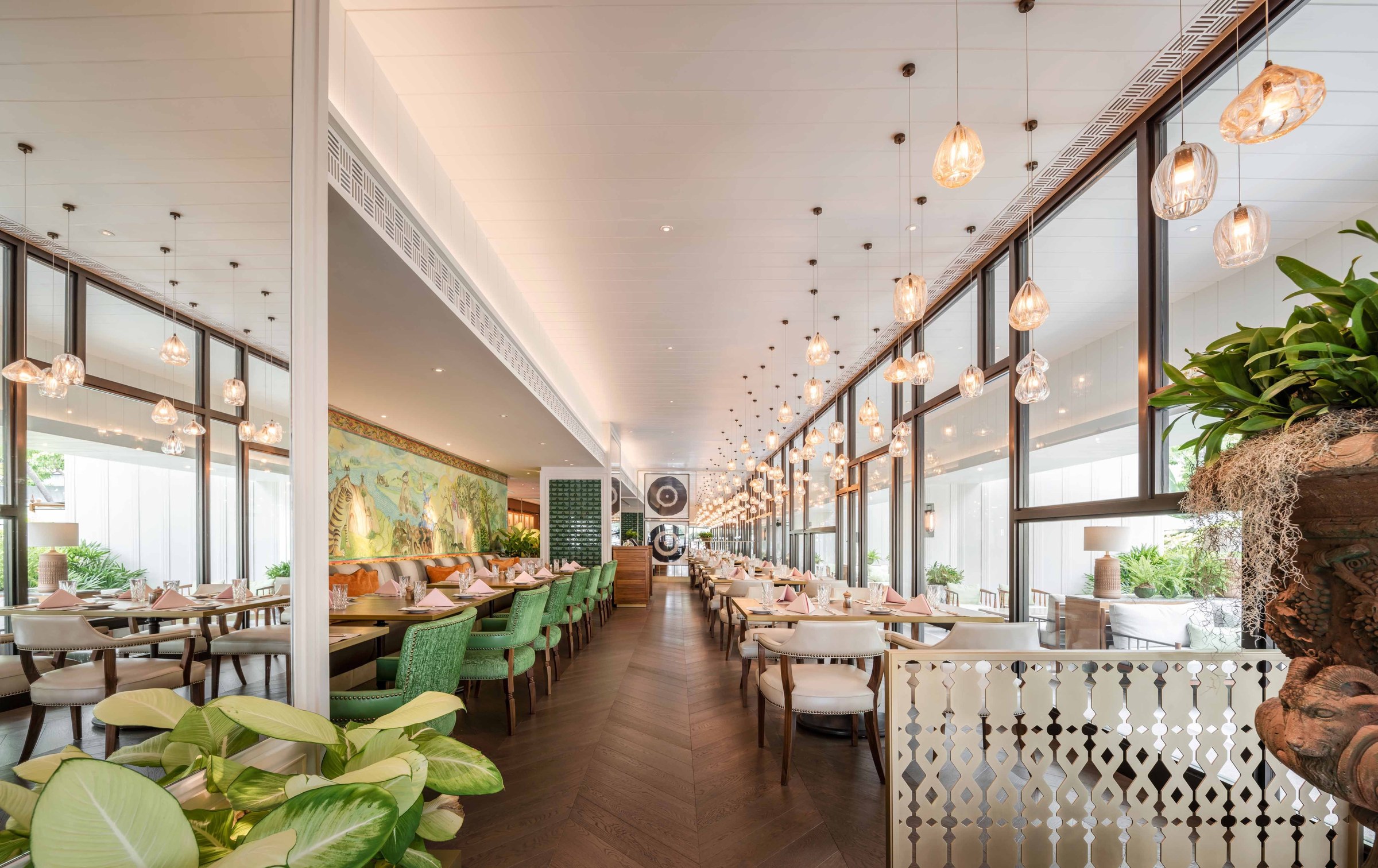
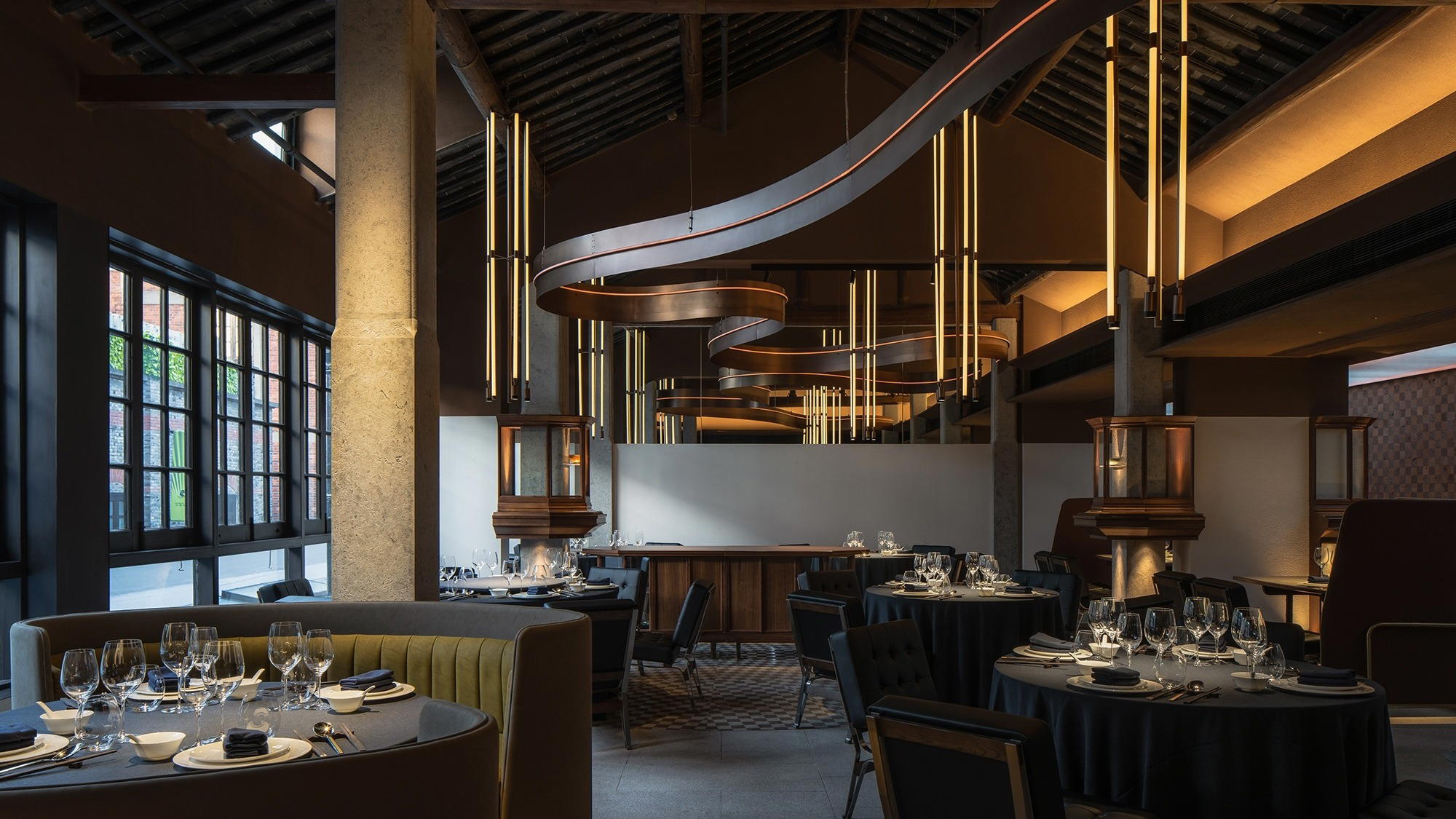
The building itself is an immediate signal of intent. Chop Chop Cook Shop occupies the ground floor of a five-storey Art Deco structure on 328 Yaowarat Road, in the heart of Bangkok's Chinatown district. The space pays deliberate homage to its goldsmith heritage through its interior design, which means you are eating inside a room with genuine historical layers rather than a manufactured heritage aesthetic. For a food-focused traveller exploring Bangkok's older urban fabric, the Samphanthawong address alone is worth the trip: Yaowarat Road concentrates some of the city's most serious Chinese-heritage cooking, and Chop Chop sits at that intersection of old-neighbourhood credibility and contemporary kitchen ambition. Nearby, restaurants like Jok's Kitchen (Pom Prap Sattru Phai) and Kor Chun Huad map out the broader Thai-Chinese dining corridor worth building an evening around.
The Kitchen
Chef David Thompson opened Chop Chop in 2023, and the Michelin recognition arrived quickly — two consecutive Plates signal a kitchen that found its register early. The editorial framing in Michelin's own notes is instructive: this is described as Chinese cuisine with Thai touches, built on high-quality ingredients, and calibrated toward food that is refined without losing honesty. That is a specific and difficult balance to hold. Many Thai-Chinese restaurants tip either toward casual street-register cooking or toward over-engineered fusion. Thompson's approach, at least according to the documentation available, sits in the more disciplined middle ground: technique-first, ingredient-led, without the creative inflation that can make a kitchen feel like it is performing rather than cooking.
The dishes cited in Michelin's recognition give the clearest picture of what the kitchen does well. The crispy prawn wafer represents the kind of textural precision that separates serious Thai-Chinese cooking from its cheaper imitators: achieving the right crunch without greasiness is a production control question as much as a recipe one. The roasted duck soup sits in a Chinese culinary tradition where clarity of broth and depth of flavour have to coexist, and where quality of primary ingredient is non-negotiable. The ginger milk curd is the most telling dish on the list: it is a Cantonese classic with minimal hiding places, where the calibration of ginger heat against the set of the milk determines everything. That the kitchen is being recognised for that dish specifically suggests a confidence in simplicity over spectacle. For a food explorer interested in understanding what Thai-Chinese cooking does technically at its finest, this is the kind of menu worth studying.
The cuisine type is listed as Thai-Chinese, which in the Bangkok context means a tradition with deep Teochew roots, shaped by generations of Chinese immigration into southern Thailand. This is not a fusion category invented for tourists; it is one of Bangkok's oldest and most layered culinary identities. Restaurants like Por. Pochaya and Somboon Seafood (Bang Rak) represent the more casual end of that tradition. Chop Chop operates at a more considered register, with presentation and ingredient sourcing that make it a step up from neighbourhood staples without leaving the tradition's culinary logic behind. For a broader picture of where Thai-Chinese cooking sits across Thailand, Baan Heng in Khon Kaen and Heng Khao Moo Daeng in Surat Thani show how regional the tradition's variations can be.
Practical Details
Booking is assessed as easy, meaning walk-in chances are realistic and advance planning of more than a few days is unlikely to be necessary. The ฿฿ price range makes this accessible for most dinner budgets in Bangkok. No phone number or website is listed in available data, so approach booking through Google Maps or in person. Hours are not confirmed in available data; verify before travelling, particularly on public holidays when Yaowarat Road's rhythm shifts considerably.
For visitors building a wider Bangkok itinerary, Tang Jai Yang (Bang Kho Laem) is another Thai-Chinese reference worth knowing across the river. The full Bangkok restaurants guide covers the city's broader dining map, and if you are extending into Thailand more widely, PRU in Phuket, Aquila in Chiang Mai, AKKEE in Pak Kret, Anuwat in Phang Nga, and Ayutthayarom in Phra Nakhon Si Ayutthaya represent strong options across different price points and cuisine registers. The Bangkok hotels guide, bars guide, wineries guide, and experiences guide are worth consulting for a fuller picture of the city.
Quick reference:
Planning details
- Location
- Ground Floor, 328 Yaowarat Rd, Chakkrawat, Samphanthawong, Bangkok 10100, Thailand
- Website
- chopchopbkk.com
- Phone
- +66 97 008 0519
The take
The Take
The Vibe
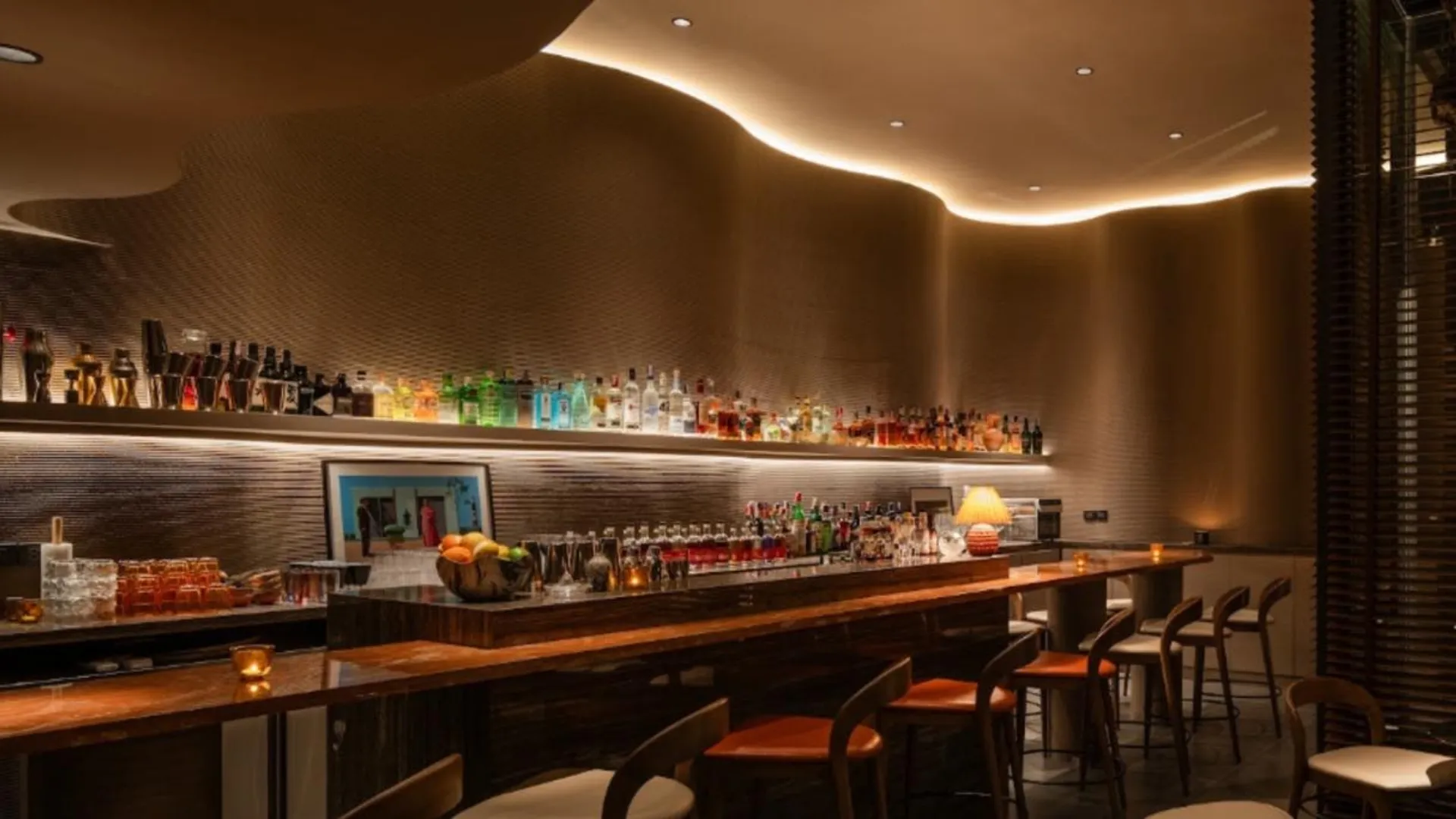
Chop Chop Cook Shop occupies an Art Deco, five‑storey Chinatown building and foregrounds space as part of the experience. The restaurant reads as a contemporary, chef‑led interpretation of Thai‑Chinese cooking — serious in technique yet direct in expression — earning consecutive Michelin Plates. The architecture and the street life of Yaowarat give the room a historic, urban texture, while the kitchen’s restrained, ingredient‑driven approach adds a refined edge. The result is a sophisticated, historically rooted spot that still feels connected to the bustling energy of Bangkok’s old commercial artery.
Best For
This is a strong choice for groups and anyone seeking elevated Thai‑Chinese fare without the stiffness of a white‑tablecloth dining room. Its Chinatown setting and emphasis on roasted proteins and soups make it well suited to evening meals where bold flavors and shareable plates are the draw. The place balances approachability with a clearly culinary intent, so diners looking for serious, modern interpretations of classic forms — rather than a purely tourist or novelty experience — will find it rewarding.
Ordering Tips
Focus on the kitchen’s strengths: the roasted proteins and soups are repeatedly highlighted in the profile. Signature items such as the roast duck, BBQ pork and roasted duck soup are literal expressions of the restaurant’s technique, while the ginger milk curd offers a curd‑based finish. Expect Thai touches applied to Chinese foundations; order a roasted protein and a soup to understand that logic, and save room for the curd dessert to see how the team distills tradition into concise, modern presentations.
Venue details
Ambiance
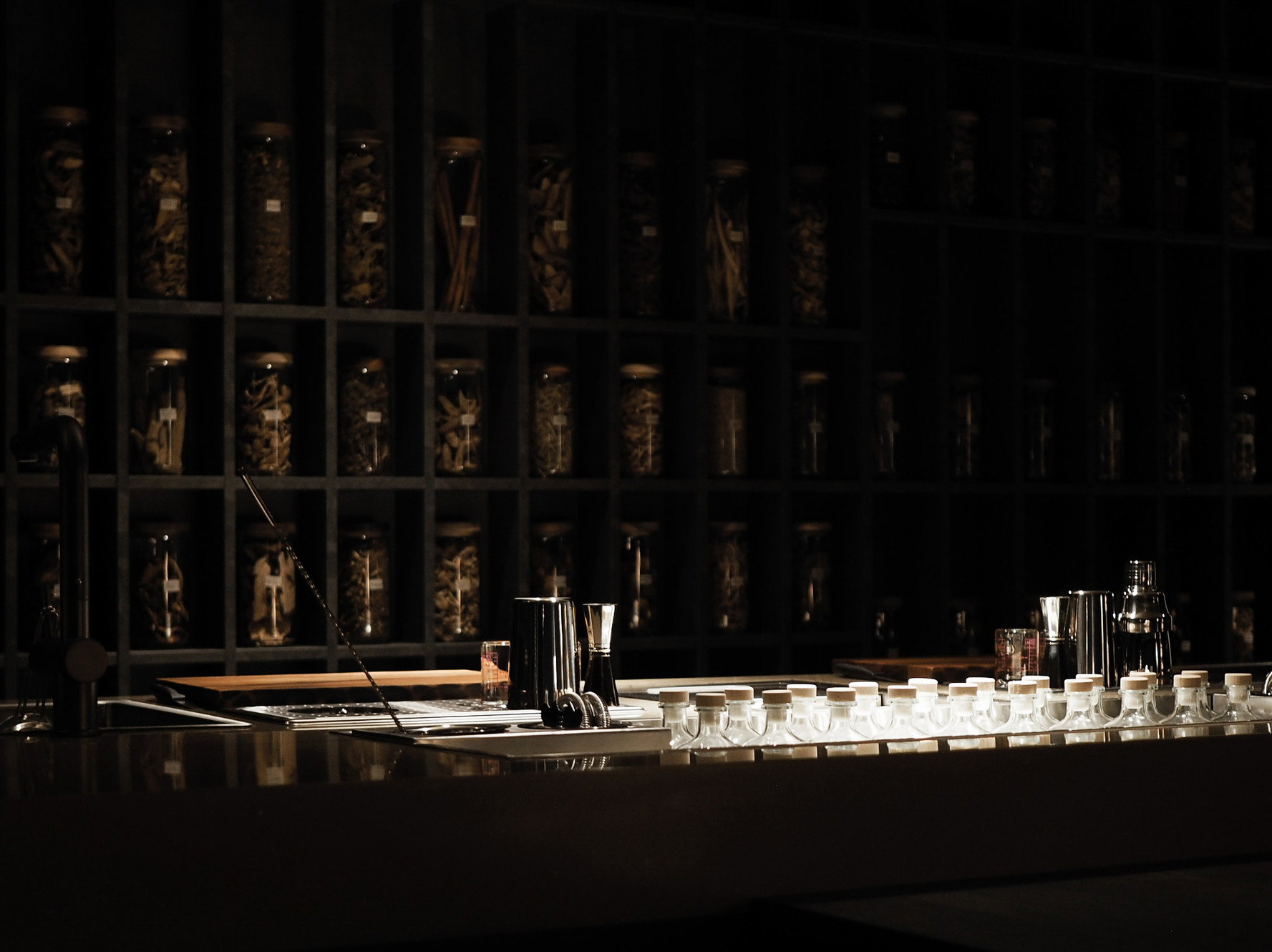
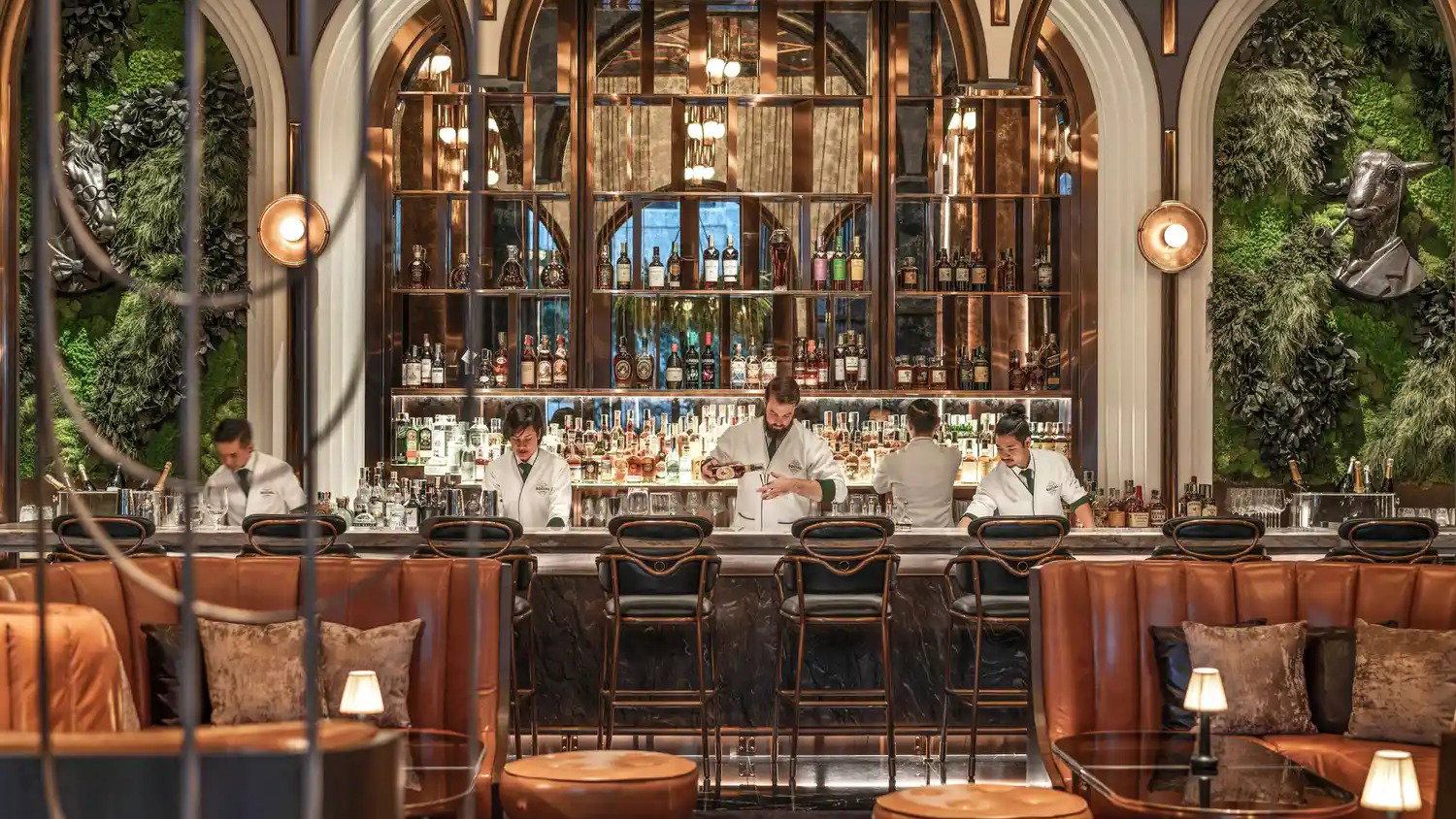
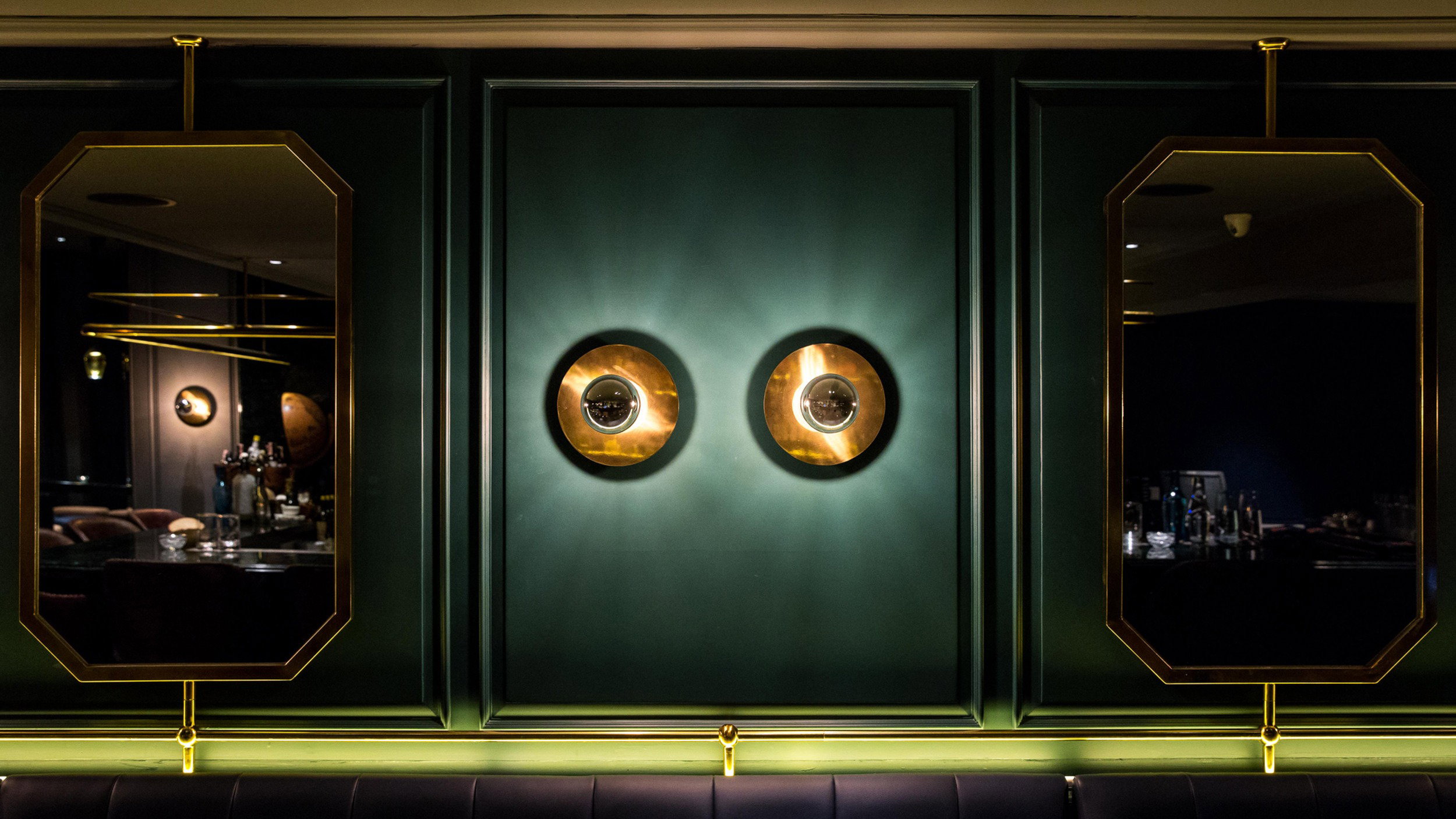
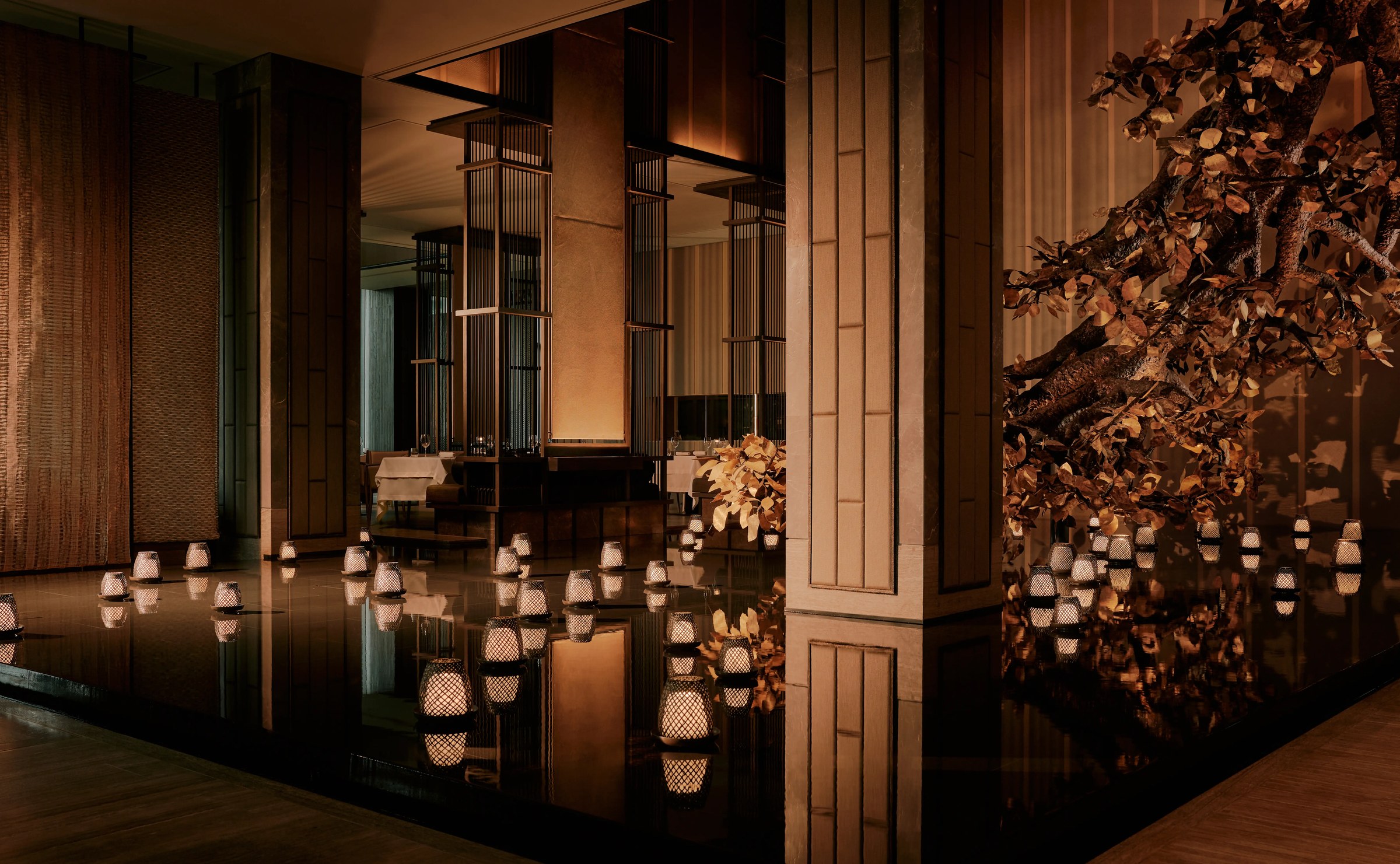
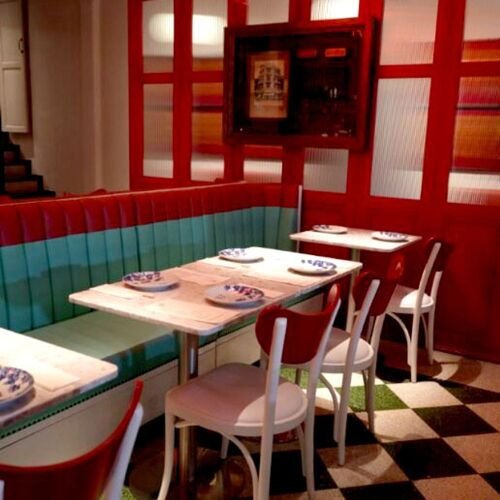
Brightly lit with colorful bold hues, cozy booths featuring traditional Chinese characters, buzzing retro 50s diner atmosphere overlooking lively Yaowarat street.
Tags
Vibe
Best For
Experience
View
At the Table
- Dress Code
- Casual
- Noise Level
- Lively
- Service Style
- Upscale Casual
- Meal Pacing
- Standard
- Capacity
- Small
- Kitchen
- Modern
- Menu Format
- A la carte, Small plates
- Wine Program
- Standard
- Dietary
- Vegetarian friendly
Signature Dishes
- roast duck
- bbq pork
- roasted duck soup
- ginger milk curd
Know before you go
Know Before You Go
- Getting there
- Ground Floor, 328 Yaowarat Rd, Chakkrawat, Samphanthawong, Bangkok 10100, Thailand
Planning details
Location
Ground Floor, 328 Yaowarat Rd, Chakkrawat, Samphanthawong, Bangkok 10100, Thailand · Directions
Recognition and awards
Also consider
Also Consider
- Sorn, Southern Thai, ฿฿฿฿
- Baan Tepa, Thai contemporary, ฿฿฿฿
- Gaa, Modern Indian, Indian, ฿฿฿฿
- Côte by Mauro Colagreco, Mediterranean, Modern Cuisine, ฿฿฿฿
- Sühring, German, ฿฿฿฿
Restaurant context
Chop Chop Cook Shop sits at ฿฿, which puts it in a different spending bracket from most of Bangkok's other Michelin-recognised restaurants. Sorn, Baan Tepa, Gaa, Côte by Mauro Colagreco, and Sühring all operate at ฿฿฿฿. If budget is a deciding factor, Chop Chop is the clear choice: you get double Michelin Plate recognition and a serious kitchen at a fraction of the spend required elsewhere on this list.
On quality and format, the comparison shifts. Sorn is the city's Southern Thai benchmark, with Star-level recognition and a tasting menu that delivers one of the most complete Thai fine-dining experiences available anywhere. Baan Tepa sits in a similar register for Thai contemporary cooking. If your goal is a full-service, course-by-course exploration of Thai cuisine with polished service and wine pairing, either of those will deliver something Chop Chop is not trying to be. Sühring is the right pick if European technique and a European menu structure matter more than Thai culinary context. Gaa and Côte by Mauro Colagreco offer modern Indian and Mediterranean directions respectively, neither overlapping with what Chop Chop does.
The practical case for Chop Chop is strong for food explorers who want to understand the Thai-Chinese culinary tradition at a credible level without committing to a ฿฿฿฿ evening. It is the easiest booking on this list, it sits on one of Bangkok's most historically interesting dining streets, and it delivers Michelin-recognised cooking at an accessible price point. Book Chop Chop for a focused, honest dinner in Chinatown. Book Sorn or Baan Tepa when the full fine-dining commitment is what you are planning for.
Explore Bangkok
Around this place
Discover more on Pearl
Unlock the full Chop Chop Cook Shop guide in Pearl, including awards, comparisons, FAQs, planning details, and nearby places.
Compare Chop Chop Cook Shop
| Venue | Cuisine | Awards | Booking Difficulty |
|---|---|---|---|
| Chop Chop Cook Shop | Thai-Chinese | 2026 Michelin Plate2025 Michelin Plate2024 Michelin Plate | Easy |
| Sorn | Southern Thai | 2026 OAD Top Restaurants in Asia Ranked · #12026 Asia's 50 Best Restaurants · #12Star Wine Lists 20262026 Black Pearl 1 Diamond2026 La Liste Top Restaurants2026 Michelin 3 Stars2025 OAD Top Restaurants in Asia Ranked · #12025 Asia's 50 Best Restaurants · #162025 World's 50 Best Restaurants · #17 | Unknown |
| Baan Tepa | Thai contemporary | 2026 OAD Top Restaurants in Asia Ranked · #262026 Asia's 50 Best Restaurants · #532026 Black Pearl 1 Diamond2026 Les Grandes Tables du Monde Members2026 La Liste Top Restaurants2026 Michelin 2 Stars2025 OAD Top Restaurants in Asia Ranked · #362025 Asia's 50 Best Restaurants · #44We're Smart World Top Restaurants 2025 | Unknown |
| Gaa | Modern Indian, Indian | Star Wine Lists 2026 · #12026 OAD Top Restaurants in Asia Ranked · #832026 Asia's 50 Best Restaurants · #952026 Black Pearl 1 Diamond2026 Michelin 2 Stars2026 La Liste Top Restaurants2025 OAD Top Restaurants in Asia Ranked · #612025 Asia's 50 Best Restaurants · #65We're Smart World Top Restaurants 2025 | Unknown |
| Côte by Mauro Colagreco | Mediterranean, Modern Cuisine | 2026 OAD Top Restaurants in Asia Ranked · #642026 Asia's 50 Best Restaurants · #91Star Wine Lists 20262026 Michelin 2 Stars2026 La Liste Top Restaurants2025 Asia's 50 Best Restaurants · #752025 OAD Top Restaurants in Asia Ranked · #84World's Best Wine Lists 20252025 Michelin 2 Stars | Unknown |
| Sühring | German | Star Wine Lists 2026 · #12026 OAD Top Restaurants in Asia Ranked · #142026 Asia's 50 Best Restaurants · #182026 Black Pearl 2 Diamond2026 Relais Chateaux Restaurants2026 Wine Spectator Best of Award of Excellence2026 Les Grandes Tables du Monde Members2026 La Liste Top Restaurants2026 Michelin 3 Stars | Unknown |













Key differences to consider before you reserve.
FAQ
Frequently Asked Questions
Does Chop Chop Cook Shop handle dietary restrictions?
No dietary policy is documented in the available venue data. Given the Thai-Chinese format and Michelin Plate recognition, the kitchen almost certainly handles common requests, but verify directly before booking — particularly if shellfish or pork avoidance is a factor, as both are standard in this cuisine style.
What should I wear to Chop Chop Cook Shop?
No dress code is specified, but the Yaowarat Road address, ฿฿ price point, and Chinatown-heritage setting point to relaxed, neighbourhood-dining expectations rather than formal attire. Clean, casual clothes are appropriate; this is not a jacket-required room.
Is the tasting menu worth it at Chop Chop Cook Shop?
No tasting menu format is confirmed in the venue data, so do not book expecting an omakase or set-course experience. At ฿฿ pricing with a Michelin Plate for 2024 and 2025, the à la carte value case is already strong — two consecutive Plates signal consistent kitchen delivery, not a one-off.
What are alternatives to Chop Chop Cook Shop in Bangkok?
For Thai cuisine at a higher price and ambition level, Sorn (two Michelin stars, southern Thai focus) and Baan Tepa (one star, modern Thai) are the benchmark comparisons. Gaa offers a chef-driven tasting menu format if that's the priority. Chop Chop holds its own as the strongest value case among Michelin-recognised Thai-Chinese options on Yaowarat Road.