



Mujō
Japanese, Japanese (Sushi Omakase) · West Midtown, Atlanta
Restaurant in Atlanta, United States
 Book with Pearl
The Read
Edomae Counter Precision
Price
$200–300per person
Chef
J. Trent Harris
Dress
Smart Casual
Why go
Mujō holds a Michelin star for sushi omakase, with back-to-back recognition in 2024 and 2025. Operating just four nights a week at the $$$$ tier, it is a hard reservation and a deliberate one: best suited to special occasions where the chef-led Edomae format is exactly what you want. Book weeks ahead or expect to miss it.
About Mujō
Atlanta's only Michelin-starred sushi counter, and one of the hardest reservations in the South
Two consecutive Michelin stars (2024 and 2025) and a spot at #20 on Esquire's Leading New Restaurants list make Mujō the clearest credential holder in Atlanta's fine dining scene. At the $$$$ price tier, this is not a casual night out: it is a deliberate, structured experience built around Edomae-style omakase, and it earns that price point more consistently than almost anything else in the city. If you are weighing a special-occasion dinner in Atlanta and Japanese omakase is your format, Mujō is the booking to make.
What You Are Booking Into
Mujō operates Wednesday through Saturday, 5:30 PM to 9:30 PM, with no lunch service and no weekend brunch. That four-night window makes it structurally difficult to book, and demand means you should expect to plan well in advance, think weeks, not days. The venue is closed Sunday through Tuesday, so if your trip is front-loaded on those days, plan accordingly. This is not a walk-in situation.
The kitchen works within the Edomae tradition: a style rooted in the techniques developed in Edo-era Tokyo, where fish was cured, marinated, and aged rather than simply sliced fresh. Chef J. Trent Harris applies that framework in a modern context. The guiding philosophy is ichi-go ichi-e, the Japanese concept of treating each encounter as singular and unrepeatable. That framing shapes the format: omakase, where the chef sequences the meal, and your role is to be present for it. For a special occasion, that surrender of control is often exactly the right dynamic.
Omakase counters attract opinionated diners who know what they are paying for, so 4.5 is not a soft average, it reflects genuine consistency.
The Special Occasion Case
Mujō is calibrated for the kind of dinner where the occasion matters as much as the food. Omakase format removes the friction of menu decisions, which works well for celebrations, milestone birthdays, and serious date nights. You arrive, you sit, and the meal unfolds. The ichi-go ichi-e philosophy means the kitchen treats each service as a complete event, not a production line, that ethos tends to show in the pacing and attention to detail.
For a business dinner, the format requires some consideration. Omakase counters create intimacy and shared experience, which can work well for relationship-building, but they are less suited to confidential conversations or large party dynamics. If the goal is an impressive dinner with room for genuine conversation, the format delivers on the former but may constrain the latter depending on the counter configuration.
Groups and Private Dining
This is where Mujō requires careful planning. Omakase counters are inherently limited in seat count, the format depends on the chef working a small number of guests simultaneously, and that constraint caps group size. If you are planning a celebration for four to six people, contact the venue directly to confirm availability and seating options before assuming the counter can accommodate the whole party at one sitting.
Private or semi-private arrangements at sushi omakase counters typically need to be arranged well in advance and often require a full counter buyout rather than a partial reservation. Given Mujō's booking difficulty, groups should treat this as a logistical project: initiate contact early, be flexible on the specific date, and confirm all details in writing. The payoff for a group that does the legwork is a genuinely distinctive shared experience, there are few better formats for a milestone dinner than watching a single chef work a counter for your table alone.
For comparison, Atlanta's other fine dining options at the $$$$ tier, including Bacchanalia and Lazy Betty, offer more conventional dining room formats that are easier to configure for groups. If headcount flexibility matters more than the omakase format, those are the more practical choices. But if the experience itself is the point, Mujō delivers something neither of them does.
How It Sits in the National Context
Holding a Michelin star in the South is a meaningful credential, Atlanta's Michelin coverage is still relatively recent, which means the bar for recognition is genuinely high. Among sushi omakase destinations nationally, Mujō occupies a different tier than Atomix in New York City or Le Bernardin, but it is not competing on that axis. What it offers is a starred Edomae-style omakase experience without the need to travel to New York, Los Angeles, or San Francisco, and for Atlanta diners, or visitors making a dedicated trip, that accessibility within the South is the actual value proposition.
For those building a special-occasion itinerary around the meal, see our full Atlanta restaurants guide, our Atlanta hotels guide, and our Atlanta bars guide for context on what to pair with the evening.
Atlanta Japanese Omakase Context
If Mujō is unavailable or outside your budget, Hayakawa and O by Brush are the most relevant Atlanta alternatives in Japanese dining. Neither carries the same Michelin credentials, which matters when the occasion demands a verifiable signal of quality. For Atlanta diners who want the omakase format and the credential to match, Mujō has no direct local competitor at this level.
Know Before You Go
- Price tier: $$$$, budget accordingly for a full omakase experience
- Hours: Wednesday–Saturday, 5:30 PM–9:30 PM only; closed Sunday–Tuesday
- Booking difficulty: Hard, reserve weeks in advance; this is not a walk-in venue
- Format: Edomae-style omakase; the chef sets the menu and pace
- Awards: Michelin 1 Star (2024 and 2025); Esquire Leading New Restaurants #20 (2023)
- Groups: Omakase counter format limits group size, contact the venue directly for group and private dining enquiries well in advance
- Location: 691 14th St NW, Suite C, Atlanta, GA 30318
Planning details
- Hours
- Monday: closed · Tuesday: closed
- Location
- 691 14th St NW c, Atlanta, GA 30318, United States
- Reservations
- Book on OpenTable
- Website
- mujoatl.com
- Phone
- +1 404-400-6832
The take
The Take
The Vibe
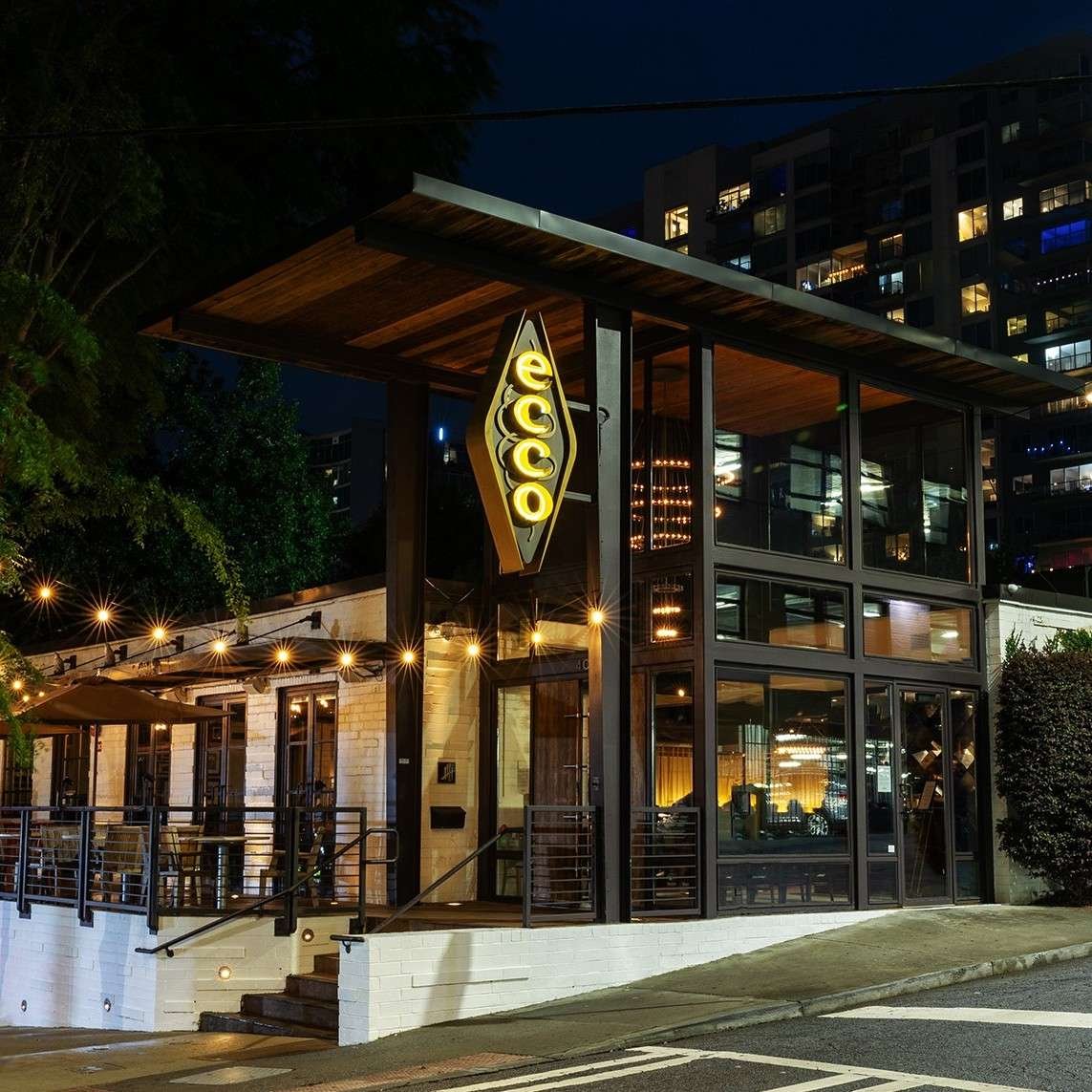
Mujō reads like a study in restraint: the exterior is deliberately understated and the room funnels attention to a single counter where craft matters more than flash. The kitchen practices Edomae techniques, attention to rice temperature, fish aging and sequence, so the experience feels measured and classical rather than theatrical. The Michelin recognition underscores the refinement, and the overall tone is quietly modern: polished service and a pared-back aesthetic let the progression of nigiri and small dishes take center stage.
Best For
This is a restaurant for diners who want a focused, chef-led experience: the kind of meal where the evening is organized around a single, uninterrupted omakase progression. Priced at the $$$$ tier and honored with consecutive Michelin stars, Mujō is especially well suited to date nights and special occasions when precision and restraint are the priorities. Guests who value sequence, technical mastery and tasting-sized pacing over plentiful shared plates will get the most from a visit.
Ordering Tips
Mujō operates on a strict omakase contract: guests "surrender the menu entirely" and the kitchen dictates order, temperature and pace. There are no a la carte choices or upsells; expect a single, uninterrupted progression where timing and resting of fish matter as much as seasoning. Signature elements mentioned include chawanmushi, a nigiri progression and uni: plan to trust the chef and follow the sequence rather than requesting substitutions or a la carte dishes.
Venue details
Ambiance
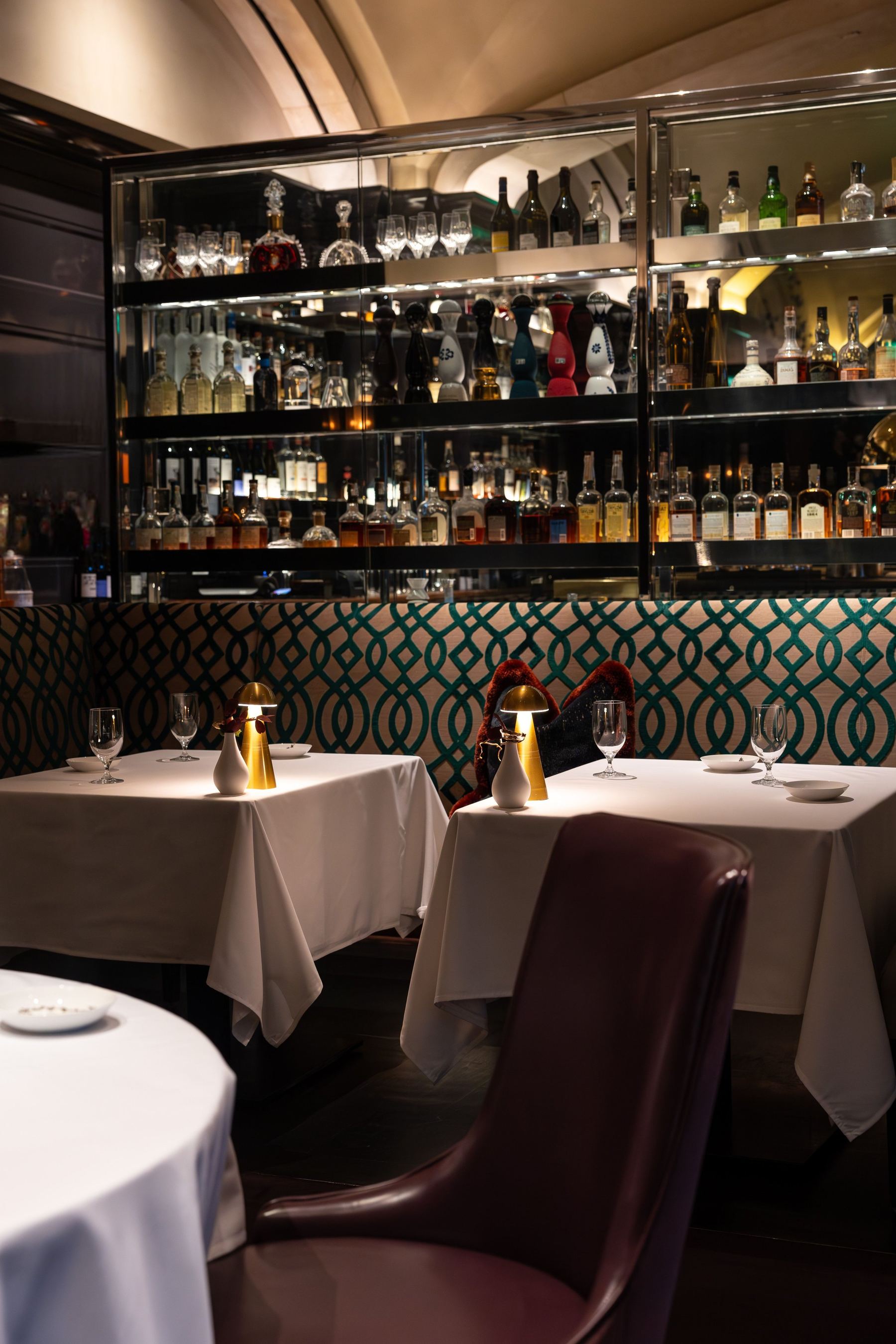
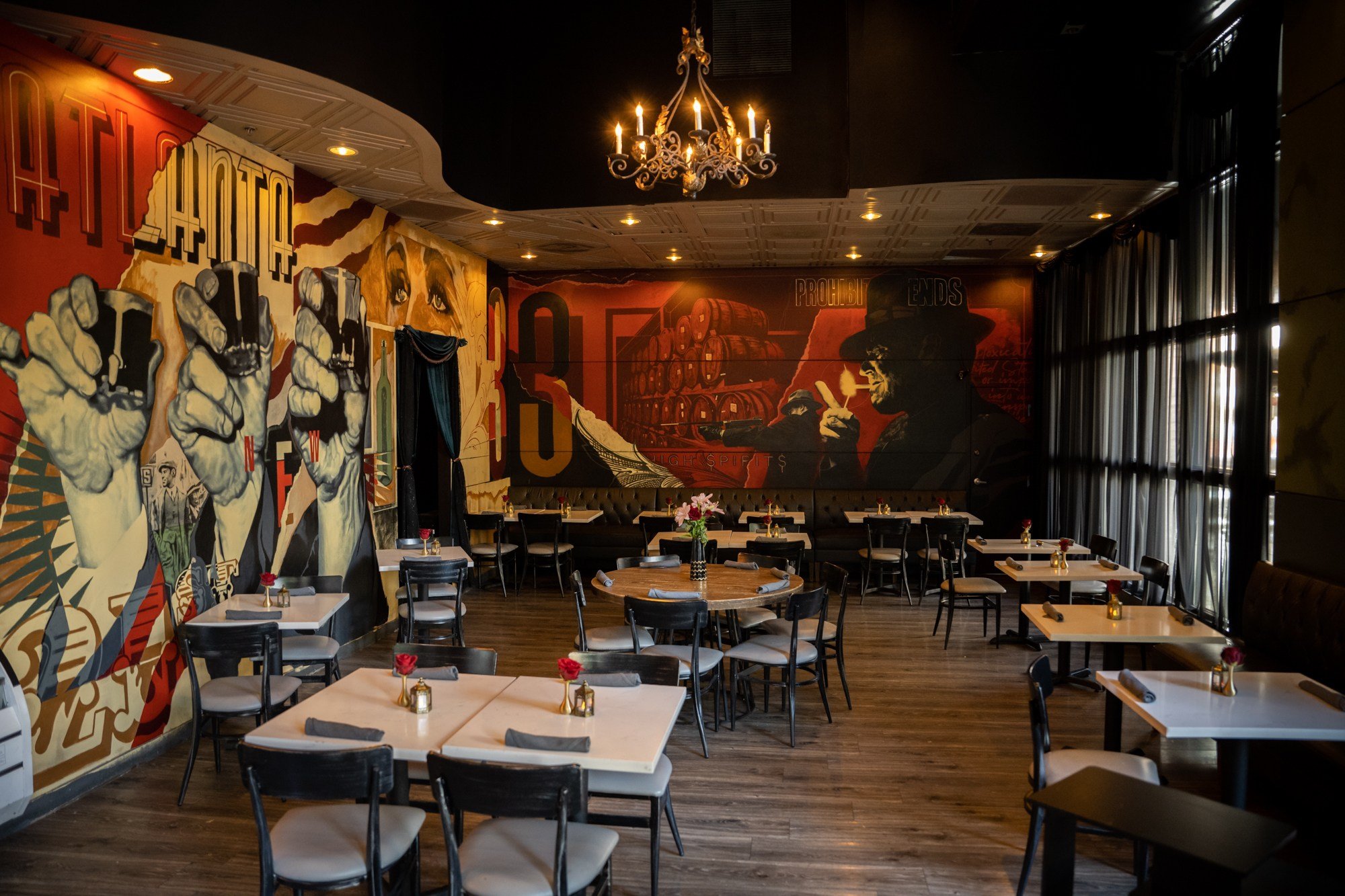
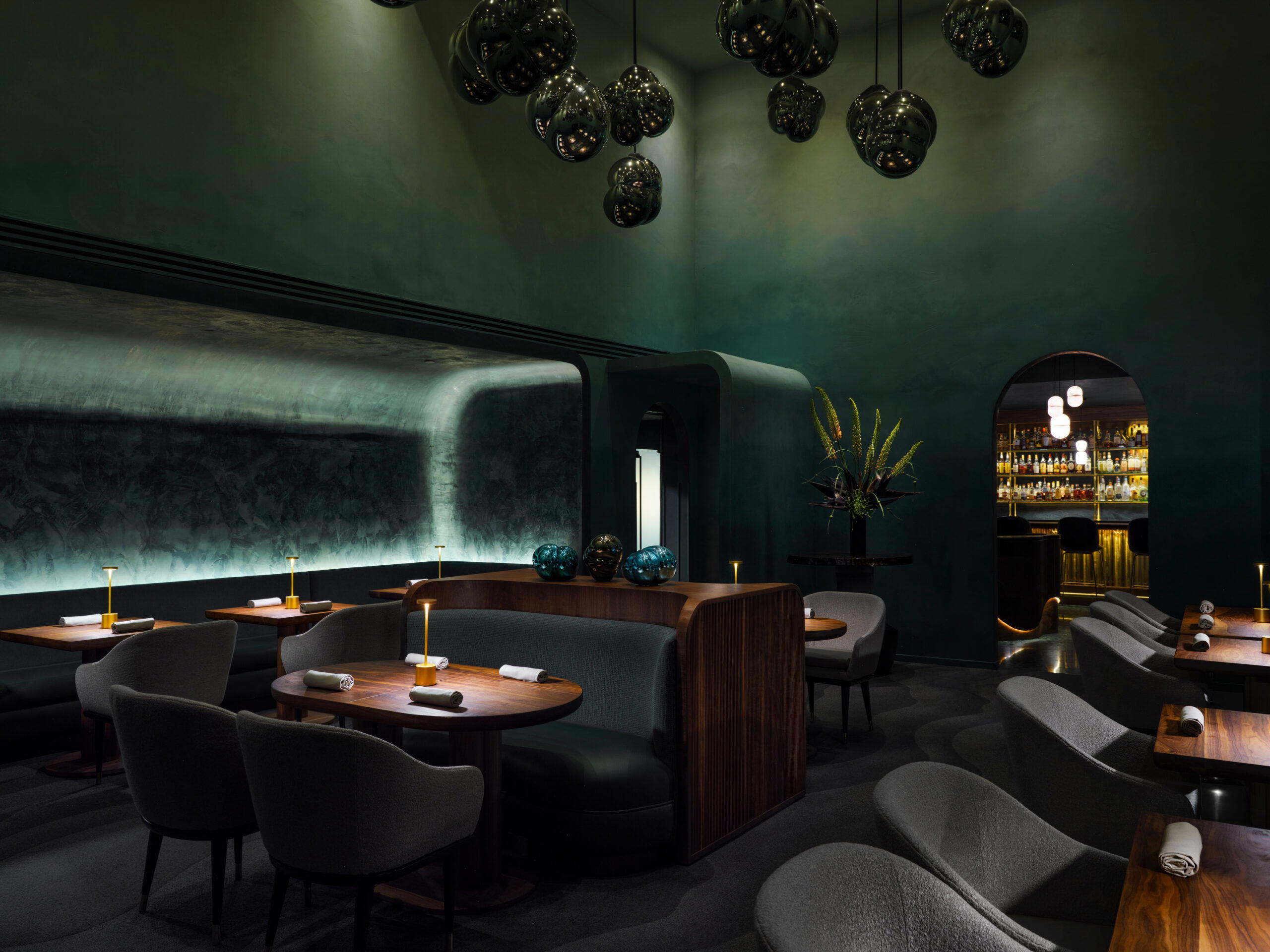
Refined, intimate, and theatrical with focused lighting, dark room, moody elegance, and close chef interaction at the cypress counter.
Tags
Vibe
Best For
Experience
Sourcing
Accessibility
At the Table
- Dress Code
- Smart Casual
- Noise Level
- Conversational
- Service Style
- Formal
- Meal Pacing
- Leisurely
- Capacity
- Intimate
- Kitchen
- Modern
- Menu Format
- Omakase, Tasting menu, Counter dining
- Private Dining
- Available
Signature Dishes
- chawanmushi
- nigiri progression
- uni
Know before you go
Know Before You Go
- Getting there
- 691 14th St NW c, Atlanta, GA 30318, United States
Planning details
Hours
- Monday
- closed
- Tuesday
- closed
- Wednesday
- 5:30 PM-9:30 PM
- Thursday
- 5:30 PM-9:30 PM
- Friday
- 5:30 PM-9:30 PM
- Saturday
- 5:30 PM-9:30 PM
- Sunday
- closed
Location
691 14th St NW c, Atlanta, GA 30318, United States · Directions


Also consider
Also Consider
- Bacchanalia: New American, American, $$$$
- Atlas: Modern European, New American, American, $$$$
- Lazy Betty: Contemporary, $$$$
- Staplehouse: New American, Contemporary, $$$$
- Gunshow: Northern Chinese, American, $$$$
Restaurant context
Among Atlanta's $$$$ restaurants, Mujō occupies a distinct position: it is the only one with a Michelin star, and the only one built around a single-format omakase counter. That specificity makes direct comparison difficult but also clarifies who should book where. If you want a tasting-menu-calibre dinner with the freedom to choose dishes or accommodate a varied group, Bacchanalia and Atlas are both easier to book and more flexible in format. Bacchanalia in particular suits diners who want a polished New American tasting experience without the structural constraints of a counter. Atlas works well for business dinners where table configuration and conversation space matter.
Lazy Betty and Staplehouse represent the more accessible end of the $$$$ tier: both are worth booking on their own terms, but neither carries the credential weight that Mujō's consecutive Michelin stars provide. If the occasion demands a verifiable signal of quality, a milestone birthday, an out-of-town guest you want to impress, Mujō's track record is the most direct answer. Gunshow is a different format entirely (roving carts, high energy) and sits in a separate category; it is a strong choice for groups who want variety and a lively room, but it is not a substitute for a composed omakase experience.
The practical decision comes down to this: if Japanese omakase is the format you want and you can plan ahead, Mujō is the clearest choice in Atlanta. If your group is larger than the counter can comfortably accommodate, or if dietary restrictions make a fixed chef's menu difficult, Bacchanalia or Lazy Betty will serve the occasion better and are more straightforward to book on shorter notice.
Explore Atlanta
Around this place
Discover more on Pearl
Unlock the full Mujō guide in Pearl, including awards, comparisons, FAQs, planning details, and nearby places.
Compare Mujō
| Venue | Location | Cuisine | Awards | Price |
|---|---|---|---|---|
| Mujō | Atlanta | Japanese, Japanese (Sushi Omakase) | 2026 James Beard Award Nominees2026 James Beard Award Semifinalists2025 Michelin 1 Star2025 OpenTable Top 100 Restaurants2024 Michelin 1 Star2023 Esquire Best New Restaurants · #20 | $$$$ |
| Bacchanalia | Atlanta | New American, American | 2026 Forbes 4-Star2026 OAD Top Restaurants in North America Recommended2025 OAD Top Restaurants in North America Ranked · #4932025 Forbes 4-Star2025 Michelin 1 Star2024 OAD Top Restaurants in North America Ranked · #4742024 Michelin 1 Star | $$$$ |
| Atlas | Atlanta | Modern European, New American, American | Star Wine Lists 20262026 Forbes 5-Star2026 OAD Casual in North America Recommended2026 James Beard Award Semifinalists2026 OAD Top Restaurants in Asia Highly Recommended2026 Wine Spectator Best of Award of Excellence2026 La Liste Top Restaurants2025 OAD Top Restaurants in Asia Ranked · #1492025 OAD Casual in North America Ranked · #802 | $$$$ |
| Lazy Betty | Atlanta | Contemporary | Star Wine Lists 20262026 OAD Top Restaurants in North America Recommended2026 Wine Spectator Best of Award of Excellence2025 Wine Spectator Best of Award of Excellence2025 Michelin 1 Star2025 OAD Top Restaurants in North America2024 Michelin 1 Star | $$$$ |
| Staplehouse | Atlanta | New American, Contemporary | 2025 Michelin 1 Star2025 Michelin Plate2024 Michelin 1 Star2023 OAD Top Restaurants in North America Recommended | $$$$ |
| Gunshow | Atlanta | Northern Chinese, American | 2026 OAD Casual in North America Recommended2025 OAD Casual in North America Ranked · #7132025 Michelin Plate2024 OAD Casual in North America Ranked · #6572024 Michelin Plate2023 OAD Gourmet Casual Dining in North America Ranked · #1522023 OAD Casual in North America Recommended | $$$$ |






.png?width=1200&quality=80)
How Mujō Atlanta compares with similar nearby venues.
FAQ
Frequently Asked Questions
Is Mujō worth the price?
At $$$$ per head, Mujō is worth it if omakase is a format you actively want. Two consecutive Michelin stars (2024 and 2025) and a #20 ranking on Esquire's Best New Restaurants list give it more external validation than almost any other restaurant in Atlanta. If you want à la carte flexibility or a shorter commitment, it is the wrong room.
Does Mujō handle dietary restrictions?
Omakase format means the kitchen controls the menu, which makes significant dietary restrictions difficult to accommodate. Contact Mujō directly before booking if you have allergies or exclusions: the format is not designed for heavy substitution, and a heads-up at reservation time is the only practical path.
Is Mujō good for solo dining?
Yes. The counter format is one of the better solo dining setups in Atlanta: you are directly in front of the chef, and omakase pacing means there is no dead time between courses. Solo diners should book as early as possible given the four-night-per-week operating window (Wednesday through Saturday, 5:30 PM to 9:30 PM).
What are alternatives to Mujō in Atlanta?
Hayakawa and O by Brush are the closest Atlanta alternatives for Japanese dining, though neither holds a Michelin star. If the issue is price rather than cuisine, Lazy Betty and Staplehouse both offer tasting-menu formats at lower price points with their own critical recognition.
Can Mujō accommodate groups?
Omakase counters are seat-limited by design, so large groups are structurally difficult. Parties of 4 or more should contact the venue before attempting a booking: do not assume a group reservation is available on the same terms as a table for two.
Is the tasting menu worth it at Mujō?
The omakase is the only format Mujō offers, so the question is whether the format works for you rather than whether to choose it. For a special occasion or a serious sushi dinner, two consecutive Michelin stars and Esquire recognition make it the strongest credential-backed tasting experience in Atlanta right now.