

Gôra Kadan
Kaiseki · Gora, Ashigarashimo
Restaurant in Ashigarashimo, Japan
 Book with Pearl
The Read
Mountain Ryokan Kaiseki
Price
$500+per person
Chef
Keiji Takase
Dress
Formal
Why go
A kaiseki ryokan in Hakone ranked #465 in Japan by Opinionated About Dining (2025) with a 4.4/5 member score. Chef Keiji Takase's kitchen earns its recognition through classical technique, making this a credible destination meal for food-focused travelers. Easy to book; 0.4 km from Gôra Station on the Hakone Tozan Line.
About Gôra Kadan
Verdict: A kaiseki ryokan in Hakone worth booking for the classical cooking
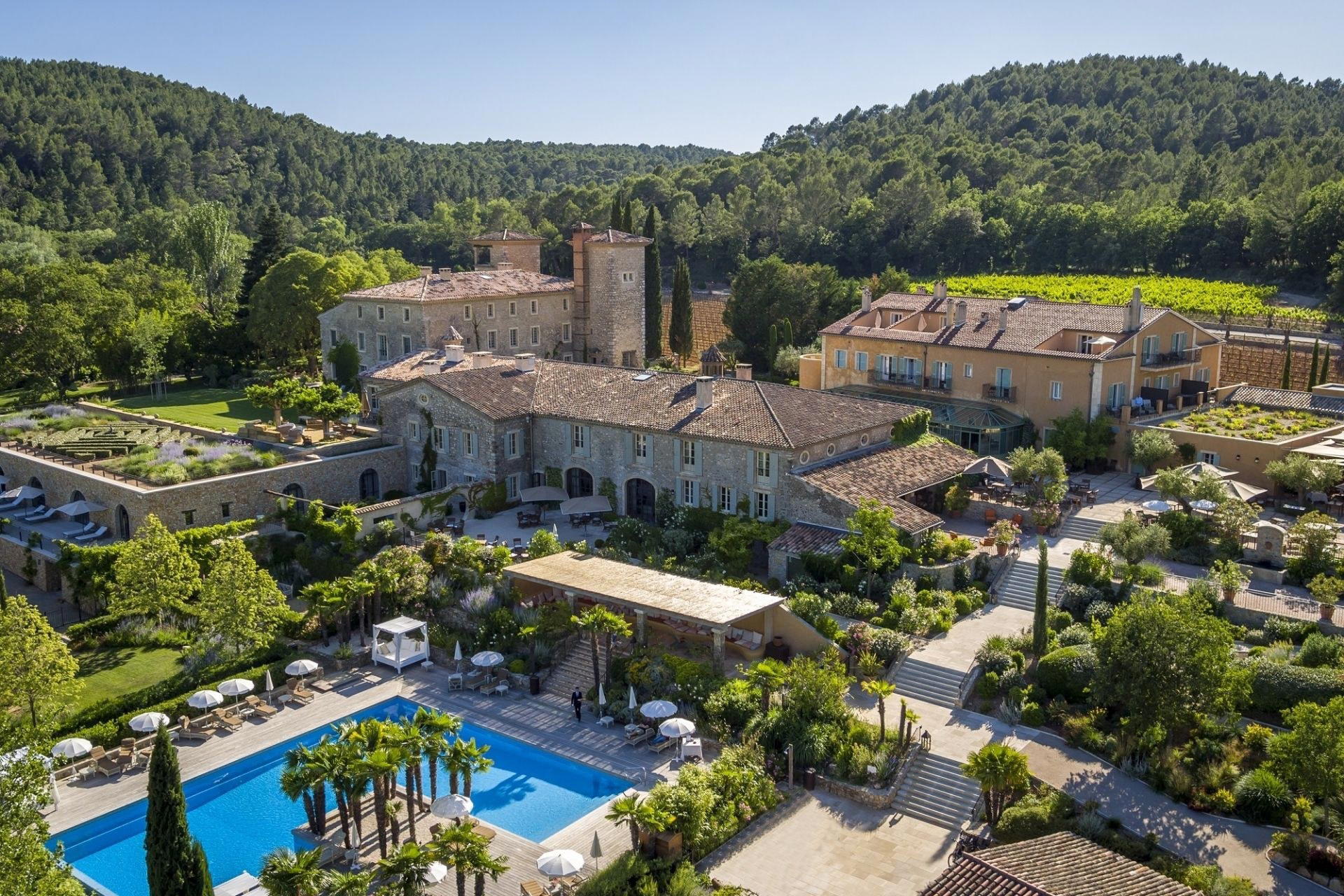
Gôra Kadan sits at the top of Gora in the Hakone hills, about 90 minutes southwest of Tokyo by train via the Hakone Tozan Line (Gôra Station is 0.4 km away, or 15 km from Odawara Shinkansen stop). The property earned an Opinionated About Dining ranking of #465 in Japan (2025) For a kaiseki destination in a resort setting, that combination of critical recognition and consistent guest satisfaction makes it a credible choice for a special stay rather than a gamble.
If you are deciding whether to book: yes, for the right traveler. This is a kaiseki ryokan experience under chef Keiji Takase, and the OAD recognition specifically calls out Cooking Classics as its highlight. That framing matters. Gôra Kadan does not appear to be chasing novelty or fusion trends; the kitchen earns its reputation through classical technique and seasonal discipline, which is exactly what a kaiseki format demands. If you want inventive boundary-pushing Japanese cuisine, RyuGin in Tokyo is a stronger pick. If you want kaiseki delivered with rigorous fidelity to the tradition, Gôra Kadan is the more focused option for the Hakone area.
The Cuisine Case
Kaiseki as a format is built on precision: seasonal ingredients, sequential courses, and technique that should feel effortless without being showy. The OAD Cooking Classics designation is a signal that this kitchen prioritises that foundational discipline over novelty. For food-focused travelers, that is a meaningful differentiator. Many high-end ryokan in the Hakone and Izu region offer kaiseki as a checkbox addition to the onsen experience; the OAD ranking and score suggest Gôra Kadan's kitchen treats the food as the primary commitment, not a secondary amenity. Compare that to Ifuki in Kyoto or Kikunoi in Tokyo if you want peer benchmarks for serious kaiseki execution outside of Hakone.
The Cooking Classics emphasis also implies that the kitchen does not lean on imported luxury ingredients as a shortcut to prestige. Classical kaiseki cooking demands that the chef work within seasonal and regional constraints, which creates a tighter, more considered menu than restaurants built on spectacle. For an explorer-minded diner who reads menus carefully and tracks technique, that approach tends to produce more satisfying meals than kitchens optimising for Instagram moments.
Getting There and Booking
Access from Tokyo is direct: Tokaido Shinkansen to Odawara (roughly 35 minutes from Shin-Osaka, about 40 minutes from Tokyo on the Kodama), then the Hakone Tozan Line to Gôra Station, 0.4 km from the property. By car, the route is 90 km southwest of Tokyo via the Tomei motorway, then the Atsugi/Odawara way and Route 1. Haneda is 100 km; Narita is 170 km. GPS: 35.2478, 139.0489.
Booking difficulty is rated Easy for this property. Given the OAD recognition and the premium ryokan category, availability is likely more stable than Tokyo's hardest-to-book kaiseki rooms, but weekend dates and peak foliage or sakura season windows fill faster. Plan two to four weeks ahead for standard dates; eight weeks or more for peak autumn and spring periods. Dress code, specific pricing, hours, and booking method should be confirmed directly with Gôra Kadan; contact the property directly or use a hotel concierge for exact figures.
For more dining options in the area, see our full Ashigarashimo restaurants guide, and IIDASHOUTEN is worth noting as another local reference point.
Who Should Book
Gôra Kadan is the right call for a food-focused traveler who wants kaiseki in a ryokan setting without commuting into Tokyo or Kyoto for dinner. The OAD score and classical cooking emphasis make it a credible destination meal rather than a default hotel restaurant. It is less suited to groups wanting a la carte flexibility or visitors primarily interested in contemporary Japanese cooking. For special occasions built around kaiseki, it competes credibly with city-based options when the Hakone setting and onsen access factor into the overall value calculation.
Also worth considering for broader Japan itineraries: Gion Sasaki in Kyoto, Goh in Fukuoka, akordu in Nara, 1000 in Yokohama, 6 in Okinawa, Abon in Ashiya, affetto akita in Akita, Aji Arai in Oita, and HAJIME in Osaka or Harutaka in Tokyo for different format preferences. Full area context: Ashigarashimo hotels, bars, wineries, and experiences.
Quick reference:
Located inside
 HotelGora KadanFull hotel guide
Planning details
- Hours
- Monday: 11 AM–3 PM, 5:30–9 PM · Tuesday: 11 AM–3 PM, 5:30–9 PM
- Location
- 1300 Gora, Hakone, Ashigarashimo District, Kanagawa 250-0408, Japan
- Reservations
- Book on TableCheck
- Website
- gorakadan.com/kaiseki-kadan
- Phone
- +81 460-82-3333
The take
The Take
The Vibe
Gôra Kadan reads like a refined mountain retreat where the landscape determines the meal. The writing foregrounds cedar-clad hillsides, cool air and a faint sulphur note that root the dining experience in place; the result is quietly serene and quietly charming rather than flashy. The kitchen's devotion to kaiseki, a disciplined, seasonal sequence born of tea-ceremony culture, reinforces a measured, contemplative atmosphere. Service orients around the counter and the ritual of each course, so the room feels intimate and deliberate: a place for slowed-down tasting that reflects the rhythms of Hakone's highland produce and nearby Sagami Bay seafood.
Best For
Gôra Kadan suits diners seeking an elevated, place-driven meal in a mountain-resort setting. The kaiseki framework makes it ideal for special evenings when the point is the sequence and seasonality of ingredients, whether you’re marking a celebration or enjoying a quiet, refined date night. Its location, a short walk from Gôra station and set within Hakone’s cedar-clad landscape, also makes it a natural stop for travelers staying in the area who want a thoughtful, locally anchored Japanese tasting experience rather than casual, quick dining.
Ordering Tips
Expect a multi-course kaiseki sequence that moves through soup, sashimi, simmered and grilled courses, rice and dessert; the menu changes with the season to showcase local highland produce and Sagami Bay seafood. Approach the meal with patience and attention: dishes are compositional responses to the current moment, so follow the intended order rather than assembling a la carte. Given the counter-led format, the chef’s choices and the sequence are central to the experience; arriving prepared to engage with that progression will make the meal most rewarding.
Venue details
Ambiance
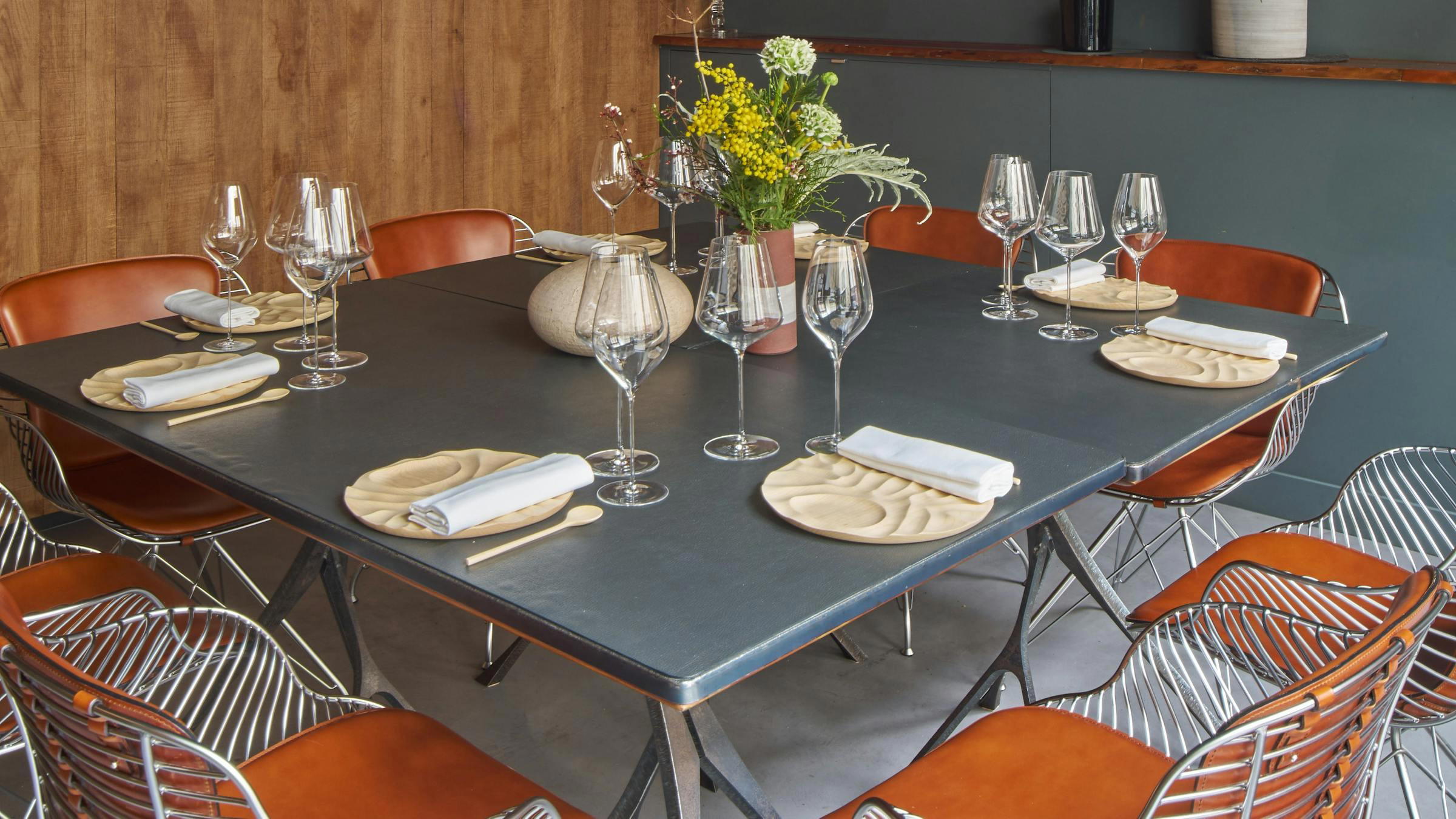
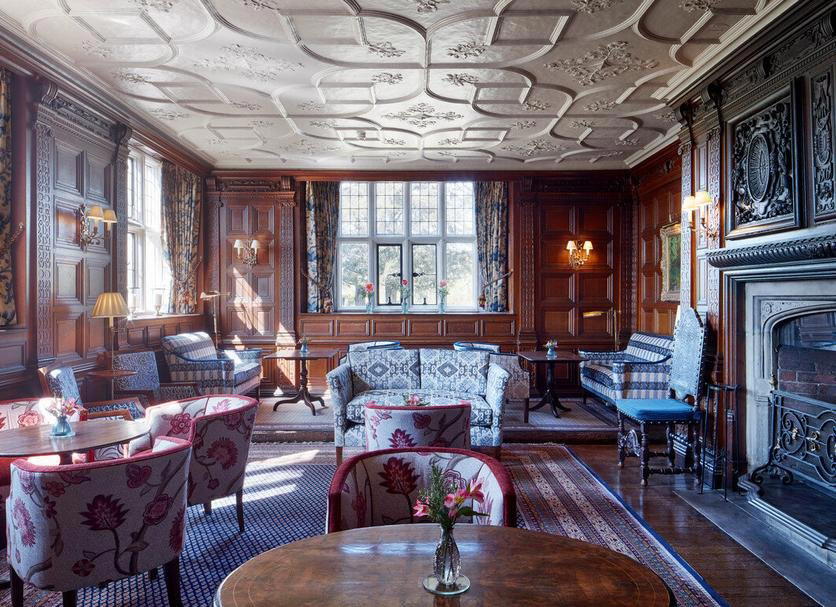
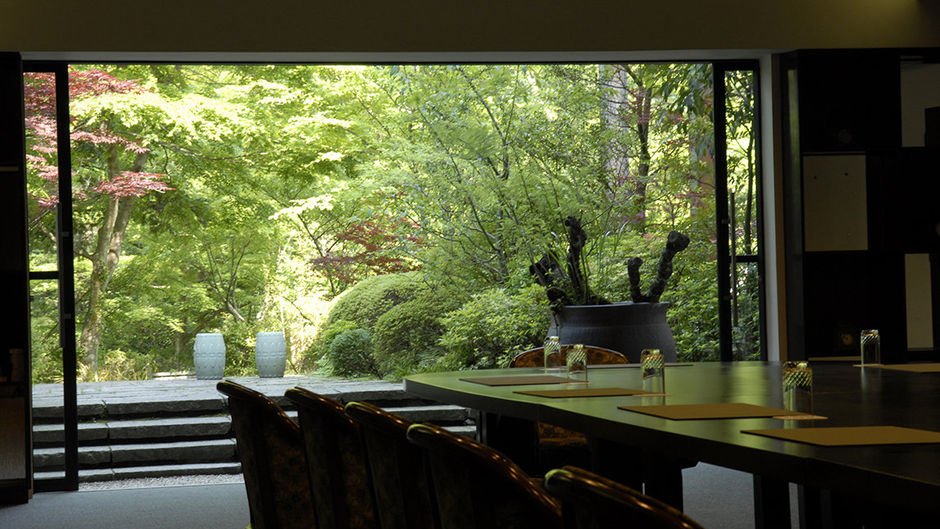
Traditional Japanese elegance with minimalist design, natural light framing Hakone countryside views, and an atmosphere of utter silence and tranquility.
Tags
Vibe
Best For
Experience
Sourcing
View
At the Table
- Dress Code
- Formal
- Noise Level
- Quiet
- Service Style
- Formal
- Meal Pacing
- Leisurely
- Capacity
- Small
- Kitchen
- Seasonal
- Menu Format
- Tasting menu
- Private Dining
- Available
Know before you go
Know Before You Go
- Getting there
- 1300 Gora, Hakone, Ashigarashimo District, Kanagawa 250-0408, Japan
Planning details
Hours
- Monday
- 11 AM–3 PM, 5:30–9 PM
- Tuesday
- 11 AM–3 PM, 5:30–9 PM
- Wednesday
- 11 AM–3 PM, 5:30–9 PM
- Thursday
- 11 AM–3 PM, 5:30–9 PM
- Friday
- 11 AM–3 PM, 5:30–9 PM
- Saturday
- 11 AM–3 PM, 5:30–9 PM
- Sunday
- 11 AM–3 PM, 5:30–9 PM
Location
1300 Gora, Hakone, Ashigarashimo District, Kanagawa 250-0408, Japan · Directions


Also consider
Also Consider
- HAJIME: French, Innovative, ¥¥¥¥
- Harutaka: Sushi, ¥¥¥¥
- L'Effervescence: French, ¥¥¥¥
- RyuGin: Kaiseki, Japanese, ¥¥¥¥
- HOMMAGE: Innovtive French, French, ¥¥¥¥
Restaurant context
Gôra Kadan sits in a different competitive frame from most of its comparison set. RyuGin is the most direct kaiseki peer: both operate at the top tier of Japanese cuisine, but RyuGin is a standalone Tokyo restaurant where you book a table and leave, while Gôra Kadan is a ryokan where the kaiseki meal is part of a full overnight stay. If you are weighing them purely on food, RyuGin's profile is sharper and its city accessibility higher. If the combination of kaiseki, onsen, and mountain setting is the point, Gôra Kadan wins that comparison outright.
HAJIME and L'Effervescence operate in a different culinary language entirely: both are French-influenced and innovation-driven, which makes them poor substitutes if classical kaiseki is your target. HOMMAGE similarly skews toward inventive French. These are strong restaurants for what they do, but they are not alternatives to Gôra Kadan; they are alternatives to each other. Harutaka is sushi rather than kaiseki, so it belongs in a separate decision entirely.
For diners choosing between a kaiseki ryokan stay in Hakone and a kaiseki dinner in Kyoto or Tokyo, the honest comparison is Gôra Kadan against Gion Sasaki in Kyoto or Kikunoi in Tokyo. Both city options offer serious kaiseki without requiring an overnight commitment and at likely lower all-in cost. Gôra Kadan justifies the premium when the Hakone experience itself is part of what you are buying. Book Gôra Kadan when you want kaiseki as the anchor of a longer stay; book a city kaiseki when you want the food to stand completely on its own.
Explore Ashigarashimo
Around this place
Discover more on Pearl
Unlock the full Gôra Kadan guide in Pearl, including awards, comparisons, FAQs, planning details, and nearby places.
Compare Gôra Kadan
| Venue | Location | Cuisine | Awards | Price |
|---|---|---|---|---|
| Gôra Kadan | Ashigarashimo | Kaiseki | 2026 Relais Chateaux Restaurants2026 OAD Top Restaurants in Japan Recommended2025 OAD Top Restaurants in Japan Ranked · #4652025 Relais Chateaux Award | |
| HAJIME | Osaka | French, Innovative | Star Wine Lists 2026 · #12026 Tabelog Bronze · #922026 OAD Top Restaurants in Japan Ranked · #98Michelin Guide Kyoto Osaka 20262026 La Liste Top RestaurantsTabelog 100 - Innovative / Creative cuisine - 2025 · #692025 Asia's 50 Best Restaurants · #832025 OAD Top Restaurants in Japan Ranked · #87We're Smart World Top Restaurants 2025 | ¥¥¥¥ |
| Harutaka | Tokyo | Sushi | 2026 Tabelog Silver · #312026 OAD Top Restaurants in Japan Ranked · #1282026 Michelin 3 Stars2026 La Liste Top RestaurantsTabelog 100 - Sushi - TOKYO - 2025 · #372025 Asia's 50 Best Restaurants · #762025 OAD Top Restaurants in Japan Ranked · #1172025 La Liste Top Restaurants2025 Tabelog Bronze | ¥¥¥¥ |
| L'Effervescence | Tokyo | French | 2026 Tabelog Silver · #682026 OAD Top Restaurants in Japan Ranked · #103Star Wine Lists 20262026 Black Pearl 2 Diamond2026 Relais Chateaux Restaurants2026 La Liste Top Restaurants2026 Michelin 3 Stars2025 Asia's 50 Best Restaurants · #692025 OAD Top Restaurants in Japan Ranked · #92 | ¥¥¥¥ |
| RyuGin | Tokyo | Kaiseki, Japanese | 2026 OAD Top Restaurants in Japan Ranked · #802026 Tabelog Bronze · #3772026 Michelin 3 Stars2026 La Liste Top RestaurantsTabelog 100 - Japanese cuisine - TOKYO - 2025 · #212025 OAD Top Restaurants in Japan Ranked · #542025 Michelin 3 Stars2025 La Liste Top Restaurants2025 The Best Chef Three Knives | ¥¥¥¥ |
| HOMMAGE | Tokyo | Innovtive French, French | 2026 Tabelog Bronze · #1232026 OAD Top Restaurants in Japan Highly Recommended2026 Michelin 2 StarsTabelog 100 - French - TOKYO - 2025 · #762025 Asia's 50 Best Restaurants · #782025 OAD Top Restaurants in Japan Ranked · #1752025 Michelin 2 Stars2025 The Best Chef One Knife2025 La Liste Top Restaurants | ¥¥¥¥ |













How Gôra Kadan compares with similar nearby venues.
FAQ
Frequently Asked Questions
What are alternatives to Gôra Kadan in Ashigarashimo?
IIDASHOUTEN is the most directly local alternative in the Ashigarashimo area. For kaiseki at a similar or higher tier elsewhere in Japan, Gion Sasaki in Kyoto and Kikunoi in Tokyo offer serious kaiseki without requiring an overnight ryokan commitment. If the Hakone setting is a priority but you want to compare ryokan dining options more broadly, explore the wider Ashigarashimo restaurants guide.
Can I eat at the bar at Gôra Kadan?
Gôra Kadan operates as a ryokan, so the kaiseki dinner format is structured around the guest-room experience instead of a walk-in bar or counter. Dining here is typically tied to an overnight stay. For a counter-seat experience as a standalone evening, Harutaka in Tokyo is a more practical option.
What should a first-timer know about Gôra Kadan?
Gôra Kadan is a kaiseki ryokan, with a set multi-course format shaped by the season and the chef's selection. The kitchen focuses on disciplined classical technique instead of experimental cuisine, so expect precision and restraint. The property sits 0.4 km from Gôra Station on the Hakone Tozan Line, about 90 minutes from Tokyo. A Hakone overnight makes more sense than a day-trip dinner because the meal is part of the ryokan experience.
How far ahead should I book Gôra Kadan?
Booking 4 to 6 weeks ahead is the practical floor for weekend dates and peak foliage or cherry blossom periods. Weeknights outside peak season offer more flexibility, but last-minute availability should not be assumed. Book directly through the property as early as your travel dates are fixed.
Is Gôra Kadan good for a special occasion?
Yes, for a couple or small group who want kaiseki as the centrepiece of a Hakone overnight. The 2025 OAD ranking at #465 in Japan and the classical cooking focus give it enough credibility to anchor a milestone trip. If the occasion calls for a Tokyo setting instead of a retreat, RyuGin or HAJIME offer similar weight without the overnight commitment.