


Emilia
Italian · Ashburton
Restaurant in Ashburton, United Kingdom
 Book with Pearl
The Read
Emilia-Romagna Osteria Precision
Price
$30–50per person
Dress
Smart Casual
Why go
A Michelin Bib Gourmand holder in a former Ashburton bank, Emilia runs a daily-changing Italian-inflected menu with in-house pasta and a considered regional wine list. At ££, it delivers Ducksoup-pedigree cooking in a relaxed, small-room format. Easy to book and worth making the trip for.
About Emilia
Who Should Book Emilia
Emilia is the right choice if you want a genuinely satisfying Italian-inflected meal without the formality or price tag of a destination restaurant. It works particularly well for a relaxed date or a low-key celebration where you want interesting food and wine rather than theatre. If you are planning a special occasion and want to feel like you have found somewhere properly considered rather than just a reliable local, Emilia delivers that. It holds a Michelin Bib Gourmand in both 2024 and 2025, which is the guide's signal for serious cooking at a price that does not require justification.
The Setting
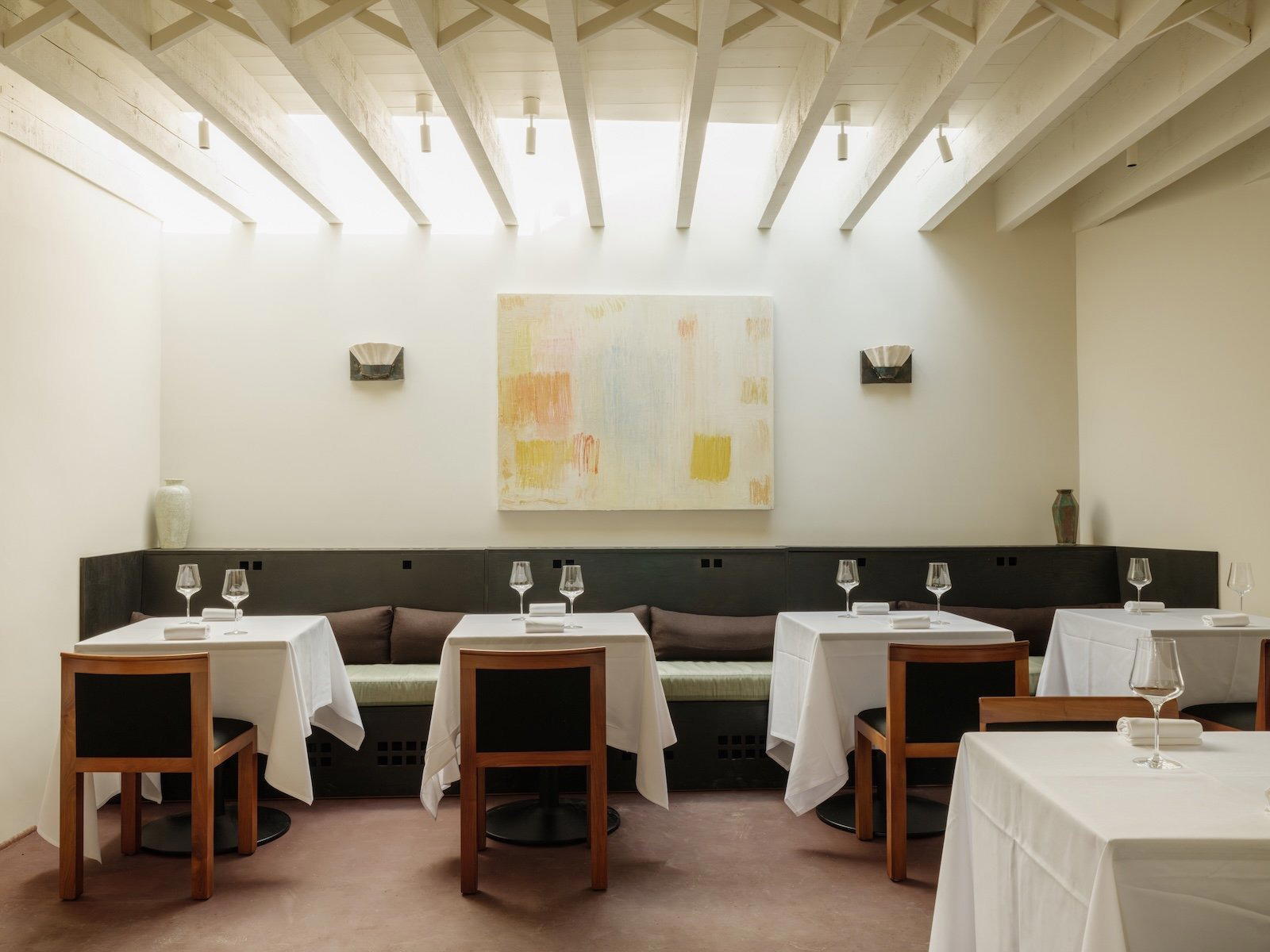
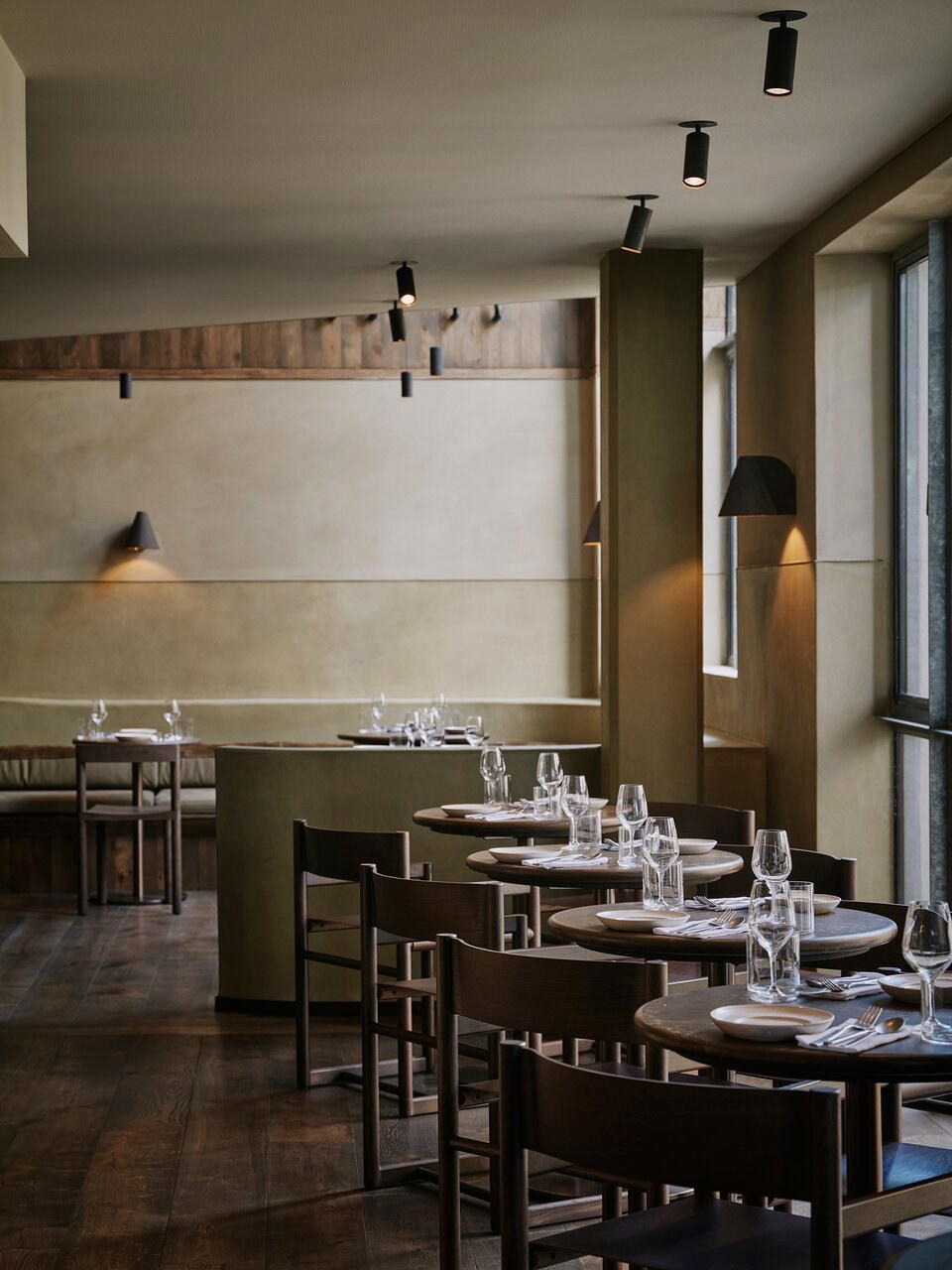
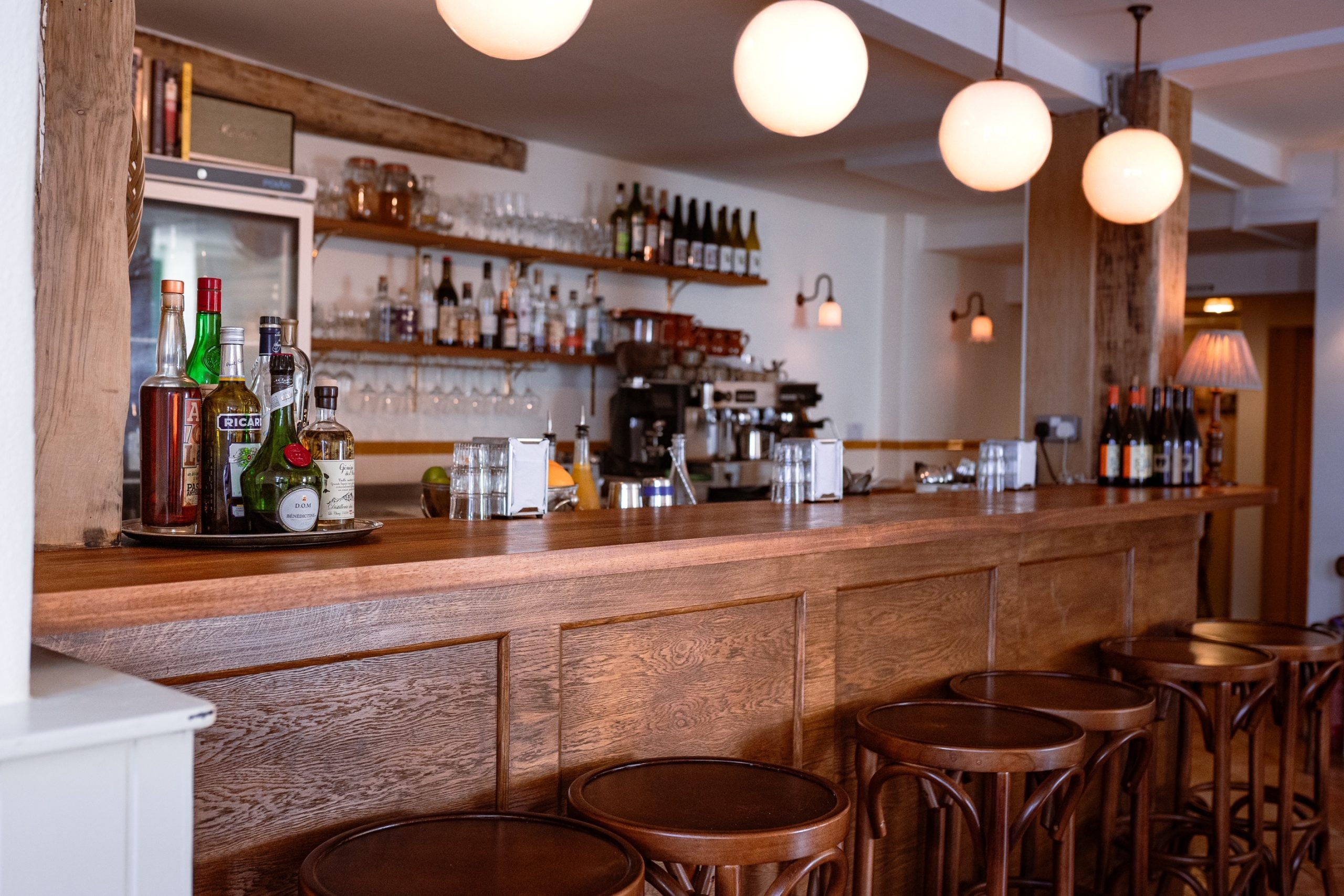
The room is a former bank in the centre of Ashburton, and the old vault now serves as the wine store. It is a small space with square tables, some arranged for sharing, and counter and window stools that suit those who do not mind perching. The energy is agreeable rather than hushed: this is not a room that asks you to speak quietly or sit still. If noise and close quarters are a problem for your occasion, book early in service when the room has not yet reached full volume. The daily-changing menu is chalked on the vault door, which sets the tone for what kind of restaurant this is: informal, market-led, and genuinely responsive to what is available.
The Menu and Sourcing
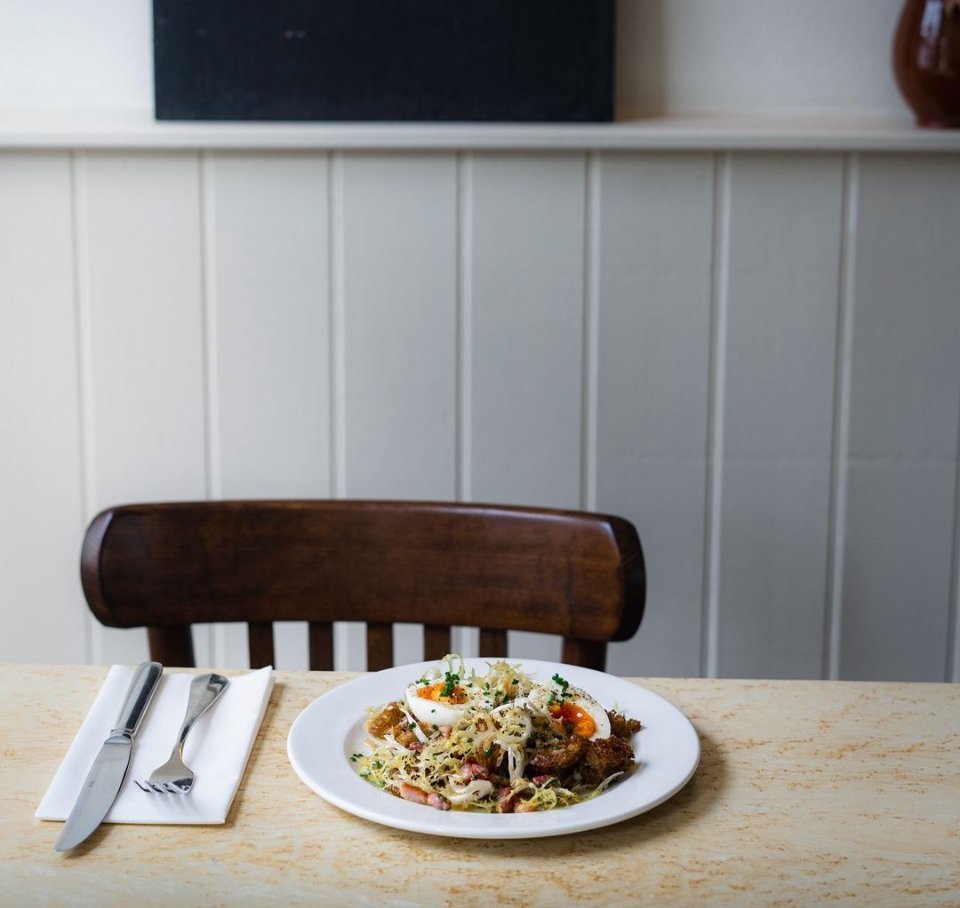
Chef Agim Syla runs a kitchen that takes its direction from Emilia-Romagna, the northern Italian region that gives the restaurant its name. Emilia-Romagna is the source of some of Italy's most ingredient-focused cooking traditions, and that ethos is visible in how the menu is constructed: pasta made in-house daily, a standing offal dish that changes with what is available, and small plates built around a small number of well-chosen components rather than elaborate technique. The approach is generous and direct. Dishes from the kitchen have included broad-ribboned pappardelle with ox cheek ragù and black olives, marinated gurnard with golden raisins, almonds and saffron, and hanger steak with roasted Tropea onion, salted ricotta, capers and oregano. These are not dishes that require explanation. The sourcing is the story: seasonal produce, in-house pasta, and a kitchen that works within its own stated limits rather than overreaching.
Appetisers are lighter in ambition than the mains but charcuterie is a reliable entry point. Dessert selection is deliberately minimal, typically two choices, which tends to make the decision harder rather than easier. The blood-orange and pistachio tart with crème fraîche and the dark chocolate mousse with ginger and oat crumb represent the kitchen's range: precise, flavour-forward, and not trying to impress beyond what the ingredients can carry.
The Wine
There is a retail wine store behind a curtain, and a select portion of that stock makes it onto the restaurant list. The wines are Italian regional and chosen with clear intent: a Merlot-based Gambellara from the Veneto, skin-contact Sicilian from Grecanico-Inzolia. This is not a list built for recognition, it is built for interest. Aperitifs include a Bellini variation made with rhubarb juice. If wine matters to you, this is a place that will reward conversation with whoever is pouring. If you want a conventional Italian list with familiar names, you may find it narrow.
Practical Details
Emilia sits at ££ on the price range, which for a Bib Gourmand holder in a rural Devon market town represents strong value. The address is 2 East St, Ashburton, Newton Abbot TQ13 7AA. Booking is rated as easy, which is consistent with a small room in a small town rather than a destination with a waiting list. That said, the room is small and the menu changes daily, so confirming a reservation in advance is still the sensible move, particularly for weekends or if you are travelling specifically to eat here. Ashburton is accessible by road from Exeter and Plymouth; for more on what else to do in the area, see our full Ashburton restaurants guide, our Ashburton hotels guide, and our Ashburton bars guide. You can also explore Ashburton wineries and Ashburton experiences if you are planning a longer visit.
Comparison
| Venue | Price | Booking Difficulty | Format | Leading For |
|---|---|---|---|---|
| Emilia | ££ | Easy | Small plates, daily menu | Relaxed occasion, value |
| Le Vin Perdu | ££ | Easy | French bistro | Casual local alternative |
| Gidleigh Park | ££££ | Moderate | Country house fine dining | Formal special occasion |
| Hand and Flowers | £££ | Harder | Gastropub fine dining | Food-first occasion |
How It Fits the Wider Picture
If you are comparing Emilia against other serious Italian cooking internationally, the contrast is instructive. 8½ Otto e Mezzo Bombana in Hong Kong and Cenci in Kyoto represent Italian cooking at the formal end of the international spectrum. Emilia occupies the opposite register: osteria-style, ingredient-led, and priced for regular use rather than special-occasion splashing. Among UK destination restaurants that have relocated out of London, CORE by Clare Smyth, The Fat Duck, L'Enclume, and Moor Hall all sit at a fundamentally different price point and level of formality. Emilia's Ducksoup pedigree (founders Clare Lattin and Tom Hill previously ran Ducksoup in Soho) gives it credibility in the casual-but-serious Italian space, but it is not competing with those venues. It is competing with the idea that you cannot eat well in a small Devon market town. On that count, it wins.
For other strong UK regional restaurants worth knowing about in this category, hide and fox in Saltwood, Midsummer House in Cambridge, and Opheem in Birmingham represent comparable ambition at the regional level, though in more formal formats. Le Manoir aux Quat'Saisons is the obvious benchmark for the rural-destination category in England, but at a price point and formality level that makes it a different kind of decision.
Planning details
- Location
- 2 East St, Ashburton, Newton Abbot TQ13 7AA, United Kingdom
- Reservations
- Book on OpenTable
- Website
- emiliaashburton.co.uk
- Phone
- +44 1364 653998
The take
The Take
The Vibe
Emilia occupies a repurposed bank vault in the centre of Ashburton, and the building’s history is on full display: the original vault door now frames a half‑curtained wine store. The room is compact and intentionally arranged—square tables, some set up for sharing, and wicker stools at the window—so the atmosphere feels intimate but genuinely buzzy. The kitchen adheres to the traditions of Emilia‑Romagna: house‑made pasta, ingredient-led dishes and a restrained, generous approach to flavour. The result is a quietly classic, charming spot that balances rustic authenticity with a considered, contemporary sensibility.
Best For
Emilia suits people who want focused, ingredient-driven Northern Italian cooking without pretension. It’s an attractive option for date nights and small celebrations—its compact scale and warm, buzzy room make evenings feel convivial—and its sharing-friendly layout accommodates small groups. Solo diners are well served by the wicker window stools, and food lovers who appreciate handcrafted pasta and generous preparations will be in their element. The Bib Gourmand recognition signals quality at accessible prices, so it’s a good pick for those seeking serious cooking in a relaxed, characterful setting.
Ordering Tips
Let the chalked daily menu guide you: the kitchen changes offerings frequently, so look for fresh takes on Emilia‑Romagna classics. Share plates to taste more—the layout encourages communal dining—and don’t miss the signatures: house salami, ricotta agnolotti and the lamb chops are highlighted repertoire. Counter seating at the window is ideal for a solo meal or watching the room’s rhythm. Before you go, take a look through the half‑curtained wine store framed by the old vault—bottles are available retail‑style and pair naturally with the menu’s generous, ingredient-led dishes.
Venue details
Ambiance
Cosy and intimate with relaxed atmosphere, open kitchen view, and agreeable buzz from a small room.
Tags
Vibe
Best For
Experience
Sourcing
At the Table
- Dress Code
- Smart Casual
- Noise Level
- Conversational
- Service Style
- Upscale Casual
- Meal Pacing
- Leisurely
- Capacity
- Intimate
- Kitchen
- Modern
- Menu Format
- Small plates, A la carte
- Wine Program
- Curated
- Dietary
- Vegetarian friendly
Signature Dishes
- house salami
- ricotta agnolotti
- lamb chops
Know before you go
Know Before You Go
- Getting there
- 2 East St, Ashburton, Newton Abbot TQ13 7AA, United Kingdom
Planning details
Location
2 East St, Ashburton, Newton Abbot TQ13 7AA, United Kingdom · Directions

Also consider
Also Consider
- CORE by Clare Smyth, Modern British, ££££
- Restaurant Gordon Ramsay, Contemporary European, French, ££££
- Sketch, The Lecture Room and Library, Modern French, ££££
- The Ledbury, Modern European, Modern Cuisine, ££££
- Dinner by Heston Blumenthal, Modern British, Traditional British, ££££
Restaurant context
Emilia sits at ££ with a Michelin Bib Gourmand. The comparison venues here, including CORE by Clare Smyth, Restaurant Gordon Ramsay, Sketch, The Lecture Room and Library, The Ledbury, and Dinner by Heston Blumenthal, all operate at ££££. That price gap is the starting point for any honest comparison. If your frame is London fine dining, Emilia is not a substitute. It is a different kind of restaurant entirely: osteria-format, ingredient-led, and built for regular use rather than occasion dining at high spend.
Where Emilia holds its own is in the quality-to-price ratio. The Bib Gourmand is Michelin's explicit endorsement of serious cooking at accessible prices, and for Devon, that credential carries weight. CORE and The Ledbury offer deeper technique, longer wine lists, and more formal service, which justifies their price difference for the right occasion. But if you are not in London, or if you want a meal that feels genuinely local and responsive to the season rather than a fixed tasting menu, Emilia is the more honest choice for what it charges.
For value-first diners or those visiting Devon who want one good meal without a special-occasion budget, Emilia is the clear recommendation. For those who want the full fine-dining format, the closest serious alternative in the region is Gidleigh Park in Chagford, which operates at a higher price point but offers the country-house experience if that is what the occasion requires. Emilia is easy to book; CORE, The Ledbury, and Restaurant Gordon Ramsay all require advance planning of several weeks or more.
Explore Ashburton
Around this place
Discover more on Pearl
Unlock the full Emilia guide in Pearl, including awards, comparisons, FAQs, planning details, and nearby places.
Compare Emilia
| Venue | Cuisine | Price | Awards | Booking Difficulty |
|---|---|---|---|---|
| Emilia | Italian | ££ | SquareMeal UK Top 100 Restaurants 2026 · #77Michelin Guide Great Britain & Ireland 20262026 Bib GourmandThe Good Food Guide 20252025 Michelin Bib Gourmand2024 Michelin Bib Gourmand | Easy |
| CORE by Clare Smyth | Modern British | ££££ | Star Wine Lists 2026 · #12026 Harden's Top 100 UK Restaurants · #252026 OAD Top Restaurants in Europe Ranked · #532026 National Restaurant Awards Top 100 · #872026 AA 5-Rosette RestaurantsMichelin Guide Great Britain & Ireland 20262026 La Liste Top Restaurants2025 National Restaurant Awards Top 100 · #382025 OAD Top Restaurants in Europe Ranked · #46 | Unknown |
| Restaurant Gordon Ramsay | Contemporary European, French | ££££ | 2026 OAD Classical in Europe Ranked · #682026 AA 4-Rosette RestaurantsMichelin Guide Great Britain & Ireland 20262026 La Liste Top Restaurants2026 Falstaff Restaurant Guide2025 National Restaurant Awards Top 100 · #142025 OAD Classical in Europe Ranked · #96The Good Food Guide 20252025 Michelin 3 Stars | Unknown |
| Sketch, The Lecture Room and Library | Modern French | ££££ | 2026 Harden's Top 100 UK Restaurants · #532026 OAD Classical in Europe Ranked · #1202026 AA 5-Rosette RestaurantsMichelin Guide Great Britain & Ireland 20262026 La Liste Top Restaurants2025 OAD Classical in Europe Ranked · #105We're Smart World Top Restaurants 20252025 Michelin 3 Stars2024 OAD Classical in Europe Ranked · #117 | Unknown |
| The Ledbury | Modern European, Modern Cuisine | ££££ | Star Wine Lists 2026 · #12026 Harden's Top 100 UK Restaurants · #42026 National Restaurant Awards Top 100 · #42026 OAD Top Restaurants in Europe Ranked · #142026 AA 4-Rosette RestaurantsMichelin Guide Great Britain & Ireland 20262026 La Liste Top Restaurants2026 Falstaff Restaurant Guide2025 National Restaurant Awards Top 100 · #3 | Unknown |
| Dinner by Heston Blumenthal | Modern British, Traditional British | ££££ | Star Wine Lists 2026 · #12026 OAD Top Restaurants in Europe Ranked · #1442026 AA 4-Rosette Restaurants2026 OAD Top Restaurants in Asia Recommended2026 La Liste Top RestaurantsMichelin Guide Great Britain & Ireland 20262026 Falstaff Restaurant Guide2025 Michelin 2 Stars2025 La Liste Top Restaurants | Unknown |
.png?width=1200&quality=80)











Side-by-side comparison to help you decide where to book.
FAQ
Frequently Asked Questions
Can Emilia accommodate groups?
Groups of four or more should book ahead and request a square table — the room is small, and counter and window seating on wicker stools is better suited to pairs than larger parties. Emilia is not set up for large private bookings. For a group wanting a shared-table experience, the format works well for up to four or five, but plan around the room's size rather than assuming it can flex.
What should I order at Emilia?
The in-house pasta is the anchor of the menu — pappardelle with a ragù of ox cheek and black olives is the kind of dish the kitchen does better than almost anywhere at this price point. There is always a daily offal dish and the specials chalked on the old vault door are worth scanning first. The wine list, drawn from the retail store behind the curtain, is short but well-chosen Italian regional stock, and worth asking about.
Can I eat at the bar at Emilia?
Yes. Counter and window seating is available, though the venue's own editorial notes that wicker stools there are best suited to younger or more agile guests. It is a practical option for solo diners or pairs who have not booked, and the full menu applies. For comfort over a longer meal, a table is the better call.
Is the tasting menu worth it at Emilia?
Emilia does not run a tasting menu format — it is a daily-changing small plates and mains operation, priced at ££, with dishes listed on a chalkboard. That format is a point in its favour: you order what appeals rather than committing to a set sequence. For the price and the Michelin Bib Gourmand credential, the à la carte approach delivers better value than comparable set-menu spots in the region.
Is Emilia good for a special occasion?
It works well for low-key celebrations where the food matters more than the formality. The room is small and atmospheric — a converted bank with a vault wine store — but it is not a white-tablecloth occasion restaurant. At ££ with a Bib Gourmand in two consecutive years (2024, 2025), it is the right choice when you want a genuinely memorable meal without the theatre of a destination dining room. For a high-ceremony anniversary, look elsewhere; for a dinner that will actually be talked about, Emilia is a strong pick.