

Moulin d'Alotz
Creative · Arcangues
Restaurant in Arcangues, France
 Book with Pearl
The Read
Meat-Free Basque Creativity
Price
$50–100per person
Chef
Fabrice Idiart
Dress
Smart Casual
Why go
Moulin d'Alotz holds a Michelin star and a Gault&Millau Remarkable rating for good reason: chef Fabrice Idiart runs a fully meat-free creative kitchen inside a 17th-century Basque watermill, with a conservatory overlooking open countryside. At €€€, it is well priced for the level. Book early, this is a hard table to secure, and time your visit for autumn or spring to catch the kitchen at its seasonal peak.
About Moulin d'Alotz
A Michelin-starred meat-free mill in the Basque countryside: worth the trip from Biarritz
At the €€€ price point, Moulin d'Alotz delivers something you will not easily find elsewhere in the French Basque Country: a Michelin one-star creative kitchen that has gone entirely meat-free, running on a philosophy where vegetables, plant-based sauces, and Basque regional produce carry every course. If that premise interests you, book as soon as your dates are fixed: tables here are hard to secure. If you need protein-centred fine dining, look elsewhere; this menu is built around a different set of priorities and makes no apologies for it.
What to expect when you arrive
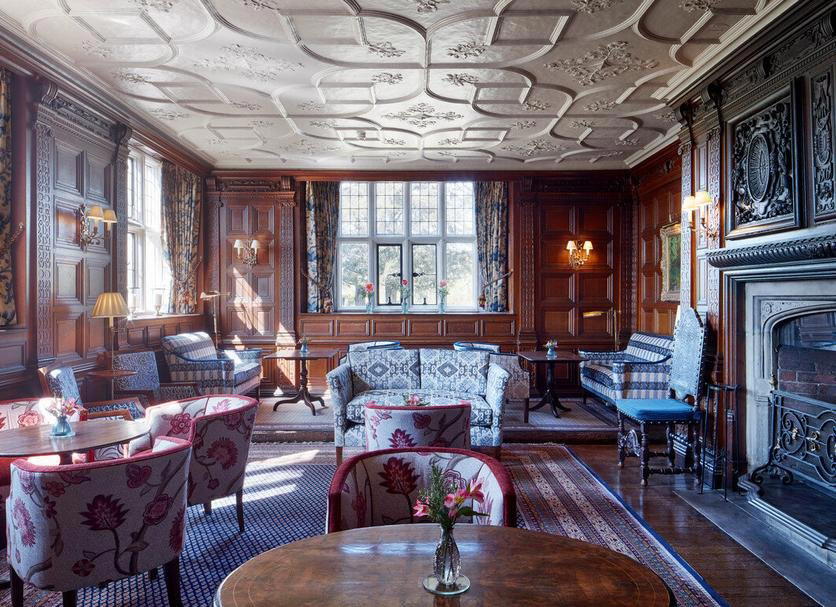
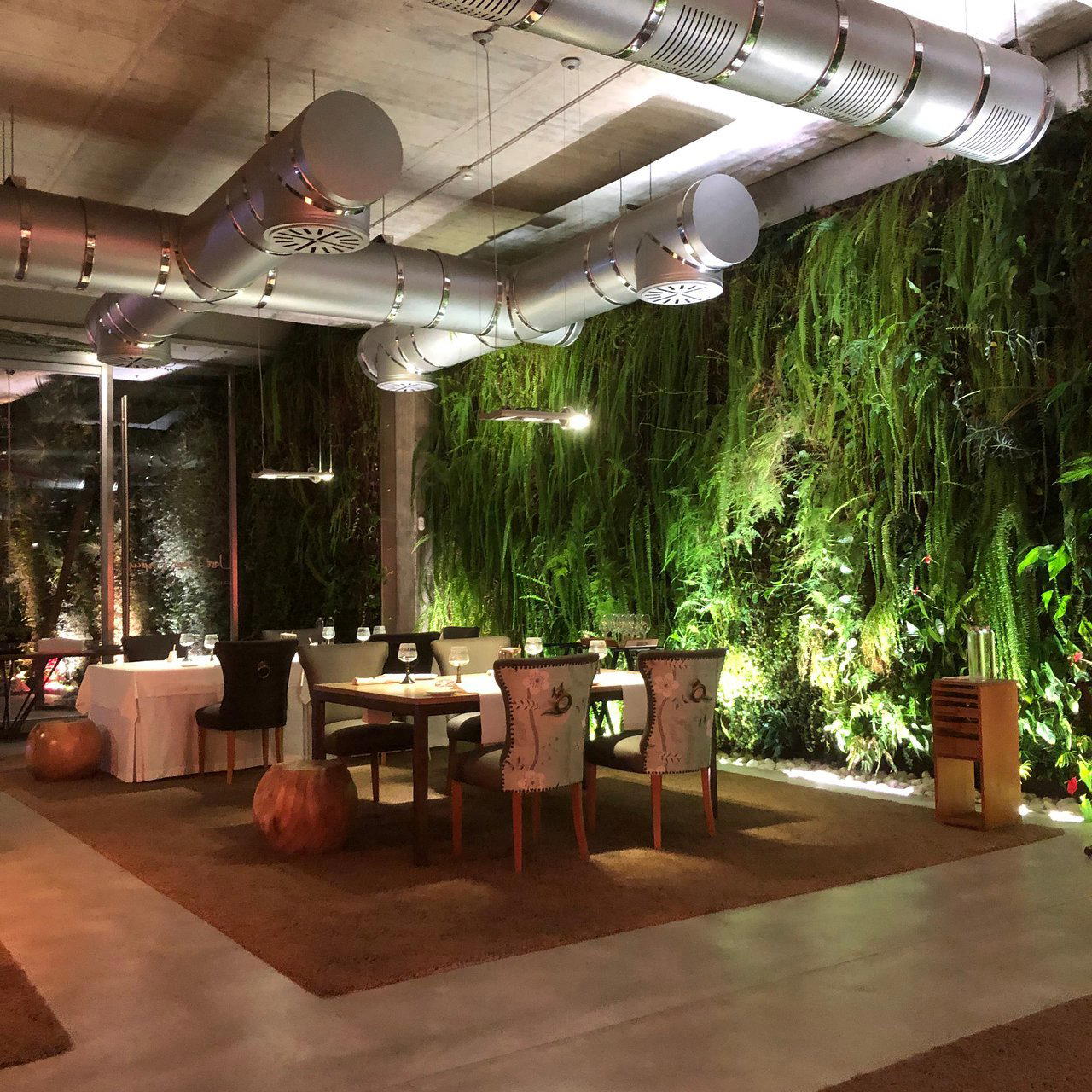
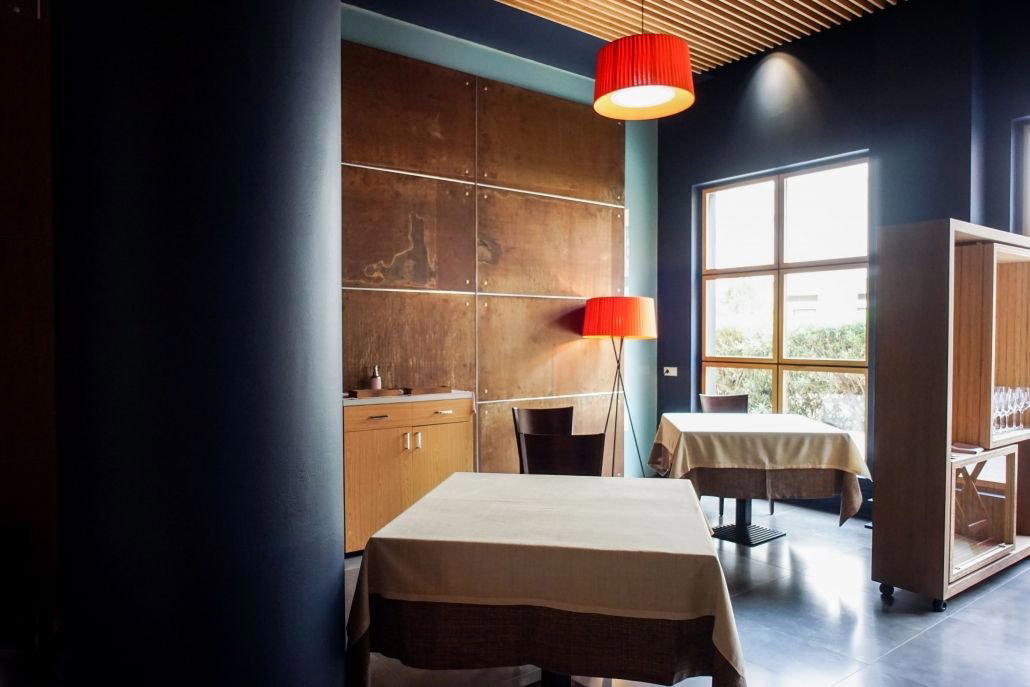
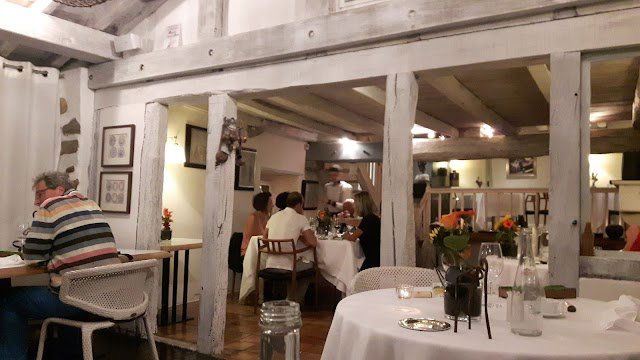
The setting is a 17th-century Basque watermill in Arcangues, a quiet village a short drive inland from Biarritz. The restaurant occupies a conservatory extension with direct views over the surrounding countryside and garden: green year-round, though the mood shifts noticeably with the seasons. The atmosphere is calm and unhurried: low noise, natural light, a rural stillness that is markedly different from the urban fine-dining rooms you might compare it to. For a first-timer, expect something closer to a country-house lunch in the Basque hills than a formal city restaurant. Dress neatly but there is no evidence of a strict dress code; smart casual is appropriate. The room is intimate in scale, which means both the experience and the noise level are well controlled, this is a place for conversation, not performance.
Chef Fabrice Idiart's approach reads as a direct response to the land around him. The Michelin guide's own description of the kitchen, awarded a star in 2024 and rated Remarkable, points to dishes such as sweet chestnuts from the Basque Country with wild garlic blossom, and langoustine in coconut mousse with lemongrass and Espelette pepper. These are not timid plates. The spice work is deliberate, the sourcing is local, and the flavour architecture relies on plant-based sauces that are built with the same technical ambition you would expect in any starred kitchen. The menu's seafood presence (langoustine, for example) means this is not a purely vegetarian offering, but meat is off the table entirely.
Seasonality and when to visit
Because the kitchen is built around vegetables and regional Basque produce, what Idiart can do in spring and autumn differs substantially from mid-summer. The wild garlic blossom referenced in the Michelin listing is a spring-specific ingredient; the sweet chestnut component points firmly to autumn. If you are planning a visit and have flexibility, October through November gives you the fullest expression of the Basque larder, chestnuts, mushrooms, and the last of the season's peppers (Espelette being the local star). Spring, from April into May, is a close second for ingredient quality. Midsummer visits are entirely viable but the kitchen is working with a different pantry. This is one of those restaurants where the month you visit genuinely affects what ends up on your plate, so factor that into your timing.
For first-timers, the practical shape of a visit matters as much as the menu. The restaurant closes Monday, Tuesday, and Sunday entirely. Wednesday through Saturday it runs a lunch service (12 PM to 1:30 PM) and an evening service (7 PM to 9 PM on Wednesday, 7:30 PM to 9 PM Thursday through Saturday). That is a tight service window, arrive on time. Book well ahead; with limited covers, a Michelin star, and a compelling concept, demand reliably outpaces availability.
Ratings at a glance
- Michelin: 1 Star (2024), Remarkable
- Price tier: €€€
Booking and practical details
Reservations: Book as far in advance as possible, this is a hard venue to get into on short notice given the star rating, limited covers, and compressed weekly schedule. Hours: Wednesday to Saturday, lunch 12 PM–1:30 PM and dinner 7 PM–9 PM (7:30 PM start Thursday–Saturday); closed Sunday, Monday, and Tuesday. Budget: €€€, expect a meaningful but not Paris-level spend; the price point sits below comparable starred restaurants in major cities. Dress: No confirmed dress code; smart casual fits the rural setting. Getting there: Arcangues sits inland from Biarritz, a car is the practical choice; public transport connections to this address are limited. Address: Chem. d'Alotz Errota, 64200 Arcangues, France.
How it fits the broader French fine-dining picture
For context, France's starred landscape includes deeply rooted institutions: Arpège in Paris, which also built its reputation around vegetable-forward fine dining, sits at three stars and a significantly higher price point. Mirazur in Menton shares the coastal southern France regional DNA and the garden-to-table ethos. Bras in Laguiole has long been the French reference point for nature-driven cuisine. Moulin d'Alotz is operating in that intellectual tradition but at a one-star level, in a more accessible price bracket, and in a location that rewards the detour precisely because it is not on the obvious tourist circuit. Closer to the Basque border, Quique Dacosta in Dénia and Cocina Hermanos Torres in Barcelona represent the creative Spanish side of the same regional fine-dining argument. For other creative options in the area, Gaztelur in Arcangues is worth knowing about. See also our full Arcangues restaurants guide, hotels guide, bars guide, wineries guide, and experiences guide for broader planning. For other landmark French destinations with a similar ethos, Flocons de Sel in Megève, Troisgros in Ouches, Les Prés d'Eugénie in Eugénie-les-Bains, Auberge de l'Ill in Illhaeusern, Georges Blanc in Vonnas, La Table du Castellet, and Paul Bocuse in Collonges-au-Mont-d'Or give useful regional comparators across different price tiers and styles.
Planning details
- Hours
- Monday: closed · Tuesday: closed
- Location
- Chem. d'Alotz Errota, 64200 Arcangues, France
- Reservations
- Book on the venue's website
- Website
- moulindalotz.com
- Phone
- +33 5 59 43 04 54
The take
The Take
The Vibe
Moulin d'Alotz occupies a restored 17th-century watermill on the outskirts of Arcangues, and the setting defines much of its character. The dining room, extended by a conservatory that faces the garden and surrounding vale, keeps attention trained on the land that supplies the kitchen. The overall effect is a blend of rustic provenance and refined technique: place-forward ingredients and technical execution sit alongside original mill architecture and verdant views. The mood reads as intimate and elegant rather than flashy, favoring measured, seasonally driven plates in a scenic rural frame.
Best For
This is a destination for diners seeking a considered, high-end expression of Basque regionality: ideal for date nights and special occasions. Michelin recognition and a tasting-menu architecture position it for guests who appreciate technical refinement and strong coherence between kitchen and landscape. The restaurant appeals to people who prioritize seasonality and provenance, those curious about vegetable-forward haute cuisine, and anyone looking for an intimate, scenic meal outside the city. Expectations skew toward an occasion-driven evening rather than casual, drop-in dining.
Ordering Tips
The kitchen builds its menu around place-specific, season-bound produce, so expect a multi-course tasting experience that emphasizes vegetables and local harvests rather than traditional meat-centric sequencing. Sweet chestnuts, Espelette pepper and other valley aromatics are seasonal supplies, so dishes change with what’s available. If you prefer predictable, à la carte choices, this might not suit you; if you enjoy evolving, terroir-driven tasting menus and want to experience how sourcing shapes a Michelin-starred service, be prepared for an intentionally curated, seasonal progression.
Venue details
Ambiance
Serene bucolic setting in a verdant garden with a glass-enclosed terrace, cozy historic interior featuring old beams, warm natural light, and a peaceful, intimate atmosphere.
Tags
Vibe
Best For
Experience
Sourcing
View
Accessibility
At the Table
- Dress Code
- Smart Casual
- Noise Level
- Quiet
- Service Style
- Formal
- Meal Pacing
- Leisurely
- Capacity
- Intimate
- Kitchen
- Modern
- Menu Format
- A la carte
- Dietary
- Vegetarian friendly
- Outdoor Seating
- Yes
Know before you go
Know Before You Go
- Getting there
- Chem. d'Alotz Errota, 64200 Arcangues, France
Planning details
Hours
- Monday
- closed
- Tuesday
- closed
- Wednesday
- 12 PM-1:30 PM 7 PM-9 PM
- Thursday
- 12 PM-1:30 PM 7:30 PM-9 PM
- Friday
- 12 PM-1:30 PM 7:30 PM-9 PM
- Saturday
- 12 PM-1:30 PM 7:30 PM-9 PM
- Sunday
- closed
Location
Chem. d'Alotz Errota, 64200 Arcangues, France · Directions
Recognition and awards

Also consider
Also Consider
- Plénitude: Contemporary French, €€€€
- Pierre Gagnaire: French, Creative, €€€€
- Alléno Paris au Pavillon Ledoyen: Creative, €€€€
- Kei: Contemporary French, Modern Cuisine, €€€€
- Le Cinq - Four Seasons Hôtel George V: French, Modern Cuisine, €€€€
Restaurant context
Moulin d'Alotz sits at €€€ while most of its natural comparison set in French fine dining Plénitude, Pierre Gagnaire, Alléno Paris au Pavillon Ledoyen, Kei, and Le Cinq at the Four Seasons George V: all operate at €€€€. If you want a one-star creative experience and are not committed to Paris, Moulin d'Alotz delivers comparable technical ambition at a lower spend. The trade-off is access: Arcangues requires a car, the weekly schedule is compressed (Wednesday to Saturday only), and the meat-free format is non-negotiable.
For pure creative range and the deepest wine programme, the Paris €€€€ rooms win on infrastructure. Plénitude and Le Cinq carry hotel-backed service depth that Moulin d'Alotz does not try to replicate. Pierre Gagnaire and Alléno offer multi-course tasting menus built around a much broader protein palette. If those factors matter to you, the Paris options are the right call despite the higher spend. But if the premise, vegetable-forward Michelin cooking in a historic rural setting with Basque regional produce, is exactly what you are after, none of those Paris rooms offer it at any price.
On booking difficulty, Moulin d'Alotz is hard to get into but for different reasons than the Paris €€€€ tier: it is not a global destination restaurant, but the combination of limited covers, a compressed open schedule, and strong word-of-mouth means availability disappears quickly. The Paris €€€€ rooms require similar advance planning but have more infrastructure around cancellations and availability. Book Moulin d'Alotz first if your travel dates are fixed; the Paris restaurants have slightly more give in their systems.
Explore Arcangues
Around this place
Discover more on Pearl
Unlock the full Moulin d'Alotz guide in Pearl, including awards, comparisons, FAQs, planning details, and nearby places.
Compare Moulin d'Alotz
| Venue | Cuisine | Awards | Booking Difficulty |
|---|---|---|---|
| Moulin d'Alotz | Creative | Michelin Guide France & Monaco 20262025 Michelin 1 Star2025 Gault & Millau Remarkable Restaurant2024 Michelin 1 Star | Hard |
| Plénitude | Contemporary French | 2026 OAD Classical in Europe Ranked · #1Michelin Guide France & Monaco 20262026 La Liste Top Restaurants2026 Falstaff Restaurant Guide2025 OAD Classical in Europe Ranked · #12025 World's 50 Best Restaurants · #142025 The Best Chef Three Knives2025 La Liste Top Restaurants2025 Gault & Millau Exceptional Restaurant | Unknown |
| Pierre Gagnaire | French, Creative | 2026 OAD Classical in Europe Ranked · #402026 Relais Chateaux RestaurantsMichelin Guide France & Monaco 20262026 Les Grandes Tables du Monde Members2026 La Liste Top Restaurants2026 Falstaff Restaurant Guide2025 OAD Classical in Europe Ranked · #902025 OAD Top Restaurants in Japan Ranked · #157We're Smart World Top Restaurants 2025 | Unknown |
| Alléno Paris au Pavillon Ledoyen | Creative | 2026 OAD Classical in Europe Ranked · #35Michelin Guide France & Monaco 20262026 La Liste Top Restaurants2025 OAD Classical in Europe Ranked · #342025 The Best Chef Three Knives2025 Gault & Millau Exceptional Restaurant2025 Michelin 3 Stars2024 OAD Classical in Europe Ranked · #342024 World's 50 Best Restaurants · #79 | Unknown |
| Kei | Contemporary French, Modern Cuisine | 2026 OAD Classical in Europe Ranked · #29Michelin Guide France & Monaco 20262026 Les Grandes Tables du Monde Members2026 La Liste Top Restaurants2026 Falstaff Restaurant Guide2025 OAD Classical in Europe Ranked · #262025 Michelin 3 Stars2025 Gault & Millau Prestige Restaurant2025 La Liste Top Restaurants | Unknown |
| Le Cinq - Four Seasons Hôtel George V | French, Modern Cuisine | No published awards | Unknown |










How Moulin d'Alotz stacks up against the competition.
FAQ
Frequently Asked Questions
Can I eat at the bar at Moulin d'Alotz?
There is no bar dining documented for Moulin d'Alotz. The restaurant operates from a conservatory within a 17th-century watermill in Arcangues, and the format appears to be seated table service only. Given the compressed service windows, lunch runs just 90 minutes, the kitchen is structured around timed covers, not casual perch dining. Book a table or don't come.
What should I order at Moulin d'Alotz?
Moulin d'Alotz is a set-menu restaurant: Fabrice Idiart's Michelin-starred kitchen doesn't operate à la carte. The menus are entirely meat-free and built around Basque regional vegetables, plant-based sauces, and regional produce like Espelette pepper. Documented dishes include Basque chestnut with wild garlic blossom and langoustine in coconut mousse with lemongrass. Trust the tasting menu format; that's the whole point of coming here.
Can Moulin d'Alotz accommodate groups?
The venue's compressed hours, lunch sittings of 90 minutes, two evening slots per service day, and watermill setting suggest limited covers and no obvious private-dining infrastructure in the available data. Groups of more than four should call ahead to confirm capacity before committing. This is not a venue built for large parties; the format suits tables of two to four.
Is Moulin d'Alotz worth the price?
At €€€ with a Michelin star (2024) and a genuinely rare format, fully meat-free creative cooking in a Basque watermill, yes, it's worth it, provided you are on board with the no-meat approach. If you want a traditional protein-led Basque tasting menu, this is the wrong room. For vegetable-forward Michelin dining in the French Basque Country, there is no obvious local competitor at this level.
What are alternatives to Moulin d'Alotz in Arcangues?
There are no other Michelin-starred restaurants in Arcangues itself. For Michelin-level dining in the area, look to Biarritz and the broader Pays Basque, where options range from traditional Basque cuisine to modern creative kitchens. Moulin d'Alotz holds a clear niche: if meat-free Michelin cooking is what you want in this region, there is no direct alternative locally.
Is lunch or dinner better at Moulin d'Alotz?
Lunch runs Wednesday through Saturday with a 12 PM sitting and a hard 1:30 PM close: a tight 90-minute window that suits a quick-turnaround visit from Biarritz. Evening sittings (7 PM Thursday through Saturday) allow more time and are likely the better choice if you want to settle in.
Is Moulin d'Alotz good for a special occasion?
Yes, with caveats. The 17th-century watermill setting, conservatory views over a Basque valley, and Michelin-starred meat-free menu from Fabrice Idiart make for a distinctive occasion dinner. The caveats: it's closed Sunday, Monday, and Tuesday, lunch slots are short, and the fully plant-based format needs to suit everyone at the table. Get the date and guest list right before booking.