
.png?width=1200&quality=80)
Senses
€€€ · Modern Cuisine · Van Loonbuurt, Amsterdam
Restaurant in Amsterdam, Netherlands
 Book with Pearl
The Read
Pure Plant Architecture
Price
€€€
Dress
Smart Casual
Why go
Senses has found its direction under Chef Renaud Goigoux — a vegetable-first kitchen earning a Michelin Plate two years running and a 4-Radish rating. At €€€ in central Amsterdam with easy booking, it's the most accessible Michelin-recognised plant-forward restaurant in the city. If serious vegetable cooking is your format, it delivers.
About Senses
If You've Been Before, Go Back — Senses Has Changed
If your first visit to Senses was under the previous kitchen, what you experienced then bears little resemblance to what's being served now. Chef Renaud Goigoux has reoriented the restaurant entirely around vegetables and plant-based cooking, and Michelin's guide has taken notice — awarding a Plate in both 2024 and 2025, while the Radish rating jumped from 1 to 4 in a single move. That kind of recognition from two separate Michelin frameworks tells you something meaningful: the food here is worth the trip to Vijzelstraat in central Amsterdam.
For a returning diner, the decision to rebook is easy. The pure plant menu is always available, not a seasonal offering, not a special-request workaround, but a permanent fixture of the kitchen's identity. If you came before and found the menu interesting but not fully committed to a direction, that uncertainty is gone. Senses now has a point of view, and it shows on the plate.
Vegetables as the Main Event, Not the Supporting Act
The editorial angle at Senses is ingredient sourcing, and it's the right lens for understanding what Goigoux is doing here. Modern cuisine restaurants at the €€€ price point often use vegetables as garnish or accent. At Senses, sourcing decisions are the menu. The pure plant offering is built around what can be coaxed from careful ingredient selection rather than protein anchors, which means the quality of what arrives at the kitchen matters at every step, not just at the centrepiece.
This approach demands more from the kitchen technically, because there's no high-grade protein to carry a dish if the vegetable preparation falls short. For diners who have previously dismissed plant-based menus as nutritionally worthy but gastronomically dull, Senses is the counterargument in Amsterdam.
The scent profile of a kitchen working primarily with vegetables, ferments, and herb preparations is distinct from a meat-forward kitchen, earthier, more botanical, with the kind of aromatic complexity that comes from stock-making with roots and skins rather than bones. If you're seated near the kitchen pass or at a table where the service flow brings dishes through the dining room open, that sensory layer is part of the experience before the food arrives.
How to Approach a Return Visit
If you've already worked through the plant menu in a previous iteration, the question on a return visit is whether the menu has evolved. Given the kitchen's stated focus on vegetable-first cooking and the momentum behind Goigoux's tenure, the reasonable expectation is that the menu moves with season and sourcing, which means a return visit three to six months out is likely to show real variation. At €€€ pricing, that's the kind of rotation that justifies revisiting rather than treating the first meal as definitive.
For Amsterdam's broader modern cuisine scene, Senses sits at an interesting position. It's more affordable than Ciel Bleu or Flore, both of which operate at €€€€, and it carries a clearer thematic identity than many restaurants in its tier. If you're coming from outside Amsterdam and want to anchor a dining itinerary around the city's most purposeful kitchens, Senses belongs in that conversation alongside Sinne and Bistro Féline.
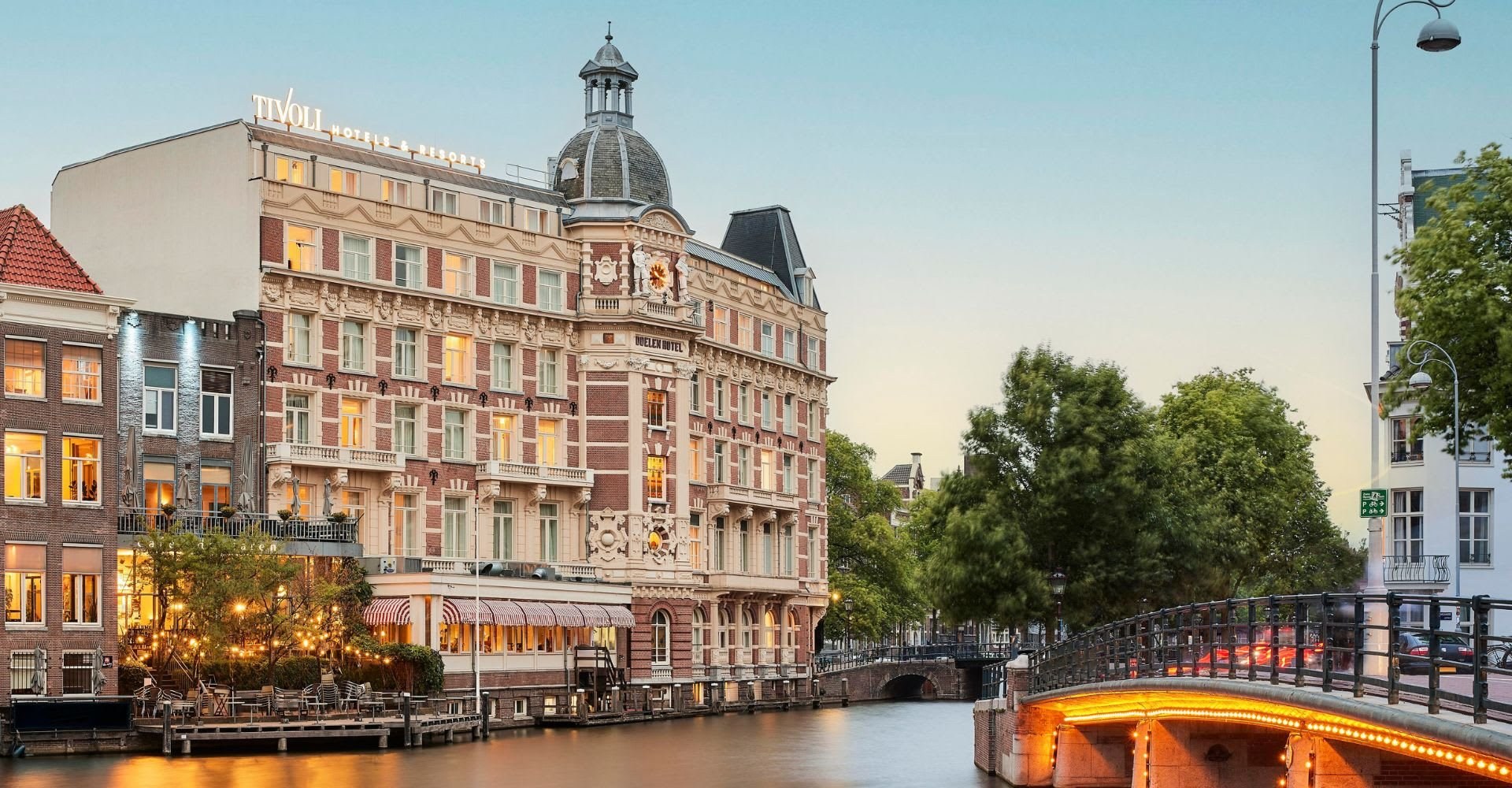
The address at Vijzelstraat 45, 1017 HE Amsterdam puts the restaurant in the heart of the city, easily reachable by tram from most central Amsterdam locations. Booking is rated easy, which is a practical advantage in a city where Spectrum and other higher-profile rooms can require weeks of forward planning. If you want a same-week reservation at a Michelin-recognised kitchen in Amsterdam, this is one of the more accessible options.
The Wider Picture: Netherlands Plant-Forward Cooking
The Netherlands has produced some serious plant-forward kitchens at the leading end. De Nieuwe Winkel in Nijmegen operates at two Michelin stars with a full vegetable tasting menu and is widely considered the benchmark for this format in the country. Senses isn't competing at that level yet, but the Radish trajectory and the Michelin Plate recognition suggest a kitchen that's moving with genuine ambition rather than trend-chasing. For Amsterdam specifically, the combination of central location, accessible booking, and €€€ pricing makes Senses the most practical entry point for this style of cooking in the city.
If you're building a broader Netherlands dining itinerary, note that the plant-forward approach Senses is pursuing has parallels in restaurants across the country at various price points. De Librije in Zwolle and Inter Scaldes in Kruiningen operate at the very best of the country's fine dining register if you're extending the trip. Closer to Amsterdam, Aan de Poel in Amstelveen offers a different modern cuisine perspective at a comparable price tier.
For diners exploring the country more widely, De Lindenhof in Giethoorn, Tribeca in Heeze, Basiliek in Harderwijk, and De Swarte Ruijter in Holten each represent regional modern cuisine worth planning around if Amsterdam is a starting point rather than the whole itinerary.
Pearl's full guides to Amsterdam restaurants, Amsterdam hotels, Amsterdam bars, Amsterdam wineries, and Amsterdam experiences cover the full picture if you're planning a longer stay.
The Verdict
Book Senses if: you want a Michelin-recognised kitchen in Amsterdam at €€€ pricing, you're interested in serious plant-based cooking rather than token vegetarian options, or you've been before and want to see what the new direction delivers. The Radish score jump from 1 to 4 under the current chef is the single most compelling reason to give this restaurant a serious look.
Planning details
- Location
- Vijzelstraat 45, 1017 HE Amsterdam, Netherlands
- Website
- sensesrestaurant.nl
- Phone
- +31 20 530 6266
The take
The Take
The Vibe
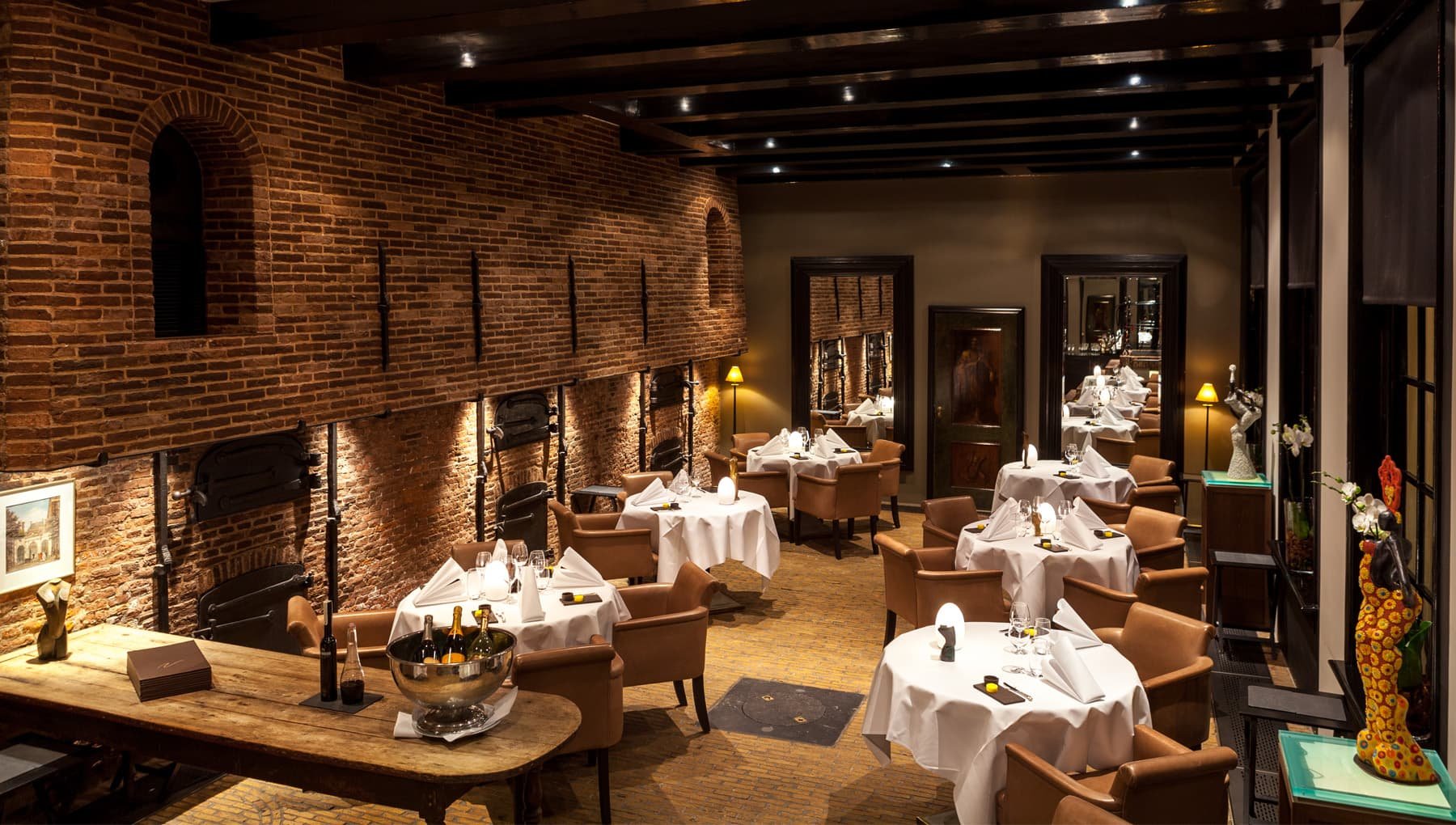
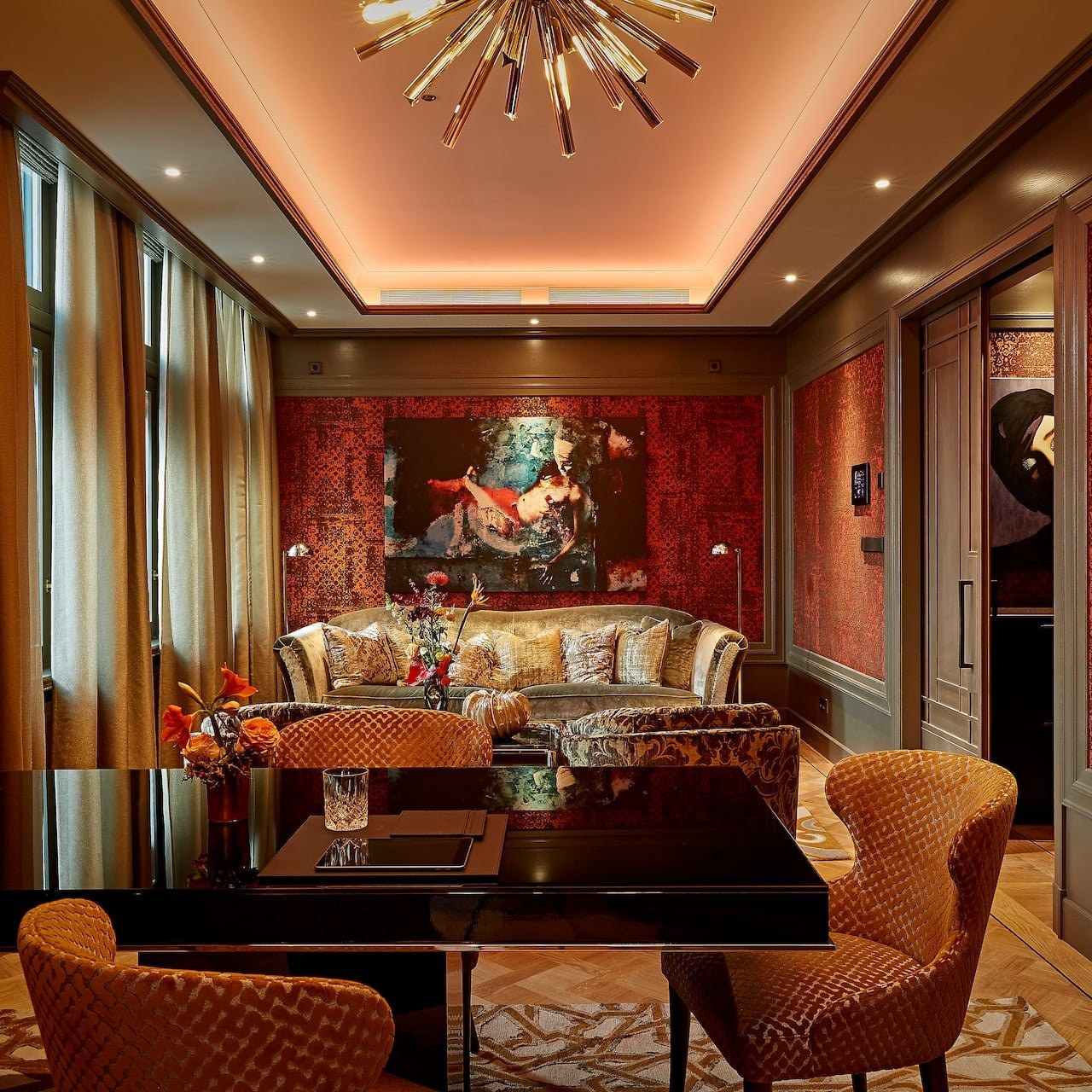
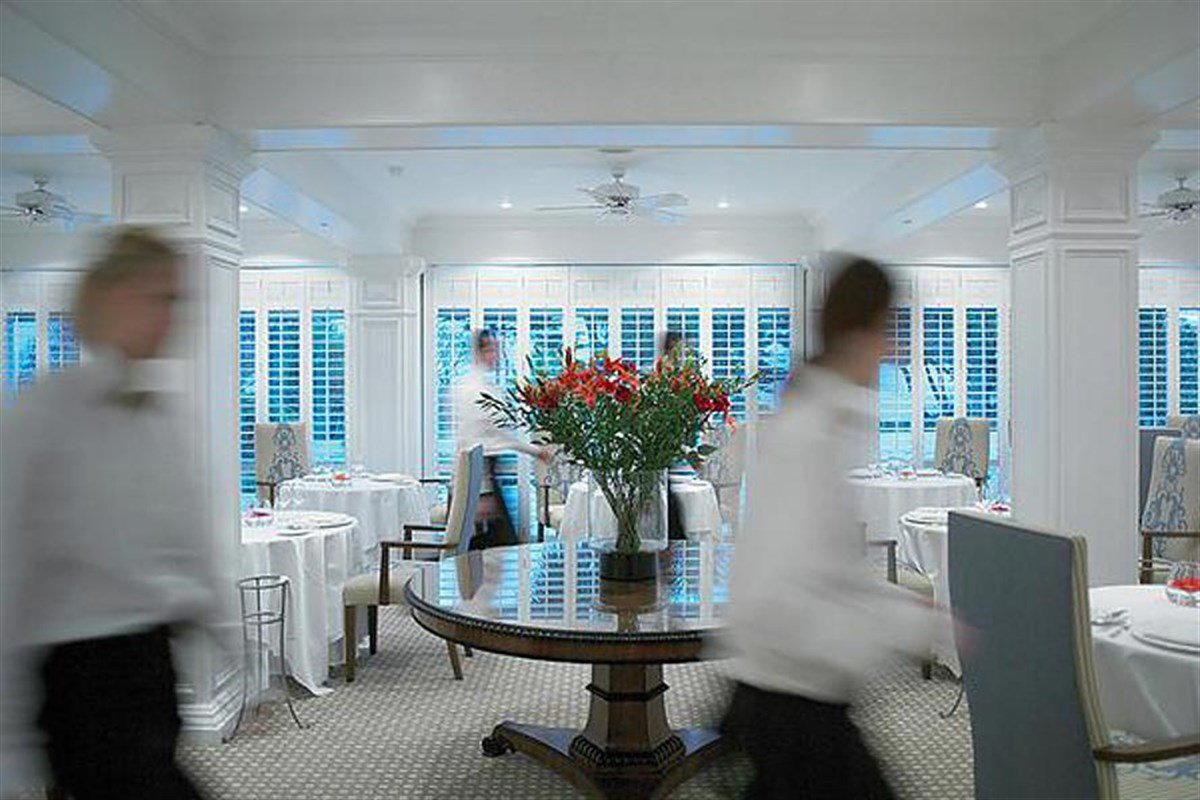
Senses trades street-level modesty for an interior that feels carefully composed and quietly ambitious. The dining room centers vegetables as the structural core of the menu, so the experience reads as contemporary and considered rather than loudly experimental. The restaurant’s rise in recognition — including Michelin’s Green Star and the notable four-Radish designation — reinforces a measured, modern refinement: service and plating prioritize clarity and seasonal intelligence. Expect a restrained, intimate atmosphere that rewards focused conversation and an appreciation for plant-forward techniques executed at a high culinary level.
Best For
Senses is best for an elevated evening out—think date nights, special celebrations and occasions when you want focused, thoughtful cooking rather than a rowdy night out. Its €€€ positioning and the Michelin Green Star signal that dinners are a primary draw; the write-up notes evening foot traffic and recommends advance reservations while also allowing for occasional same-day walk-ins mid-week. Located on Vijzelstraat within walking distance of the Rijksmuseum, it’s convenient for visitors and hotel guests in the southern canal belt who want a refined, memorable meal.
Ordering Tips
The menu deliberately foregrounds vegetables, so order with an openness to plant-forward compositions and creative pairings. Signature highlights to watch for include the braised leek with razor clams and the madeleines; these dishes suggest a balance of vegetal structure and restrained seafood or classical finishes. Given the restaurant’s growing recognition, make an advance reservation for evenings, though quieter mid-week periods can yield same-day opportunities. If you have specific preferences or dietary needs, mention them when booking so the kitchen can showcase its strengths within the plant-forward framework.
Venue details
Ambiance
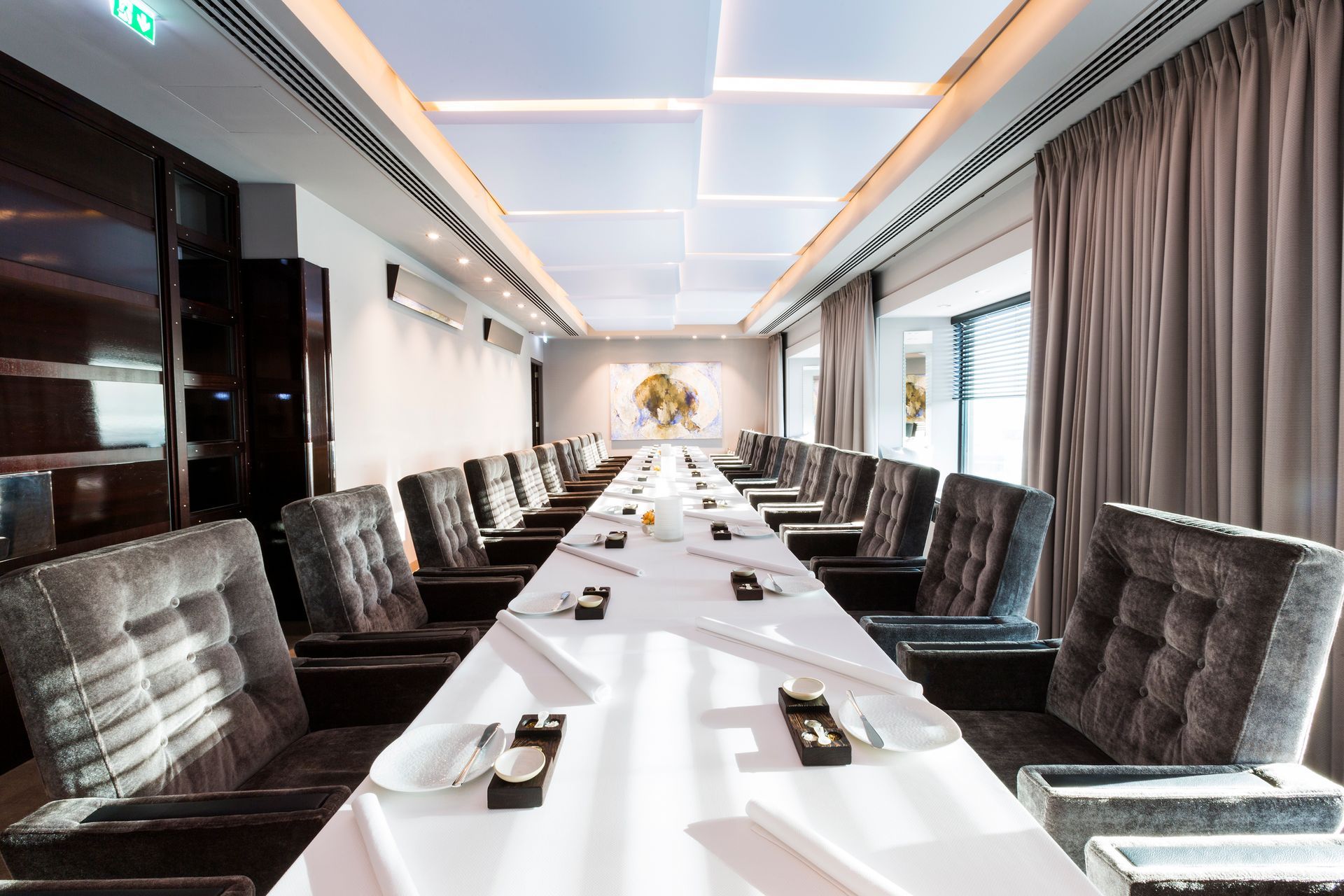
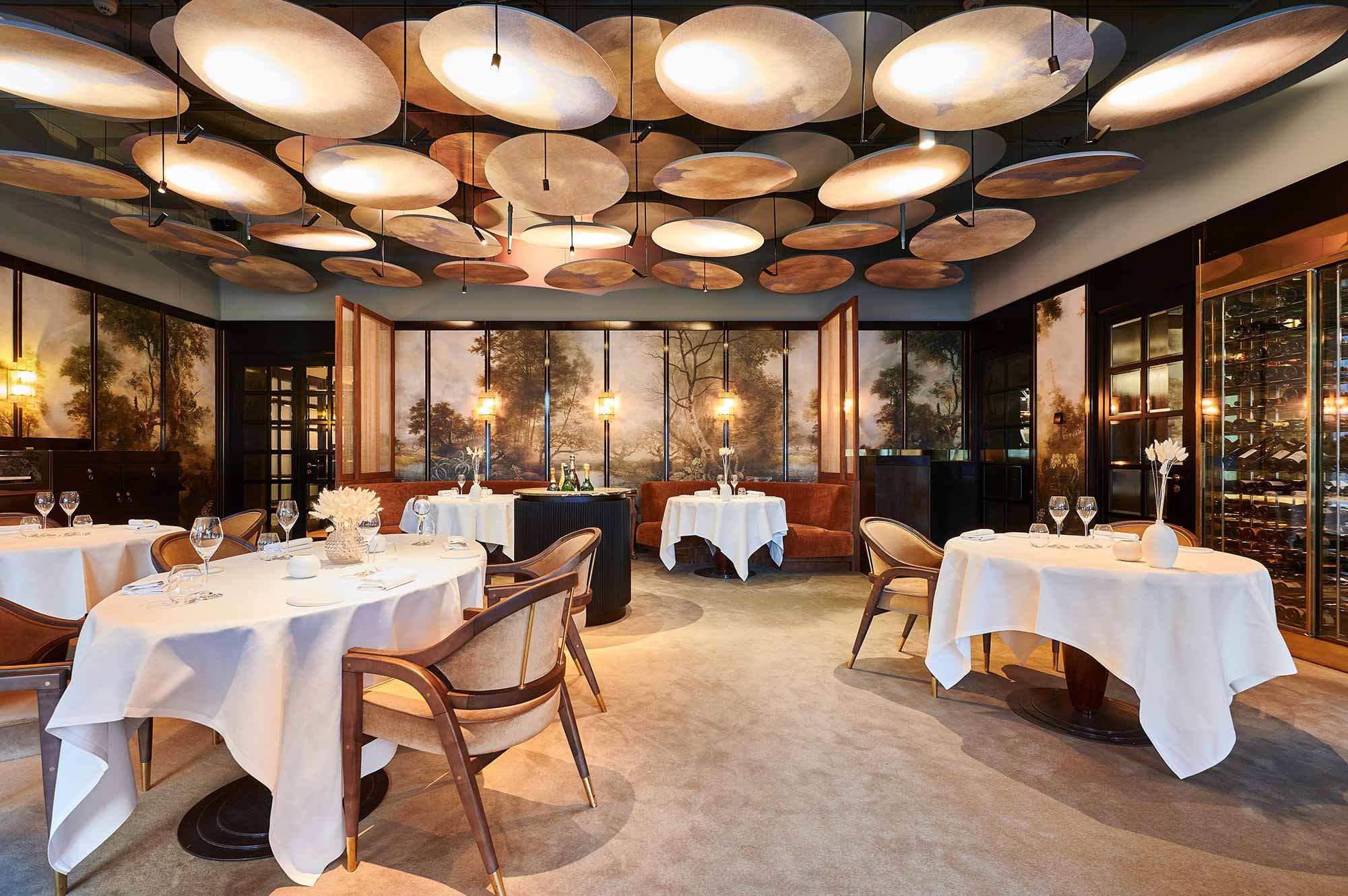
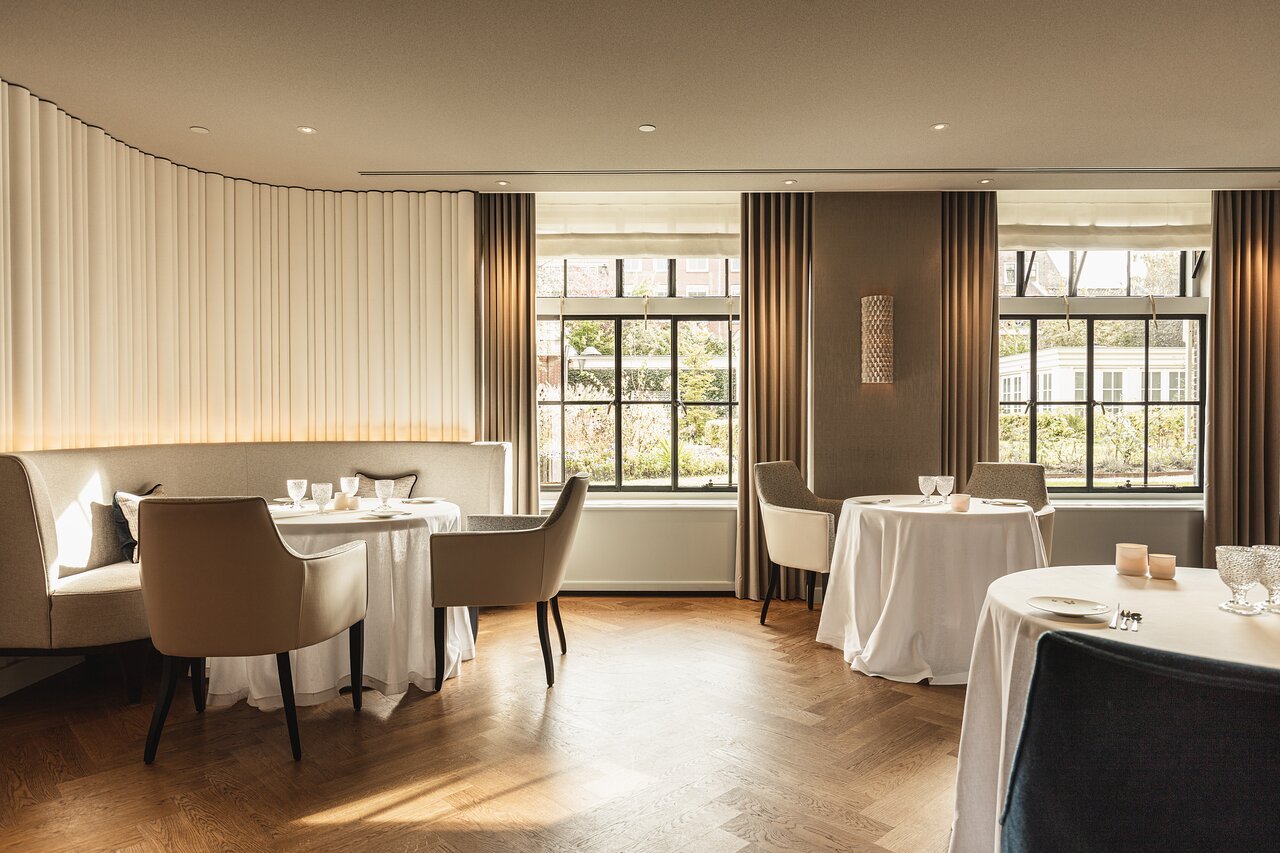
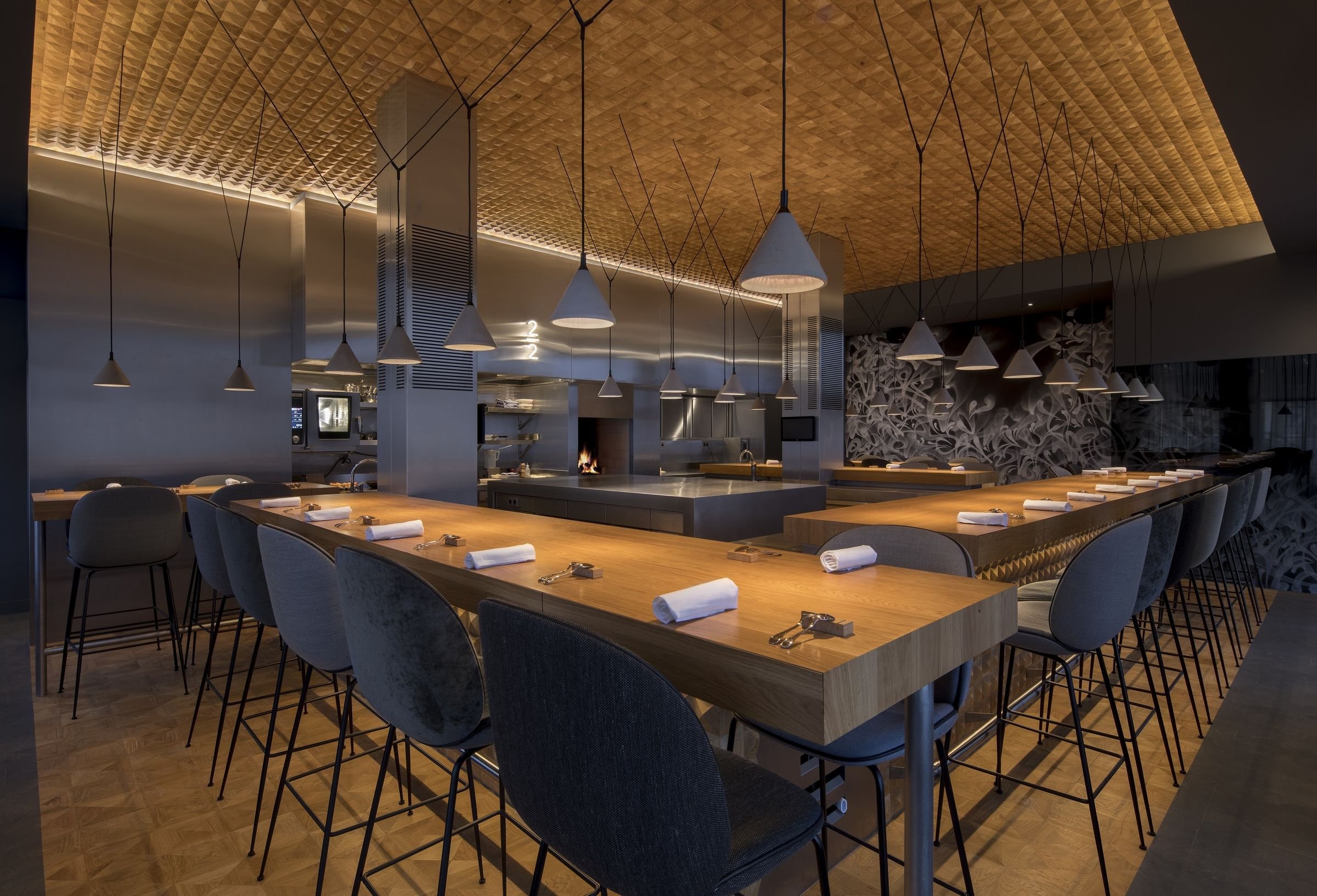
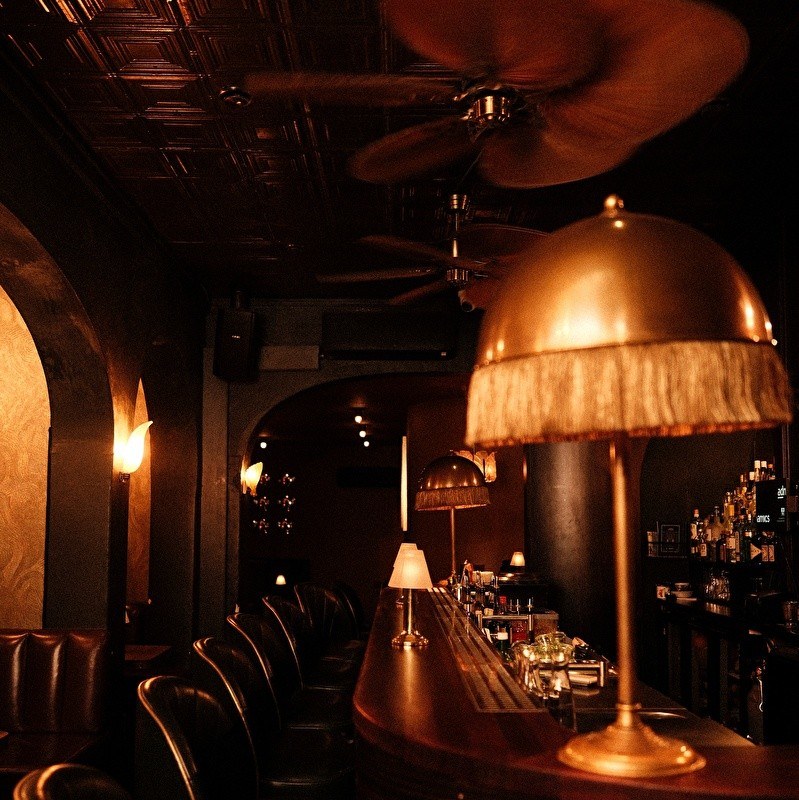
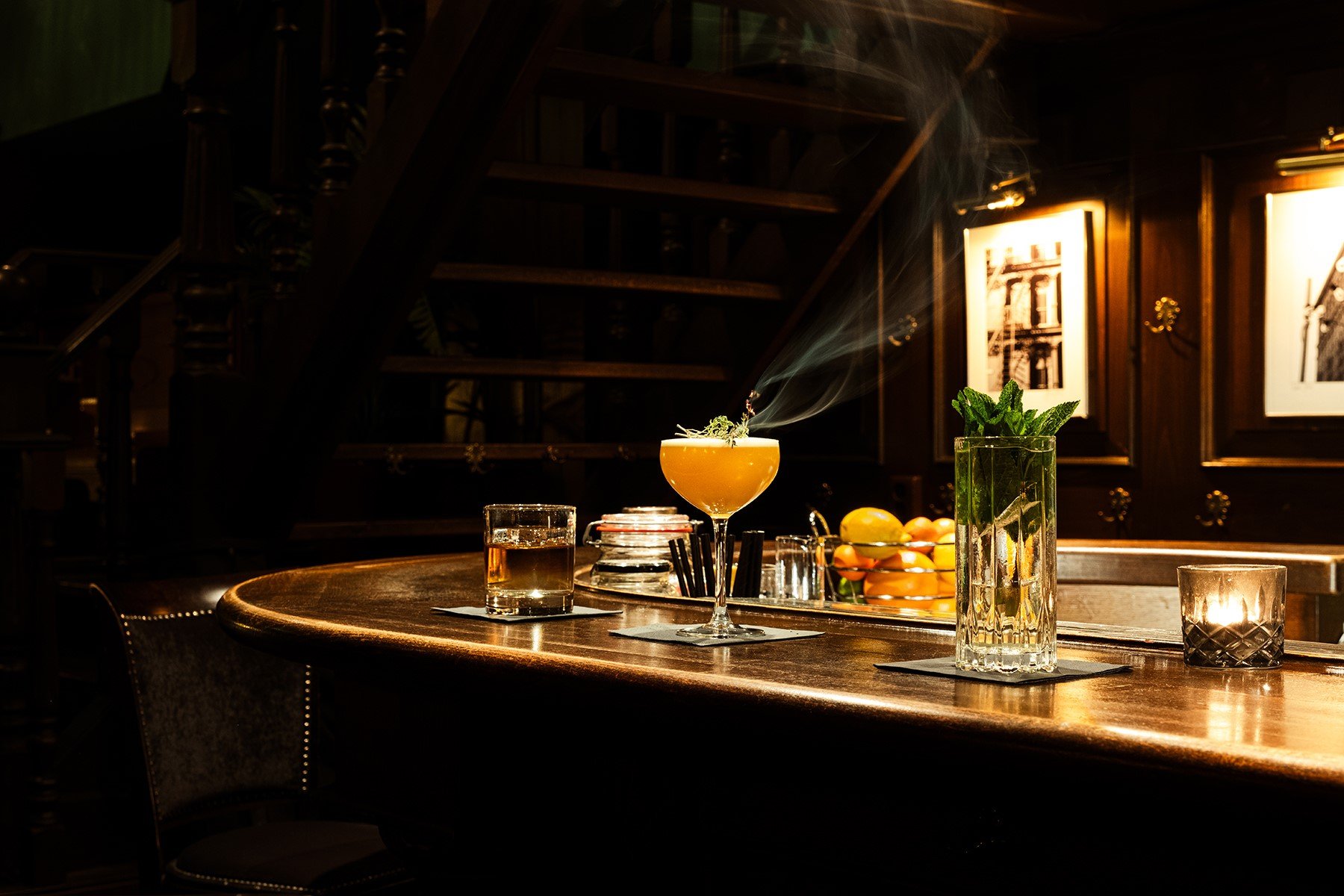
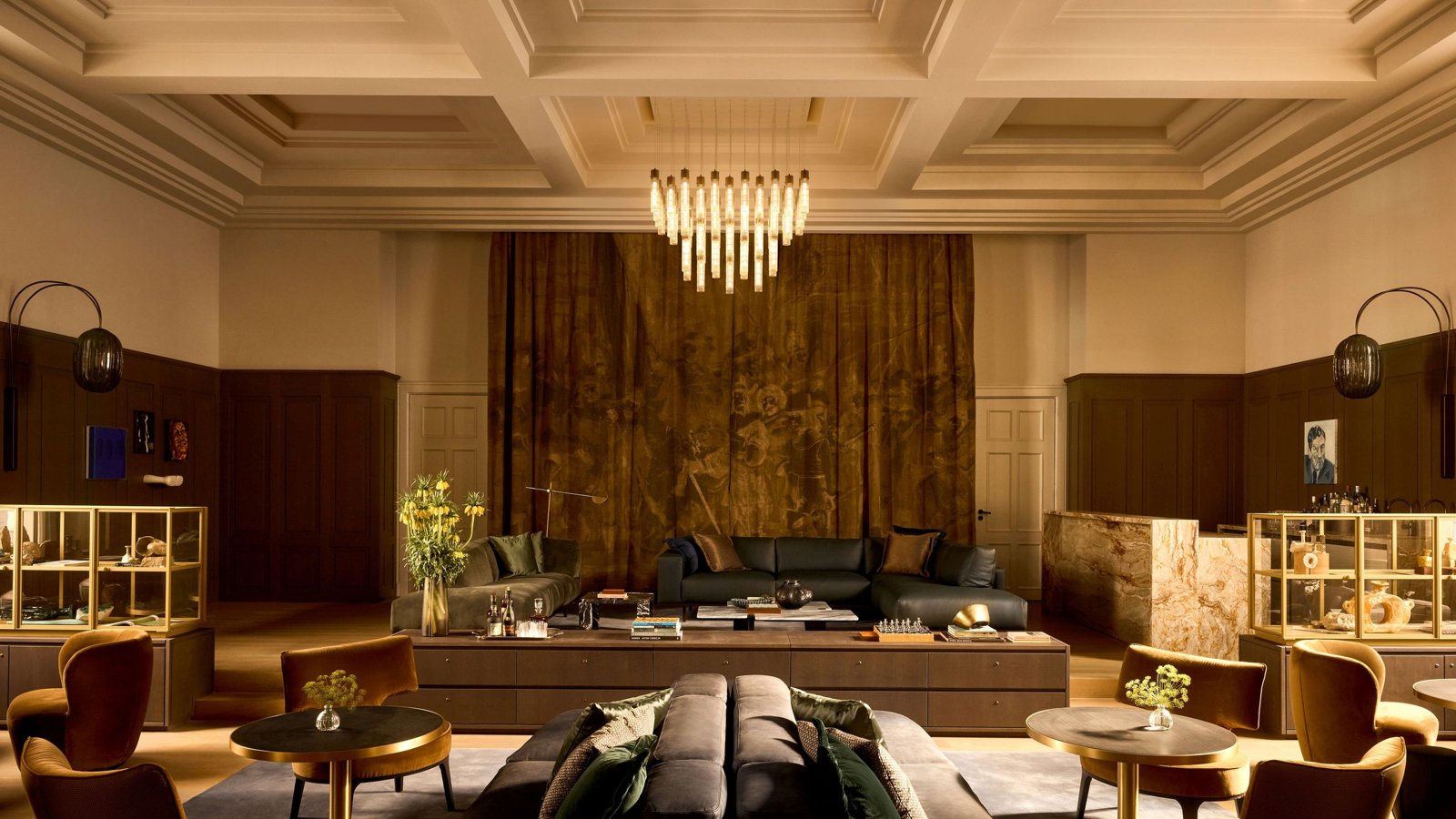
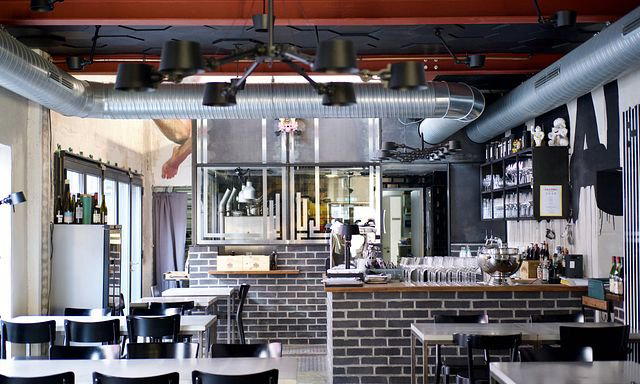
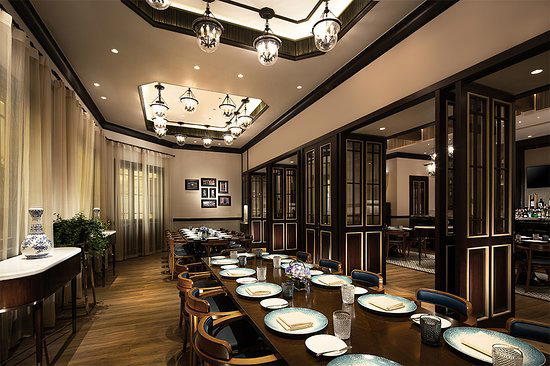
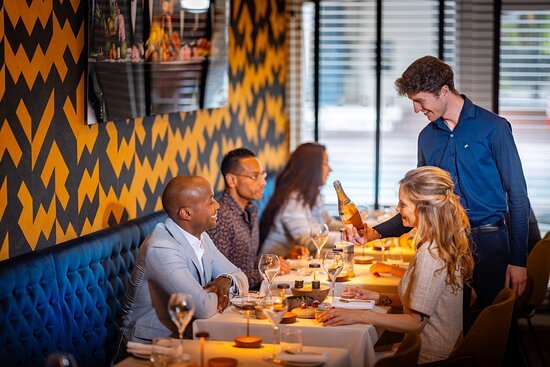
Cozy and refined intimate setting with modern design, calm atmosphere, and subtle lighting that creates a special, relaxed fine dining experience.
Tags
Vibe
Best For
Experience
Sourcing
At the Table
- Dress Code
- Smart Casual
- Noise Level
- Quiet
- Service Style
- Formal
- Meal Pacing
- Leisurely
- Capacity
- Intimate
Signature Dishes
- braised_leek_with_razor_clams
- madeleines
Know before you go
Know Before You Go
- Getting there
- Vijzelstraat 45, 1017 HE Amsterdam, Netherlands
Planning details
Location
Recognition and awards
Also consider
Also Consider
- Ciel Bleu, €€€€ · Creative, €€€€
- Bolenius, Modern Dutch, Creative, €€€€
- De Kas, €€€ · Organic, €€€
- Wils, €€€ · World Cuisine, €€€
- Ron Gastrobar, €€€ · Creative French, €€€
Restaurant context
How Senses Compares in Amsterdam
At €€€, Senses sits one tier below the city's most formal dining rooms. Ciel Bleu and Bolenius both operate at €€€€ and offer broader, protein-inclusive tasting menus with higher service formality. If you want the full fine dining register, longer menus, deeper wine pairings, more elaborate service, those are the rooms to book. But if the question is value for a Michelin-recognised kitchen in Amsterdam, Senses is stronger on that measure than either of them, with a clearer culinary identity to justify the spend.
The more direct comparison is De Kas, which shares the €€€ tier and a commitment to vegetable-led cooking. De Kas wins on setting, a 1926 greenhouse in a park is a harder experience to replicate, but Senses has the stronger current Michelin recognition with its 4-Radish rating and consecutive Plates. If you're choosing between the two for a vegetable-focused meal, De Kas is the better choice for a special-occasion atmosphere; Senses is the call if the cooking itself is the primary priority. Wils and Ron Gastrobar round out the €€€ bracket but pull in different directions, Wils toward global influences, Ron Gastrobar toward accessible creative French, making them less comparable to what Senses is doing.
On booking difficulty, Senses is the easiest of the group to get into, which matters for short-notice trips to Amsterdam. Ciel Bleu and Bolenius require more forward planning, and De Kas fills fast given its setting. If you're in Amsterdam this week and want a Michelin-recognised table, Senses is your most practical option in this comparison set.
Around this place
Discover more on Pearl
Unlock the full Senses guide in Pearl, including awards, comparisons, FAQs, planning details, and nearby places.
Compare Senses
| Venue | Price | Booking Difficulty | Awards |
|---|---|---|---|
| Senses | €€€ | Easy | We're Smart World Top Restaurants 20252025 Michelin Plate2024 Michelin Plate |
| Ciel Bleu | €€€€ | Unknown | Star Wine Lists 2026 · #12026 OAD Classical in Europe Ranked · #662026 Falstaff Restaurant Guide2026 Wine Spectator Best of Award of Excellence2026 La Liste Top Restaurants2025 OAD Classical in Europe Ranked · #58We're Smart World Top Restaurants 20252025 La Liste Top Restaurants2025 The Best Chef One Knife |
| Bolenius | €€€€ | Unknown | 2026 OAD Top Restaurants in Europe Recommended2025 OAD Top Restaurants in Europe Ranked · #611We're Smart World Top 100 2025We're Smart World Top Restaurants 20252025 Michelin 1 Star2024 Michelin 1 Star2023 OAD Top New Restaurants in Europe Recommended |
| De Kas | €€€ | Unknown | Star Wine Lists 20262026 OAD Casual in Europe Recommended2025 OAD Casual in Europe Ranked · #378We're Smart World Top Restaurants 2025We're Smart World Top 100 20252025 Michelin 1 Star2024 OAD Casual in Europe Ranked · #2502024 Michelin 1 Star2023 OAD Casual in Europe Highly Recommended |
| Wils | €€€ | Unknown | 2026 OAD Top Restaurants in Europe Recommended2025 OAD Top Restaurants in Europe Ranked · #612We're Smart World Top Restaurants 20252025 Michelin 1 Star2024 Michelin 1 Star |
| Ron Gastrobar | €€€ | Unknown | 2025 OAD Casual in Europe Ranked · #441We're Smart World Top Restaurants 20252025 Michelin 1 Star2024 OAD Casual in Europe Ranked · #4082024 Michelin 1 Star2023 OAD Casual in Europe Recommended |







How Senses stacks up against the competition.
FAQ
Frequently Asked Questions
Does Senses handle dietary restrictions?
Plant-based dining is the core format here, not an afterthought. Chef Goigoux has built the menu around pure plant cuisine, which means a dedicated vegetable menu is always available — not a workaround. If you have specific allergies beyond plant-based requirements, contact Senses at Vijzelstraat 45 directly before booking to confirm current accommodations.
What should a first-timer know about Senses?
Senses has undergone a significant kitchen change under Chef Renaud Goigoux, so any older reviews or word-of-mouth from previous visits may not reflect what's currently on the plate. The restaurant holds a Michelin Plate (2025) and pricing sits at €€€ — mid-to-upper range for Amsterdam but not at the level of Ciel Bleu. Go in expecting vegetables as the centrepiece, not a concession.
What should I order at Senses?
The plant menu is the reason to be here. Goigoux has committed to pure vegetable cuisine as the kitchen's identity, and the Michelin recognition reflects that focus. Ordering the full plant menu is the most coherent way to experience what Senses is doing — picking around it risks missing the point of the restaurant.
What are alternatives to Senses in Amsterdam?
De Kas is the closest alternative for vegetable-led cooking in Amsterdam, with a greenhouse setting and a strong seasonal sourcing story. Bolenius is another plant-forward option with Michelin recognition. If you want a step up in formality at higher prices, Ciel Bleu operates at two Michelin stars and covers broader modern European territory. Wils and Ron Gastrobar sit closer to Senses on price but with different cuisine profiles.
Is Senses worth the price?
At €€€, Senses sits at a price point where you're getting Michelin-plate cooking with a clear, committed identity. For plant-based dining specifically, that's a reasonable proposition in Amsterdam — you're not paying flagship prices for a kitchen still finding its direction. If modern European meat-led dining is your preference, the value case weakens: De Kas or Bolenius would serve you better.
Is the tasting menu worth it at Senses?
Yes, if vegetable-forward cooking is what you're after. The Michelin commentary on Goigoux's arrival jumped the restaurant from 1 to 4 Radishes in the guide's plant-cuisine rating, which signals real momentum. For a tasting format at €€€ pricing with genuine kitchen conviction behind it, Senses delivers more focus than most Amsterdam restaurants at this tier.