

Restaurant de Juwelier
€€€ · Modern French · Amstelveldbuurt, Amsterdam
Restaurant in Amsterdam, Netherlands
The Read
Old-School Bistro Precision
Chef
Richard van Oostenbrugge & Thomas Groot
Dress
Smart Casual
Why go
Run by the Restaurant 212 duo, De Juwelier is a Modern French bistro on Amsterdam's Utrechtsestraat that earns its €€€ price through serious ingredient conviction; secondary cuts, unfashionable fish, classical French technique; rather than tasting-menu theatre. À la carte format, easy to book, OAD-recognised in 2023. The right pick for food-focused diners who want a clear point of view on the plate without ceremony.
About Restaurant de Juwelier
A €€€ bistro that earns its price through ingredient conviction, not theatre
De Juwelier sits in the €€€ tier, which in Amsterdam puts it alongside De Kas, Wils, and BAK. What separates it from those peers is the sourcing philosophy: Richard van Oostenbrugge and Thomas Groot, the duo behind the well-regarded Restaurant 212, have built a menu around underused proteins and secondary cuts rather than the safe luxury anchors most restaurants at this price point default to. If you value cooking that demonstrates why an ingredient deserves to be on the plate, this is worth booking.
What the kitchen actually does
The OAD (Opinionated About Dining) listing for De Juwelier, which included it in the Leading New Restaurants in Europe in 2023, describes the kitchen's approach precisely: oxtail, zander, veal kidneys. These are not garnishes or novelty gestures; they are the protagonists of the menu. Veal kidneys come with a creamy sauce built on veal stock and shellfish jus, a combination that takes classical French technique seriously. Zander is candied in smoked butter, then paired with zolderspek, goose liver, roasted quince, sauerkraut. That last combination, fatty richness cut against fermented acidity, is the kind of balance that takes a cook with genuine conviction to put on a menu at this price. The à la carte format means you build your own meal rather than committing to a set tasting sequence, which is a meaningful practical advantage over several Amsterdam contemporaries.
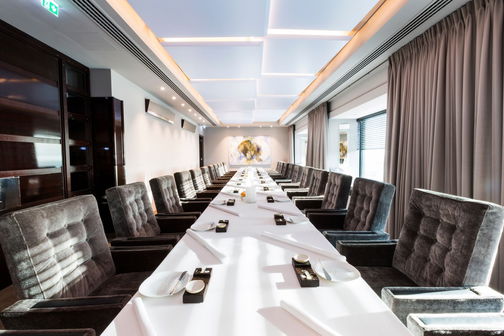
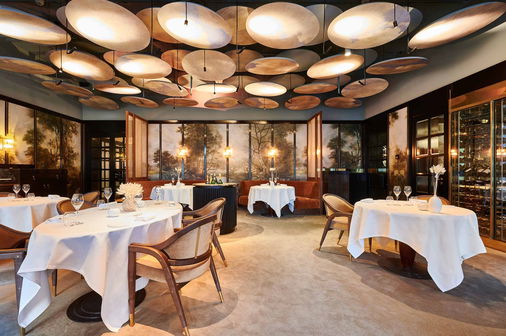
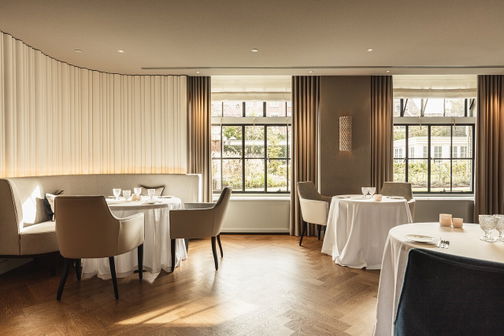
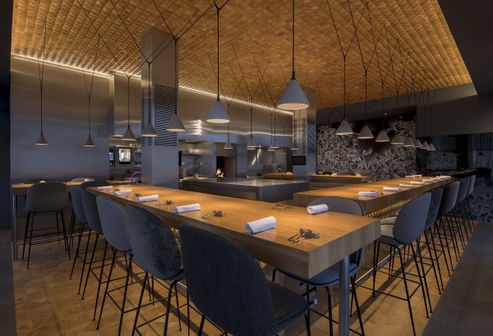
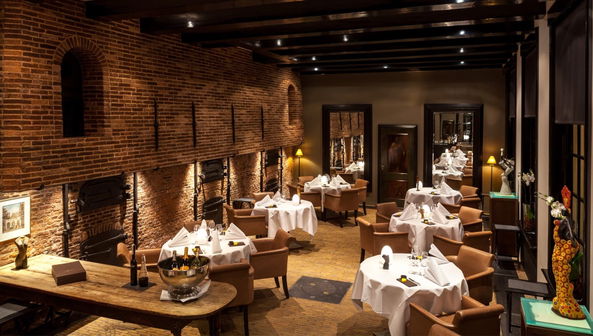
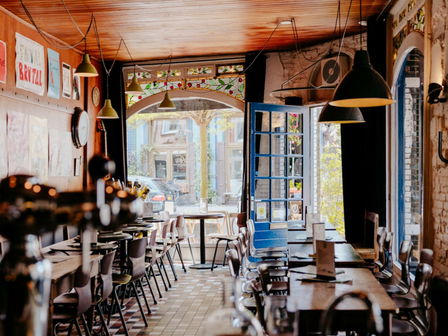
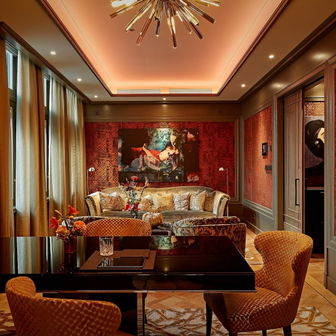
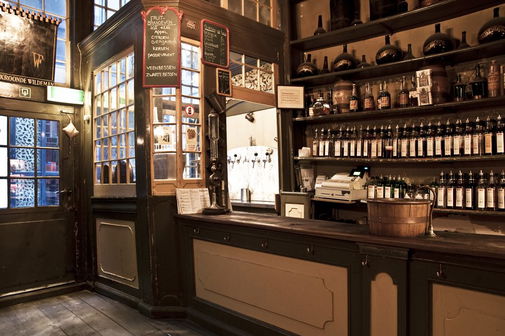
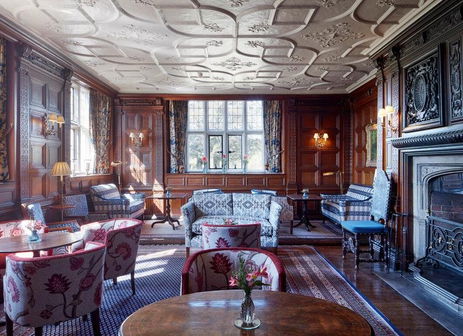
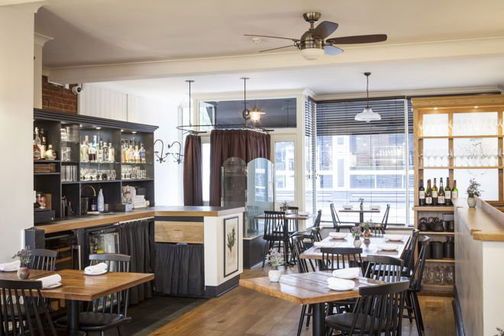
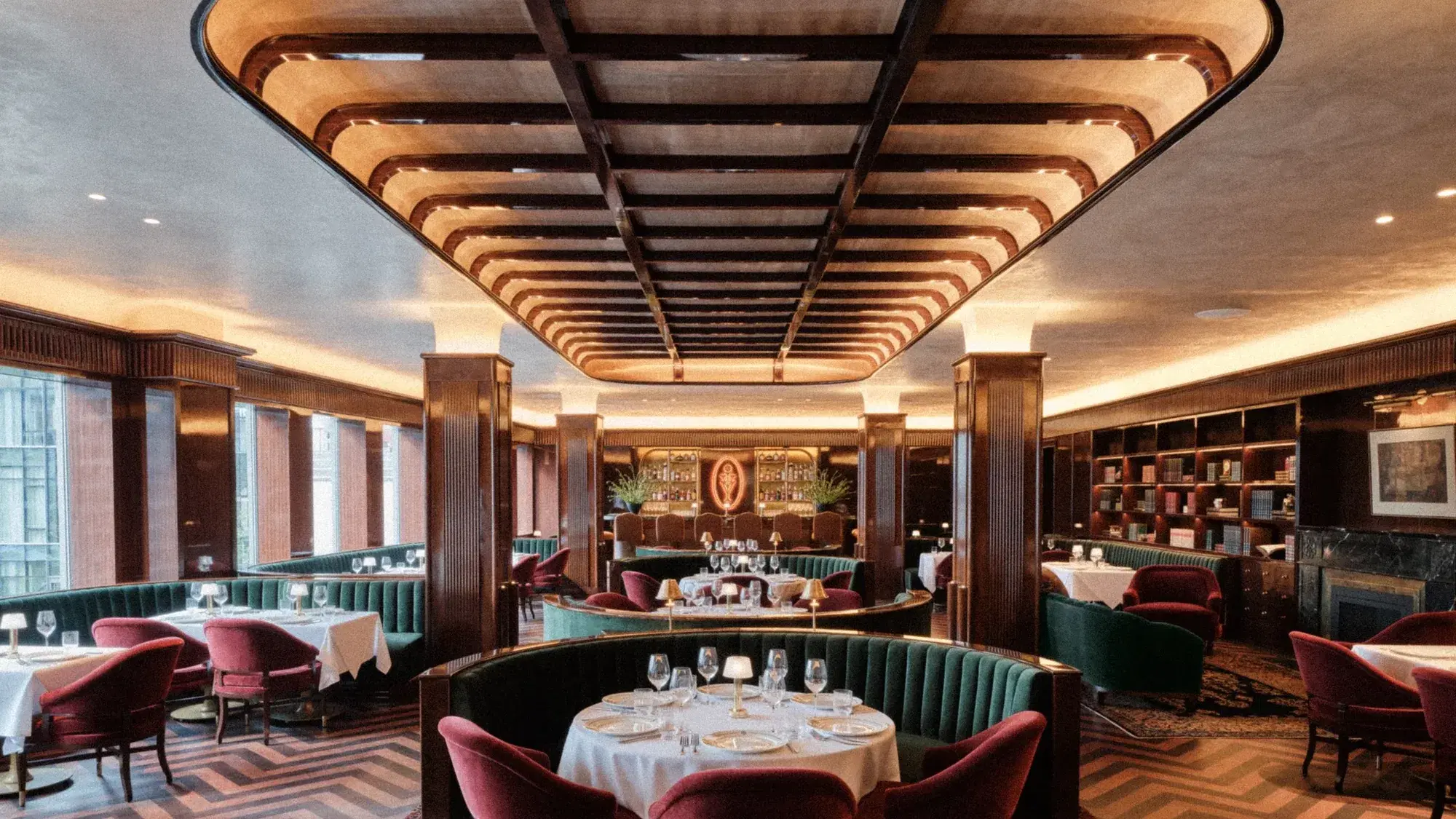
The setting on Utrechtsestraat is a lively, convivial room rather than a hushed tasting-menu environment. Chefs greet guests at the door. If the formality of a multi-course progression feels like pressure rather than pleasure, De Juwelier is calibrated differently: you eat what you want, in the portions you choose. That positioning sits closer to a serious Parisian bistro than to Amsterdam's more ceremony-driven fine dining rooms.
Booking window and logistics
De Juwelier operates lunch and dinner seven days a week, with lunch running 12:00 PM to 2:30 PM and dinner from 6:00 PM to 10:00 PM. Booking difficulty is rated easy, which is a meaningful signal at this quality tier; it suggests you do not need to plan weeks in advance, though booking at least a few days ahead is sensible for dinner, particularly on weekends. Lunch is likely the softer window if you want flexibility. The address is Utrechtsestraat 51, Amsterdam, a street with genuine restaurant density, so if De Juwelier is full, you have credible fallback options nearby, including Choux and Sinck.
Who should book
Book De Juwelier if you want a structured but relaxed French bistro meal in Amsterdam, eat à la carte, are specifically interested in a kitchen that works with secondary cuts and unfashionable fish rather than the standard luxury grid. It is a good fit for food-focused travelers who want cooking with a clear point of view without the choreography of a full tasting menu. It is less suited to anyone expecting the scale and theatre of a destination tasting room. For that, Ciel Bleu or Bolenius will serve you better.
If you are building a broader Amsterdam food itinerary, the Pearl guides for Amsterdam restaurants, Amsterdam bars, and Amsterdam hotels are worth consulting alongside this. For similar Modern French cooking at the €€€ tier elsewhere in the Netherlands, 't Ganzenest in Rijswijk and 't Raedthuys in Duiven are relevant references. For higher-ambition Dutch fine dining outside Amsterdam, De Librije in Zwolle and Aan de Poel in Amstelveen are credible alternatives worth considering.
Know Before You Go
- Address: Utrechtsestraat 51, 1017 VJ Amsterdam, Netherlands
- Cuisine: Modern French, à la carte
- Price tier: €€€
- Hours: Monday to Sunday, 12:00 PM–2:30 PM and 6:00 PM–10:00 PM
- Booking difficulty: Easy, a few days' notice usually sufficient; book ahead for weekend dinner
- Awards: Opinionated About Dining Leading New Restaurants in Europe, Recommended (2023)
- Format: Full à la carte, no fixed tasting menu commitment required
- Nearby alternatives on Utrechtsestraat: Choux, Sinck
Also worth knowing
Utrechtsestraat is one of Amsterdam's more food-dense streets, De Juwelier's positioning as an old-school bistro on a busy, lively stretch means the atmosphere is more neighbourhood room than destination fortress. Nearby, Troef and Wolf Atelier offer contrasting approaches to the same price bracket. For those interested in the broader Amsterdam dining map, Zoldering is another reference point worth reviewing. Further afield in the Netherlands, De Bokkedoorns in Overveen, Brut172 in Reijmerstok, and De Groene Lantaarn in Staphorst represent the country's broader fine dining range, while 't Nonnetje in Harderwijk sits at the top of the classical French tradition in the Netherlands. If you are exploring Amsterdam beyond restaurants, the Amsterdam experiences guide and Amsterdam wineries guide are useful companions.
Planning details
- Hours
- Monday: 12 PM-2:30 PM 6 PM-10 PM · Tuesday: 12 PM-2:30 PM 6 PM-10 PM
- Location
- Utrechtsestraat 51, 1017 VJ Amsterdam, Netherlands
- Website
- restaurant-dejuwelier.nl
- Phone
- +31 20 247 1007
The take
The Take
The Vibe
Restaurant de Juwelier presents a lively, warm bistro atmosphere that reads as genuine rather than constructed. The room hums with the energy of a busy kitchen yet stays comfortably conversational, and the visible presence of chefs gives service an honest, kinetic pulse. The cooking leans on traditional French technique and unapologetic richness, while editorial recognition for clarity of point of view nudges the place toward a more sophisticated register. Overall it feels like a neighborhood bistro with the assurance of a restaurant that knows what it wants to be — convivial, confident and quietly refined.
Best For
De Juwelier suits diners seeking a focused, classic French bistro experience for an evening out. The setting and menu logic make it a natural pick for date nights, business dinners and special-occasion meals where solid technique and robust flavors matter. Its placement on a respected new-restaurant list signals an elevated execution that still reads as approachable; guests who favor a lively but not loud dining room and care about visible kitchen craft will find it particularly satisfying. The à la carte format rewards those who prefer composed courses over tasting-menu formality.
Ordering Tips
The menu rewards choices that showcase the kitchen’s love of rich flavor and French technique. Standouts to consider are the bone marrow with mushrooms and toast, and the crab with caviar; oysters with champagne beurre blanc are called out as a signature starter. For mains, the veal sweetbreads and the wild duck smoked on hay represent the bistro’s hearty, precise side. Because the restaurant is à la carte and celebrates bold flavors, pick one or two showpieces to share or enjoy as the focus of your meal.
Planning details
Hours
- Monday
- 12 PM-2:30 PM 6 PM-10 PM
- Tuesday
- 12 PM-2:30 PM 6 PM-10 PM
- Wednesday
- 12 PM-2:30 PM 6 PM-10 PM
- Thursday
- 12 PM-2:30 PM 6 PM-10 PM
- Friday
- 12 PM-2:30 PM 6 PM-10 PM
- Saturday
- 12 PM-2:30 PM 6 PM-10 PM
- Sunday
- 12 PM-2:30 PM 6 PM-10 PM
Location
Utrechtsestraat 51, 1017 VJ Amsterdam, Netherlands · Directions
Recognition and awards


Restaurant context
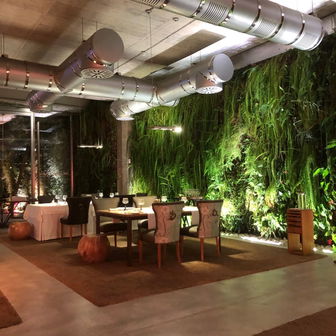
Against Amsterdam's €€€ peers, De Juwelier's clearest point of difference is format: full à la carte, every day, lunch and dinner. De Kas at the same price tier is the right alternative if you want an organic, produce-driven menu in a striking greenhouse setting; but De Kas leans into the setting as part of the experience, whereas De Juwelier keeps the focus squarely on the cooking. BAK offers farm-to-table conviction with canal views and a comparable spend; if the provenance narrative matters as much as the plate, BAK is a credible alternative. Wils is the pick if an ambitious wine programme is as important to you as the food.
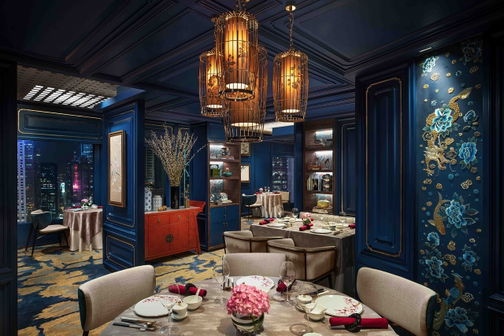
If you are considering spending more, Ciel Bleu (€€€€, Creative) delivers a full tasting-menu experience with a city view, Bolenius (€€€€, Modern Dutch) offers the most developed fine-dining format in the city's upper tier. Both require a larger commitment in time and budget. De Juwelier does not try to compete on that axis; it is deliberately pitched as a bistro, the OAD Top New Restaurants in Europe recognition in 2023 suggests it is doing that well.
For booking ease, De Juwelier rates easier than most of its comparison set, which is a real practical advantage. If your Amsterdam schedule is firm and you cannot afford a no-show risk, that matters. Overall: book De Juwelier if à la carte flexibility and ingredient-led French cooking are your priorities. Book Ciel Bleu or Bolenius if you want a full tasting experience and are prepared to plan further ahead. Book De Kas if the setting and organic sourcing are the draw.
Around this place
Discover more on Pearl
Unlock the full Restaurant de Juwelier guide in Pearl, including awards, comparisons, FAQs, planning details, and nearby places.
Compare Restaurant de Juwelier
| Venue | Price | Booking Difficulty | Awards |
|---|---|---|---|
| Restaurant de Juwelier | Easy | 2025 Michelin 1 Star2023 OAD Top New Restaurants in Europe Recommended | |
| Ciel Bleu | €€€€ | Unknown | Star Wine Lists 2026 · #12026 OAD Classical in Europe Ranked · #662026 Wine Spectator Best of Award of Excellence2026 La Liste Top Restaurants2025 OAD Classical in Europe Ranked · #58We're Smart World Top Restaurants 20252025 La Liste Top Restaurants2025 The Best Chef One Knife2025 Michelin 2 Stars |
| Bolenius | €€€€ | Unknown | 2026 OAD Top Restaurants in Europe Recommended2025 OAD Top Restaurants in Europe Ranked · #611We're Smart World Top 100 2025We're Smart World Top Restaurants 20252025 Michelin 1 Star2024 Michelin 1 Star2023 OAD Top New Restaurants in Europe Recommended |
| De Kas | €€€ | Unknown | Star Wine Lists 20262026 OAD Casual in Europe Recommended2025 OAD Casual in Europe Ranked · #378We're Smart World Top Restaurants 2025We're Smart World Top 100 20252025 Michelin 1 Star2024 OAD Casual in Europe Ranked · #2502024 Michelin 1 Star2023 OAD Casual in Europe Highly Recommended |
| Wils | €€€ | Unknown | 2026 OAD Top Restaurants in Europe Recommended2025 OAD Top Restaurants in Europe Ranked · #612We're Smart World Top Restaurants 20252025 Michelin 1 Star2024 Michelin 1 Star |
| BAK | €€€ | Unknown | Star Wine Lists 20262026 OAD Top Restaurants in Europe Recommended2025 OAD Top Restaurants in Europe Ranked · #597We're Smart World Top Restaurants 20252025 Michelin Plate2024 Michelin Plate2023 OAD Casual in Europe Recommended |








.png?width=1200&quality=80)
Key differences to consider before you reserve.
FAQ
Frequently Asked Questions
What should a first-timer know about Restaurant de Juwelier?
Go à la carte and let the kitchen's ingredient choices guide you; the OAD-listed menu is built around lesser-known produce like oxtail, zander, veal kidneys, prepared with classical French technique. This is the more relaxed sibling project of Restaurant 212, run by the same duo (Richard van Oostenbrugge and Thomas Groot), so the cooking has genuine pedigree. Expect a lively, warm room on a busy stretch of Utrechtsestraat, not a hushed tasting-menu environment. Book ahead; lunch runs 12:00–2:30 PM and dinner 6:00–10:00 PM, seven days a week.
Does Restaurant de Juwelier handle dietary restrictions?
The kitchen leans heavily on animal proteins; veal kidneys, oxtail, goose liver, smoked bacon; as central components, so vegetarian or vegan guests will face a limited menu by design. The OAD description frames this as a feature, not a gap: the point is conviction around these ingredients. If you have serious dietary restrictions, call ahead; the à la carte format gives the kitchen more flexibility than a fixed tasting menu, but this is not a cuisine built around substitution.
Is lunch or dinner better at Restaurant de Juwelier?
Both services run the same hours structure (lunch 12:00–2:30 PM, dinner 6:00–10:00 PM) seven days a week, which is less common at this price tier and makes a weekday lunch a practical option. Dinner on Utrechtsestraat will carry more energy given the street's density of food and drink, but if you want the same kitchen at lower ambient noise and potentially easier bookings, lunch is the smarter play. No evidence of a separate or shorter lunch menu, so the full à la carte experience appears available at both services.
What are alternatives to Restaurant de Juwelier in Amsterdam?
For €€€ modern cooking in Amsterdam, De Kas offers a produce-driven tasting format in a greenhouse setting if you want the opposite of old-school bistro; Bolenius similarly focuses on Dutch-grown ingredients with a more contemporary format. Wils and BAK both sit in the same tier and lean into natural wine culture alongside their cooking. Ciel Bleu, at the Hotel Okura, is the option if you want a Michelin two-star experience with city views and a formal tasting menu. De Juwelier is the call if you want à la carte French technique, a lively room, a kitchen with a documented point of view on underused ingredients.
Is Restaurant de Juwelier good for a special occasion?
Yes, with the right expectations: this is a bistro with serious cooking credentials (OAD Top New Restaurants in Europe 2023, chefs behind Restaurant 212), not a white-tablecloth celebration venue. The atmosphere is described as warm and lively rather than ceremonial, so it suits occasions where good food and a convivial room matter more than formal staging. For a milestone where setting and theatre are part of the brief, Ciel Bleu's two-star format and panoramic views make a stronger case.
Is Restaurant de Juwelier good for solo dining?
The room's described warmth and the chefs' direct welcome are genuine positives for solo guests, the à la carte format means you control the pace and spend. Whether counter or bar seating exists for solo walk-ins isn't confirmed in available data, so book a table rather than relying on a seat-at-the-bar option. At the €€€ price point, solo dining here is a reasonable investment given the OAD recognition and the kitchen's track record; you're paying for the cooking, not the occasion.