.png?width=1200&quality=80)
EN
€€€ · Japanese · Cornelis Troostbuurt, Amsterdam
Restaurant in Amsterdam, Netherlands
 Book with Pearl
The Read
De Pijp Japanese Precision
Price
€€€
Dress
Smart Casual
Why go
Booking is easy compared to the city's starred rooms. The right call for a date dinner or celebration where you want recognised quality without the full fine-dining outlay.
About EN
Verdict: EN is one of Amsterdam's more compelling Japanese options at the €€€ tier; book it for a special occasion, not a casual weeknight
EN at Dusartstraat 53 in Amsterdam's De Pijp neighbourhood holds a Michelin Plate for both 2024 and 2025, which signals consistent quality without the price ceiling of a starred room. At €€€ pricing, it sits in a sensible bracket for Japanese cuisine in the city; more serious than the midrange options around Leidseplein, less demanding than a full omakase commitment. If you are planning a date dinner or a small celebration and want Japanese cooking with some critical recognition behind it, EN is worth your time. If you are looking for the deepest omakase format in the Netherlands, you may need to look further afield.
The Restaurant
EN occupies a ground-floor address in De Pijp, one of Amsterdam's denser residential districts, with a dining scene that skews neighbourhood-local rather than tourist-facing. That positioning matters: the room is not designed for passing trade, which tends to concentrate the guest list and keep the atmosphere more considered than venues closer to the canal belt.
Japanese cooking at the €€€ level in Amsterdam tends to fall into two camps: sushi-led operations with a broad menu, tighter, more composed kitchens where the format drives the experience. EN's Michelin Plate recognition across two consecutive years suggests the kitchen is in the second camp, consistent, focused, operating to a standard the Guide's inspectors found worth flagging without yet awarding a star. That gap between Plate and star is worth understanding: a Plate signals food quality above the average for the price point, but the full star criteria include service, room, overall consistency at a higher threshold. EN clears the first bar comfortably.
For a special occasion, the €€€ price tier at a Michelin-recognised Japanese address in Amsterdam represents reasonable value. Comparable starred Japanese restaurants in major European cities routinely run €120–€180 per head before wine; EN's tier suggests you are likely spending meaningfully less while still eating food a Michelin inspector found noteworthy. That arithmetic makes it a practical choice for celebrations where the experience should feel special without requiring the full fine-dining outlay.
On the Wine Program
Japanese restaurants at this level face a consistent challenge with wine: the cuisine's preference for umami-forward, delicate flavours is not always well-served by the Bordeaux-and-Burgundy defaults of European fine dining. The better Japanese rooms in this price bracket tend to build wine lists around Champagne and grower Champagne (which bridges acidity and texture well with raw preparations), white Burgundy, Alsatian whites, occasionally German Riesling. If EN's list follows this logic, a kitchen serious enough to hold two consecutive Michelin Plates usually pairs with a list that has been thought through, then wine pairing here is likely a genuine addition to the meal rather than an afterthought.
For a date dinner or celebration, the pairing question is practical: a well-chosen bottle or a pairing menu can shift the evening from good to memorable. At the €€€ tier, pairing menus at Michelin Plate Japanese restaurants in Amsterdam typically run €40–€70 per person, though EN's specific pricing is not confirmed in our data. Asking the floor team for a glass-by-glass recommendation is worth doing if you are uncertain about the full pairing commitment.
What to look for: if the list includes grower Champagne or village-level white Burgundy, the program has been assembled with the food in mind. If it leans heavily on recognisable commercial labels, the wine is decorative rather than integrated. Either way, Japanese cuisine at this level is forgiving of guests who prefer sake or low-intervention wine, a kitchen with two Michelin Plates is unlikely to have a floor team that cannot navigate that conversation.
Booking and Timing
Booking is rated Easy, which means you are unlikely to need to plan more than a week or two ahead for most dates, a meaningful advantage over Amsterdam's starred rooms, where waits of four to eight weeks are common.
For a special occasion, book a Friday or Saturday evening and request whatever the kitchen recommends as its current format. Japanese kitchens at this level often adjust menus seasonally, visiting in the colder months typically means richer, more composed dishes than the lighter preparations of spring and summer. If you are celebrating something specific, mention it at booking, the floor team at a Michelin Plate room will usually accommodate small gestures.
Practical Details
| Detail | EN | De Kas | Wils |
|---|---|---|---|
| Cuisine | Japanese | Organic / Seasonal | World Cuisine |
| Price tier | €€€ | €€€ | €€€ |
| Michelin recognition | Plate (2024, 2025) | Check Pearl | Check Pearl |
| Booking difficulty | Easy | Moderate | Moderate |
| Leading for | Date, celebration | Group, garden setting | Adventurous pairing |
| Location | De Pijp | Frankendael Park | De Pijp-adjacent |
How It Compares
For Amsterdam Japanese dining specifically, EN's closest comparison point is not the European creative kitchens but the city's other serious Japanese addresses. Hanasato in Groningen and Japans Restaurant Shiro in Hertogenbosch show that Michelin-recognised Japanese cooking exists across the Netherlands at comparable price points, but Amsterdam's density means EN benefits from a more competitive dining culture around it.
Within Amsterdam's broader €€€ tier, BAK and De Kas are the natural comparisons for occasion dining at similar spend. De Kas wins on setting, a greenhouse in Frankendael Park is hard to match for a summer dinner, BAK on views and the farm-to-table credential. EN's advantage is specificity: if Japanese cuisine is what you want, neither De Kas nor BAK will substitute. Wils is worth knowing about for world cuisine at €€€, but again the format differs enough that the choice is really about what kind of evening you want.
At the €€€€ tier, Ciel Bleu, Flore, Spectrum, and Vinkeles all carry Michelin stars and a meaningfully higher per-head cost. For a special occasion where budget is flexible, those rooms offer a different level of service architecture. EN is the call when you want Michelin-quality Japanese cooking without the full fine-dining price tag.
Further Reading
- Our full Amsterdam restaurants guide
- Our full Amsterdam hotels guide
- Our full Amsterdam bars guide
- Our full Amsterdam wineries guide
- Our full Amsterdam experiences guide
- Bistro de la Mer (€€€ · Classic Cuisine)
- De Librije in Zwolle
- 't Nonnetje in Harderwijk
- Aan de Poel in Amstelveen
- Brut172 in Reijmerstok
- De Bokkedoorns in Overveen
- De Groene Lantaarn in Staphorst
Planning details
- Location
- Dusartstraat 53 h, 1072 HP Amsterdam, Netherlands
- Website
- en-amsterdam.nl
- Phone
- +31 20 470 3666
The take
The Take
The Vibe
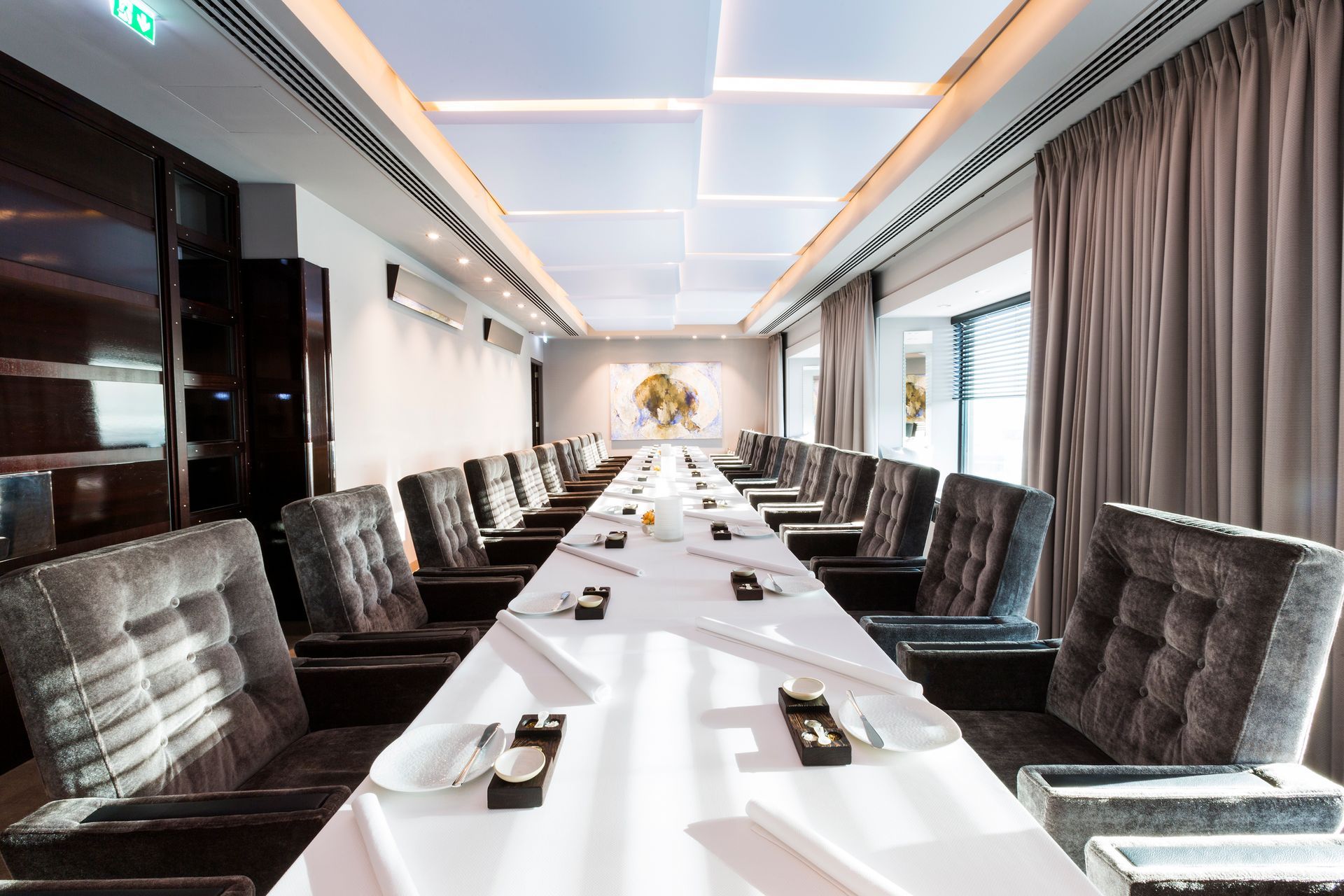
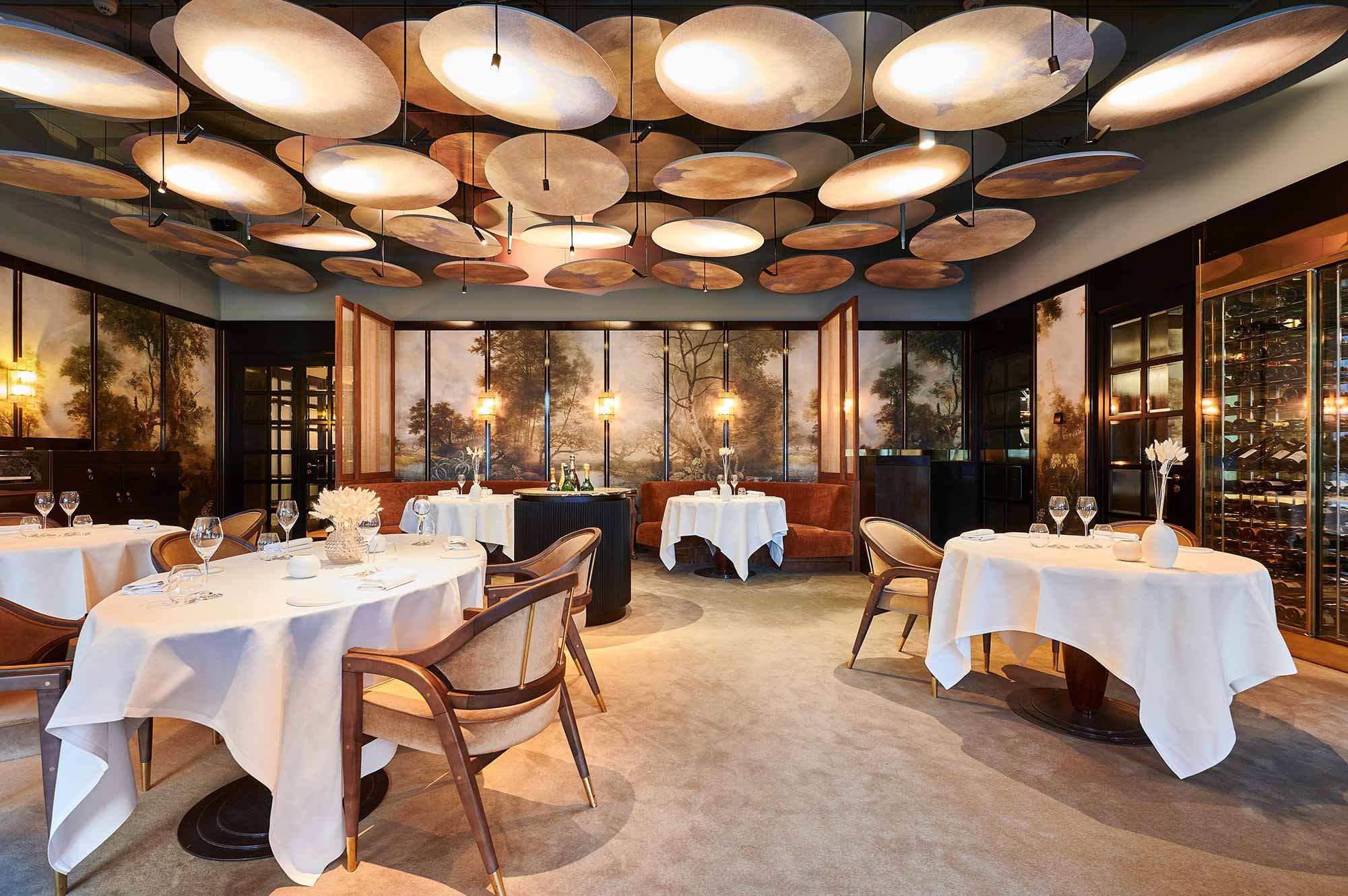
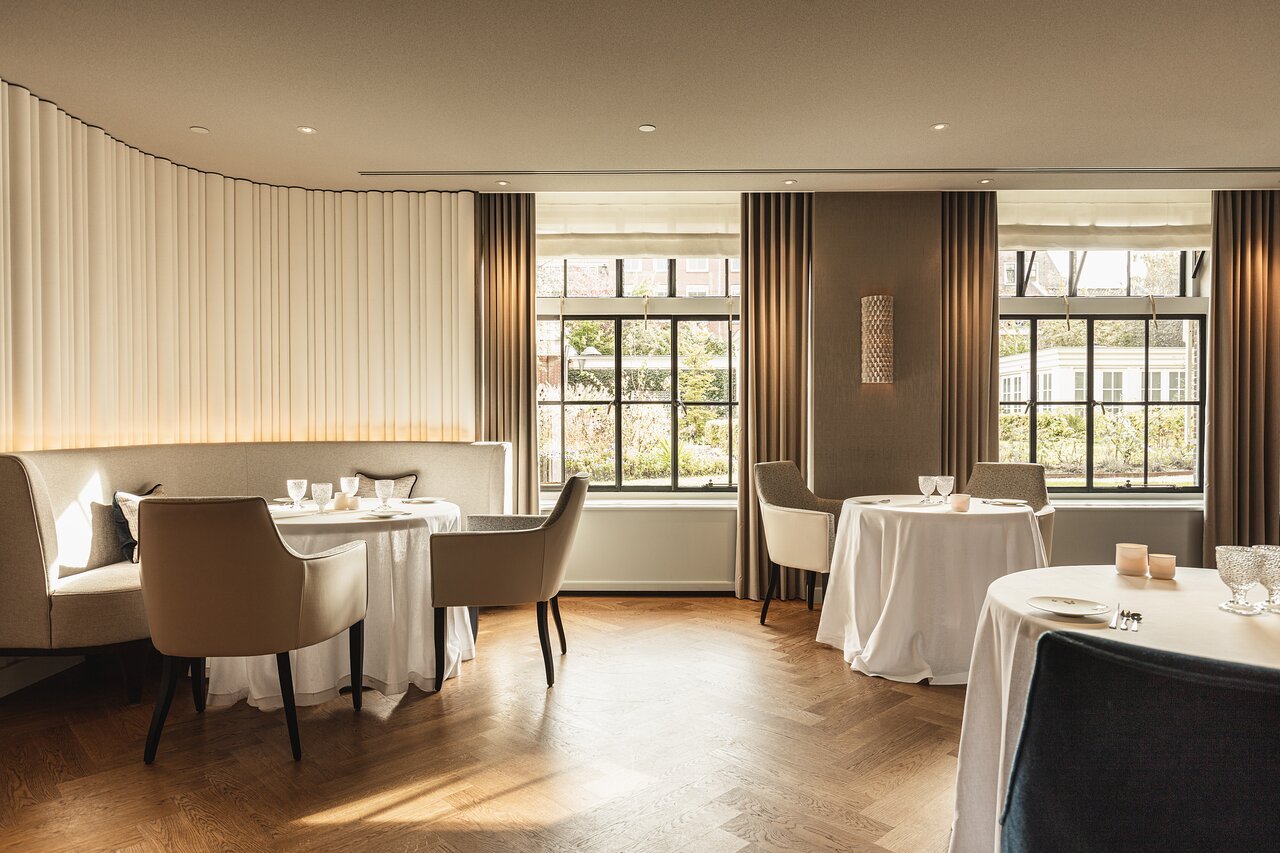
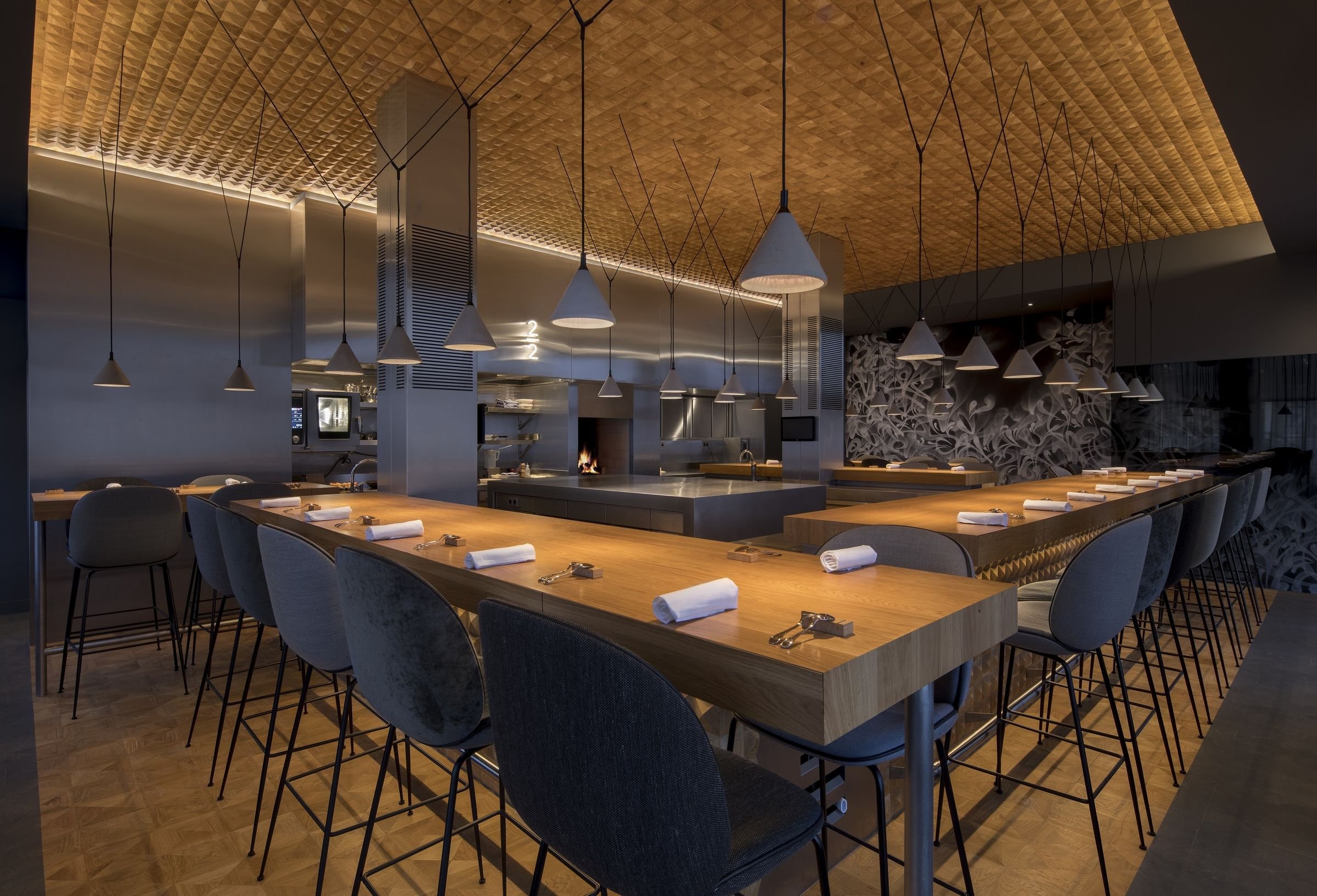
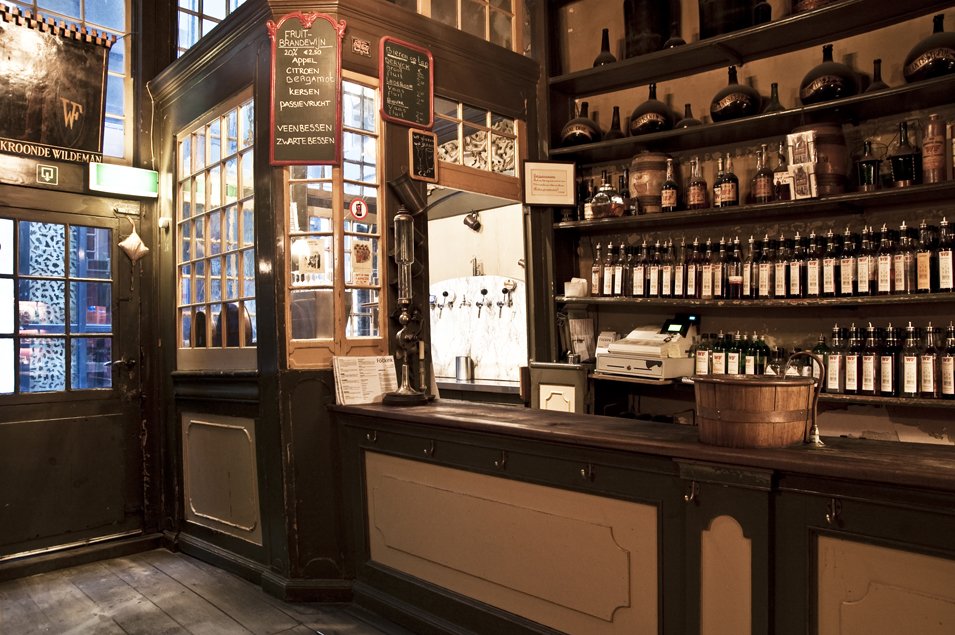
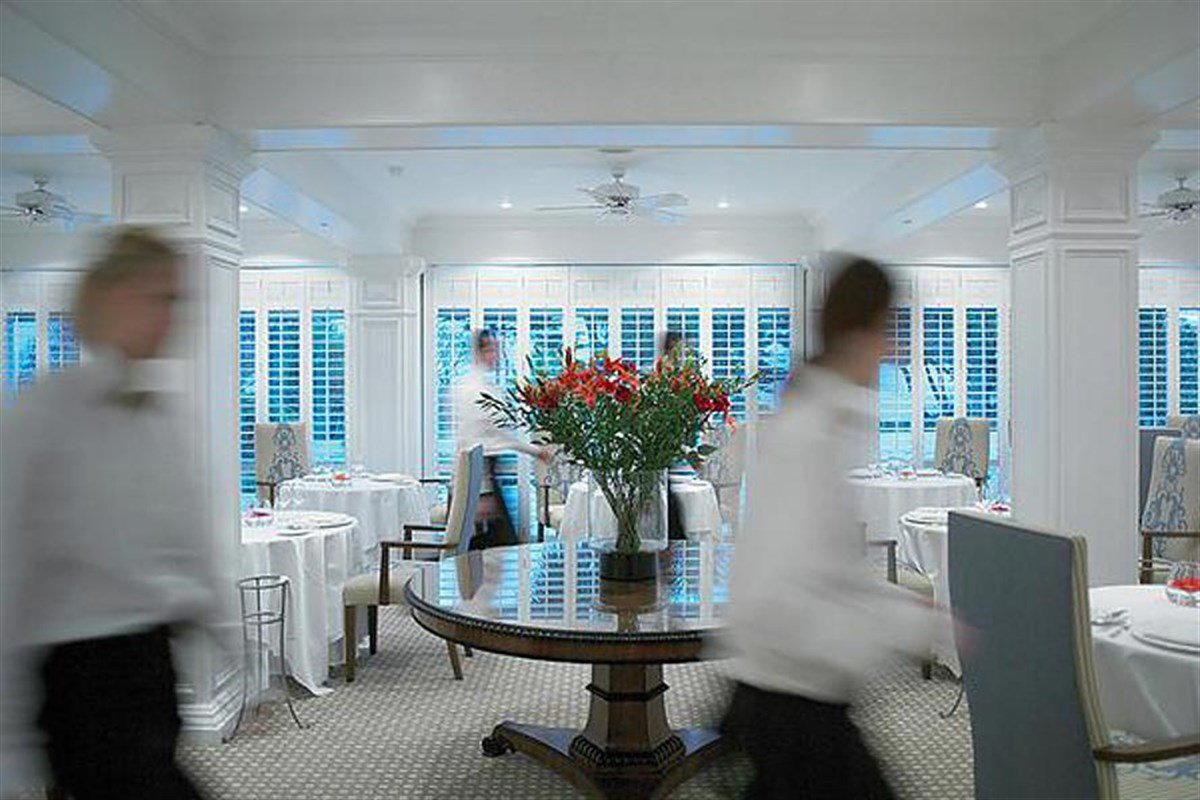
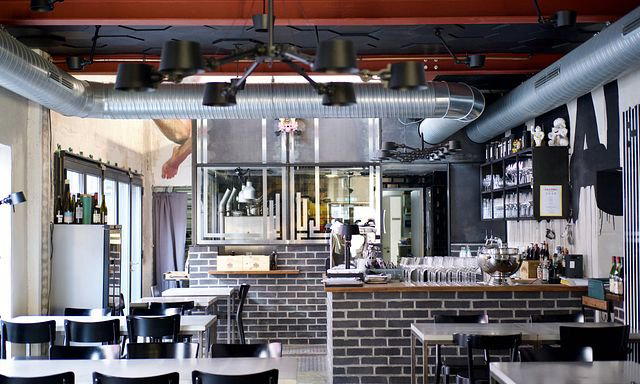
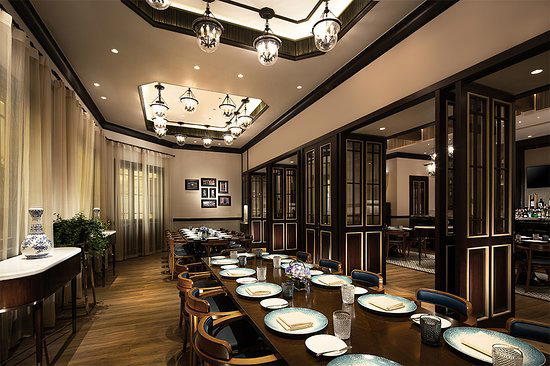
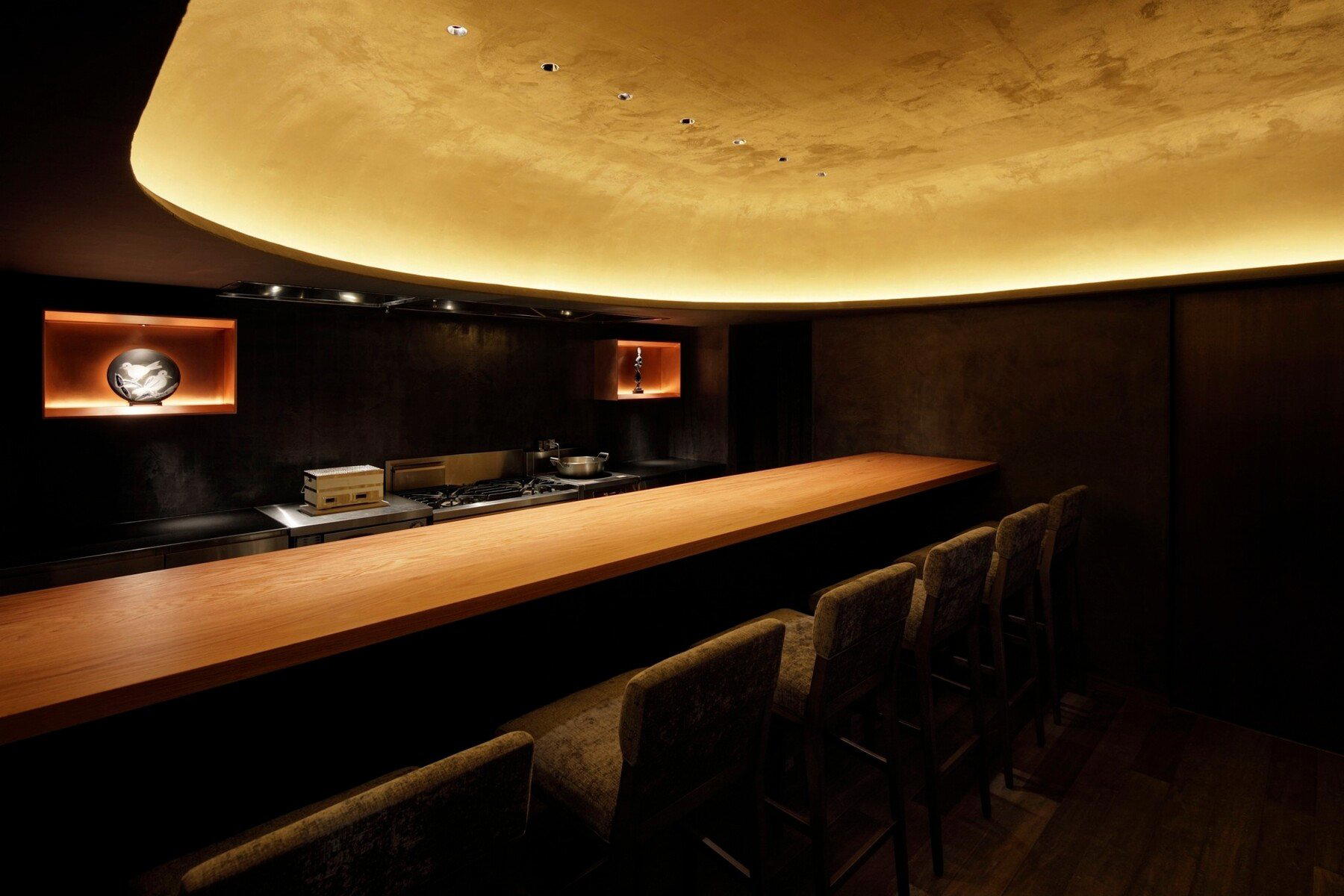
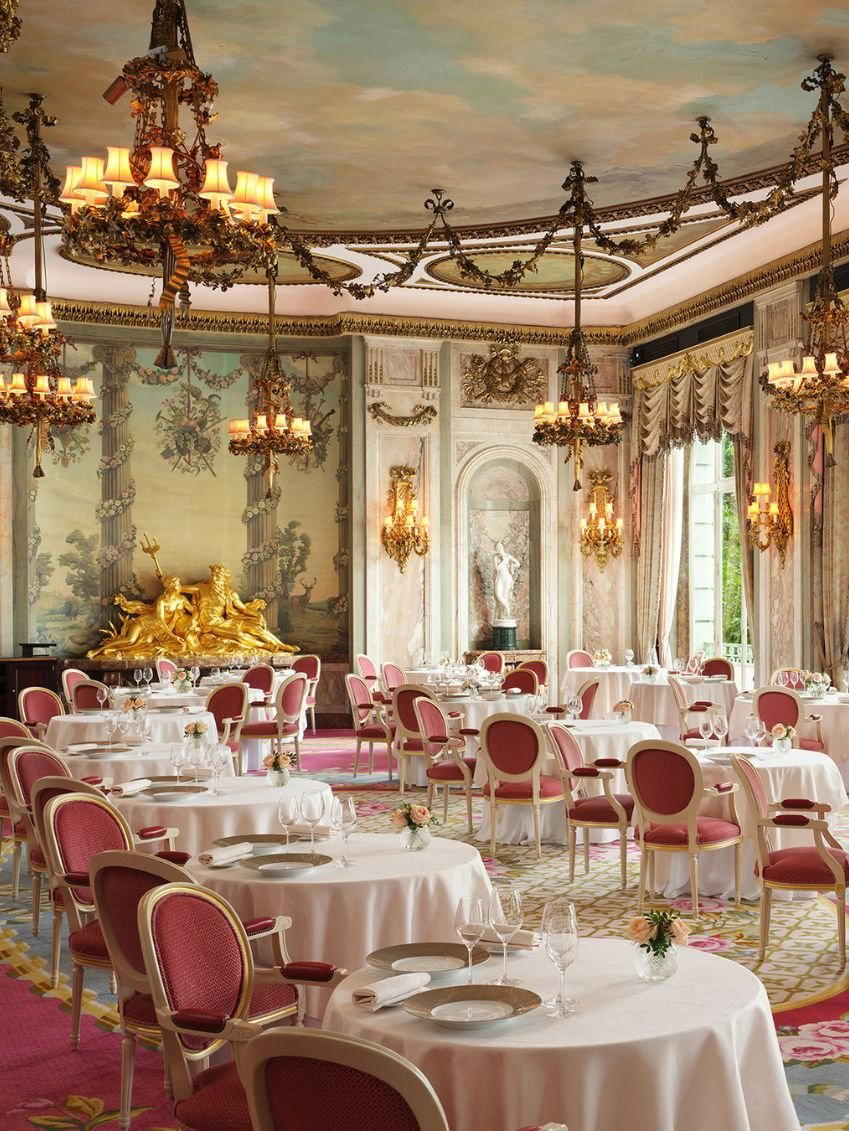
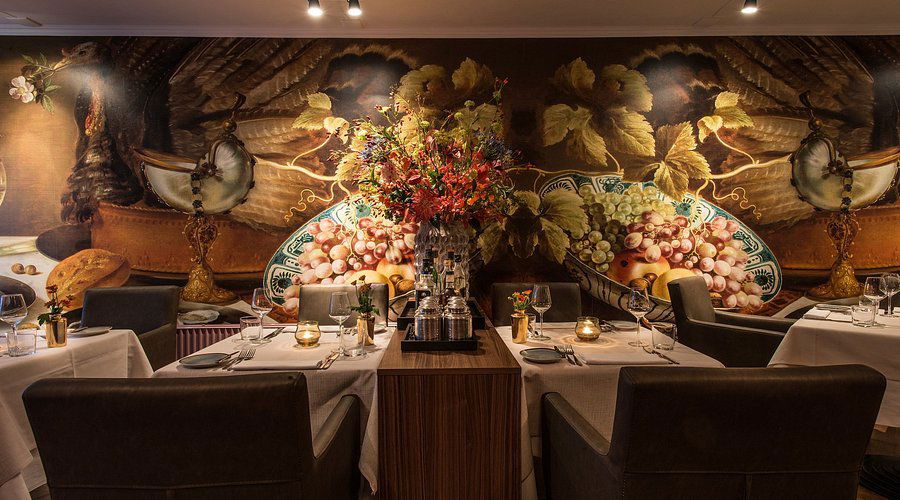
EN presents a compact, considered dining room where restraint is the point. The interior deliberately strips away visual noise so attention falls squarely on the food; distances between tables create a calm, almost hushed environment that foregrounds technique over theatrics. The kitchen’s measured approach and careful sourcing come through in each plate, and the overall effect is refined rather than flashy. With consecutive Michelin Plate recognitions, EN feels like a quietly rigorous address for diners who prize precision and a pared‑back, sophisticated setting.
Best For
EN is best experienced in the evening, when its measured Japanese cooking and sourcing register most clearly. The restaurant sits in the mid‑to‑upper price tier and has earned consecutive Michelin Plates, so it suits diners marking a special night out or a considered date night. It’s a place for people who prioritize technical consistency and ingredient quality over loud atmospherics — those seeking a calm, focused meal where the kitchen is the main attraction will find EN fits that bill.
Ordering Tips
Let the kitchen lead: the dining room’s restraint signals that dishes are meant to showcase technique and ingredient quality. The menu highlights precise Japanese preparations; the tuna sashimi is listed as a signature dish and is a good barometer of the kitchen’s standard. Opt for straightforward, raw or simply composed items that reveal sourcing and knife work rather than heavily sauced preparations. Because EN positions itself among Amsterdam’s more serious Japanese addresses, prioritize dishes that let the kitchen’s technical skills shine.
Venue details
Ambiance
Low-key, unassuming, relaxed atmosphere with warm, sincere service and vibrant energy reflected in the artful food presentation.
Tags
Vibe
Best For
Experience
At the Table
- Dress Code
- Smart Casual
- Noise Level
- Conversational
- Service Style
- Upscale Casual
- Meal Pacing
- Leisurely
- Capacity
- Intimate
Signature Dishes
tuna sashimi
Planning details
Location
Recognition and awards
Restaurant context
EN's most direct competition within Amsterdam's €€€ tier comes from kitchens with similarly focused formats: BAK for its farm-to-table approach with canal views, De Kas for its greenhouse setting in Frankendael Park. Both are strong choices for occasion dining at comparable spend. But neither offers Japanese cuisine, so if that is your priority, EN is the clear pick at this price tier in Amsterdam. De Kas has the edge for groups and summer evenings; BAK wins on atmosphere and ingredient sourcing credentials. EN wins on format specificity and two years of Michelin Plate recognition.
If budget is open, Ciel Bleu and Spectrum both carry Michelin stars and operate at €€€€, delivering a fuller fine-dining service structure. Vinkeles and Flore round out the starred tier for creative European cooking. The honest trade-off: those rooms offer more complete service and higher ceilings, but they cost more and are harder to book. EN sits below that tier in price and booking difficulty, which makes it the practical call when you want Michelin-tracked quality on a date or celebration without planning four to eight weeks out.
Wils works if you want €€€ pricing with a more adventurous, globally influenced menu and a wine program built around natural and low-intervention producers. For the diner who prioritises wine pairing over cuisine type, Wils may have the edge. For anyone whose occasion specifically calls for Japanese cooking at a recognised quality level, EN is the better answer in Amsterdam's current restaurant options.
Around this place
Discover more on Pearl
Unlock the full EN guide in Pearl, including awards, comparisons, FAQs, planning details, and nearby places.
Compare EN
| Venue | Location | Cuisine | Awards | Price |
|---|---|---|---|---|
| EN | Amsterdam | €€€ · Japanese | 2025 Michelin Plate2024 Michelin Plate | €€€ |
| Ciel Bleu | Amsterdam | €€€€ · Creative | Star Wine Lists 2026 · #12026 OAD Classical in Europe Ranked · #662026 Wine Spectator Best of Award of Excellence2026 La Liste Top Restaurants2025 OAD Classical in Europe Ranked · #58We're Smart World Top Restaurants 20252025 La Liste Top Restaurants2025 The Best Chef One Knife2025 Michelin 2 Stars | €€€€ |
| Bolenius | Amsterdam | Modern Dutch, Creative | 2026 OAD Top Restaurants in Europe Recommended2025 OAD Top Restaurants in Europe Ranked · #611We're Smart World Top 100 2025We're Smart World Top Restaurants 20252025 Michelin 1 Star2024 Michelin 1 Star2023 OAD Top New Restaurants in Europe Recommended | €€€€ |
| De Kas | Amsterdam | €€€ · Organic | Star Wine Lists 20262026 OAD Casual in Europe Recommended2025 OAD Casual in Europe Ranked · #378We're Smart World Top Restaurants 2025We're Smart World Top 100 20252025 Michelin 1 Star2024 OAD Casual in Europe Ranked · #2502024 Michelin 1 Star2023 OAD Casual in Europe Highly Recommended | €€€ |
| Wils | Amsterdam | €€€ · World Cuisine | 2026 OAD Top Restaurants in Europe Recommended2025 OAD Top Restaurants in Europe Ranked · #612We're Smart World Top Restaurants 20252025 Michelin 1 Star2024 Michelin 1 Star | €€€ |
| BAK | Amsterdam | €€€ · Farm to table | Star Wine Lists 20262026 OAD Top Restaurants in Europe Recommended2025 OAD Top Restaurants in Europe Ranked · #597We're Smart World Top Restaurants 20252025 Michelin Plate2024 Michelin Plate2023 OAD Casual in Europe Recommended | €€€ |








How EN Amsterdam compares with similar nearby venues.
FAQ
Frequently Asked Questions
What should I order at EN?
Specific menu items are not published in available records, so ordering advice based on dishes would be guesswork. What the Michelin Plate recognition for 2024 and 2025 does confirm is consistent kitchen quality at the €€€ tier. At Japanese restaurants in this range, tasting or set menus typically give you the best representation of what the kitchen does well; ask staff at booking whether a set format is available.
Is EN good for a special occasion?
Yes; a Michelin Plate in both 2024 and 2025 at the €€€ tier makes EN a credible choice for a dinner that needs to land. It is better suited to a two-person occasion or a small group than a large celebration. For Amsterdam Japanese dining at this level, it is one of the more reliable options in a neighbourhood setting, without the formality or price pressure of a starred room.
What should I wear to EN?
EN holds a Michelin Plate and sits in the €€€ range, which typically signals a dress expectation above casual but short of formal. In De Pijp, Amsterdam's most residential dining neighbourhood, the crowd tends toward dressed-up casual rather than business attire. Neat, considered clothing is a safe call; trainers and streetwear are likely out of place, but a jacket is probably not required.
What should a first-timer know about EN?
EN is a Michelin Plate restaurant in De Pijp, not a central tourist-district venue; Dusartstraat 53 is a residential address, so plan your route in advance. At €€€, this is a spend-up meal, not a casual drop-in. Book ahead, go with a small party, treat it as a special occasion dinner rather than a quick weeknight option.