.png?width=1200&quality=80)
Carusu
Creative · Valle dei Templi, Agrigento
Restaurant in Agrigento, Italy
 Book with Pearl
The Read
Farm-Rooted Sicilian Reinterpretation
Price
$100–150per person
Dress
Smart Casual
Why go
Carusu is Agrigento's most serious dinner option: a Michelin Plate-recognised creative kitchen inside the Valley of the Temples archaeological park, run entirely by the Mangione family. The cooking is rooted in Sicilian ingredients with a strong vegetable focus, sourced from the family farm. At €€€, it delivers more culinary ambition than anything else in the province, and booking is still easy.
About Carusu
The Verdict
Most visitors to Agrigento treat dinner as an afterthought, something to get through before another morning at the Valley of the Temples. Carusu is the correction to that assumption. This is a serious creative kitchen operating inside an archaeological park, and if you have one dinner in Agrigento, this is where to spend it. At €€€ pricing, it sits below the €€€€ tier of Italy's major creative destinations, making it the clearest value proposition in the province.
What Carusu Actually Is
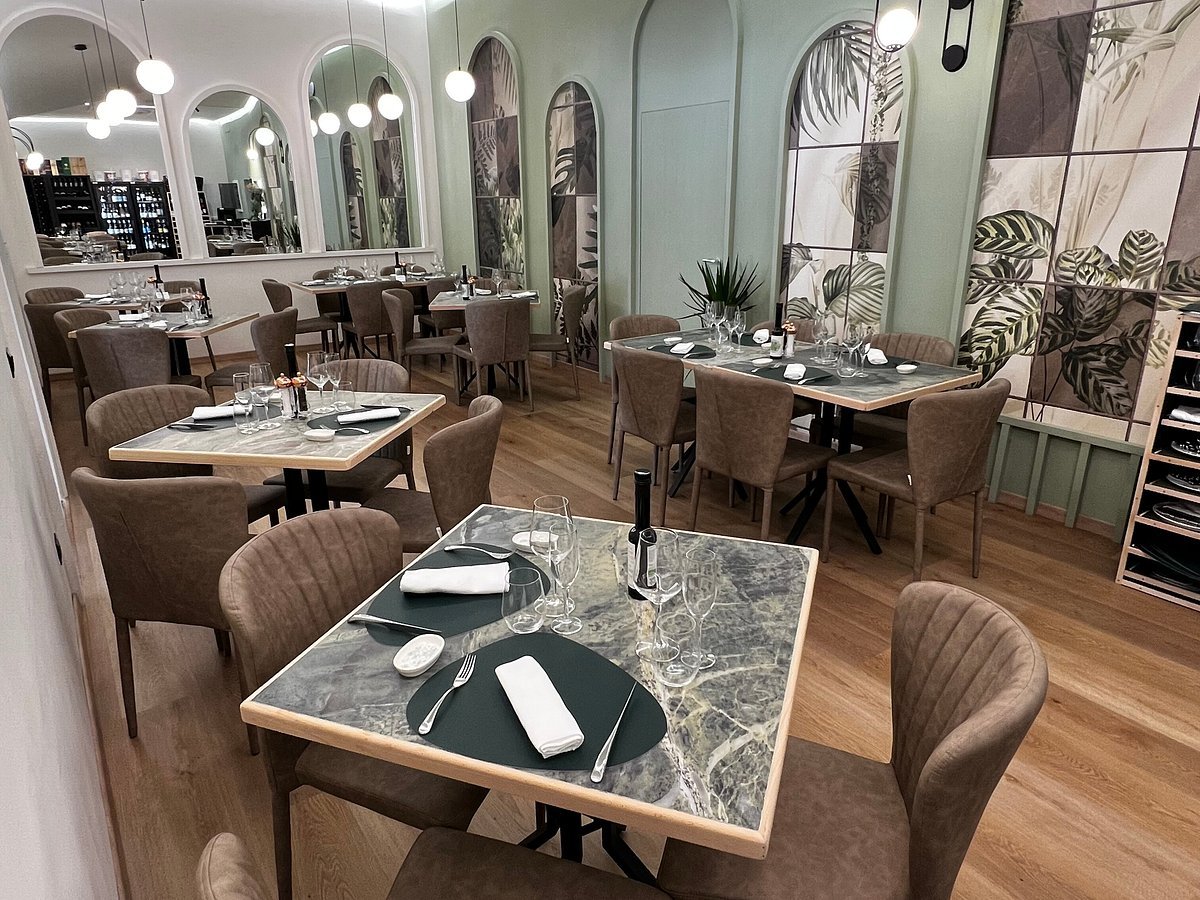
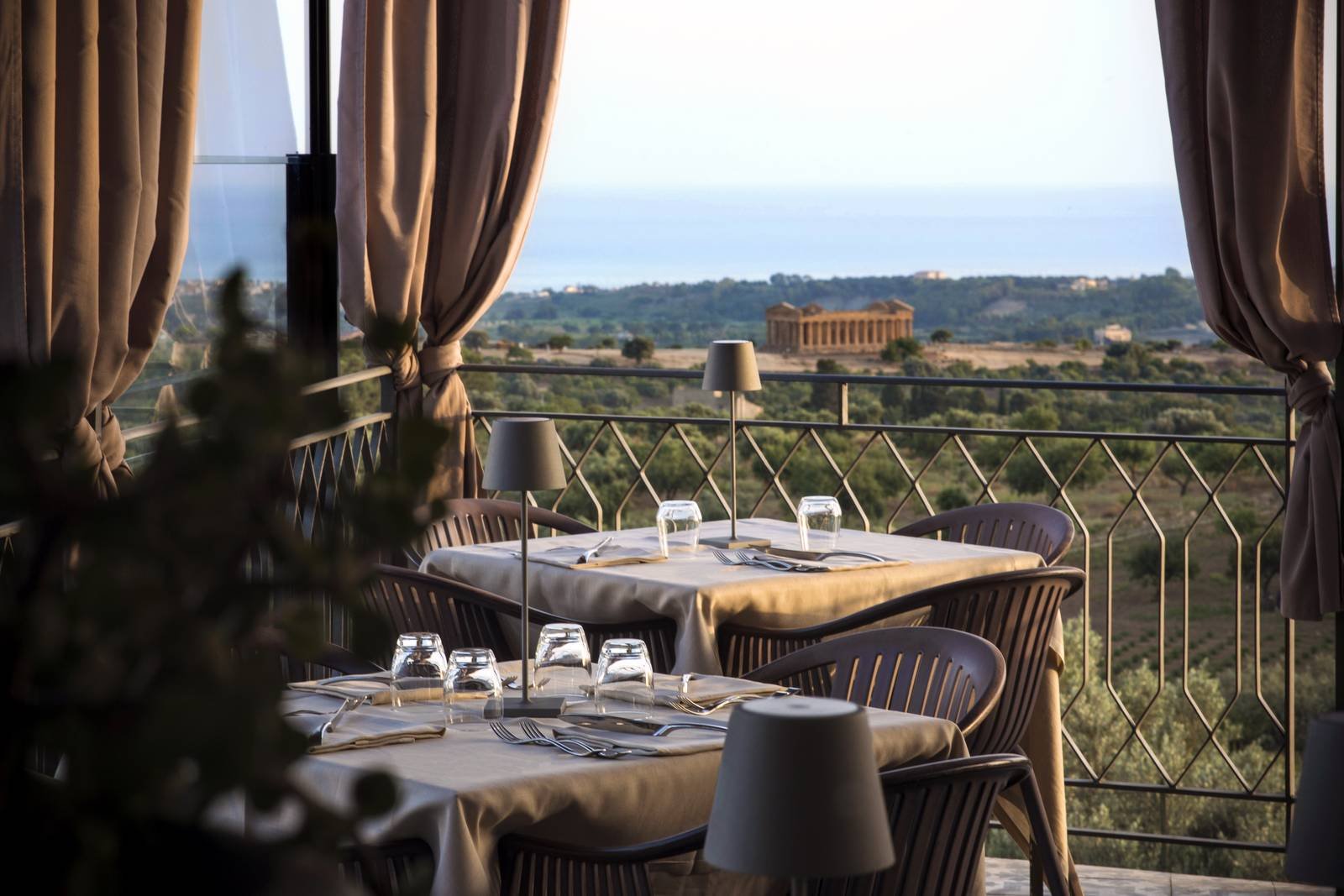
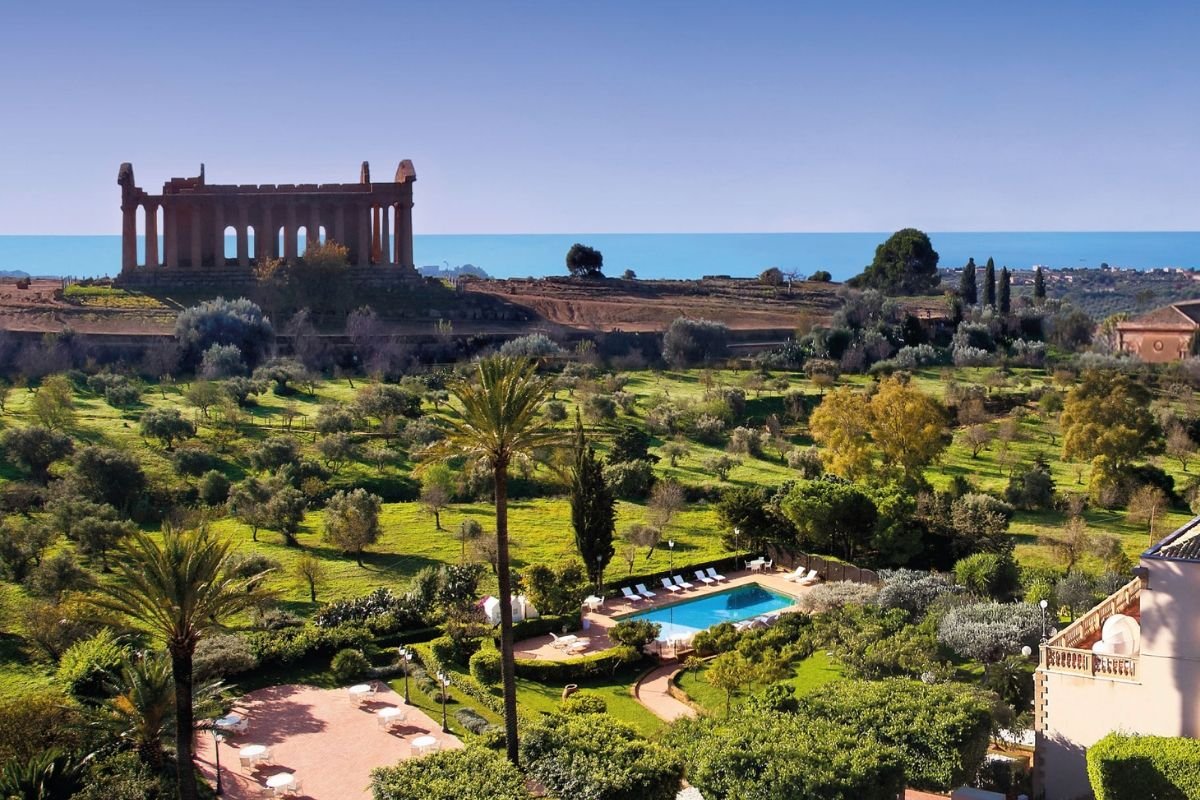
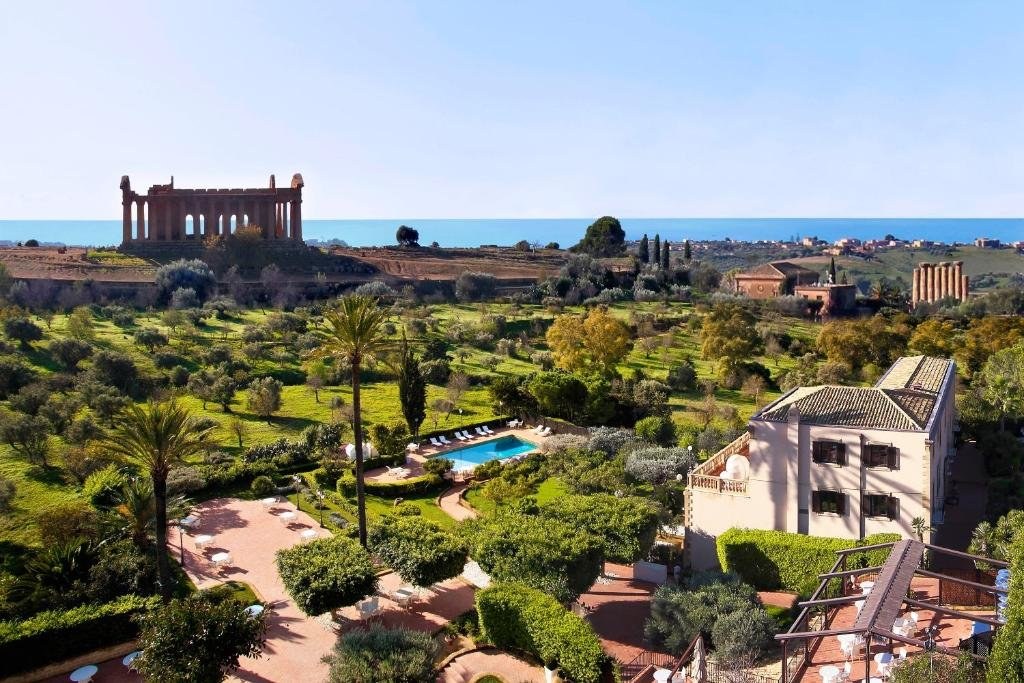
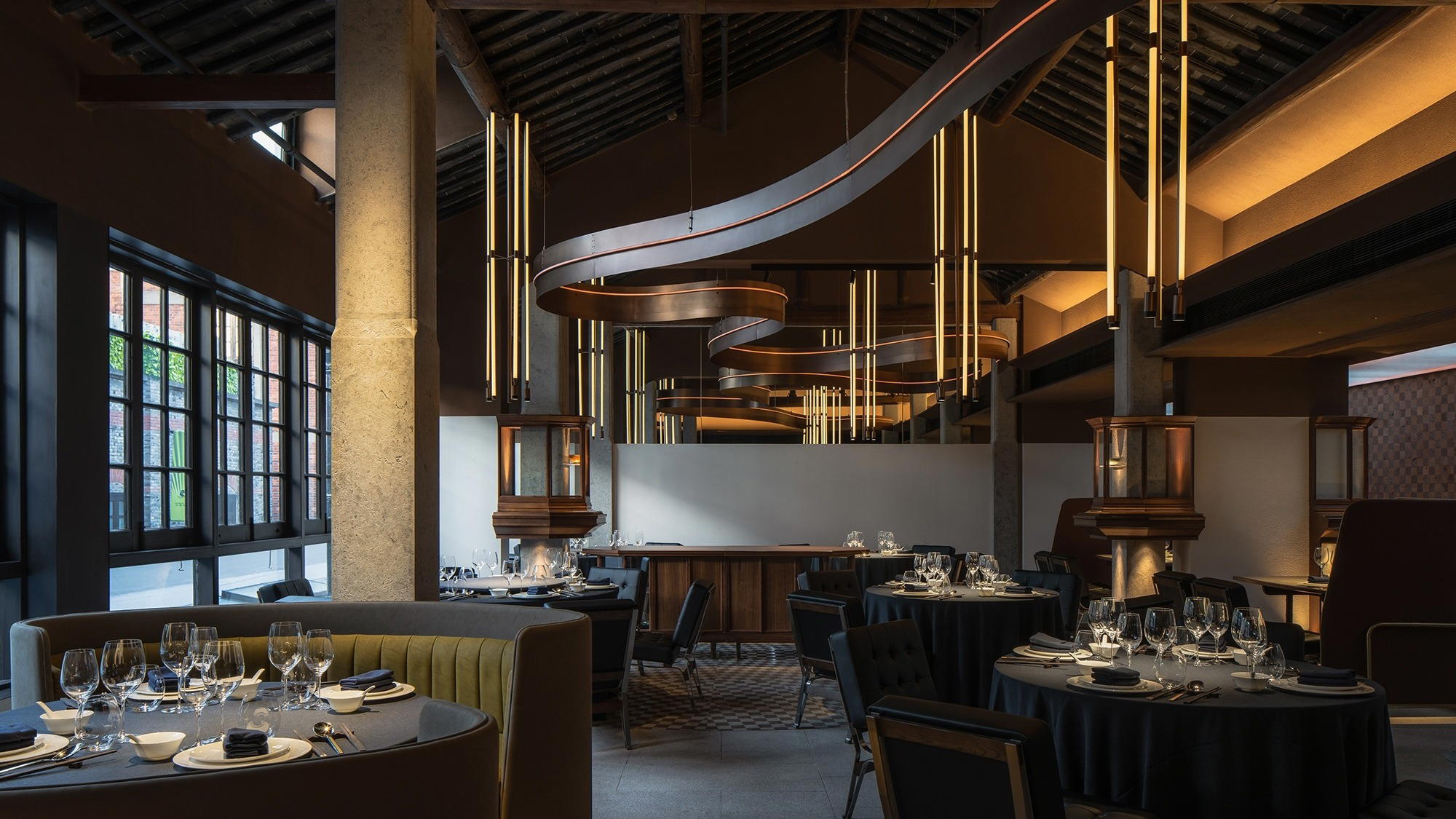
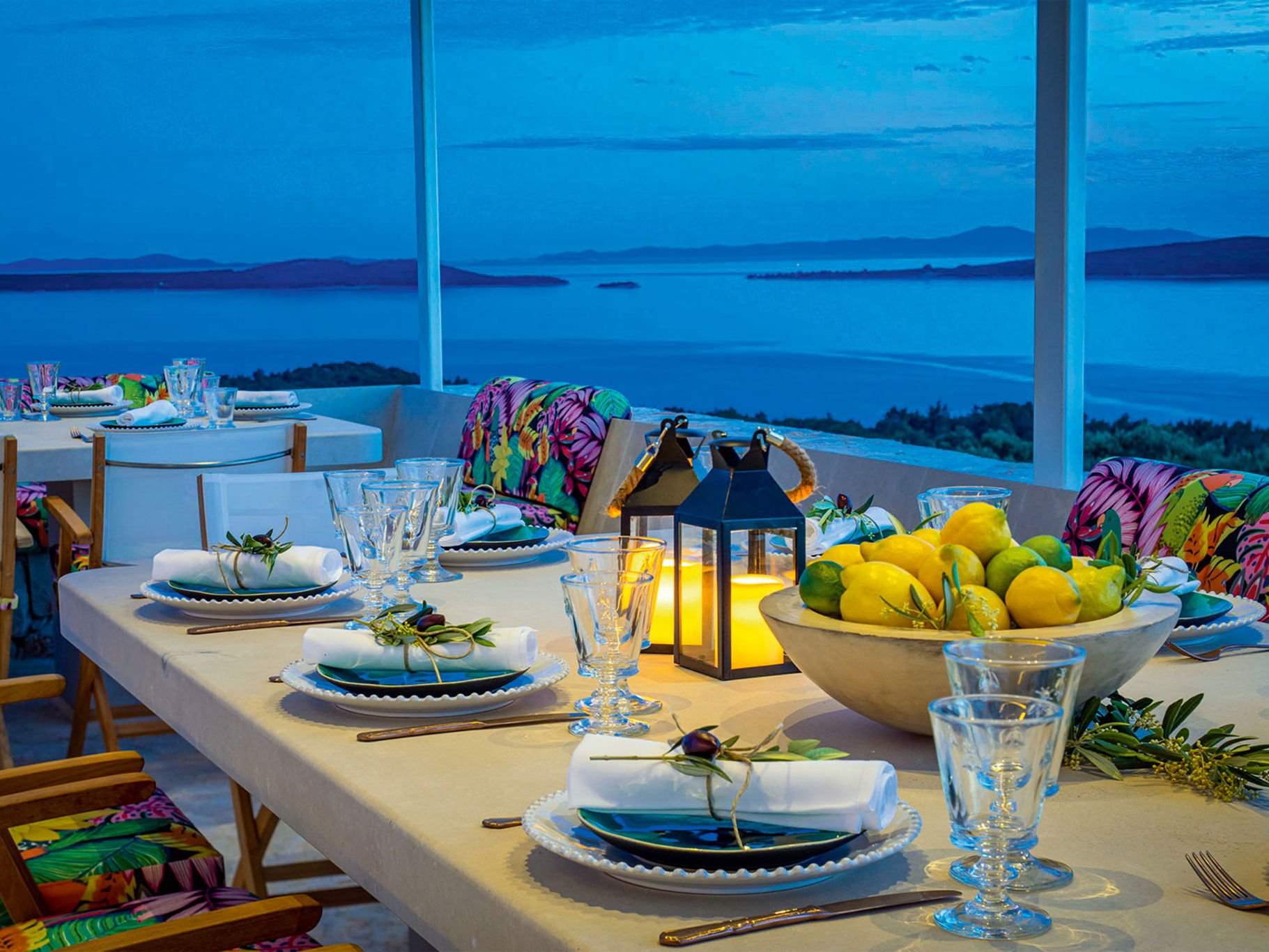
The restaurant occupies two small rooms across two floors along Via Passeggiata Archeologica, the road that runs through the archaeological park itself. That address is not a marketing convenience — it places you physically inside one of the most significant ancient sites in the Mediterranean, and the setting shapes the experience before you've looked at a menu. Arrive for dinner as the light drops over the temples and the context of the meal shifts considerably.
This is a family operation in the most direct sense. Francesco Mangione is at the entrance. His son Alen runs the kitchen, and his other son Dominique manages the dining room and handles wine conversations. That structure matters for a returning visitor: you are not dealing with a rotating front-of-house team or an absentee chef. The people who care most about the restaurant are present on any given evening.
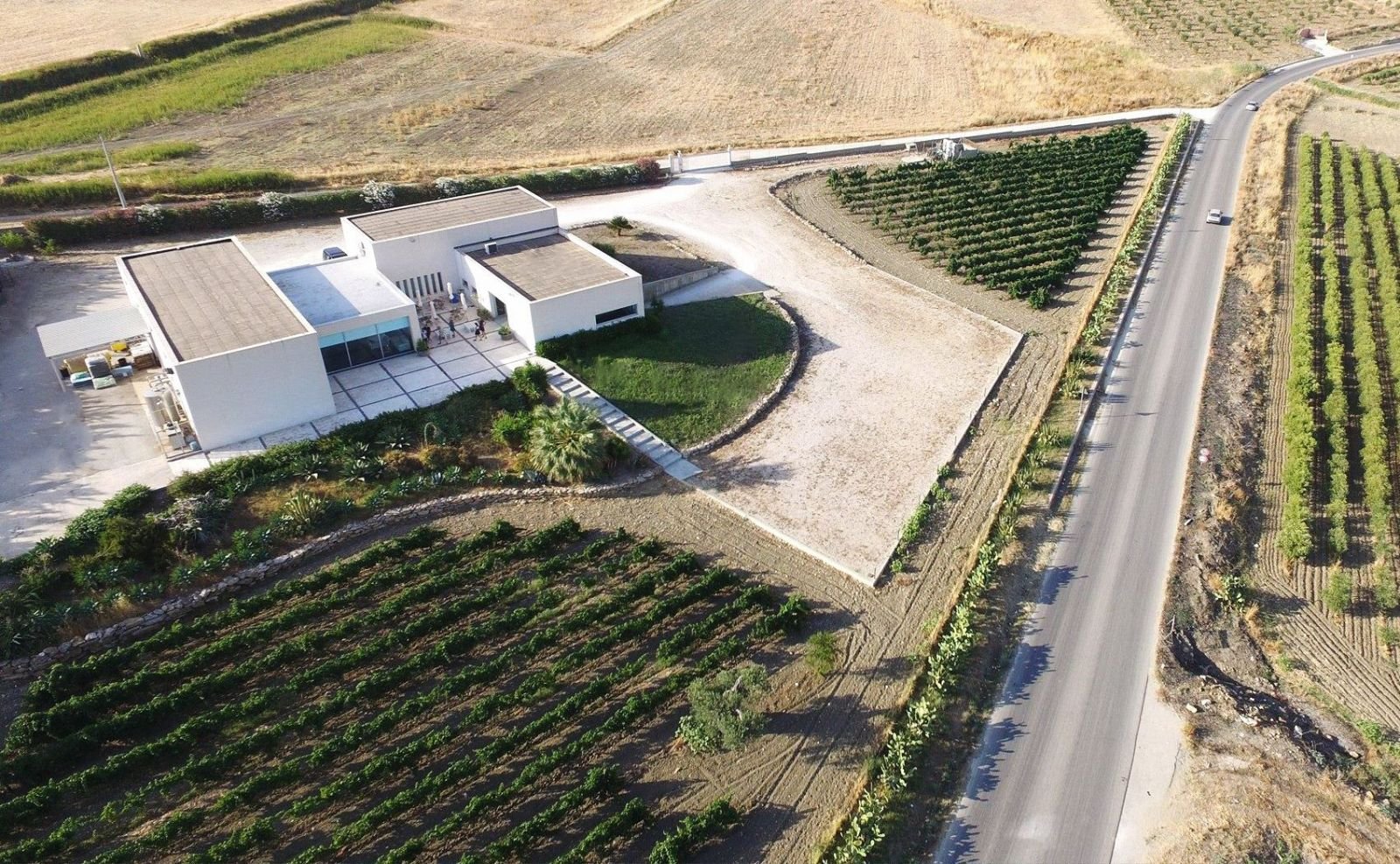
Alen's cooking is rooted in Sicilian ingredients reinterpreted through the kind of technical discipline that comes from training at serious restaurants elsewhere. The focus lands heavily on vegetables, many of which come from a farm managed by the family's uncle. That farm-to-table supply chain is not an affectation here — it is the practical foundation of a menu that changes with what is actually growing. If you visited once during summer and found the cooking driven by aubergine, courgette, and tomato in their peak forms, a return visit in a different season will read differently.
The ideal time to visit Carusu is spring or early autumn. In spring, the Valley of the Temples is surrounded by almond blossom and wildflowers, the temperatures are manageable, and the produce coming out of Sicilian farms is at its most varied, broad beans, artichokes, wild herbs. Early autumn brings the fig and grape harvests into the kitchen and the tourist volume drops sharply after the August peak, meaning the two small rooms feel less pressured. High summer remains viable but the heat and visitor density around Agrigento are both at their most intense.
For a returning diner, the question is not whether to come back but what to pay attention to on the second visit. The wine conversation with Dominique is worth more time than a first visit usually allows. Ask specifically about Sicilian producers rather than defaulting to the obvious regional names, the list almost certainly has choices that reward the conversation. The vegetables remain the heart of the cooking, so if a dish is described as centred on something from the farm, that is the one to order. Alen's reinterpretation of Sicilian cuisine means familiar flavours reaching the table via less expected routes.
Practically, this is not a difficult reservation to secure by the standards of Italian creative dining. Booking difficulty is rated easy, which is unusual for a Michelin-recognised restaurant in a high-season destination. That will not remain true indefinitely as the kitchen's reputation develops, so the window to book without weeks of lead time is the current advantage. A few days in advance should be sufficient outside the busiest summer weeks; in August, give it more runway.
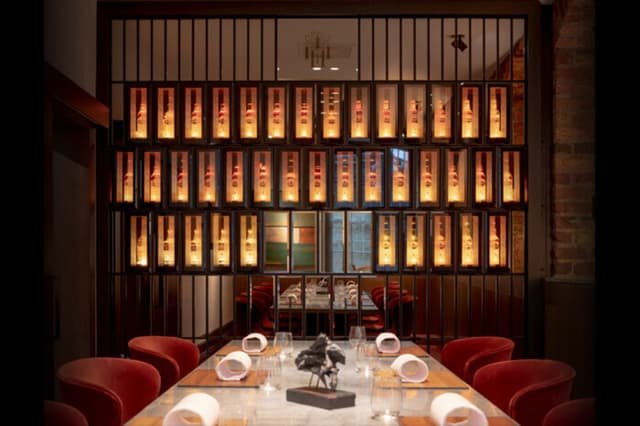
The room is small across both floors, which means this is not a restaurant for large groups expecting a casual, loud dinner. It suits parties of two to four who want to eat seriously without the ceremony of a major tasting-menu institution. The elegant, refined character of the space is confirmed in the Michelin description, expect a level of presentation and service attentiveness that goes well beyond a neighbourhood trattoria, while remaining warmer and less formal than a three-star dining room.
In the wider context of Agrigento's restaurant scene, Carusu sits at the serious end of the spectrum. For a more casual or traditional Sicilian meal, Osteria Expanificio and Sitári are the natural alternatives. If you want to understand Agrigento's drinking culture before or after dinner, consult our Agrigento bars guide. For the broader trip, our Agrigento hotels guide, wineries guide, and experiences guide cover the rest of your stay.
Know Before You Go
- Price range
- €€€
- Awards
- Michelin Plate (2025)
- Address
- Via Passeggiata Archeologica, 8, 92100 Agrigento AG, Italy
- Booking difficulty
- Easy, a few days ahead is usually sufficient; allow more lead time in August
- Ideal time to visit
- Spring (March–May) or early autumn (September–October) for leading produce and lower visitor density
- Room size
- Two small rooms across two floors, suited to parties of 2–4
- Style
- Creative Sicilian; strong vegetable focus; family-run kitchen and front of house
- More in Agrigento
- Full restaurant guide · Hotels · Bars · Wineries · Experiences
How It Compares
Planning details
- Location
- Via Passeggiata Archeologica, 8, 92100 Agrigento AG, Italy
- Reservations
- Book on the venue's website
- Website
- carusurestaurant.it
- Phone
- +39 0922 691893
The take
The Take
The Vibe
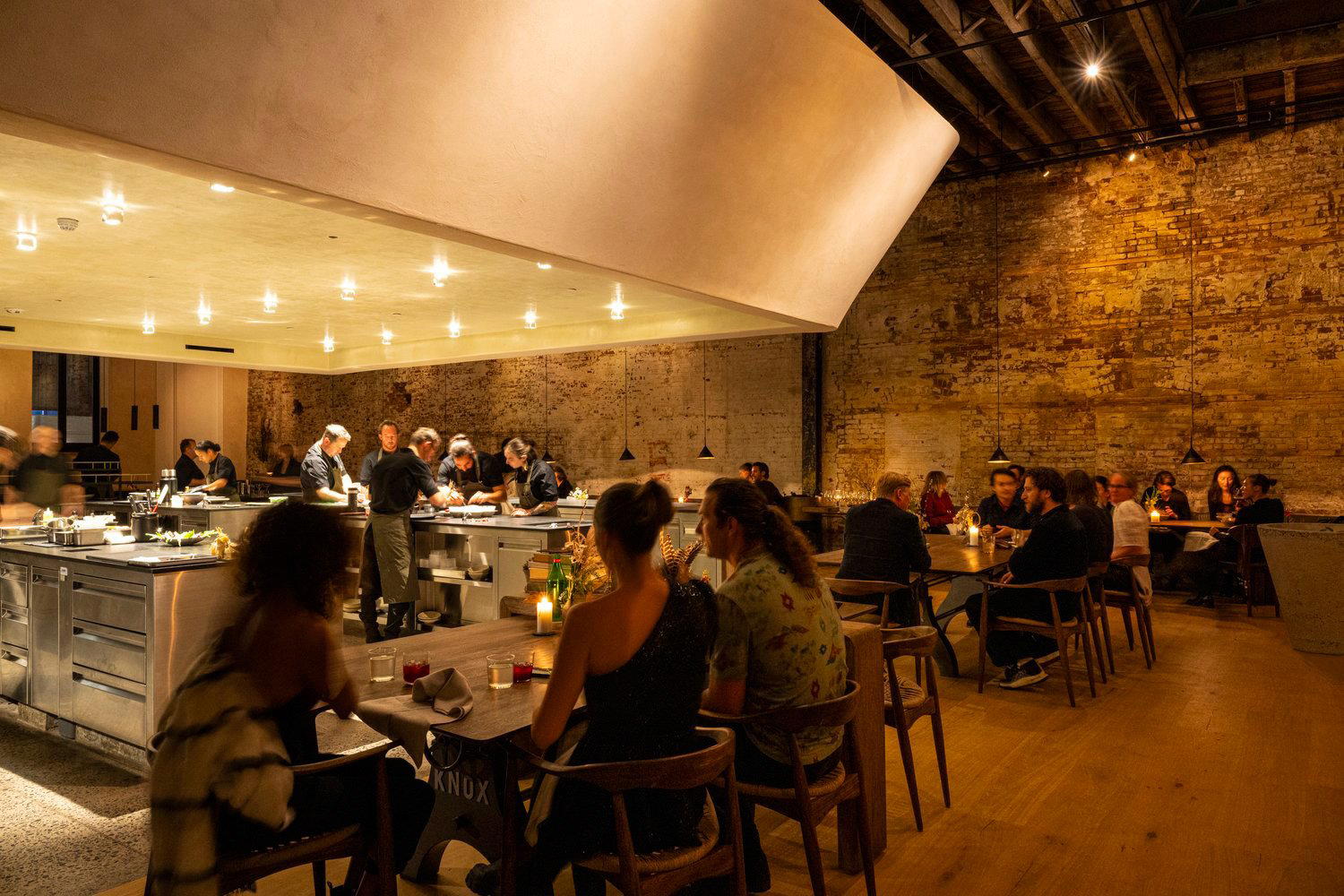
Carusu seats you within the sweep of the Valley of the Temples, trading the bustle of tourist strip eateries for a composed, deliberately paced room. The restaurant occupies two small rooms over two floors, and the atmosphere reads as calm and considered rather than flashy. Service and cooking both aim for restraint: dishes are presented as arguments about place and ingredient instead of theatrical gestures. With Michelin Plate recognition and a clear commitment to serious regional cooking, the dining experience feels quietly assured—scenic and historic but focused squarely on the food.
Best For
Carusu is best for diners who prize thoughtful, ingredient-led Italian cuisine in a quietly memorable setting. It suits couples seeking an intimate date-night meal and parties marking a special occasion who want something more refined than the surrounding tourist options. Serious-food visitors and travelers exploring the Valley of the Temples will appreciate that the kitchen treats Sicilian produce as the point of departure rather than ornamentation. The room’s small scale and unhurried pacing reward diners who arrive ready to linger over multiple courses.
Ordering Tips
Look for vegetable-forward preparations and dishes that showcase Sicily’s distinct produce—capers, almonds, pistachios and blood oranges are cited as local strengths. The write-up frames sourcing as the menu’s central logic, so prioritize plates that highlight seasonal vegetables and local varietals. Given the kitchen’s creative approach, let the menu guide you toward regional flavors rather than defaulting to familiar classics; expect dishes that argue for their ingredients rather than relying on broad, touristic interpretations of Sicilian food.
Venue details
Ambiance
Elegant and refined atmosphere with calm, inviting lighting and welcoming hospitality as described in guest reviews.
Tags
Vibe
Best For
Experience
Sourcing
Accessibility
At the Table
- Dress Code
- Smart Casual
- Noise Level
- Quiet
- Service Style
- Upscale Casual
- Meal Pacing
- Leisurely
- Capacity
- Intimate
- Kitchen
- Modern
- Menu Format
- Tasting menu, A la carte
- Wine Program
- Curated
- Dietary
- Vegetarian friendly
Know before you go
Know Before You Go
- Getting there
- Via Passeggiata Archeologica, 8, 92100 Agrigento AG, Italy
Planning details
Location
Via Passeggiata Archeologica, 8, 92100 Agrigento AG, Italy · Directions
Recognition and awards
Also consider
Also Consider
- Atelier Moessmer Norbert Niederkofler, Italian, Creative, €€€€
- Dal Pescatore, Italian, Italian Contemporary, €€€€
- Osteria Francescana, Progressive Italian, Creative, €€€€
- Quattro Passi, Italian, Mediterranean Cuisine, €€€€
- Reale, Progressive Italian, Modern Cuisine, €€€€
Restaurant context
Carusu sits at €€€ in a comparison set where most of Italy's recognised creative restaurants operate at €€€€. That price gap matters. Osteria Francescana in Modena and Reale in Castel di Sangro are both three-star or near-equivalent operations with global profiles and booking windows measured in months. If maximum technical ambition and the prestige of a major tasting-menu institution is what you are after, those are the destinations. Carusu is not competing at that level of ceremony or scale, but it is also not asking you to pay for it.
Atelier Moessmer Norbert Niederkofler in Brunico and Quattro Passi in Marina del Cantone are the closer comparisons in terms of regional identity and creative approach, both are €€€€ operations that use their specific landscape as a culinary starting point. Carusu does the same thing in Sicily at lower cost and with significantly easier access. Dal Pescatore in Runate is a different kind of proposition: a multi-generational family institution with deep classical roots, less useful as a direct comparison for what Alen is doing in the kitchen but worth knowing if Italian family-run fine dining across different registers is your reference point.
For creative Italian cooking at a broader national level, Uliassi in Senigallia, Piazza Duomo in Alba, Le Calandre in Rubano, and Enoteca Pinchiorri in Florence all operate at the top of the Italian creative spectrum. If you are building a trip around serious Italian dining, those are the anchors. Carusu earns its place on that itinerary as the Sicily stop, the restaurant that makes Agrigento worth staying for an extra night rather than treating as a day trip. For vegetable-forward creative cooking with a regional identity as strong as anything in Europe, Arpège in Paris and Quique Dacosta in Dénia are the international comparisons that set the standard Carusu is clearly moving toward.
Explore Agrigento
Around this place
Discover more on Pearl
Unlock the full Carusu guide in Pearl, including awards, comparisons, FAQs, planning details, and nearby places.
Compare Carusu
| Venue | Awards | Price |
|---|---|---|
| Carusu | 2026 Michelin Plate2025 Michelin Plate2024 Michelin Plate | €€€ |
| Atelier Moessmer Norbert Niederkofler | 2026 OAD Top Restaurants in Europe Ranked · #92026 Falstaff Restaurant Guide2026 Les Grandes Tables du Monde Members2026 Michelin 3 Stars2026 La Liste Top Restaurants2025 World's 50 Best Restaurants · #202025 OAD Top Restaurants in Europe Ranked · #362025 The Best Chef Three Knives2025 Michelin 3 Stars | €€€€ |
| Dal Pescatore | 2026 OAD Classical in Europe Ranked · #172026 Relais Chateaux Restaurants2026 Les Grandes Tables du Monde Members2026 La Liste Top Restaurants2026 Michelin 3 Stars2026 Falstaff Restaurant Guide2025 OAD Classical in Europe Ranked · #162025 Michelin 3 Stars2025 Relais Chateaux Award | €€€€ |
| Osteria Francescana | 2026 OAD Top Restaurants in Europe Ranked · #212026 La Liste Top Restaurants2026 Les Grandes Tables du Monde Members2026 Michelin 3 Stars2026 Falstaff Restaurant Guide2025 OAD Top Restaurants in Europe Ranked · #27Chef's Table Featured Restaurants · 20252025 Michelin 3 Stars2025 The Best Chef Three Knives | €€€€ |
| Quattro Passi | 2026 OAD Top Restaurants in Europe Ranked · #972026 Les Grandes Tables du Monde Members2026 La Liste Top Restaurants2026 Michelin 3 Stars2026 Falstaff Restaurant Guide2025 OAD Classical in Europe Ranked · #522025 La Liste Top Restaurants2025 Michelin 3 Stars2024 OAD Classical in Europe Ranked · #116 | €€€€ |
| Reale | 2026 OAD Top Restaurants in Europe Ranked · #222026 Les Grandes Tables du Monde Members2026 La Liste Top Restaurants2026 Michelin 3 Stars2026 Falstaff Restaurant Guide2025 World's 50 Best Restaurants · #182025 OAD Top Restaurants in Europe Ranked · #25We're Smart World Top 100 2025We're Smart World Top Restaurants 2025 | €€€€ |











What to weigh when choosing between Carusu and alternatives.
FAQ
Frequently Asked Questions
Is Carusu worth the price?
At €€€ in a city where most visitors default to generic tourist-strip trattorias, Carusu delivers real value. The kitchen runs on produce grown on a family farm, the chef brings experience from serious restaurants, and the 2025 Michelin Plate confirms the cooking earns its price point. For vegetable-forward creative Sicilian food near the Valley of the Temples, there is no obvious alternative in the same bracket.
How far ahead should I book Carusu?
Two small rooms means limited covers, so book at least one to two weeks out during shoulder season and further ahead in summer when Agrigento's archaeological park draws peak visitor numbers. Arriving without a reservation is a risk not worth taking at this price range.
What should a first-timer know about Carusu?
Carusu is a family operation: father Francesco manages the front of house, brother Dominique handles the dining room and wine conversation, and chef Alen runs the kitchen. Expect reinterpreted Sicilian dishes with a strong vegetable focus rather than a conventional seafood-heavy menu. The address on Via Passeggiata Archeologica places it directly along the archaeological park road, which is practical for a pre- or post-temple dinner.
Is the tasting menu worth it at Carusu?
The kitchen's focus on farm-grown vegetables and creative reinterpretation of Sicilian cuisine is the kind of cooking that rewards a tasting menu format more than à la carte grazing. The Michelin Plate recognition supports the idea that the overall progression of dishes is the point. If you want to eat around the menu rather than commit to a set sequence, ask Dominique in the dining room what flexibility exists.