

Tabelog 100: Best Ramen in Hokkaido 2025
Tabelog 100 (Hyakumeiten) Ramen - HOKKAIDO selection for 2025. Tabelog publishes these as source-ordered lists of 100 restaurants.

Venues on this list
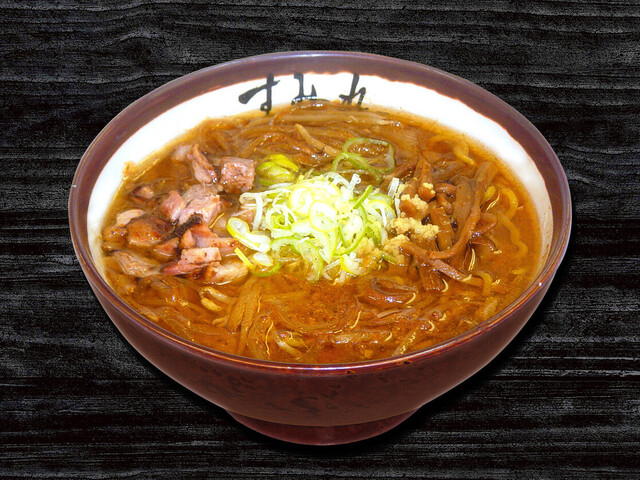
Sumire Sapporo susukino ten
Sapporo, Japan
A Tabelog 100-recognized ramen spot in Susukino serving miso bowls at JPY 1,000–1,999 with no reservations needed. Open evenings only (5:30 PM–12:30 AM), 24 seats, counter-forward setup. Best for solo diners and pairs hunting a late-night bowl without ceremony; less refined than Sapporo's top-tier spots but easier to access and priced for repeat visits.
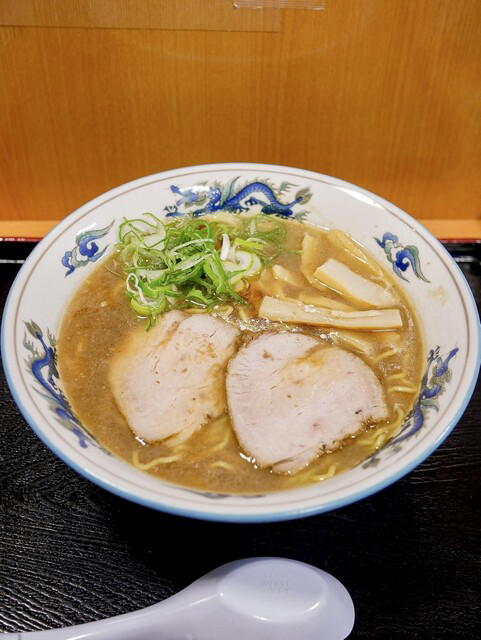
Ramenya Tenkin Shijou ten
Sapporo, Japan
Asahikawa-style ramen with pork-bone broth and curly noodles, capped with a lard layer that keeps each bowl hot through Hokkaido's winter. Selected for Tabelog 100 Ramen HOKKAIDO 2025, the shop draws queues at lunch but moves quickly. No reservations; arrive before 11:30 AM or after 1:30 PM. Around JPY 1,500 per person, with takeout available.
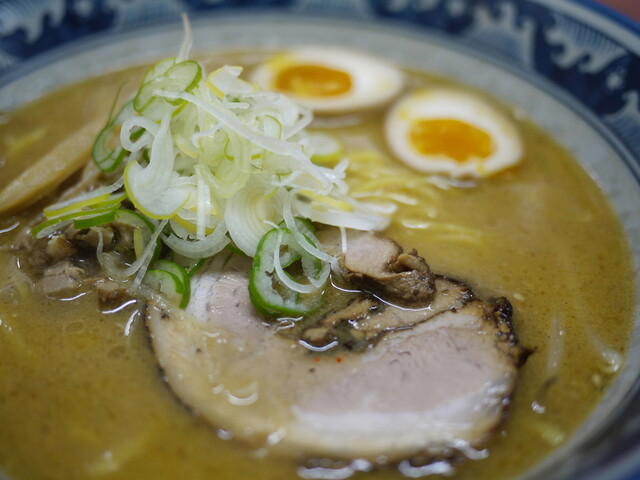
Ramen Senju
Sapporo, Japan
Basement ramen counter near Odori delivering Tabelog 100-recognized miso bowls for under ¥1,000. Named to the 2024 and 2025 Hokkaido lists, Ramen Senju runs a tight 12-seat operation with no reservations, cash-only service, and a Monday-to-Saturday lunch window. Ideal for solo diners and couples seeking consistent, straightforward quality without the wait times or premium pricing of flashier Sapporo spots.
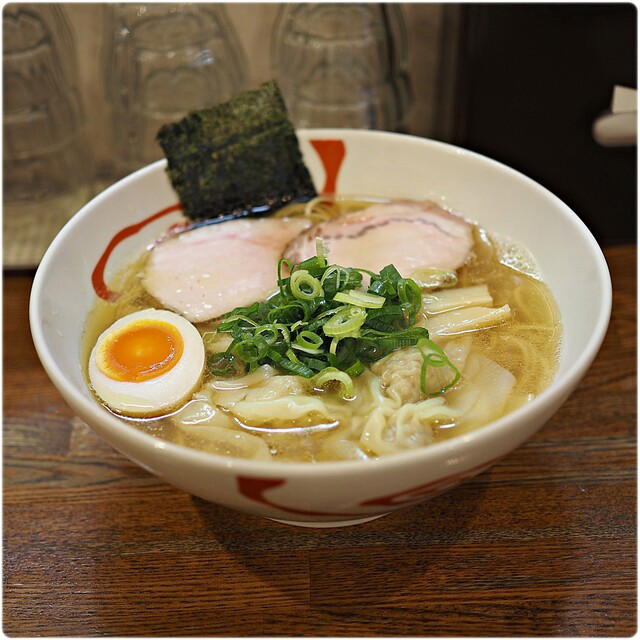
Menya 169
Sapporo, Japan
A walk-in-only ramen shop in Sapporo's Chūō-ku ward, earning Tabelog 100 Ramen HOKKAIDO recognition for sub-JPY 1,000 bowls served at a 12-seat counter. Lunch hours only (11 AM–2:30 PM, Tuesday–Sunday), cash payment, and no reservations mean early arrival matters. Worth it for budget-conscious first-timers seeking regional credibility outside Susukino.
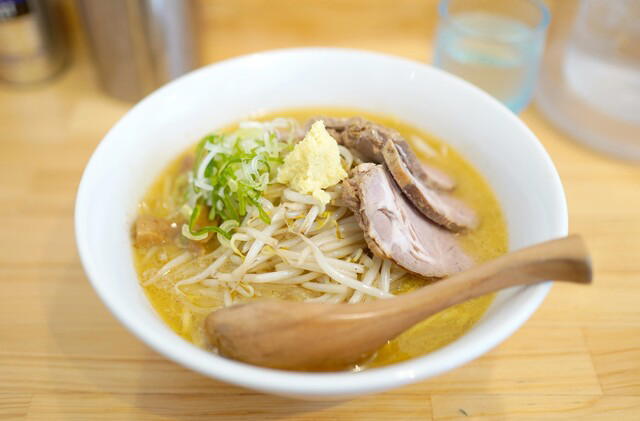
Hachinoki
Sapporo, Japan
A Tabelog 100 ramen counter in Sapporo's Hassamu district delivering technically solid bowls at under JPY 1,000. No reservations, cash only, and a short walk from JR Hassamu Station. Worth the detour if you're seeking craft without the central-city crowds or inflated pricing.
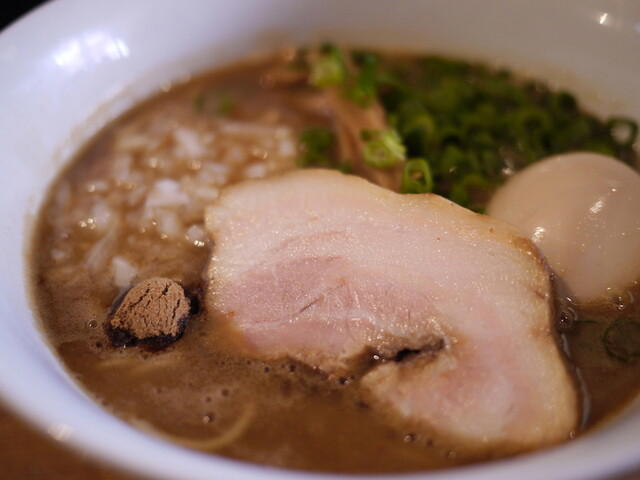
Ramen Yoshi
Sapporo, Japan
A seven-seat counter in Toyohira Ward with nine consecutive Tabelog Ramen 100 appearances and bowls under 1,000 yen. Lunch-only service, no reservations, and a strict no-kids policy keep the focus on technical execution. Queue early or risk a sold-out sign.
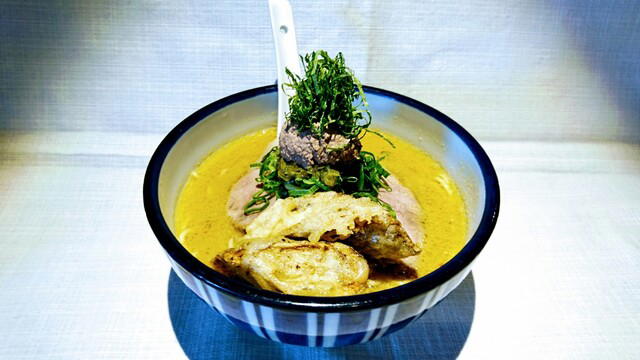
Ame wa, Yasashiku
Sapporo, Japan
A Tabelog 100–listed ramen shop in Shiroishi Ward, Ame wa, Yasashiku serves white-liver niboshi ramen at under 1,000 yen per bowl. The seven-seat counter and compact 14-seat layout prioritize solo diners and families seeking quick turnover without central Sapporo wait times. Parking for eight cars and stroller-friendly seating make this one of the area's easier award-recognized ramen stops to reach.
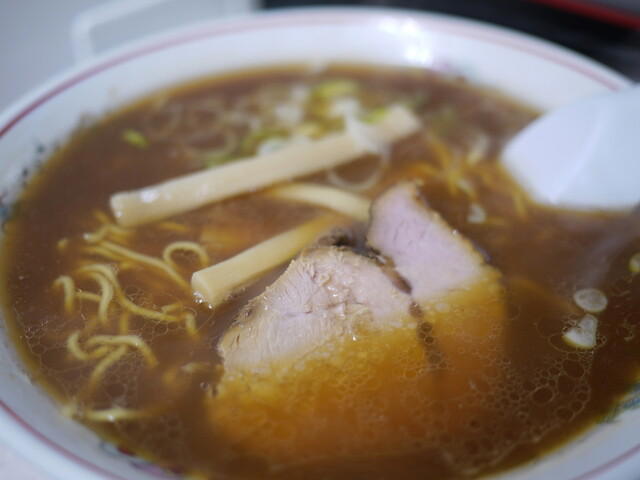
Ramen Senmon Tsuruya
Sapporo, Japan
A no-reservation Asahikawa ramen shop earning consecutive Tabelog 100 honors for shōyu bowls under JPY 1,500. The 35-seat room fills fast at lunch, clears by mid-afternoon, and suits solo diners or families seeking efficient, lard-rich ramen near Asahikawayojo Station. Cash only, minimal wait if you arrive before 11:30 AM.
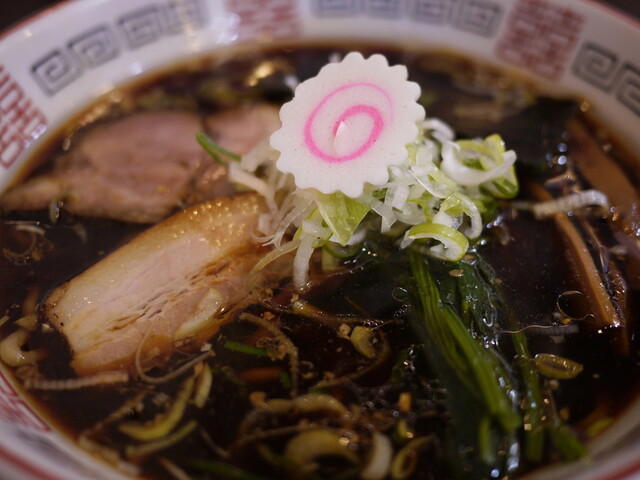
Ramen Shinwa
Sapporo, Japan
A Tabelog 100 – Ramen – HOKKAIDO – 2025 selection in Toyohira Ward, serving straightforward ramen and tsukemen from a 10-seat space. The JPY 1,000–1,999 price range and no-reservation policy make it an accessible lunch stop, with seasonal timing (winter for richer broths, spring for quieter visits) shaping the experience more than the compact counter setup.
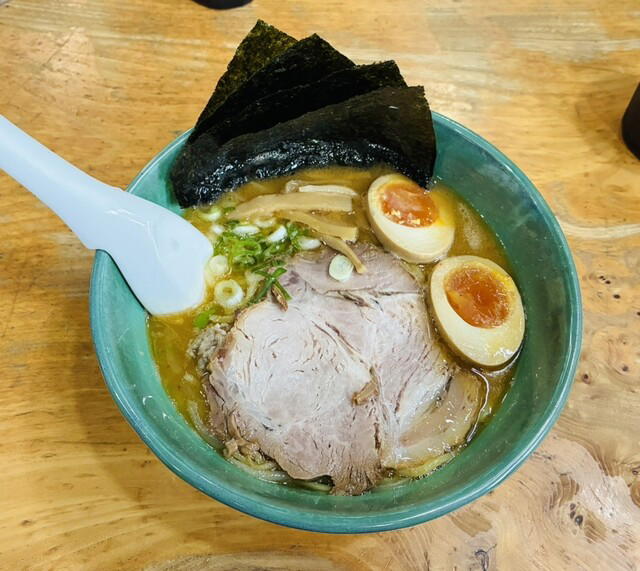
Ramen Shodai Otaru honten
Otaru, Japan
A Tabelog Ramen HOKKAIDO 100 counter shop in residential Otaru serving miso tonkotsu under ¥1,000 per bowl. Open since 1994, it draws local families for dairy-rich broth and straightforward ramen, with parking and table seating rare among specialist shops. Walk-ins only; expect noon queues on weekends.
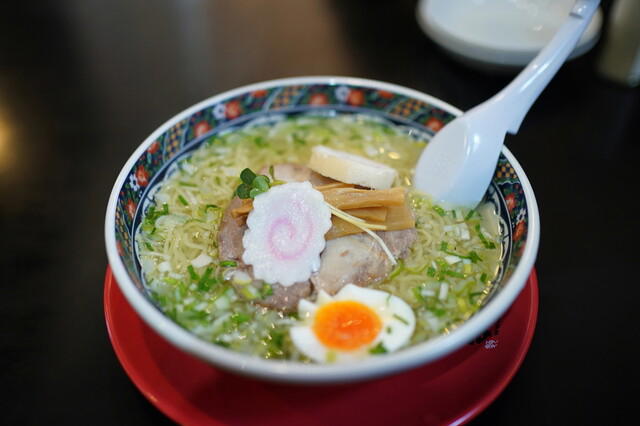
Ajisai Honten
Hakodate, Japan
A Tabelog 100-listed ramen shop next to Goryokaku Park, serving salt ramen built from Hokkaido kombu and pork-chicken broth at JPY 1,000 to JPY 1,999. The 58-seat space handles volume efficiently, with counter and tatami seating available for walk-ins only. Best for a quick, technically sound bowl without ceremony.
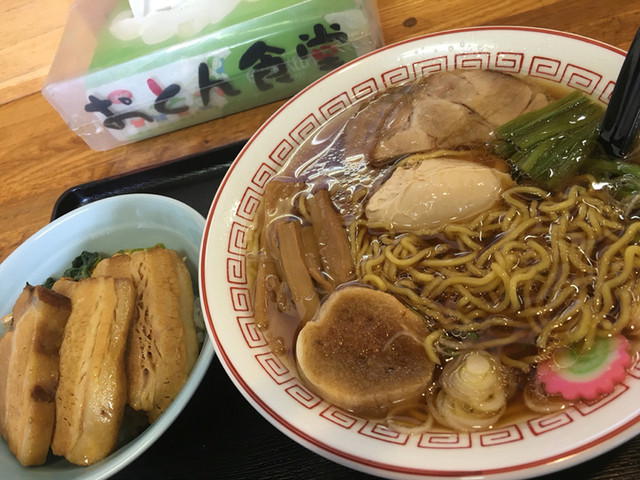
Eniwa Oton Shokudo
Sapporo, Japan
A no-frills Eniwa ramen shop 20 minutes from Sapporo, recognized in Tabelog 100 – Ramen – Hokkaido for 2024 and 2025. Under JPY 999 bowls, walk-in only, and a local crowd that skews family and solo diners. Worth the detour if you're chasing award-validated ramen without tourist-district pricing or reservation hassle.
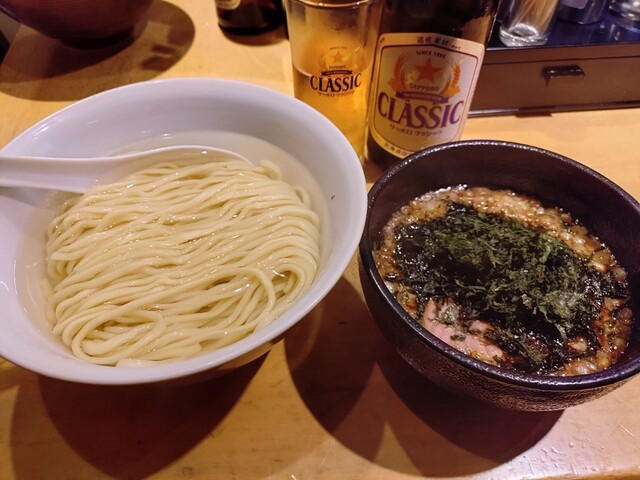
Fujiya NOODLE
Sapporo, Japan
Tabelog 100-recognized ramen counter in Susukino, open evenings only with no reservations and an eight-seat format. Bowls run JPY 1,000 to JPY 1,999, and the schedule (6 PM to midnight weeknights, 6 PM to 2:30 AM Friday and Saturday) fits late-night plans better than lunch itineraries. Solo-friendly seating and multiple payment methods streamline the experience.
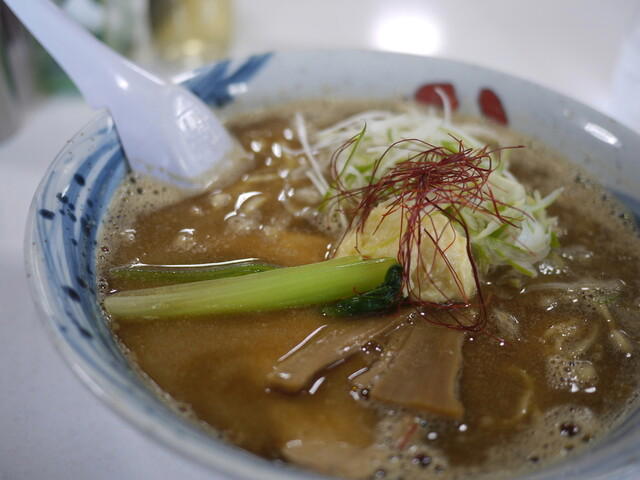
Hachiya Asahikawa honten
Sapporo, Japan
Tabelog 100-honored Asahikawa shoyu ramen at under JPY 1,000 per bowl. The lunch-only, walk-in format and Asahikawa location (an hour from Sapporo) suit day-trippers tracking Hokkaido's regional ramen styles, though Sapporo-based diners will find closer miso-forward alternatives at similar price points.
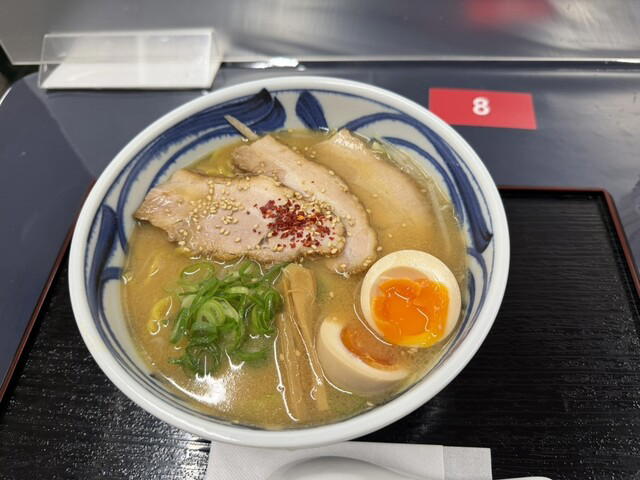
Ramen Hoppeya
Sapporo, Japan
A nine-seat ramen counter near Higashi-kuyakusho Mae station, selected for Tabelog Ramen HOKKAIDO 100 in 2024 and 2025. Bowls run under ¥1,000, walk-ins only, with a rare 6 AM Monday breakfast window and limited weekend hours. Worth booking for travellers seeking award-recognized ramen without Susukino's hour-long queues.
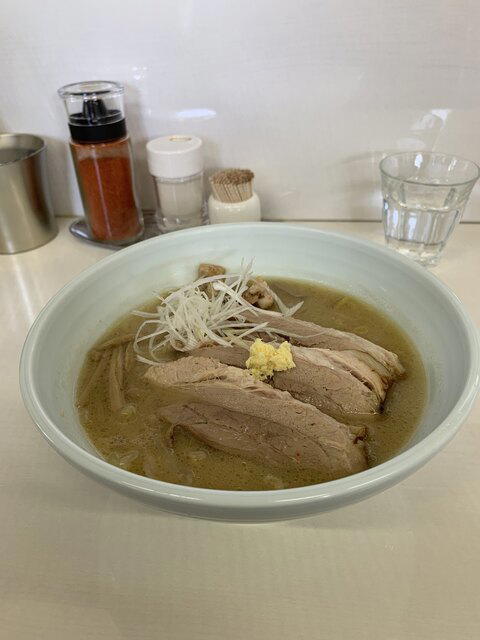
Shinmen Hotaka
Sapporo, Japan
Shinmen Hotaka has earned Tabelog 100 – Ramen – Hokkaido honors two years running with bowls under 1,000 JPY. The 13-seat Atsubetsu shop runs counter service only, no reservations, and closes by 8 PM; come for technically consistent ramen at a price point rare among award-recognized peers.
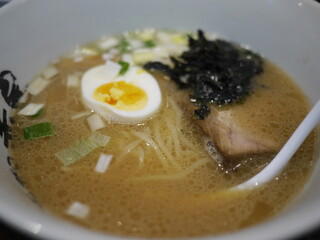
Ramen Sapporo Akahoshi
Sapporo, Japan
Nine-seat ramen counter in Tanukikoji arcade, earning Tabelog 100 recognition two years running for miso-forward bowls under JPY 1,000. No reservations, no English menu, no frills; just fast turnover and award-calibre ramen at lunch-counter pricing. Best for solo diners and pairs who want substance over scene.
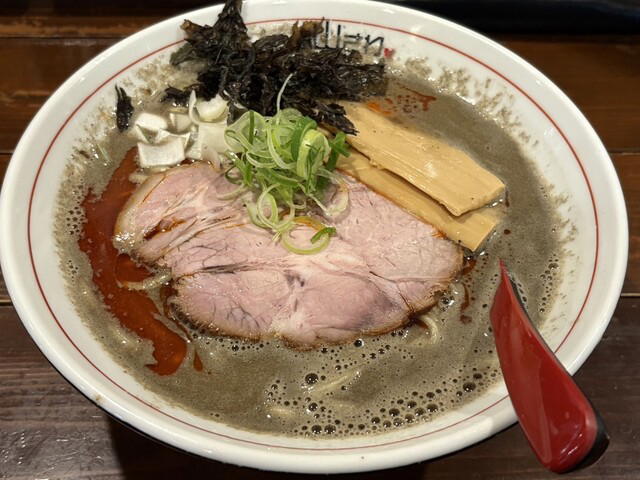
Ramen Yamasawa
Sapporo, Japan
A 15-seat Shiroishi counter serving sub-JPY 999 ramen and tsukemen, named to Tabelog's Ramen 100 for Hokkaido in 2024 and 2025. The straightforward format and reliable execution suit midweek lunch visits and solo diners hunting quality-per-yen bowls without tourist-district markup.
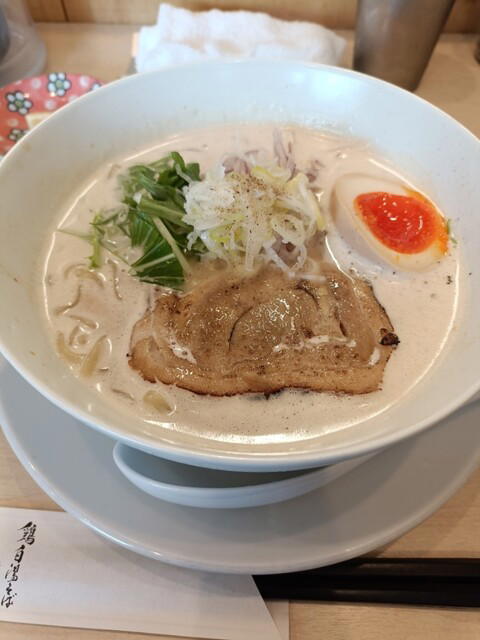
Toripaitan Soba Yuu
Sapporo, Japan
A focused 11-seat counter in Kikusui serving chicken-based ramen (toripaitan) until 9:30 PM, recognized in Tabelog's 2024 and 2025 Ramen HOKKAIDO 100. At JPY 1,000–1,999 per person, it delivers technical consistency in a category dominated by pork broths. No reservations, cash only, and eight parking spaces make it a practical late-dinner stop for solo diners and families alike.
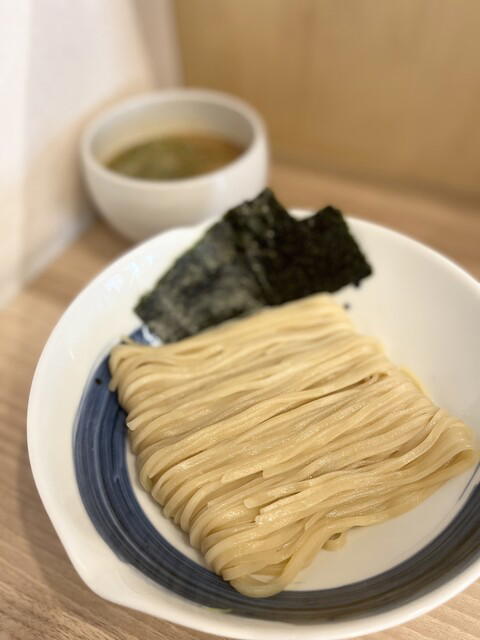
Mendokoro Maruha BEYOND
Sapporo, Japan
Tabelog 100 Ramen HOKKAIDO honoree (2024, 2025) near Minami Hiragishi Station serves both delicate niboshi-Chinese ramen and rich Sapporo-style miso with back fat at JPY 1,000–1,999 per bowl. The 19-seat venue welcomes families, solo diners, and groups with counter, table, and tatami seating; no reservations, cash only, consistently short waits outside peak hours.
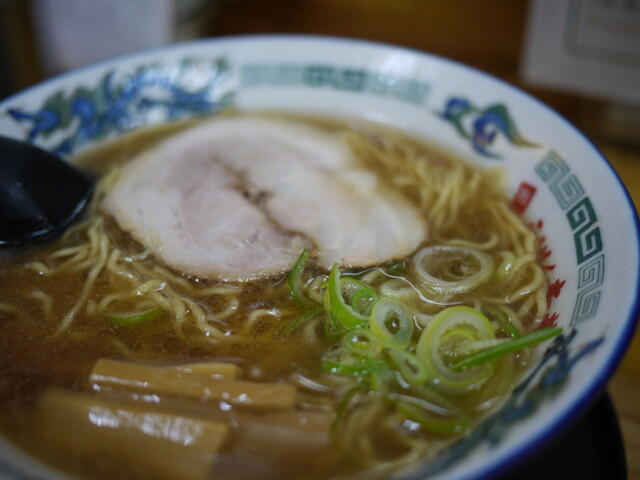
Asahikawa Ramen Aoba Honten
Sapporo, Japan
Tabelog 100 Ramen Hokkaido selection for 2024 and 2025, serving shoyu ramen under JPY 999 from a 17-seat counter in Asahikawa. Walk-in only, cash-only, and open from 9:30 AM with mid-afternoon closures common when soup sells out. Worth the train ride from Sapporo for the price-to-pedigree ratio.
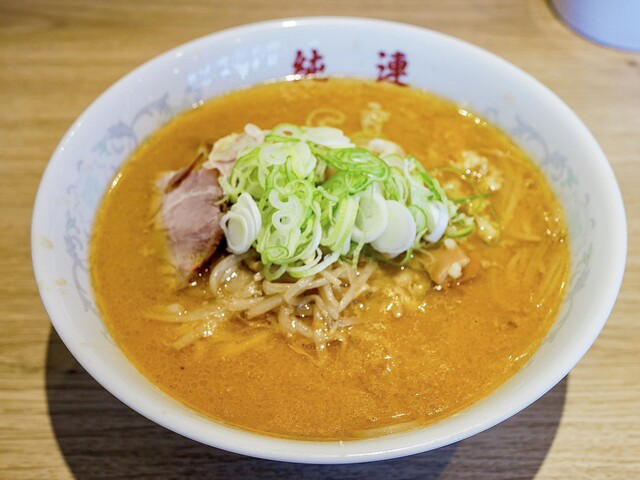
Sapporo Junren Sapporo ten
Sapporo, Japan
A 60-year-old miso ramen shop near Sumikawa Station serving bowls under ¥1,000, recognized by Tabelog 100 Ramen Hokkaido 2025. First-come seating at a 20-seat space with parking, closed Mondays. Worth visiting for regional miso style at minimal cost, though queues form at peak lunch hours.
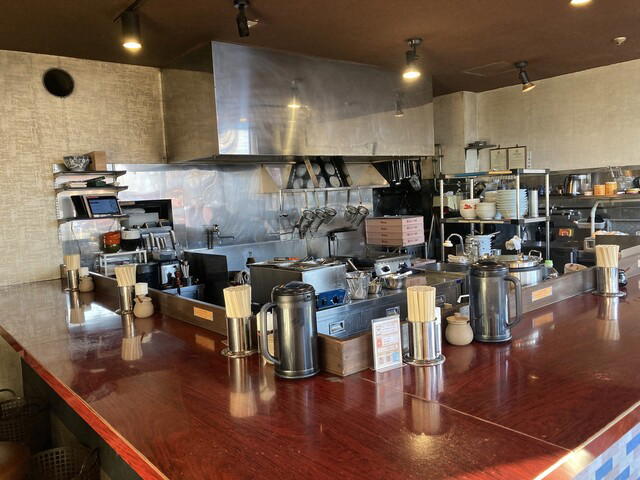
Araton Honten
Sapporo, Japan
Visit Araton Honten for an accessible, award-recognised daytime meal in Sapporo, especially if you want a focused stop rather than a drawn-out occasion. The value is the draw: low spend, central Chuo Ward location, and enough recognition to justify choosing it over a random casual option.
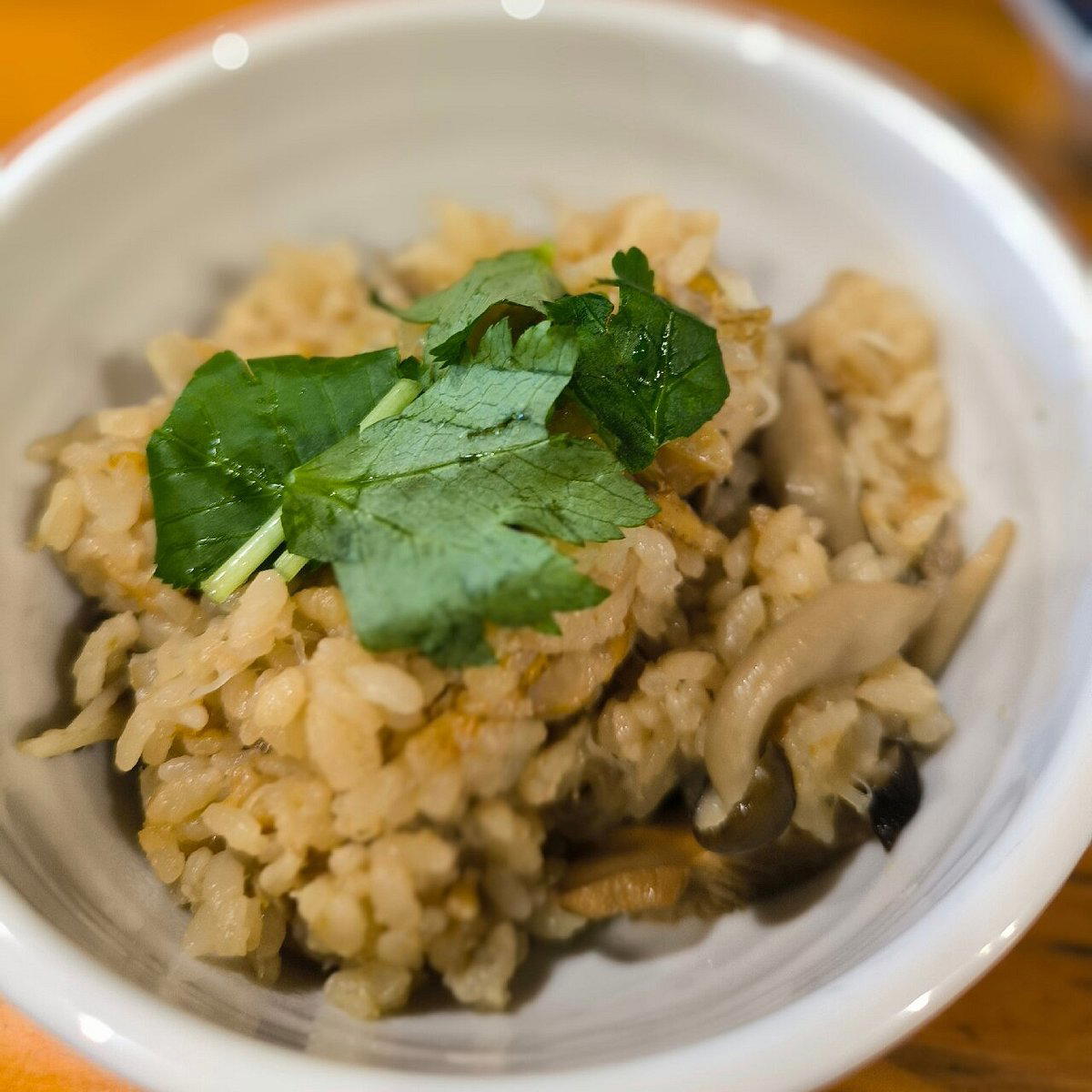
Menya Kamejin
Sapporo, Japan
Award-winning ramen under ¥1,000 in Sapporo's Higashi Ward, recognized by Tabelog 100 Ramen HOKKAIDO 2025. The 15-seat house restaurant focuses on chicken and seafood dashi broths over whole wheat noodles, with split lunch and dinner service, parking for six, and a no-reservation format that rewards flexible timing. Best for diners seeking serious broth technique without downtown crowds or inflated prices.
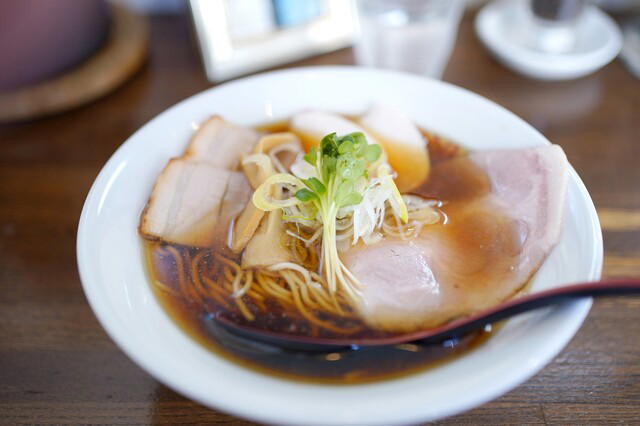
Chuka Soba California
Sapporo, Japan
Chuka Soba California is worth prioritizing if you want a low-cost Sapporo ramen stop with serious recognition rather than a long sit-down meal. The Tabelog 100 #25 placement in 2025 makes the value case stronger, but the smartest plan is still simple: go small-group, eat in, and treat it as a focused noodle stop.
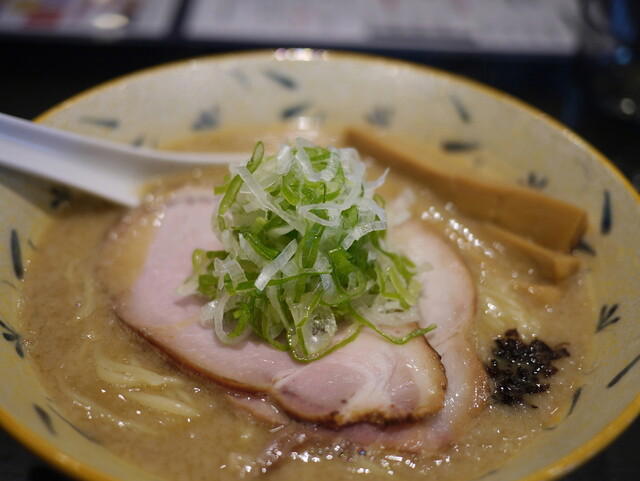
Sapporo Fujiya
Sapporo, Japan
A 14-seat shoyu ramen and tsukemen counter in Sapporo's Higashi Ward, recognized in Tabelog 100 Ramen Hokkaido (2024, 2025). Walk-in only, JPY 1,000–1,999 per bowl, three minutes from Higashi-Kuyakusho-Mae Station. Non-smoking, credit cards accepted, counter seating for solo diners and pairs.
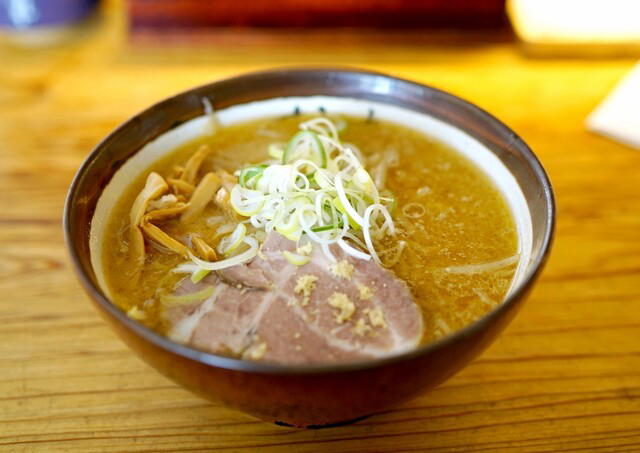
Sumire Nakanoshima honten
Sapporo, Japan
Sapporo miso ramen at JPY 1,000–1,999, recognized on the Tabelog Ramen Hokkaido 100 list for two consecutive years. Walk-in only, 49 seats including counter space, open since 1964. Counter seats offer the closest view of broth assembly; arrive off-peak weekdays or weekends to avoid the midday queue.
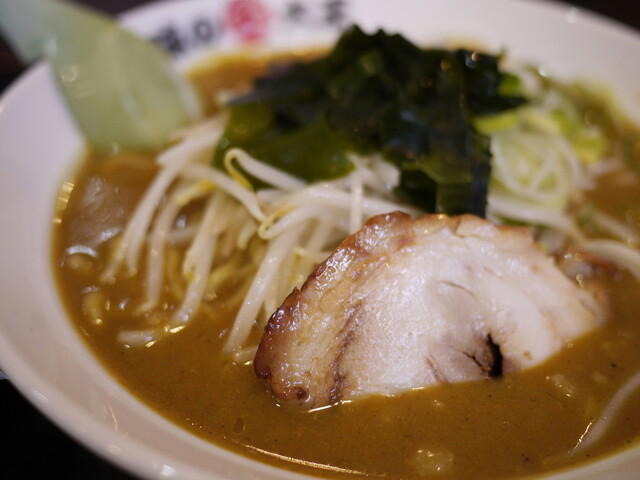
Aji no Daiou Souhonten
Sapporo, Japan
Aji no Daiou Souhonten works if the route already takes you toward Tomakomai and you want a low-risk meal in the JPY 1,000–JPY 1,999 range. The Tabelog 100 recognition adds confidence, but this is a value-and-convenience pick rather than a drinks-led or ceremony-heavy booking.
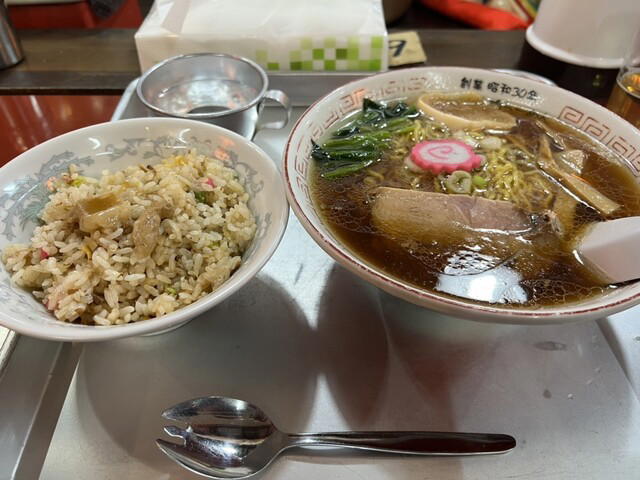
Shoyuya Honten Sanpiaza ten
Sapporo, Japan
A Tabelog 100 shoyu ramen counter in Shin Sapporo's Sunpiazza food court, priced under 1,000 yen with walk-in seating, family-friendly facilities, and direct station access. Award recognition meets suburban convenience for reliable bowls without downtown queues.
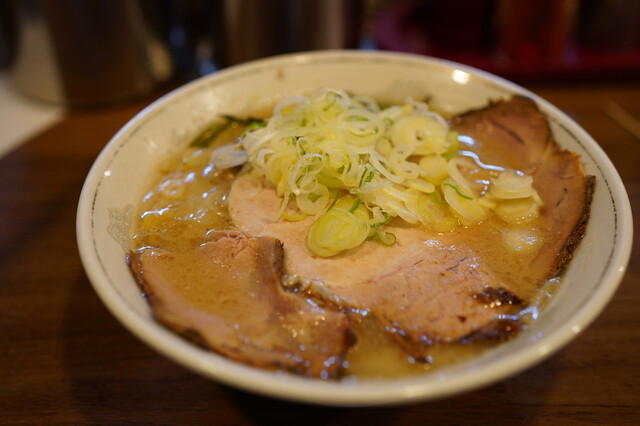
Ganso Sapporo Ramen Mogura
Sapporo, Japan
Tabelog 100-recognized miso ramen in Susukino's Shin Ramen Yokocho, priced under ¥1,000 per bowl with no reservations needed. Counter-only seating and traditional Sapporo-style preparation make it a reliable benchmark for the city's ramen category without the queues or premium pricing of more tourist-facing competitors.
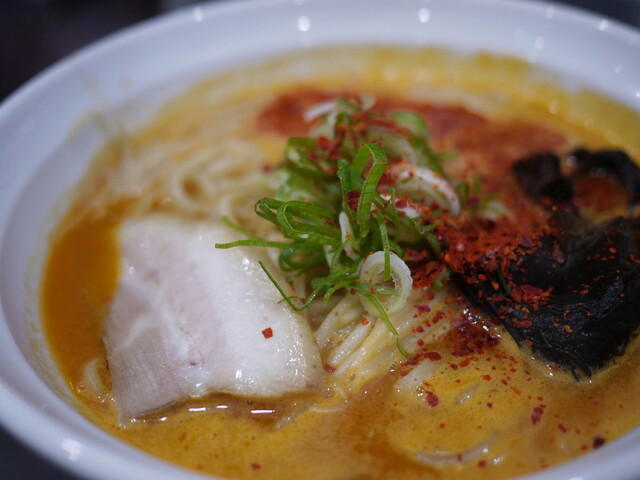
Menya hide
Sapporo, Japan
A Tabelog-recognized ramen shop in Kita Ward serving bowls under ¥1,000 during lunch-only hours. Two consecutive years on the Tabelog Ramen HOKKAIDO 100 list and a no-reservations counter format make it a reliable neighborhood pick for solo diners and budget-conscious travelers.
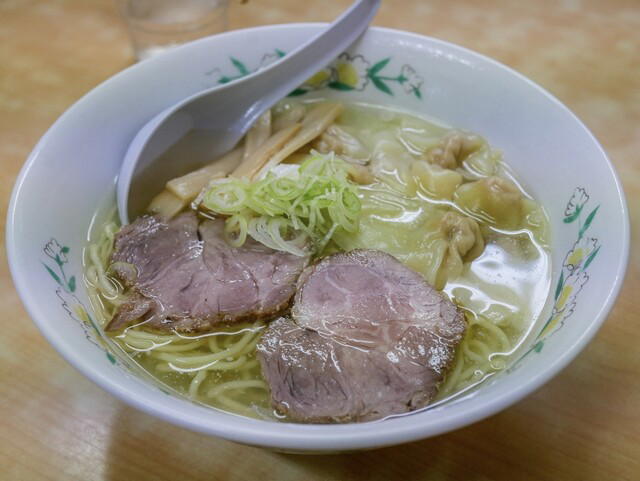
Jiyoken
Hakodate, Japan
A 15-seat ramen counter in Hakodate serving shio-style bowls under ¥1,000, recognized on Tabelog's 100 Best Ramen list two years running. Open only four days a week for two-hour lunch windows, the shop runs until the soup sells out; arrive by 11:30 AM to avoid disappointment. Cash-only, no reservations, and a good solo or couple stop if you're already in the neighborhood.
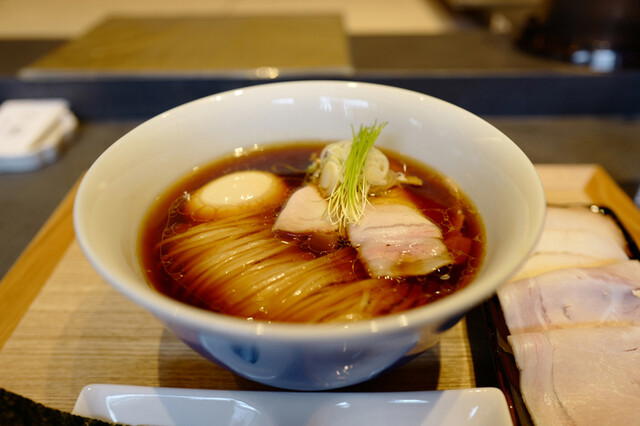
China Soba Chiu
Sapporo, Japan
A ten-seat counter ramen shop in Sapporo's Maruyama neighborhood, open lunch only (11 AM–3 PM) and serving bowls in the JPY 1,000–JPY 1,999 range. Named to Tabelog's 2025 Hokkaido 100 Best Ramen list for the second consecutive year, it runs no-reservation, cash-only, and turns tables quickly. Five minutes from Maruyama Koen Station; best for solo diners and pairs who don't mind queuing at peak hours.
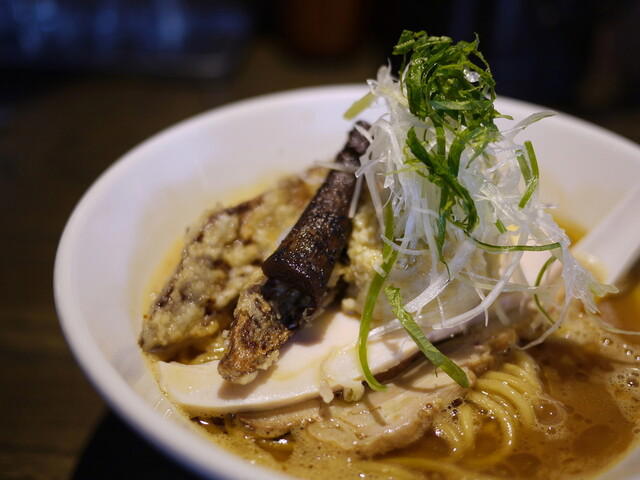
Ame wa, Yasashiku NO,2
Sapporo, Japan
A seven-seat ramen counter ten minutes north of Sapporo Station, recognized on the Tabelog 100 Ramen HOKKAIDO list in 2024 and 2025 for chicken paitan bowls finished with Hokkaido scallop paste. No reservations, service ends when sold out, and evening slots run only Friday and Saturday. JPY 1,000–1,999 per bowl.
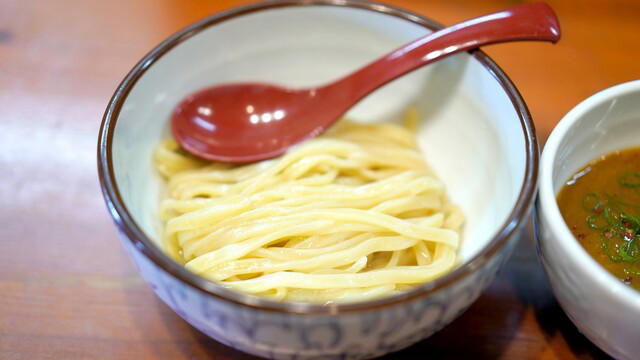
Menya Takahashi
Sapporo, Japan
A Tabelog 100 tsukemen specialist in suburban Sapporo, open since 2008, offering dipping noodles and ramen under 1,000 yen. The 10-seat shop runs 10:30 AM to 4:30 PM (closed Wednesdays) with counter seating and parking. Best for solo diners and pairs seeking consistent execution at the city's lowest ramen price tier.
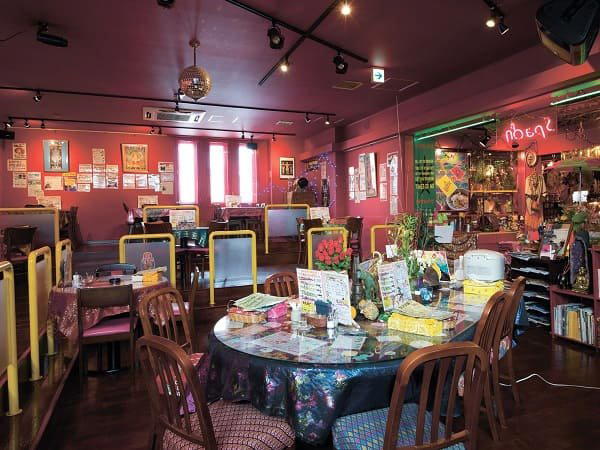
Menya Saimi
Sapporo, Japan
Walk-in format, low price point, and lunch service Tuesday through Sunday make it an easy yes for food-focused travelers. Go solo or as a pair; skip it for large groups.
Aji no Sanpei
Sapporo, Japan
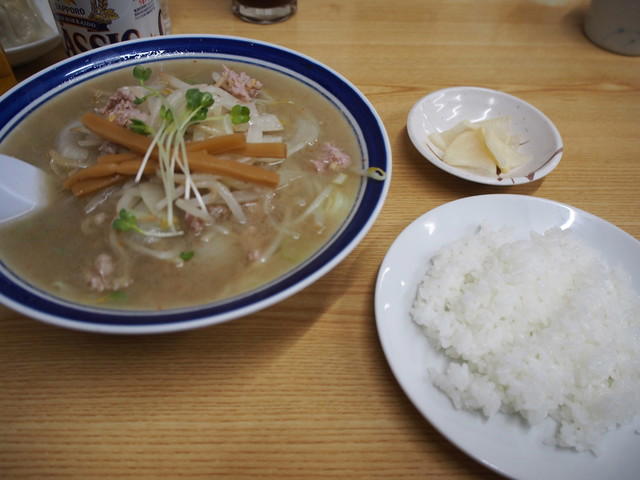
A ten-seat miso ramen counter in central Sapporo, operating since 1950 and named to the Tabelog Ramen Hokkaido 100 for 2024 and 2025. Walk-in only, cash-only, and open limited hours with queues at peak times. The format suits solo diners and pairs seeking a focused, no-frills bowl at JPY 1,000–1,999.
Tokou An Shinkotoni
Sapporo, Japan
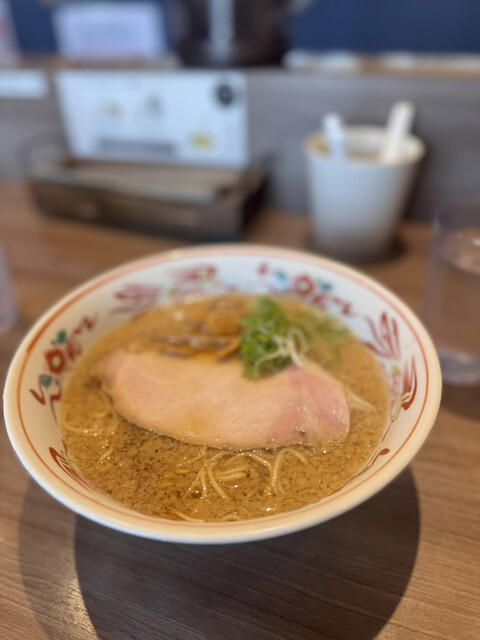
Tabelog 100 Ramen HOKKAIDO 2025 counter shop serving bowls under JPY 1,000 in residential Shinkotoni. Lunch-only, walk-ins only, cash-only; open 9:50 AM to 3:00 PM daily except Thursdays and third Wednesdays. 10-seat counter format with parking available. Arrive early or queue.
Hokkaido Meibutsu Ramen Ebisoba Ichigen Shin chitose kuukou ten
Chitose, Japan
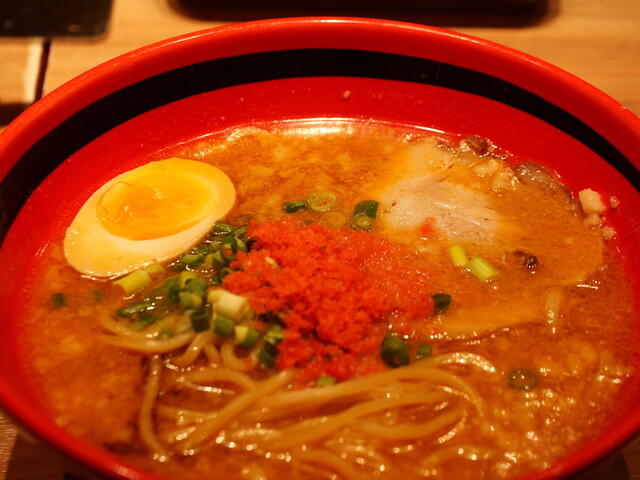
A Tabelog 100 - Ramen - HOKKAIDO 2025 selection inside New Chitose Airport's domestic terminal, specializing in shrimp-broth ramen at under 1,000 JPY. Counter and table seating accommodate solo travelers and groups, with three spice levels and wheelchair access. Open 9 AM-9 PM daily, walk-ins only, and accessible without leaving the terminal.
Menya Yukikaze Susukino ten
Sapporo, Japan
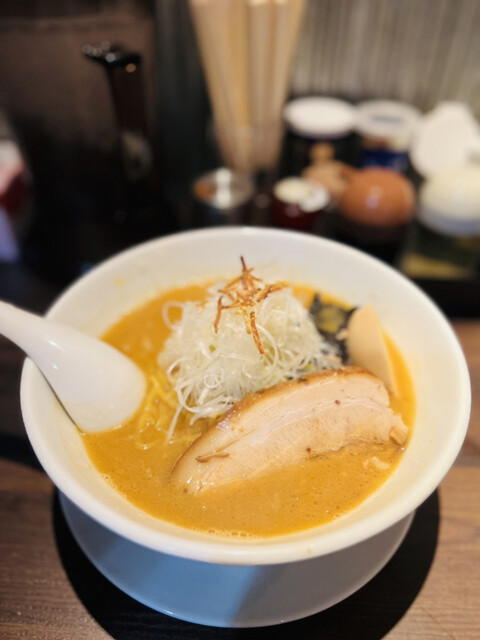
A 12-seat counter ramen specialist in Susukino holding a Tabelog Ramen HOKKAIDO 100 2025 selection, serving triple-miso bowls with pork bone, chicken paitan, and burnt oil from JPY 1,000 to JPY 1,999. Walk-ins only, cash-only payment, and late-night hours make this a value-driven stop for solo diners or pairs willing to queue.
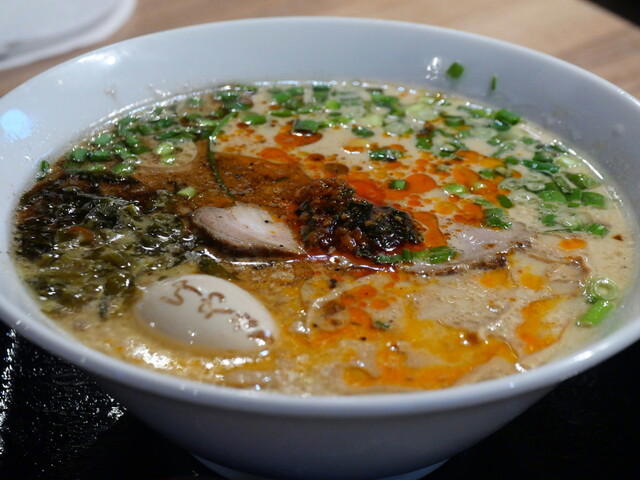
Sapporo Miso Ramen Senmon Ten Keyaki Shin chitose kuukou ten
Chitose, Japan
Award-winning Sapporo miso ramen served at a 42-seat shop inside New Chitose Airport's domestic terminal. Tabelog 100 recognition in 2024 and 2025 for technically sound broth and sub-1,000-yen pricing. No reservations required; walk-ins only during 9 AM to 9 PM hours. Best for travelers seeking quick, reliable ramen between flights without sacrificing quality.
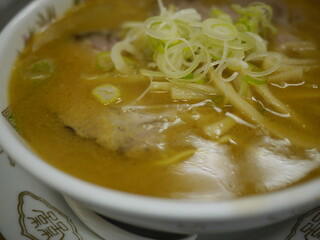
Hokuzan Ryu
Sapporo, Japan
Tabelog Ramen HOKKAIDO 100 counter shop (2024, 2025) serving shoyu ramen under 1,000 yen. Seven seats, walk-in only, lunch service until sell-out. Three minutes from Asabu Station. Cash only, closes when the pot runs dry; arrive before 11:30 AM weekdays to avoid the queue.
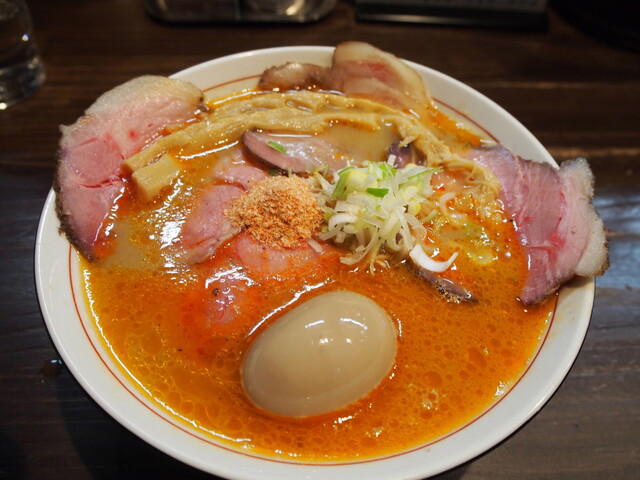
Ramenya Kirita Seimen
Sapporo, Japan
A nine-seat basement ramen counter near Odori Station, recognized on Tabelog's Hokkaido 100 list for two years running. House-made noodles and clean shoyu or shio broths stay under ¥1,000 per bowl, with no reservations and cash-only payment. Best for solo diners or pairs seeking efficient, high-quality ramen without premium pricing.
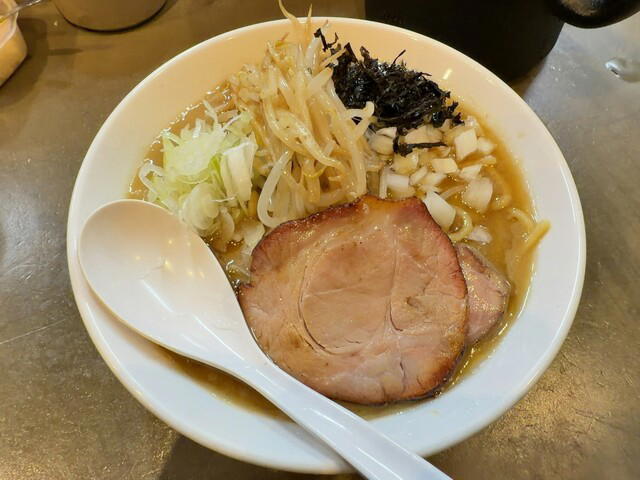
Mendokoro Kyu
Sapporo, Japan
This 12-seat counter shop in Tsukisamu Higashi earned a 2025 Tabelog 100 Ramen HOKKAIDO spot at JPY 1,000–1,999 per head. Walk-in only, cash-only, with evening service (5:30–8:30 PM Tuesday–Saturday) that beats lunch queues. Strong pick for solo diners and pairs who want award-recognized ramen without central Sapporo crowds.
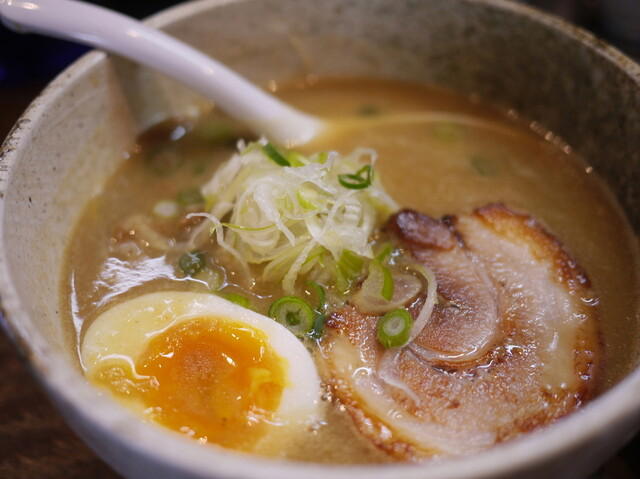
Ramen Yuzuki
Sapporo, Japan
Tabelog Ramen HOKKAIDO 100 honoree (2024, 2025) serving bowls under ¥1,000 in a 23-seat Higashi Ward shop. Walk-ins only; weekday lunches offer the shortest waits. Five counter seats, limited tables, and a neighborhood following that values consistency over hype.
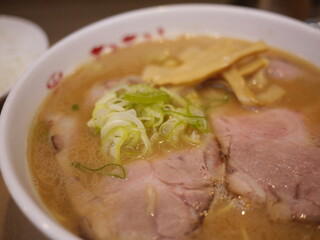
Asahikawa Ramen Nanashi
Sapporo, Japan
Asahikawa Ramen Nanashi is worth targeting if the brief is a low-cost ramen meal in Sapporo rather than a long group dinner. The JPY 999 price band and Tabelog 100 #46 recognition make it a strong value play, but groups wanting a slower, more occasion-friendly format should cross-shop Univers S. or レ カネキヨ ビストロノミーフランセーズ.
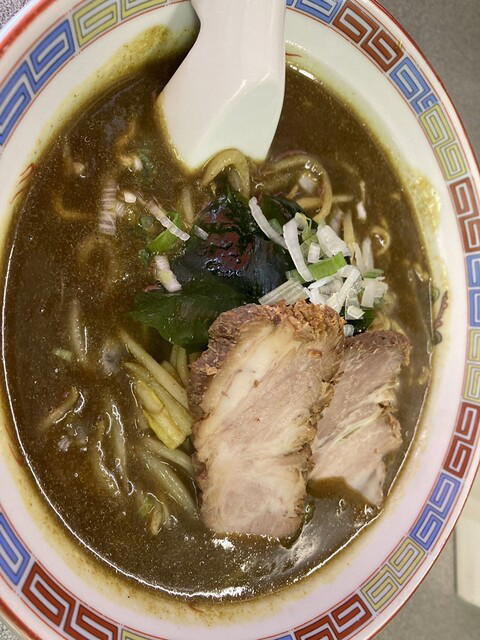
Aji no Daiou Muroran honten
Muroran, Japan
Muroran curry ramen was invented here, and the format hasn't changed: chewy homemade noodles in a balanced, slightly sweet curry broth under ¥1,000. Walk-ins only, 27 seats, and service fast enough that waits rarely exceed 15 minutes. Winter draws heavier crowds; summer offers shorter lines. Cash only, family-friendly, and the most affordable Tabelog 100 lunch in Muroran.
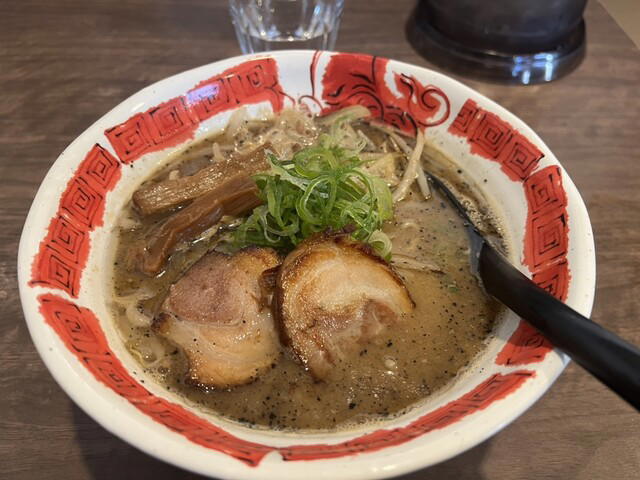
Garyu Menbu Hien
Sapporo, Japan
Tabelog 100 ramen specialist in Toyohira Ward, open since 2010, serving ingredient-focused bowls and tsukemen under ¥1,000. Walk-in only, 13 seats, closes when soup sells out. Worth the suburban detour for award-caliber execution at neighborhood pricing, but timing and transport planning are essential.
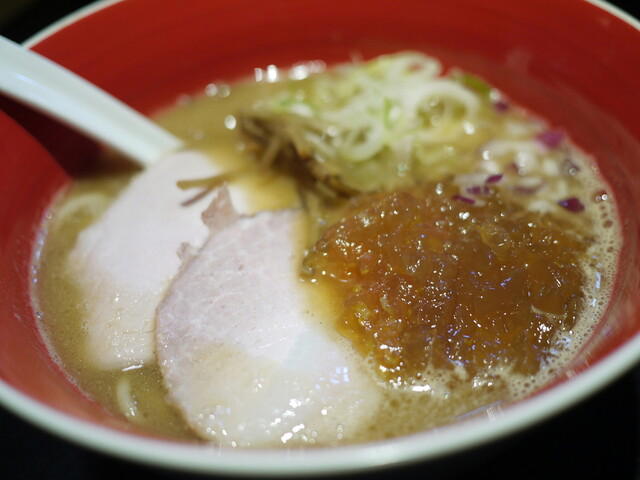
MEN-EIJI Hiragishi Base
Sapporo, Japan
Eight-time Tabelog 100 ramen shop holding lunch and dinner under ¥999 per bowl. Counter and table seating for 15; no reservations, cash only. Weekday lunch offers the steadiest availability; expect sellouts during peak dinner slots.
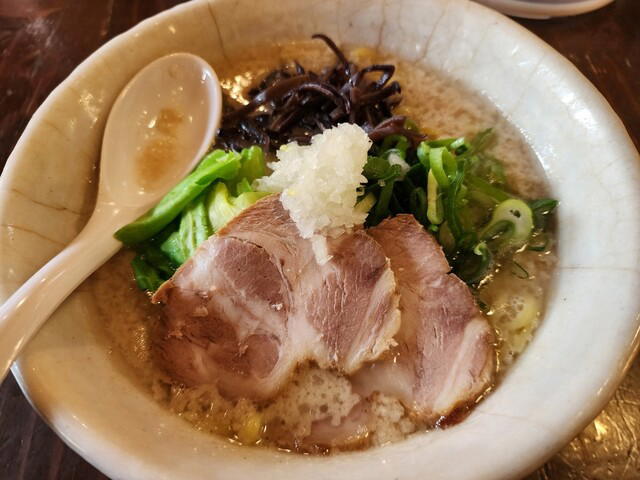
Yamaarashi Honten
Sapporo, Japan
Yamaarashi Honten works for a low-cost Sapporo ramen stop, especially if value and Tabelog 100 recognition matter more than atmosphere or occasion polish. It is a better fit for solo diners and pairs than for larger groups or celebratory meals that need time, space, and a broader drinks program.
Menya Keserasera
Sapporo, Japan
Tabelog 100 ramen in a family-friendly Kita Ward shop near Yurigahara Station, serving both ramen and tsukemen under JPY 1,000. Open since 2008 with consistent recognition, though the residential location and short dinner hours make it better suited for lunch visits or neighborhood stops rather than downtown ramen tours.
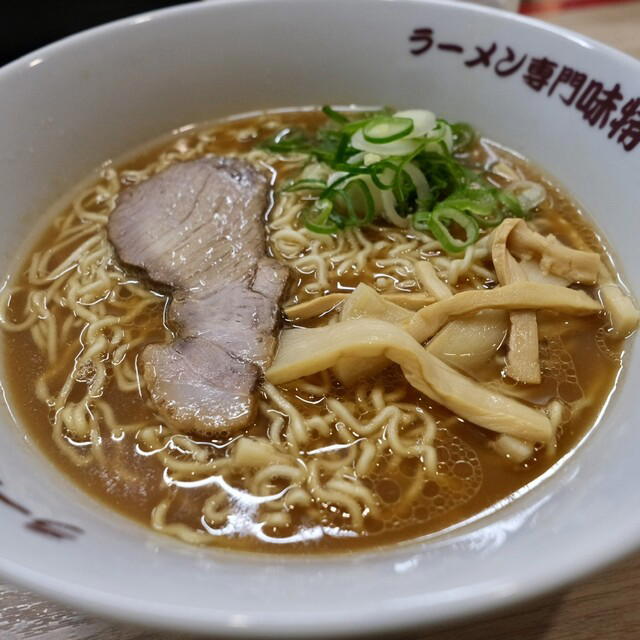
Aji Toku Honten
Sapporo, Japan
Eight-seat ramen counter in Asahikawa (an hour from Sapporo) recognized on the 2025 Tabelog 100 Ramen HOKKAIDO list. Open evenings only (5 PM–1 AM), no reservations, cash-only, sub-JPY 999 pricing. Best for solo diners or pairs willing to queue and comfortable with the drive from Sapporo.
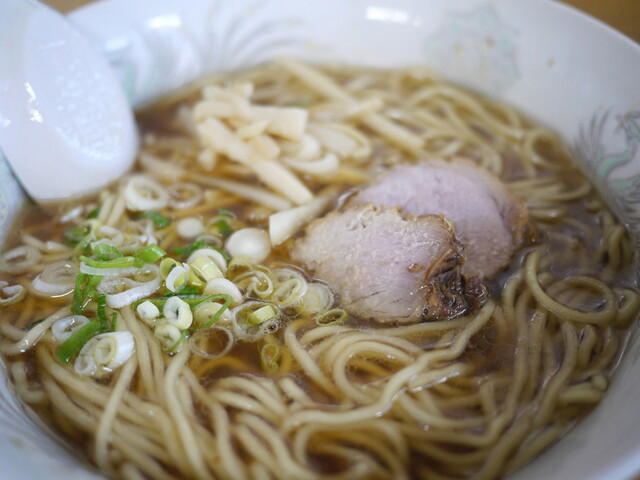
Shoga Ramen Mizuno
Sapporo, Japan
This 26-seat Asahikawa shop earned Tabelog 100 Ramen Hokkaido 2025 recognition for ginger-forward shoyu bowls served under ¥1,000. Walk-in only, lunch hours (11 AM–2 PM, closed Wednesday and Saturday), and a 15-minute walk from JR Asahikawa Station. Worth the visit if you're already routing through the city or seek cleaner, aromatic ramen over richer miso alternatives.
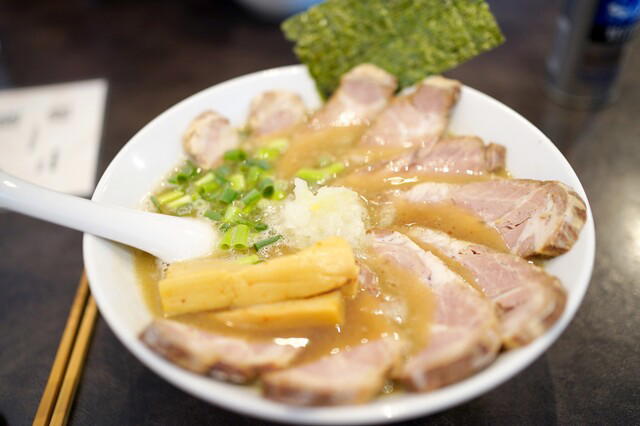
Menya Rei
Sapporo, Japan
Menya Rei has earned Tabelog 100 selection eight times since 2017 for Hokkaido-style ramen and tsukemen served at JPY 1,000–1,999 per head. The 15-seat Chitose shop operates cash-only, closes when soup sells out, and rewards repeat visits with a menu that holds technical depth across both ramen and dipping noodle formats.
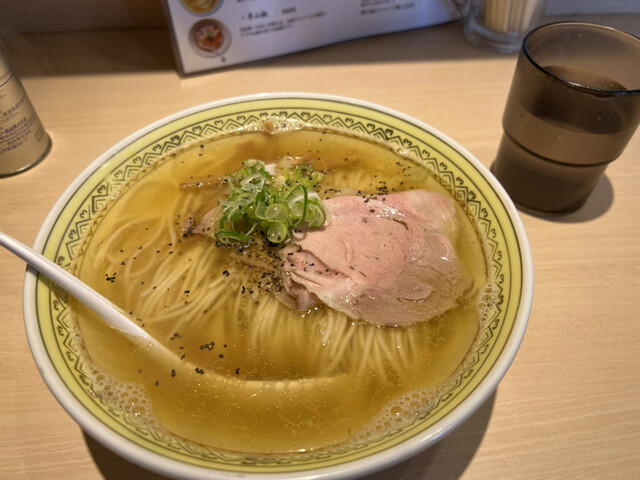
Ramen RS Kai
Sapporo, Japan
An 11-seat counter in residential Kiyota earning consecutive Tabelog 100 nods for ramen and tsukemen under ¥1,000. Counter-only, cash-only, no-reservations format rewards the 30-minute commute from central Sapporo with technically refined broths and consistent execution. Not a casual stop, but the price-to-quality ratio and award recognition justify the trek for ramen-focused itineraries.
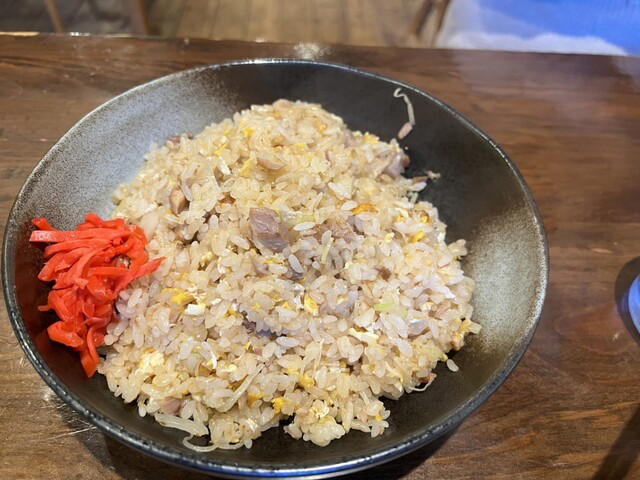
Ramen Mikan
Otaru, Japan
Tabelog 100-listed ramen shop near Otaru's harbor serving bowls under JPY 1,000 in a 19-seat market setting. Open weekdays and Saturdays until soup sells out (often by 2 PM). No reservations, cash only, winter broth variations recommended.
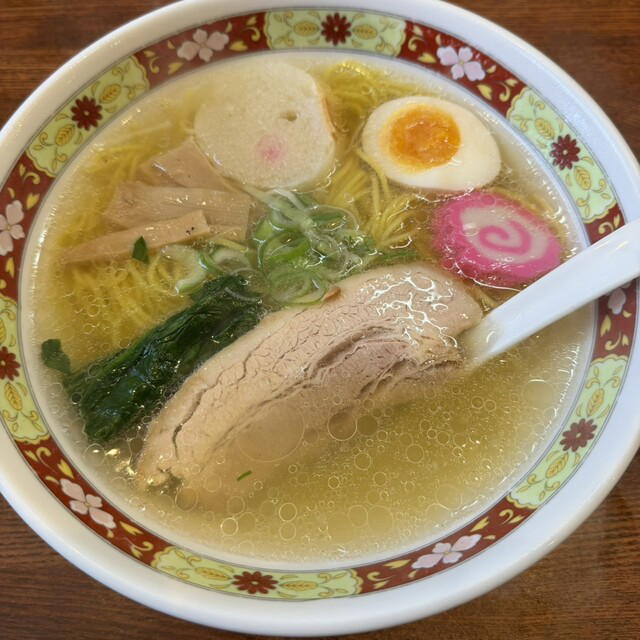
Hakodate Shio Ramen Shinano
Hakodate, Japan
Hakodate Shio Ramen Shinano delivers Hakodate's signature salt-broth ramen at under ¥1,000 per bowl, earning Tabelog 100 – Ramen – Hokkaido recognition in 2024 and 2025. The 16-seat shop serves a clean, balanced shio ramen that locals favour over tourist-heavy alternatives. No reservations; arrive early or late lunch to skip the queue.
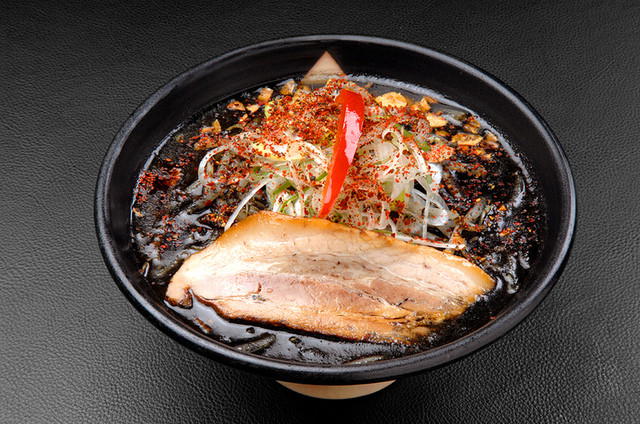
Haruichiya Sandaime Menjuku Honten
Sapporo, Japan
Go for a focused, budget-friendly Sapporo meal with a credible Tabelog 100 signal, not for a lingering occasion dinner. Haruichiya Sandaime Menjuku Honten makes sense for diners who value casual depth and low spend; cross-shop other Sapporo casual spots if ambience, group comfort, or dietary planning matter more.
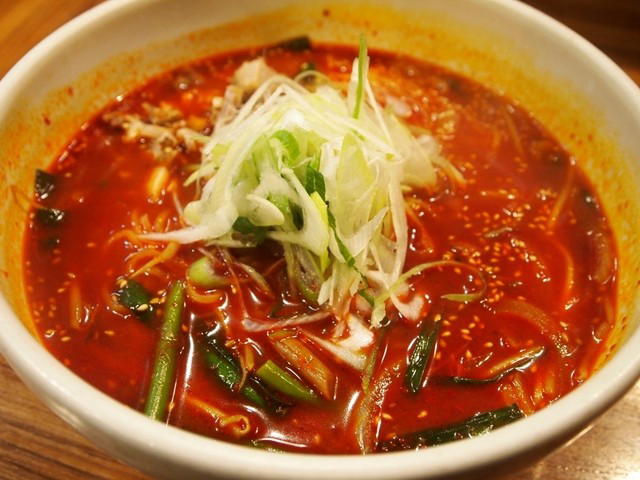
Ramen Arata
Sapporo, Japan
A Tabelog 100 Hokkaido Ramen selection for 2024 and 2025, Ramen Arata delivers reliable noodles under ¥1,000 until 2:30 AM nightly. The 17-seat counter-and-table setup near Susukino Station prioritizes accessibility over showpiece sourcing, making it a practical late-night anchor for visitors seeking consistent ramen without advance booking or a premium check.
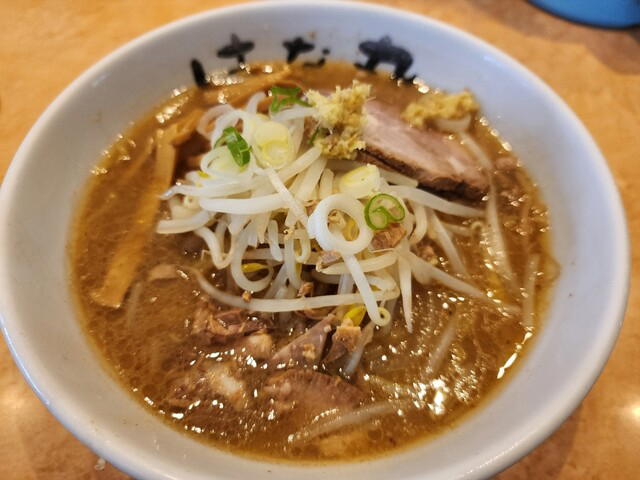
Hana Maru
Sapporo, Japan
Eight-seat ramen counter in residential Kiyota Ward, recognized by Tabelog Ramen HOKKAIDO 100 two consecutive years (2024–25). JPY 1,000–1,999 bowls served lunch-only Tuesday–Sunday, no reservations, counter seating only. Worth the suburban detour for Tabelog credential hunters; skip if you're based downtown without car access.
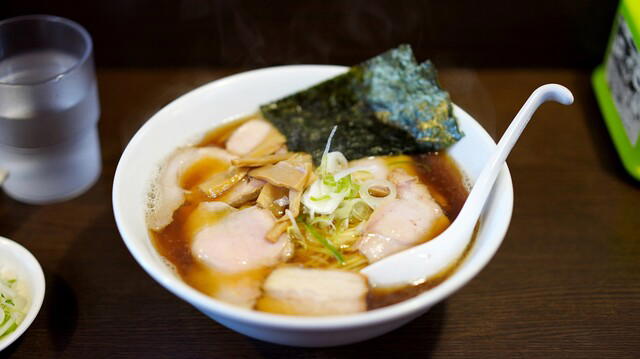
Ramen Mokuyoubi
Sapporo, Japan
Ramen Mokuyoubi is a strong value pick in Sapporo if the goal is a focused ramen meal at a low spend, not a lingering occasion dinner. The Tabelog 100 recognition adds credibility, but the practical reason to go is simpler: it is inexpensive, easy to plan around, and well suited to solo or repeat casual dining.
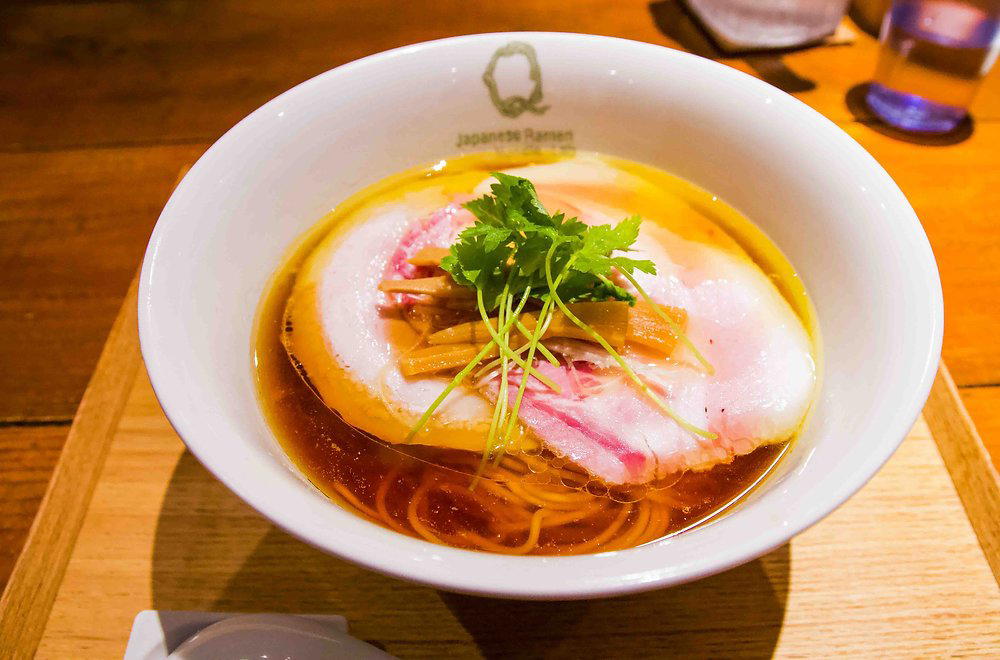
Japanese Ramen Noodle Lab Q
Sapporo, Japan
Japanese Ramen Noodle Lab Q is a strong Sapporo pick when ramen is the point of lunch, backed by Tabelog 100 #62 in 2025 and a 3.8-point score. Go with a small party and keep expectations tight: this is better for a focused midday bowl than for groups, private dining, or a long special-occasion meal.
Marutaka Ramen
Sapporo, Japan
Tabelog 100 ramen at under 1,000 JPY per bowl, Marutaka Ramen operates a no-frills, cash-only counter in Kita Ward with miso and tonkotsu broths that draw locals despite the Monday closure and narrow weekday dinner window. Worth the subway trip from central Sapporo for budget-conscious travelers chasing award-tier noodles without the reservation stress or premium pricing of pricier peers.
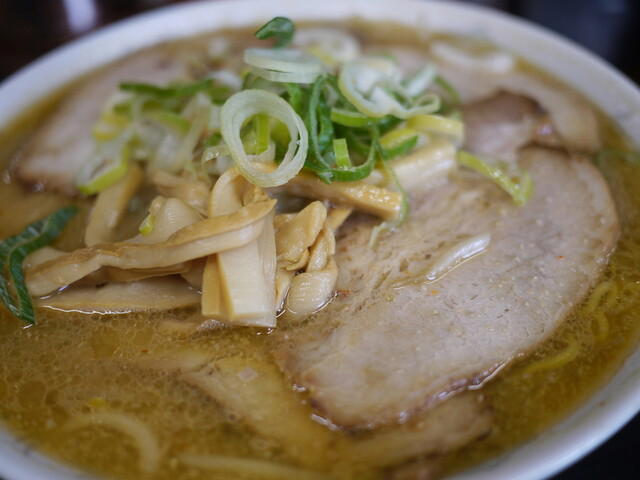
Koku Ichiban Ramen Midoriya
Sapporo, Japan
A lunch-only ramen counter near Ropeway Iriguchi tram stop, recognized in Tabelog's Hokkaido 100 for 2024 and 2025. At under 1,000 yen per bowl, it delivers enough broth depth and noodle precision to justify the no-frills setting and tight 11-seat capacity. Best for solo diners or pairs willing to navigate cash-only payments and limited hours (Tuesday-Saturday, 10:30 AM-2 PM).
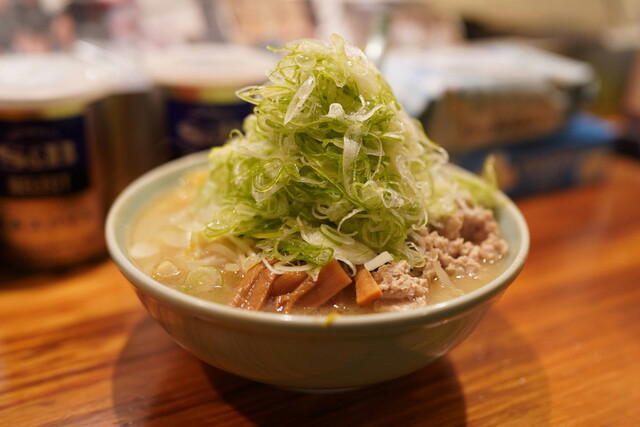
Kiraito
Sapporo, Japan
Tabelog 100; Ramen; Hokkaido selection two years running, priced under 1,000 yen with counter seating that puts preparation in full view. No reservations needed, cash only, closed Thursdays. Walk in for the bowl and the sightlines.
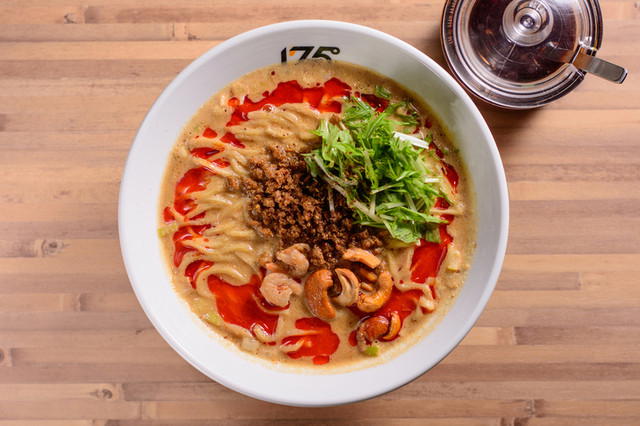
175°DENO Tantanmen Sapporo kitaguchi ten
Sapporo, Japan
A strong casual pick near Sapporo Station when the goal is value, speed, and a focused tantanmen-style meal rather than a formal night out. The 2025 Tabelog 100 #67 recognition makes it a safer station-area choice, especially for solo diners and pairs planning an easy, repeatable Sapporo food stop.
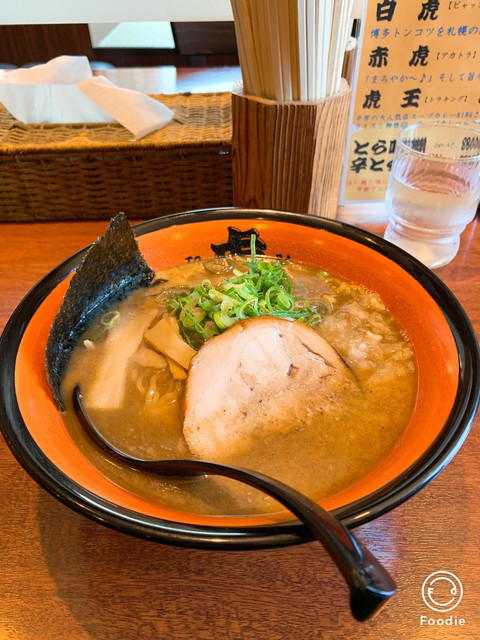
TORA
Sapporo, Japan
Neighborhood ramen specialist in Kiyota Ward with two consecutive Tabelog Ramen HOKKAIDO 100 selections (2024–2025). Bowls under ¥1,000, walk-in only, closed Wednesdays and Thursdays. Rare for the category: 30 seats including tatami platform for groups, plus on-site parking for 14 vehicles.
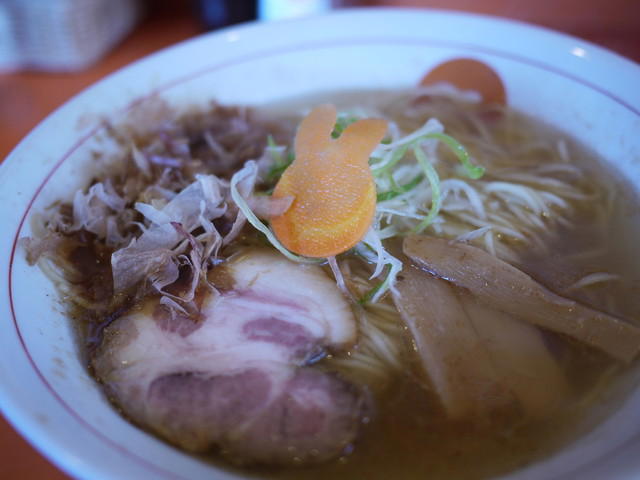
Chuka Soba Usagi
Sapporo, Japan
A nine-seat ramen counter in north Sapporo, open from 6 AM with bowls under ¥1,000. Named to Tabelog Ramen HOKKAIDO 100 for two consecutive years, this walk-in-only shop draws solo diners and families for breakfast and lunch service. No reservations, no credit cards, closed Thursdays.

Wadashi Ramen Umekichi
Sapporo, Japan
Wadashi Ramen Umekichi, a 12-seat Susukino counter open since 2017, serves Tabelog 100-recognized seafood shio ramen under ¥1,000. Walk-in only, evening-to-early-morning hours (closed Sunday), and three minutes from Hosui Susukino station. Best for solo diners and late-night bowls without the queue.
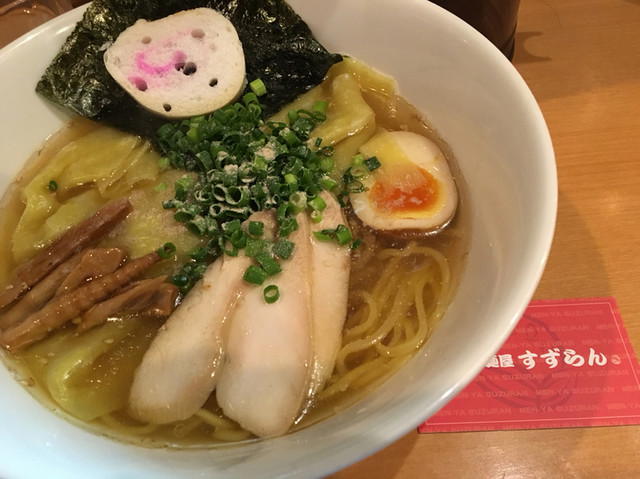
Menya Suzuran
Sapporo, Japan
Late-night ramen counter in Susukino serving bowls for JPY 1,000–JPY 1,999 until 4 AM six nights a week. Tabelog 100 recognition for Hokkaido ramen in 2024 and 2025 signals consistent execution at an accessible price point. Nine counter seats, no reservations, cash only; best for solo diners or pairs seeking quality after midnight.
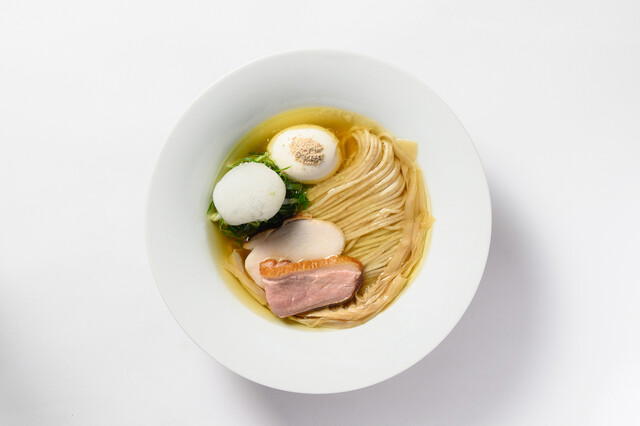
NOUILLES JAPONAISE Tokuichi
Sapporo, Japan
A 16-seat ramen counter inside Sapporo's Banzai wholesale market that applies French and Italian technique to fish-forward broths. Named to the Tabelog 100; Ramen; HOKKAIDO list in 2024 and 2025, it's one of the least expensive acclaimed options in the city at JPY 1,000–1,999 per bowl and open 9 AM–3 PM daily except Wednesday.
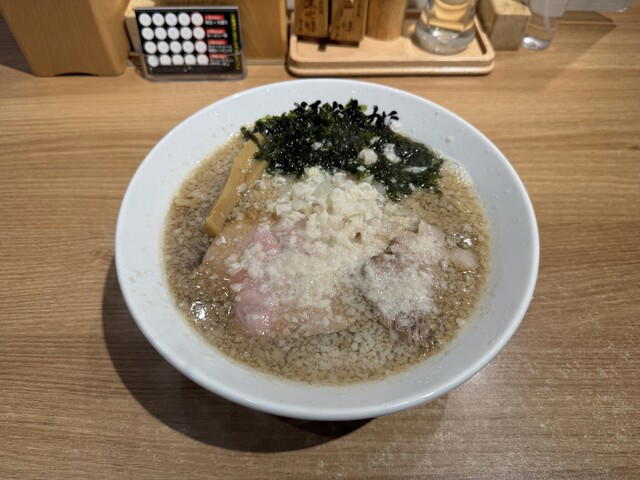
MEN SHOUKI
Sapporo, Japan
A Tabelog 100 ramen shop in Sapporo's northern quarter, MEN SHOUKI earned recognition within two years of its 2022 opening for tsukemen and ramen execution. The 10-seat room suits solo diners and pairs at JPY 1,000–1,999, with walk-in-only service and split lunch-dinner hours. Worth prioritizing for a multi-visit ramen strategy across the city.
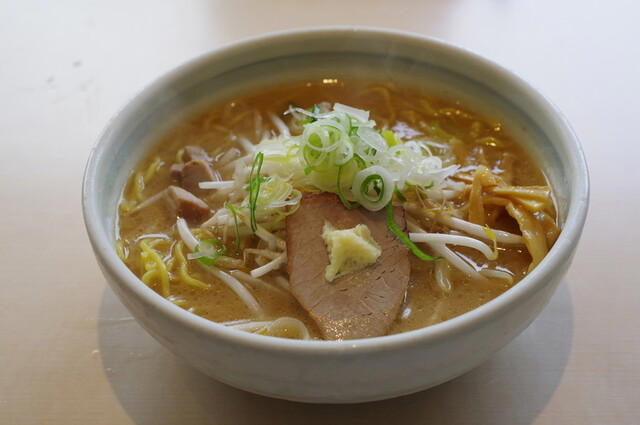
IOrI
Chitose, Japan
Walk-in-only ramen-ya in Chitose holding a Tabelog 100 Ramen HOKKAIDO slot since 2024. Bowls run JPY 1,000–1,999 in a house-restaurant setting with counter and table seating; cash only, no reservations, worth the wait if you have schedule flexibility and are already in the area.
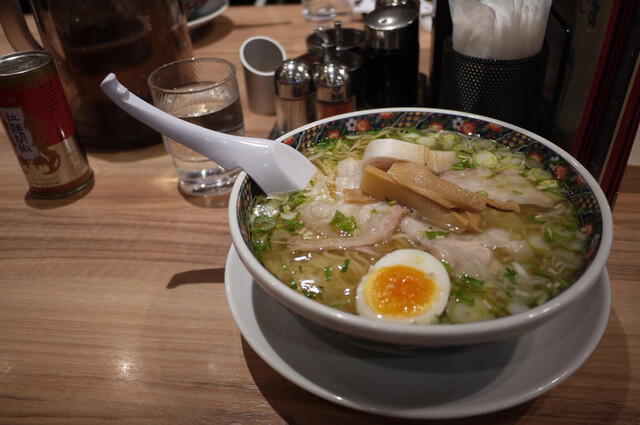
Ajisai Shin chitose kuukou ten
Chitose, Japan
Ajisai New Chitose Airport Store works when you need a low-spend, airport-convenient meal in Chitose rather than a destination reservation. Pick it for speed and practicality; cross-shop nearby ramen counters or Hokkaido Gyunyu Castella if you want a more specific ramen or snack-led stop.
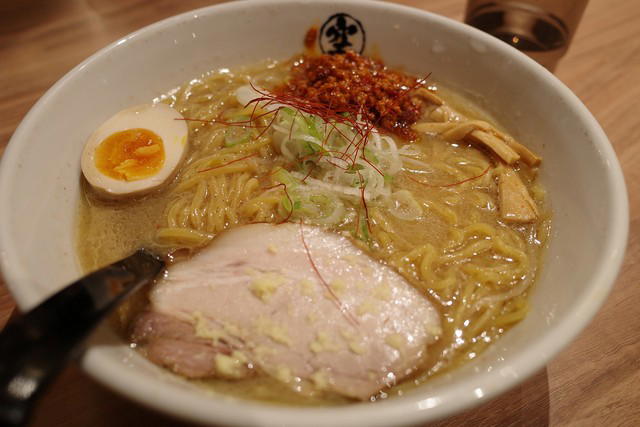
Ramen Sora Shin chitose kuukou ten
Chitose, Japan
Ramen Sora stands out inside New Chitose Airport's domestic terminal, earning a spot on Tabelog's 100 Ramen in Hokkaido 2025 list despite its airport location. At JPY 1,000 to JPY 1,999 per bowl, it delivers quality that justifies the price when you're routing through Chitose, with a six-seat counter that puts the kitchen's rhythm on display.
Sapporo Junren Kita 31 jou ten
Sapporo, Japan
A Tabelog 100 ramen shop (Hokkaido 2024/2025) serving miso ramen under 1,000 JPY, five minutes from Kita 34-jo Station. Walk-in only, cash only, with 14 seats and 26 parking spaces; practical for families and solo diners tracking Sapporo's miso lineage without downtown pricing.
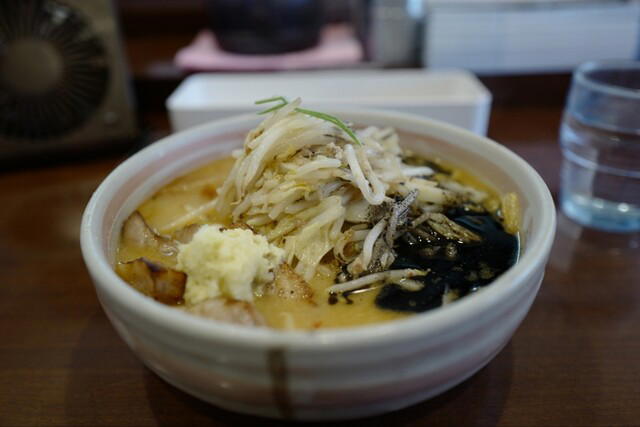
Menya Ozawa
Sapporo, Japan
A Tabelog Hyakumeiten ramen counter in Kikusui serving bowls under ¥1,000 with no-reservation, cash-only service. Recognized for two consecutive years, the 16-seat shop closes when the daily batch sells out; arrive before 2 PM at lunch or expect a wait after 7 PM on weekends.
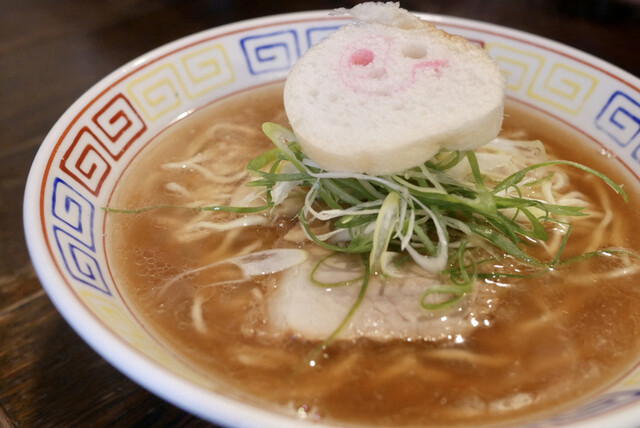
Ise no Jo Kikusui honten
Sapporo, Japan
Eight-seat ramen counter in Kikusui serving bowls and dumplings under JPY 1,000, recognized on Tabelog Ramen HOKKAIDO 100 for 2024 and 2025. Walk-in only, cash only, and no reservations; ideal for budget-focused solo diners and regulars who value consistency over novelty.
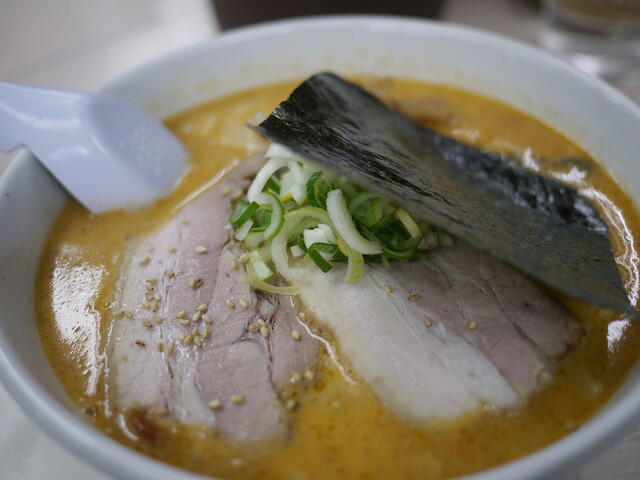
Ramen Gojogen Honten
Sapporo, Japan
A 13-seat ramen counter in Chuo Ward serving Tabelog 100-recognized bowls until 2:30 AM six nights a week. Under ¥1,000 per bowl, walk-in only, cash only. The extended hours and five parking spaces make it Sapporo's most practical late-night ramen stop, though the tight counter and no-reservation policy mean waits are common after 10 PM Friday and Saturday.
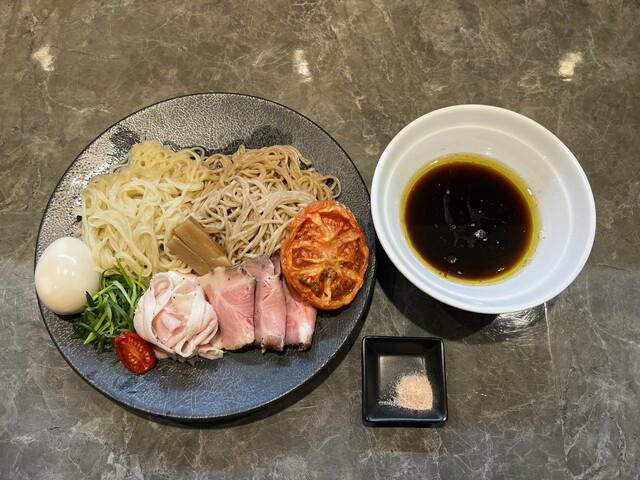
RAMEN ROOM 18
Hakodate, Japan
RAMEN ROOM 18 delivers craft-level ramen at JPY 1,000–1,999, with house-made Hokkaido wheat noodles, triple-stacked broths, and consecutive Tabelog 100 Hokkaido recognition. Walk-in only, cash-only, and housed in a quiet residential setting with counter seating and tatami rooms, this sixteen-seat venue rewards patience with bowls that read as underpriced for their technical rigor.
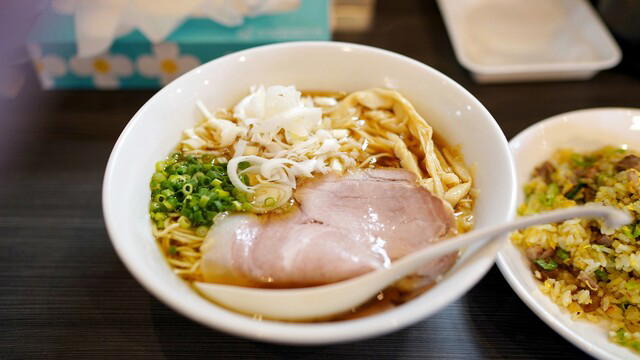
Menya Nanabee Honten
Sapporo, Japan
A Tabelog 100 ramen shop since 2017, Menya Nanabee Honten in Sapporo's Shiroishi ward delivers consistent soy-based ramen and tsukemen under ¥1,000. The 24-seat dining room operates cash-only, accepts no reservations, and draws neighborhood regulars for technically sound bowls with no menu drift. Worth the 15-minute walk from Heiwa Station if you prioritize execution over experimentation.
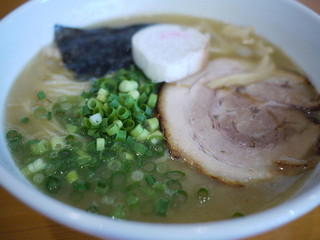
Yondaime Mendokoro Yuji
Sapporo, Japan
Fourteen-seat Shin Kotoni ramen shop with two-year Tabelog 100 recognition, serving counter and table service at under JPY 2,000 per head. Open 10 AM to 3 PM Monday and Wednesday through Sunday, no reservations, cash only. Walk-in format favors early arrivals and solo diners; family-friendly with parking available.
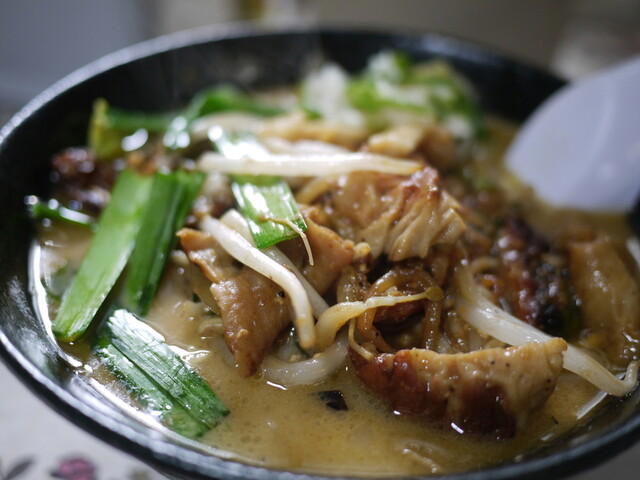
Ramen Senmon Himawari
Asahikawa, Japan
Ramen Senmon Himawari delivers Tabelog 100-caliber Asahikawa shoyu ramen under JPY 1,000, making it one of Hokkaido's most accessible award-recognized lunch spots. Open since 1987, the 10-seat counter prioritizes technical mastery; balanced double-soup broth, firm local noodles; over novelty. Arrive by 11:30 AM on weekends; the shop closes at 2:30 PM and often sells out earlier.
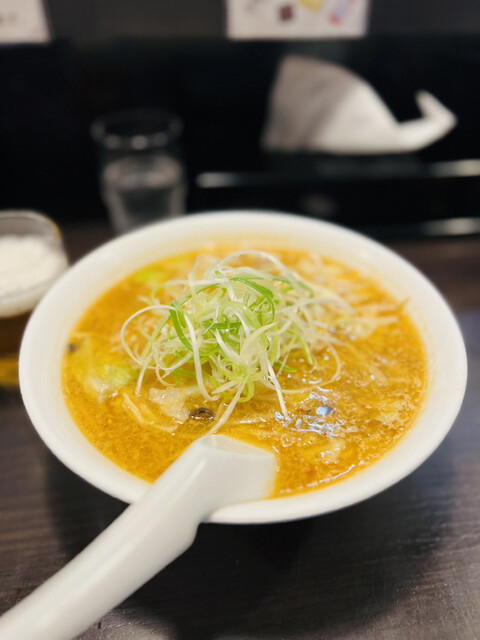
Keyaki Susukino honten
Sapporo, Japan
A Tabelog 100 ramen counter in Susukino serving JPY 1,000-1,999 bowls until 3 AM most nights. Walk-in only, eight seats, cash only, and best suited for late-night post-bar cravings rather than a quiet meal. The noise level rises after 10 PM, and turnover is quick during peak hours.
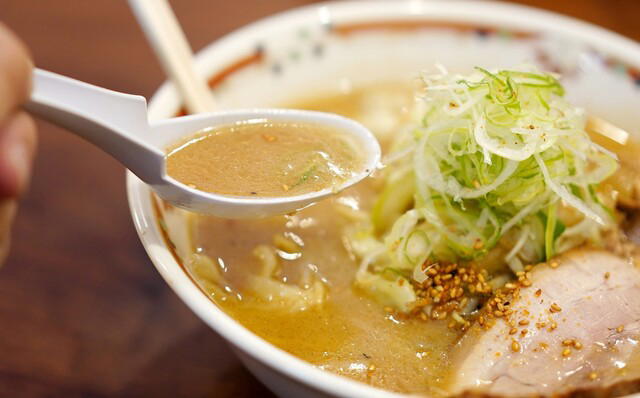
Okami Soup
Sapporo, Japan
This counter-only ramen shop near Nakajima Koen Station earned three consecutive Tabelog 100 selections for broth-forward bowls under ¥1,000. The format suits solo diners seeking technical rigor without ceremony, though unpredictable Thursday hours and no-reservation policy require flexible timing. Walk-in queues form quickly during weekend lunch service.
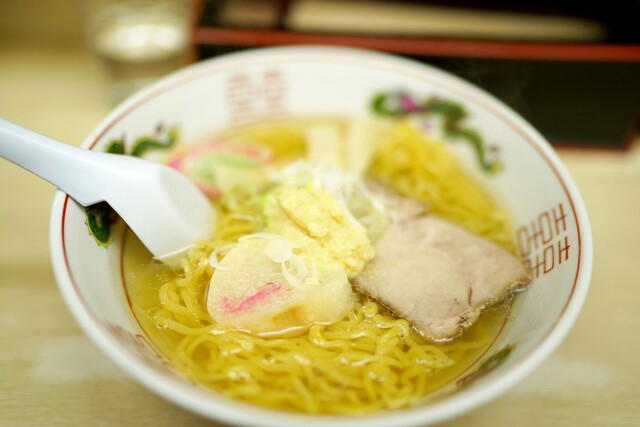
Ramen Shingetsu
Sapporo, Japan
A Tabelog 100-ranked ramen counter (2024, 2025) near Susukino subway, open evenings through 4 AM Monday-Saturday. Ten seats, cash-only service, and JPY 1,000-1,999 bowls make this a solid late-night stop for solo diners and pairs willing to wait 20 minutes during peak hours. No reservations; walk-ins only.
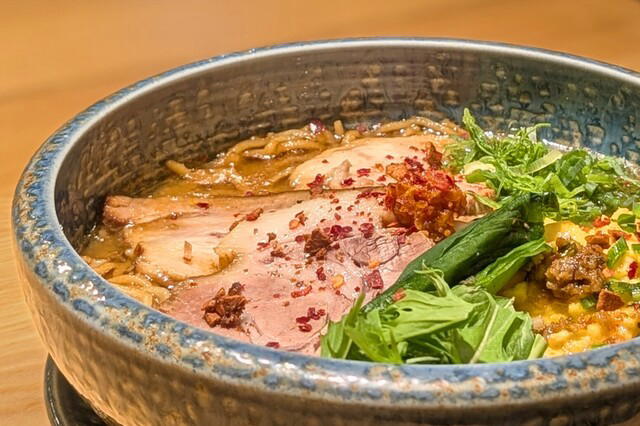
Ramen Sapporo Ichiryuan
Sapporo, Japan
Tabelog 100 Ramen HOKKAIDO–listed shop below Sapporo Station, known for aged miso ramen, online reservations, and sommelier-curated sake and wine. The JPY 110–220 booking fee buys predictability in a category that rarely accepts advance planning. Lunch runs JPY 1,000–1,999, dinner JPY 2,000–2,999; worth it for solo diners and pairs who value guaranteed seating over walk-in spontaneity.
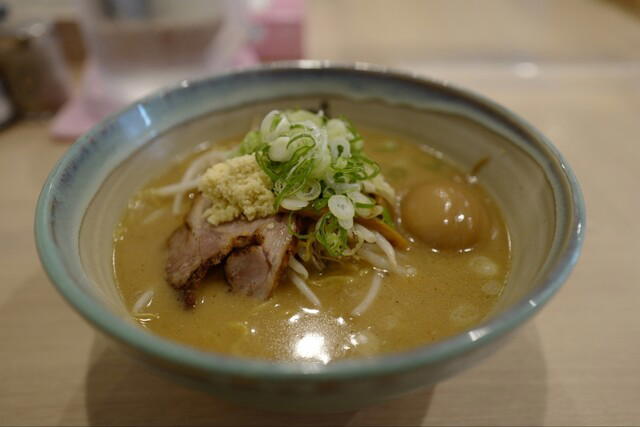
Sapporo Menya Mitsuba
Sapporo, Japan
A 16-seat ramen counter in Sapporo's Nishi Ward that earned Tabelog 100 Ramen Hokkaido recognition in both 2024 and 2025. At under ¥1,000 per bowl, the technical consistency justifies repeat visits, especially during off-peak hours when the no-reservation counter opens up. Cash only, closed Mondays, parking available.
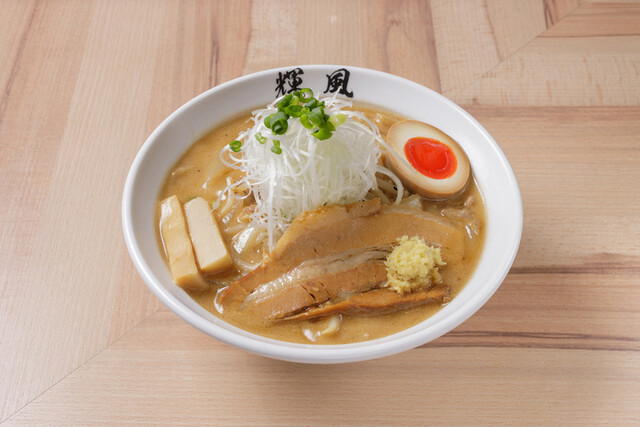
Sapporo Ramen Kifu Susukino ten
Sapporo, Japan
Nine-seat miso ramen counter near Susukino Station, open until 5 a.m. most nights and recognized in Tabelog 100 (Hokkaido Ramen, 2024–2025). Bowls under ¥1,000 with branded soft-cooked egg included; solid late-night stop for budget-conscious travelers, though the tight counter and cash-only policy mean this is a quick eat, not a lingering meal.
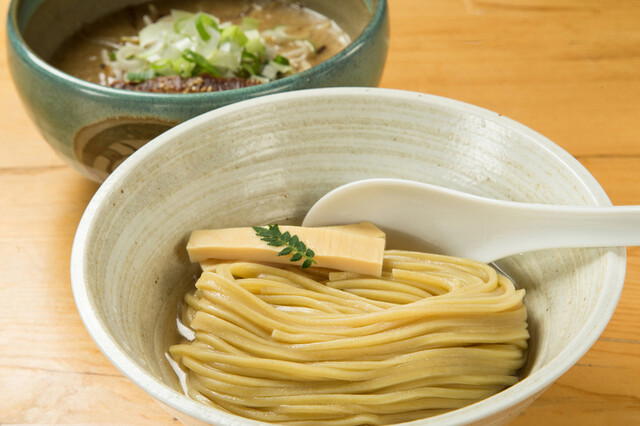
Sapporo Tsukemen Sapporo Ramen Furaido
Sapporo, Japan
A Tabelog 100 Ramen – HOKKAIDO 2025 tsukemen specialist in Toyohira Ward, open since 2010. Walk-in only, JPY 1,000–1,999 for noodles and dipping broth, with parking and family seating. The format; thick noodles served cold, broth hot; shifts lighter in summer and heavier in winter.
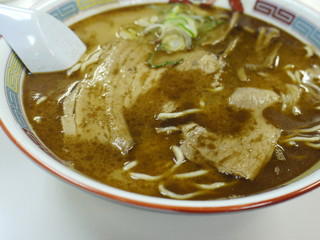
Hachiya Gojou sougyou ten
Sapporo, Japan
Asahikawa soy-tonkotsu ramen under ¥1,000, recognized in Tabelog HOKKAIDO 100 for 2024 and 2025. Walk-in only, 60 seats, eight minutes from JR Asahikawa Station. Takeout available but best consumed on-site. Strong local following and stable kitchen quality at a price tier that allows repeat visits.
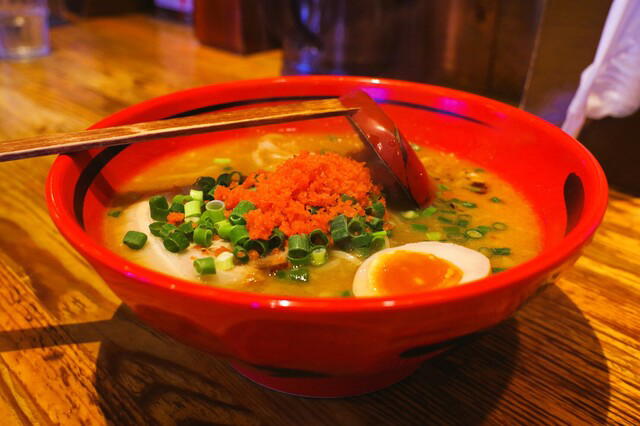
Hokkaido Meibutsu La-men Ebi Soba Ichigen Souhonten
Sapporo, Japan
A shrimp-broth ramen specialist in Susukino, open 11 AM to 3 AM and recognized on Tabelog's 100 Ramen HOKKAIDO list. The shellfish-forward base divides opinion, but the late hours, sub-1,000-yen price, and counter turnover make it a practical walk-in option when other Tabelog venues have closed.
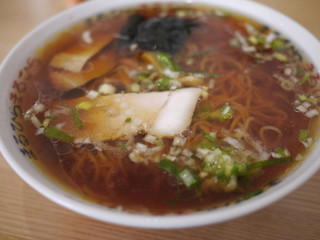
Ramen Maruhira
Sapporo, Japan
A Tabelog 100-listed ramen shop in Kushiro's Uramio ward, offering miso-forward bowls under JPY 1,000 with counter and tatami seating. Service runs 9:30 AM to 2:00 PM or sell-out on open days; walk-in only, cash only, and noodles often run out before posted closing.
Isono Kazuo
Sapporo, Japan
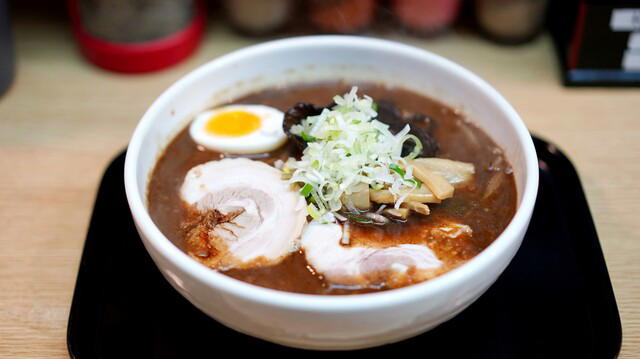
A seven-seat ramen counter in Sapporo that runs 10 PM to 6 AM, recognized by Tabelog 100 (Ramen HOKKAIDO 2025, 2024) and priced under JPY 1,000. The late-night format and ingredient-driven bowls suit solo diners and shift workers willing to adapt their schedule. No reservations, cash only, and BYO drinks; worth booking if you can commit to the clock.
Ramen Sakurajima Honten
Sapporo, Japan
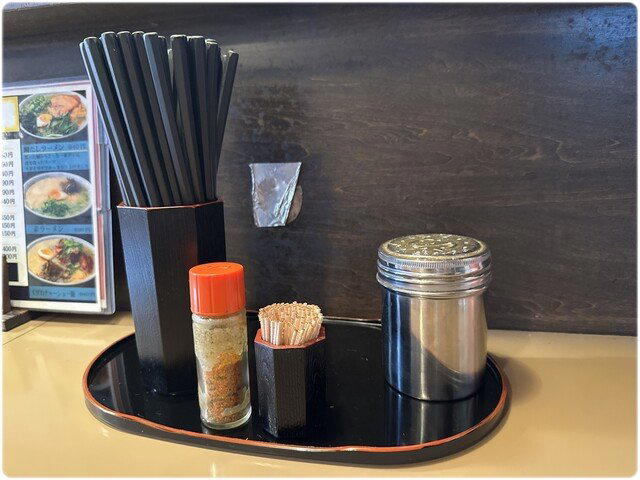
Ramen Sakurajima Honten delivers Tabelog 2025 Ramen HOKKAIDO 100-recognized bowls at under ¥1,000, making it one of Sapporo's most accessible award-backed operations. The 20-seat Nishino honten pairs disciplined broth technique with a rare shabu-shabu sideline, five-car parking, and a family-friendly layout that accommodates celebrations without sacrificing counter focus.
Ramen Kobo Uoichi
Kushiro, Japan
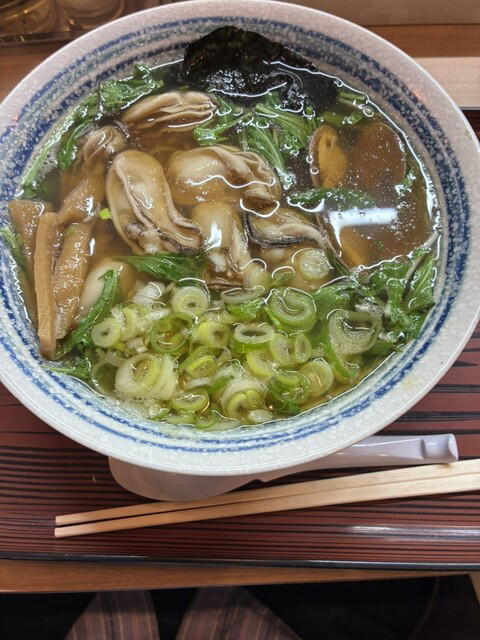
Tabelog 100 - Ramen - HOKKAIDO 2025 counter inside Kushiro Tancho Market, specializing in fish-sauce broth drawn from the port's morning catch. Ultra-thin house noodles and oyster-topped bowls at JPY 1,000–1,999, walk-in only, closes at 3 PM or when soup runs out; arrive before noon to secure a stool.
Ramen Jiro Sapporo ten
Sapporo, Japan
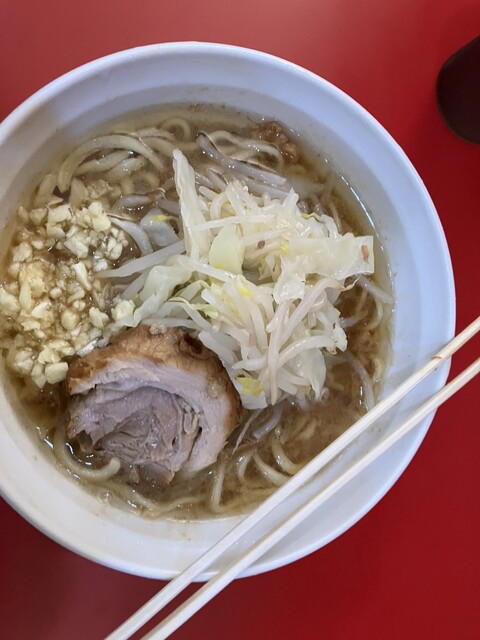
<p>Ramen Jiro Sapporo ten earns its Tabelog 100 nod with hearty, pork-forward bowls under ¥1,000, served at a no-frills 15-seat counter near Sapporo Station. Counter service only, cash only, and closed Sundays; this is efficient fuel over ambiance, best for solo diners who know the format.</p>
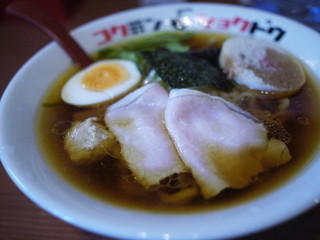
Kokumin Shokudo
Sapporo, Japan
An eight-seat counter in Sapporo's Kita Ward serving ramen and tsukemen under 1,000 yen, open lunchtime only five days a week. Named to Tabelog's 2025 Ramen Hokkaido 100 Best for consistent craft at a price that makes repeat visits easy; arrive before noon on weekends or accept the queue.
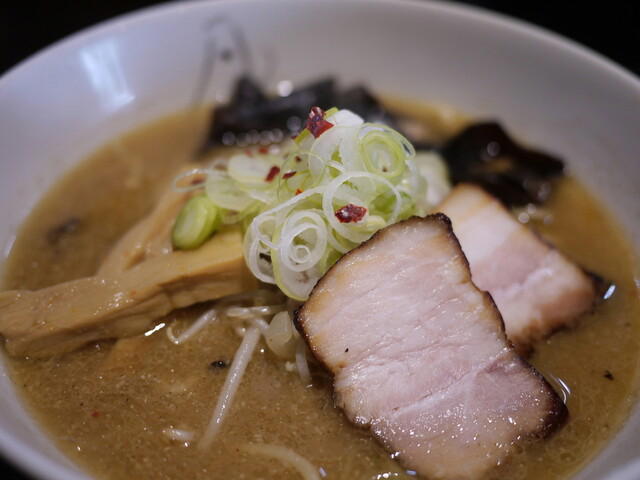
Sapporo Bon no Kaze
Sapporo, Japan
Tabelog Ramen HOKKAIDO 100 shop (2024, 2025) serving technique-driven shoyu and shio bowls at JPY 1,000–1,999. Open since 2006, the 16-seat venue near Nishi-sen 9-jo Asahiyama Park offers counter and table seating, with service until sold out and closures Wednesdays and select Thursdays.
Overview
Tabelog 100 - Ramen - Hokkaido - 2025 is an authoritative ranking of the top 100 ramen restaurants across Hokkaido, selected based on user reviews and expert evaluations on Japan’s largest dining platform, Tabelog. It highlights the prefecture’s rich ramen culture, spotlighting exceptional shops from Sapporo to Asahikawa and beyond.
Since its inception, the Tabelog 100 lists have become definitive culinary guides in Japan, annually recognizing the finest dining establishments by cuisine and region. The 2025 Hokkaido ramen edition celebrates the island’s iconic ramen styles; from the miso-rich broths of Sapporo to the delicate shio ramen of Hakodate; reflecting local ingredients and evolving trends. With millions of user reviews and rigorous scoring, Tabelog’s selections influence both locals and international ramen enthusiasts seeking authentic and innovative bowls in Hokkaido’s diverse foodscape.
Hokkaido’s ramen scene is legendary, renowned for its hearty broths, distinctive regional styles, and masterful craftsmanship. Pearl’s presentation of the Tabelog 100 - Ramen - Hokkaido - 2025 list offers discerning diners an expertly curated roadmap to the island’s most celebrated ramen shops. Whether chasing the classic miso bowls of Sapporo or exploring innovative twists in smaller towns, this list distills thousands of reviews and expert insights into a definitive culinary journey.
Quick Facts
- Publisher
- Tabelog (Kakaku.com, Inc.)
- Year
- 2025
- Coverage
- Hokkaido Prefecture, Japan
- Items
- 100 ramen restaurants
- Frequency
- Annual
About This Edition
The 2025 edition of the Tabelog 100 - Ramen - Hokkaido reflects dynamic shifts in the region’s ramen culture, including a surge in artisanal broths using local Hokkaido ingredients and a rise in health-conscious, vegetable-forward options. Notably, several newcomers from lesser-known towns have broken into the list, highlighting a decentralization of culinary excellence. This edition also underscores the enduring popularity of Sapporo’s classic miso ramen while spotlighting innovative reinterpretations that blend tradition with modernity.
Frequently Asked Questions
What is Tabelog 100 - Ramen - HOKKAIDO - 2025?
How are honorees selected?
How often is this list updated?
How can I find these on Pearl?
How many of these have you visited?
Find out on Pearl and keep score across every place in Tabelog 100 - Ramen - HOKKAIDO - 2025.