
Hotel in Zürich, Switzerland
Storchen Zürich
900Pearl PointsOld Town base



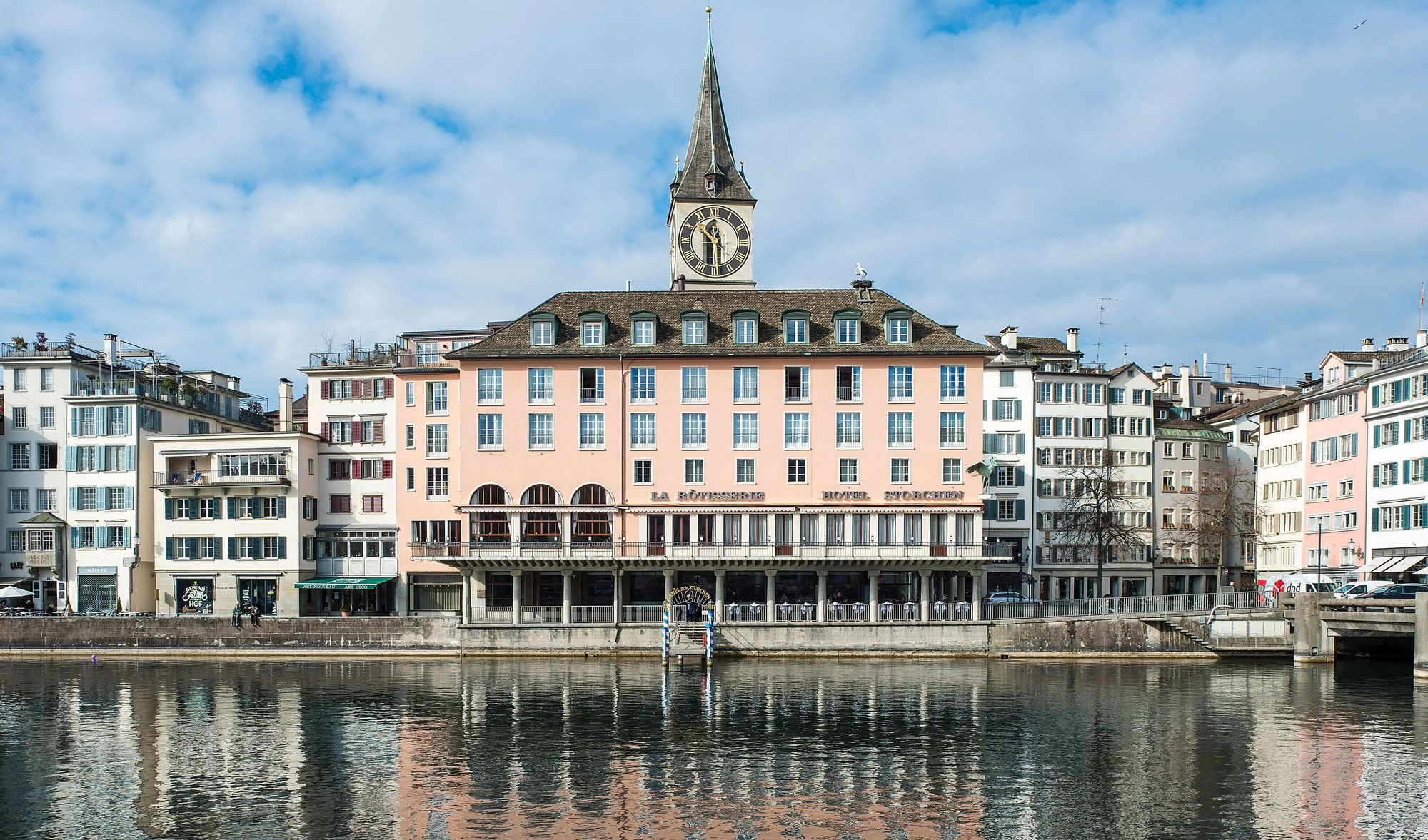
About Storchen Zürich
Storchen Zürich is worth pricing first for a polished Old Town stay where location matters as much as the room. It makes the strongest case for short luxury weekends, central business travel, and return trips where reducing transit time is part of the value; compare Marktgasse Hotel or Hotel Glockenhof if the rate feels stretched.
For a trip to Zürich where the hotel choice should rest on verified signals, Storchen Zürich is a name to consider. The confirmed picture is concise: the hotel is in Zürich, the dress code is smart casual, and it carries recognition from MICHELIN Guide Hotels, Preferred Hotels, and La Liste. Beyond those points, travelers should avoid assuming specific amenities, dining details, room features, or seasonal value claims without checking the hotel directly.
The safer read is recognition-led rather than detail-heavy. Choose it when the confirmed credentials matter to the trip: MICHELIN Guide Hotels 1 Key in 2025, Preferred Hotels L.V.X. Collection in 2025, and a La Liste Top Hotels 2026 score of 90 points. Those recognitions make Storchen Zürich relevant for guests who want a Zürich hotel with clear third-party hotel signals.
Book it when Zürich is central to the trip
The case for booking is strongest when being in Zürich itself is important to the stay. Guests should treat this less as a generic hotel choice and more as a practical decision: if your meetings, leisure plans, or celebratory trip are centered on Zürich, a recognized hotel in the city may be worth prioritizing.
Rate discipline is still the smart move. The verified facts do not establish price level, room categories, inclusions, amenities, or seasonal patterns, so compare live offers carefully before committing. If the main goal is simply a reliable Zürich stay, also compare Marktgasse Hotel and Hotel Glockenhof before booking.
Who should choose it among Zürich hotel options
Choose this hotel if the priority is a Zürich base with confirmed recognition credentials. The MICHELIN Guide Hotels 1 Key, Preferred Hotels L.V.X. Collection placement, and La Liste Top Hotels score give it credible third-party signaling without needing to rely on unverified claims about style, service, dining, or facilities. That combination is useful for travelers who want verified markers before booking.
For business travel, it may suit guests whose plans are centered in Zürich and who value confirmed recognition. For leisure travelers, it may suit a Zürich stay where a smart-casual dress code fits the desired tone. For dining-led travelers, treat the hotel as a base first and verify any current food-and-beverage details through official channels rather than booking solely around unconfirmed on-property dining claims.
The main caution is information discipline. Pay up only if the Zürich setting, confirmed hotel recognition, and smart-casual dress code will materially improve the trip. If those are secondary, compare other Zürich options and judge the current rate against what is actually confirmed.
Frequently Asked Questions
When is the best time to book Storchen Zürich?
Book once your Zürich dates are fixed and you have compared the current rate against other options. The hotel's MICHELIN Guide Hotels 1 Key status and Preferred Hotels L.V.X. Collection placement make it a credible recognized-hotel pick, but timing and value should be checked against live availability, including alternatives such as Hotel Glockenhof.
Do loyalty programs work at Storchen Zürich?
Storchen Zürich is part of the Preferred Hotels L.V.X. Collection, so guests interested in that ecosystem should check current booking benefits directly through the relevant channel. Do not assume chain-style points benefits or specific upgrades unless they are confirmed for your reservation.
Which room category is best at Storchen Zürich?
The verified data does not establish specific room categories, views, sizes, or layouts. Choose based on the current descriptions provided by the hotel and compare the total value with other Zürich options such as Marktgasse Hotel.
How is the dining at Storchen Zürich?
The verified data does not establish cuisine, chef details, menus, or a specific dining format. Use Storchen Zürich as a hotel choice first, then check the venue's official channels for current dining details. If restaurant priority is high, compare with other Zürich hotels such as Baur au Lac or Mandarin Oriental Savoy, Zurich.
Is Storchen Zürich family-friendly?
The verified data does not establish specific family facilities, room configurations, or child-focused services. Guests should compare room needs and space against current hotel information and alternatives such as Baur au Lac before booking.
Is Storchen Zürich good for business travel?
It can be a sensible option for business travelers who want a recognized hotel in Zürich. The confirmed MICHELIN Guide Hotels 1 Key recognition and Preferred Hotels L.V.X. Collection placement support that positioning, while exact business facilities or services should be verified directly with the hotel. Compare with Marktgasse Hotel if you are weighing other Zürich stays.
How is the location of Storchen Zürich?
Storchen Zürich is in Zürich. The verified data does not support a more specific address, neighborhood, district, or landmark description here, so travelers should confirm the precise location through official booking channels before comparing it with options such as Hotel Glockenhof or Mandarin Oriental Savoy, Zurich.
Location
Weinpl. 2, 8001 Zürich
Zürich, Switzerland
Compare Storchen Zürich
| Venue | Booking Difficulty |
|---|---|
| Storchen Zürich | Hard |
| Marktgasse Hotel | Unknown |
| Widder Hotel | Unknown |
| Mandarin Oriental Savoy, Zurich | Unknown |
| Hotel Glockenhof | Unknown |
| Baur au Lac | Unknown |
Side-by-side comparison to help you decide where to book.
Also Consider
- Marktgasse Hotel, Notable alternative
- Widder Hotel, Notable alternative
- Mandarin Oriental Savoy, Zurich, Notable alternative
- Hotel Glockenhof, Notable alternative
- Baur au Lac, Notable alternative
How Storchen Zürich compares in Zürich
Against Marktgasse Hotel, Storchen Zürich is the more occasion-led choice: book it when the stay needs a stronger luxury signal and a calmer, more polished feel. Marktgasse is the sharper cross-shop when value and Old Town access matter more than formal hotel recognition.
Widder Hotel is the closer peer for travelers who want character in the historic core, while Storchen Zürich is the cleaner pick for a more classic, composed stay. If the trip is client-facing or celebratory, Storchen is easier to justify; if design personality is the priority, Widder deserves a serious look.
Mandarin Oriental Savoy, Zurich and Baur au Lac sit in the more obvious grand-luxury conversation, so compare them when service depth and a bigger luxury footprint matter. Hotel Glockenhof is the practical fallback if availability or pricing at Storchen gets uncomfortable and the goal is a central Zürich stay without the same occasion premium.
Recognized By


Explore Zürich
Save or rate Storchen Zürich on Pearl
Keep this venue in your Pearl passport, rate it after you visit, and track it alongside every other place you collect.