

Hotel in Zürich, Switzerland
Mandarin Oriental Savoy, Zurich
700Pearl PointsCentral Luxury, Clear Case




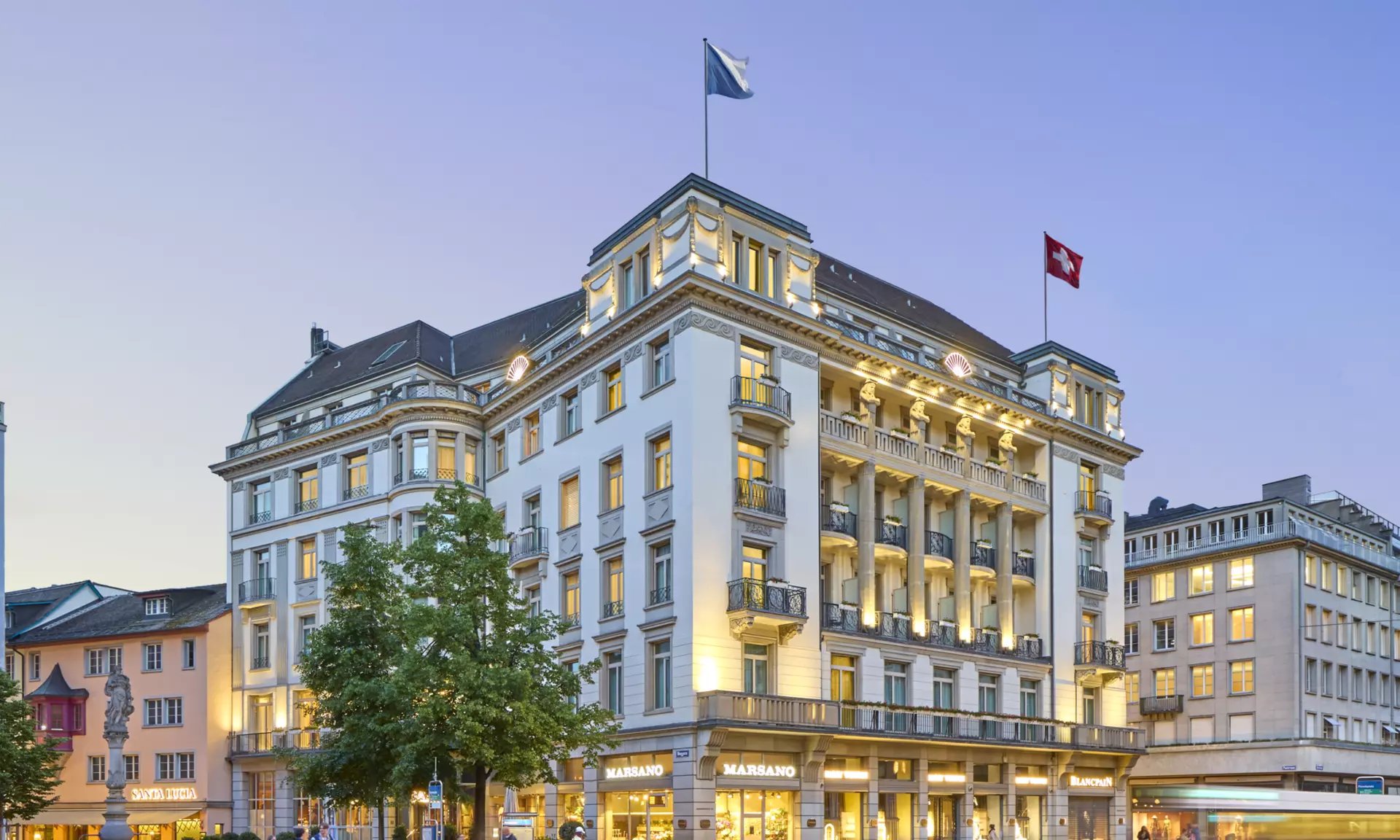
About Mandarin Oriental Savoy, Zurich
Mandarin Oriental Savoy, Zurich is worth shortlisting for a central luxury stay when rates line up with its recognition: MICHELIN Guide Hotels 1 Key, Forbes 5-Star, Virtuoso, and Star Wine List. It is strongest for couples and business travelers who want polish and convenience, but value-seekers should compare it with Baur au Lac, Storchen Zürich, and Widder Hotel before committing.
Mandarin Oriental Savoy, Zurich is best framed as a formal hotel choice in Zürich with several verified external recognitions. The confirmed signals are MICHELIN Guide Hotels 1 Key recognition for 2025, a Forbes 5-Star rating for 2026, Virtuoso Luxury Hotel Partner status for 2026, and Star Wine List recognition for 2026.
Because the verified record here is strongest on recognition rather than granular stay details, the safest way to evaluate the hotel is to compare it with other Zürich options for your actual dates. Consider it if you want a formal hotel stay in Zürich and value third-party recognition as part of the decision.
Book for formal recognition, then verify the details
This is a recognition-led recommendation: Mandarin Oriental Savoy, Zurich sits in Zürich's premium hotel conversation with confirmed MICHELIN, Forbes, Virtuoso, and Star Wine List signals. Those markers make it a credible candidate for travelers who want an externally validated stay.
If you are comparing options, Baur au Lac and Storchen Zürich are natural cross-shops. Widder Hotel is another Zürich option to consider if you are weighing a different feel. Marktgasse Hotel and Hotel Glockenhof may also belong in the search set depending on availability and the style of stay you prefer.
The decision comes down to current verified information
For 2026 trips, compare Mandarin Oriental Savoy, Zurich against peers before committing, then book when the current terms make sense for your plans. The value case depends on the live comparison for your stay rather than on a universal rule.
Dining should be treated cautiously in the absence of verified menu, restaurant, chef, cuisine, or dish details here. The confirmed food-and-beverage-related signal is Star Wine List recognition for 2026, but that should not be stretched into assumptions about a specific restaurant experience. Check the hotel's current official information before booking around dining.
Quick reference: choose it for a formal, externally recognized hotel stay in Zürich; compare closely with other Zürich hotels; and rely only on confirmed current details for specific rooms, dining, and amenities.
Frequently Asked Questions
Which room category is best at Mandarin Oriental Savoy, Zurich?
The verified information provided here does not establish a best room category. Choose based on your space needs, budget, and current availability, and confirm room details directly with the hotel before booking.
How is the location of Mandarin Oriental Savoy, Zurich?
Mandarin Oriental Savoy, Zurich is in Zürich. No more specific verified location detail is provided here, so use the hotel's official channels or your booking platform to confirm exact logistics for your trip.
How is the dining at Mandarin Oriental Savoy, Zurich?
The verified dining-related signal is 2026 Star Wine List recognition. Specific restaurants, cuisines, dishes, menus, chefs, and service formats are not verified here, so check the hotel's current official information if dining is a major reason for the stay.
How is the pool and spa at Mandarin Oriental Savoy, Zurich?
The verified information provided here does not confirm pool or spa details. If wellness facilities are important to your trip, confirm the current setup directly with the hotel before booking.
When is the best time to book Mandarin Oriental Savoy, Zurich?
Book when the rate, cancellation terms, and room choice work for your Zürich dates. Because the strongest verified facts are the hotel's formal dress code and third-party recognitions, compare live prices with other Zürich options before committing.
Location
Poststrasse 12
Zürich, Switzerland
Compare Mandarin Oriental Savoy, Zurich
Where to spend the Zürich hotel budget
Mandarin Oriental Savoy, Zurich is the splurge pick when recognition and central convenience carry the decision. Baur au Lac is the more classic luxury counterpoint, Storchen Zürich is better for a stronger local mood, and Widder Hotel is the choice for travelers who want more character.
If the nightly rate feels stretched, Marktgasse Hotel and Hotel Glockenhof are the practical alternatives. They work better for travelers who prefer location and savings over luxury credentials.
If you cannot book it
Try Baur au Lac first if the trip calls for a formal luxury stay and the budget still supports a splurge. Choose Widder Hotel instead if the goal is a more character-led Zürich base.
For a tighter budget, move to Marktgasse Hotel or Hotel Glockenhof. They are better fallback choices when saving money matters more than luxury-hotel recognition.
How it compares in Zürich
Baur au Lac is the more established grand-hotel comparison, so choose it when heritage and classic luxury matter more than a newer-feeling stay. Mandarin Oriental Savoy, Zurich makes more sense when the priority is central polish with current luxury recognition, especially if the rate is meaningfully better for your dates.
Storchen Zürich is the stronger choice for travelers who want a more Zürich-specific atmosphere, while Widder Hotel is better for character and design-led stays. Pick Mandarin Oriental Savoy, Zurich when predictability, service polish, and external luxury credentials matter more than personality.
For value control, Marktgasse Hotel and Hotel Glockenhof are the smarter cross-shops. They are not trying to compete in the same luxury lane, but they can be better decisions when room rate matters more than a Forbes 5-Star-level experience.
Recognized By



Explore Zürich
Save or rate Mandarin Oriental Savoy, Zurich on Pearl
Keep this venue in your Pearl passport, rate it after you visit, and track it alongside every other place you collect.