
MalisGarten
Zell am Ziller
Hotel in Zell am Ziller, Austria
 Book with Pearl
Why go
MalisGarten is worth shortlisting for a wellness-first Zell am Ziller stay, especially if flexible dates matter more than peak-season mountain access. Its 2026 Longevity Hotels membership gives it a clear recovery angle; compare it with Das Posthotel and Wellnesshotel Theresa if you want a more conventional village hotel decision.
About MalisGarten
For a first look at MalisGarten in Zell am Ziller, keep the assessment narrow and factual. MalisGarten has a smart casual dress code and is recognized as a The Longevity Hotels Longevity Hotel Member (2026). Specific claims about rooms, dining, spa facilities, prices, hours, service style, or exact location details should be checked directly with the venue before booking.
That makes MalisGarten a venue to evaluate based on its known positioning. If you are comparing stays in and around the area, focus on the basics that matter for your trip: date availability, current inclusions, cancellation terms, and whether the venue's latest official information matches your expectations.
Key considerations for booking
MalisGarten's notable recognition is its The Longevity Hotels Longevity Hotel Member (2026) status. That can be useful for travelers who are specifically looking at venues with a longevity-oriented affiliation, but it should not be treated as proof of any particular facility, treatment menu, dining format, or wellness program unless those details are confirmed by the venue.
For comparison, Das Posthotel and Wellnesshotel Theresa are other named options to consider when planning a Zell am Ziller stay. Keep the comparison practical: review current availability, available amenities, and the kind of stay each property is explicitly offering before deciding.
The location is Zell am Ziller; confirm trip details directly
MalisGarten is in Zell am Ziller. Specific street-address details, arrival procedures, room categories, dining arrangements, and facility access should not be assumed from third-party summaries. Before committing, confirm the latest details through the venue's official channels.
The dress code is smart casual. That is the safest expectation to use when planning what to pack, especially if your stay includes situations where a more polished casual standard is appropriate.
For broader planning around the village, use Our full Zell am Ziller hotels guide, then cross-check meals and off-property time with Our full Zell am Ziller restaurants guide, Our full Zell am Ziller bars guide, Our full Zell am Ziller wineries guide, and Our full Zell am Ziller experiences guide.
Quick reference: MalisGarten is in Zell am Ziller, has a smart casual dress code, and is recognized as a The Longevity Hotels Longevity Hotel Member (2026). Confirm all stay-specific details directly before booking.
Inside MalisGarten
 restaurantWilde KräuterkücheIn the Zillertal valley town of Zell am Ziller, Wilde Kräuterküche takes its name and identity from the wild herb traditions of the Austrian Alps, placing foraged and cultivated plants at the centre of its cooking. The restaurant sits within a culinary scene that increasingly looks inward to mountain terrain rather than outward to urban trends. Visitors to the Zillertal who want to eat with a sense of place should have it on their list.
 restaurantHeLeniWhere the Zillertal Valley Sets the Table The road into Zell am Ziller follows the river through a valley that narrows and deepens as the Tyrolean Alps press in from both sides. By the time you reach Rohrerstraße, the mountains are close enough...
Planning details
- Location
- Rohrerstraße 5, 6280 Zell am Ziller, Austria
- Website
- malisgarten.at
- Phone
- +43 5282 2236
The take
The Take
The Vibe
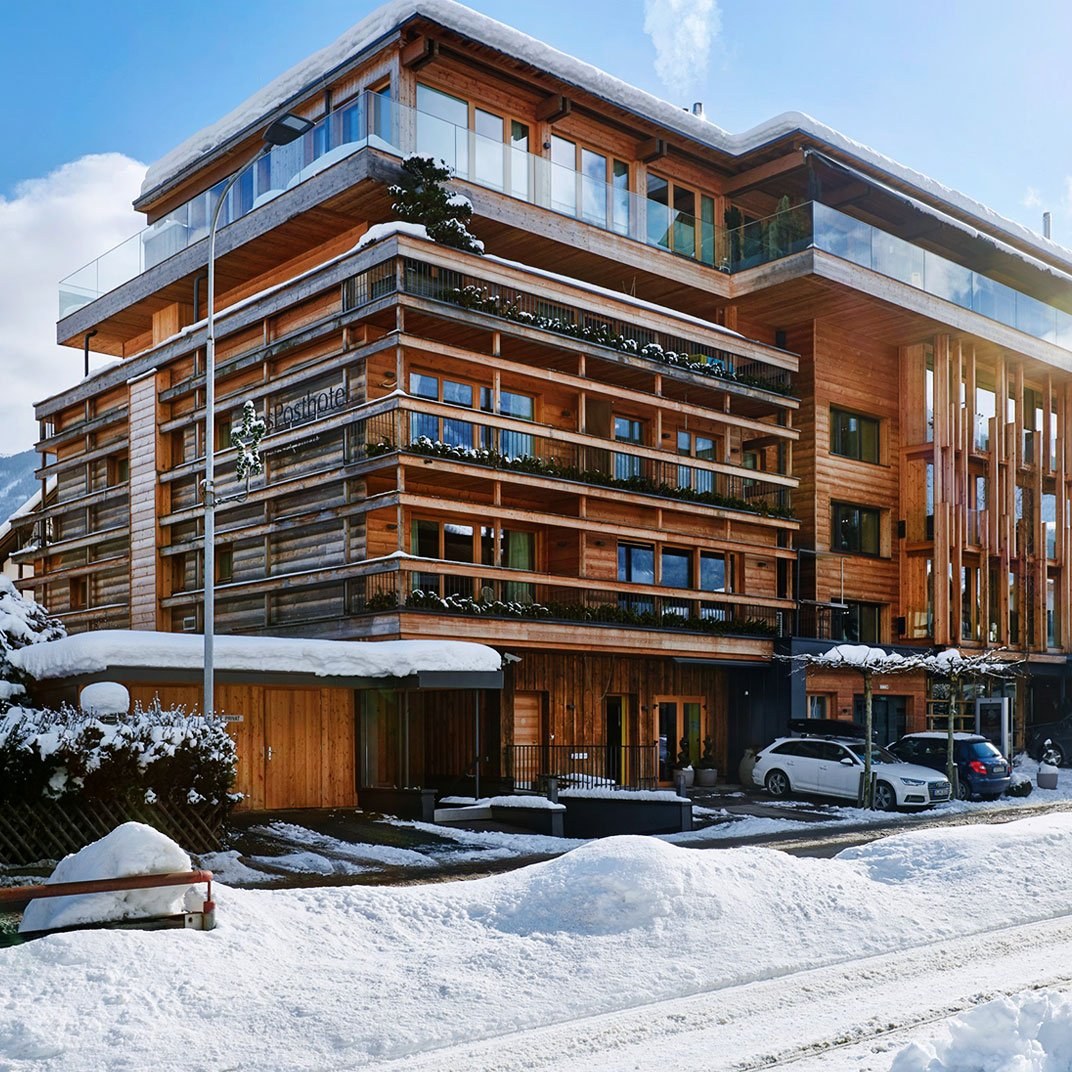
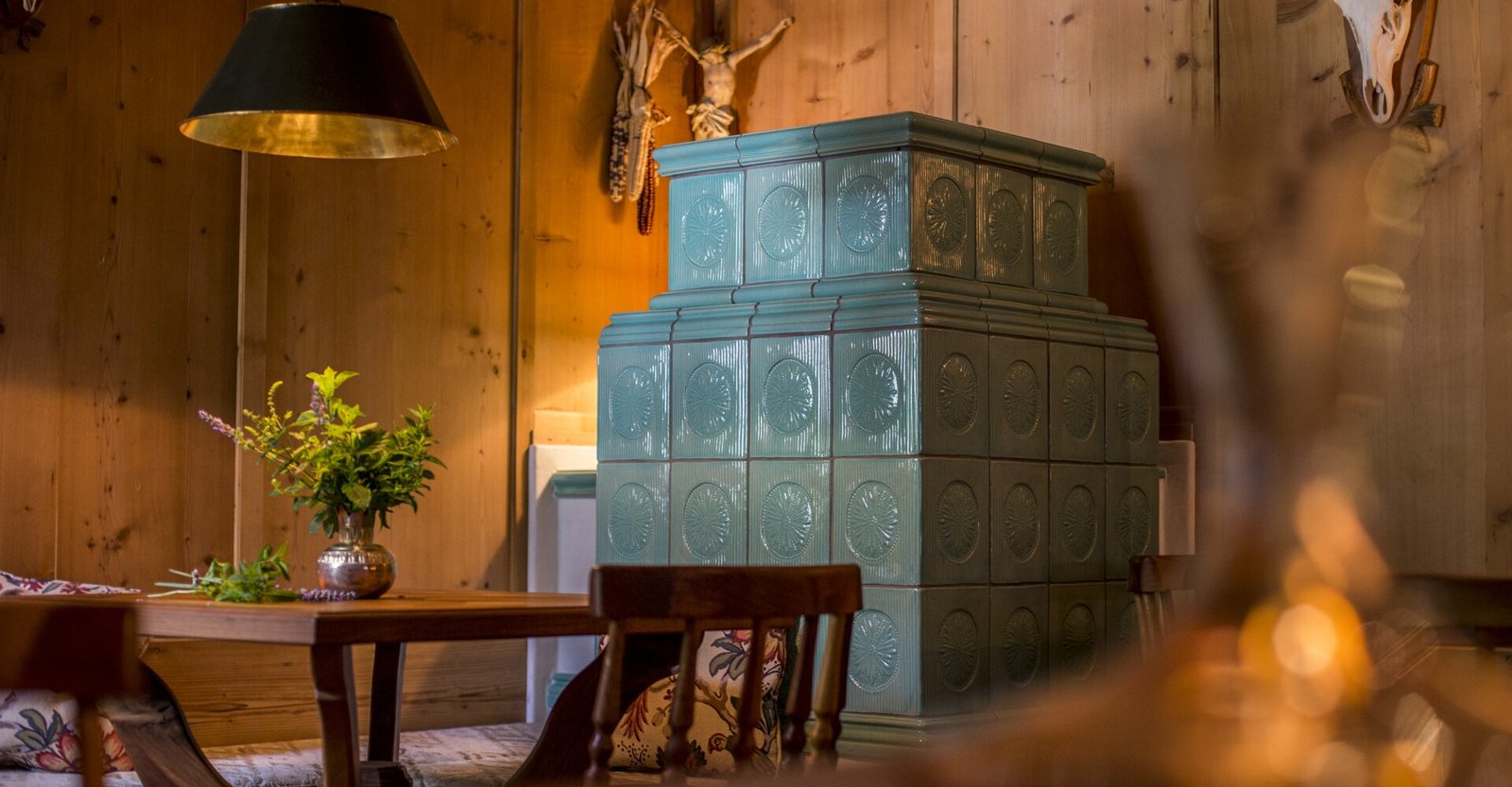
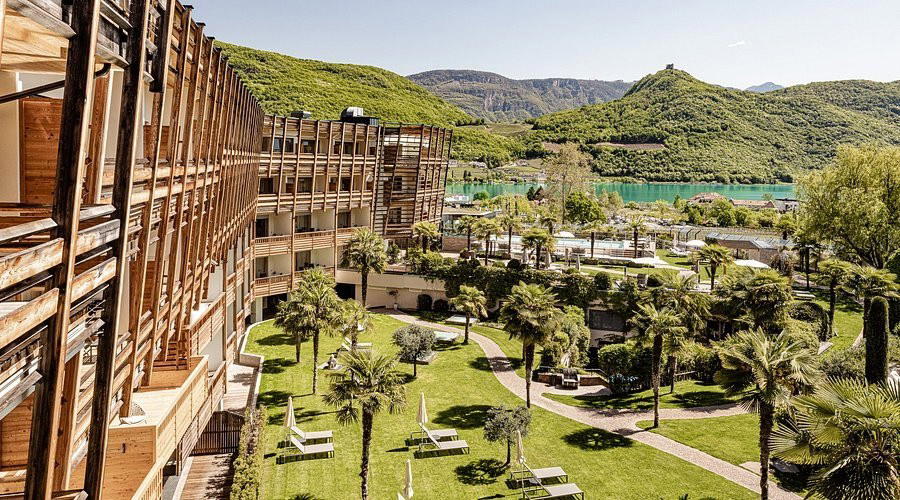
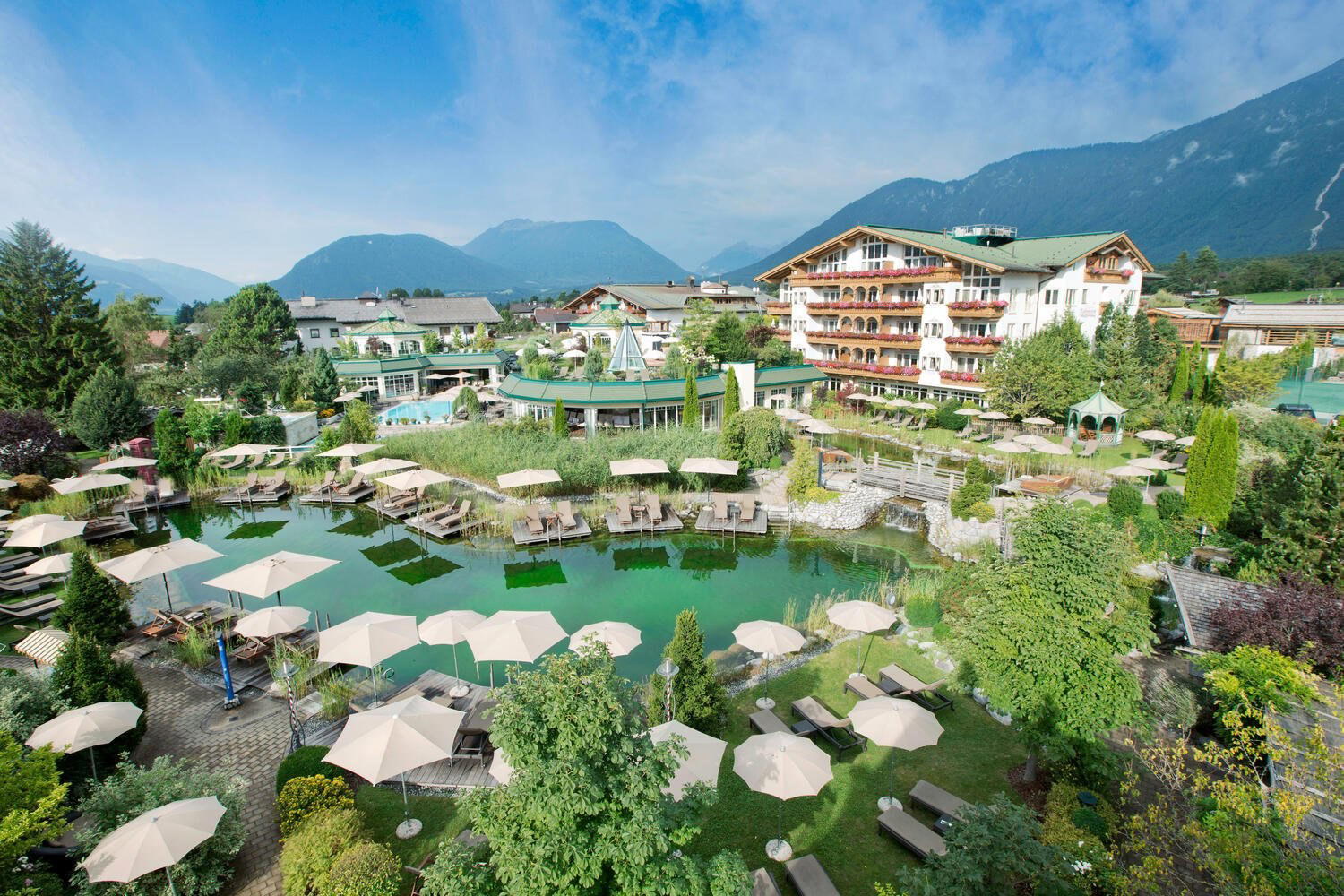
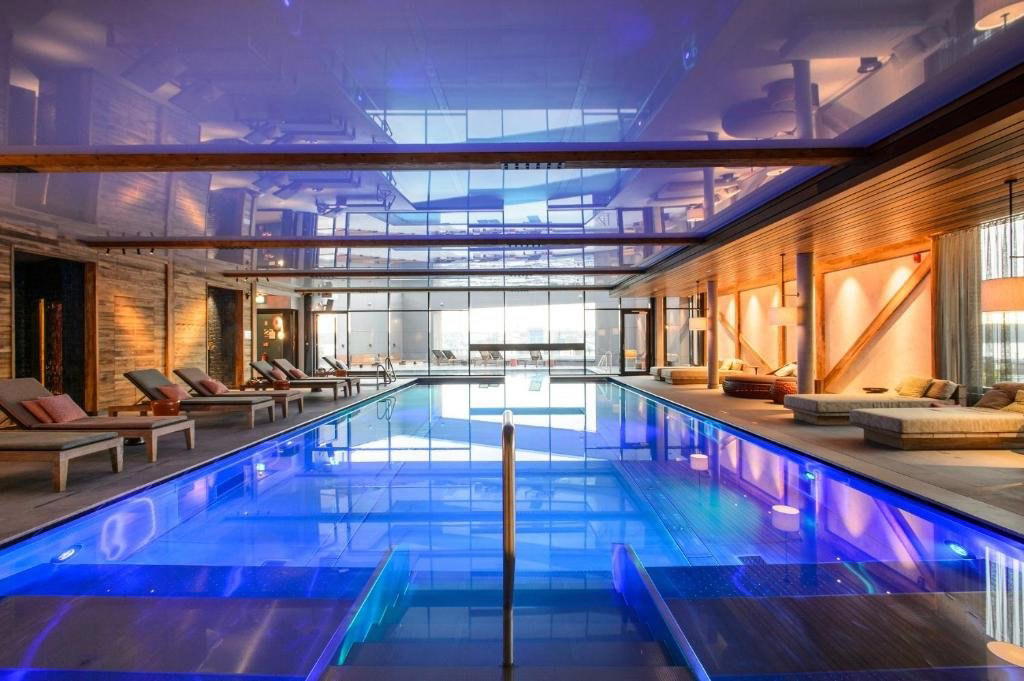
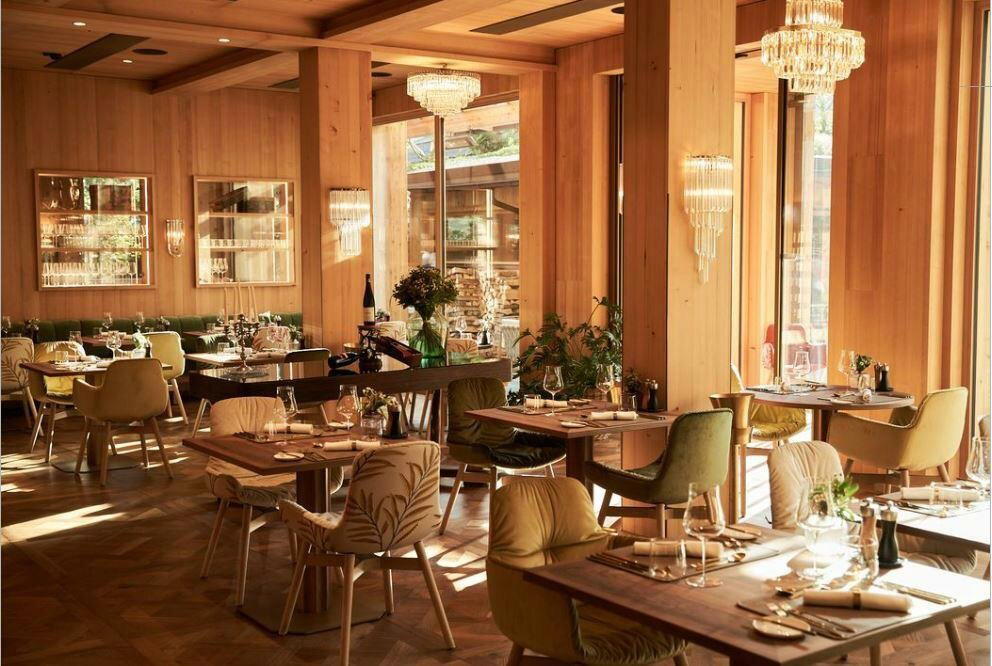
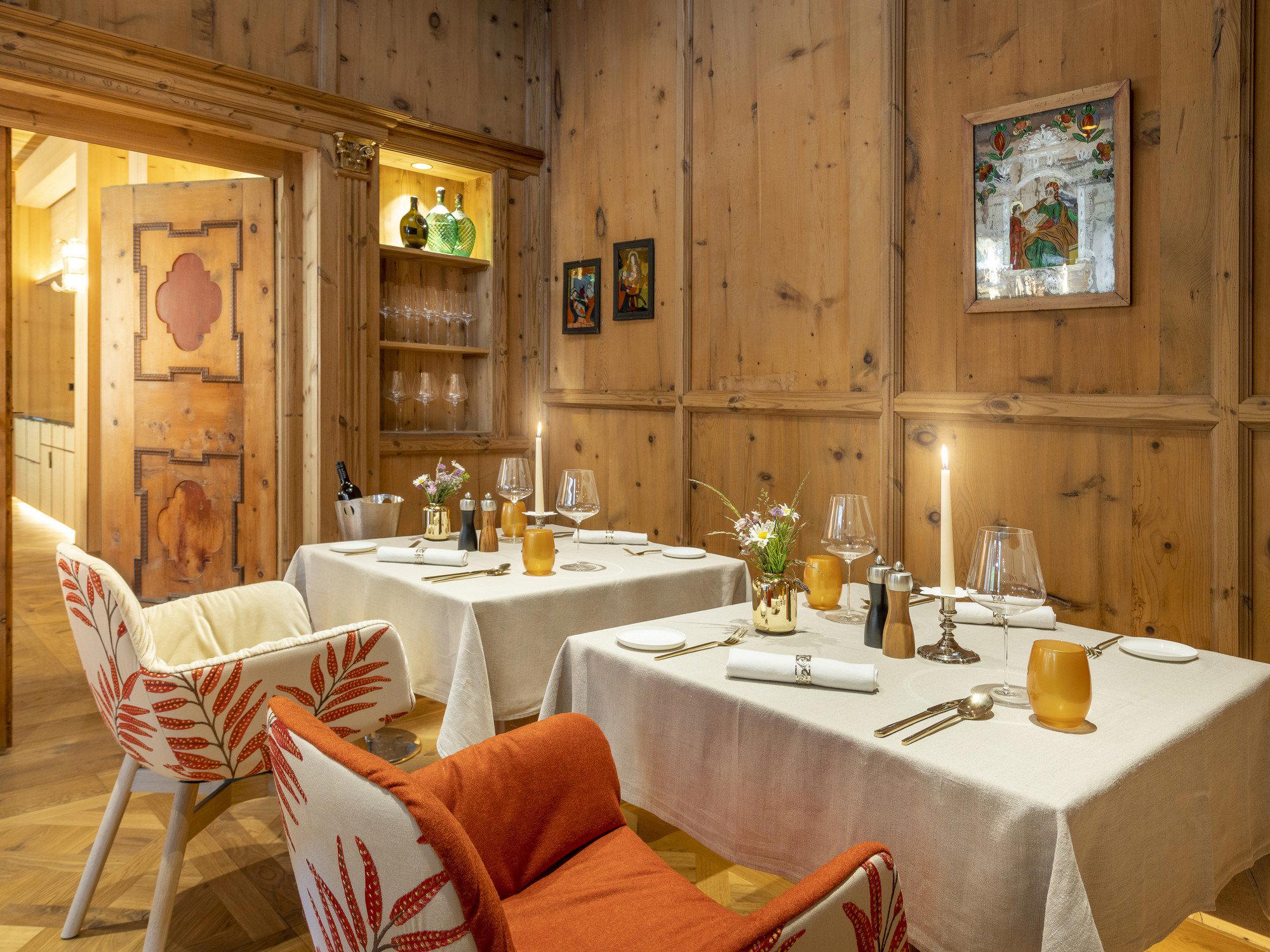
MalisGarten reads as a quietly deliberate wellness retreat where architecture and materiality do the heavy lifting. The Herbarium Spa and a material palette of wood, stone and dried botanicals foreground a restorative, nature-anchored aesthetic rather than resort flash. Lighting tuned to circadian rhythms and a layout that shepherds guests from activity to rest underscore a therapeutic logic: every design choice reinforces recovery, longevity and balance. The atmosphere is measured and calm—rustic textures meet refined detailing—producing a serene, sophisticated place that privileges subtle sensory control and botanical specificity over spectacle.
Best For
MalisGarten is aimed at travellers who prize focused, design-driven wellness over large-scale amenity lists. Its positioning around longevity, balance and a botanical Herbarium Spa rewards guests looking for a therapeutic program anchored in architecture and natural materials. The hotel is a clear alternative to high-volume resort spas in Zell am Ziller: it favors small-scale, restorative experiences and intentional pacing rather than broad, brochure-driven offerings. It suits anyone seeking a considered, recovery-centred stay where the built environment is explicitly part of the wellness program.
Venue details
Ambiance
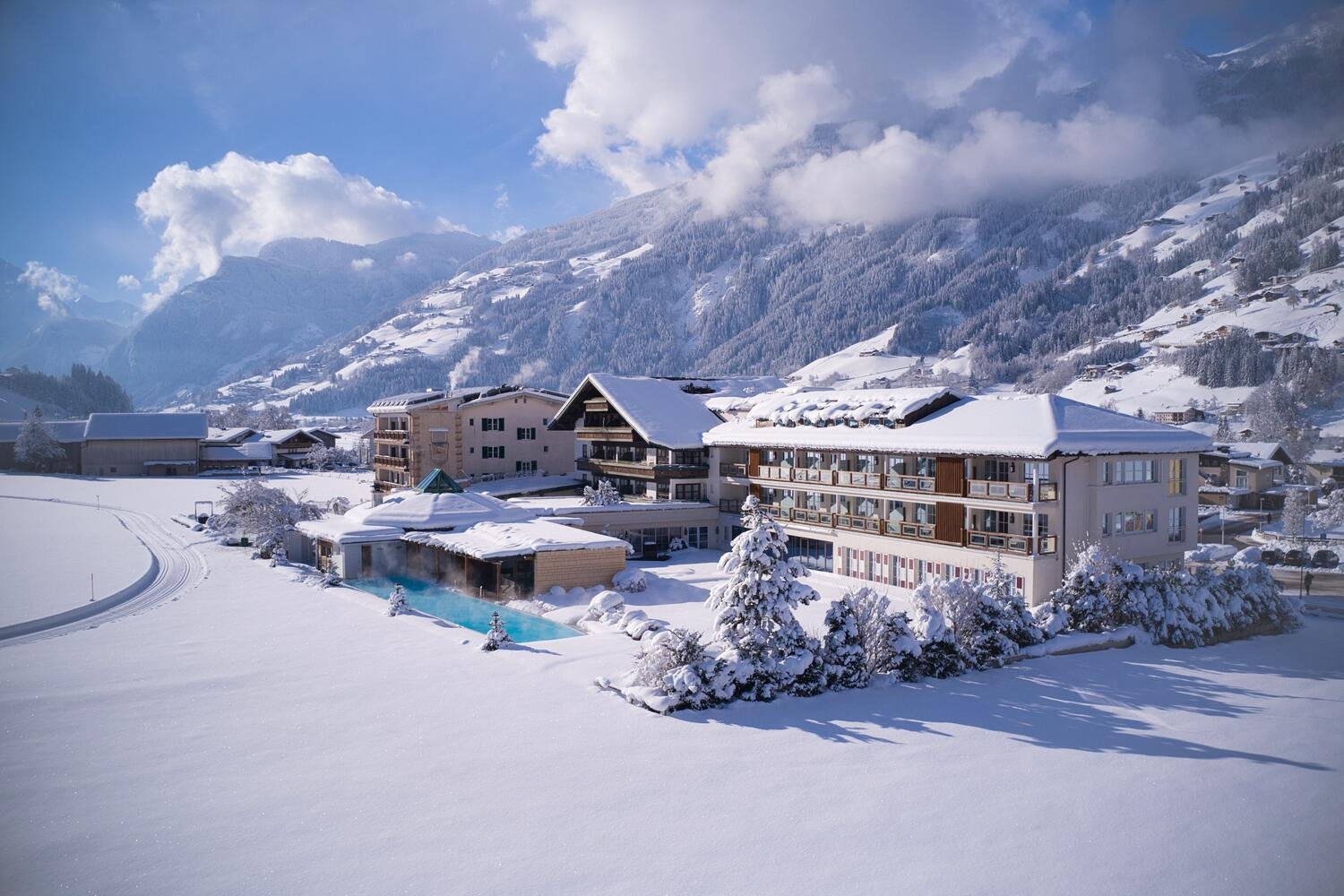
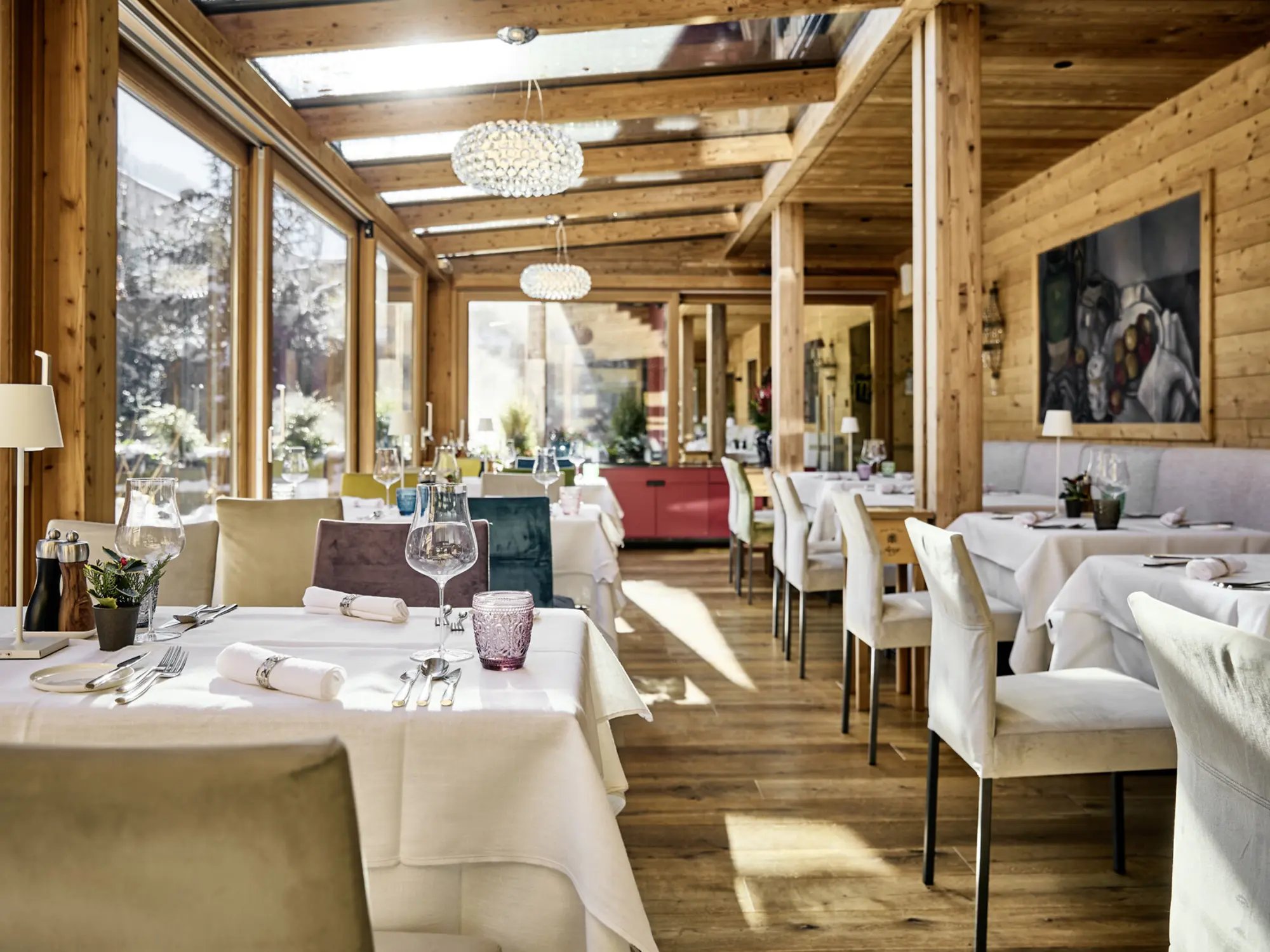
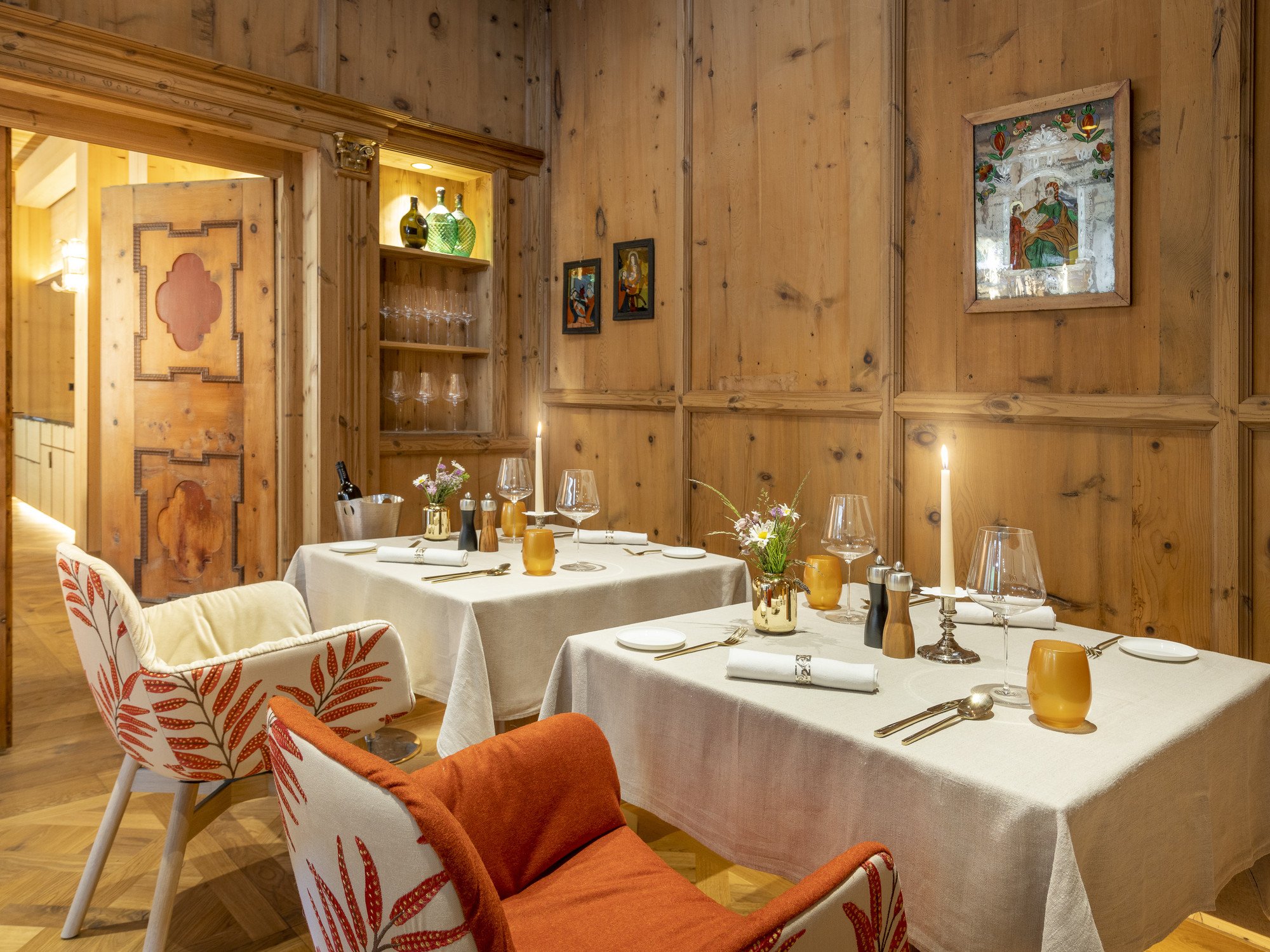
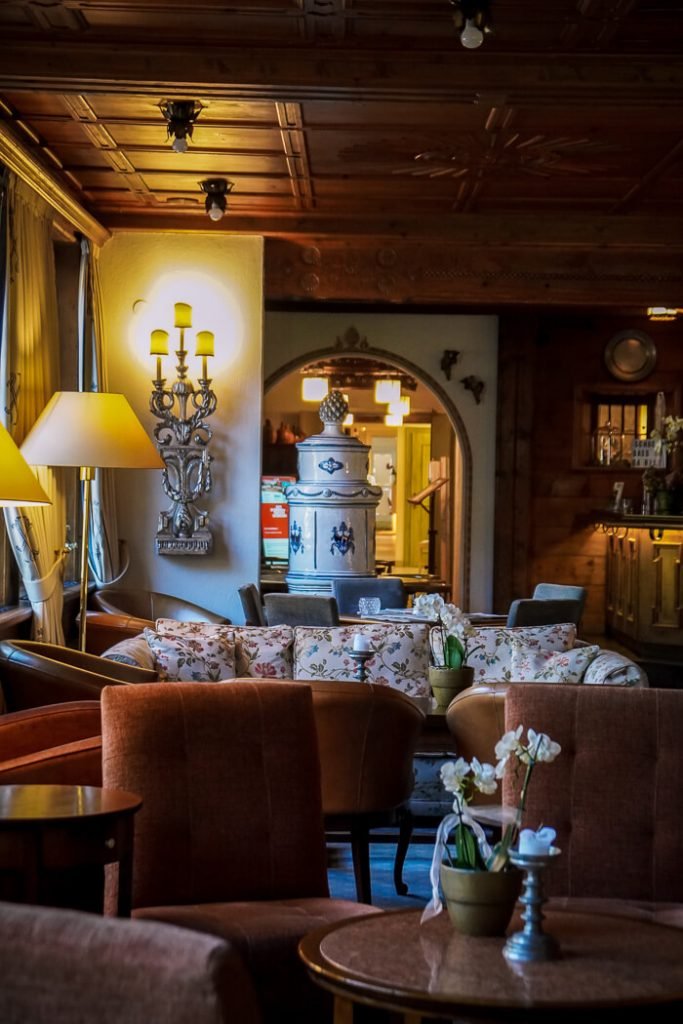
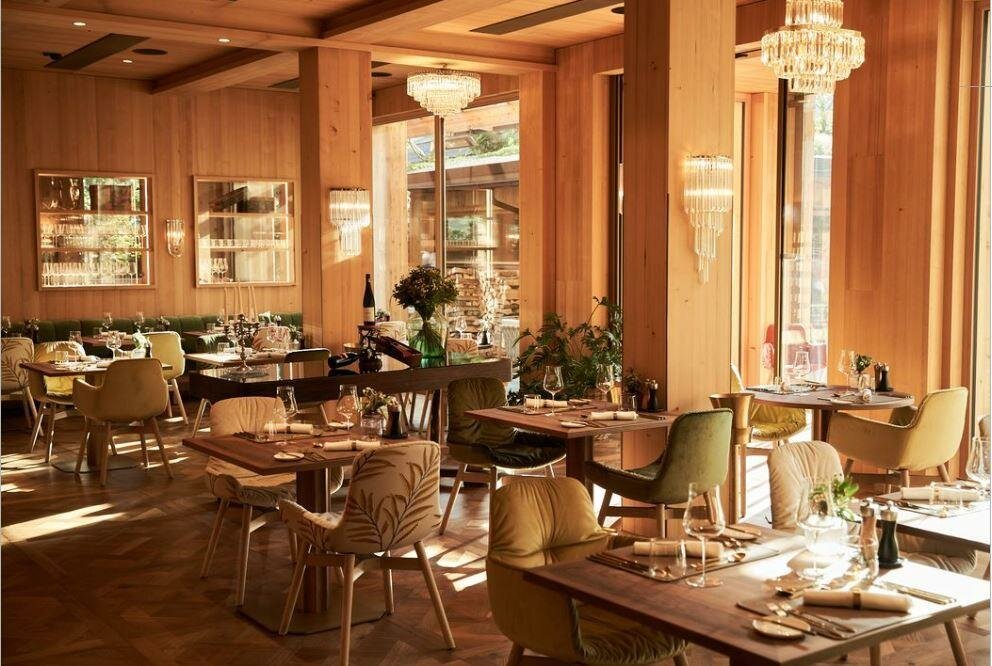
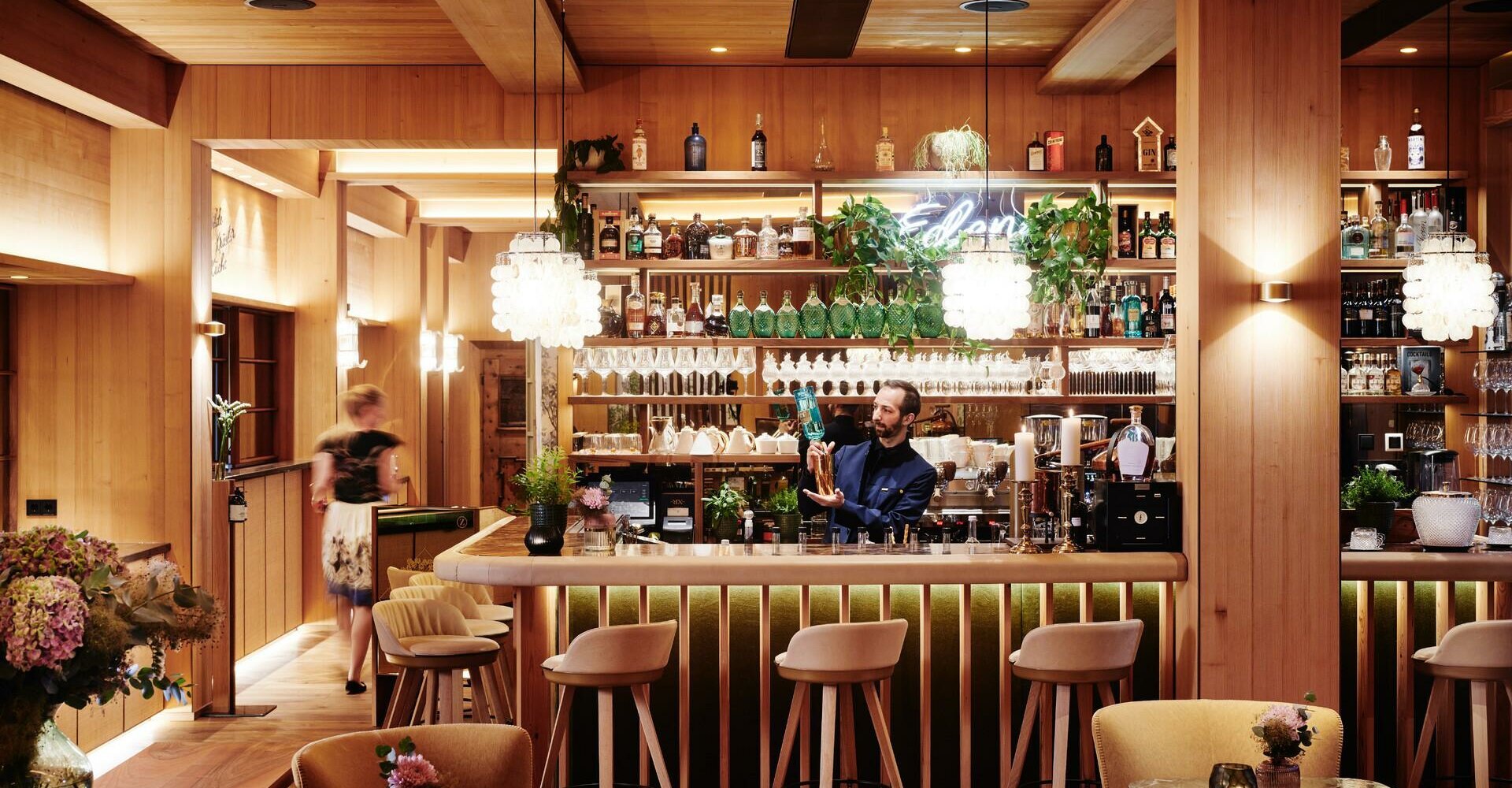
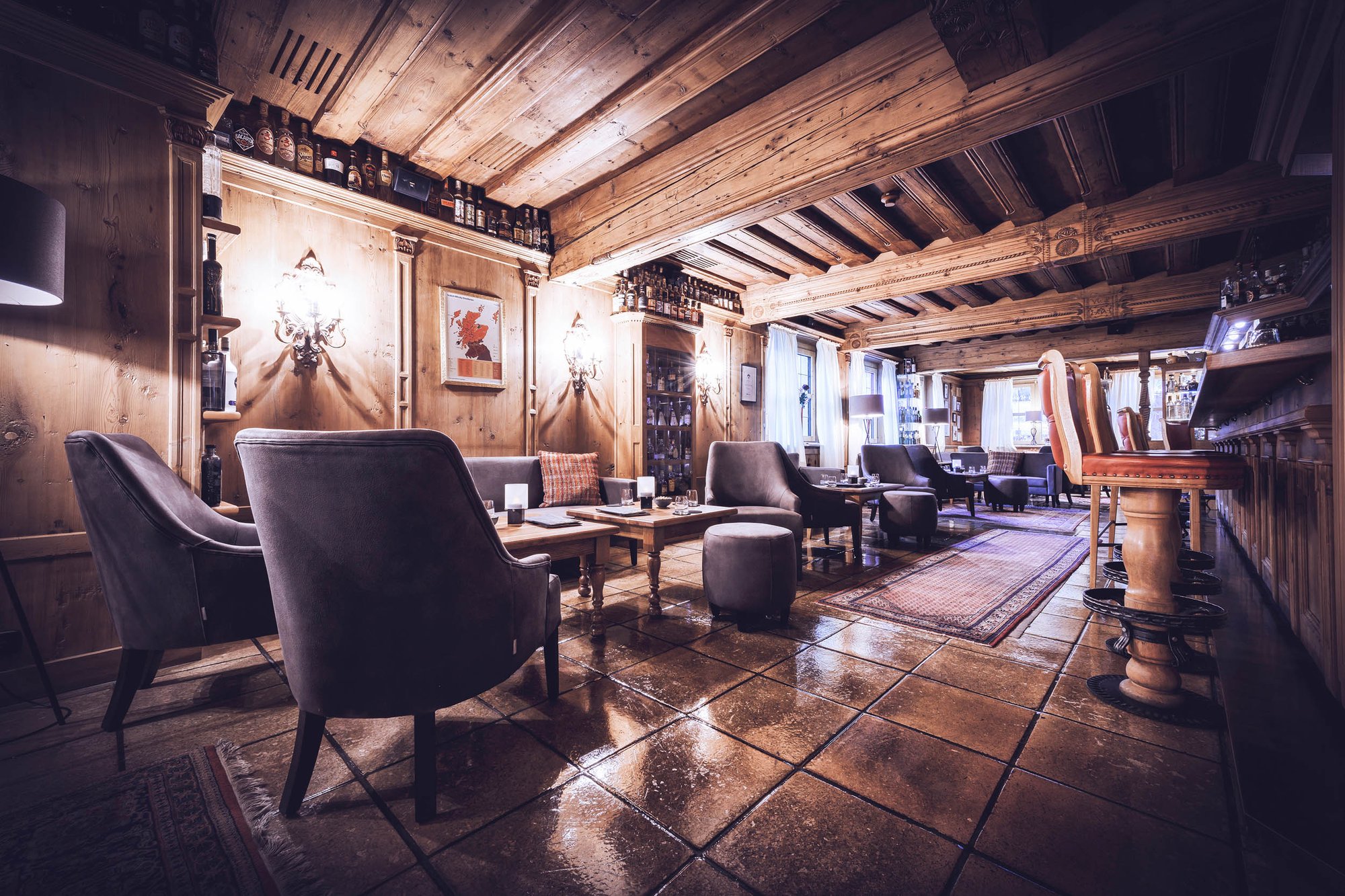
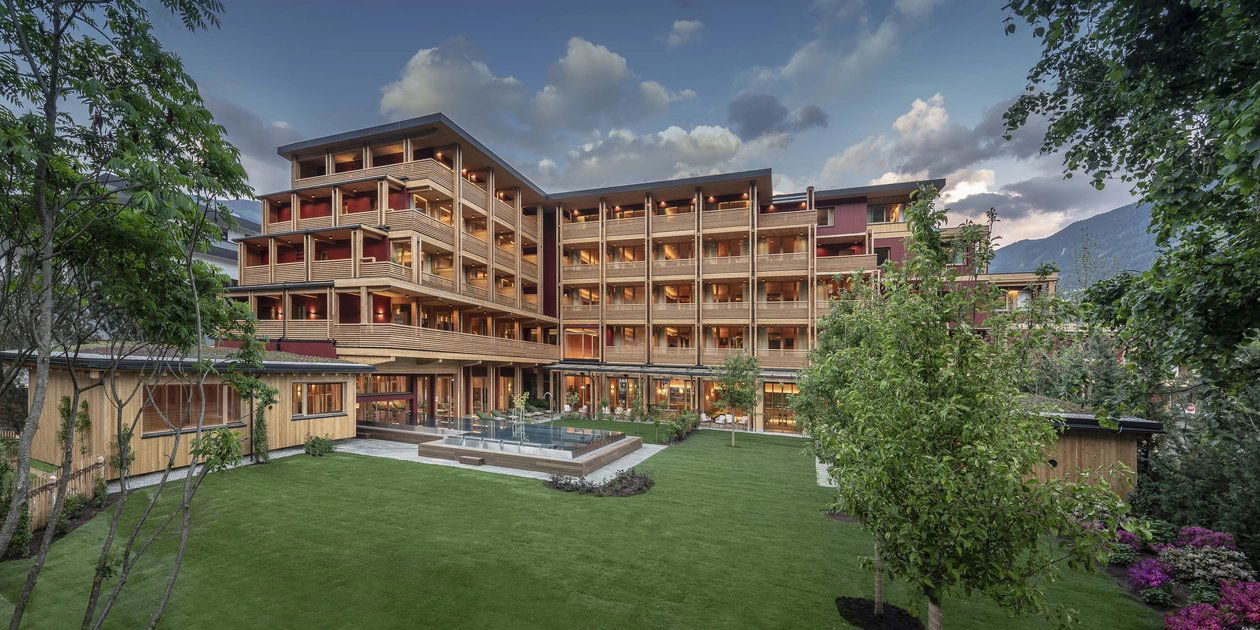
Warm wooden interiors radiate calm and harmony with light-flooded rooms, elegant fabrics, and a peaceful spa oasis.
Tags
Vibe
Best For
Experience
Amenities
View
Accessibility
About the Stay
- Rooms
- 0
- Check-in
- 15:00
- Check-out
- 10:00
- Property Style
- 5*superior Green Spa Hotel with Natural Wood Architecture
- Design Style
- Modern Wooden Design with Cozy, Sustainable Elegance
Know before you go
Know Before You Go
- Getting there
- Rohrerstraße 5, 6280 Zell am Ziller, Austria
Planning details
Location
Recognition and awards
Also consider
Also Consider
- Das Posthotel, Notable alternative
- Wellnesshotel Theresa, Notable alternative
- HochLeger Luxus Chalet Refugium am Berg, Notable alternative
- Das Kaltenbach, Notable alternative
- Huber's Boutiquehotel, Notable alternative
Hotel context
How it compares in Zell am Ziller
MalisGarten is the wellness-led choice for travelers who want village access and a calmer recovery focus. Das Posthotel is the stronger cross-shop for a classic Zell am Ziller hotel stay, while Wellnesshotel Theresa is the more direct comparison if the decision is centered on spa time and a traditional Tyrolean hotel feel.
For seclusion, HochLeger Luxus Chalet Refugium am Berg changes the brief completely: better for travelers who want a retreat-style stay away from village routines, less convenient for anyone who wants simple town access. Das Kaltenbach and Huber's Boutiquehotel are useful alternatives if location flexibility matters more than staying directly in Zell am Ziller.
On booking ease, MalisGarten has an advantage for later planners because it is marked easy to book. For value, compare shoulder-period dates first: if prices tighten in peak winter, Das Posthotel or Wellnesshotel Theresa may make more sense depending on room category and inclusions.
Explore Zell am Ziller
Around this place
Discover more on Pearl
Unlock the full MalisGarten guide in Pearl, including awards, comparisons, FAQs, planning details, and nearby places.
Compare MalisGarten
| Venue | Location | Awards |
|---|---|---|
| MalisGarten | Zell am Ziller | 2026 The Longevity Hotels Collection |
| Das Posthotel | Zell am Ziller | 2026 La Liste Top Hotels2026 Michelin 1 Key2025 Michelin 1 KeySmall Luxury Hotels Member 2025 |
| Wellnesshotel Theresa | Zell am Ziller | 2026 La Liste Top Hotels |
| HochLeger Luxus Chalet Refugium am Berg | Tyrol | No published awards |
| Das Kaltenbach | Kaltenbach | No published awards |
| Huber's Boutiquehotel | Mayrhofen | No published awards |




How MalisGarten Zell am Ziller compares with similar nearby venues.
FAQ
Frequently Asked Questions
Which room category is best at MalisGarten?
Choose only after checking MalisGarten's current room descriptions, inclusions, and booking terms directly with the venue.
Do loyalty programs work at MalisGarten?
MalisGarten is recognized as a The Longevity Hotels Longevity Hotel Member (2026). Points programs, member benefits, and other loyalty details should be checked with the venue's official channels for the latest details.
What is check-in like at MalisGarten?
How is the pool and spa at MalisGarten?
MalisGarten is recognized as a The Longevity Hotels Longevity Hotel Member (2026), but current facilities and access rules should be checked directly with the venue.
How is the dining at MalisGarten?
The dress code is smart casual, but menus, meal periods, inclusions, and dietary arrangements should be confirmed directly with MalisGarten.
Is MalisGarten family-friendly?
How is the location of MalisGarten?
MalisGarten is in Zell am Ziller. Specific street-address or arrival details should be confirmed directly with the venue before travel.