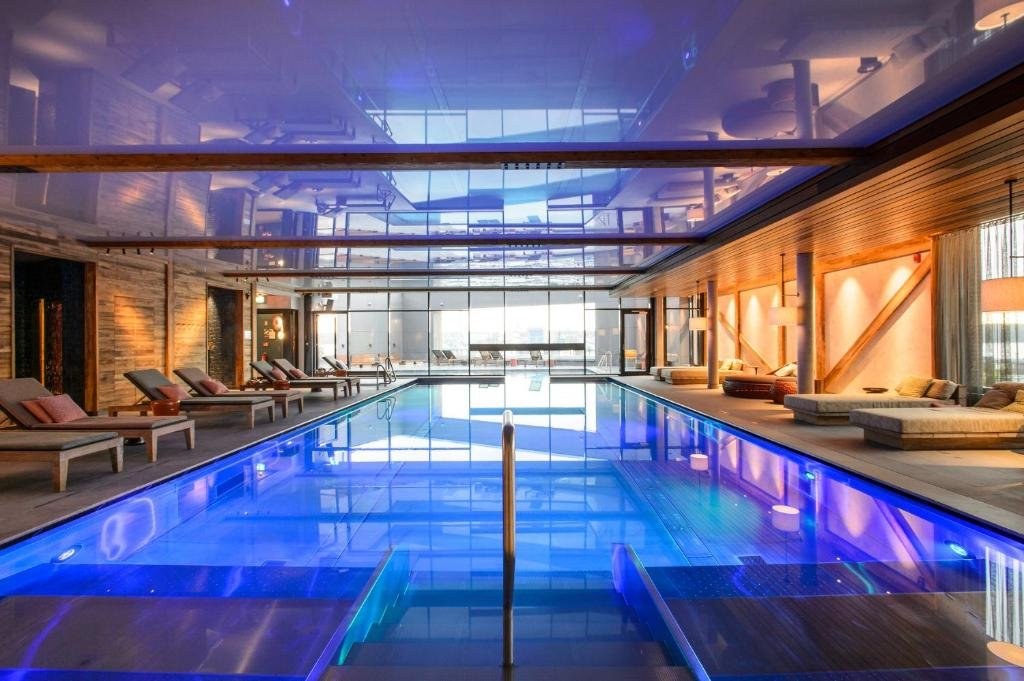


Das James
Sonwik, Flensburg
Hotel in Flensburg, Germany
 Book with Pearl
The Read
Fjord-Facing Loft-Country Hybrid
Why go
Das James is worth short-listing for a polished Flensburg waterfront stay, especially for celebrations, wellness-leaning weekends, or business trips where the hotel needs to carry more of the experience. Michelin 1 Key recognition in 2025 gives it a credible quality signal, but hard booking difficulty means it is not a last-minute play.
About Das James
Should you stay at Das James in Flensburg? Consider it if the trip calls for a premium hotel in Flensburg rather than a simple place to sleep. Das James is a hotel-led choice: useful when the stay itself matters, and less essential when the room is only a practical overnight base.
The main reason to choose it is confidence. Michelin's 1 Key recognition in 2025 gives this stay an external quality signal, and its 2026 Longevity Hotels membership adds another recognition point. That matters for decision-making: if the stay is only about a bed near a schedule, compare more widely in Flensburg; if the stay needs to feel more considered, Das James belongs on the short list.
Choose it for a considered Flensburg stay, not a rushed city crash pad
The check-in-to-check-out logic is simple: book Das James when you expect the hotel itself to be part of the trip. Specific claims about booking difficulty, room types, dining format, amenities, and exact pricing should be checked directly before committing.
Dress code is smart casual. Beyond that, dining details, room categories, service specifics, and exact pricing are not useful to guess. The recommendation is to book based on the hotel's overall positioning and recognition: go if the plan values a premium base in Flensburg. Skip it if the trip is schedule-heavy and the room will mostly sit unused.
Who should cross-shop before committing
If the goal is a broader Flensburg decision, start with our full Flensburg hotels guide. Travelers building a full weekend can also use our Flensburg restaurants guide and our Flensburg experiences guide before locking in the hotel.
For a special stay in Flensburg, Das James is a strong short-list choice because of its recognition. For a lower-effort overnight, compare more widely. For a hotel-led trip, treat the property as the anchor, not the backup plan.
Inside Das James
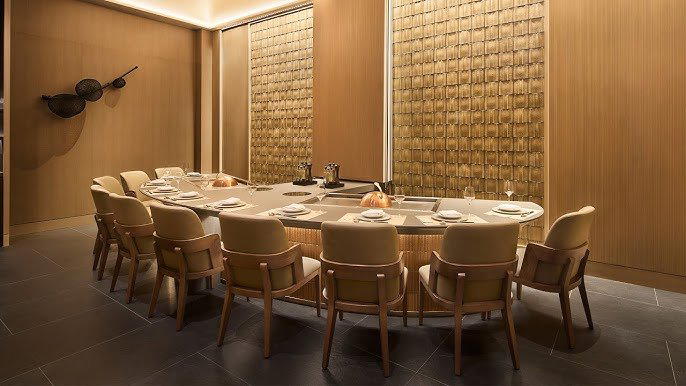 restaurantMinatoMinato holds a Michelin Plate for 2024 and 2025, placing it among a small tier of recognised sushi restaurants in northern Germany. Located on Flensburg's Fördepromenade, the restaurant operates in a city better known for its Baltic waterfront than its Japanese dining scene, making consistent Michelin recognition a meaningful signal of quality relative to its setting and price range.
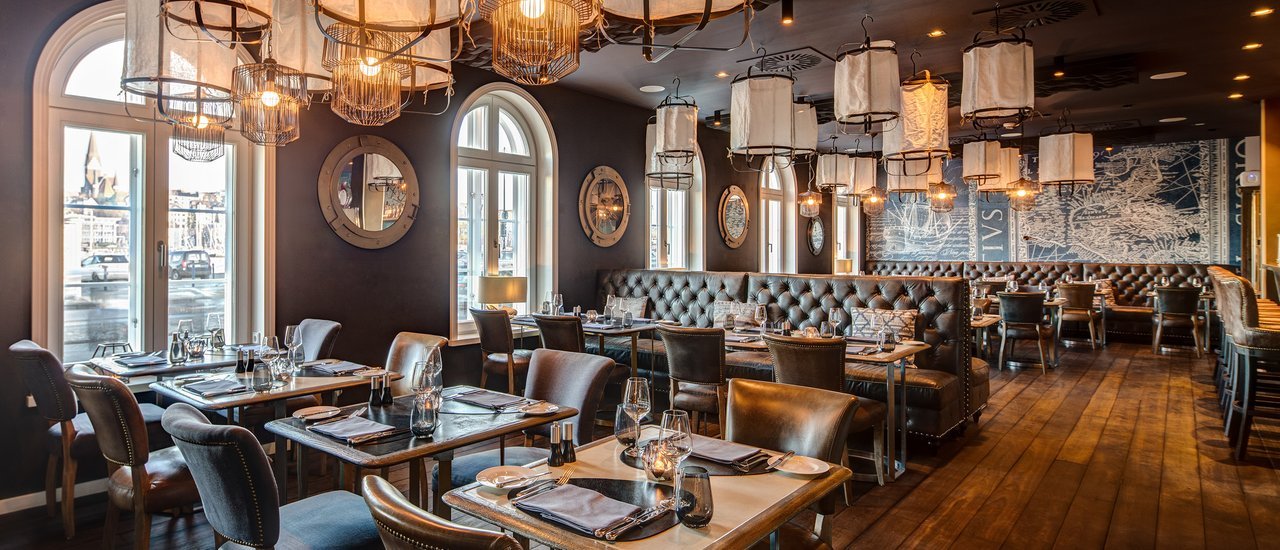
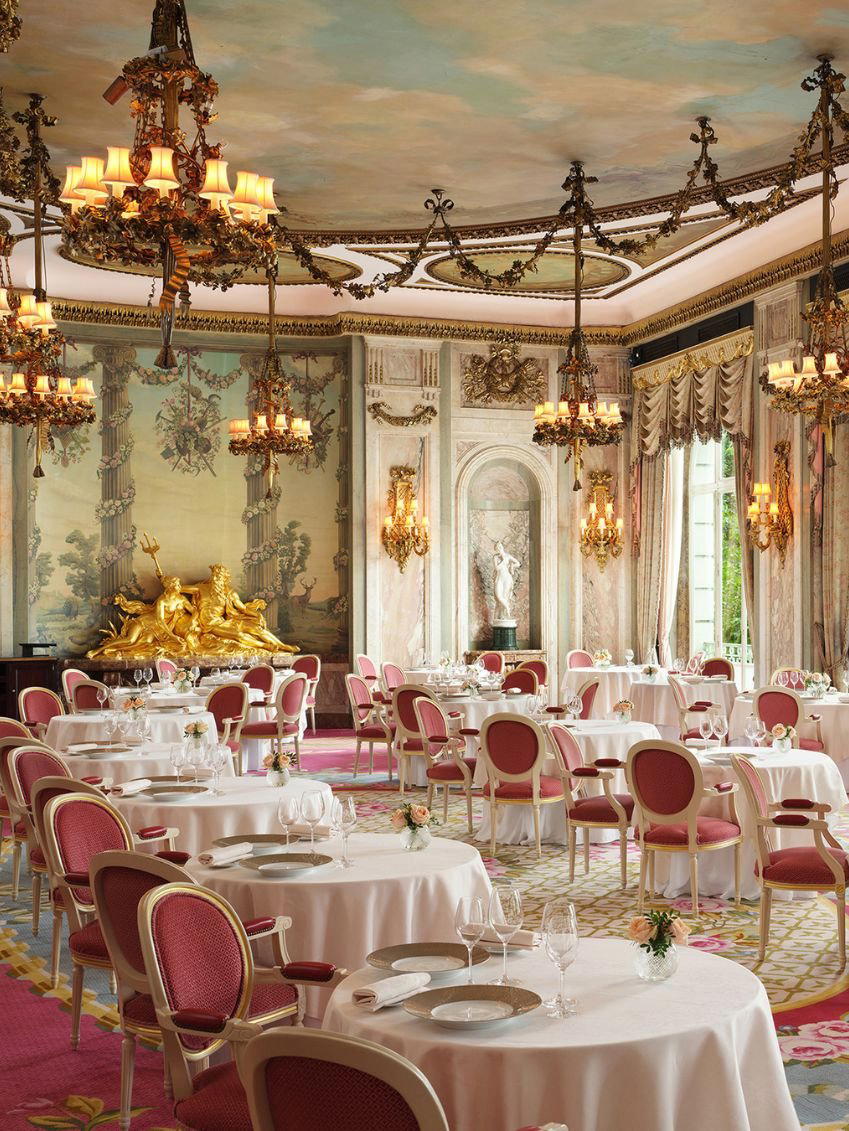 restaurantDas GraceInside a former naval building on Flensburg's marina, Das Grace holds a Michelin star for Chef Quirin Brundobler's seasonal set menus, Farm and Fjord, that draw produce from the restaurant's own James Farm and the surrounding Schleswig-Holstein coast. Seven-metre ceilings, silk-draped chandeliers, and water views set the physical register. At €€€€, it is the northern anchor of Germany's fine dining circuit.
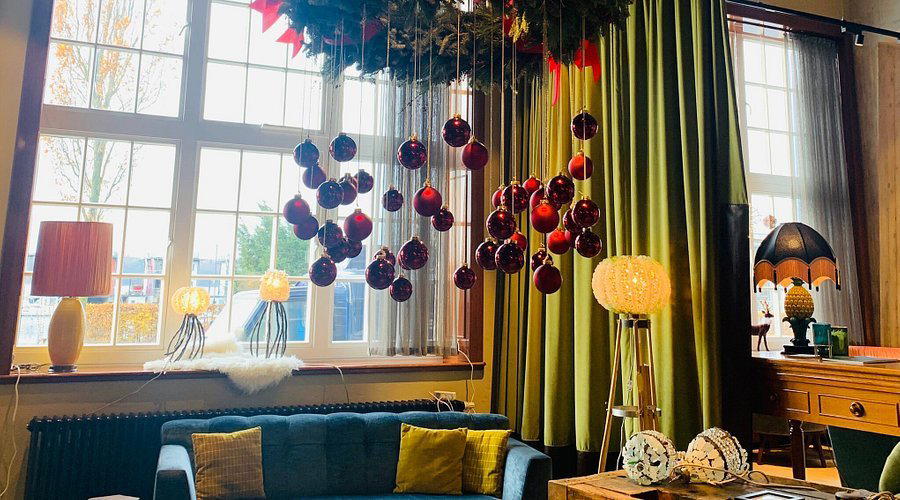 restaurantJames FarmhouseA Michelin Plate recipient in both 2024 and 2025, James Farmhouse on Flensburg's Fördepromenade brings regional cuisine to one of Germany's northernmost dining addresses. Sitting in the mid-range price tier for a recognized restaurant in this city, it represents the accessible end of Flensburg's small but credentialed dining scene, where Nordic proximity shapes what lands on the plate.
Planning details
- Location
- Fördepromenade 30, 24944 Flensburg
- Website
- dasjames.com
- Phone
- +49 461 1672360
The take
The Take
The Vibe
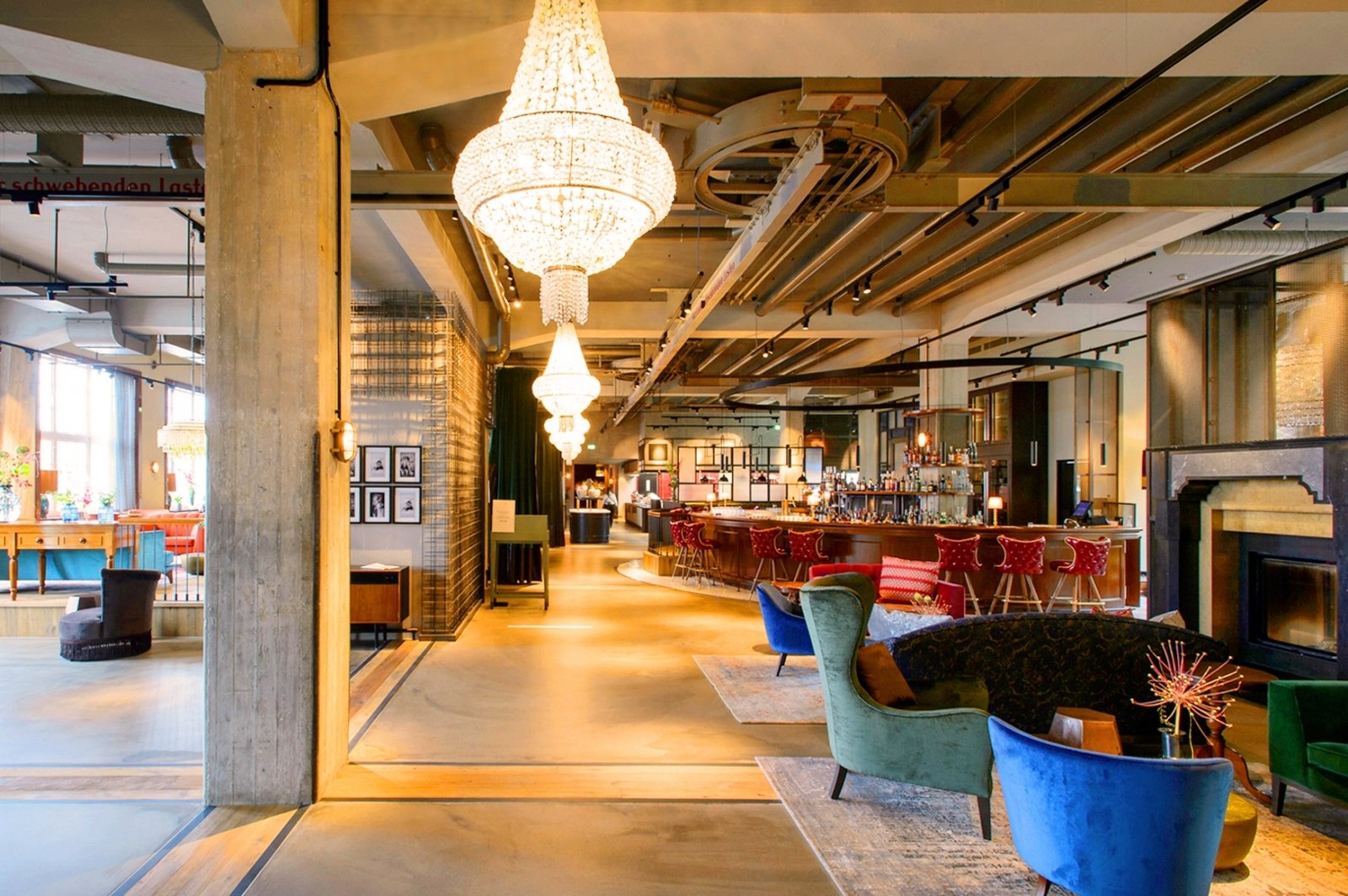
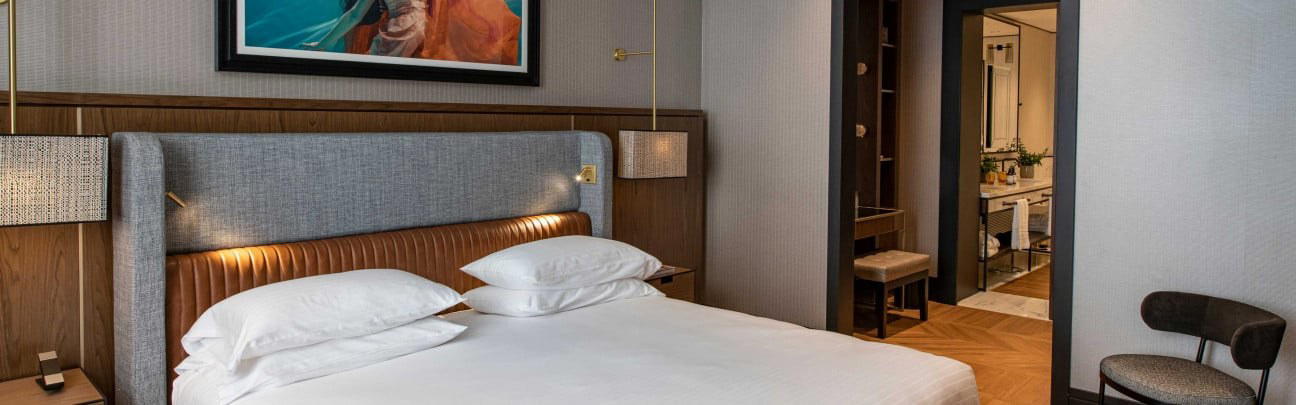
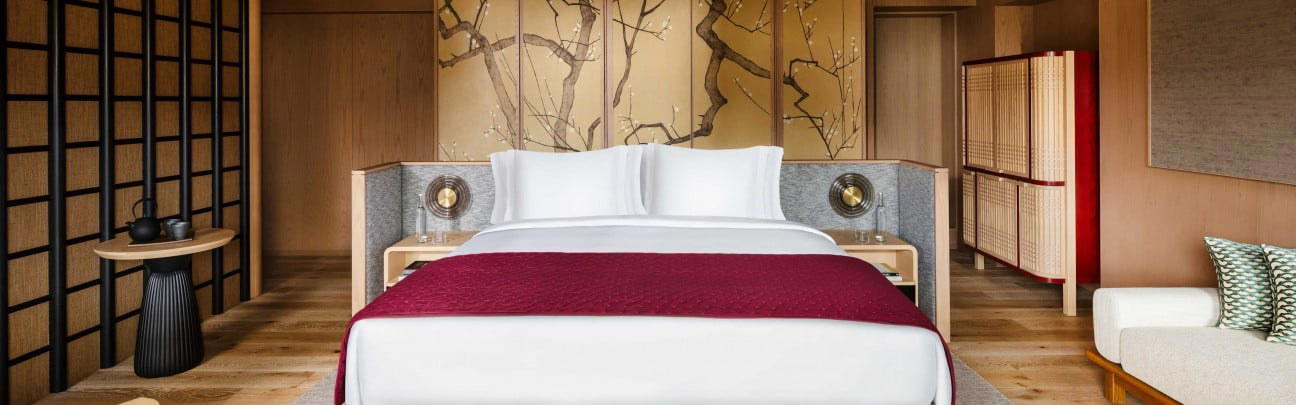
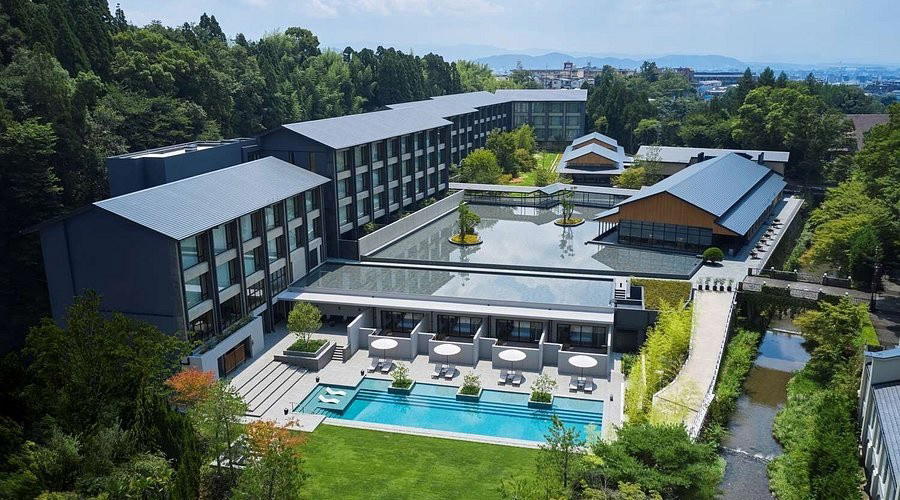
Das James synthesizes two distinct design languages into a single, confident identity. Country-house warmth — tactile materials and an unhurried rhythm — sits alongside the open volumes, raw textures and harder geometry of an urban loft. That tension between intimacy and lofted openness defines the guest experience: rooms and public spaces feel considered rather than categorical, where cozy details soften industrial edges. The fjord-side siting and promenade frontage add a scenic, maritime layer, so the hotel reads as both calming and architecturally assertive — a sophisticated hybrid that rewards design-minded travelers.
Best For
Das James is best for travelers who value design and a waterfront setting. Its location on the Fördepromenade makes it a strong pick for short escapes that prioritize views and the particular character of Flensburg's fjord; the property's country-house gestures and loft-like volume also suit couples seeking a romantic getaway or a quiet, design-forward weekend. The hybrid identity appeals to guests who want something more contemporary and considered than a standard historic hotel, and to anyone curious about a polished but relaxed stay anchored to the water.
Venue details
Ambiance
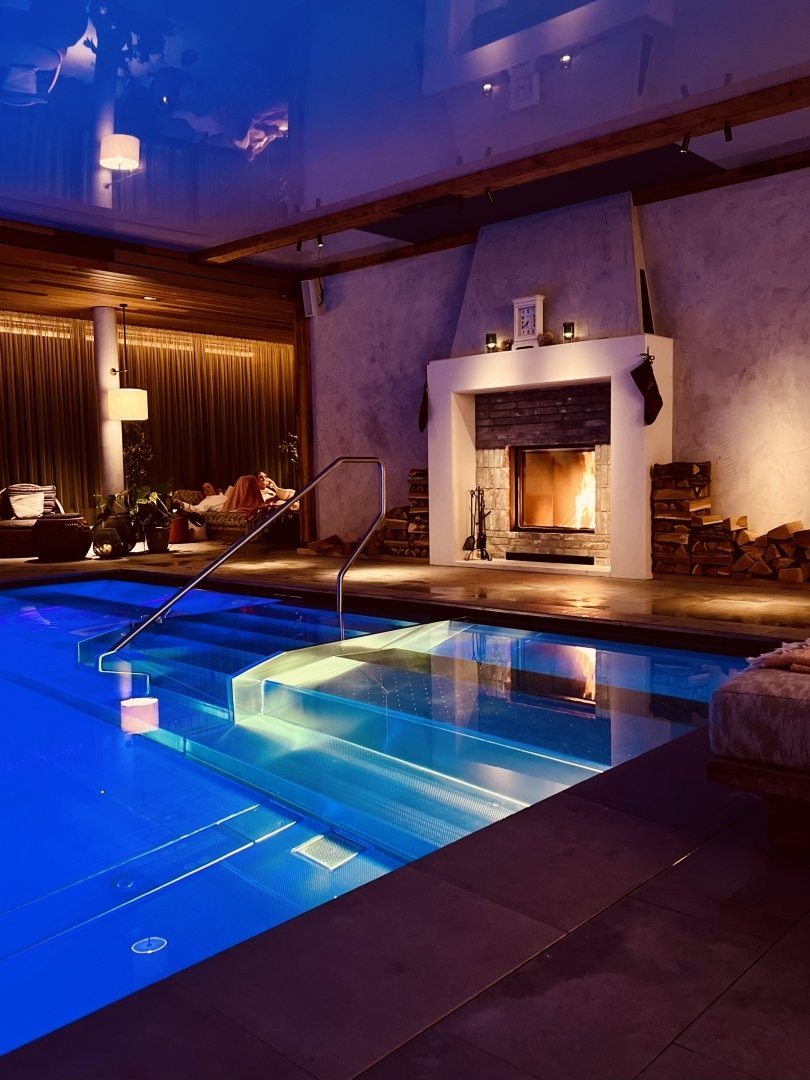
Stylish and elegant with warm hospitality, spacious clean rooms, and relaxing spa atmosphere.
Tags
Vibe
Best For
Experience
Amenities
View
About the Stay
- Rooms
- 81
- Check-in
- 16:00
- Check-out
- 12:00
- Property Style
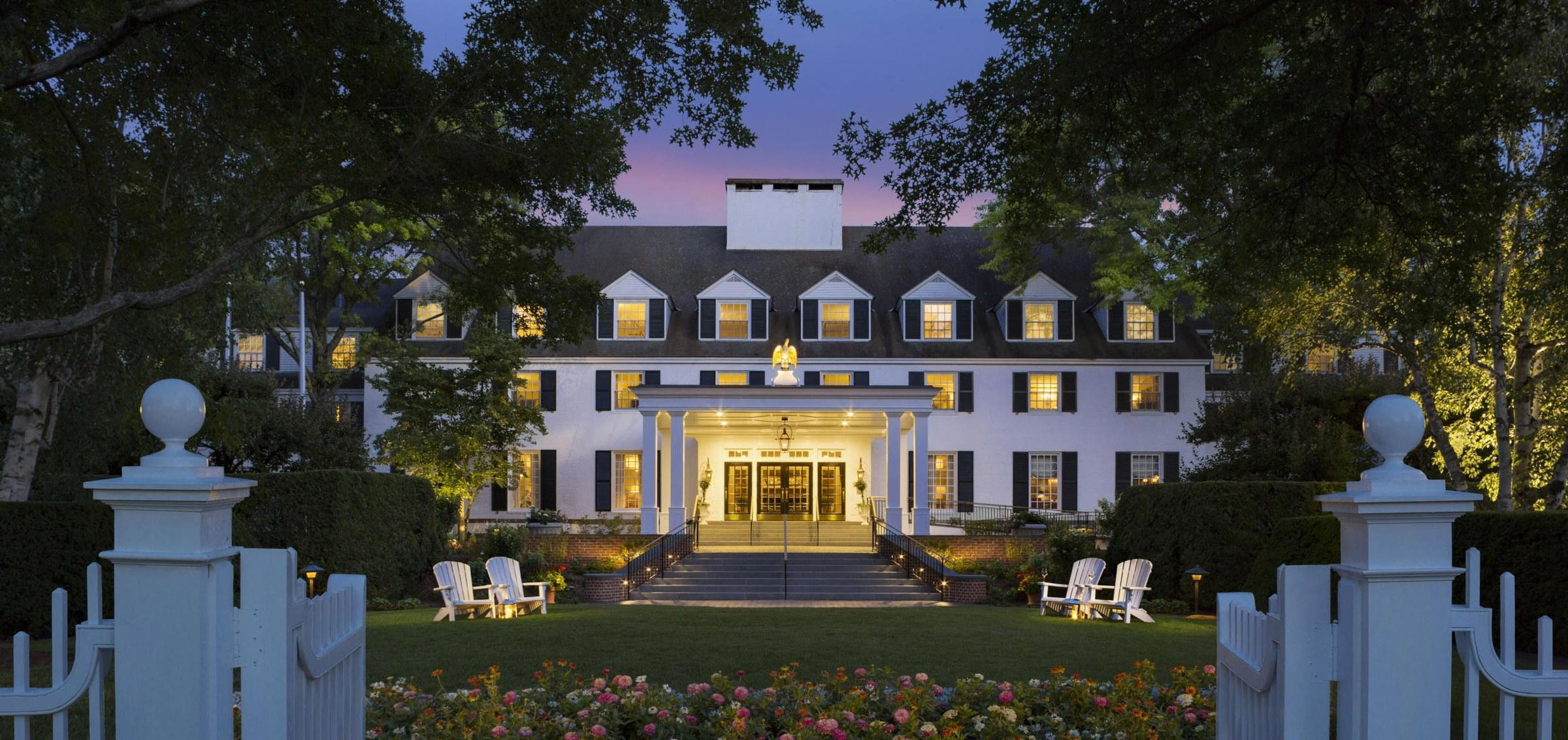
- Urban City and Holiday Hotel Blending Historical Charm with Modern Luxury
- Design Style
- Modern Design with Country House Influence and Urban Loft Style
Know before you go
Know Before You Go
- Getting there
- Fördepromenade 30, 24944 Flensburg
Planning details
Location
Recognition and awards
Also consider
Also Consider
- Vitalhotel Alter Meierhof, Notable alternative
- Strandhotel Glücksburg, Notable alternative
- Dyvig Badehotel, Notable alternative
- Falsled Kro, Notable alternative
- Landhaus Severin*s Morsum Kliff, Notable alternative
Hotel context
How It Compares
Against Vitalhotel Alter Meierhof and Strandhotel Glücksburg, Das James is the more Flensburg-focused choice. Pick it if staying close to the city matters and the trip needs a polished hotel base. Cross-shop Alter Meierhof or Strandhotel Glücksburg if the priority is a quieter resort-style setting outside the city rhythm.
Dyvig Badehotel and Falsled Kro make more sense for travelers willing to turn the stay into a wider regional detour. They are better cross-shops for atmosphere-led escapes than for a Flensburg itinerary. Das James is the cleaner recommendation when the city itself is part of the plan and booking certainty matters.
Landhaus Severin*s Morsum Kliff belongs in the comparison only if the brief is a bigger northern coastal trip rather than Flensburg specifically. Choose Das James for a special-occasion stay anchored in Flensburg; choose the out-of-metro peers when the hotel destination matters more than the city logistics.
Explore Flensburg
Around this place
Discover more on Pearl
Unlock the full Das James guide in Pearl, including awards, comparisons, FAQs, planning details, and nearby places.
Compare Das James
| Venue | Location | Awards |
|---|---|---|
| Das James | Flensburg | 2026 The Longevity Hotels Collection2026 Michelin 1 KeyMichelin 1 Key 20252025 Michelin 1 Key |
| Vitalhotel Alter Meierhof | Heiligendamm | 2026 Michelin 2 Keys2025 Michelin 2 Keys |
| Strandhotel Glücksburg | Glücksburg | No published awards |
| Dyvig Badehotel | Nordborg | 2026 Michelin Guide New Hotels2026 Relais Chateaux Hotels2025 Michelin Selected Hotels2025 Relais Chateaux Award |
| Falsled Kro | Falsled | 2026 Relais Chateaux Hotels2026 Michelin 1 Key2025 Michelin 1 Key2025 Relais Chateaux Award |
| Landhaus Severin*s Morsum Kliff | Sylt | 2026 Michelin 1 Key2025 Michelin 1 Key |




How Das James Flensburg compares with similar nearby venues.
FAQ
Frequently Asked Questions
How is the dining at Das James?
Do not book solely on assumed dining details. If your priority is a meal-led trip, compare other dining in Flensburg; if you want a recognized hotel base in Flensburg, Das James makes more sense. Confirm specific restaurant programs, cuisine, menu format, and pricing directly.
Which room category is best at Das James?
The best choice for room categories depends on what the hotel is currently offering for your dates. Confirm room types, views, inclusions, and cancellation terms directly before booking.
How is the location of Das James?
Das James is in Flensburg. Confirm the exact address or neighborhood details against your plans before booking.
Is Das James good for business travel?
It can make sense for travelers who want a premium hotel in Flensburg with a clear quality signal from the Michelin 1 Key. Confirm any specific meeting, workspace, or transport needs directly.
When is the best time to book Das James?
How does Das James compare to nearby hotels?
Pick Das James when you want Flensburg itself and a hotel with Michelin 1 Key recognition. Vitalhotel Alter Meierhof and Strandhotel Glücksburg may suit travelers considering other places in the wider area, while Dyvig Badehotel, Falsled Kro, and Landhaus Severin*s Morsum Kliff are better treated as separate destination choices rather than Flensburg substitutes.