



Monaci delle Terre Nere
Zafferana Etnea
Hotel in Zafferana Etnea, Italy
 Book with Pearl
The Read
Volcanic Estate Hospitality
Why go
A strong Etna-side choice for a special-occasion stay in Zafferana Etnea, especially if service confidence matters more than chasing the lowest rate. Michelin 1 Key, La Liste Top Hotels 2026 recognition, Relais & Châteaux, Virtuoso, and Mr & Mrs Smith credentials make it a safer luxury pick than a rural stay chosen on setting alone.
About Monaci delle Terre Nere
Book Monaci delle Terre Nere if you are looking for a recognized hotel stay in Zafferana Etnea. The clearest reasons to shortlist it are its hospitality recognition and its smart casual dress code; for specific facilities, menus, room types, or location details beyond Zafferana Etnea, confirm directly.
It boasts Michelin 1 Key recognition in 2024, a La Liste Top Hotels 2026 score of 91 points, a Relais Chateaux Award in 2026, Virtuoso Luxury Hotel Partner status in 2026, and the Mr & Mrs Smith Seal of Approval in 2026. Those credentials make it a recognized hotel choice for travelers who value such accolades, and it is wise to confirm the finer details of the stay directly before booking.
For Zafferana Etnea stays, recognition is the deciding factor
The practical call: choose this if awards and hotel affiliations matter to your decision. Monaci delle Terre Nere is a recognized hotel option in Zafferana Etnea, but for specific claims about dining format, amenities, service routines, room categories, or on-property experiences, it is best to confirm directly.
It is also worth being precise about expectations. If you need a particular facility, meal service, accessibility feature, or itinerary support, confirm those details with the hotel before booking. Key features include its Zafferana Etnea location, smart casual dress code, and recognition.
Use Zafferana Etnea as the filter, not just Sicily
Zafferana Etnea is the location to consider when comparing this stay. For broader planning, it is reasonable to compare Monaci delle Terre Nere with other named options such as Donna Carmela Resort & Lodges, DonnaCarmela Resort & Lodges, Elle Dimora di Sicilia, Villa Neri Resort & Spa, and Zash Country Boutique hotel & SPA, while confirming each property's exact location and offering separately.
For dining plans, compare the hotel with other dining in Zafferana Etnea generically rather than assuming specific cuisine, menus, hours, or service formats. These details should be checked directly before making plans.
For a wider hotel shortlist, keep the comparison focused on what is known: Monaci delle Terre Nere is a recognized hotel in Zafferana Etnea with smart casual dress code guidance and awards or affiliations. Avoid relying on assumptions about price, facilities, food and beverage programs, or special-occasion services.
Inside Monaci delle Terre Nere
Planning details
- Location
- Via Monaci, Via Pietralunga, sn, 95019 Zafferana Etnea CT
- Website
- monacidelleterrenere.it
- Phone
- +39 095 708 3638
The take
The Take
The Vibe
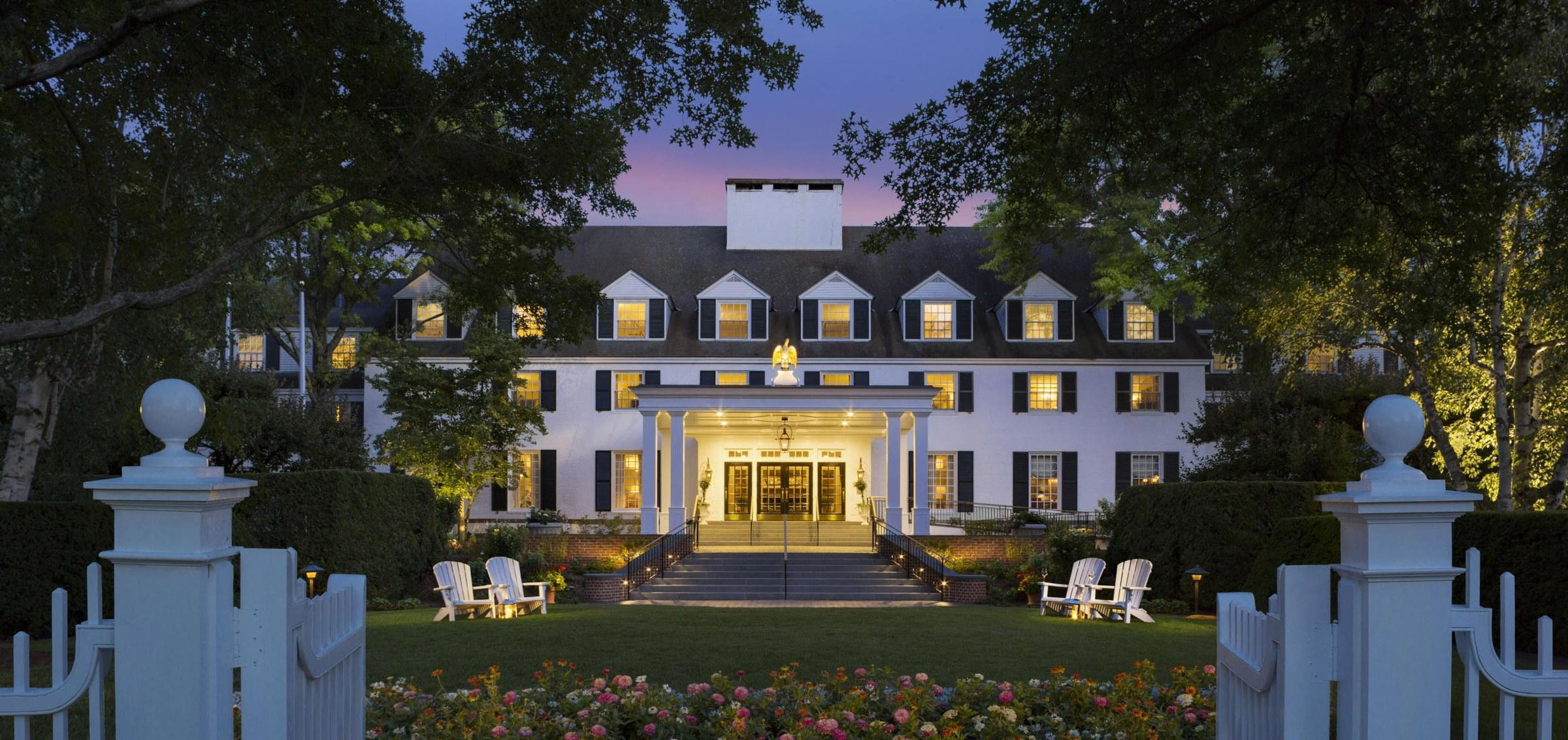
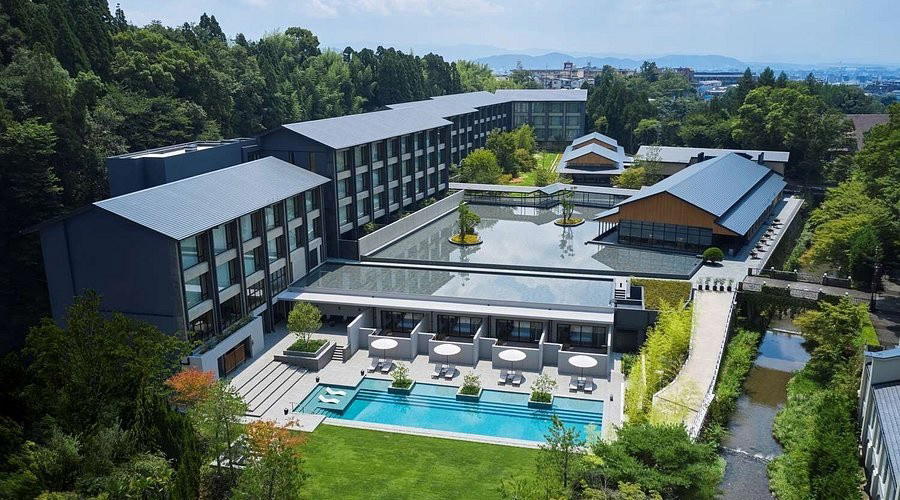
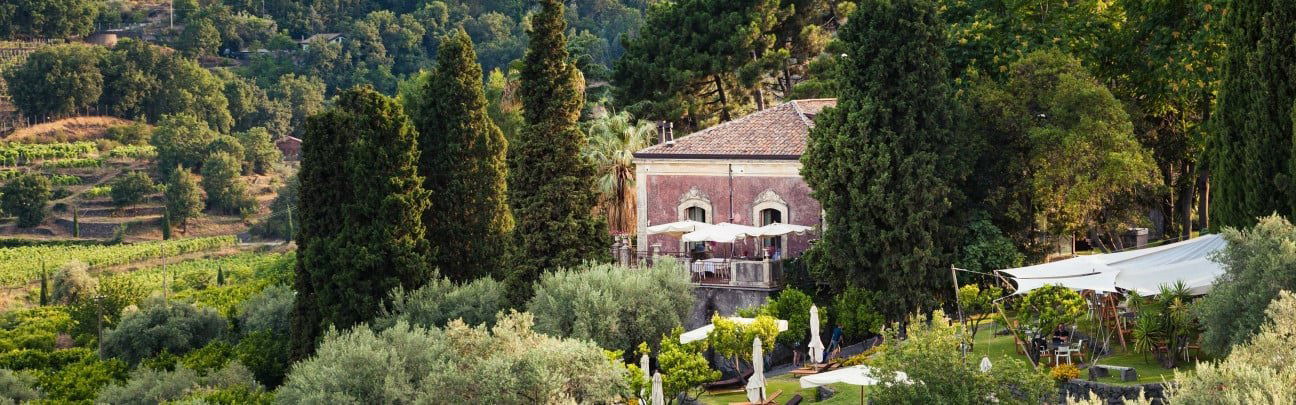
Monaci delle Terre Nere presents a property where geology and architecture read as one. Built of local black basalt and set at 500 metres on the southern flank of Mount Etna, the estate foregrounds volcanic terrain: walls, pathways and terraces look as if they grew from the hillside rather than were placed upon it. The restoration preserves weathered stone and historic patina, so the place feels rooted and quietly assertive rather than prettified. Vineyards and the enveloping Etna park create a landscape-first aesthetic; the result is a dignified, timeless atmosphere that highlights provenance and place.
Best For
The estate suits travelers who prioritize landscape, history and a sense of place. It particularly appeals to couples and small groups seeking a scenic, contemplative retreat among vineyards and volcanic terrain, and to anyone interested in architecture that expresses local geology. History buffs value the property's monastic origins and 18th-century villa fabric, while outside-minded visitors appreciate access to Etna National Park and uninterrupted vineyard vistas. This is not a town-center stopover but a destination stay that rewards slow exploration of grounds and the surrounding volcanic landscape.
Venue details
Ambiance
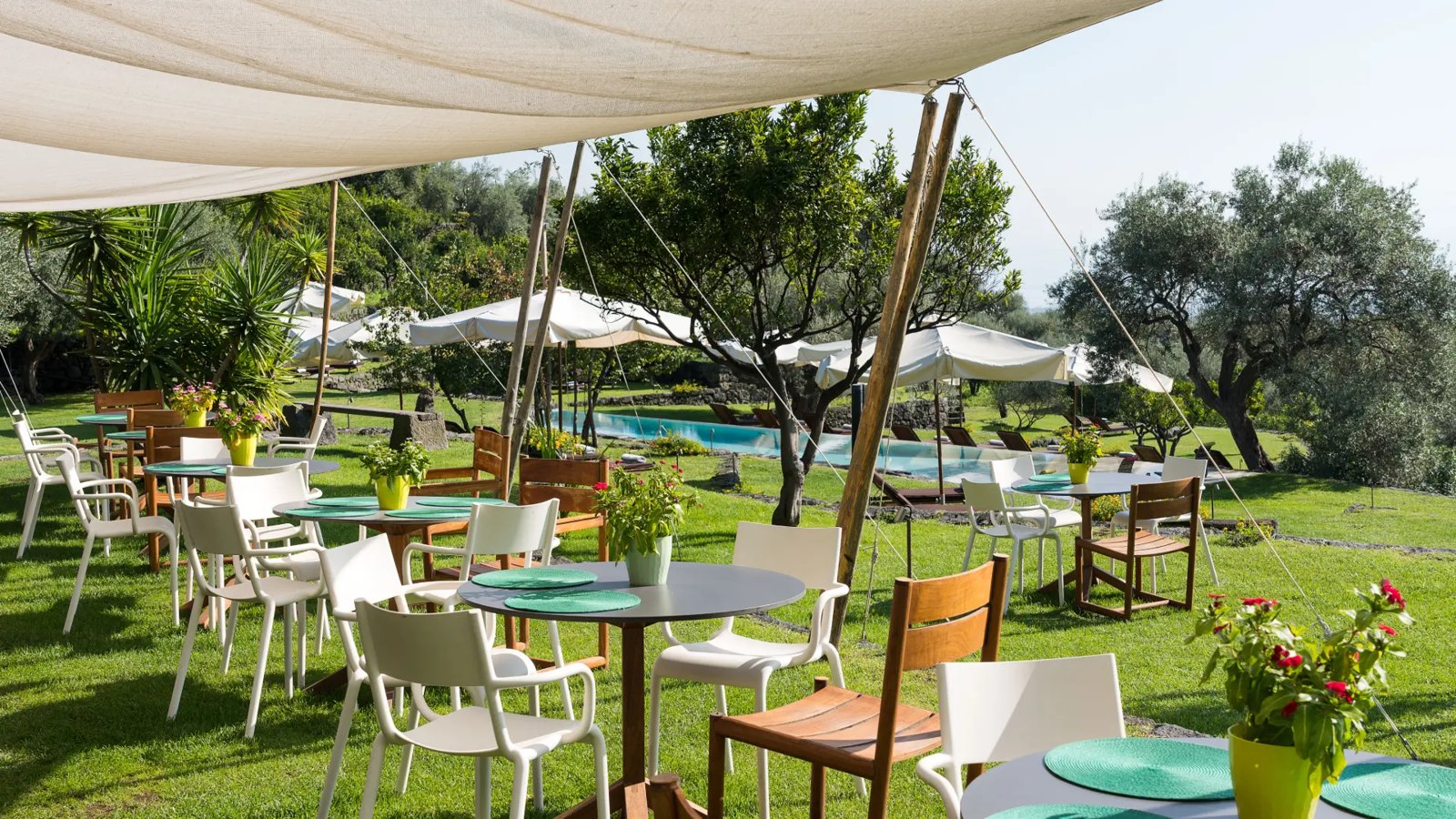
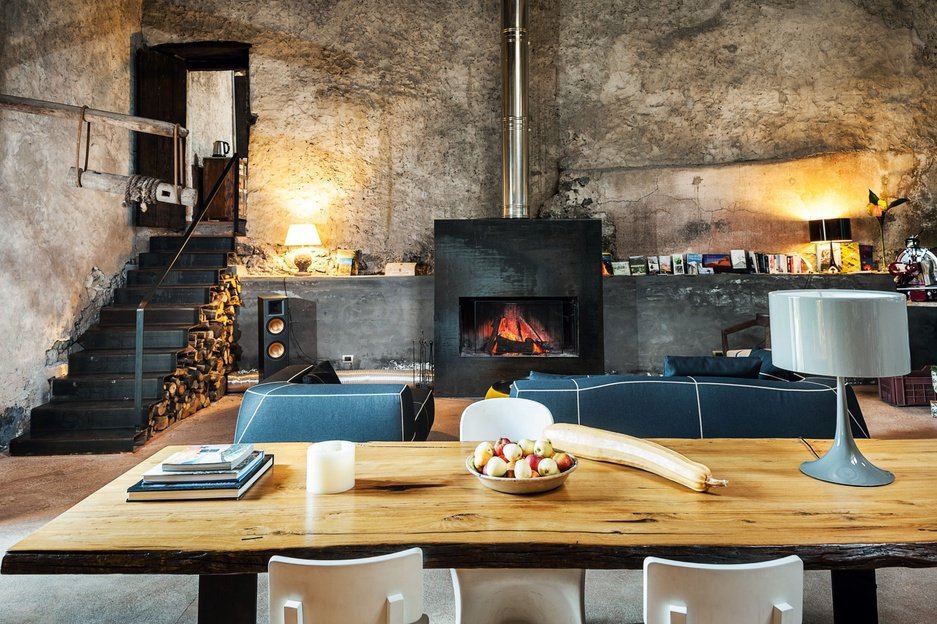
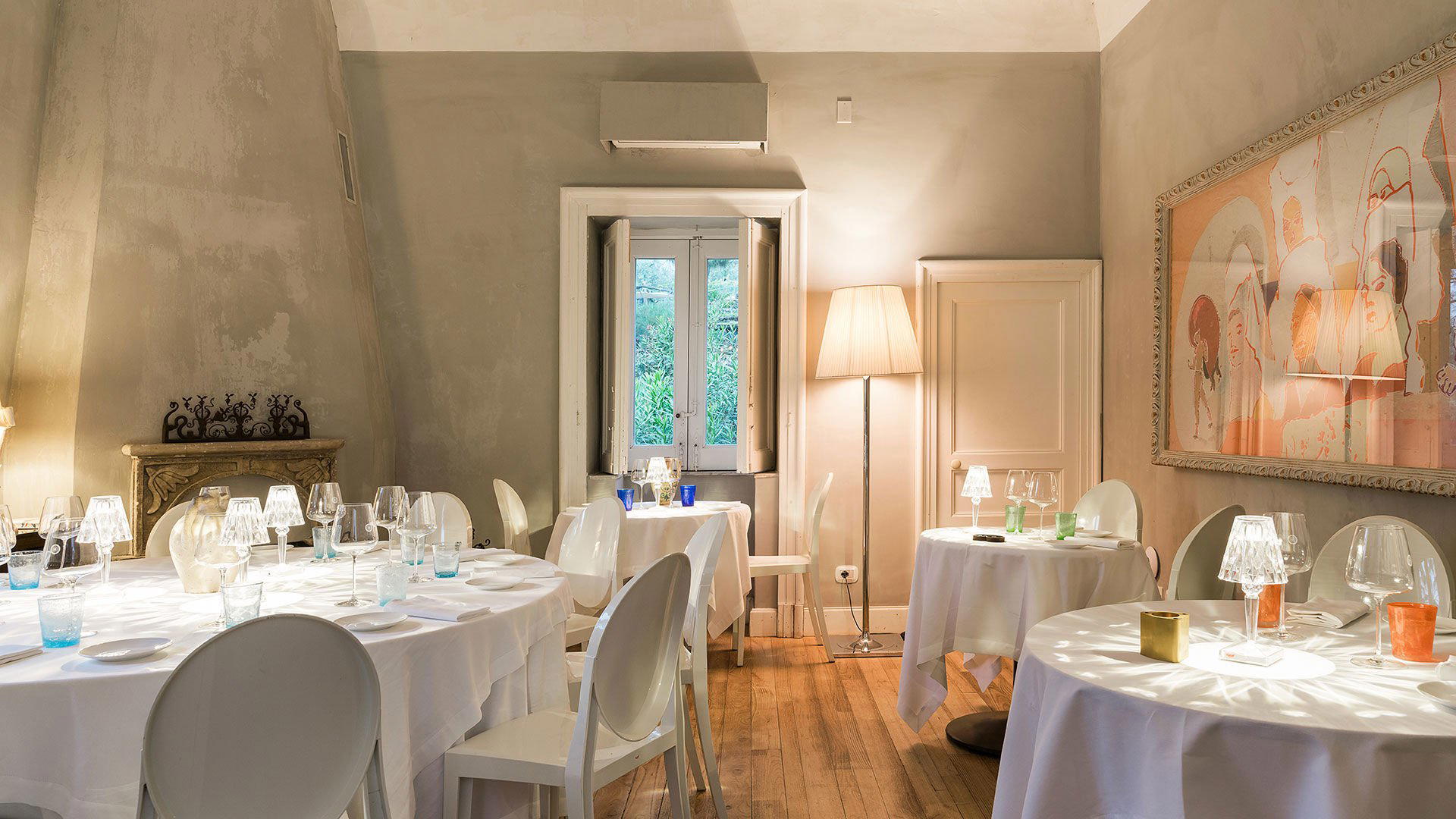
Peaceful and relaxing atmosphere immersed in nature among olive groves, citrus trees, and vineyards, with elegant 18th-century interiors featuring beautiful frescoes, warm fireplaces, and sublime breakfasts under pine trees.
Tags
Vibe
Best For
Experience
Amenities
View
About the Stay
- Rooms
- 24
- Check-in
- 15:00
- Check-out
- 11:00
- Property Style
- Restored 18th Century Masseria Transformed Into a Luxury Countryside Retreat
- Design Style
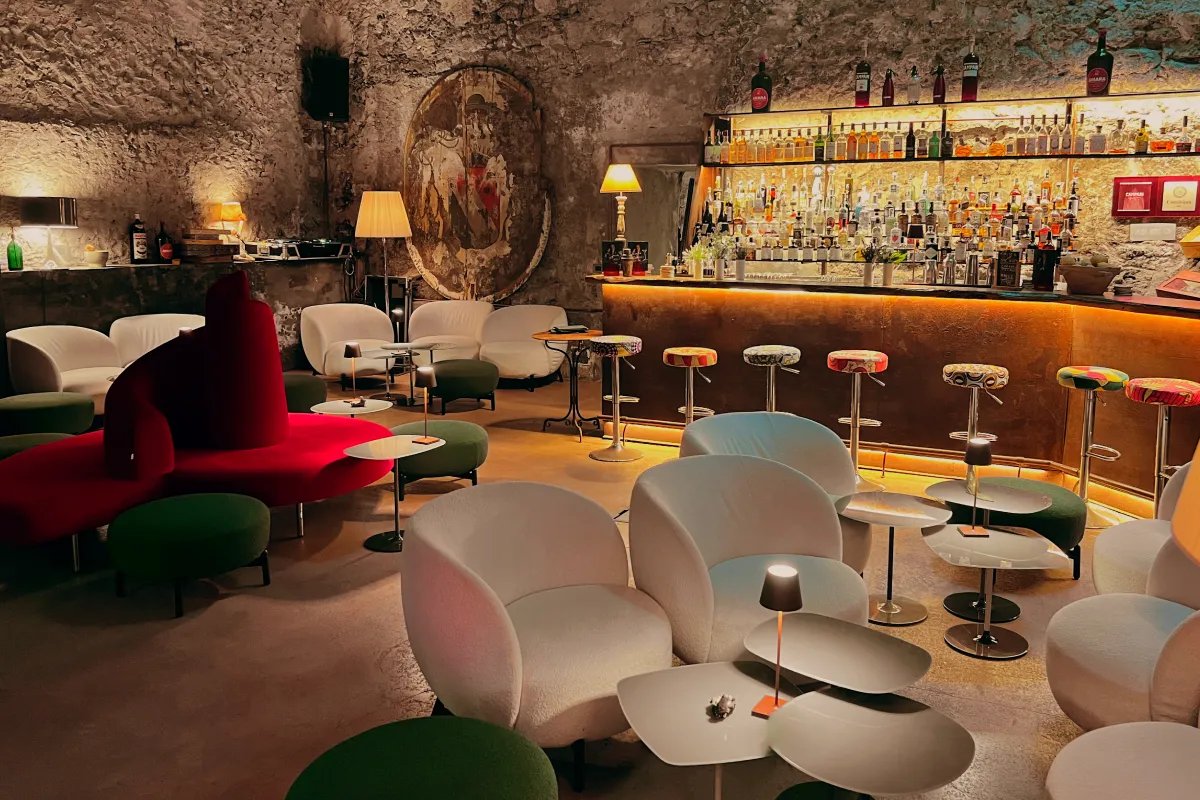
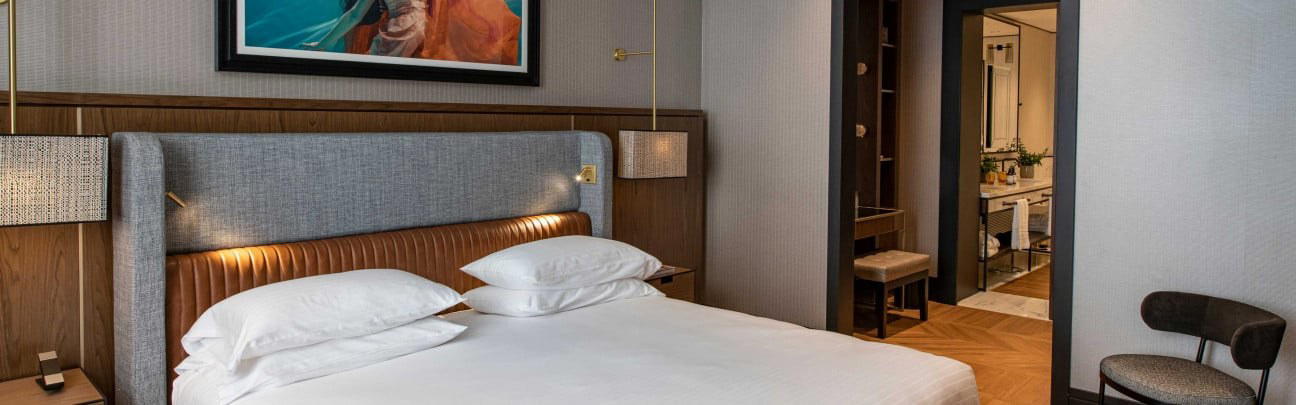
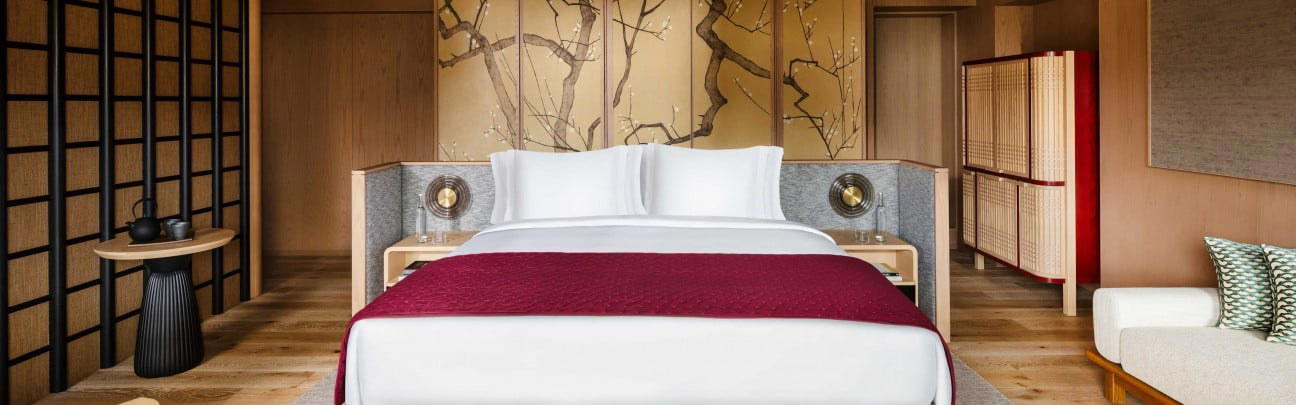
- Contemporary Italian Design Blended with Sicilian Artifacts and Original Art
Know before you go
Know Before You Go
- Getting there
- Via Monaci, Via Pietralunga, sn, 95019 Zafferana Etnea CT
Planning details
Location
Via Monaci, Via Pietralunga, sn, 95019 Zafferana Etnea CT · Directions



Also consider
Where to look if this is booked
If Monaci delle Terre Nere is unavailable, check Zash Country Boutique hotel & SPA first for an Etna-area stay with spa emphasis, then Villa Neri Resort & Spa if a more resort-style setup is preferable.
Hotel context
How It Compares
Choose Monaci delle Terre Nere over Donna Carmela Resort & Lodges or DonnaCarmela Resort & Lodges if the priority is a higher-confidence celebration stay with stronger recognition signals. The Donna Carmela options make more sense for travelers comparing countryside mood and likely value, but this is the safer call when service consistency is the reason for spending more.
Zash Country Boutique hotel & SPA and Villa Neri Resort & Spa are the more natural cross-shops for guests who want a polished Etna-area hotel experience. Pick Zash if spa-led downtime is the deciding factor, and consider Villa Neri if resort structure matters more than boutique-country-house character. For a harder-to-book, occasion-first stay, Monaci delle Terre Nere has the stronger credential stack.
Elle Dimora di Sicilia is the one to compare if the trip calls for a smaller, quieter Sicilian base rather than a recognized luxury hotel. It may suit travelers who want less formality, while Monaci delle Terre Nere is the better fit when the booking needs to carry a milestone trip without much guesswork.
Explore Zafferana Etnea
Around this place
Discover more on Pearl
Unlock the full Monaci delle Terre Nere guide in Pearl, including awards, comparisons, FAQs, planning details, and nearby places.
Compare Monaci delle Terre Nere
| Venue | Location | Awards |
|---|---|---|
| Monaci delle Terre Nere | Zafferana Etnea | 2026 Virtuoso Luxury Hotel Collection2026 Mr & Mrs Smith Luxury Hotels2026 Relais Chateaux Hotels2026 La Liste Top Hotels2026 Michelin 1 KeyMichelin 1 Key 20252025 Michelin 1 Key2025 Relais Chateaux Award2024 Michelin 1 Key |
| Donna Carmela Resort & Lodges | Carruba di Riposto | 2025 Michelin Selected HotelsSmall Luxury Hotels Member 2025 |
| DonnaCarmela Resort & Lodges | Catania | No published awards |
| Zash Country Boutique hotel & SPA | Riposto | No published awards |
| Villa Neri Resort & Spa | Linguaglossa | 2025 Michelin Selected HotelsSmall Luxury Hotels Member 2025 |
| Elle Dimora di Sicilia | Catania | No published awards |



How Monaci delle Terre Nere Hotel compares with similar nearby venues.
FAQ
Frequently Asked Questions
How is the location of Monaci delle Terre Nere?
What is check-in like at Monaci delle Terre Nere?
When is the best time to book Monaci delle Terre Nere?
If your dates are important, contact the hotel or your booking advisor directly and compare with options such as Villa Neri Resort & Spa.
Do loyalty programs work at Monaci delle Terre Nere?
Recognition includes Virtuoso Luxury Hotel Partner status in 2026 and the Mr & Mrs Smith Seal of Approval in 2026. Confirm loyalty earning or redemption terms before booking.
Which room category is best at Monaci delle Terre Nere?
Choose based on the current room descriptions provided by the hotel, and compare your needs with other options such as Elle Dimora di Sicilia if you are building a shortlist.
How is the dining at Monaci delle Terre Nere?
If food is central to the stay, confirm the current offering directly and compare with other options such as Zash Country Boutique hotel & SPA and Donna Carmela Resort & Lodges.