


Ovolo Woolloomooloo
Woolloomooloo
Hotel in Woolloomooloo, Australia
 Book with Pearl
The Read
Industrial Wharf Conversion
Price
$200–300per night
Why go
Book Ovolo Woolloomooloo if a Sydney wharf address and boutique-hotel character matter more than a conventional CBD stay. Recognition from La Liste Top Hotels, World Travel Awards, and MICHELIN Guide Hotels Selected gives it credible quality signals; confirm room type, wellness access, and rate inclusions before treating it as a pool-and-spa-led booking.
About Ovolo Woolloomooloo
Ovolo Woolloomooloo is best assessed as a Woolloomooloo hotel with a recognised boutique-hotel profile. Its recognition includes La Liste Top Hotels (2026) at 90.5pts, World Travel Awards 2025 Leading Boutique Hotel, and MICHELIN Guide Hotels Selected (2025). The dress code is smart casual. Beyond those points, travellers should confirm practical details directly before comparing rates.
The appeal is direct: this is an Ovolo Woolloomooloo stay in Woolloomooloo, with third-party hotel recognition rather than a long list of on-property specifics. If you are comparing the area more broadly, start with our full Woolloomooloo hotels guide, then cross-check other local dining and drinks options through our full Woolloomooloo restaurants guide, our full Woolloomooloo bars guide, our full Woolloomooloo wineries guide, and our full Woolloomooloo experiences guide.
Book for a recognised Woolloomooloo hotel, not an unchecked amenity list
This is a better fit for travellers who value a Woolloomooloo base and a hotel with recognition over a stay chosen around unconfirmed facilities or service details. The strongest case is the combination of Ovolo Woolloomooloo's location, smart-casual dress code, and recognition from La Liste, World Travel Awards, and MICHELIN Guide Hotels Selected.
The main reason to pause is also simple: specific room layouts, dining formats, wellness facilities, loyalty-program benefits, or other operational details are not established. If any of those points will determine the value of the stay, confirm them directly before booking. Use the accolades as a quality signal, but do not treat them as a substitute for checking the exact stay details you need.
Who should book, and who should cross-shop
Travellers who want Ovolo Woolloomooloo specifically, or who are prioritising a Woolloomooloo hotel with recognition, should keep it on the shortlist. Travellers whose decision depends on specific space, amenities, dining, or program benefits should compare carefully and confirm those details before committing.
For broader hotel planning, compare Ovolo Woolloomooloo with options such as Hotel Indigo Sydney Potts Point by IHG, Larmont Sydney, Medusa Hotel, Sofitel Sydney Wentworth, and Spicers Potts Point. Those comparisons are most useful when you are deciding whether the recognition and Woolloomooloo setting matter more than a different hotel style or brand profile.
Inside Ovolo Woolloomooloo

Planning details
- Location
- 4/6 Cowper Wharf Roadway, Woolloomooloo NSW 2011
- Website
- ovolohotels.com/ovolo/woolloomooloo
- Phone
- +61 2 9331 9000
The take
The Take
The Vibe
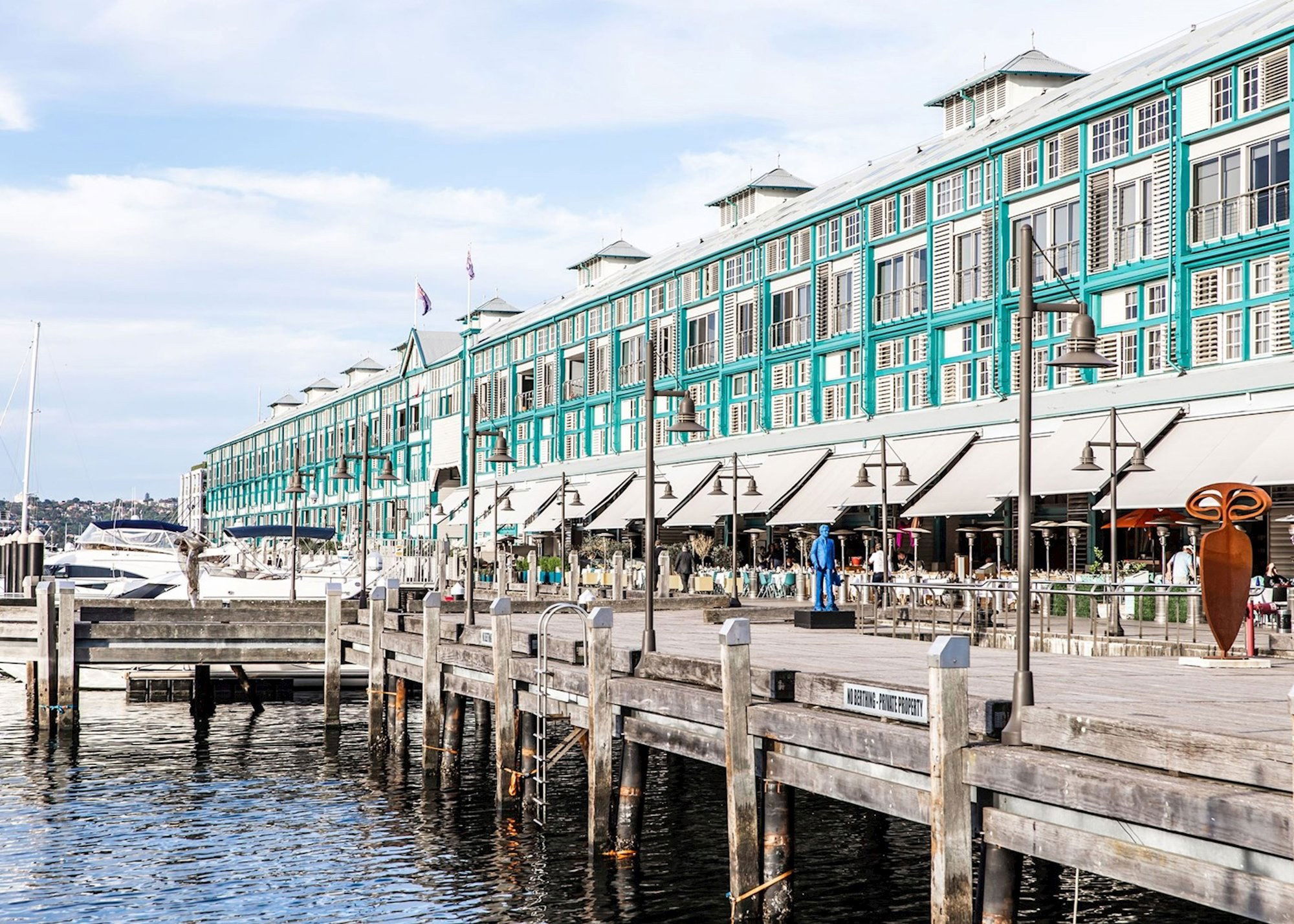
Ovolo Woolloomooloo leans into the productive tension between a raw, industrial past and punchy contemporary interiors. Set on a 1915 finger wharf, the hotel leaves exposed timber columns and cathedral‑scale ceilings on display, so the site’s heritage is never far from view. Inside, art-forward, maximalist touches and a deliberately irreverent design language offset the quieter grammar of restrained luxury — the result feels lively, curated and characterful. In summer the harbour’s light and leisure traffic animate the public spaces, making the waterfront setting as much a feature of the stay as the guestrooms themselves.
Best For
This is a boutique option for travelers who value personality and design as much as location. The wharf setting makes it particularly appealing to visitors arriving for Sydney’s busy summer social season, and to couples or friends looking for a stylish weekend escape with easy access to waterfront dining. The hotel’s art-forward interiors and unapologetic contrast of heritage and contemporary programming also suit guests on creative or culturally minded trips, while its central wharf address keeps business and leisure activity within easy reach.
Venue details
Ambiance
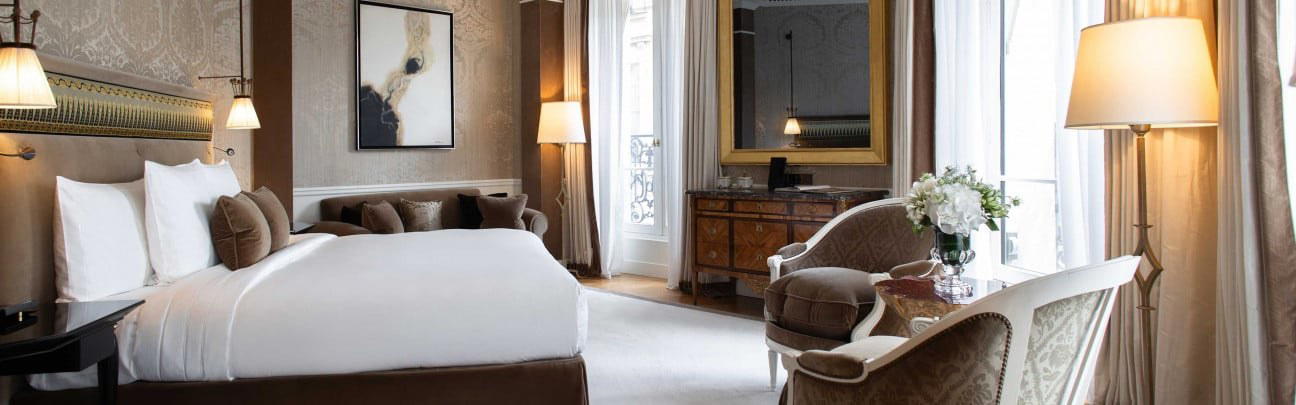
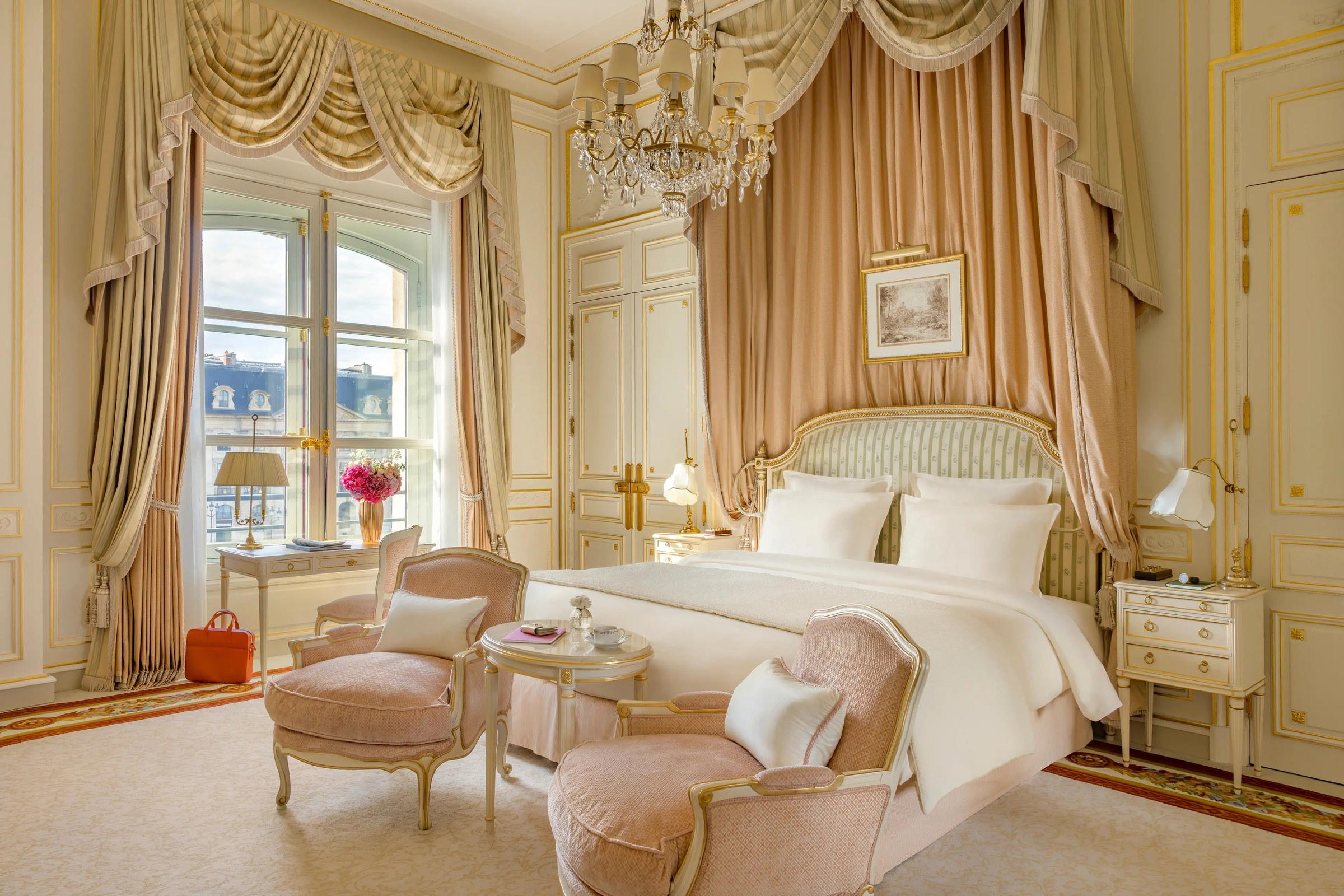
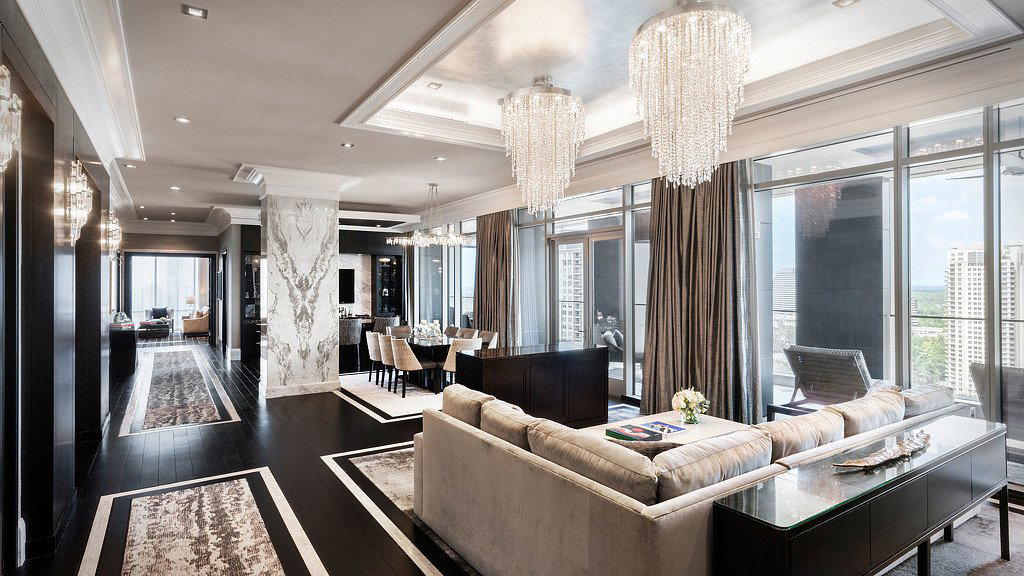
Bright, high-ceilinged industrial spaces with original woolhouse features, abundant greenery, and contemporary colorful interiors creating a sophisticated yet playful atmosphere.
Tags
Vibe
Best For
Experience
Amenities
View
Accessibility
About the Stay
- Rooms
- 100
- Check-in
- 15:00
- Check-out
- 11:00
- Property Type
- Boutique hotel
- Property Style
- Contemporary Luxury Boutique Hotel Blending Heritage Industrial Architecture with Modern Design, Funky Artistic Touches, and Sophisticated Amenities.
- Design Style
- Eclectic Mix of Original Wharf Features, Bold Colors, Quirky Art, Contemporary Furnishings, and Abundant Greenery Creating a Playful Yet Refined Aesthetic.
- Airport Transfer
- Available
- Pool
- Yes
- Pets
- Allowed
- Families
- Welcome
- Cancellation
- Flexible
Know before you go
Know Before You Go
- Getting there
- 4/6 Cowper Wharf Roadway, Woolloomooloo NSW 2011
Planning details
Location
4/6 Cowper Wharf Roadway, Woolloomooloo NSW 2011 · Directions
Recognition and awards


Also consider
Where to look if this is not the right fit
If the wharf setting is less important than a quieter Potts Point stay, start with Spicers Potts Point. If the trip needs a more central, conventional hotel base, compare rates and room types at Sofitel Sydney Wentworth.
Hotel context
How it compares with nearby Sydney hotels
Ovolo Woolloomooloo is the stronger choice if atmosphere and a waterfront-adjacent Woolloomooloo base are the main reasons for booking. Spicers Potts Point is the cross-shop for a quieter Potts Point boutique stay, while Larmont Sydney and Hotel Indigo Sydney Potts Point by IHG make more sense for travellers who want the Potts Point side of the city rather than the wharf mood.
For a more corporate Sydney stay, Sofitel Sydney Wentworth is the safer comparison, especially for guests who want a central business-hotel feel. Medusa Hotel is the alternative for a smaller, more intimate city-fringe stay. Booking difficulty is listed as easy here, so the bigger decision is not access; it is whether the wharf setting is worth prioritising over Potts Point village energy or CBD convenience.
Explore Woolloomooloo
Around this place
Discover more on Pearl
Unlock the full Ovolo Woolloomooloo guide in Pearl, including awards, comparisons, FAQs, planning details, and nearby places.
Compare Ovolo Woolloomooloo
| Venue | Location | Awards |
|---|---|---|
| Ovolo Woolloomooloo | Woolloomooloo | 2026 La Liste Top HotelsWorld Travel Awards 20252025 Michelin Selected Hotels |
| Spicers Potts Point | Potts Point | No published awards |
| Larmont Sydney | Sydney | No published awards |
| Hotel Indigo Sydney Potts Point by IHG | Sydney | No published awards |
| Sofitel Sydney Wentworth | Sydney | No published awards |
| Medusa Hotel | Darlinghurst | No published awards |
How Ovolo Woolloomooloo compares with similar nearby venues.
FAQ
Frequently Asked Questions
How is the dining at Ovolo Woolloomooloo?
A specific dining format, cuisine, menu, or service style is not established. Treat dining as something to confirm directly with the hotel rather than the main reason to book. The stronger draw is the hotel profile: Ovolo Woolloomooloo has MICHELIN Guide Hotels Selected (2025), La Liste Top Hotels (2026) at 90.5pts, and World Travel Awards 2025 Leading Boutique Hotel recognition.
How is the location of Ovolo Woolloomooloo?
Ovolo Woolloomooloo is in Woolloomooloo. If location is central to the trip, compare it with other hotels you are considering, including Sofitel Sydney Wentworth, based on the general area and travel pattern you prefer.
Is Ovolo Woolloomooloo family-friendly?
Specific family facilities, room configurations, or child-focused services are not established. It may still suit some travellers depending on the room type and rate, but families should confirm space and practical requirements directly before booking. Hotel Indigo Sydney Potts Point by IHG is another option to compare if you are weighing different hotel styles.
Which room category is best at Ovolo Woolloomooloo?
A best room category or signature room type is not identified. Choose based on the space, bedding, and rate details confirmed at the time of booking. For a similar city-stay comparison with a different feel, compare Larmont Sydney and Medusa Hotel.
Do loyalty programs work at Ovolo Woolloomooloo?
Loyalty-program benefits for Ovolo Woolloomooloo are not established. Do not choose it for points or elite-benefit value unless those terms are confirmed for your booking. If program structure is a major factor, compare it with Sofitel Sydney Wentworth or Hotel Indigo Sydney Potts Point by IHG.
How is the pool and spa at Ovolo Woolloomooloo?
Pool or spa facilities, access rules, or service details are not established. If pool or spa time is important to the trip, confirm the current offering directly before booking. The hotel's signals are its Woolloomooloo location, smart-casual dress code, and recognition from La Liste, World Travel Awards, and MICHELIN Guide Hotels Selected.
How does Ovolo Woolloomooloo compare to other hotels?
Ovolo Woolloomooloo is the option to consider if you want this specific Woolloomooloo hotel and value its recognition. Spicers Potts Point, Medusa Hotel, Larmont Sydney, Sofitel Sydney Wentworth, and Hotel Indigo Sydney Potts Point by IHG are useful alternatives to compare when deciding between different hotel styles, locations, and brand profiles.