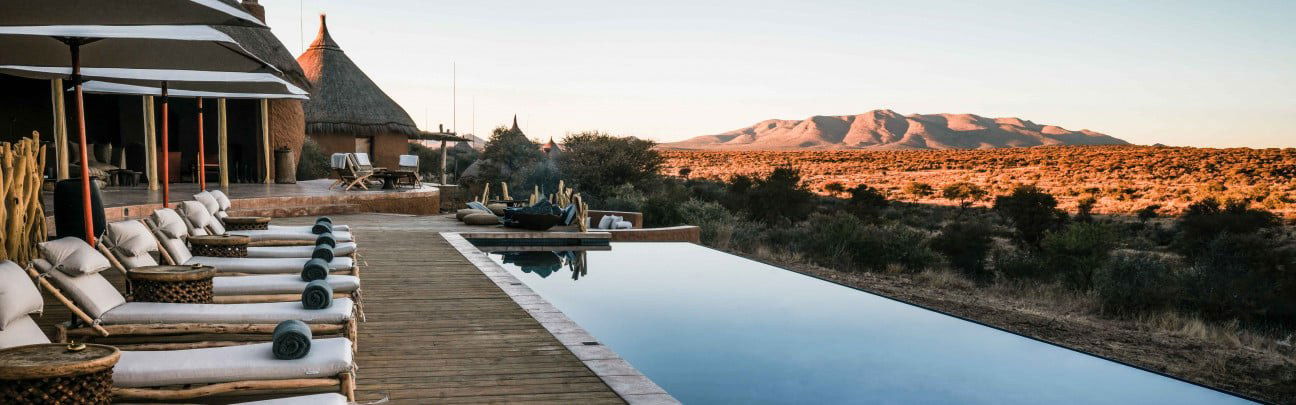


Zannier Omaanda
Ondekaremba, Windhoek
Hotel in Windhoek, Namibia
 Book with Pearl
The Read
Sanctuary-Embedded Safari
Why go
Book Zannier Omaanda for a special-occasion lodge stay near Windhoek where privacy and atmosphere matter more than city convenience. Its strongest signals are Michelin 2 Keys (2025), La Liste Top Hotels 2026 recognition at 90.5 points, and the Mr & Mrs Smith Seal of Approval. Cross-shop The Windhoek for city access and Our Habitas Namibia for a more social stay.
About Zannier Omaanda
Zannier Omaanda is a Windhoek venue with a smart casual dress code and hotel recognition that includes Michelin 2 Keys (2025), La Liste Top Hotels (2026) at 90.5pts, and the Mr & Mrs Smith Seal of Approval (2026). For rooms, dining, service style, location details, pricing, or amenities, confirm specifics directly before booking.
Use this as a focused decision note rather than a full itinerary brief. Zannier Omaanda reads as a premium Windhoek choice, with practical details to settle before booking, including meal periods, transfer logistics, room categories, and on-property programming.
Book it for hotel recognition and a smart casual setting
The strongest reason to keep Zannier Omaanda on a shortlist is its recognition: Michelin 2 Keys (2025), La Liste Top Hotels (2026) at 90.5pts, and the Mr & Mrs Smith Seal of Approval (2026). Those credentials are useful if you are comparing premium stays and want a property with independently noted hotel standing.
For comparison, travelers may also look at Our Habitas Namibia, The Windhoek, Strand hotel, Gmundner Lodge, or Epako Safari Lodge & Spa, depending on the route and style of trip. Where the comparison depends on exact location, transfer time, facilities, or dining, check those details directly rather than assuming they match Zannier Omaanda.
The value test is whether the profile fits the trip
The value case should rest on the essentials: Zannier Omaanda is in Windhoek, has a smart casual dress code, and carries notable hotel recognition. If your decision depends on a specific room type, menu format, activity schedule, price point, or transport plan, confirm those points with the property.
For Namibia planning, Zannier Omaanda can be compared with Gmundner Lodge, Epako Safari Lodge & Spa, Our Habitas Namibia, Strand hotel, and The Windhoek as part of a broader premium-stay shortlist. The right choice will depend on the trip's route and practical needs, not just on awards.
The practical verdict: shortlist Zannier Omaanda when its Windhoek setting, smart casual profile, and hotel recognition match the purpose of the trip. Before committing, confirm any operational details that matter to your stay, especially dining, transfers, room configuration, and timing.
Planning details
- Location
- Farm no. 78, Rest of Ondekaremba Farm, Kapps Farm, Windhoek East, Windhoek, Namibia
- Website
- zannierhotels.com/hotels/omaanda-namibia
- Phone
- +264840008888
The take
The Take
The Vibe
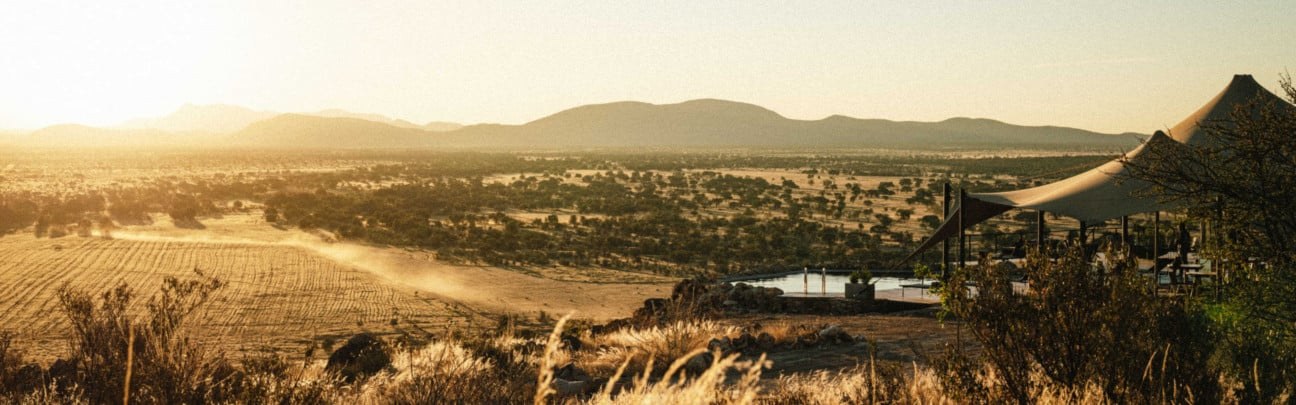
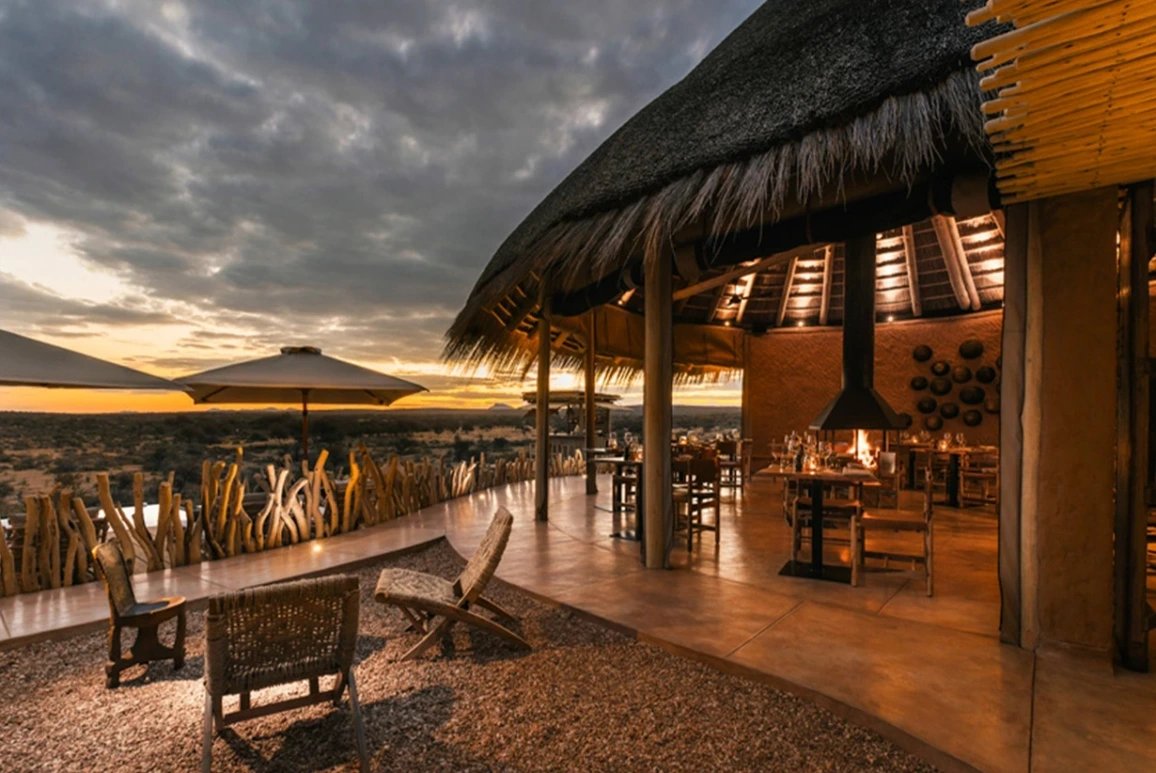
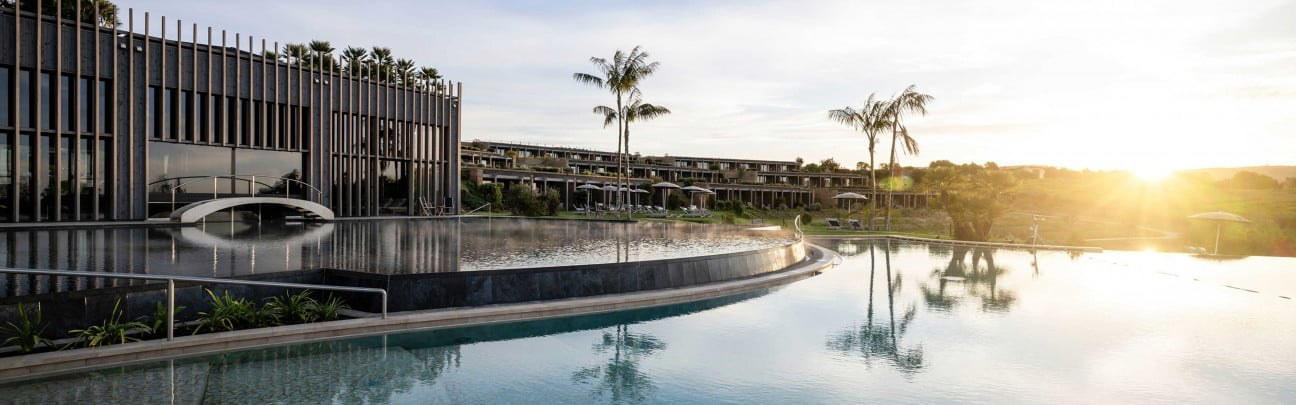
Zannier Omaanda presents a serene, high-end safari-lodge atmosphere that emphasizes proximity to the Namibian savannah rather than urban polish. The property sits on an active farm with direct access to a wildlife sanctuary, so the experience feels rooted in place: tents and public spaces are designed around the landscape and its sounds. Dining is intentionally al fresco, and the big night sky becomes part of the design language, so evenings feel quietly cinematic. Overall the lodge balances premium service with an unforced, natural calm that highlights the reserve rather than the hotel design itself.
Best For
This lodge is particularly well suited to travelers who want genuine savannah proximity without long transfers from Windhoek: it functions as a convenient first- or last-night addition to a broader Namibia itinerary. Guests who prioritize wildlife access, quiet evenings under the African sky, and a dining programme anchored in place will find it especially rewarding. Because the property leans into the reserve experience rather than being a city hotel, it also appeals to couples and small groups seeking a focused, nature-first stay close to the capital.
Stay Tips
Dining at Omaanda is intentionally outdoors and structured: dinners are served al fresco across three courses, and the copy emphasizes that eating outside with the sounds of the reserve is the point of the meal. Guests should plan to take advantage of the outdoor seating and accept that the night sky and ambient reserve sounds are part of the experience. Expect a place-driven menu rather than an imported tasting-menu framework, and treat the al fresco dinner format as a central part of the stay rather than an optional add-on.
Venue details
Ambiance
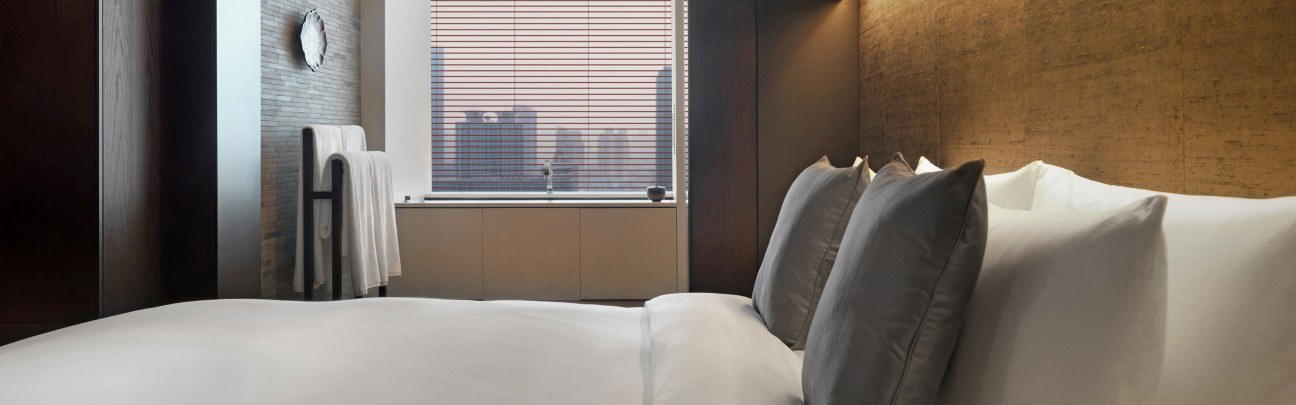
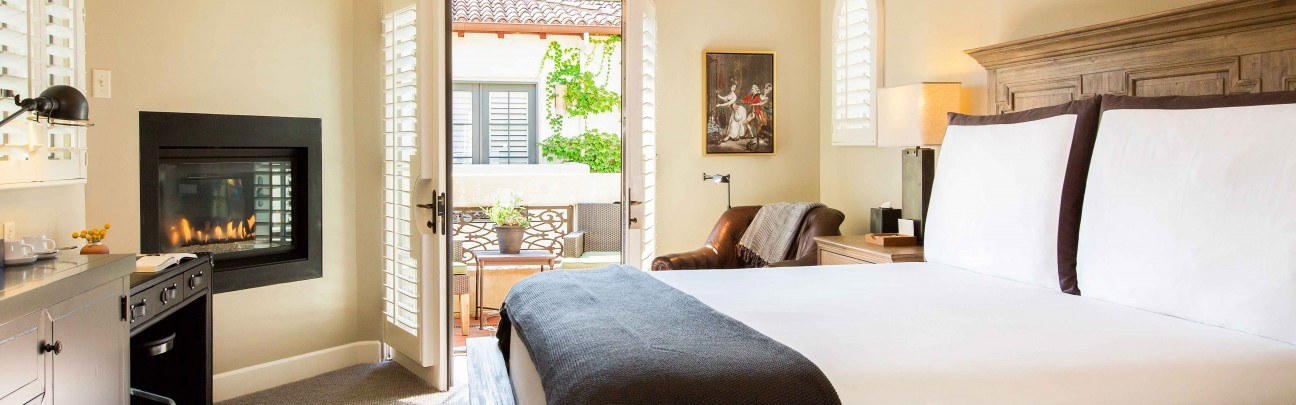
Tranquil and luxurious with natural lighting, serene wilderness views, infinity pool overlooking waterholes, and cozy fireplaces creating an intimate, earthy paradise atmosphere.
Tags
Vibe
Best For
Experience
Amenities
View
About the Stay
- Rooms
- 15
- Check-in
- 15:00
- Check-out
- 11:00
- Property Type
- Boutique hotel
- Property Style
- Traditional Namibian Thatched Huts in a Private Wildlife Reserve
- Design Style
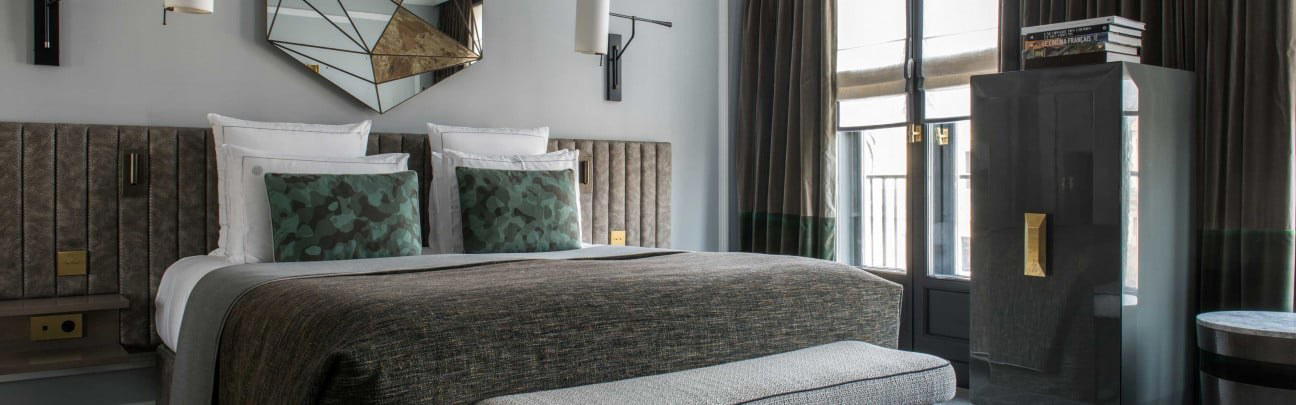
- Rustic Luxury with Earthy Tones, Clay Walls, Thatched Roofs, and Modern Comforts
- Breakfast
- Included
- Airport Transfer
- Available
- Pool
- Yes
- Spa
- Yes
- Cancellation
- Moderate
Know before you go
Know Before You Go
- Getting there
- Farm no. 78, Rest of Ondekaremba Farm, Kapps Farm, Windhoek East, Windhoek, Namibia
Planning details
Location
Farm no. 78, Rest of Ondekaremba Farm, Kapps Farm, Windhoek East, Windhoek, Namibia · Directions
Recognition and awards

Also consider
Also Consider
- The Windhoek, Notable alternative
- Our Habitas Namibia, Notable alternative
- Gmundner Lodge, Notable alternative
- Epako Safari Lodge & Spa, Notable alternative
- Strand hotel, Notable alternative
Hotel context
How it compares near Windhoek
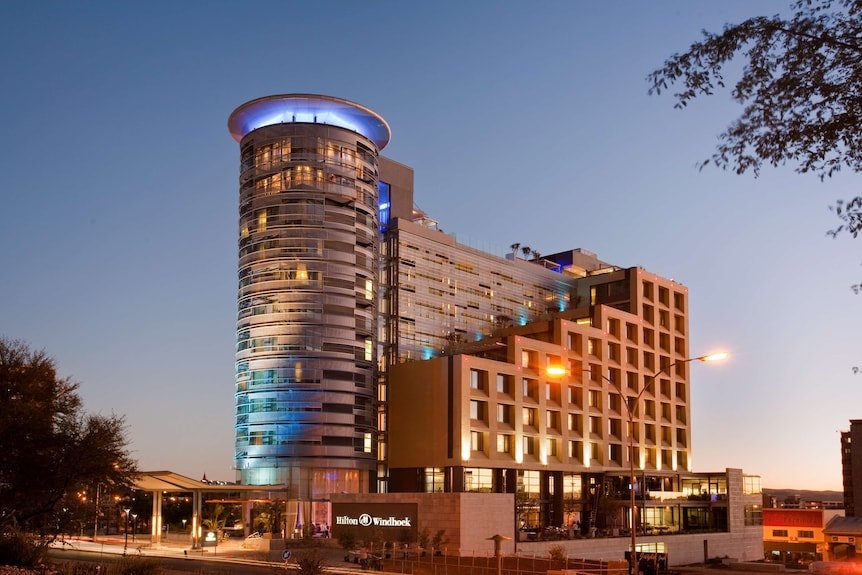
Zannier Omaanda is the splurge-minded, occasion-led choice in this set: harder to book, more private in feel, and stronger for travelers who want the hotel setting to define the stay. The Windhoek is the practical alternative if the priority is city access and simpler logistics. Choose The Windhoek for business movement; choose Zannier Omaanda when privacy and atmosphere justify the extra effort.
Our Habitas Namibia is the sharper cross-shop for guests who want a more social, activity-forward Windhoek-area stay. Zannier Omaanda is better for a quieter celebration or couple-focused trip, while Our Habitas Namibia makes more sense for travelers who want the property to feel more communal. For value, the right call depends on whether the room and setting are the main event.
Out of metro, Gmundner Lodge and Epako Safari Lodge & Spa work better when the itinerary is built around a specific lodge stop beyond Windhoek. Strand hotel belongs in the comparison only if the trip is shifting toward the coast rather than staying Windhoek-focused. For a Windhoek-adjacent celebration stay, Zannier Omaanda is the more convincing choice; for easier routing, pick the peer that matches the next leg of the trip.
Explore Windhoek
Around this place
Discover more on Pearl
Unlock the full Zannier Omaanda guide in Pearl, including awards, comparisons, FAQs, planning details, and nearby places.
Compare Zannier Omaanda
| Venue | Location | Awards |
|---|---|---|
| Zannier Omaanda | Windhoek | 2026 Mr & Mrs Smith Luxury Hotels2026 La Liste Top Hotels2026 Michelin 2 KeysMichelin 2 Keys 20252025 Michelin 2 Keys |
| The Windhoek | Windhoek | No published awards |
| Our Habitas Namibia | Windhoek | No published awards |
| Gmundner Lodge | Dordabis District | 2026 Relais Chateaux Hotels2025 Relais Chateaux Award |
| Epako Safari Lodge & Spa | Omaruru | 2026 Relais Chateaux Hotels2025 Relais Chateaux Award |
| Strand hotel | Swakopmund | No published awards |


How Zannier Omaanda Windhoek compares with similar nearby venues.
FAQ
Frequently Asked Questions
Do loyalty programs work at Zannier Omaanda?
Do not choose this stay for loyalty-program value unless you have checked the relevant terms directly. Its key profile points are Michelin 2 Keys (2025), La Liste Top Hotels (2026) at 90.5pts, the Mr & Mrs Smith Seal of Approval (2026), and a Windhoek location.
How is the dining at Zannier Omaanda?
How is the location of Zannier Omaanda?
Zannier Omaanda is in Windhoek. If location is central to the trip, confirm address details, neighborhood context, transfer times, and proximity to other places directly.
What is check-in like at Zannier Omaanda?
Is Zannier Omaanda good for business travel?
It may suit some business travelers. If the trip depends on meeting space, commute time, connectivity, or quick city access, compare details directly with The Windhoek, Strand hotel, or other Windhoek options.
Which room category is best at Zannier Omaanda?
When is the best time to book Zannier Omaanda?
For peak dates, special occasions, or itinerary-sensitive trips, contact Zannier Omaanda directly to confirm availability, rates, and cancellation terms.